Doing It Yourself
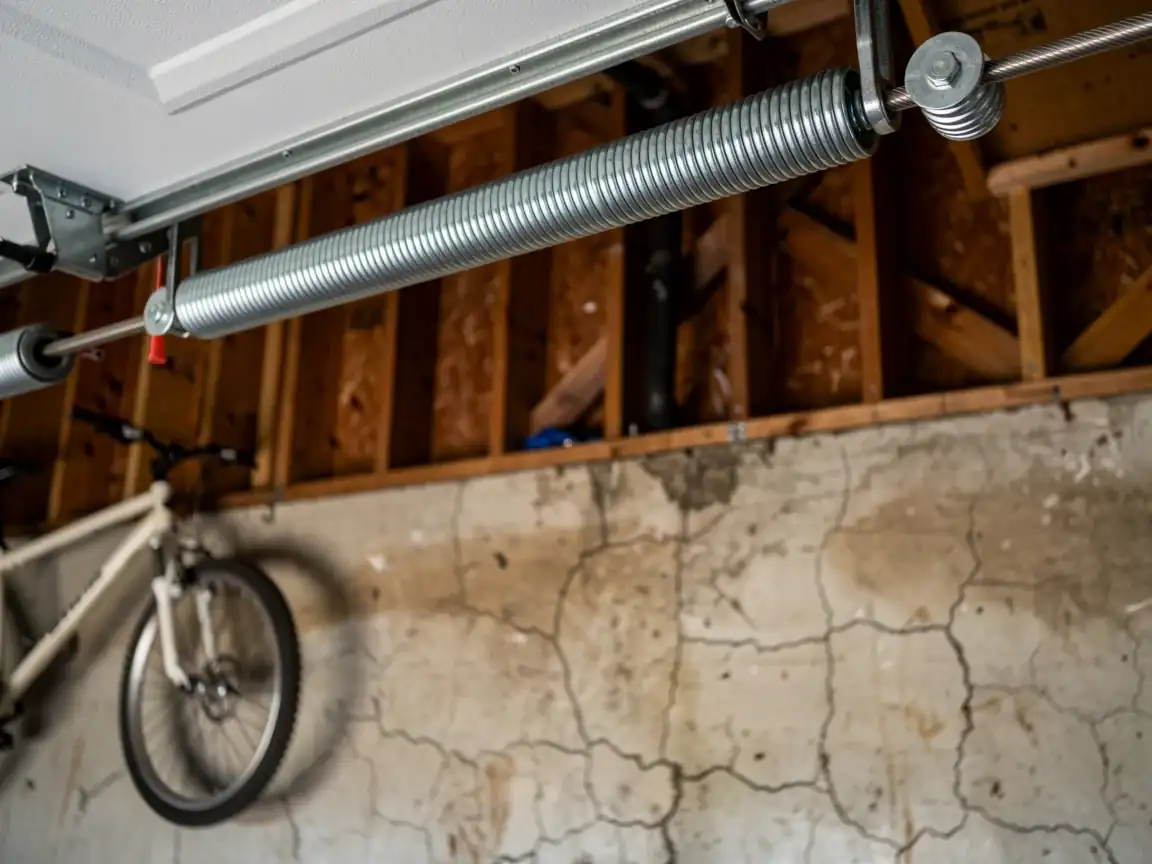
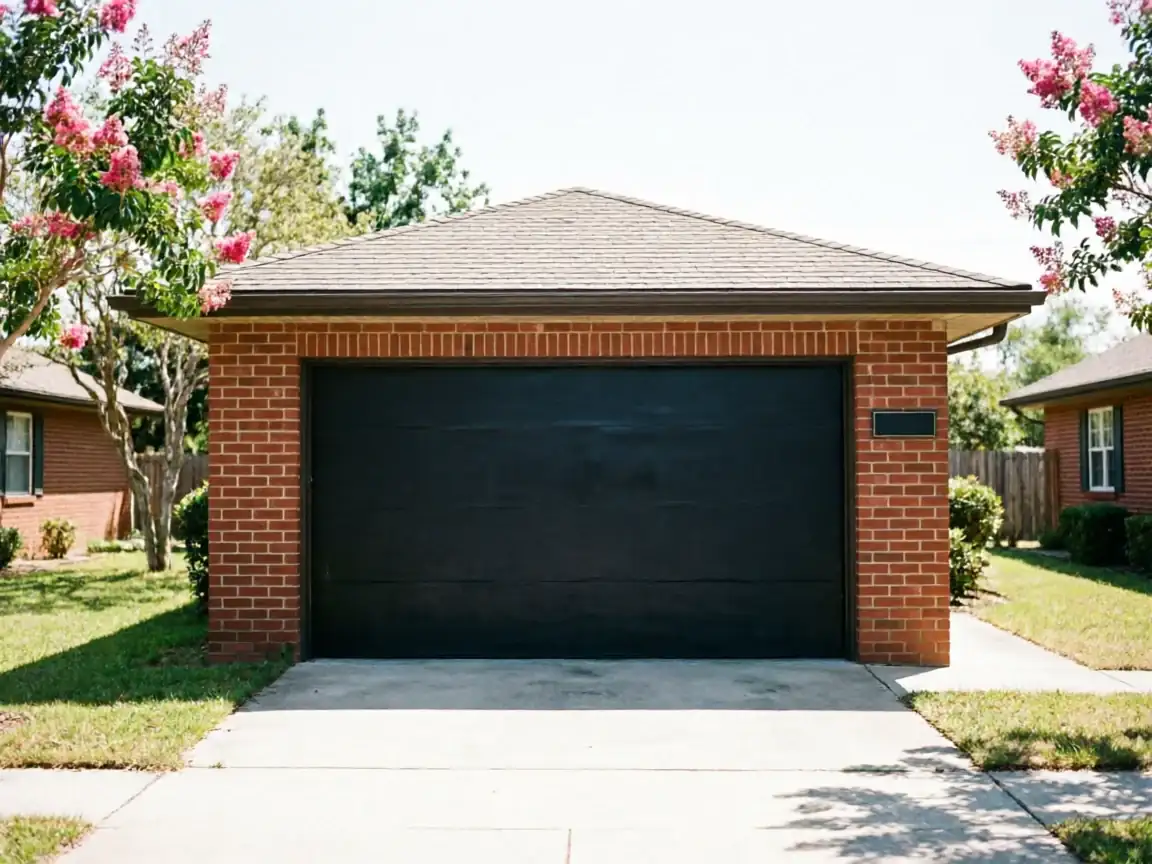
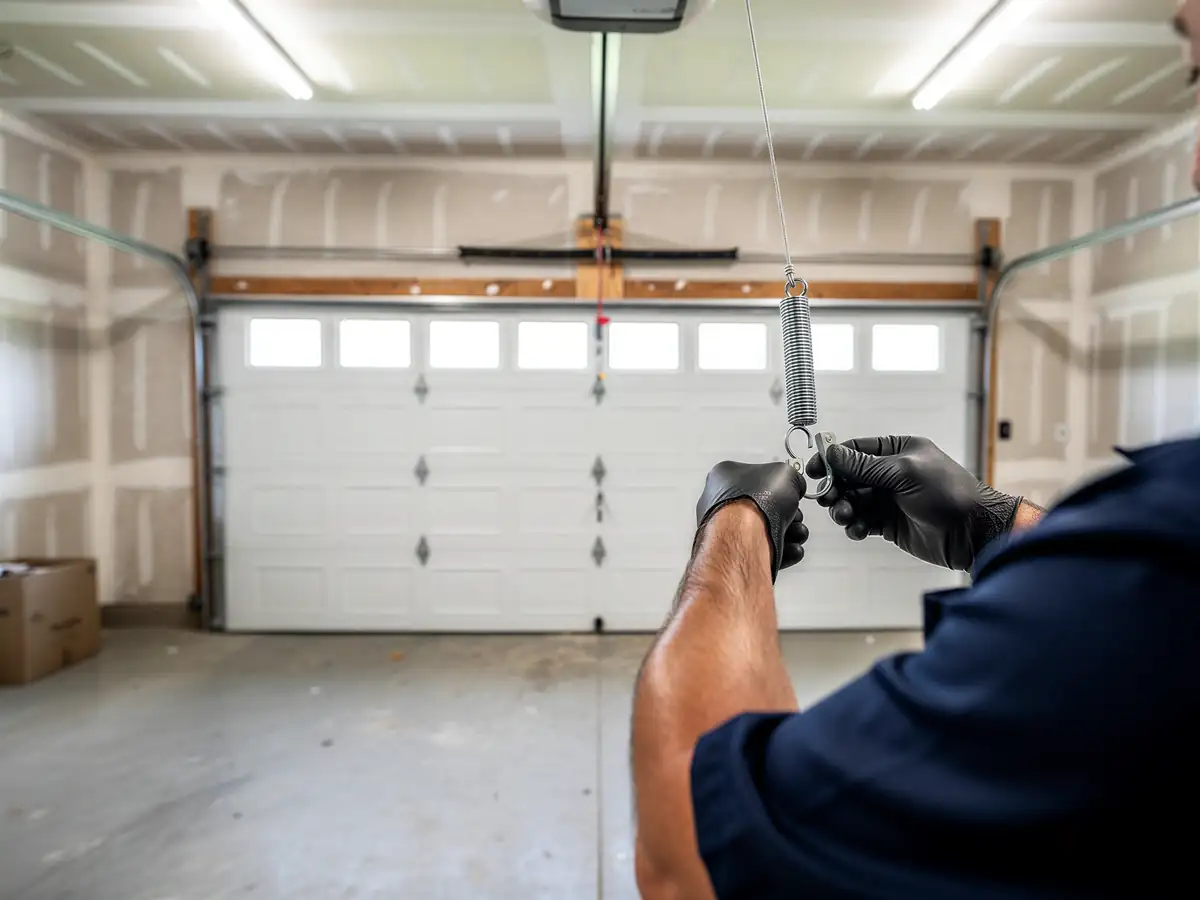
If your house in White Oak went up anywhere near the neighborhood's median build year of 1981, there's a real chance the torsion spring over your door has never been swapped. Springs aren't built to last forever - they're rated in cycles, and a door that's opened and closed twice a day for over forty years has used up what it was sold with. That's the part people don't expect: the spring isn't broken because something went wrong, it's broken because it finally ran out.\n\nWe won't talk you through doing this one yourself. A wound torsion spring holds enough stored tension to break bones or worse if the winding bars slip, and the tools for it aren't something most garages have sitting around. What you can safely check: does the spring look stretched, rusted, or visibly gapped when the door is down? Is there a loud bang you heard once and then the door wouldn't lift? Both are worth a call. What you shouldn't do is loosen the set screws on the winding cone to see what happens - that's the single most common way this job sends someone to the ER instead of to work.
How Long It Takes
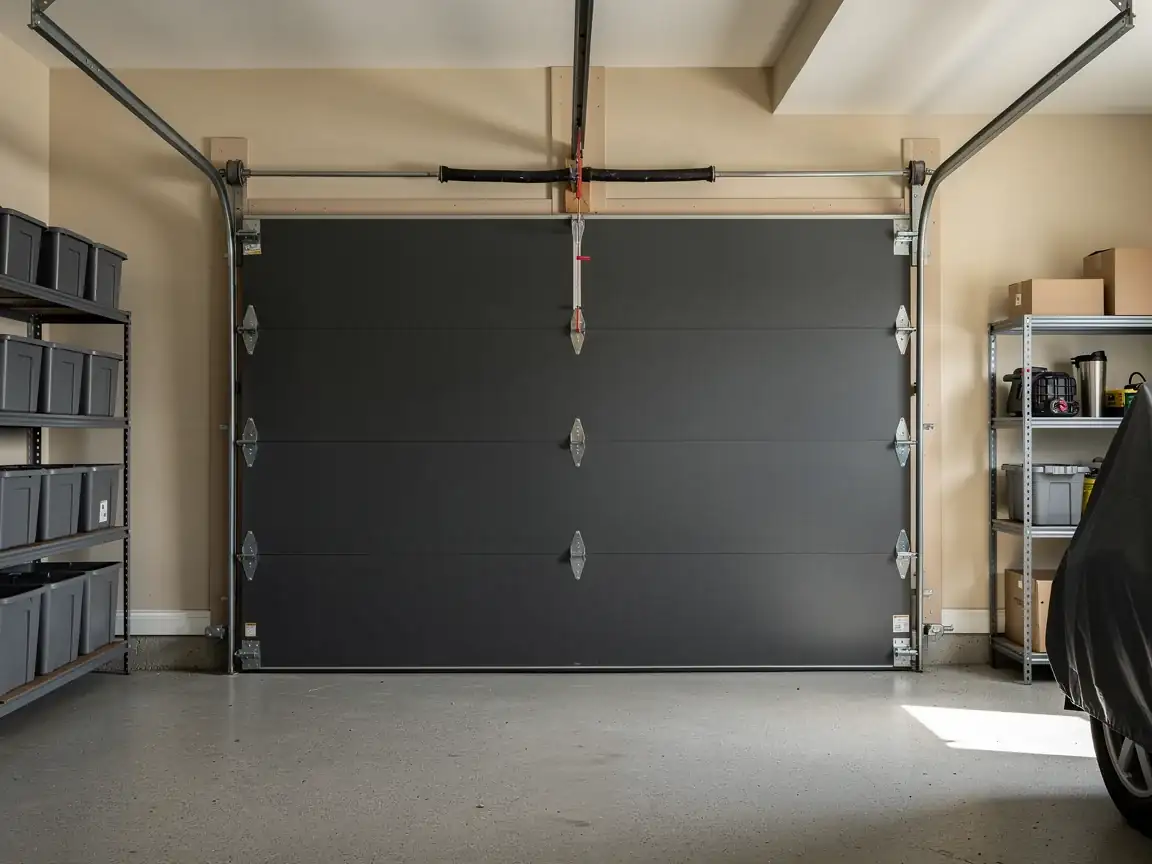
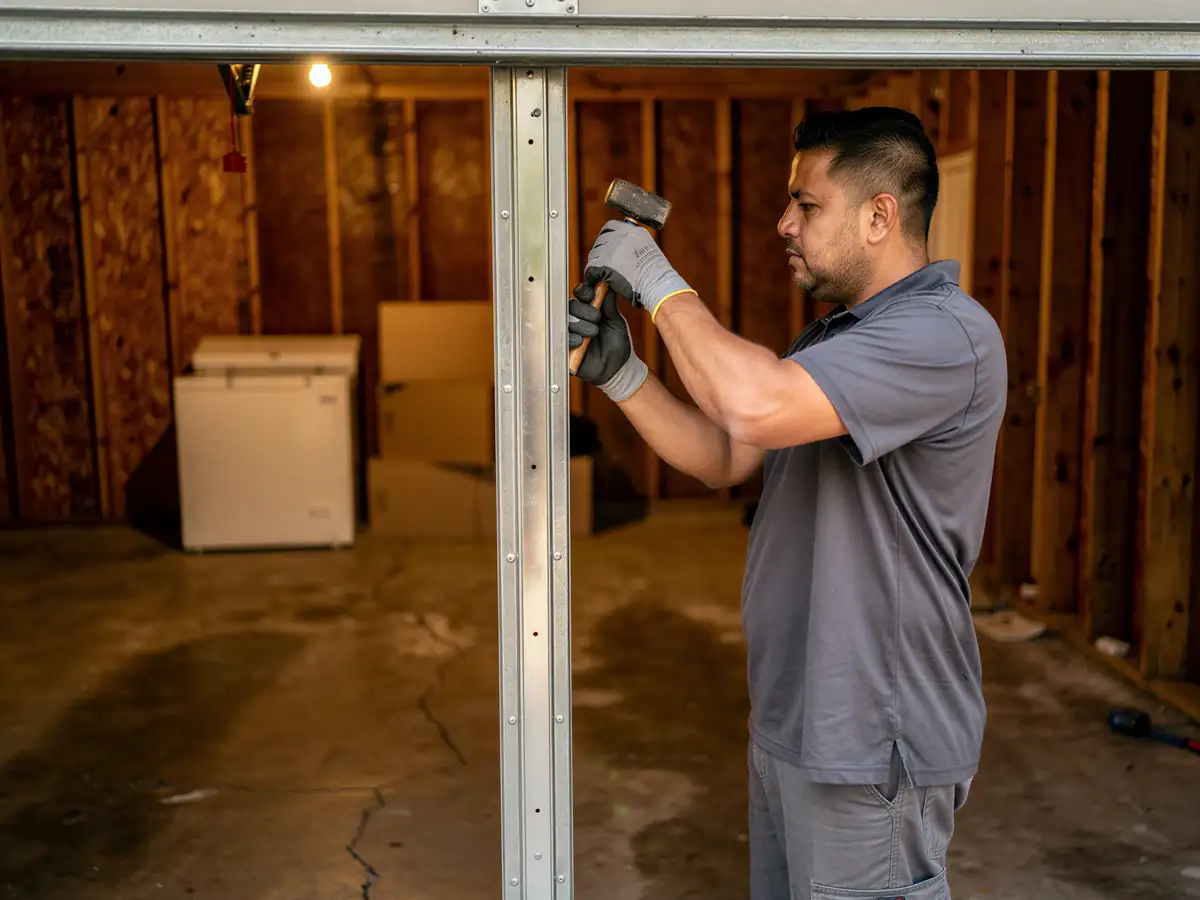
We can't promise a number here without knowing what's actually on your door - a single spring on a 7-foot door is a different job than a matched pair on a double-wide 1981-build garage where the drums and cable have also aged out. What we can tell you honestly is that the time on-site is usually the smaller part of the job; sizing the right spring for your door's weight and cycle life is where the judgment call happens, and rushing that step is how a door ends up unbalanced again in a year.\n\nIf the hardware under the spring - the bearing plate, the center bracket, the cable drums - is original to a 1981 install, we check all of it while we're in there rather than hand back a door with one new part bolted to forty-year-old steel. That adds a few minutes, not an appointment.
What You Are Seeing
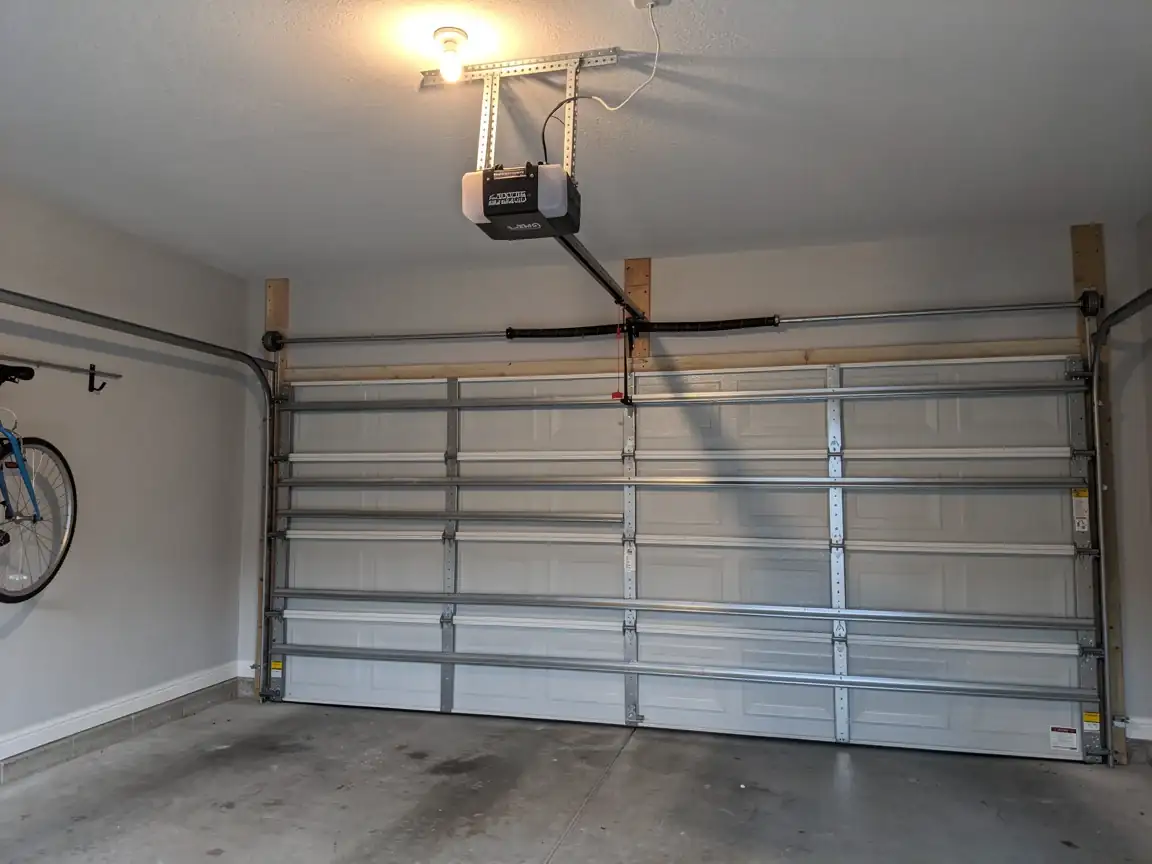
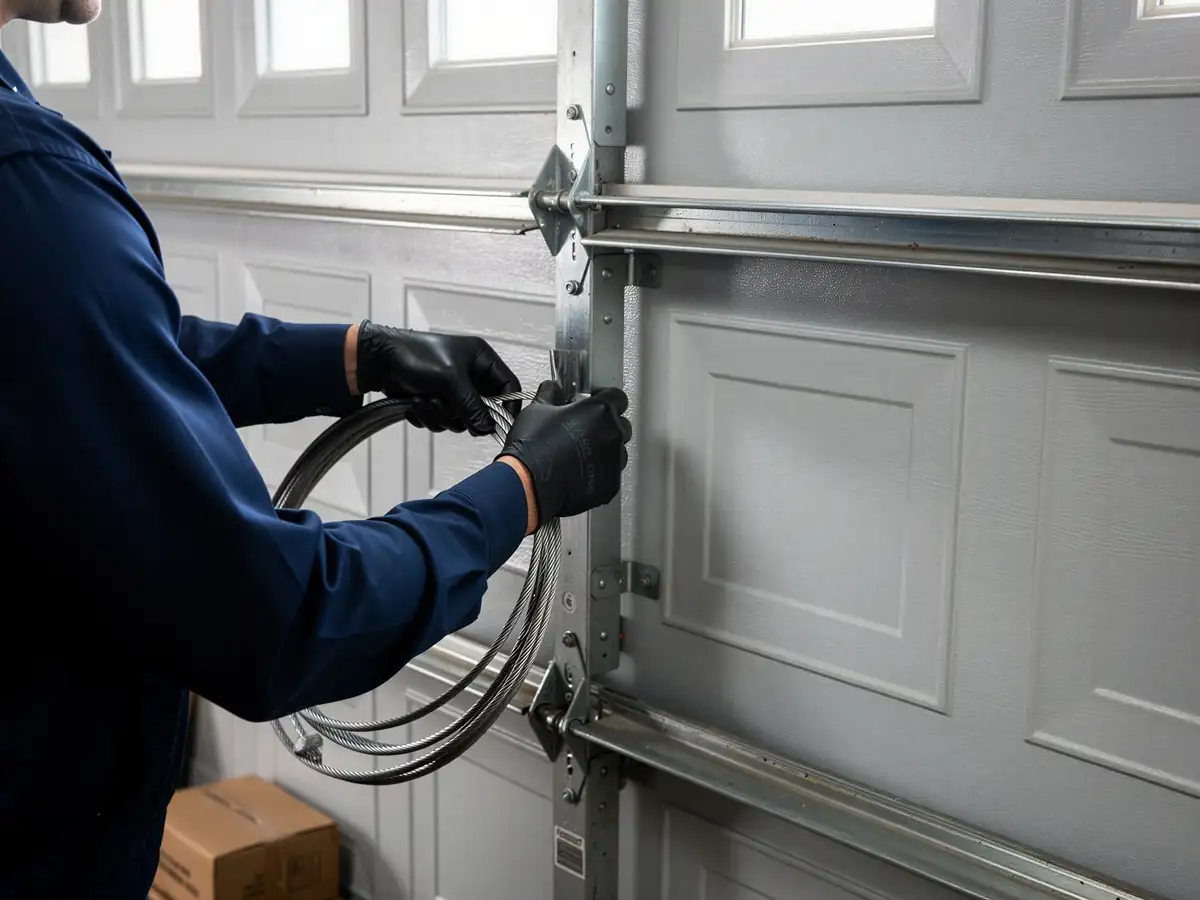
A door that suddenly feels twice as heavy when you lift it by hand, a loud crack from the garage followed by a door that won't budge on the opener, or cables that look loose and bowed at the bottom of the tracks - these are spring symptoms, not opener symptoms, even though most people call about the opener first. In White Oak, where a good share of the housing stock dates to the 1980s and 90s build-out, the door itself is often original too: single-layer steel panels on the same torsion setup from install.\n\nThat matters because a 40-year-old spring rarely fails alone. The drums, the end bearing, and sometimes the track brackets have been carrying that same original load the whole time, and once the spring lets go, the extra stress on worn bearings shows up fast - usually as a door that drags or binds even after the new spring goes in. We check that chain, not just the spring, before calling the job done.
What the Fix Involves
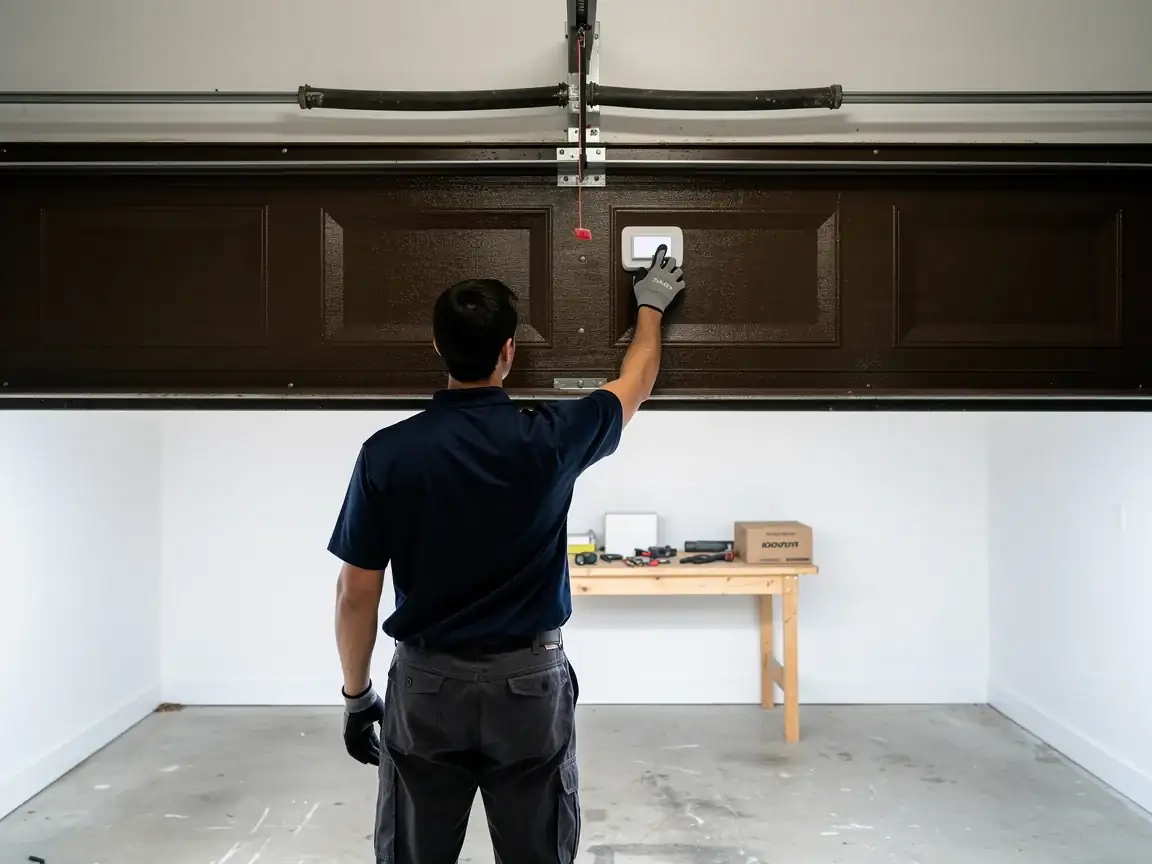
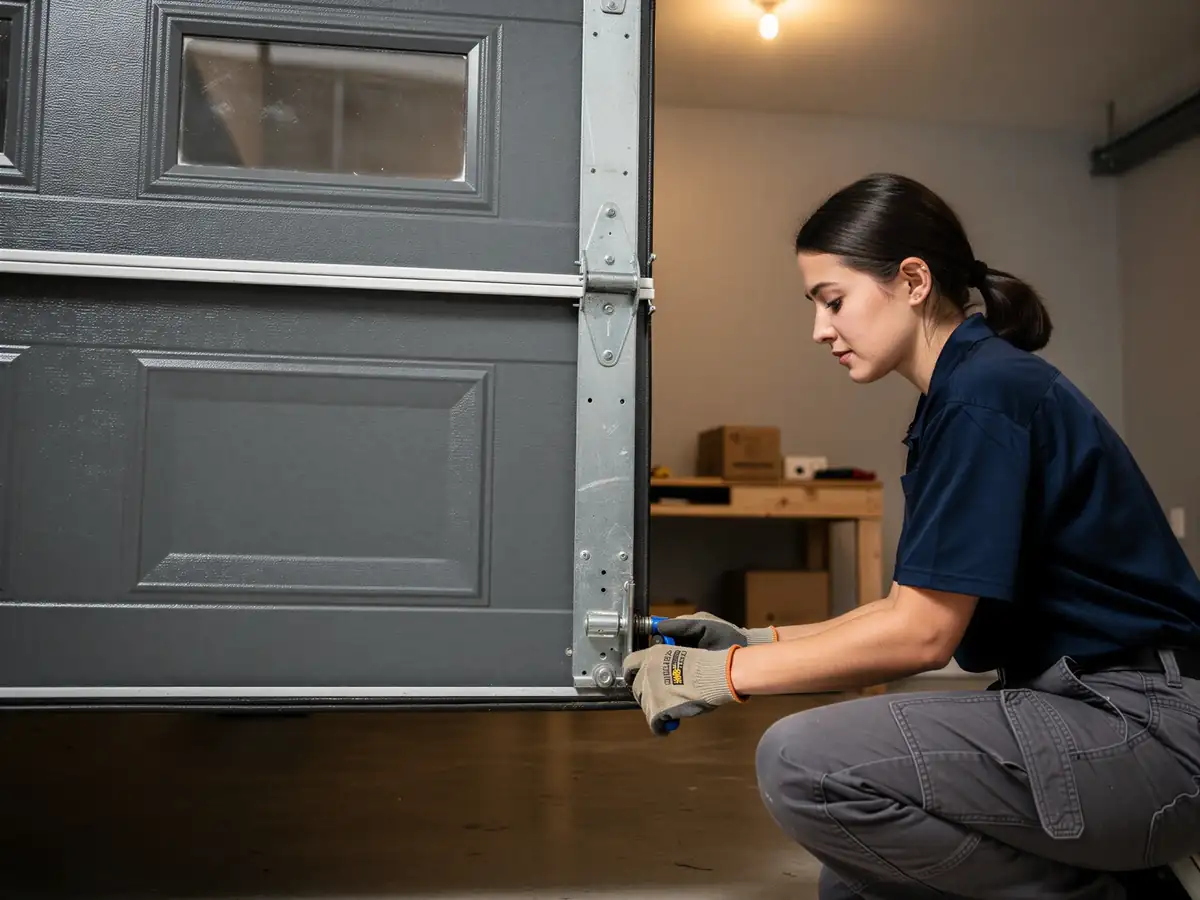
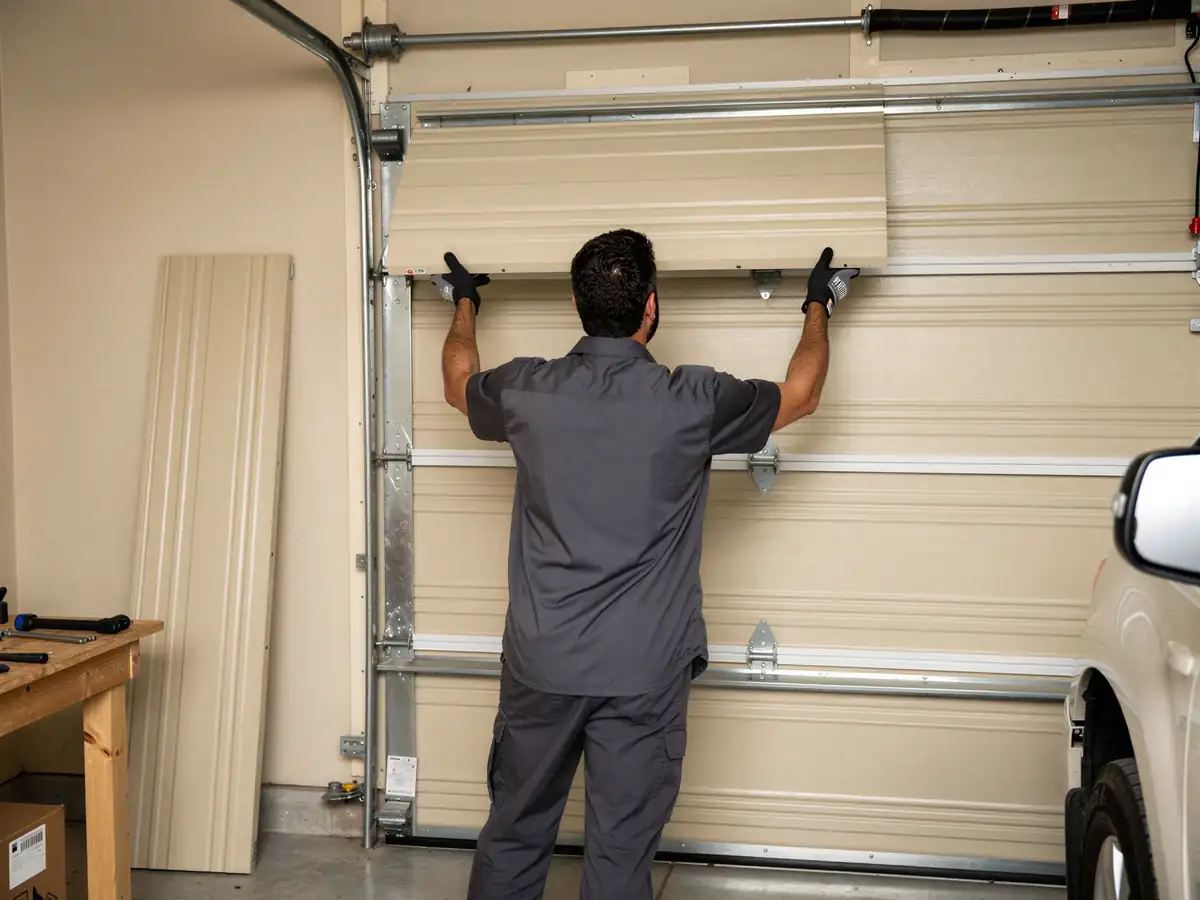
The repair itself is a straight swap: unwind and remove the old spring, measure the door's weight and the drum size, and install a replacement wound to match - matching cycle life to how the door actually gets used, not guessing at it. On a 1981-era door we also check the center bearing plate and the cable drums for wear, since original hardware of that age is often thinner-gauge steel than what's made today.\n\nIf the door is a double-wide, we replace both springs together even if only one broke - an original spring sitting at the same age as its failed twin is close behind it, and running them unmatched throws the door's balance off every time it cycles. After the spring's in, we rebalance the door by hand before testing it on the opener, since a door that's heavy or light on one side wears the opener's gears faster than it should.