Doing It Yourself
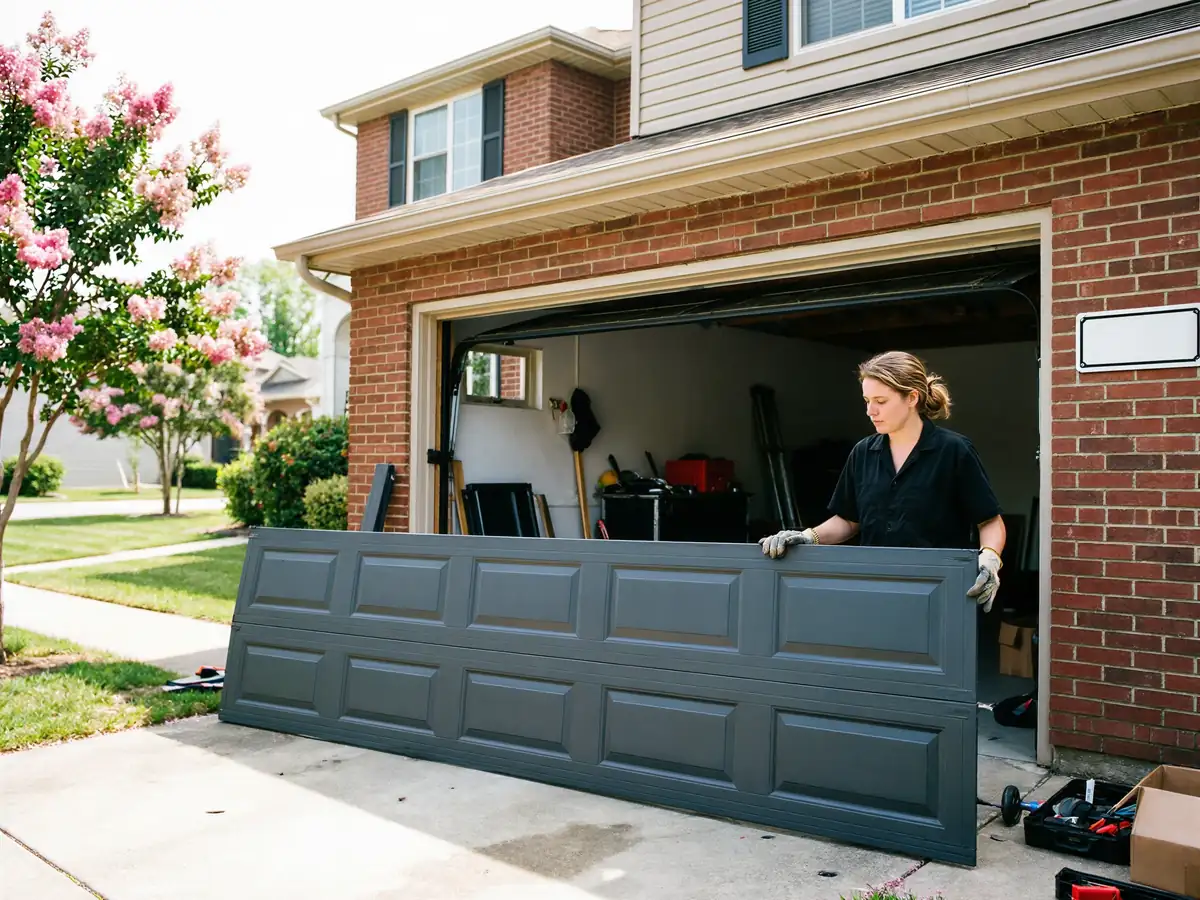
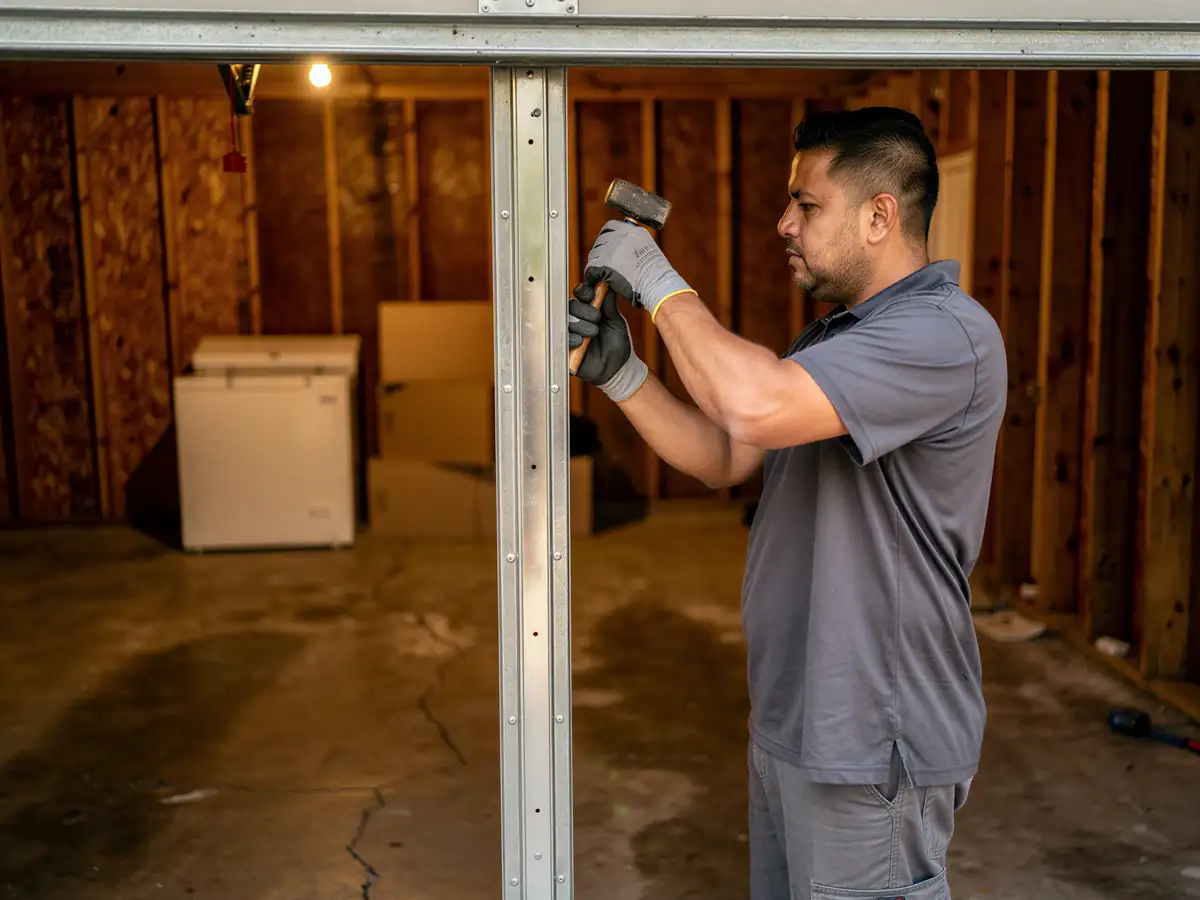
Swapping one bad panel sounds like a bolt-off, bolt-on job, and on paper it is. The problem shows up when you go looking for a match. White Oak's housing stock centers on 1981, and doors from that era used panel widths and rib patterns that newer manufacturers don't carry anymore. Order the wrong profile and you end up with a sectional door that has one panel sitting proud of the rest, catching wind and binding the rollers.
We won't talk you out of trying if you've got the tools and the patience. But measure twice before you buy: panel height, section count, hinge spacing, and whether the door is insulated or a bare steel skin. If you get even one of those wrong on a door this age, the return shipping on a custom panel can cost more than having it done right the first time. That's the honest limit here - this isn't a weekend swap on a door built before today's standard sizing existed.
How Long It Takes
A straight-forward panel swap on a door in stock condition runs under two hours once the part is on site. The wait is almost never the labor - it's the panel. Doors matching White Oak's 1981 median build year were often installed with sectional runs that today's suppliers no longer carry off the shelf, so a close color and rib match sometimes means a special order rather than a same-day pull from the truck.
We'll tell you up front if your door falls into that category before we quote a date. If it's a common width from the 1980s-90s run that's typical across this part of the service area, we can usually get it done in one visit. If it's an odd or discontinued profile, we're straight with you about the lead time instead of promising a date we can't hit.
Booking a Visit
There's no local branch in White Oak
The truck runs out from Longview, about 5 miles away, so we schedule panel jobs alongside other calls in the area rather than dispatching on demand. That's not a knock against the town, just how a single-shop operation routes its day.
- 5 miles
When you call, have the door's approximate age ready
Along with which panel is damaged (top, bottom, or one of the middle sections) and whether the door is insulated. That lets us check stock on the matching panel before we're standing in your driveway, which saves a second trip if the part has to be ordered.
What You Are Seeing
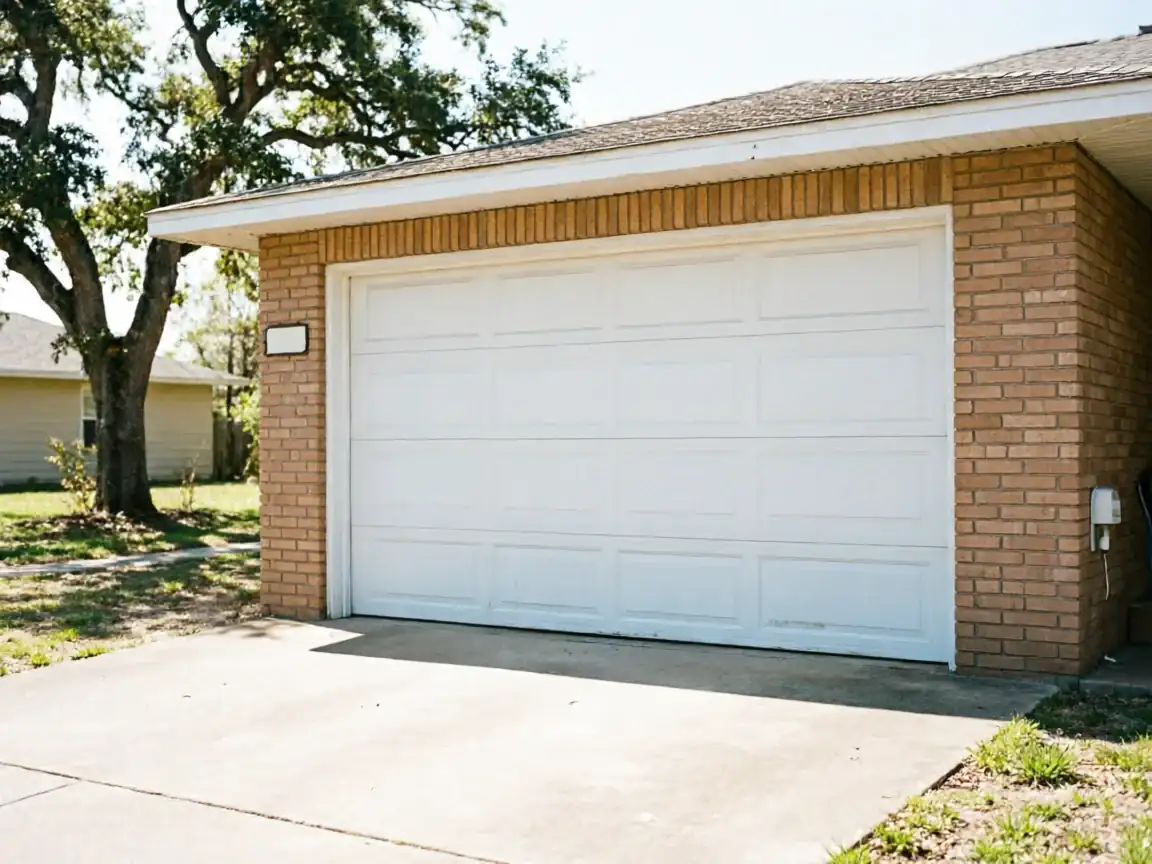
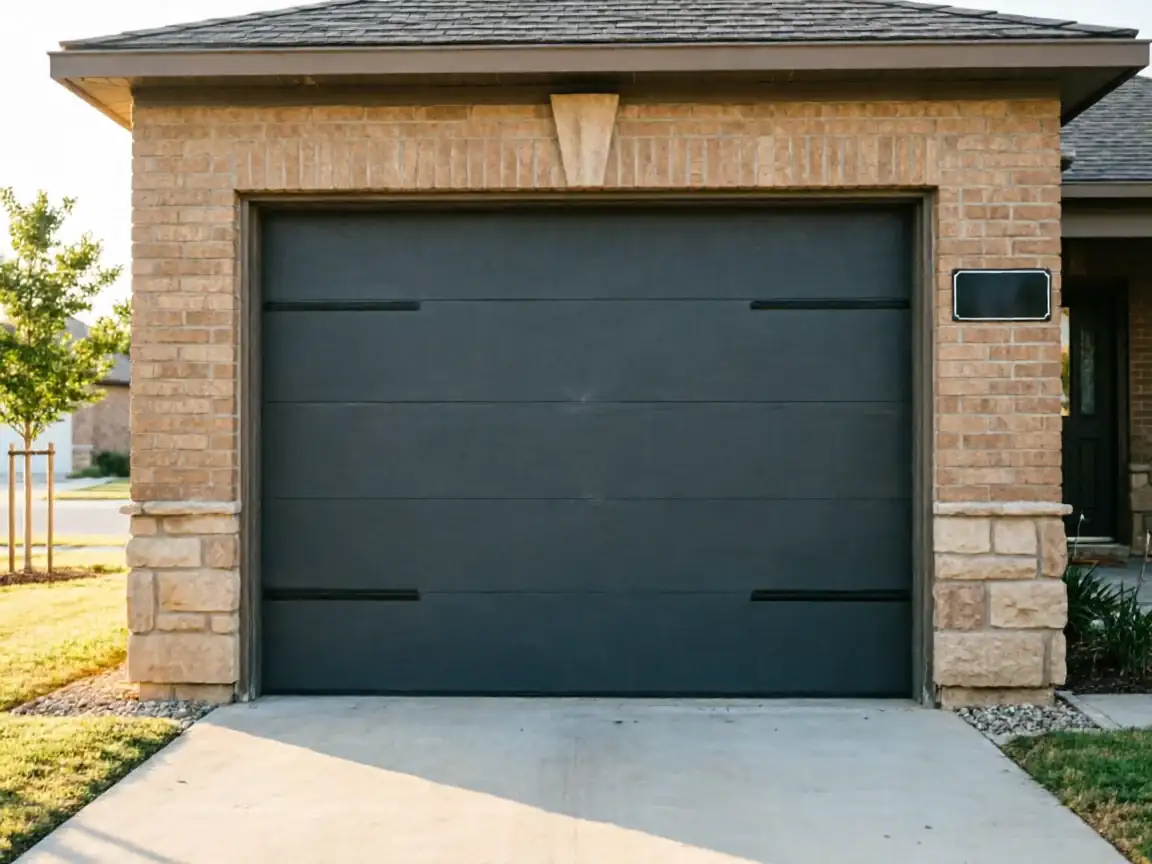
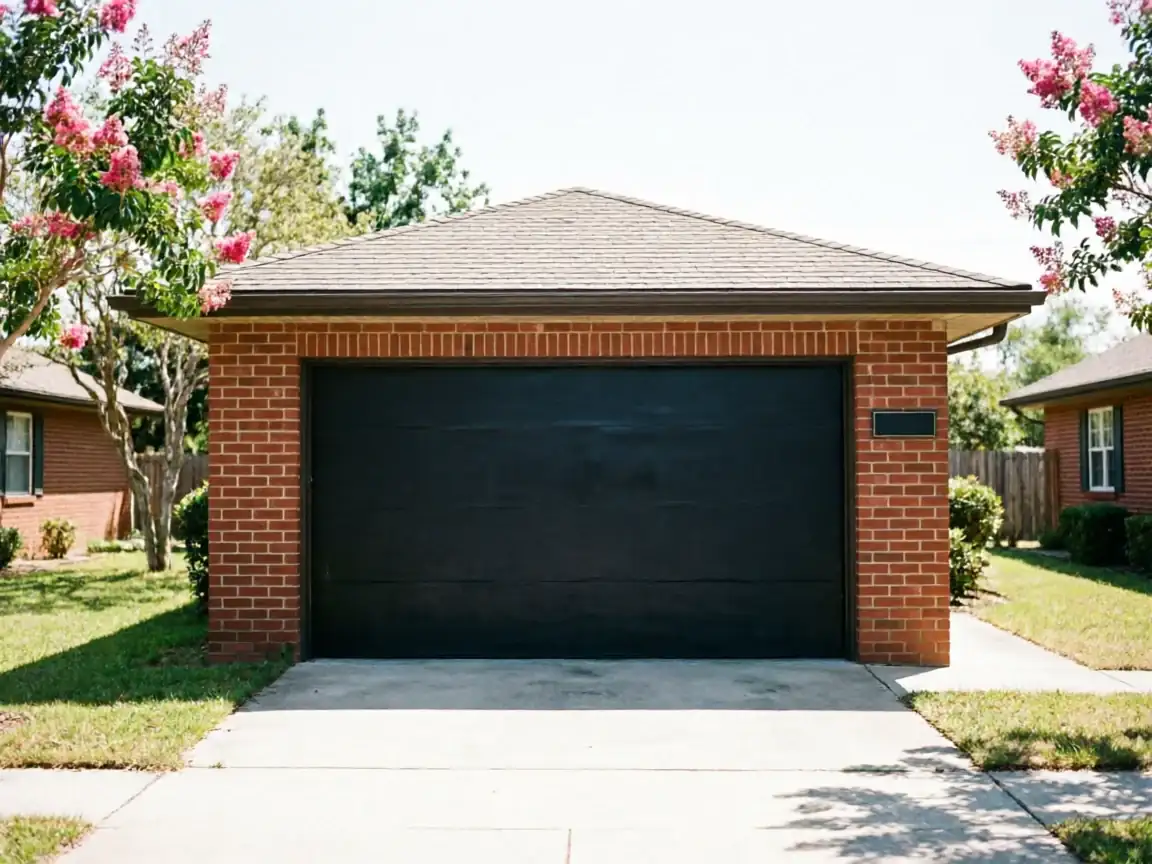
On doors from White Oak's main build era - mostly 1980s and into the 90s - panel failure usually looks like one of three things: a dent from a car bumper or trailer hitch that's creased the steel enough to bind the track, rust-through along the bottom panel where irrigation or runoff sits against the door, or a section that's simply faded and chalked to a different shade than the rest after decades of Texas sun. None of those are urgent safety issues on their own, but a creased panel can throw the door off its rollers if it's left to flex every time the door cycles.
If you're seeing a panel that's bowed inward or a section where the steel skin has separated from the frame, that's worth a look sooner than later - it changes how the whole door tracks, not just how it looks.
What the Fix Involves
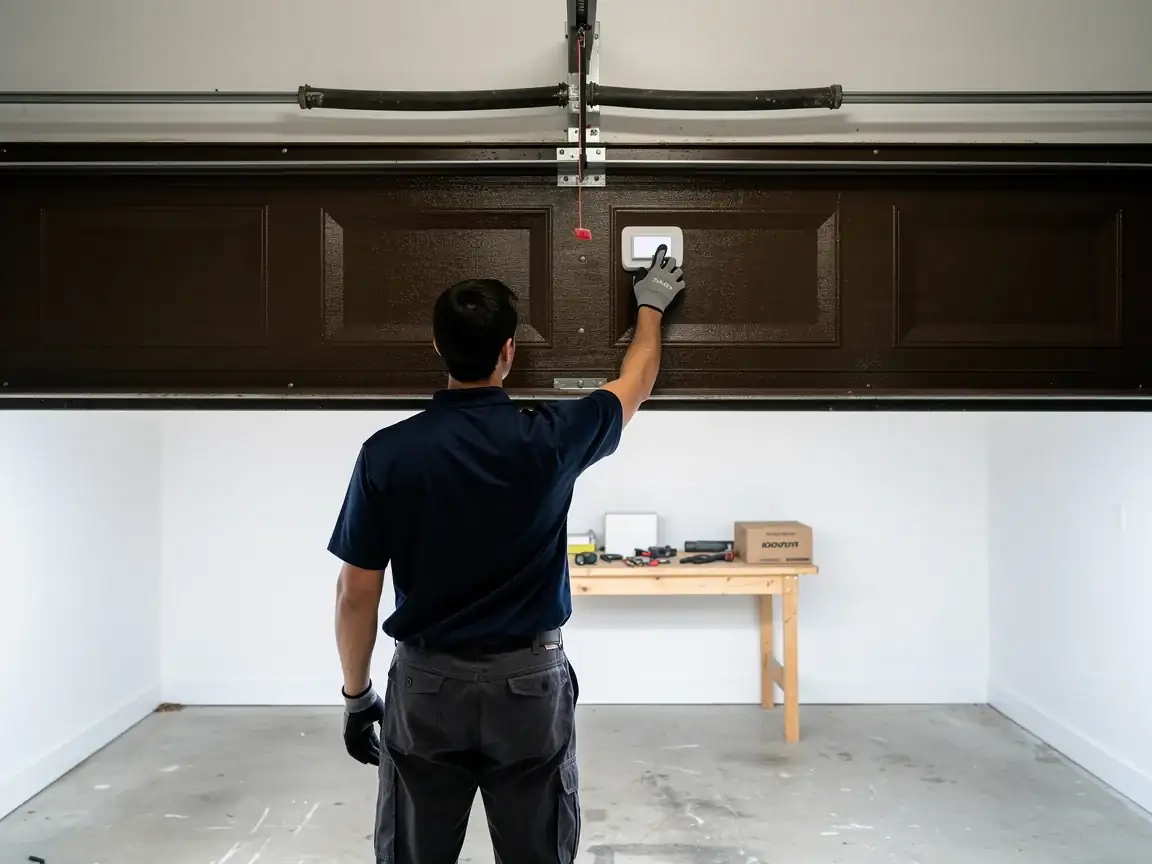
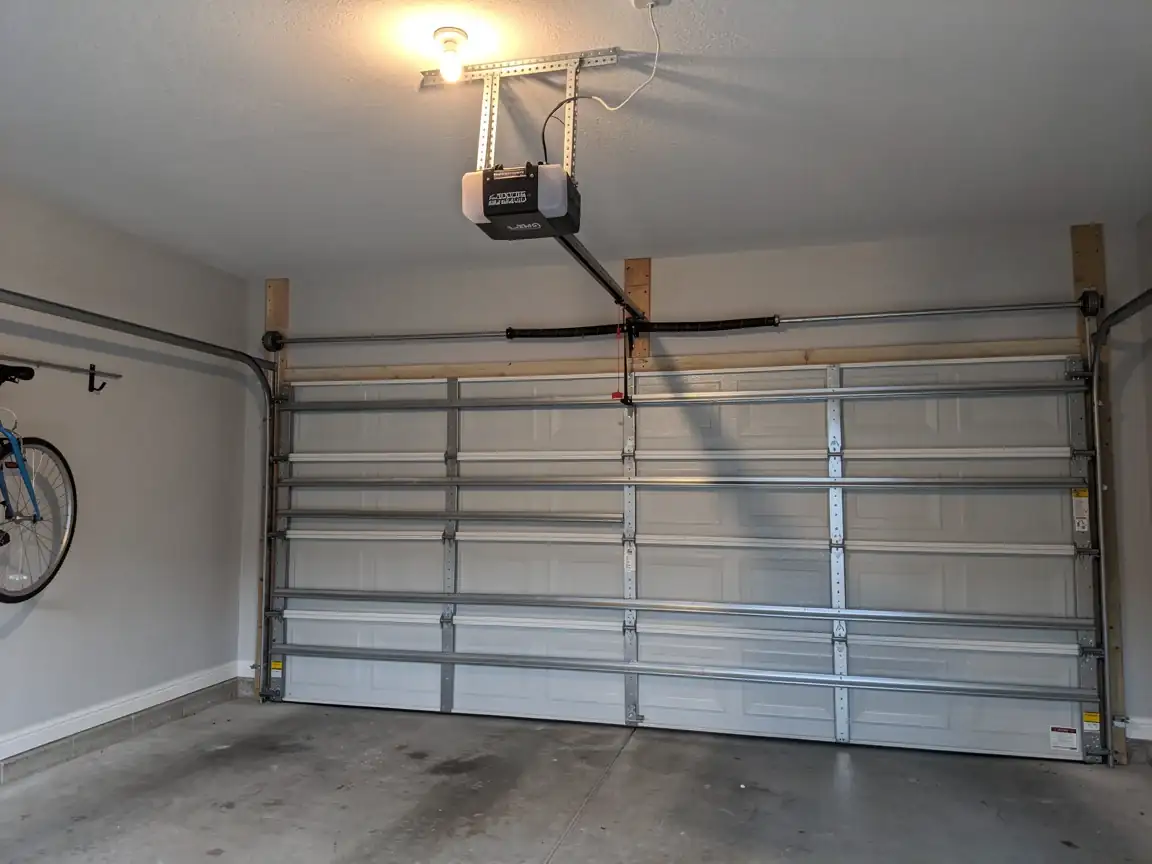
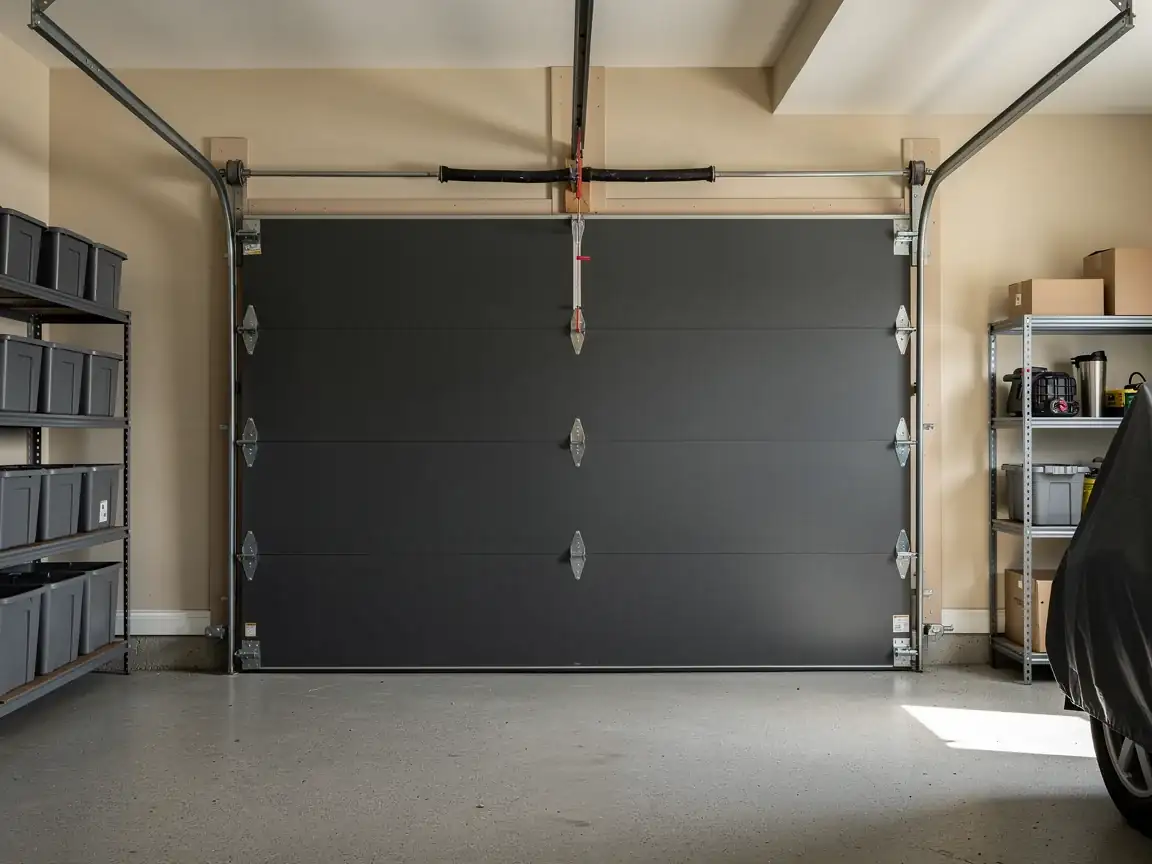
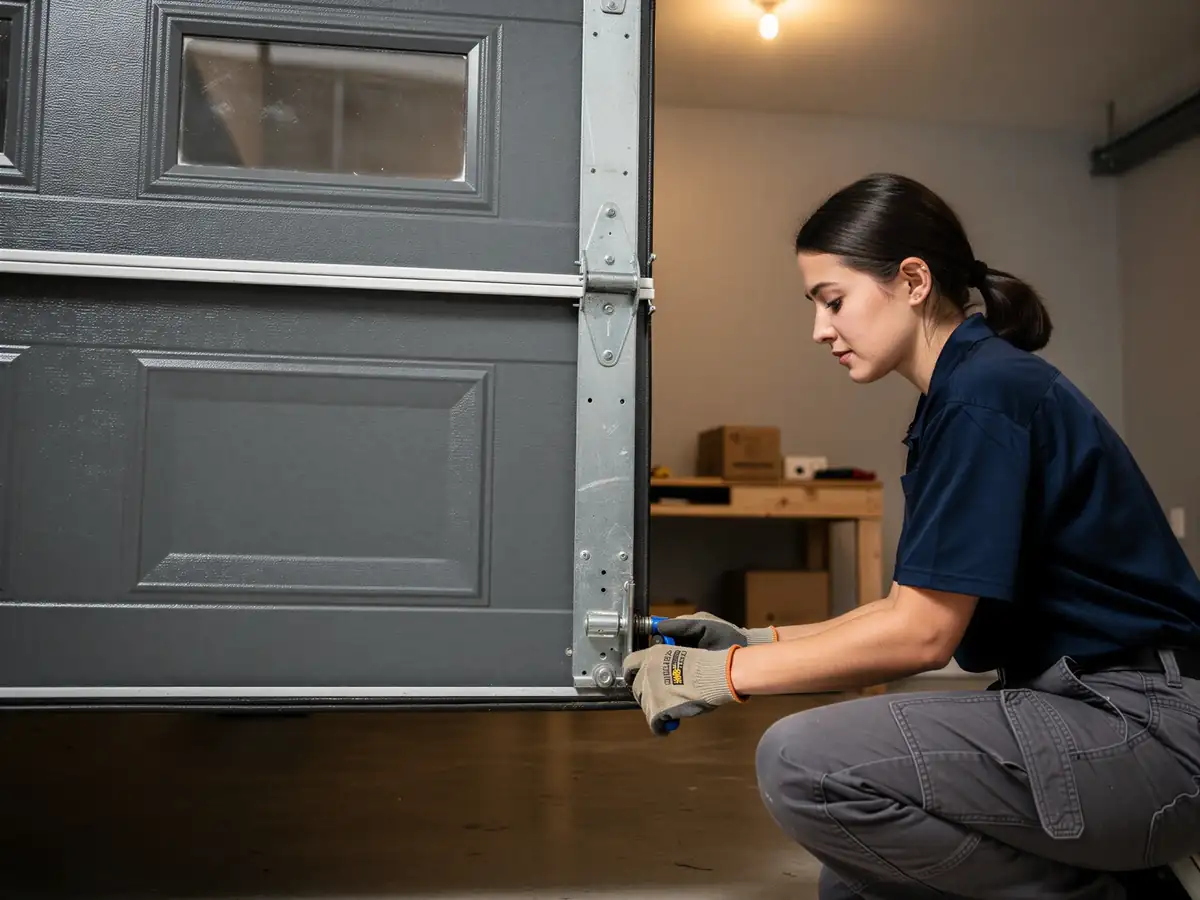
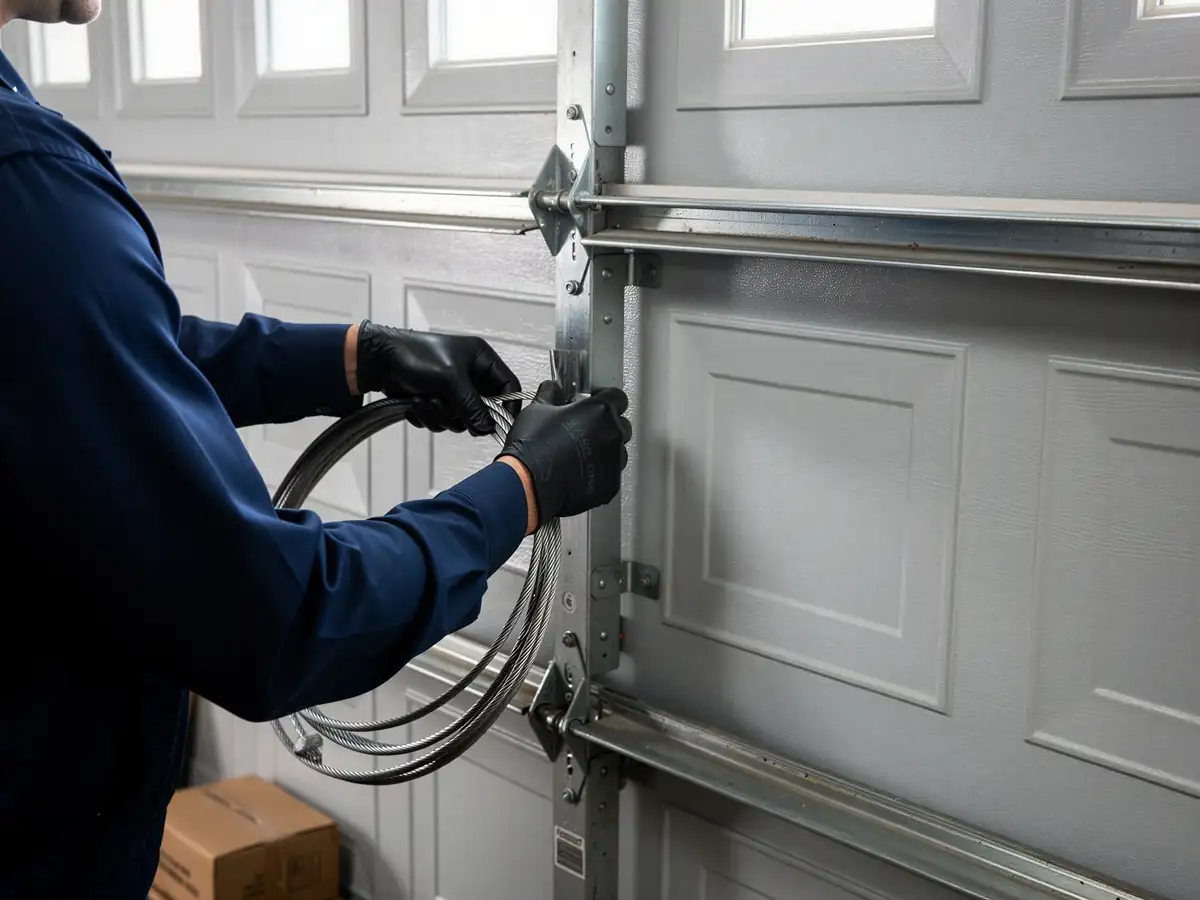
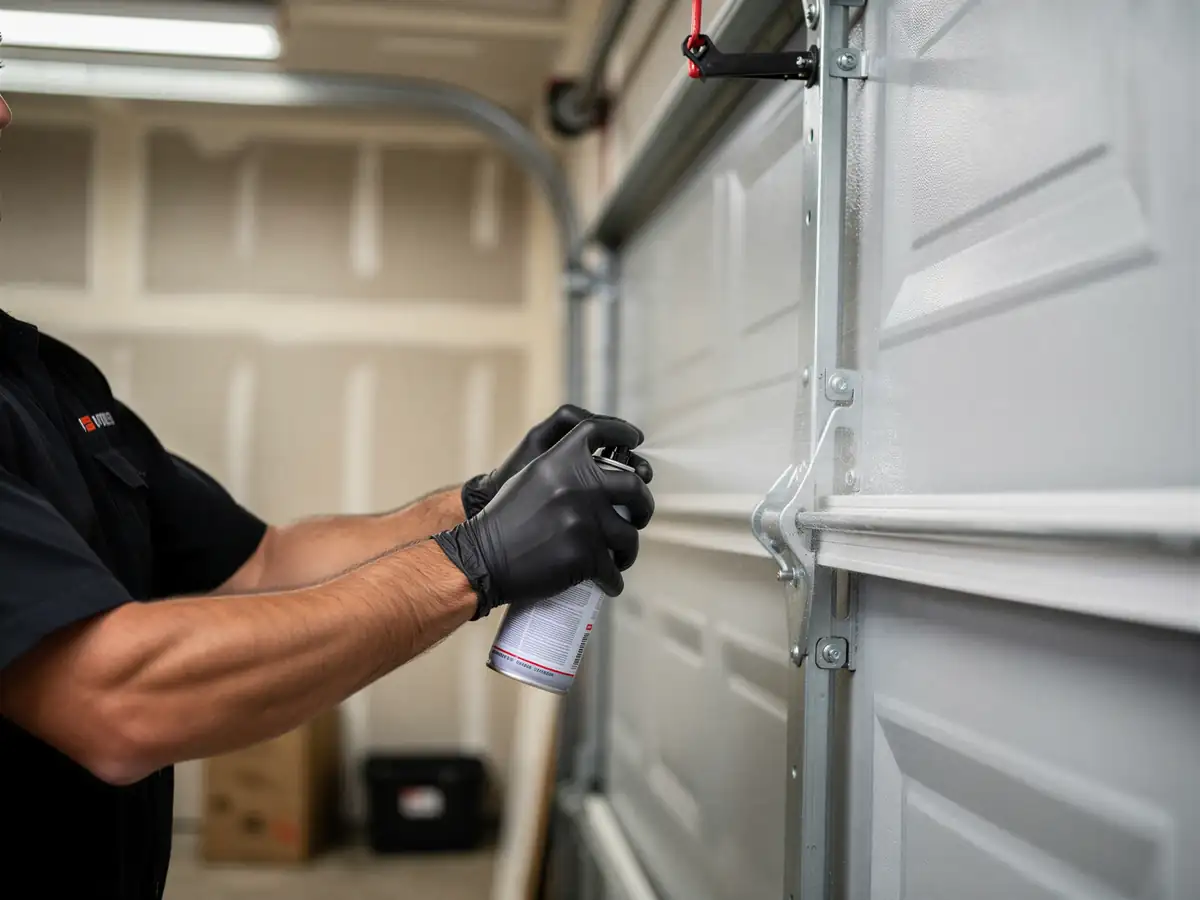
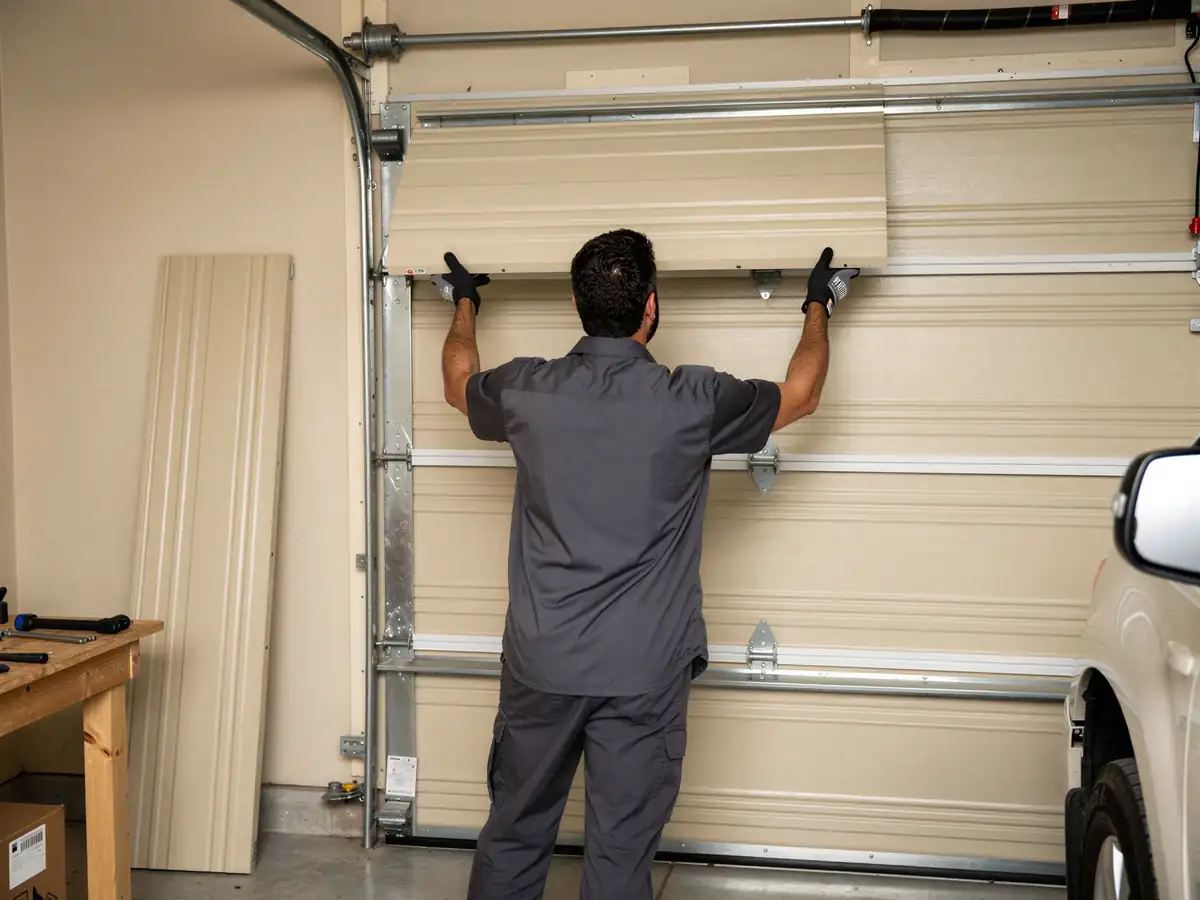
We pull the damaged section, disconnect the hinges tying it to the panels above and below, and set the replacement in using the existing hardware where it's still sound. On a door that's original to a house built around 1981, the hinges and rollers are often as due for replacement as the panel itself, so we'll point that out rather than bolt new steel to worn hardware and call it finished.
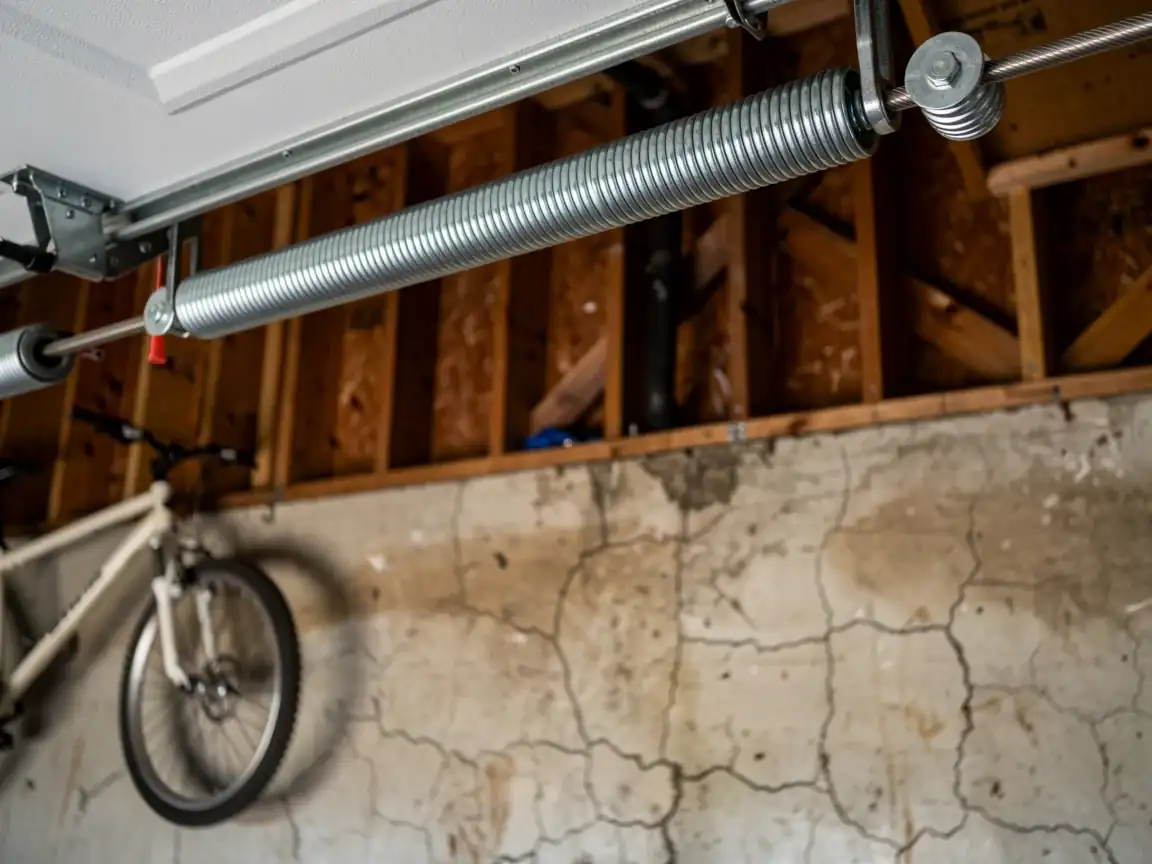
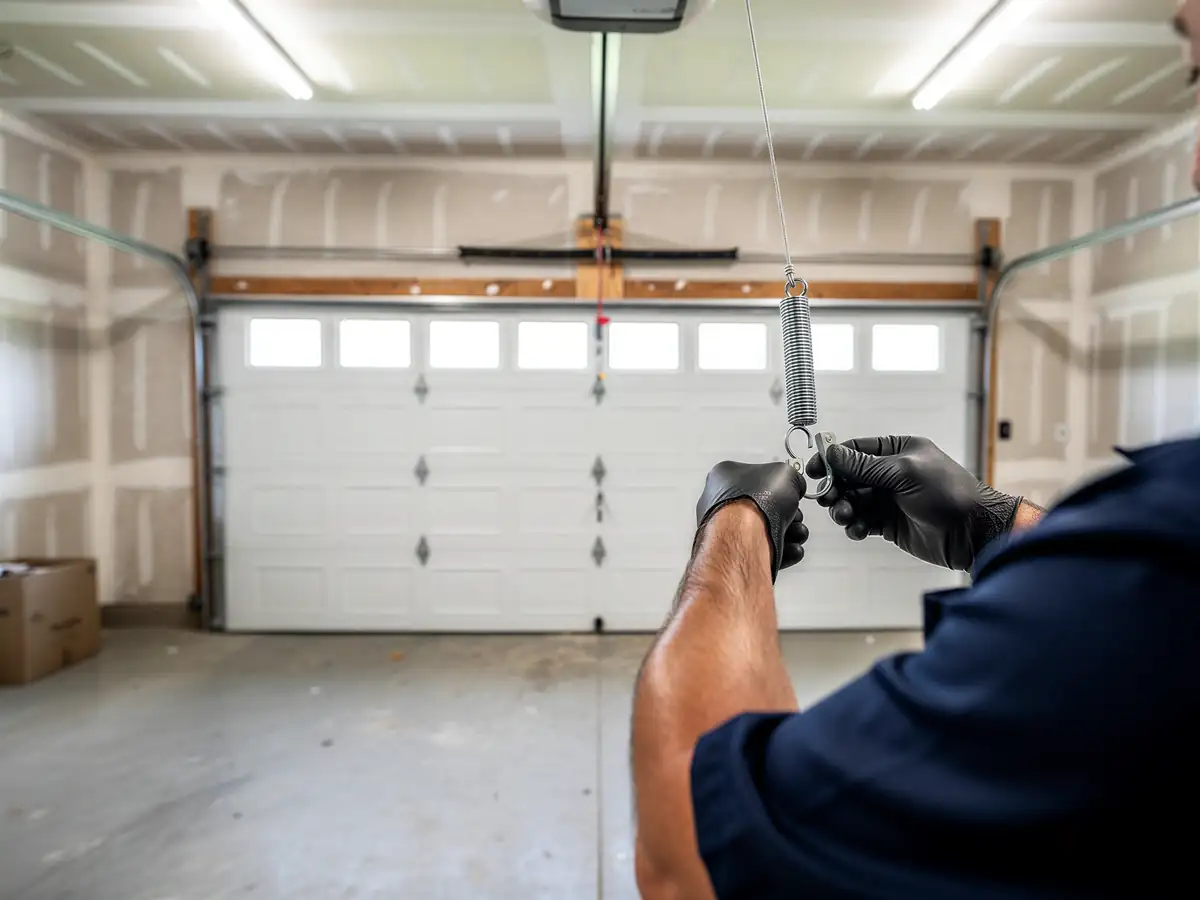
If the door is insulated, we match the core type as closely as the supplier stock allows. If it's a bare steel panel from the original era, matching paint and rib depth is usually easier than hunting insulated foam-core parts for an older frame. Either way, we check spring tension and balance after the swap - a different panel weight, even by a few pounds, can throw off a door that was dialed in for the original hardware.
Stocked Parts
We carry common panel widths and colors that cover most of the sectional doors installed across this area's 1980s-90s housing run
Which is the bulk of what we see on White Oak calls. What we don't keep on the truck are discontinued rib patterns or custom color runs from doors that predate standard manufacturer sizing - those get special-ordered once we've confirmed the match in person.
With median household income in the area running well above the wider service region
We also get more requests to upgrade to an insulated panel during a repair rather than replace like-for-like. We stock a limited run of those too, but we'll tell you plainly if your frame and opener setup can handle the added weight before we swap anything in.