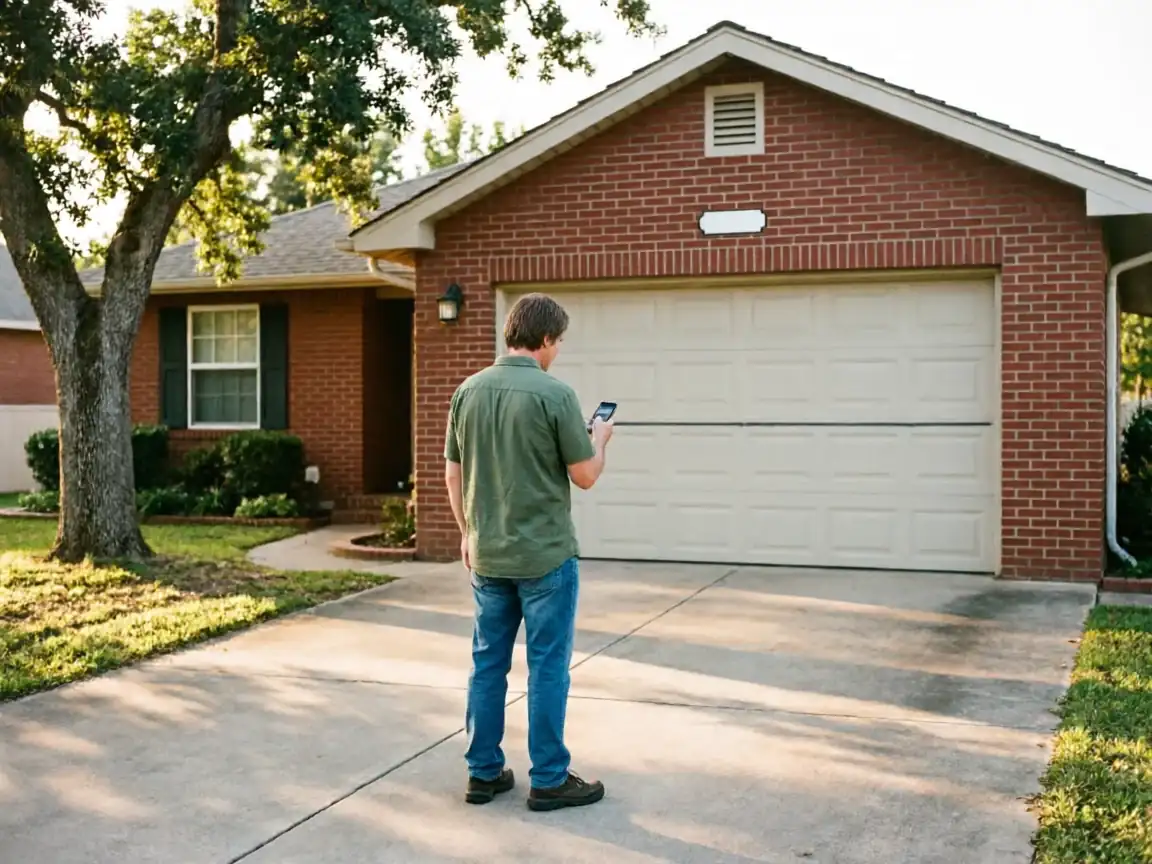
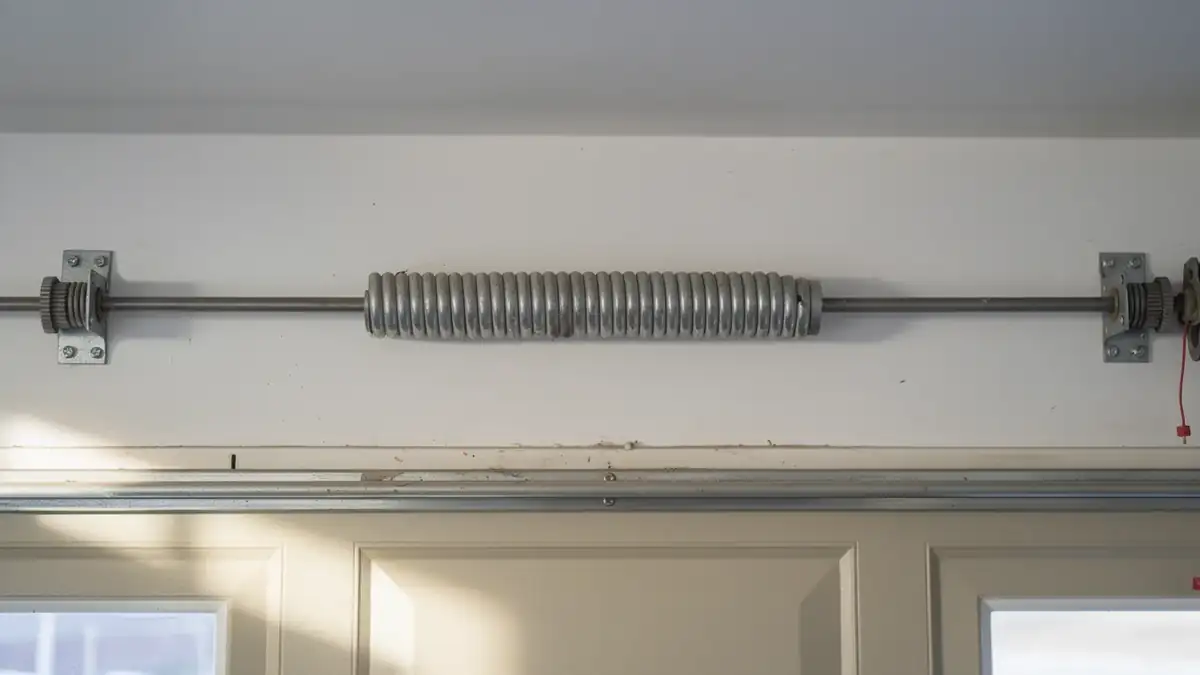
What to Check
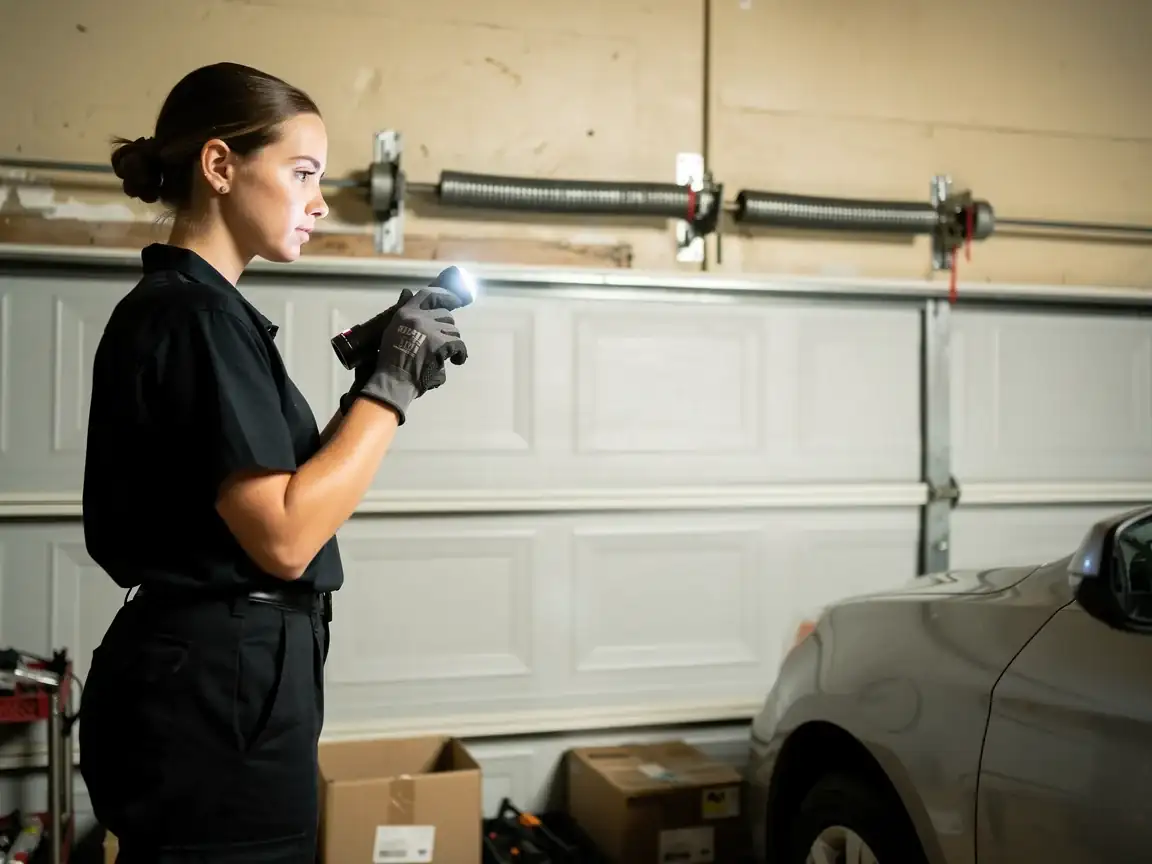
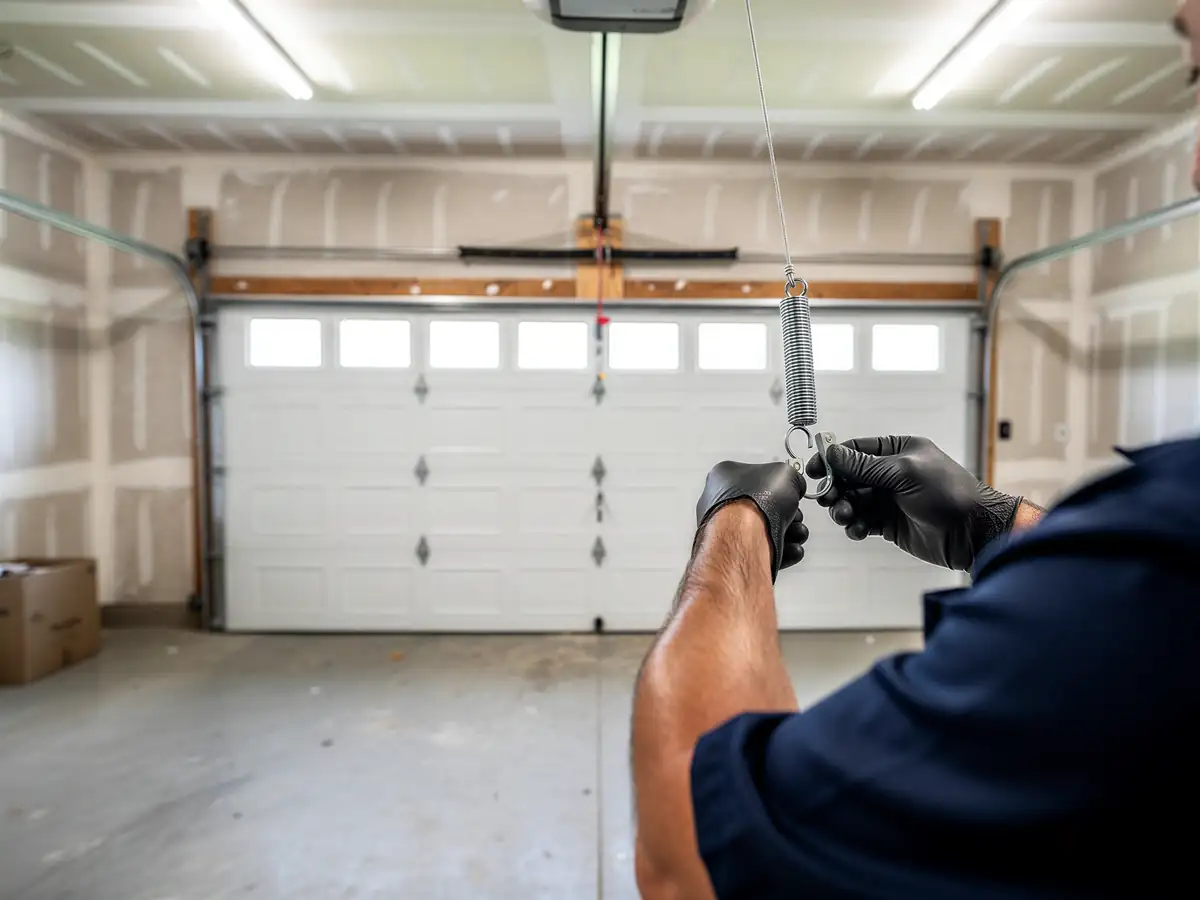
Start with the spring. Stand to the side of the door - never underneath - and look at the coil. A gap wider than a finger's width between coils, or a visible bend in the shaft, means the spring is near the end of its life. Next, pull the release and move the door by hand. It should take two hands and not much effort. If it fights you, the spring is already carrying less than it should.
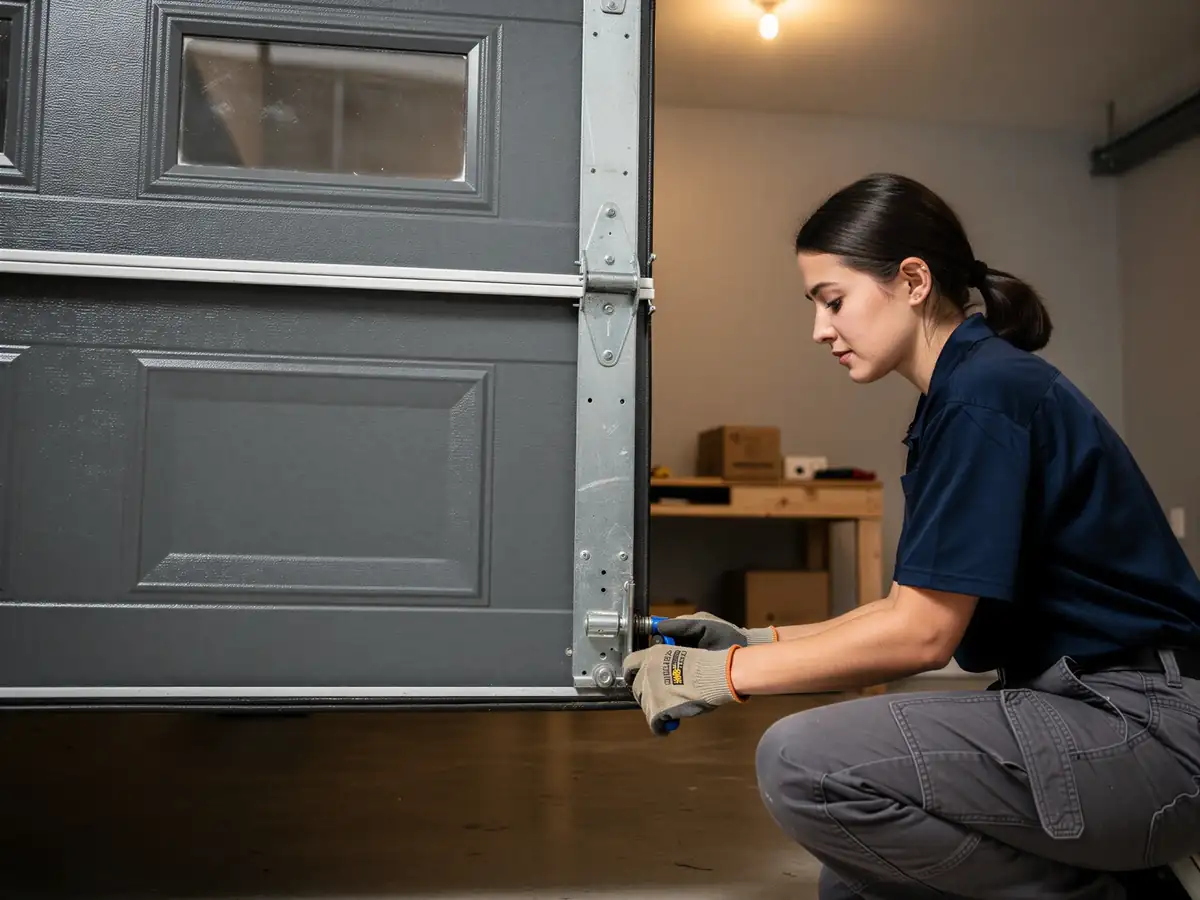
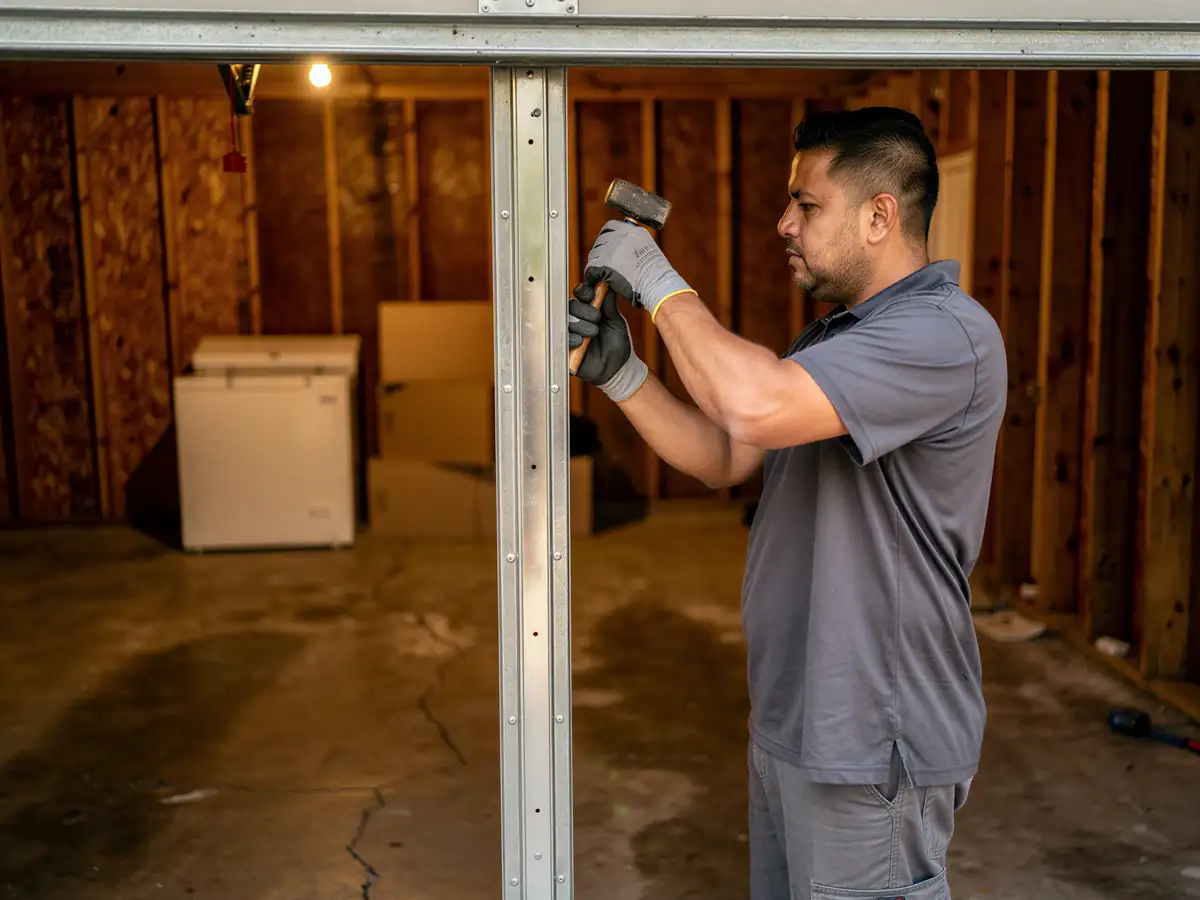
Check the track brackets where they bolt to the jamb. In a lot of the housing stock out here, built between 1968 and 1994, those brackets are original and the lag screws have worked loose over the decades from seasonal wood movement. Wiggle each bracket by hand.
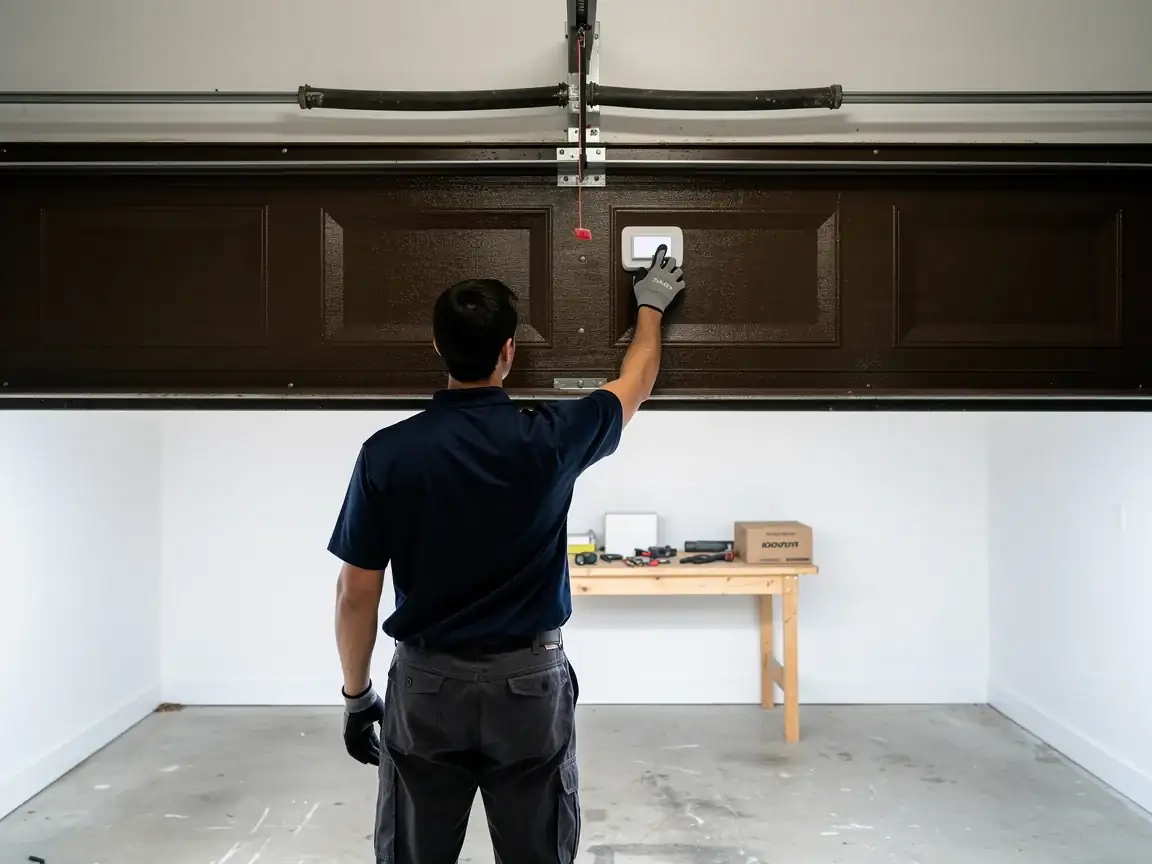
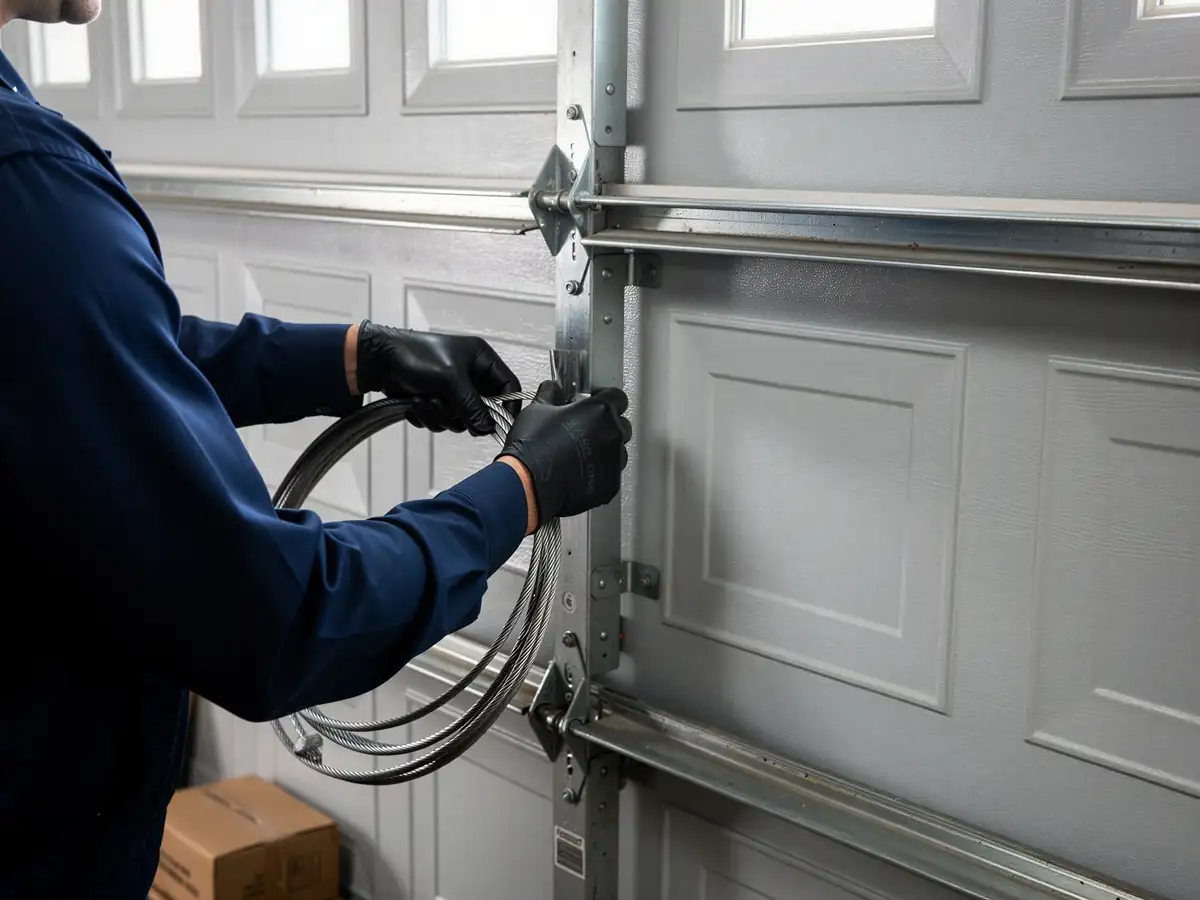
Look at the cables for fraying, especially near the bottom roller where they take the most flex. And check the opener's travel limits - if the door reverses before it's fully down, or slams the last few inches, that's a limit switch or a worn drive gear, not something WD-40 fixes.
None of this is a full inspection. It's what you can see in five minutes with the lights on, before you decide whether this is a call-someone job or a wait-and-watch one.
The Problem
Across the eleven areas we cover - from White Oak five miles out to Ore City twenty miles out - the housing stock is overwhelmingly 1980s and 90s construction, with the oldest sections going back to 1968. That means a lot of garage doors in this service area are running original torsion springs, original openers, or a first-generation replacement that's itself now twenty-plus years old.
With 8,823 owner-occupied houses spread across that same stock, the failure pattern isn't random - it's a wave. Springs rated for a certain door weight, installed in the 80s or early 90s, are reaching the cycle count where metal fatigue takes over regardless of how well the door's been maintained. Openers from that same build era are mechanical chain-drive units with aging capacitors, not the belt-drive, soft-start units sold today.
The practical result: a repair call in this area is more often "replace the spring that's original to the house" than "something broke early." That's not a knock on the hardware - torsion springs are rated in cycles, not years, and a door used daily for three decades has simply used up what it was built for.
What Most People Get Wrong
The most common mistake is treating every noisy door the same way
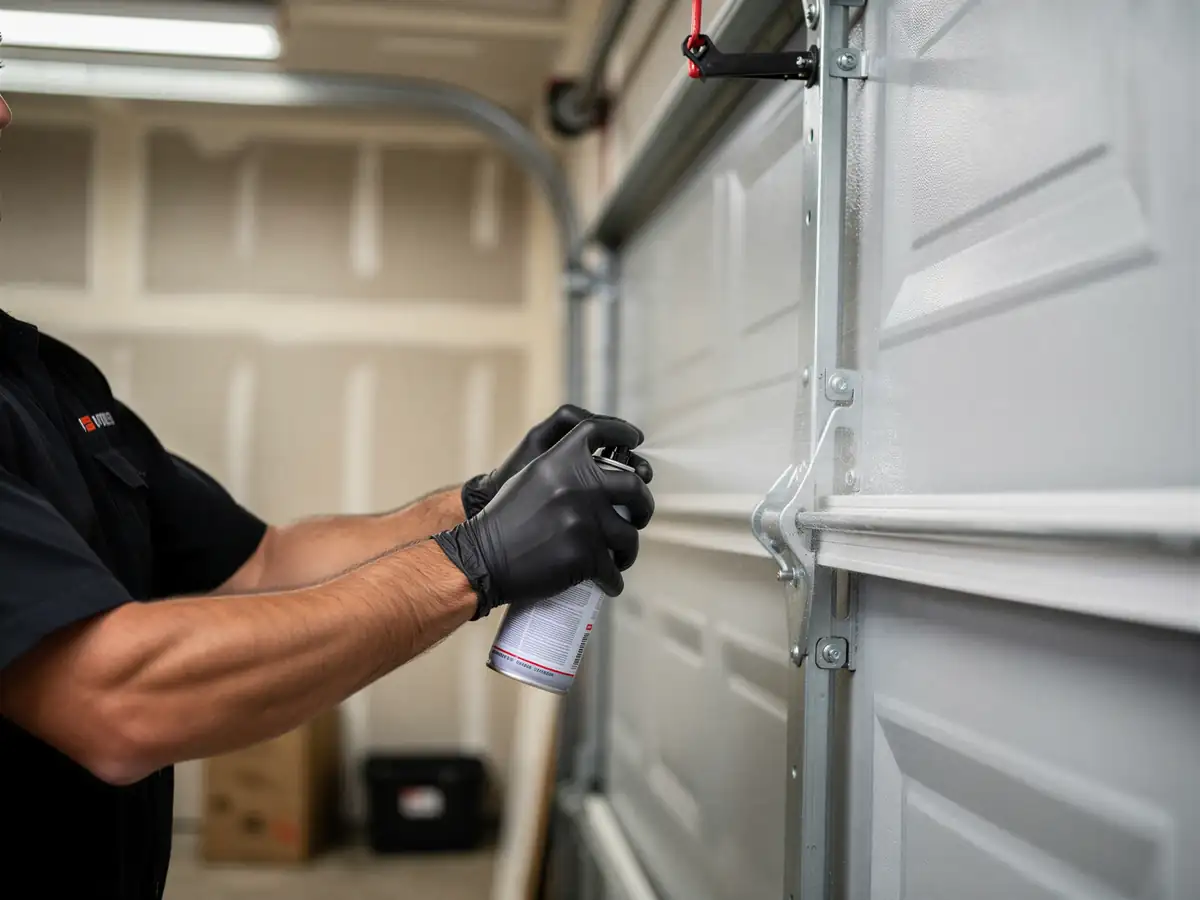
Spraying lubricant on the track and calling it fixed. That buys a few quiet weeks, but if the real issue is a spring reaching its cycle limit or a bent track bracket from decades of settling, lubricant does nothing for either.
The second mistake shows up when a homeowner replaces an old
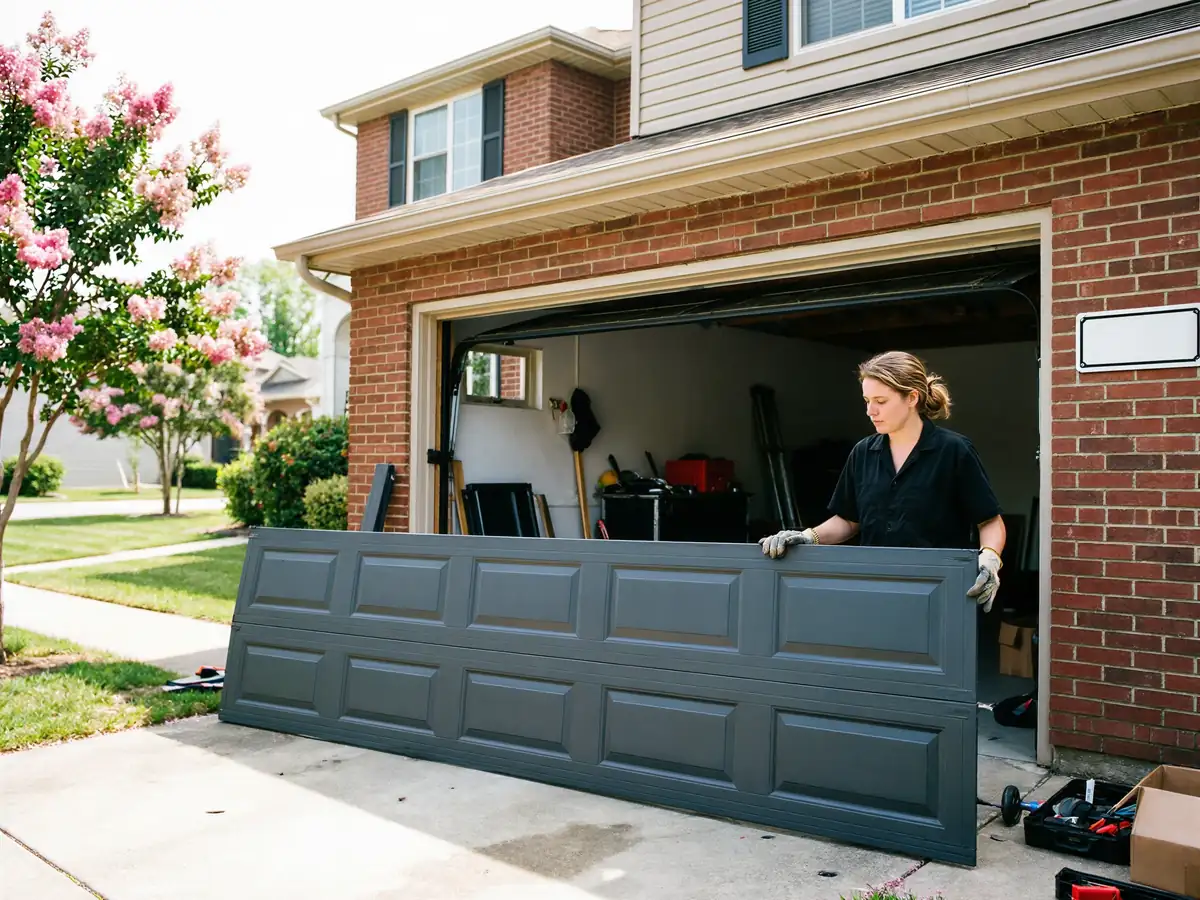
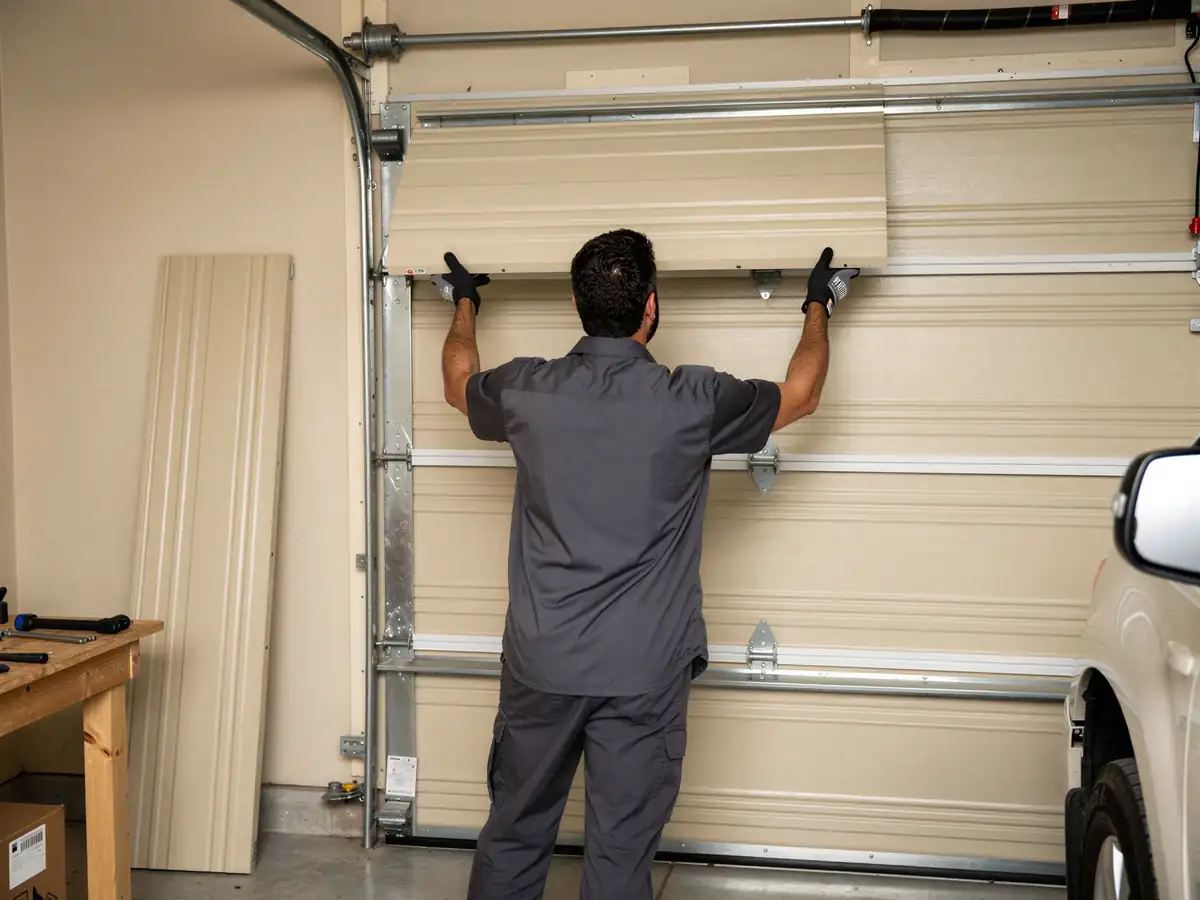
Light door with a heavier insulated one and keeps the original springs. A door built for the 1980s standard is lighter than most of today's insulated steel or faux-wood panels. The old spring, already fatigued, now has to lift more weight than it was ever rated for - and it fails faster than it would have on the lighter door it was sized for.
The third: assuming a dead opener means a dead opener
Sometimes the motor is fine and the problem is a limit switch or a worn drive gear, both cheap compared to a full unit swap. Worth checking before you replace the whole thing - and worth saying plainly, a replacement opener is sometimes the right call too. We don't try to rebuild a board that's actually cooked; past a certain point, swapping the unit costs less than chasing an intermittent circuit fault.
What the Weather Here Does to It
This area sits in a moderate heat band, and that shapes how components wear even without a hard freeze to blame. Summer heat soak on an attached garage pushes the inside air well above outdoor temperature by afternoon, and that heat does two things: it dries out factory grease on rollers and hinges faster than the service manual assumes, and it runs an opener's circuit board hotter for longer stretches each day.
In just two miles southeast of the shop, that same heat cycle bakes nylon idler bearings and hardens the rubber grommets that isolate the opener motor from its mounting bracket. Once those grommets go brittle, the whole unit runs louder and transmits more vibration into the door itself - which in turn loosens track bolts faster.
It's not dramatic weather. There's no hard freeze snapping a spring overnight here. It's steady heat, day after day, across a service area where a lot of the doors and openers are already thirty-plus years into their expected life. The wear is cumulative, which is exactly why it gets ignored until the door won't open at all.