Stocked Parts
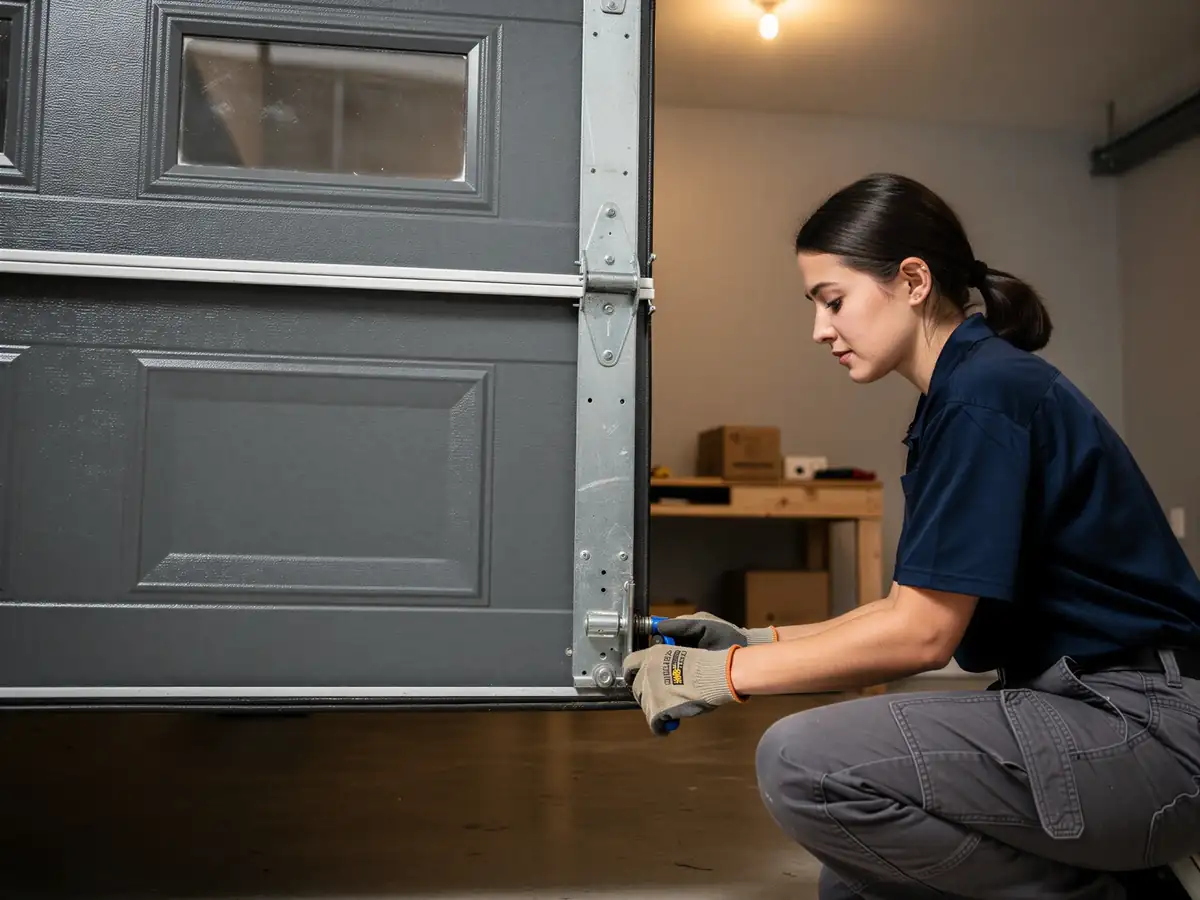
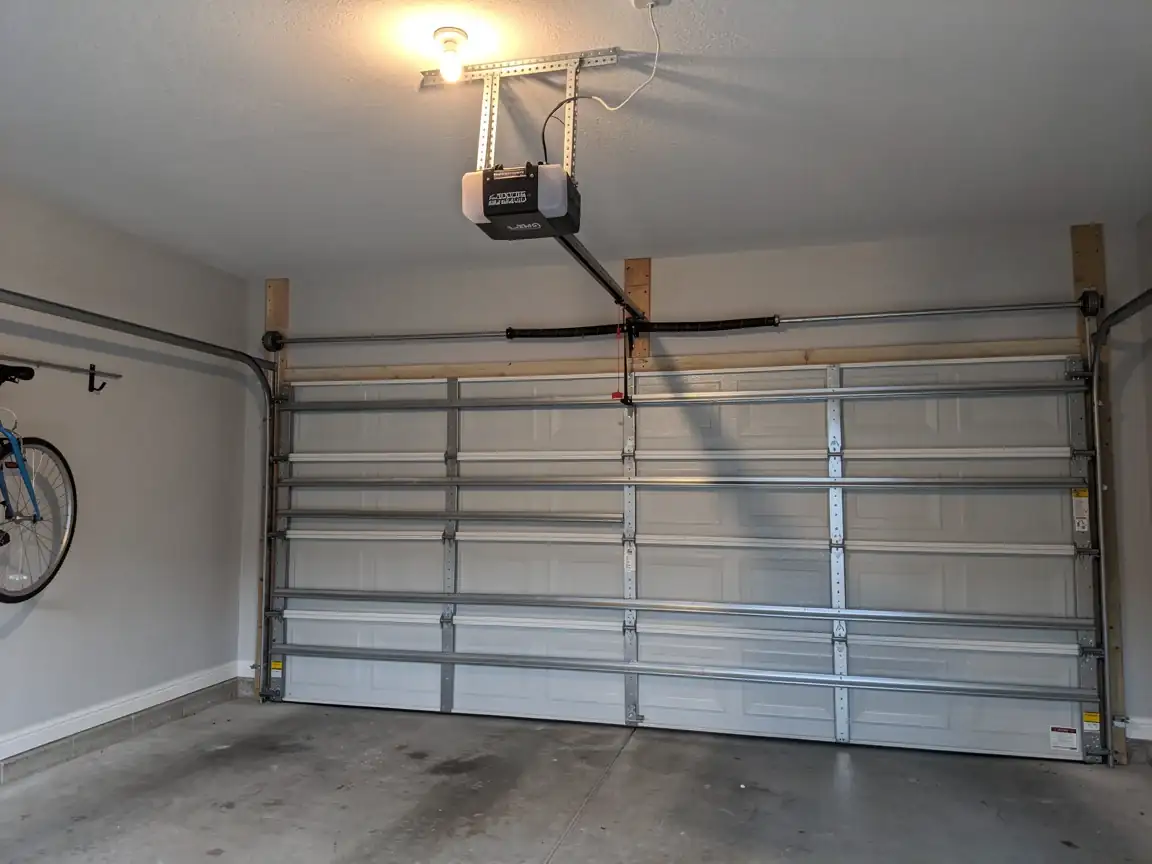
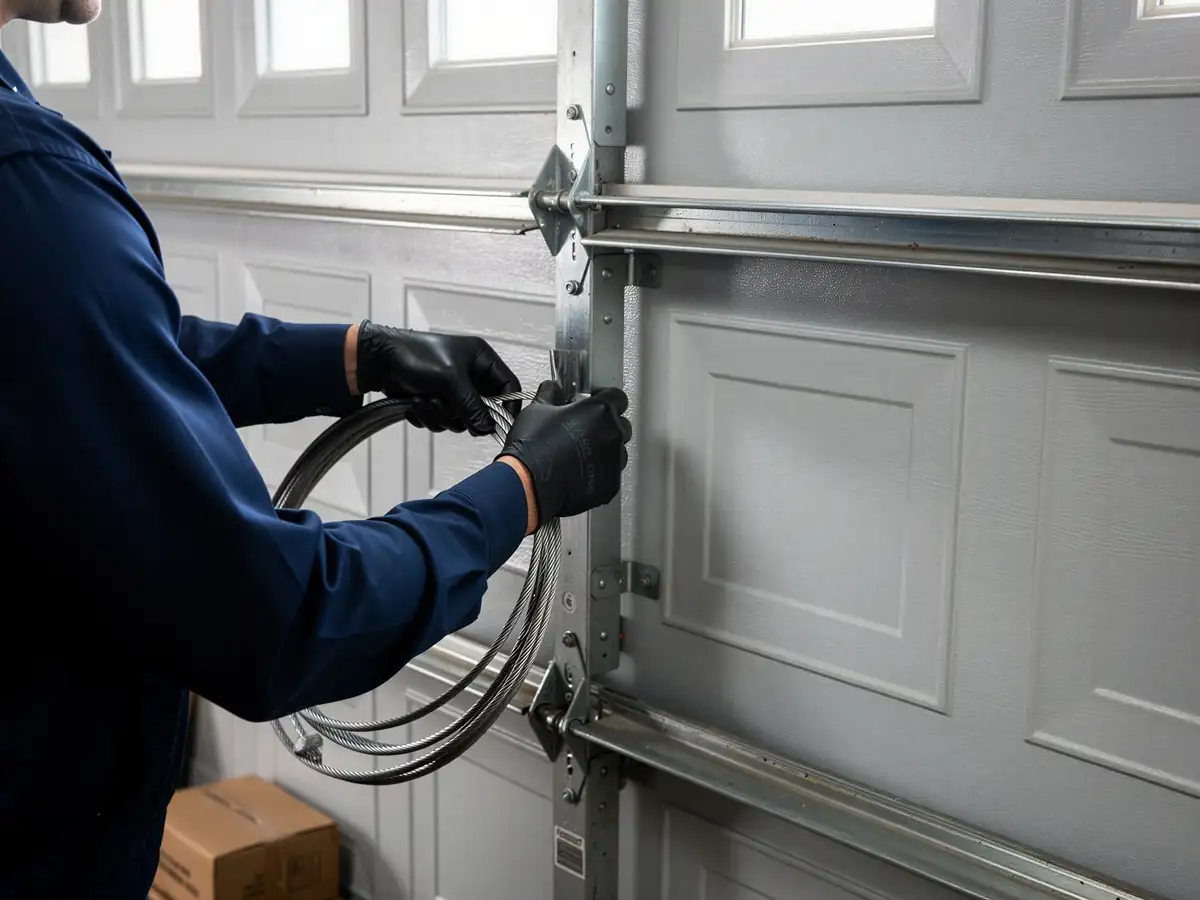
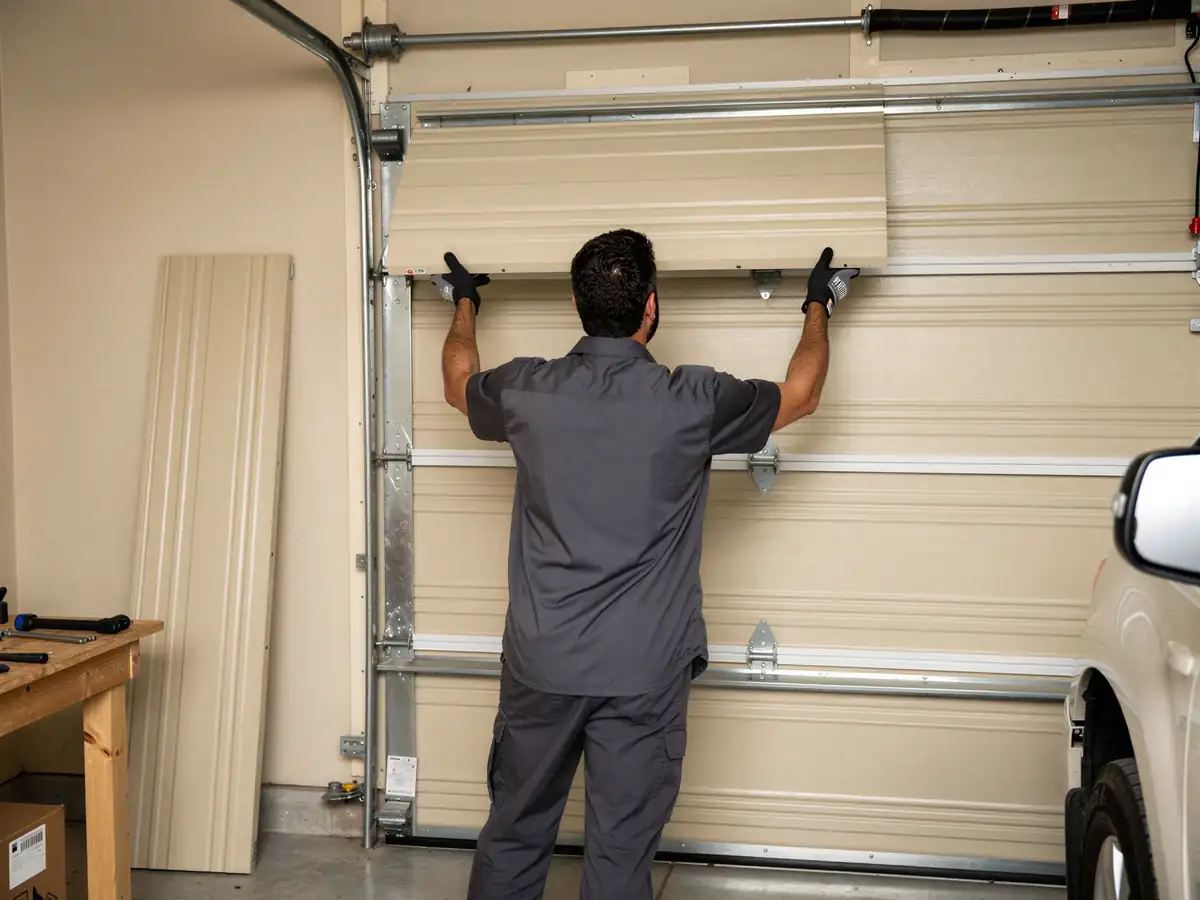
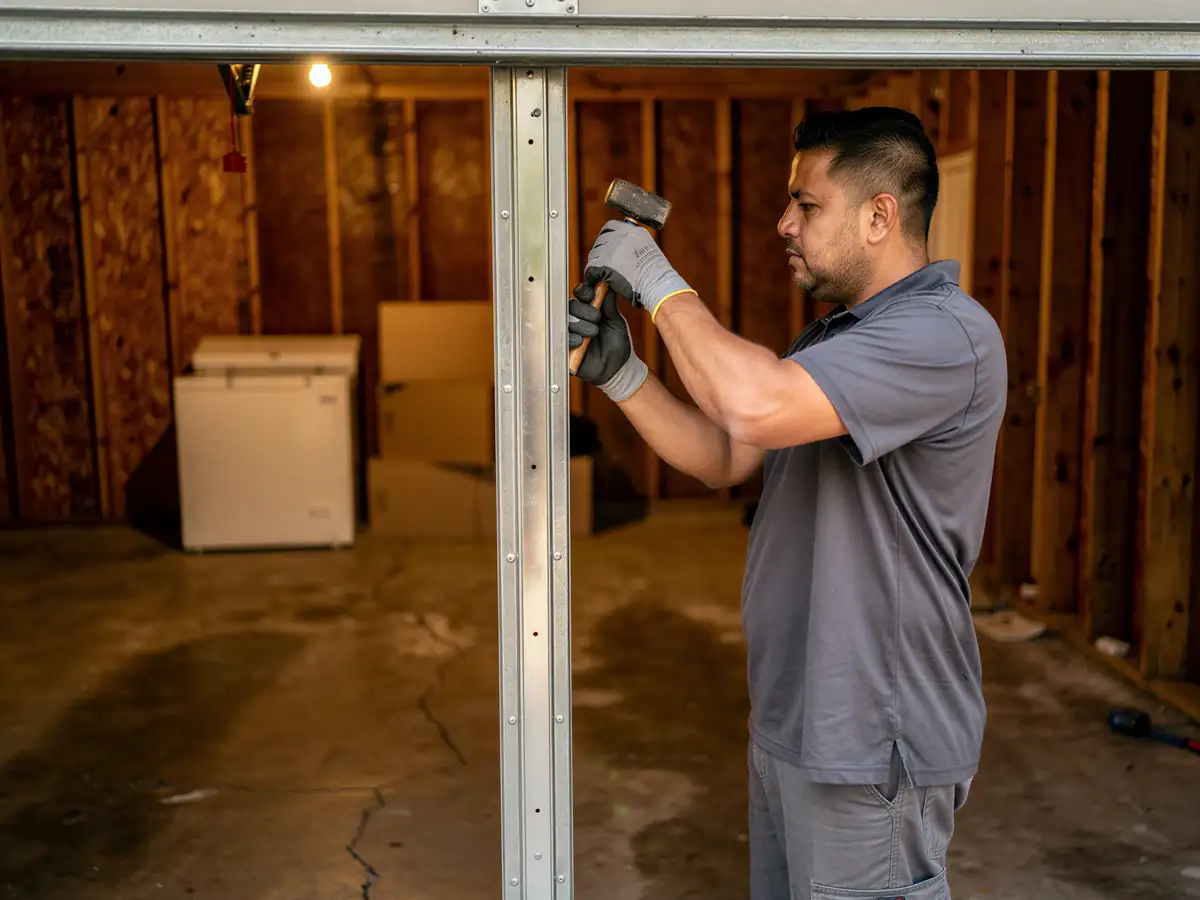
Most off-track calls come down to a handful of worn parts, and we keep the common ones on the truck: nylon and steel rollers, lift cables, track sections in the standard widths, and hinges that match the galvanized steel track common to houses built in the 1968-1994 window that makes up most of Longview's stock. A bent section of track or a snapped roller bracket is usually a same-visit fix because the hardware matches what went into houses across the service area during that 1980s-90s building run.
Where we run into trouble is older or oddball track profiles - some early builds used a slightly different gauge or mounting pattern that isn't something we carry on the truck. If your door has non-standard track, we may need to order the exact piece rather than swap it on the spot. That's the one honest limitation here: we can usually get a door back on track the day we're out, but a special-order part means a second trip.
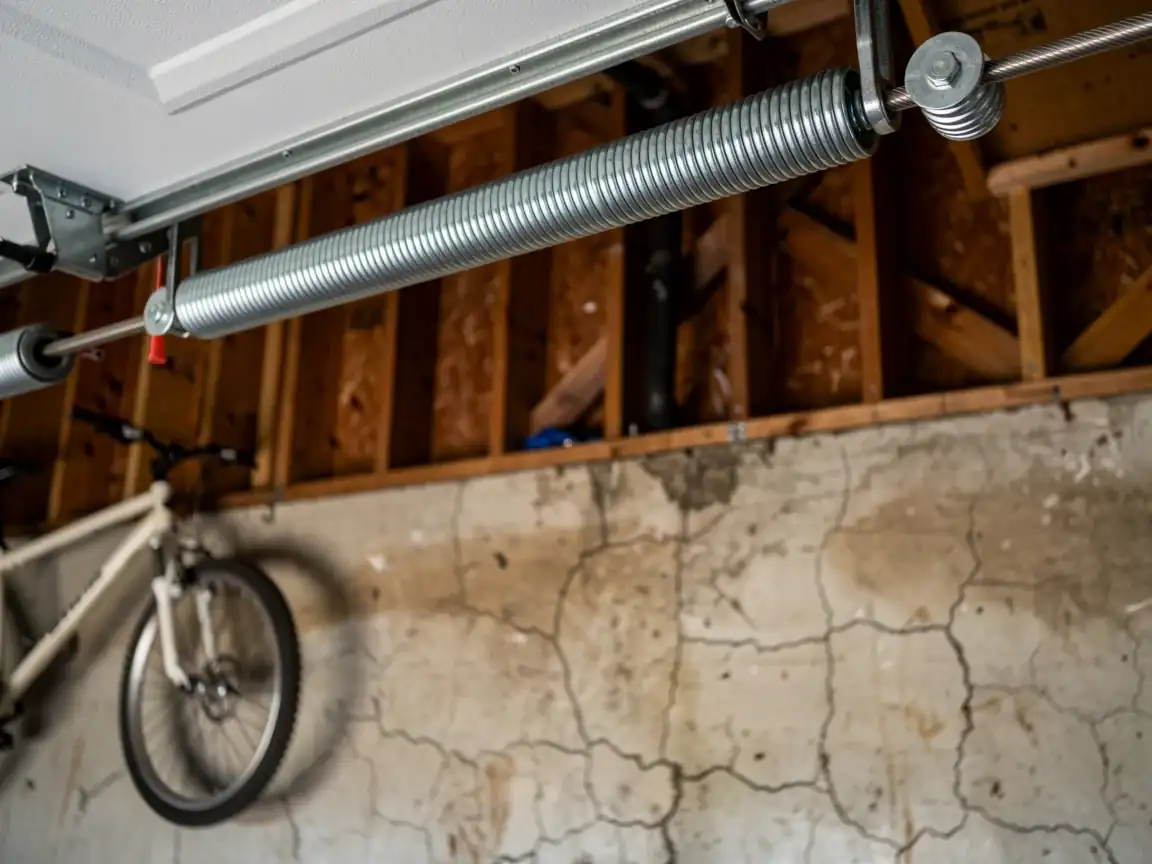
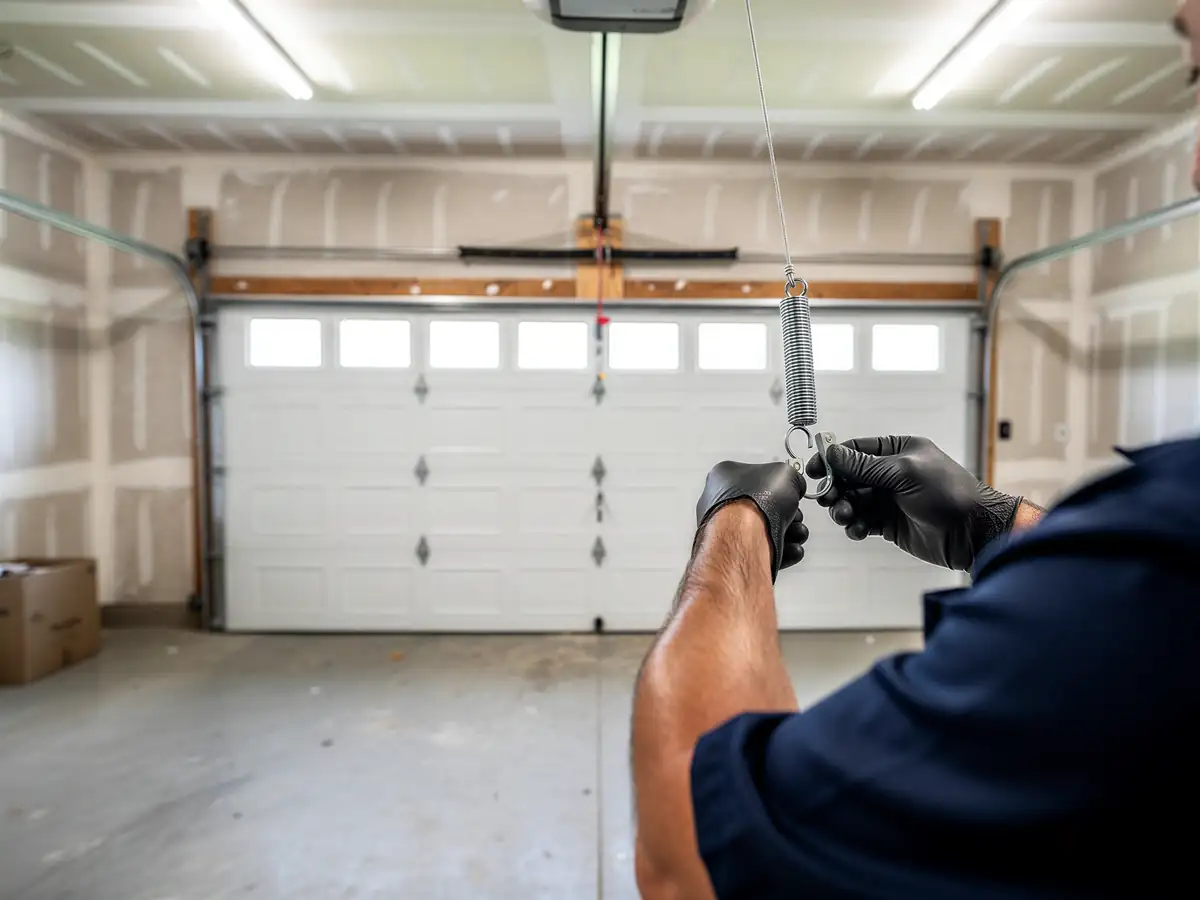
We also carry extension and torsion spring hardware, since a door that's jumped the track has often already stressed the spring system, and checking that at the same time saves a second service call.
Why This Fails Locally
Longview sits in a moderate-heat climate band, and that matters more for off-track doors than people expect. It's not snow load or ice pulling hardware loose - it's the steady cycle of metal track expanding in summer heat and contracting at night that works roller brackets and track bolts loose over years. On a door that's already got play in the rollers, that cycling is what finally lets a roller pop the lip of the track.
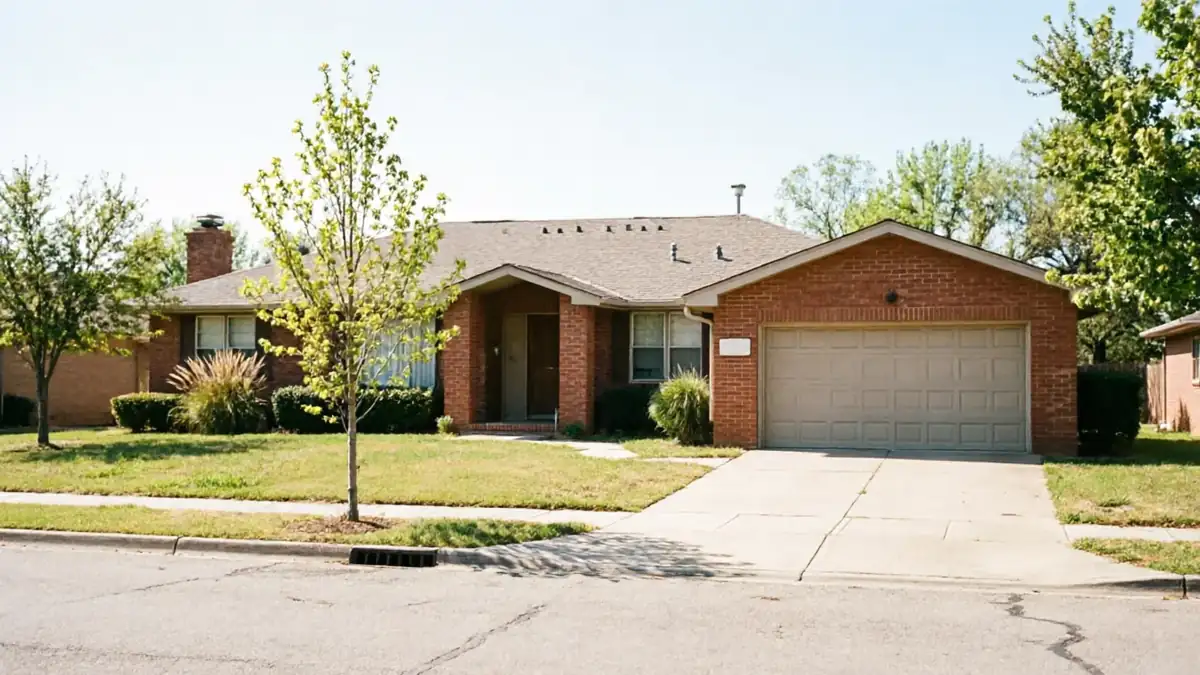
The other piece is age. Housing across the service area mostly went up between 1968 and 1994, with a median build year of 1981, and across the eleven communities we cover - from White Oak five miles out to Ore City twenty miles north - that same 1980s-90s construction boom put up houses with nearly identical door hardware. Track brackets from that era were fastened to jamb lumber that's had forty-plus years to dry out and shift slightly, which loosens the mounting even on a door that's otherwise in good shape. Add a worn roller or a cable that's starting to fray, and the door only needs one hard stop or one gust to jump the rail. It's a mechanical problem that shows up more in older housing stock than in newer construction, and that's most of what's around here.
What It Costs
We don't have a fixed number to give you here
Because what an off-track door costs depends entirely on what's actually wrong - a bent track section is a different job than a snapped cable that let the door fall sideways, and a door that's been forced back onto the rail by hand often has bent hinges or a cracked panel edge that a track repair alone won't fix.
What we can tell you is how we price it on-site
We look at the track, rollers, cables, and hinges separately, because fixing one and missing damage to another just means you call again in a few weeks. If the door came off because of a worn roller, that's a small, contained repair. If it came off because a cable snapped under spring tension, the track is usually the least of it - we're also checking the spring and the cable drum. We'll walk you through what's bent versus what's broken before we start, and we'll tell you plainly if a repair isn't worth it compared to replacing the door - which does happen on doors from the older end of the 1968-1994 range when the panels themselves have had enough.
What You Are Seeing
An off-track door usually announces itself before it fully fails. You'll notice the door running crooked - one side higher than the other as it moves - or a visible gap between the roller and the track on one side, widest near the bottom panel. Sometimes it's noise first: a grinding or popping sound as a roller catches the edge of the track instead of riding inside it.
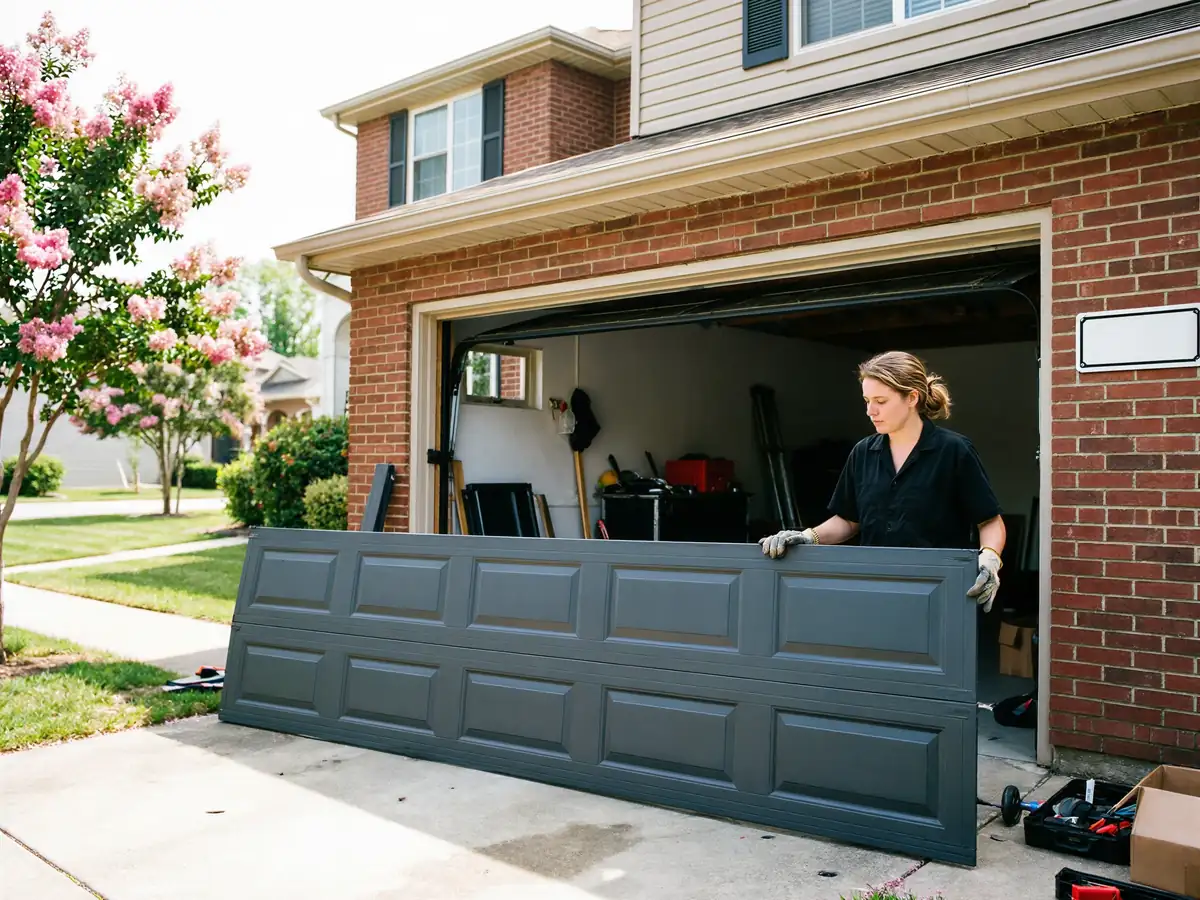
In the worse version, the door stops moving altogether, hanging at an angle with one bottom corner lower than the other, or it's come fully off the rail on one side and is wedged against the frame. If that's what you're looking at, don't run the opener again - trying to force a door that's off its track can bend the track further or pull a cable loose, turning a repair into a replacement.
A lighter version of this shows up as a door that looks fine when closed but shudders or catches partway through the cycle. That's often a roller that's about to jump, not one that already has - worth a call before it becomes the door hanging sideways in your driveway.