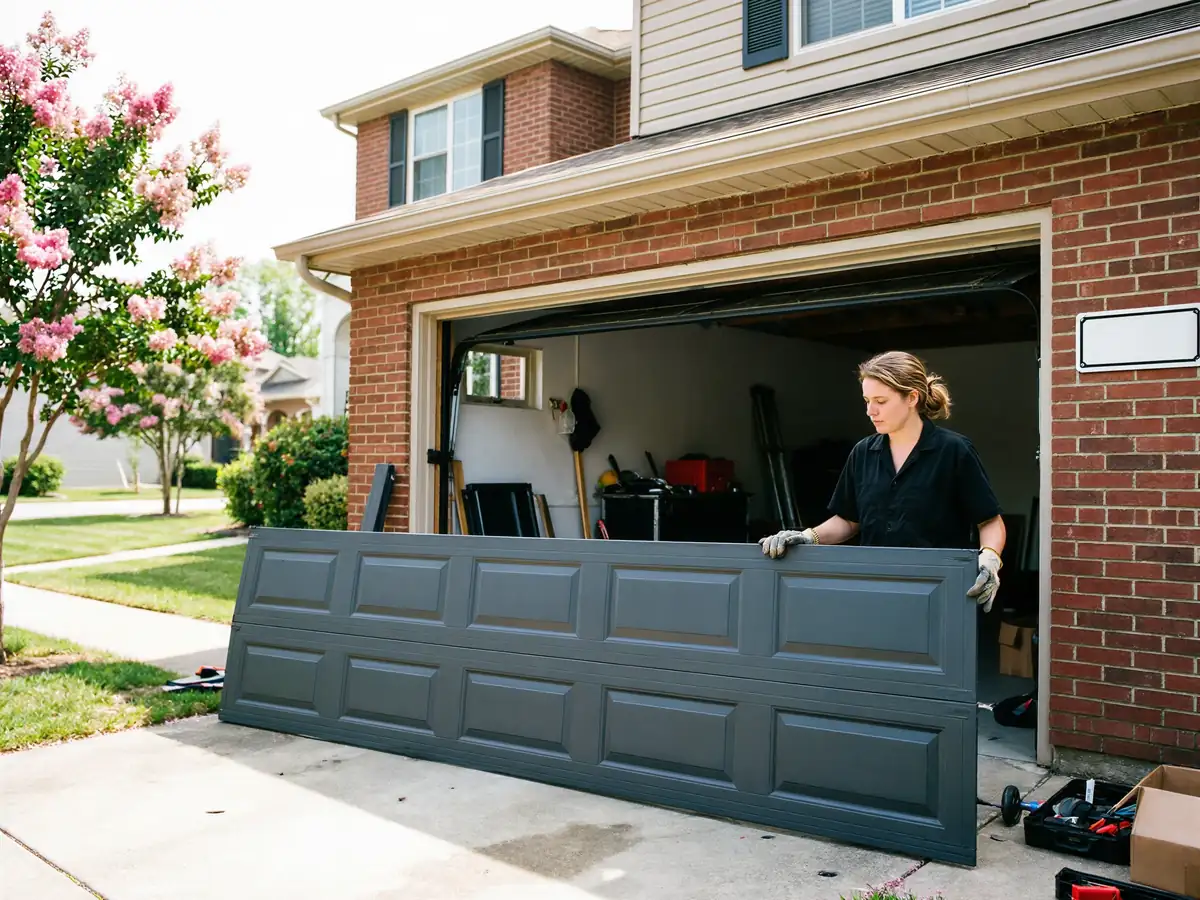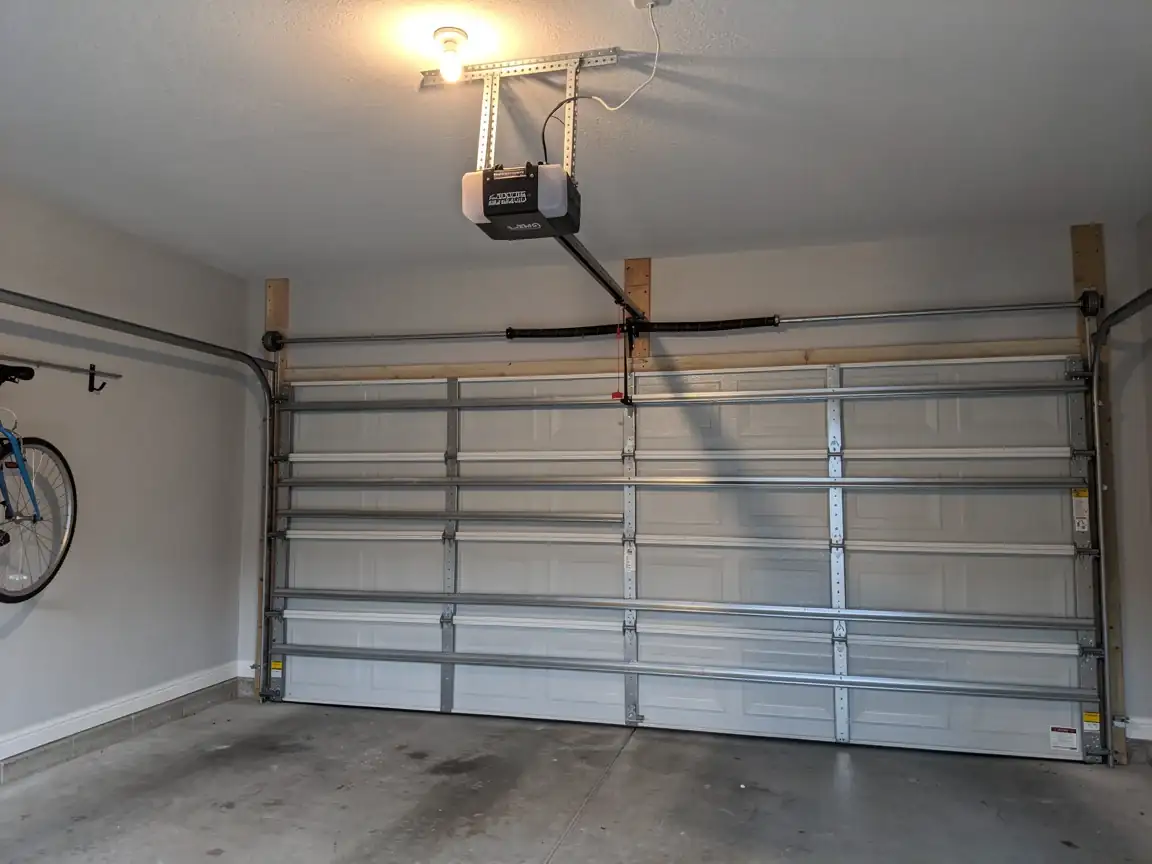
Stocked Parts
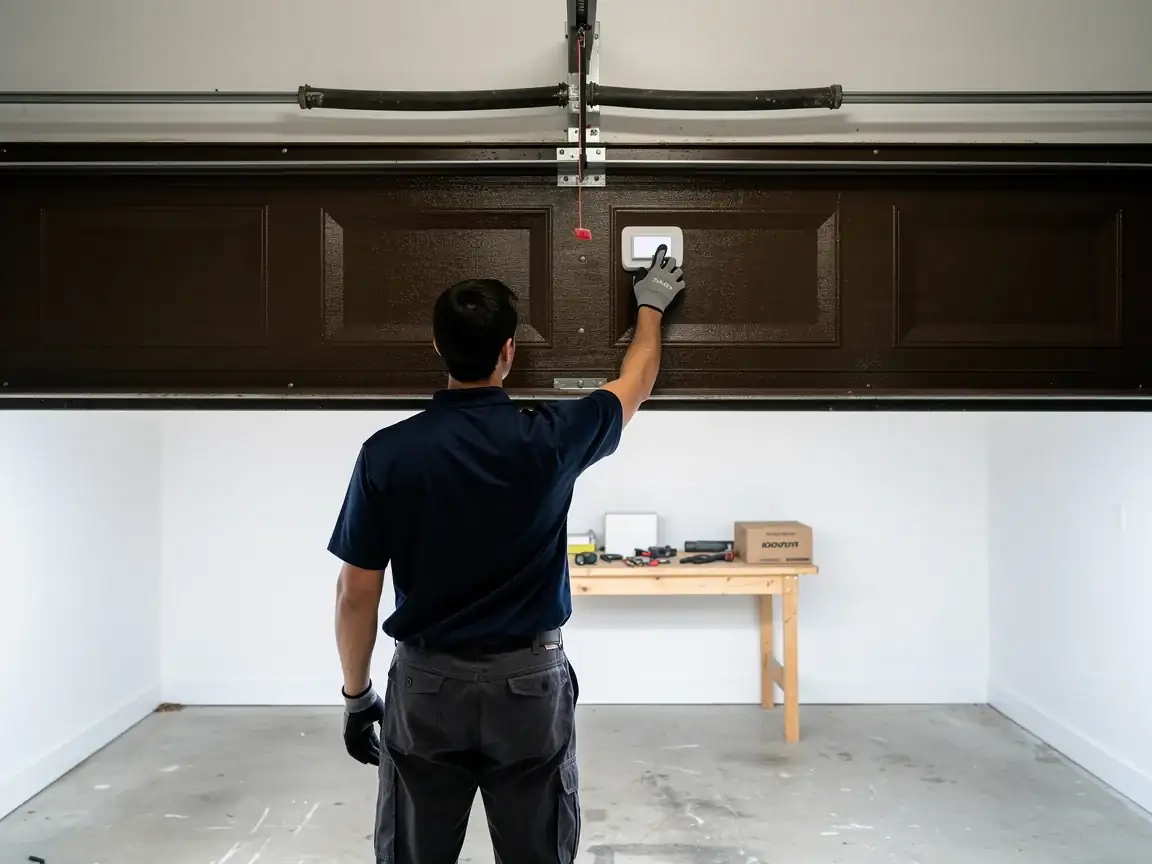
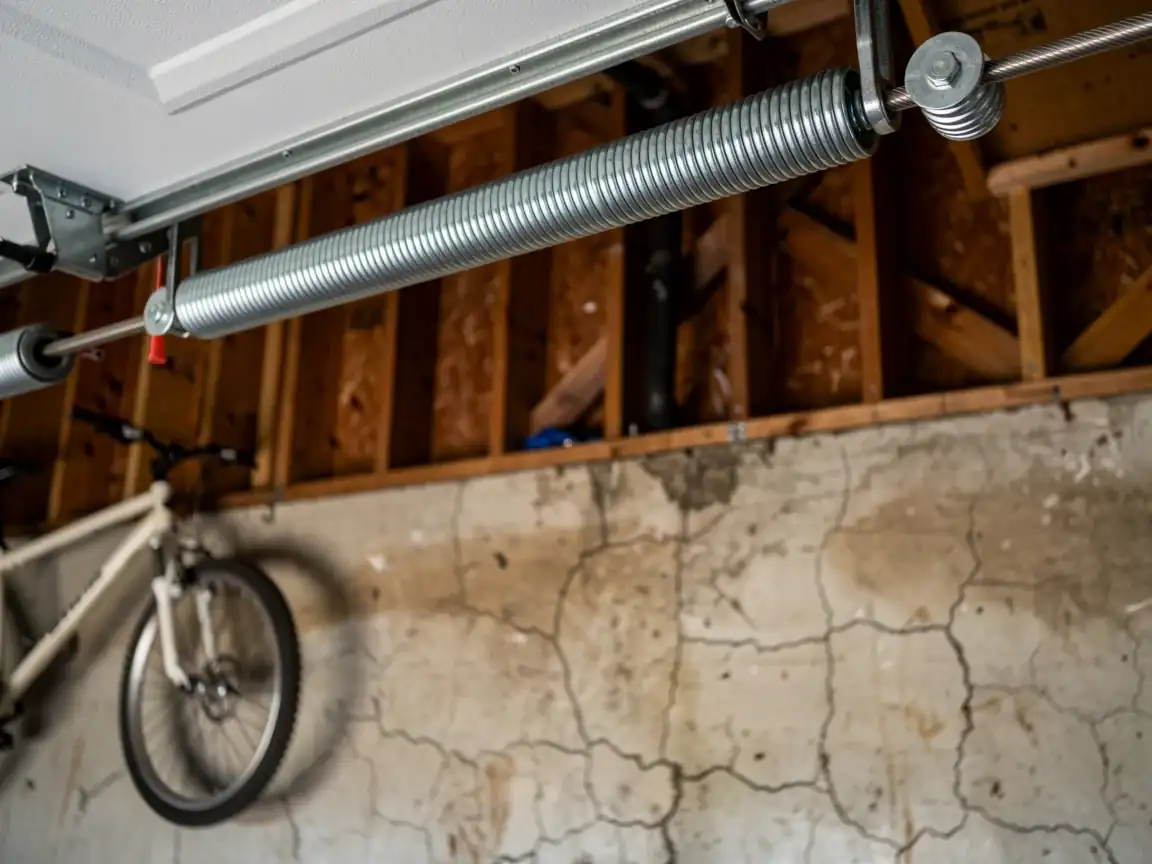
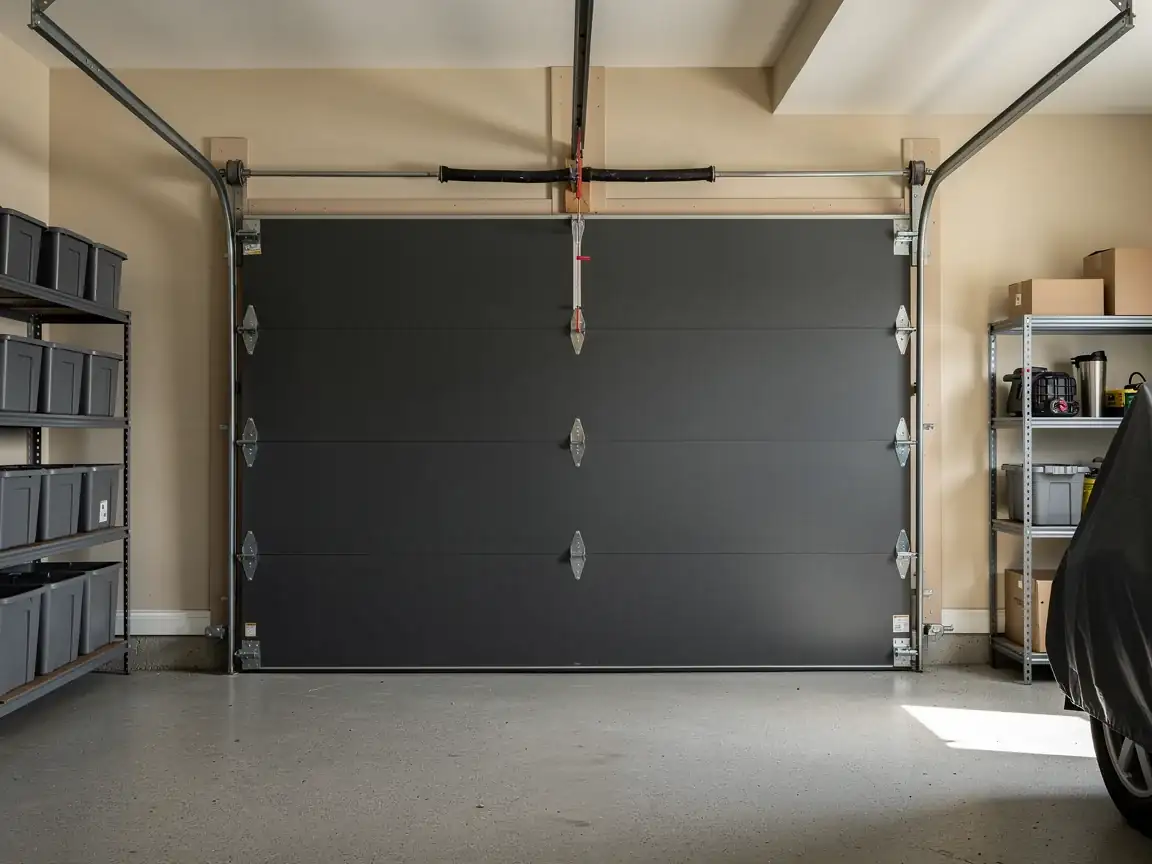
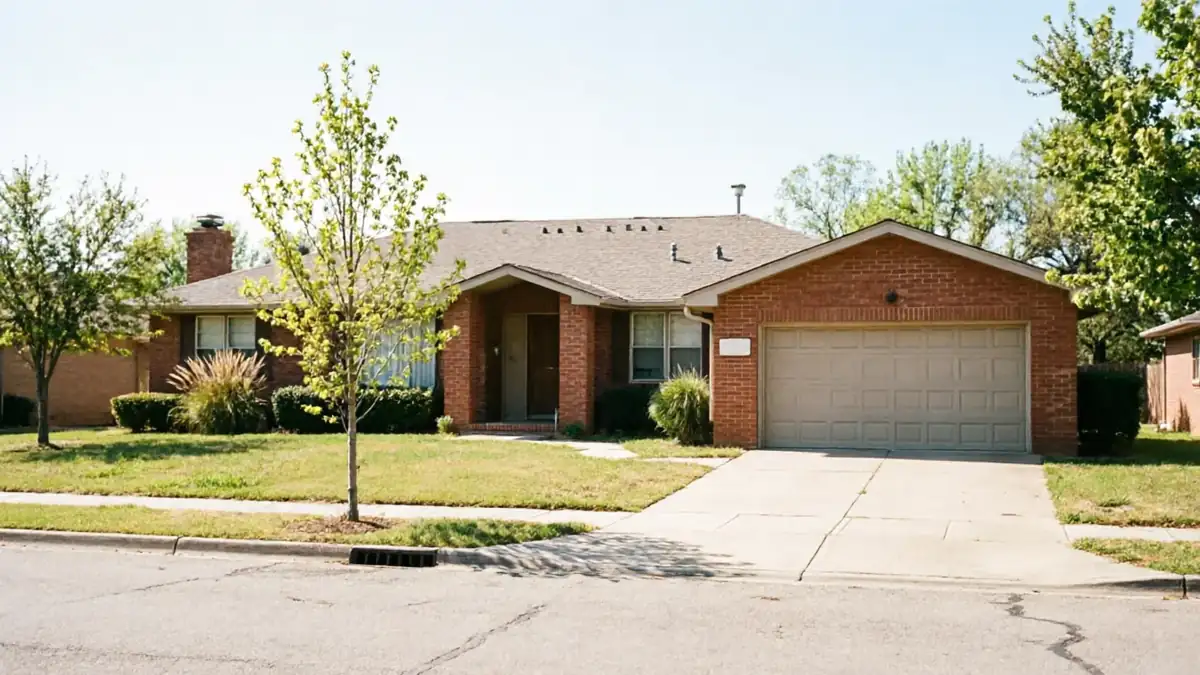
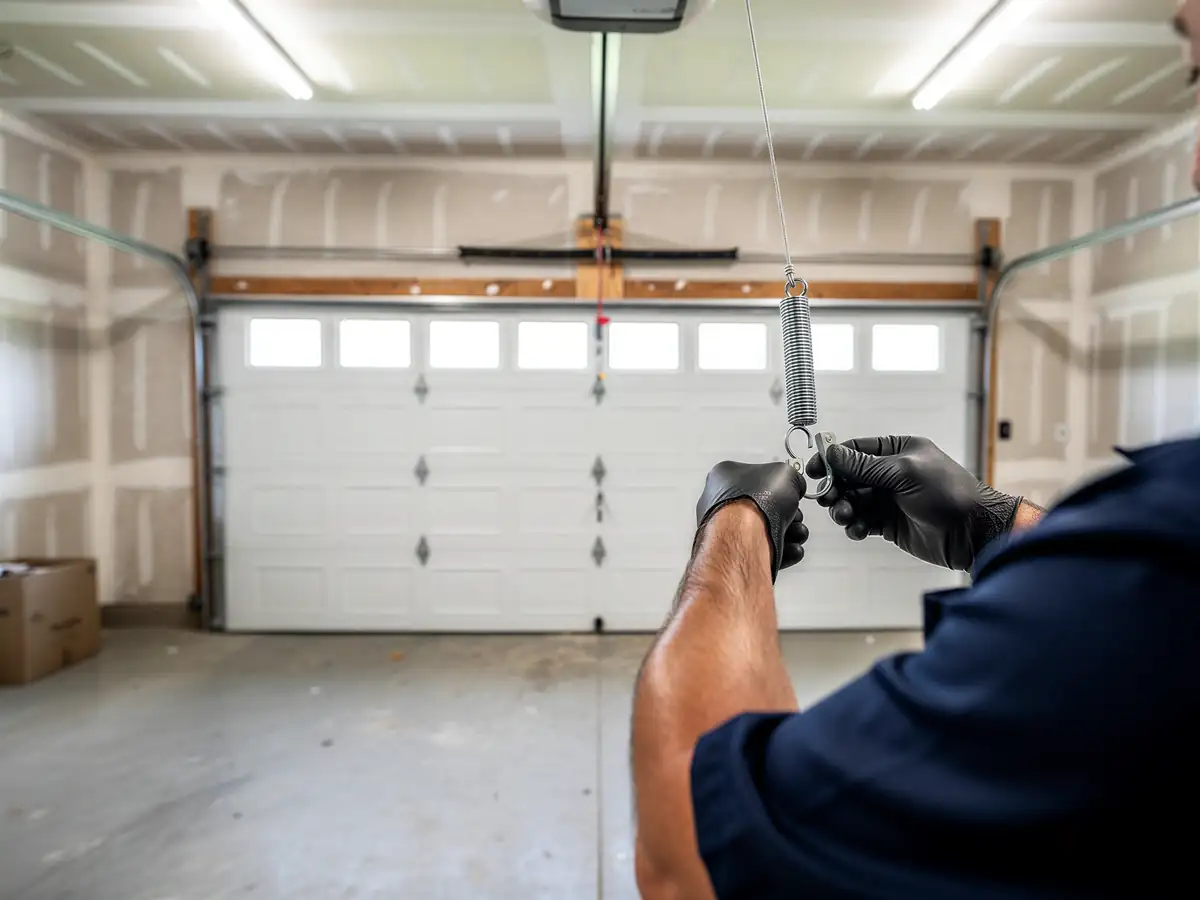
Torsion springs are sized to the door's weight and the drum they wind on, not to the brand name on the panel. Across this service area the housing stock runs 1968 to 1994, with a median build year around 1981, so the openings and torsion bar diameters we run into are a narrow band, not a wide one. That's useful for us and for you: we carry .225 and .250 wire springs in the lengths that match standard single and double doors from that era, plus the end bearing plates and center brackets that wear out alongside them.
What we don't stock on the truck is anything custom - oversized commercial doors, odd-width openings, or springs for doors that were already rebuilt once with mismatched parts. If a spring was special-ordered for a nonstandard door, we may need a day to get the right one in rather than force-fit something close. We'd rather tell you that up front than hand you a spring that's wound wrong for the drum and wears out in six months.
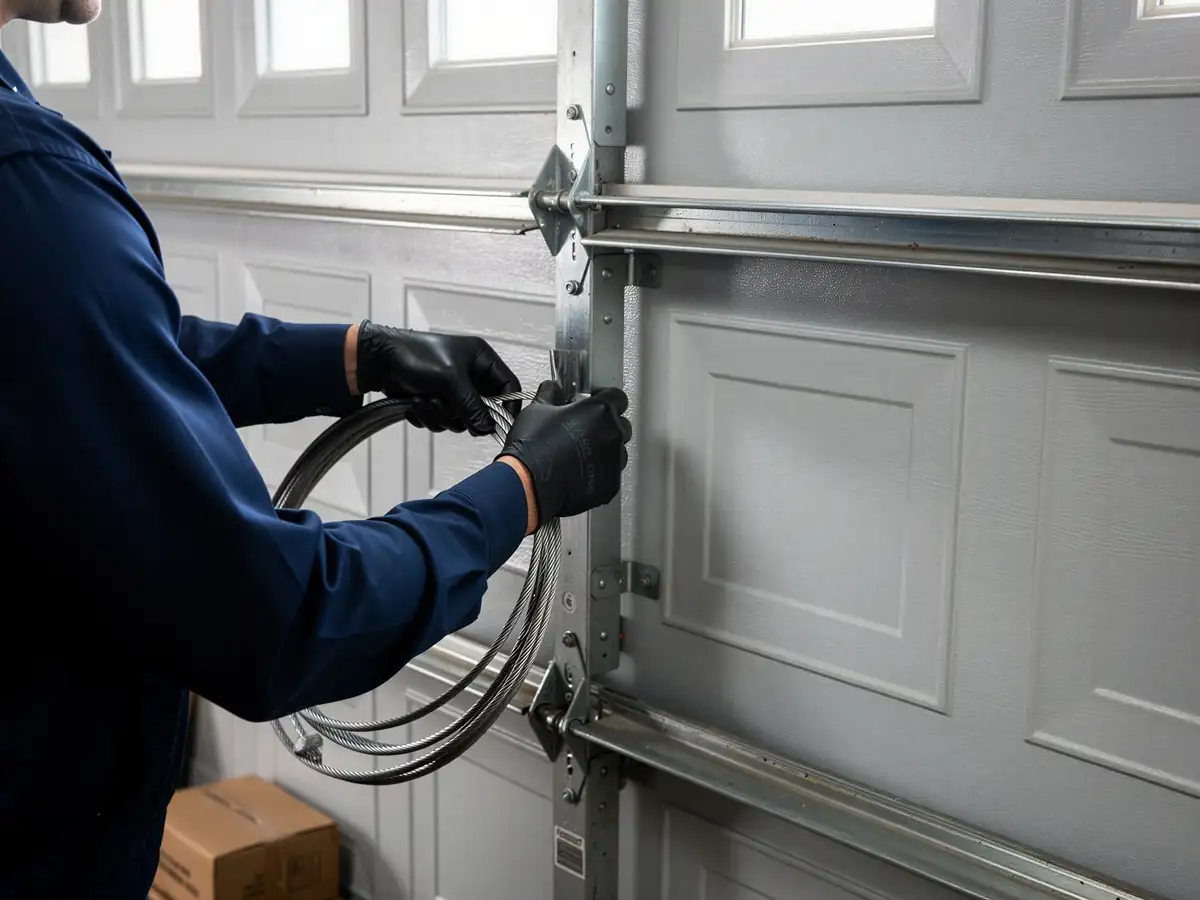
Cables, rollers, and the bottom brackets that take the brunt of torque when a spring lets go are also standard stock, because they fail in the same event more often than people expect. If one spring on a double door has already broken, the other one is usually close behind, and we carry pairs for exactly that reason.
Why This Fails Locally
Most of the doors we work on across this area - the 11 named communities we cover, built mostly in the 1980s and 90s - were installed with torsion springs rated for a 20 to 25 year lifespan under normal cycling. Do the math from a median build year of 1981 and a lot of those original springs are long past due, if they haven't already been swapped once by a previous owner or a prior repair.
The moderate heat band this region sits in doesn't freeze-crack springs the way a harsh winter climate does further north, but it does the opposite kind of damage: steady heat cycling and humidity swings work galvanized coating loose over decades, and once the coating goes, surface rust sets into the coil. A rusted spring doesn't always snap cleanly - it can lose tension gradually, which shows up as a door that gets harder to lift every month rather than one that fails all at once.
Because so much of the local stock shares that same build window, we see the same failure on back-to-back jobs in the same subdivision some weeks. It's not a coincidence - it's the same hardware aging on the same clock.
What It Costs
We don't have a flat number to quote here without seeing the door
And honestly anyone who gives you one over the phone sight unseen is guessing. Cost on a spring job comes down to whether it's one spring or a pair, the wire size and length for your specific door, and whether the cable, drum, or bearing plate got damaged when the spring went - which happens more often on doors that sat with a dead spring for a while before anyone called.
What we can tell you is what drives the number up or down
A single spring on a lighter door is the simplest job we run. A double door with both springs gone, plus a cable that jumped the drum, costs more because it's more parts and more labor, not because we price doors differently by neighborhood. We quote on-site after we've looked at the torsion bar, the drum size, and the condition of the brackets - that's the only way to give you a number we'll actually stand behind.
What You Are Seeing
A door that won't lift past a foot off the ground, or one that slams down instead of lowering smooth, is almost always a spring problem, not an opener problem - the opener is just straining to do a job the spring used to do for free. If you hear a loud bang from the garage and now the door feels twice as heavy to lift by hand, that's a spring that let go, and it's not safe to keep running the opener against it.
A door that's gotten gradually heavier over months, or one where you notice the cable looks loose or slightly bowed on one side, points to a spring losing tension slowly rather than snapping outright - common on the older end of this area's housing stock where the coating's worn thin. Either way, don't try to adjust or remove a wound torsion spring yourself. It's under enough stored tension to cause a serious injury, and that's true whether the door is five years old or forty.