Stocked Parts
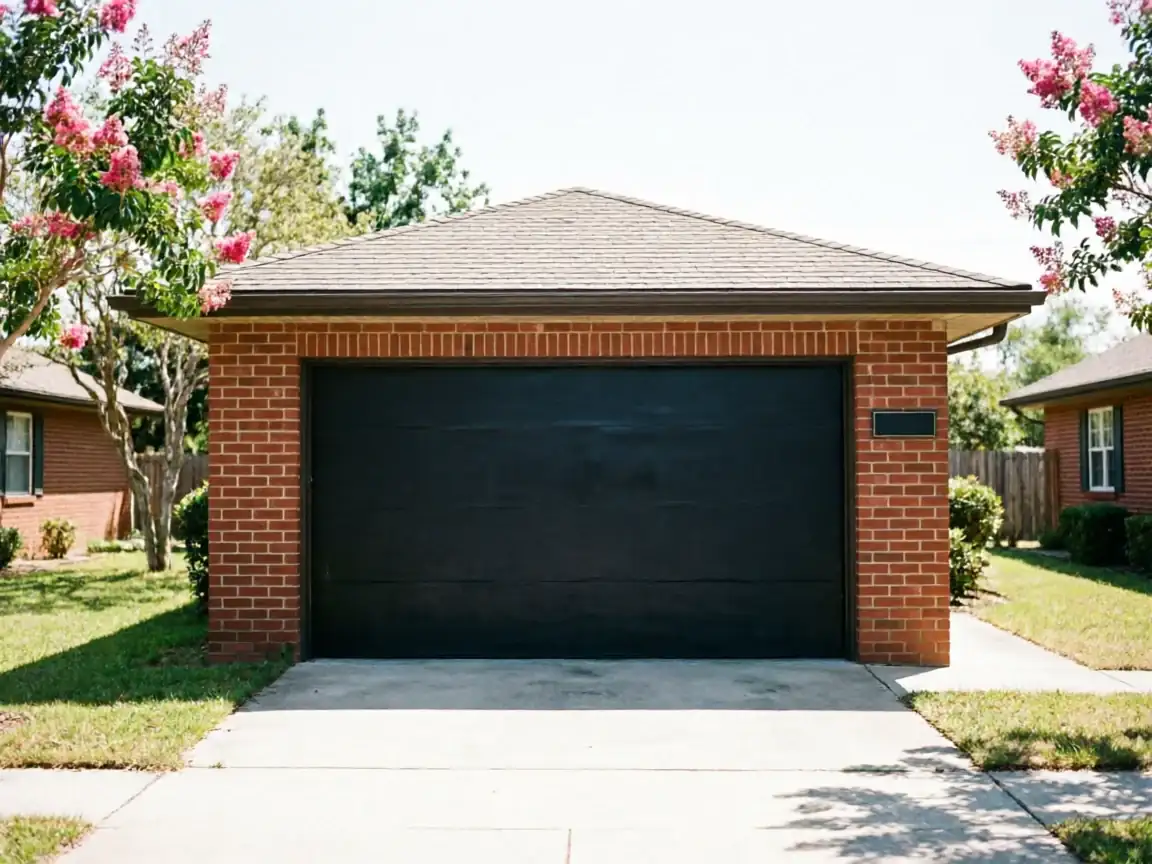
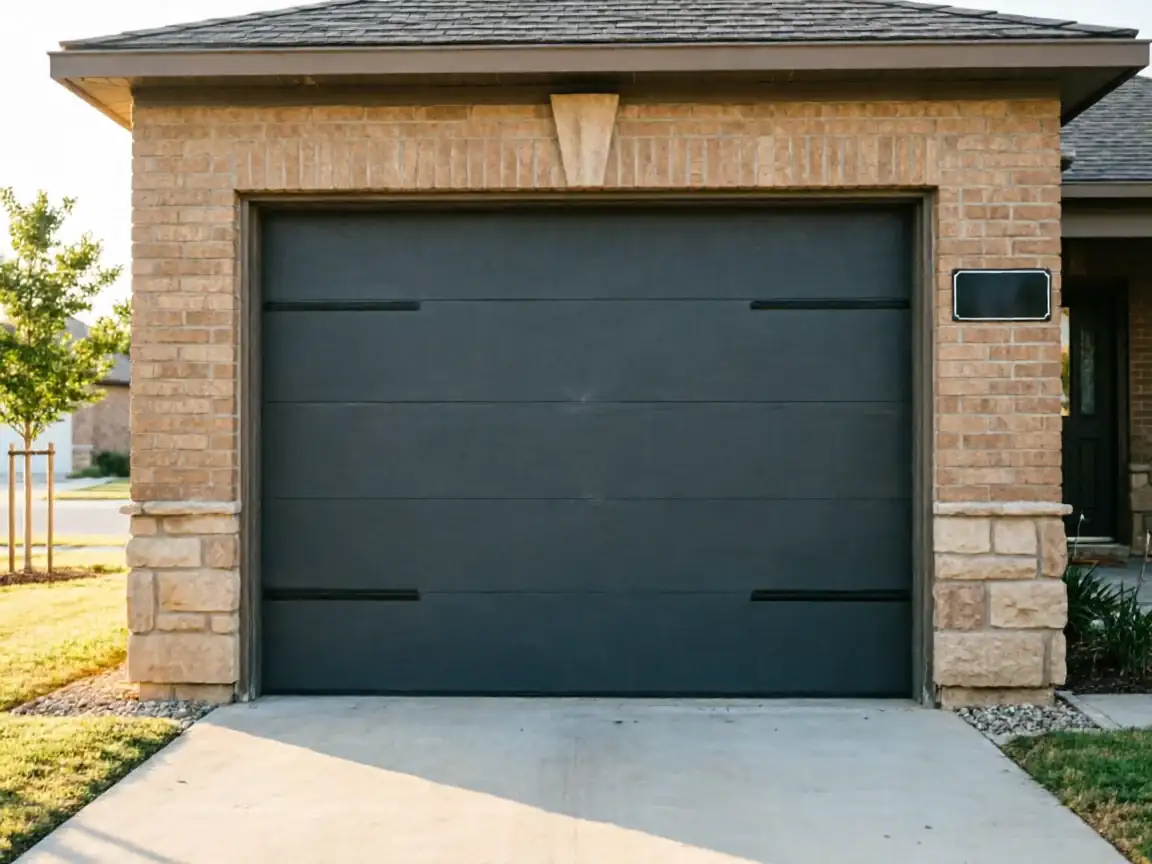
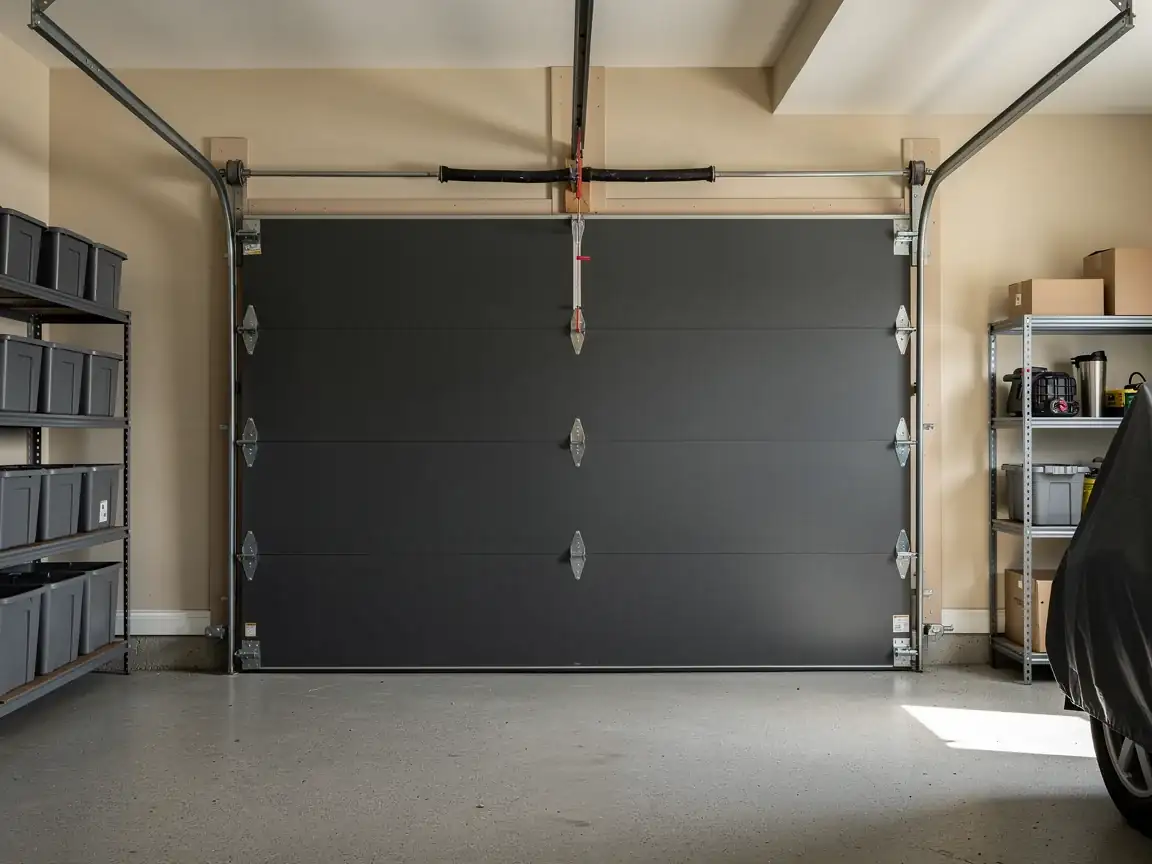
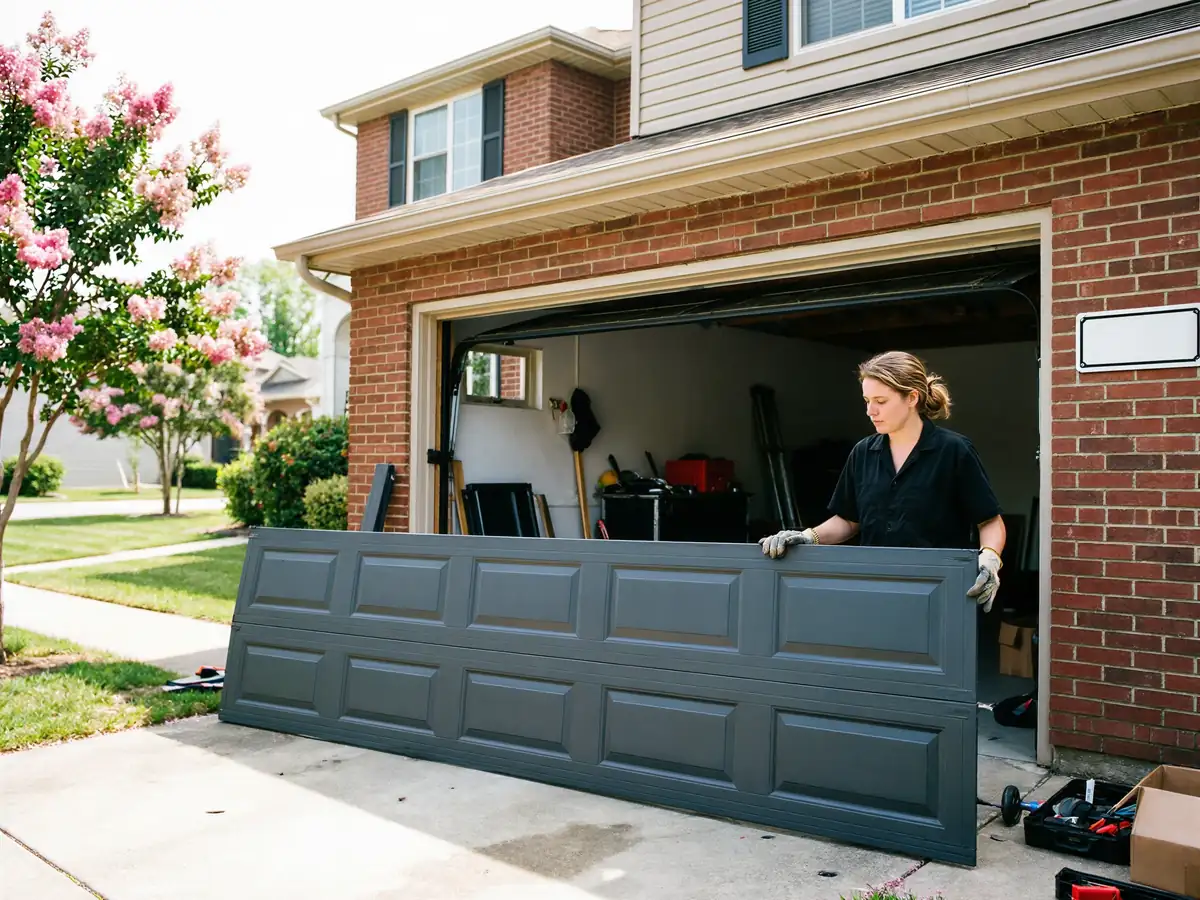
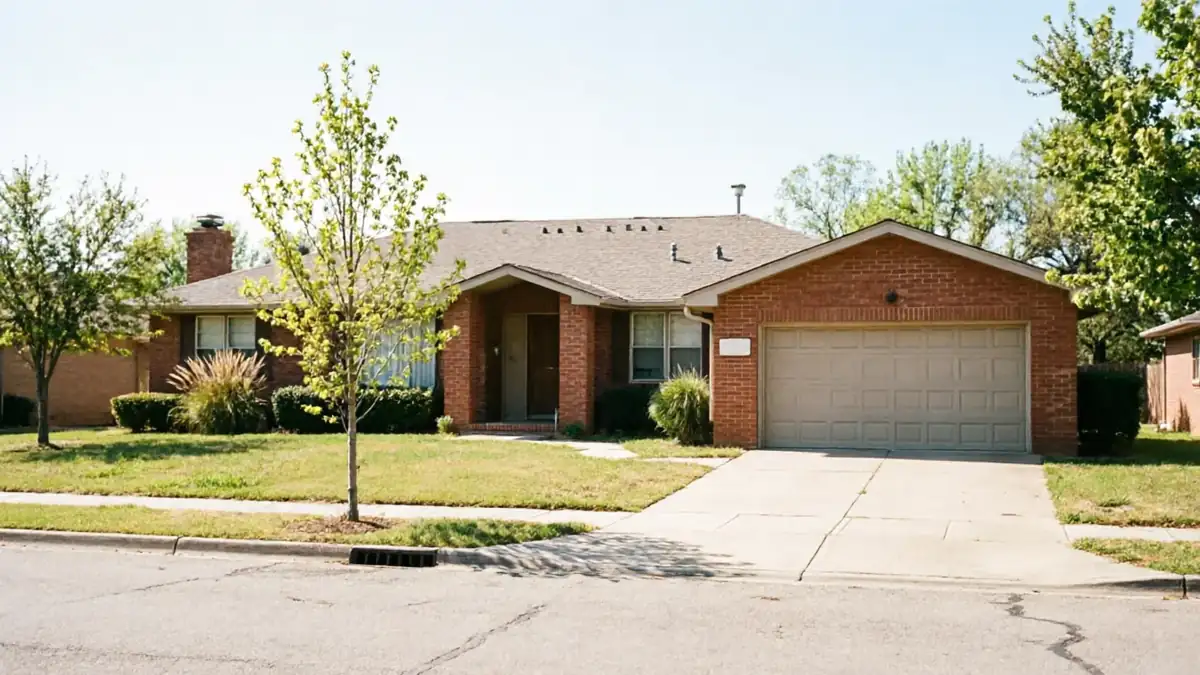
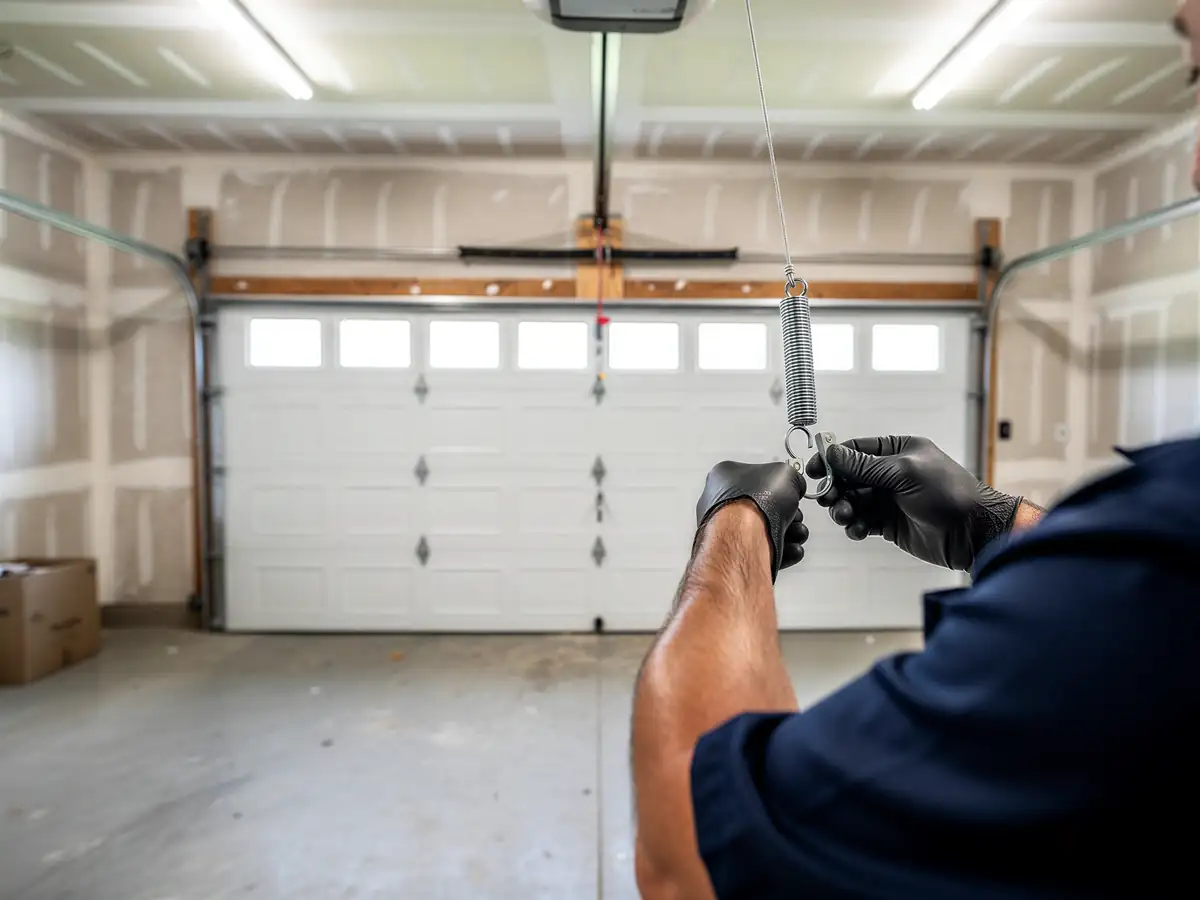
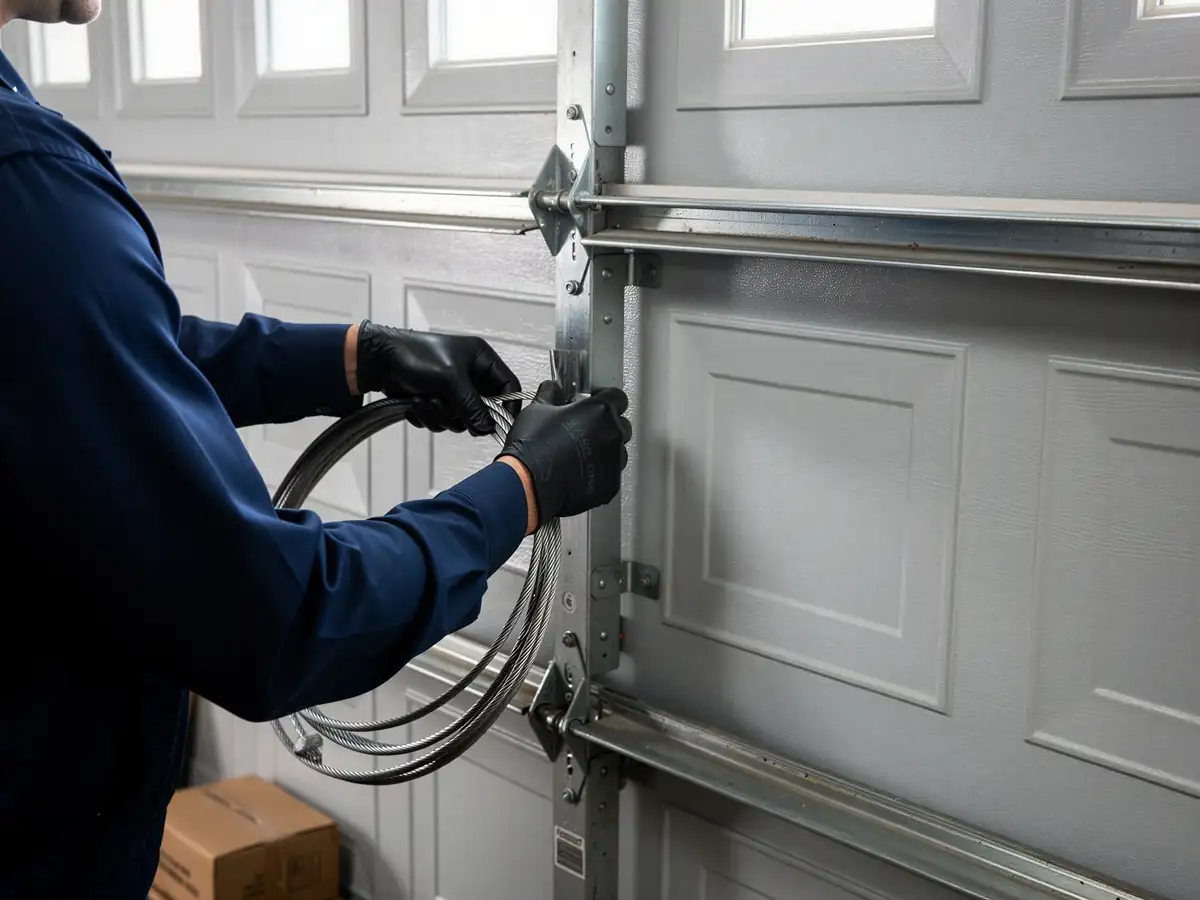
Most of the houses we get called to in Longview went up somewhere between 1968 and 1994, with the median build year sitting around 1981. That's a specific generation of hardware, and it's what we keep on the truck: standard torsion springs sized for the single and double steel doors that came with that era's tract construction, extension spring kits for the older single-car bays, and the nylon rollers and galvanized cable that wear out first on doors that age. We also carry the common safety sensor pairs and drive belts for openers installed as replacements over the last couple decades, since a lot of these houses have had at least one opener swap by now. What we don't stock is anything custom - wood doors with hand-cut panels, oversized commercial track, or obsolete clicker-only openers with no safety reversal. If your door falls into that category, expect a lead time while we source the part, and we'll tell you that up front rather than guess at an install date.
Why This Fails Locally
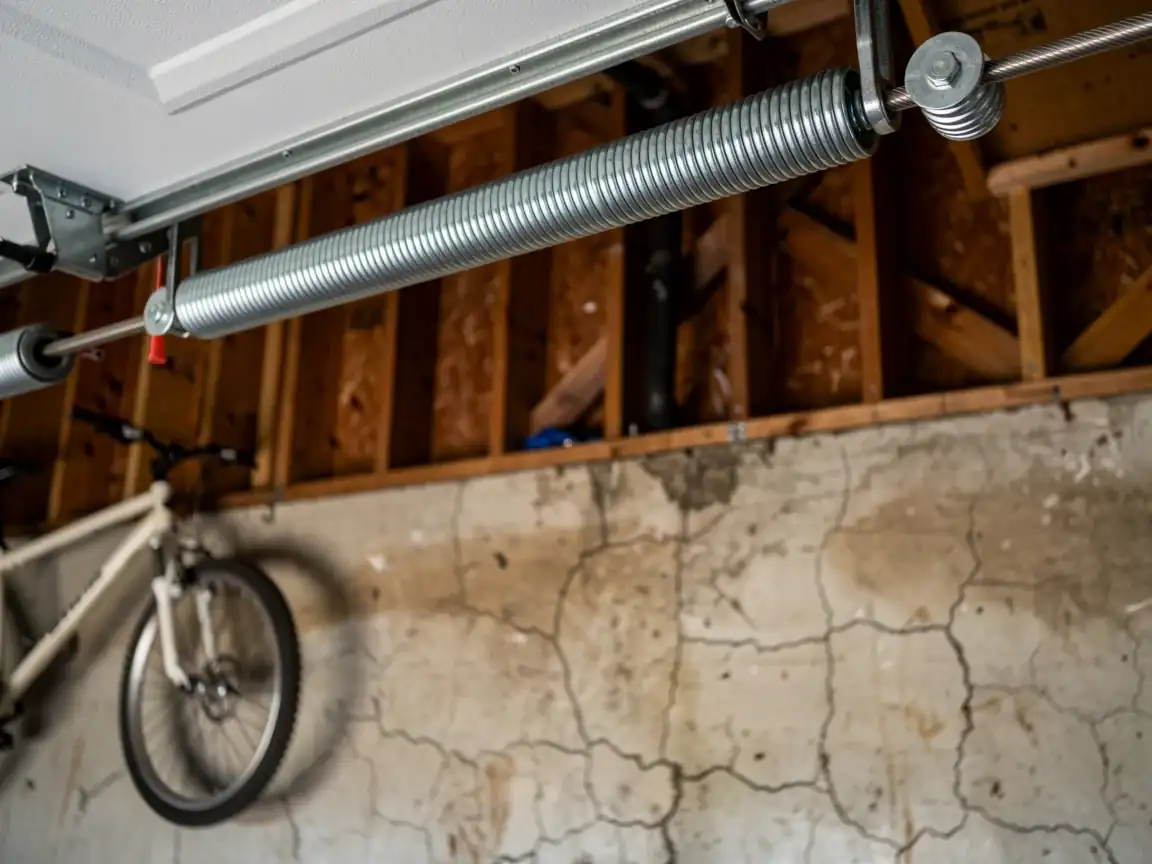
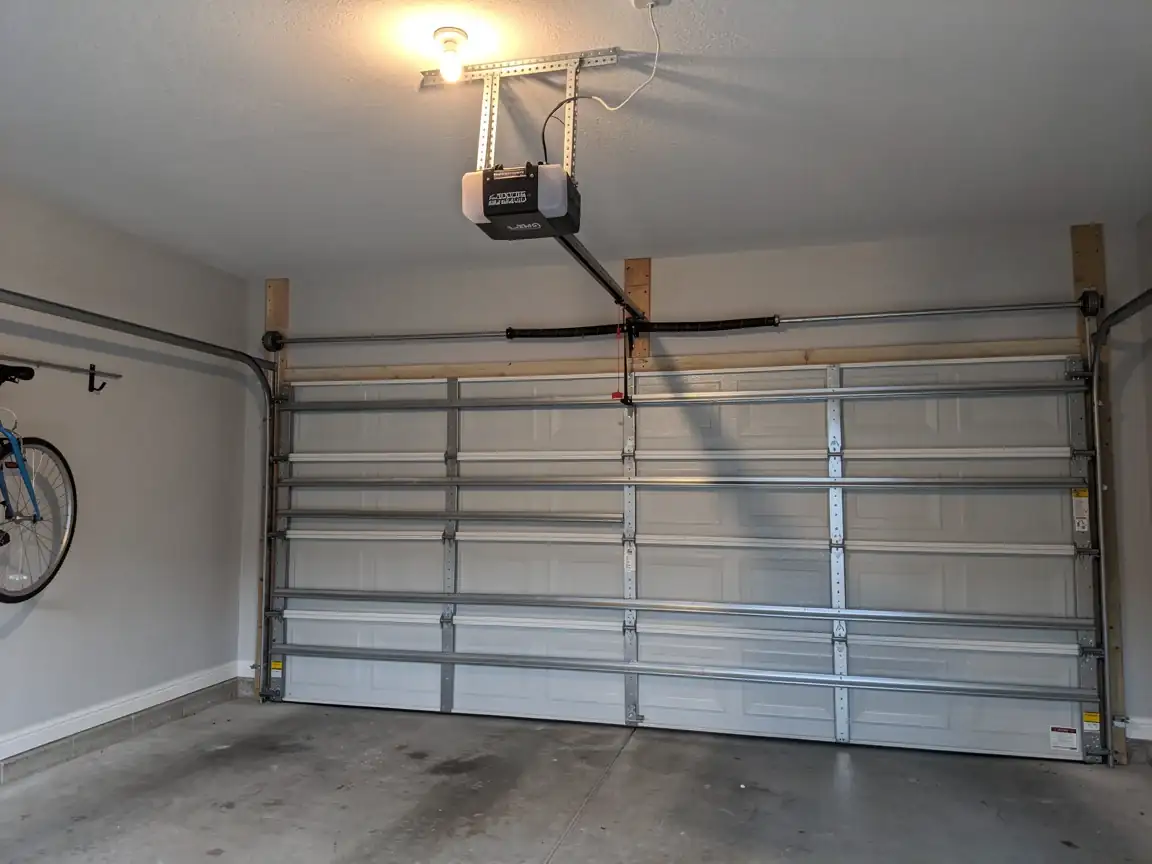
Houses built in the 1968-1994 window across Longview's named areas - this covers most of the stock we see from White Oak to Hallsville - were almost all built with torsion spring systems rated for a 15 to 20 year service life under normal cycling. Thirty-plus years later, a huge share of those original springs are still on the door, just fatigued past the point of holding the weight evenly. Longview sits in a moderate heat climate band, which doesn't bring the extreme freeze-thaw cycling that cracks springs in colder regions, but it does mean steel components spend long stretches at sustained high temperatures every summer. Heat doesn't snap a spring the way cold does - it accelerates metal fatigue and dries out the lubrication on rollers and hinges faster than owners expect. That combination - original-era torsion hardware plus a long hot season - is why spring failure and roller binding show up so often in this market, more than, say, cable fraying from ice buildup, which just isn't a factor here.
What You Are Seeing
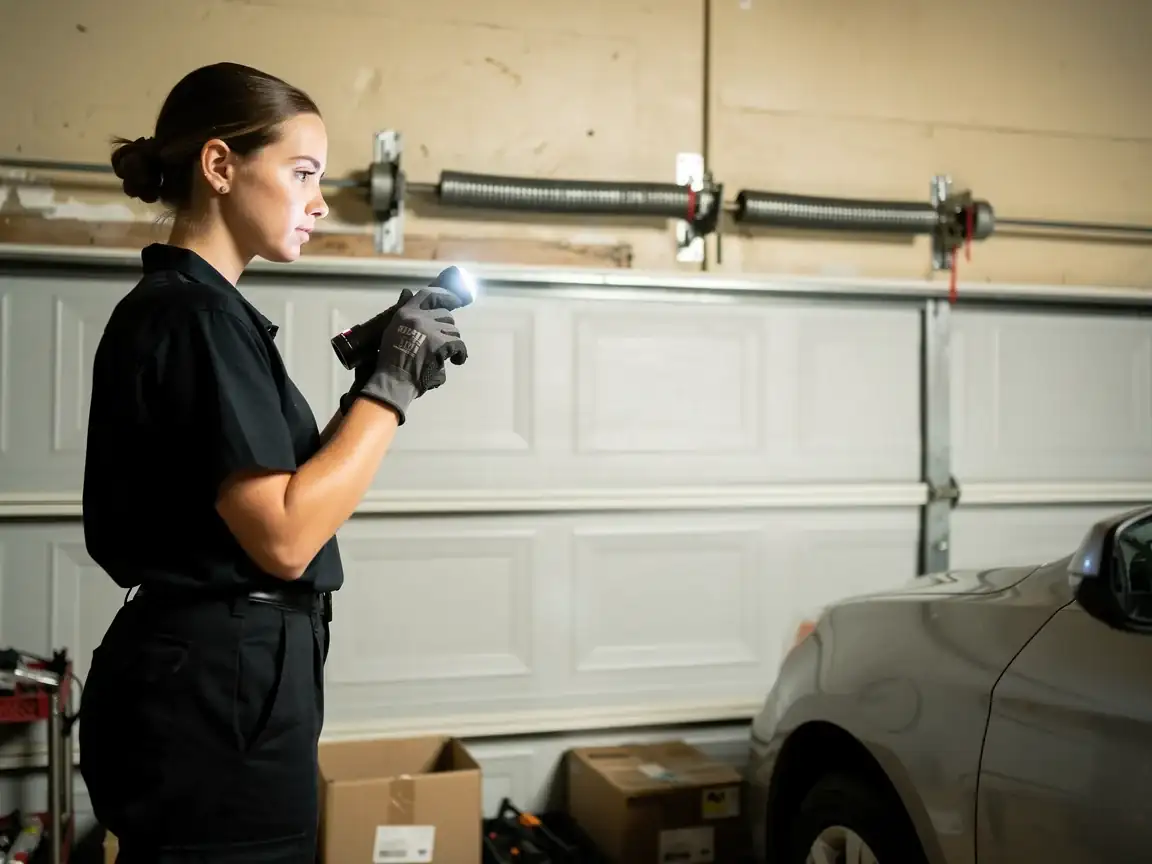
A door that slams the last foot instead of settling usually means the spring is no longer carrying its share of the weight - that's classic torsion spring fatigue, and it's the single most common call we take. A loud bang from the garage followed by a door that won't open at all is often the spring snapping outright. If the door shudders or runs unevenly along the track, check the rollers first; on a house from this era they've frequently never been replaced. An opener that reverses halfway through closing, or that runs but doesn't move the door, points to the drive mechanism or a misaligned sensor rather than the spring. None of these are urgent safety issues if you leave the door alone and call rather than trying to force it - a door under spring tension that's forced open or closed is how people get hurt.