Stocked Parts
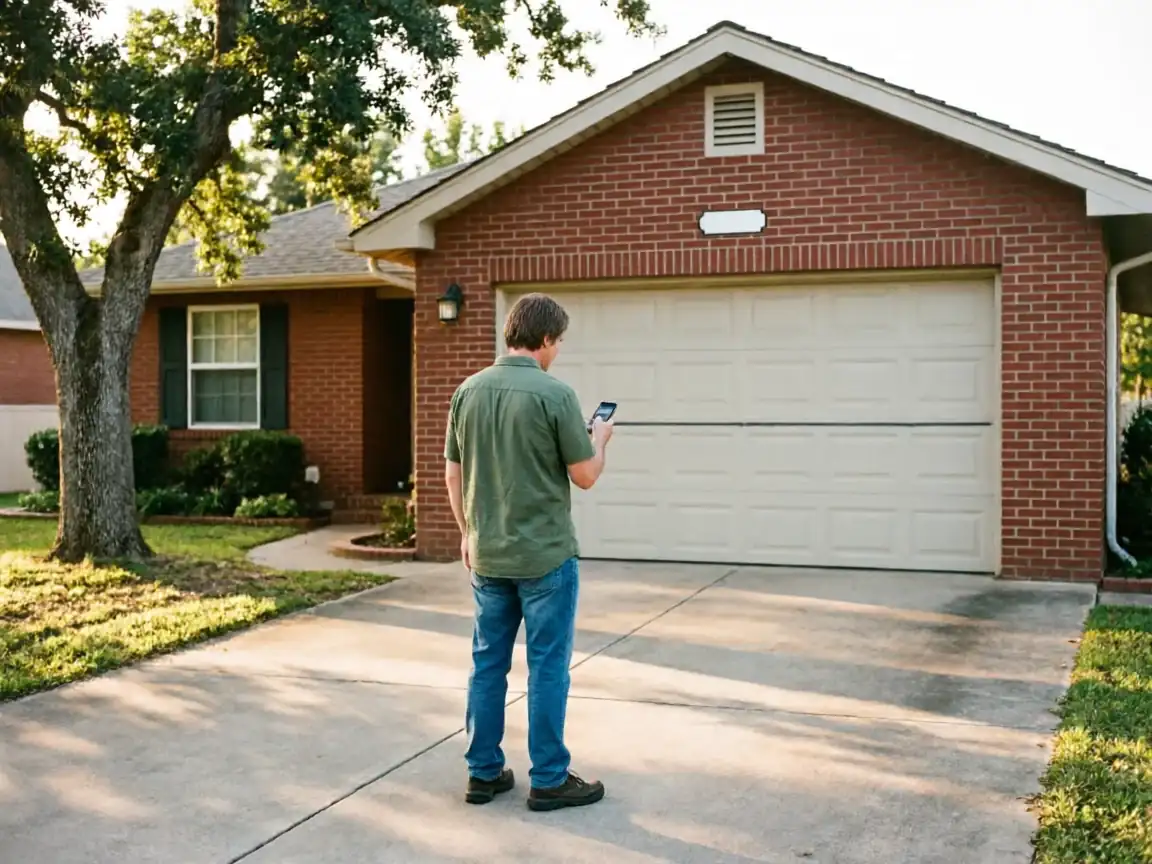
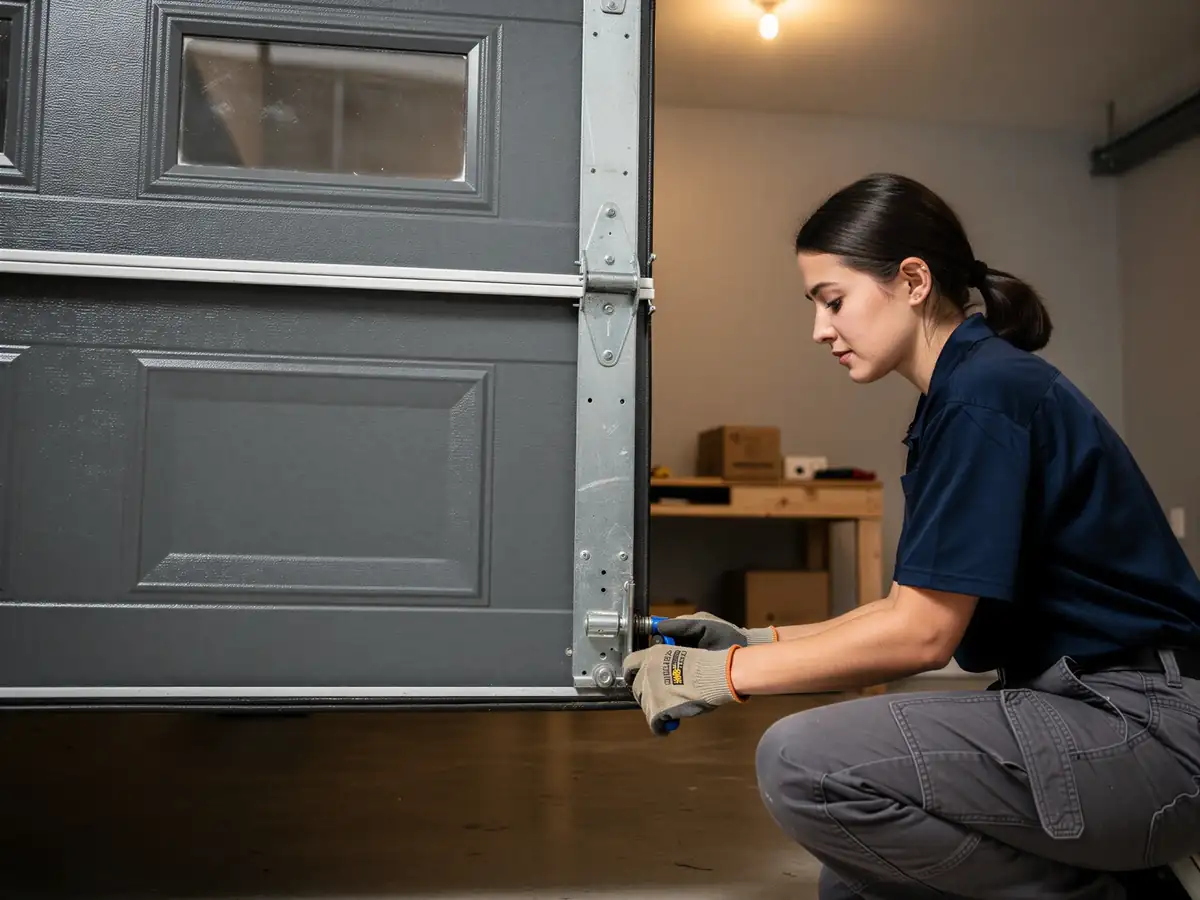
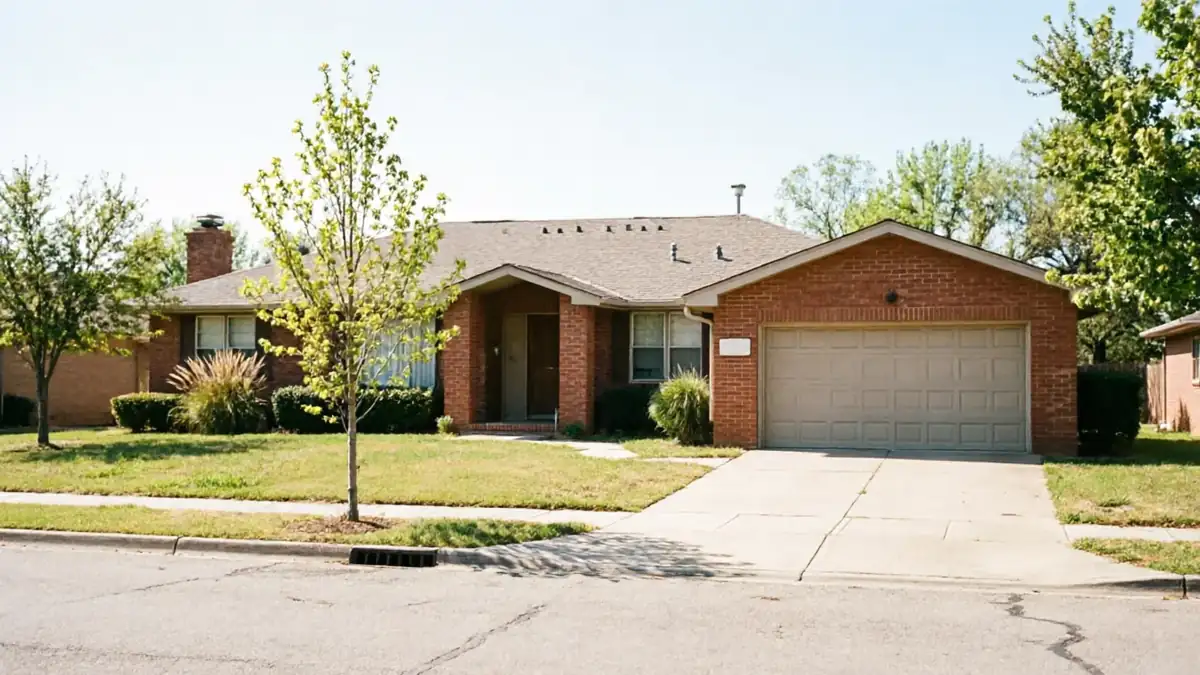
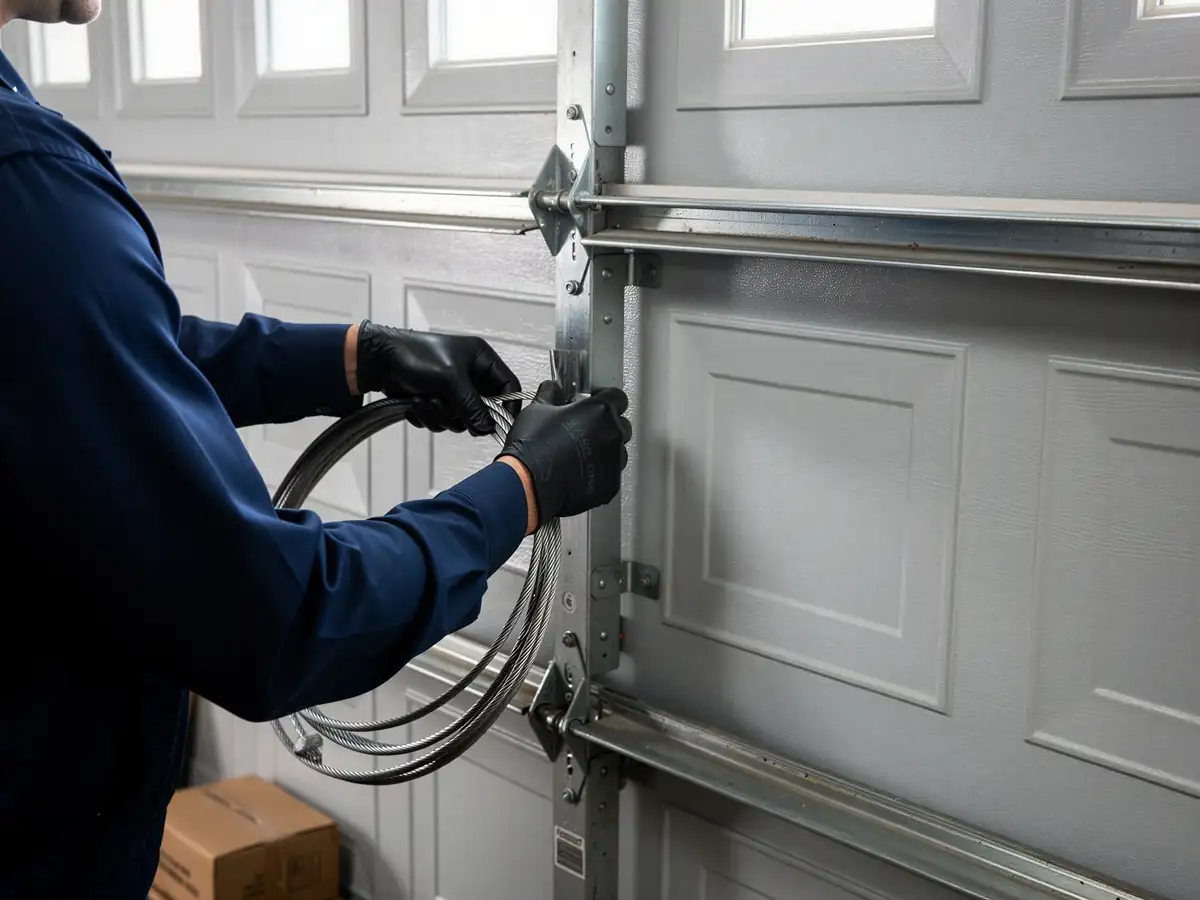
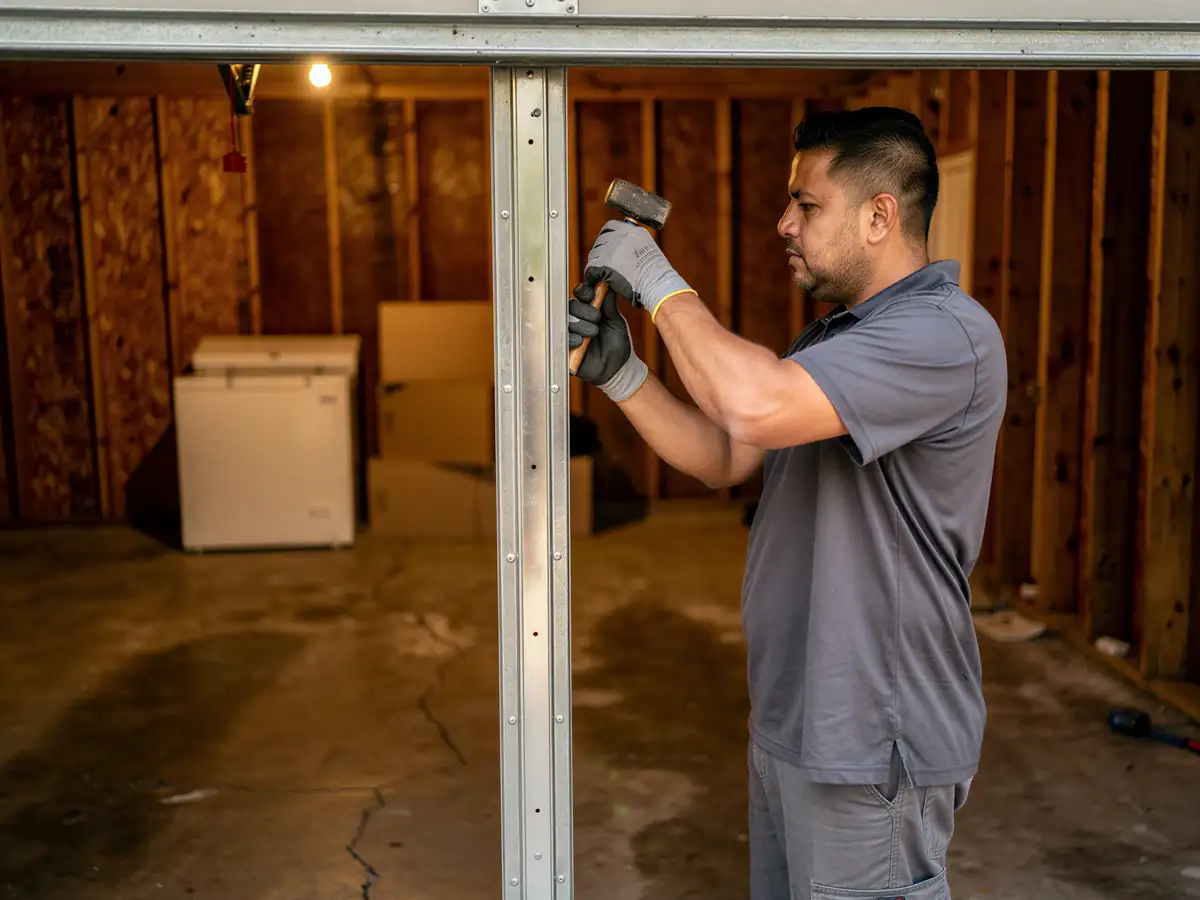
Most of the houses we work on in Longview went up between 1968 and 1994, with the bulk of that stock dating to the early 1980s. That matters for installation because the door openings, jamb widths, and header clearances from that building era are not the same as what gets framed today. We keep torsion springs, end bearing plates, and track sections sized for those older openings on the truck, because a lot of the 11 areas we cover - White Oak, East Mountain, Clarksville City, Lakeport, Kilgore, Gladewater, Liberty City, Hallsville, Gilmer, Ore City, and New London - still have original framing from that period.
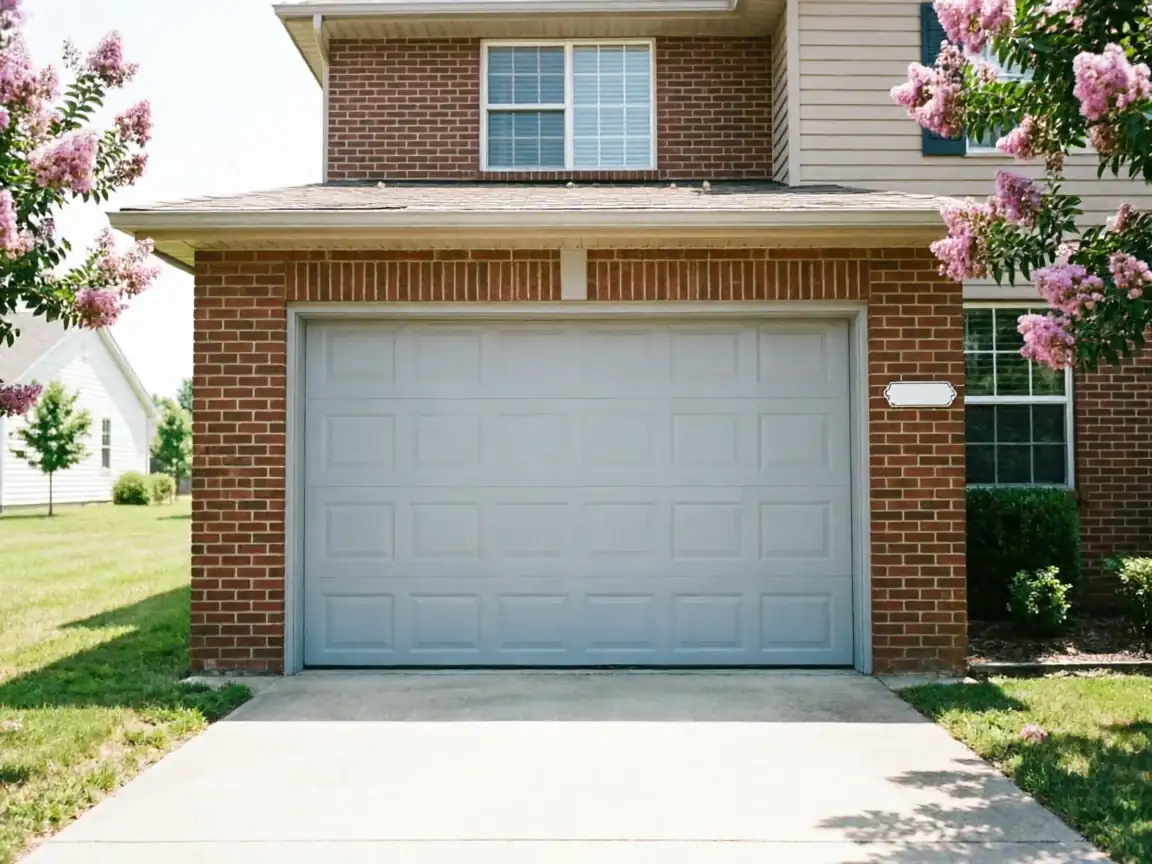
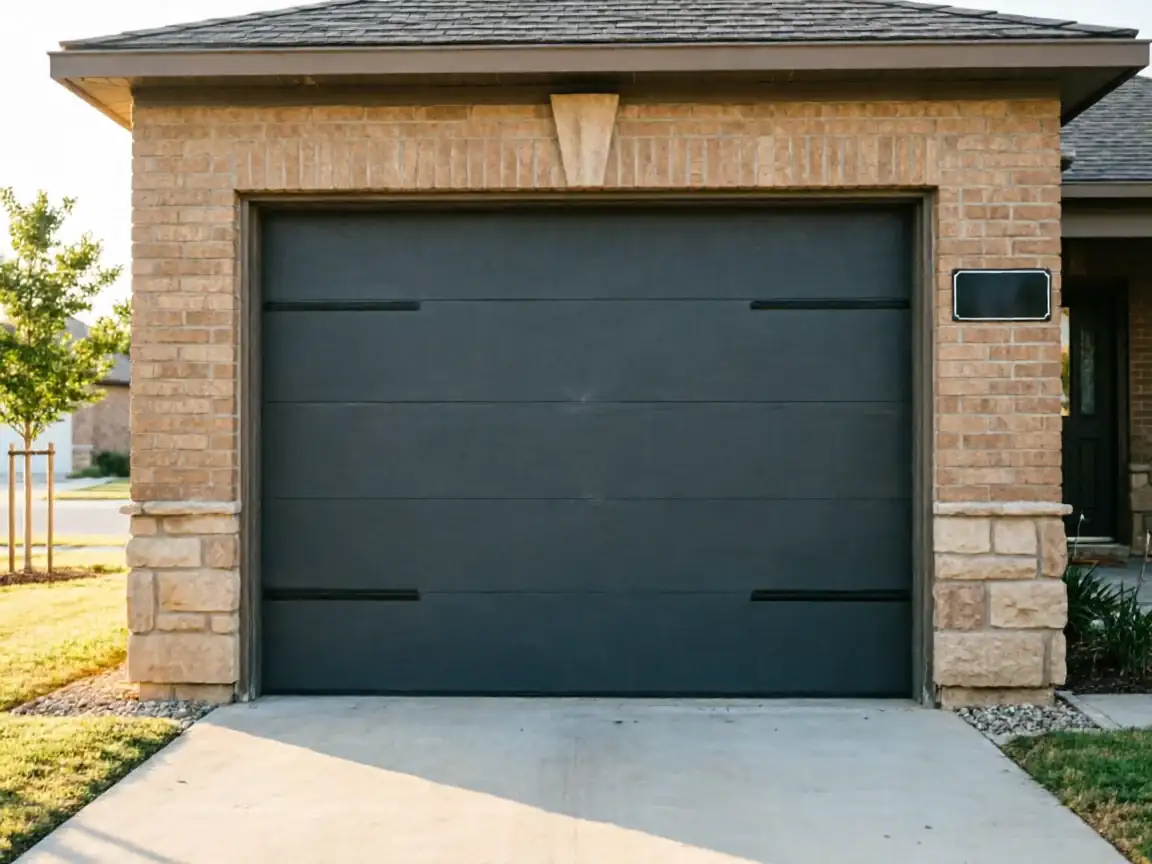
That 1980s-90s stock also means a lot of single-car openings that were never widened, and double-car openings built for a lighter door than what homeowners want installed today. When we quote an install, we measure the actual opening rather than assume a standard width, because a house built in 1981 and one built in 1991 can have different rough openings even on the same street.
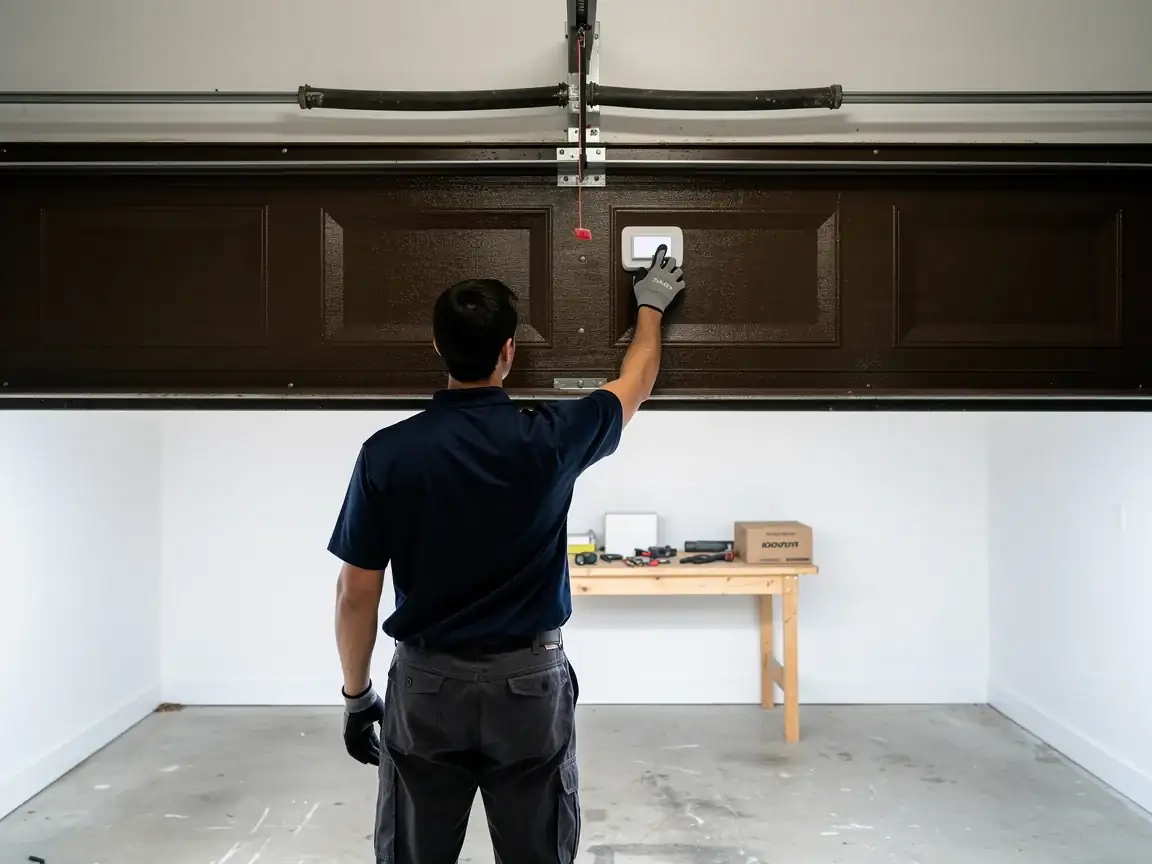
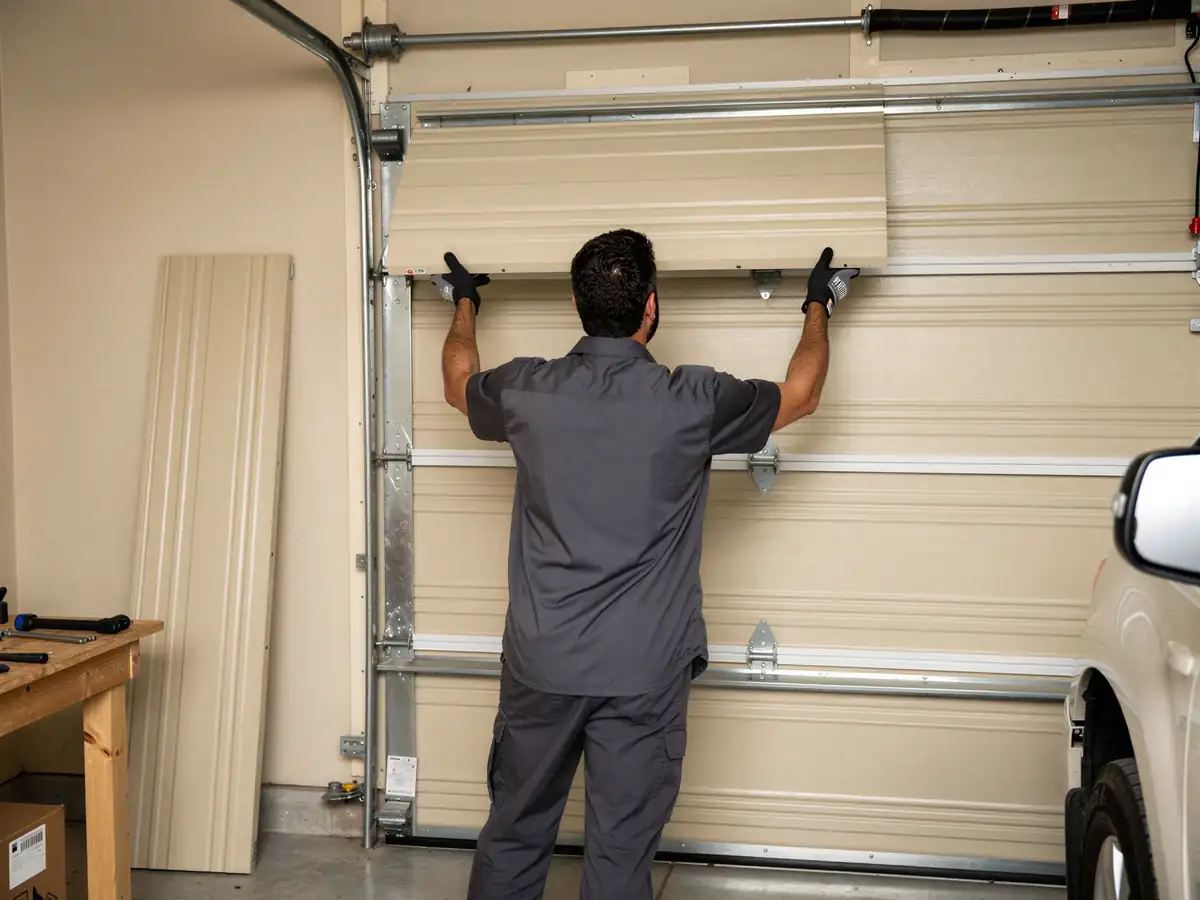
We don't stock every custom size on the truck. Panels in uncommon widths or non-standard window configurations usually mean a short order delay, and we'll tell you that up front rather than promise a same-day install we can't deliver.
Why This Fails Locally
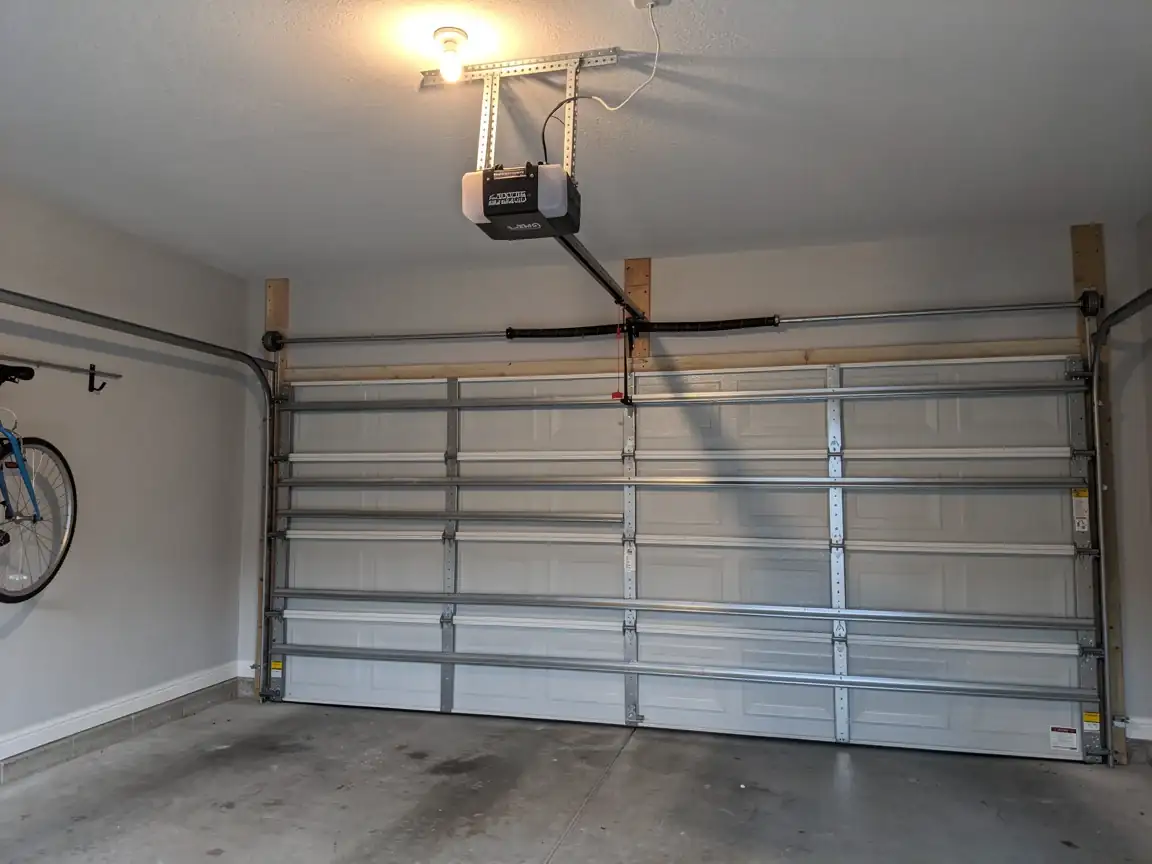
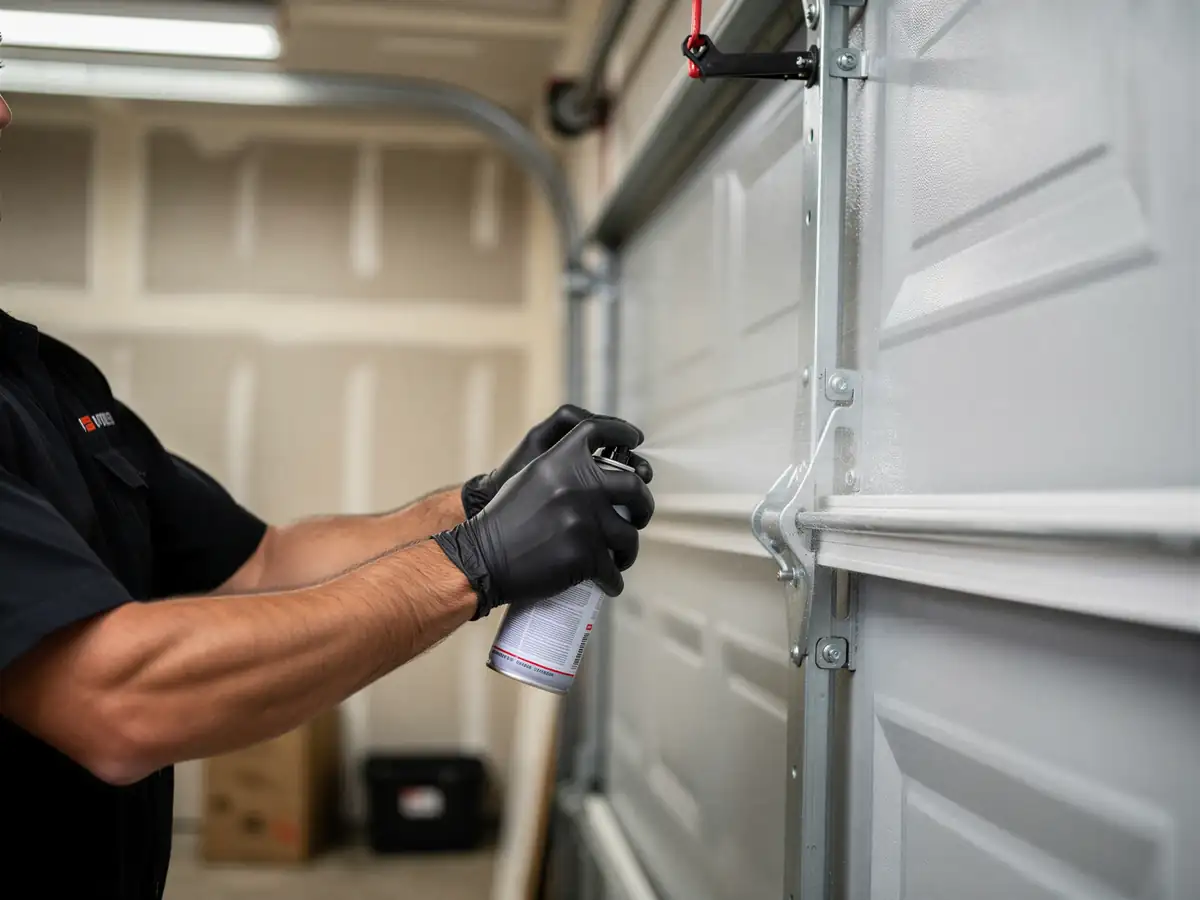
A door installed on a Longview house from the 1968-1994 run has usually seen three or four decades of a moderate-heat climate cycling the steel and the lubricant inside the hardware. That's not a dramatic failure - it's a slow one. The galvanized coating on older track thins, the grease in the rollers dries out faster than the stamped service interval ever accounted for, and the torsion spring loses wind tension a little at a time until one day it doesn't have enough left to lift the door.
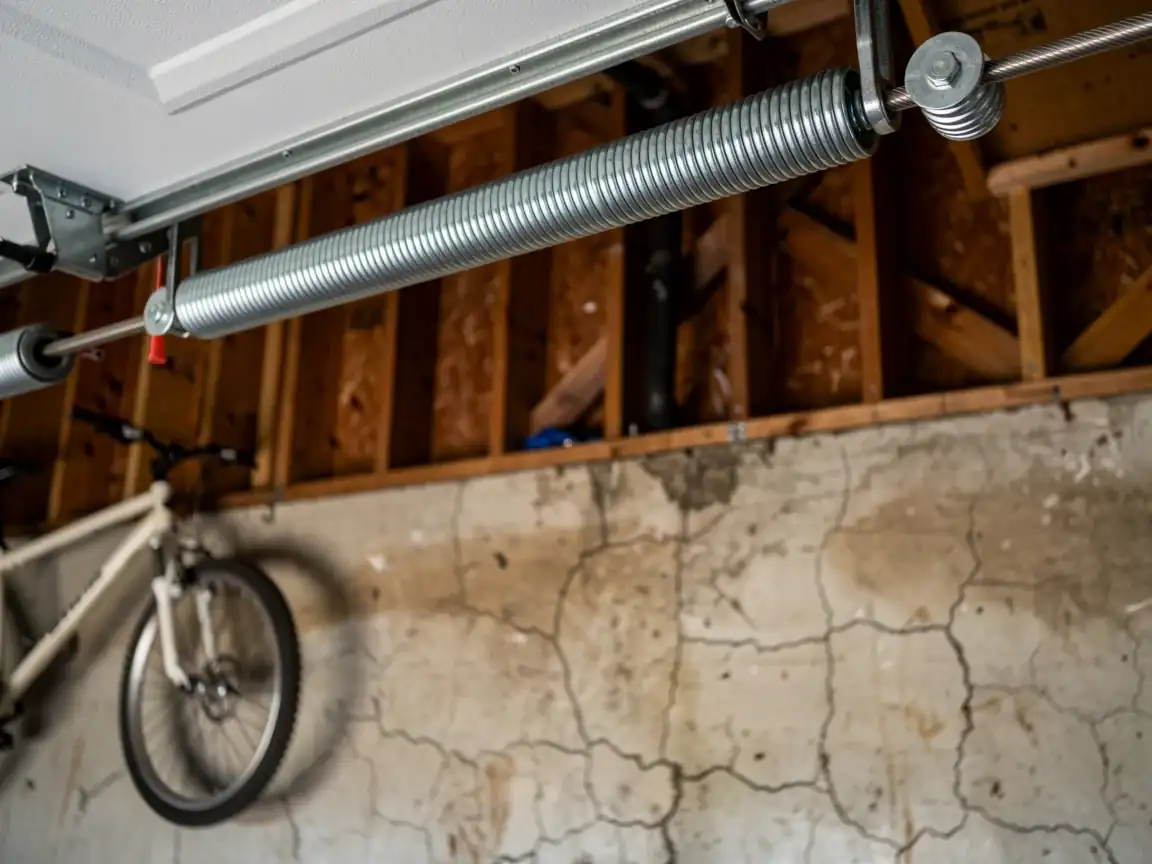
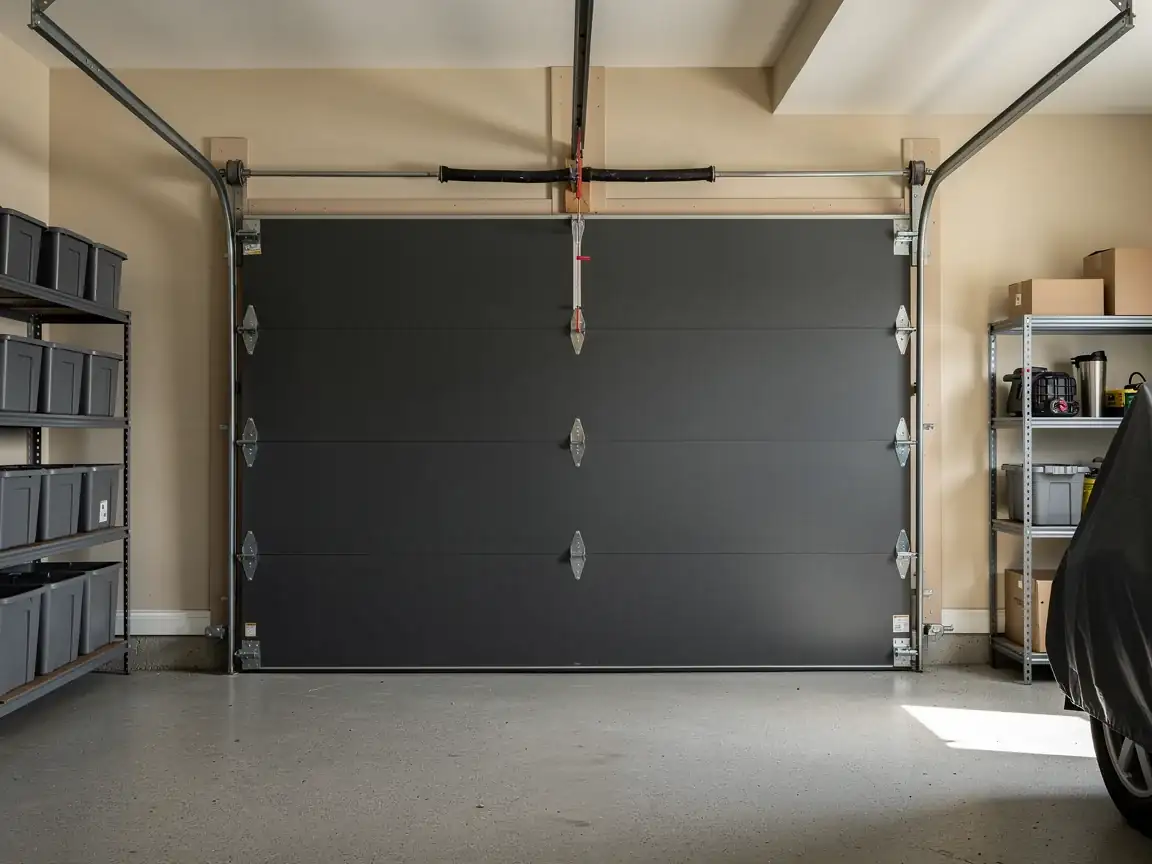
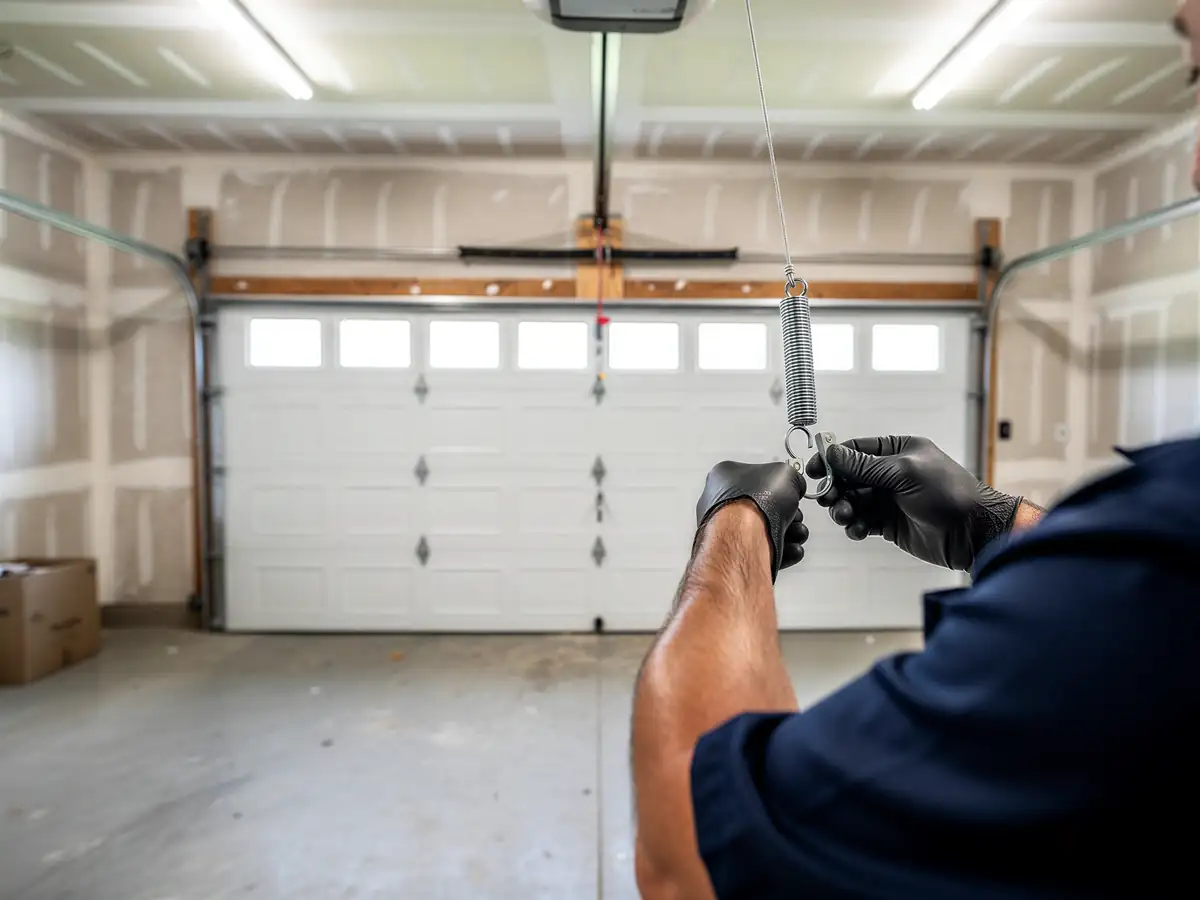
Houses in this part of built in that window were also commonly fitted with a single torsion spring on double doors that weigh more than the spring was sized for by today's standard. That's not a defect from the factory - it's just what was normal in 1981. It becomes a failure point now because the spring has been working harder than it was built to for years, and heat-driven expansion and contraction of the steel accelerates the fatigue.
When we get a call about a door that won't open or closes crooked, the first thing we check is whether the hardware matches the house's age. Original 1980s-90s hardware on a door that's never been touched is the single most common reason an installation call turns into a full replacement rather than a repair.
What It Costs
We don't post a flat price for garage door installation because the honest cost depends on what's actually at the opening
Single or double door, steel or insulated panel, whether the existing track and spring from the 1968-1994 build can be reused or need full replacement, and whether the opener has to come out too. A house with original hardware from that era usually needs more replaced than a house with a door installed in the last ten years, even if both openings are the same size.
We won't quote a number over the phone without seeing the spring size, the track condition, and the opening itself
Too many jobs that look simple turn out to need a header repair or a jamb reset once the old door comes down, and a phone quote that ignores that isn't worth much.
What we can tell you is what drives the number up or down
Door insulation level, number of springs, track style, and whether the opener is being replaced in the same visit. If you want a number you can actually use, that means a look at the door in person, not a guess based on square footage.
What You Are Seeing
If your door is original to a house built in the 1968-1994 window, the signs usually show up the same way across this part of the county: the door sags slightly at one corner when it's down, there's visible rust bloom at the bottom of the track where moisture sits, and the door feels heavier than it should when you lift it by hand with the opener disconnected. That heaviness is almost always a spring that's lost tension, not a motor problem.
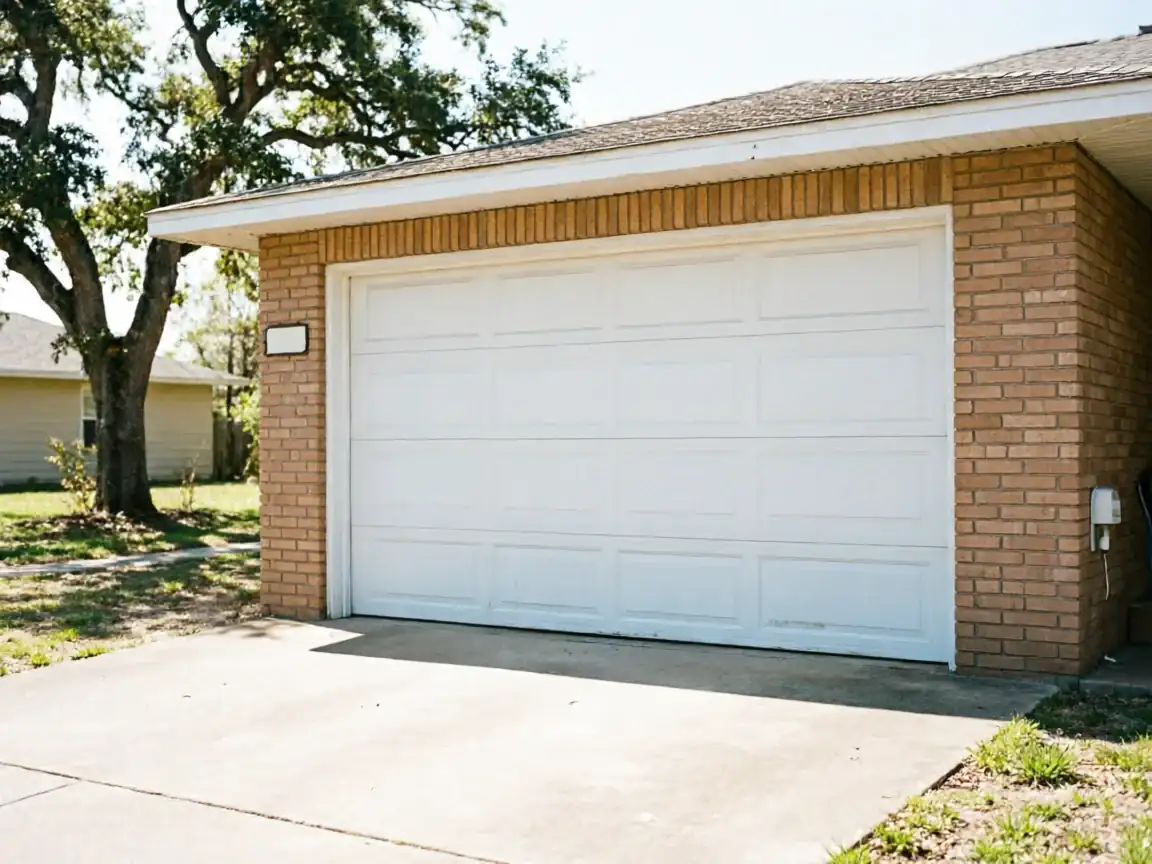
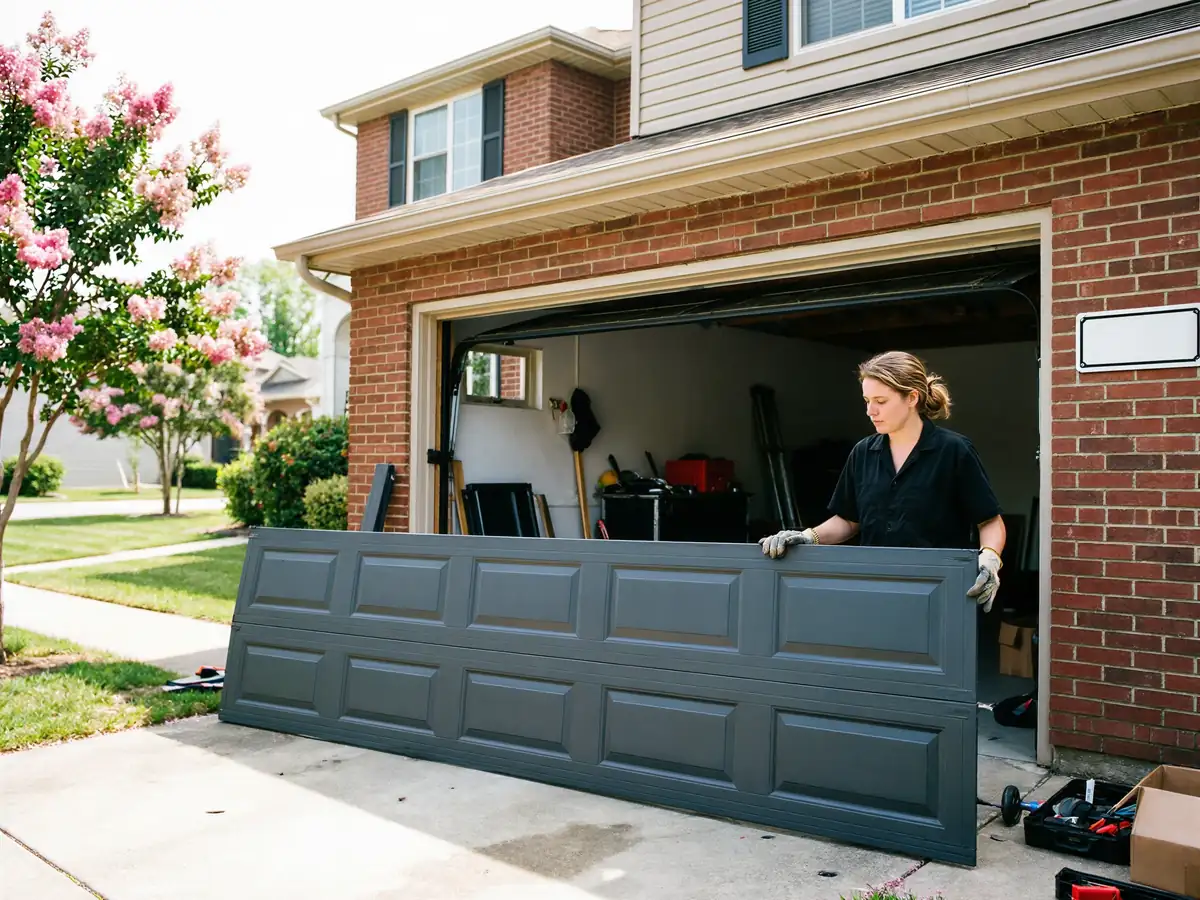
On double doors from that era with a single torsion spring, you'll often hear a loud bang from the garage at some point - that's the spring letting go, not the door itself failing. The panels themselves, especially uninsulated steel ones common to 1980s-90s builds, can also show denting at the bottom panel from two or three decades of being the panel closest to the ground and the weather.
If what you're seeing is a door that still opens and closes fine but looks dated, that's a different conversation than a door that's failing structurally - cosmetic replacement and functional replacement don't need the same urgency or the same scope of work.