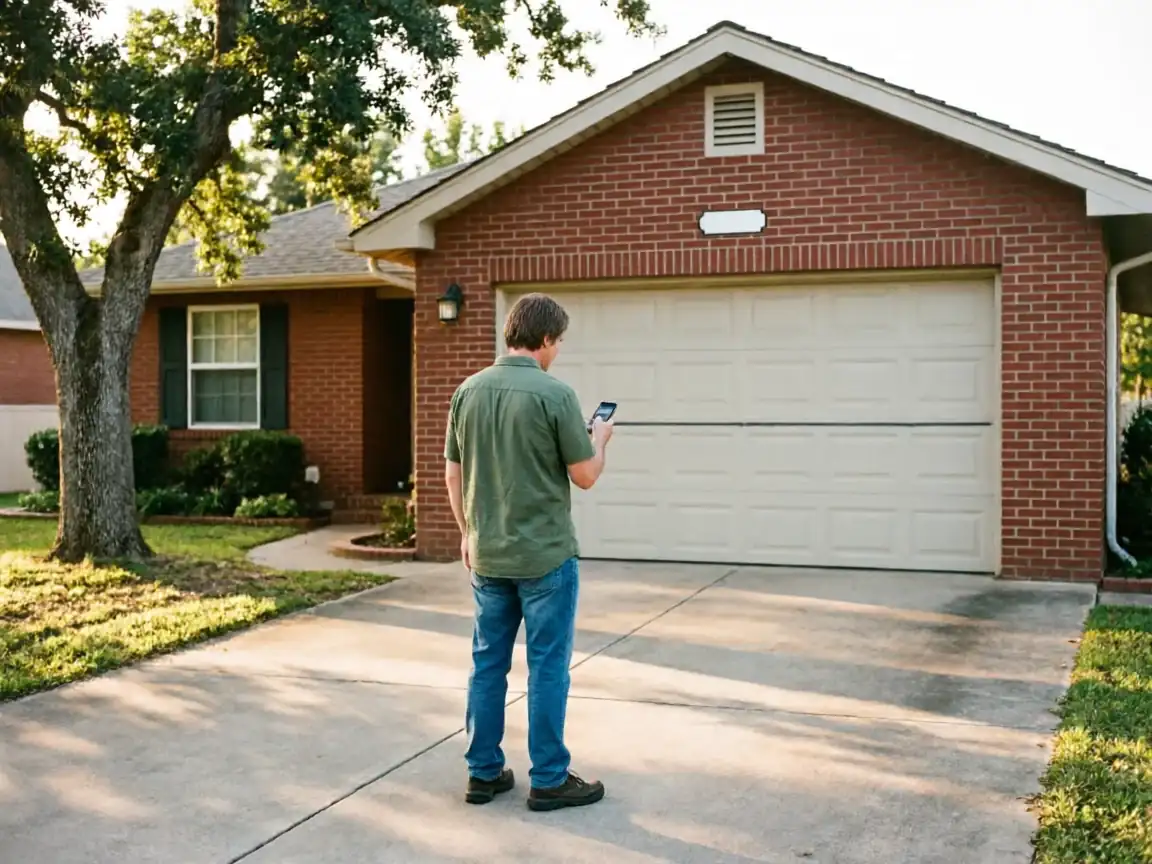
Doing It Yourself
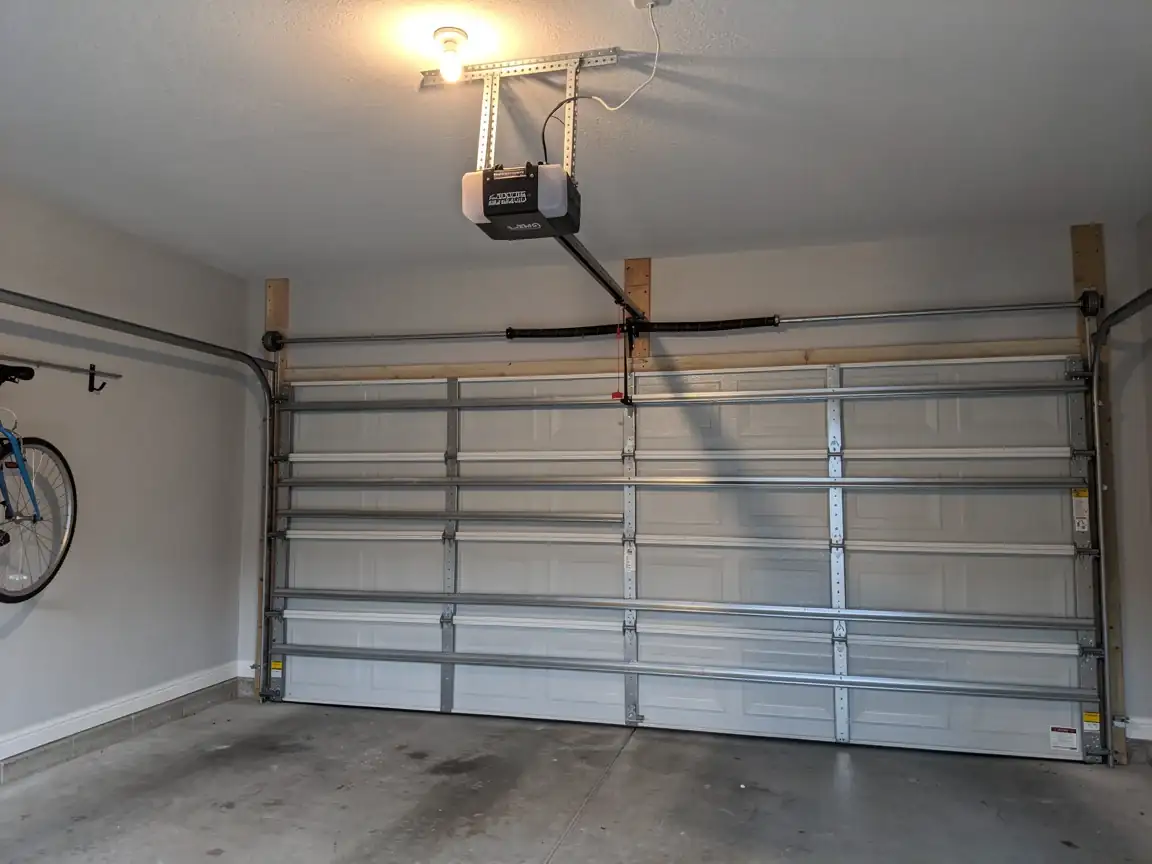
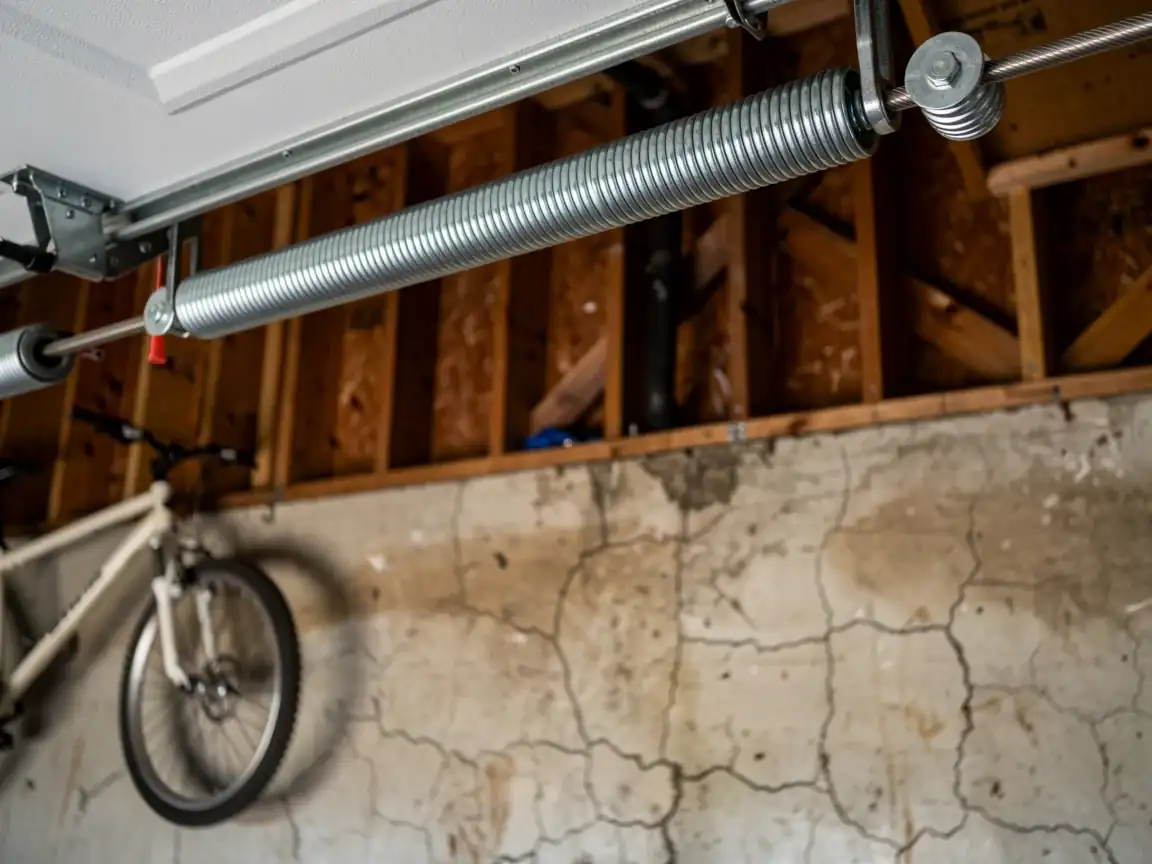
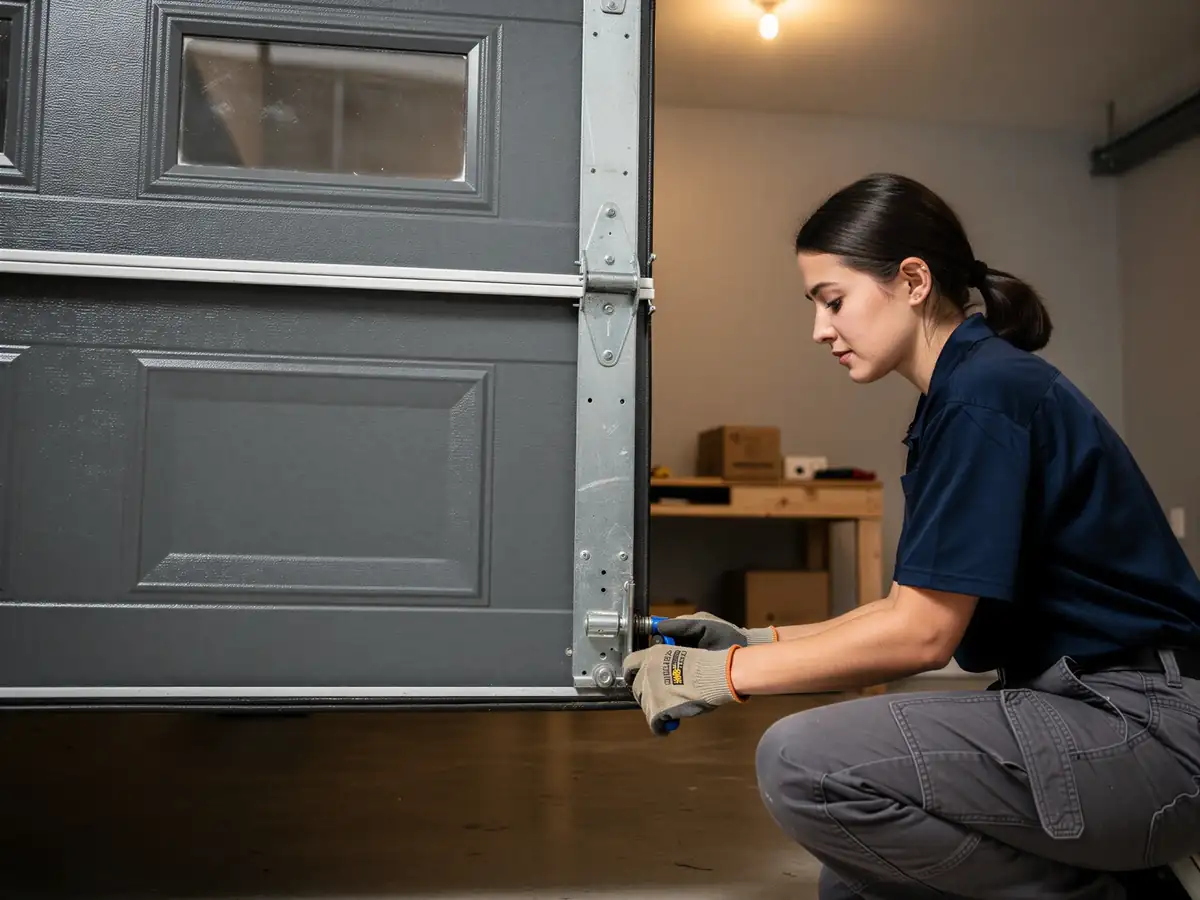
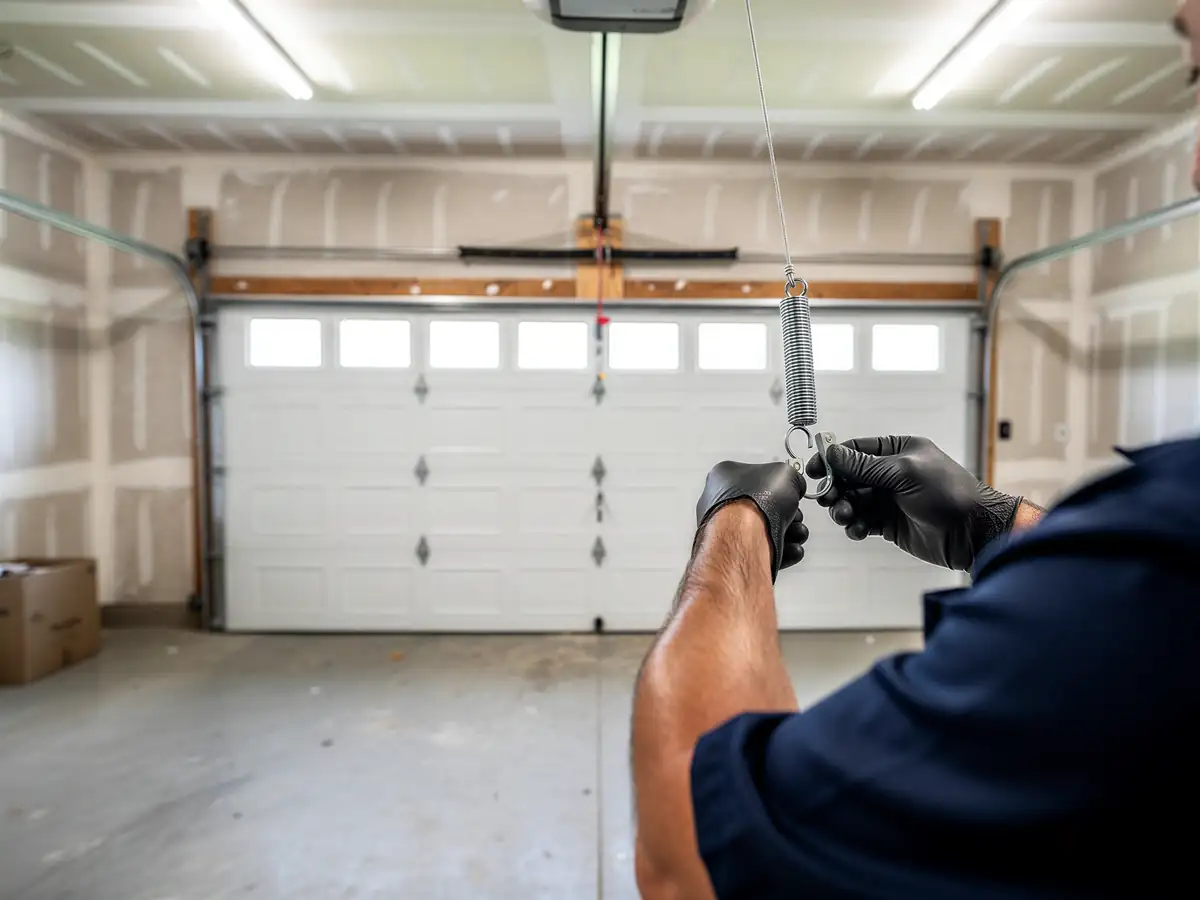
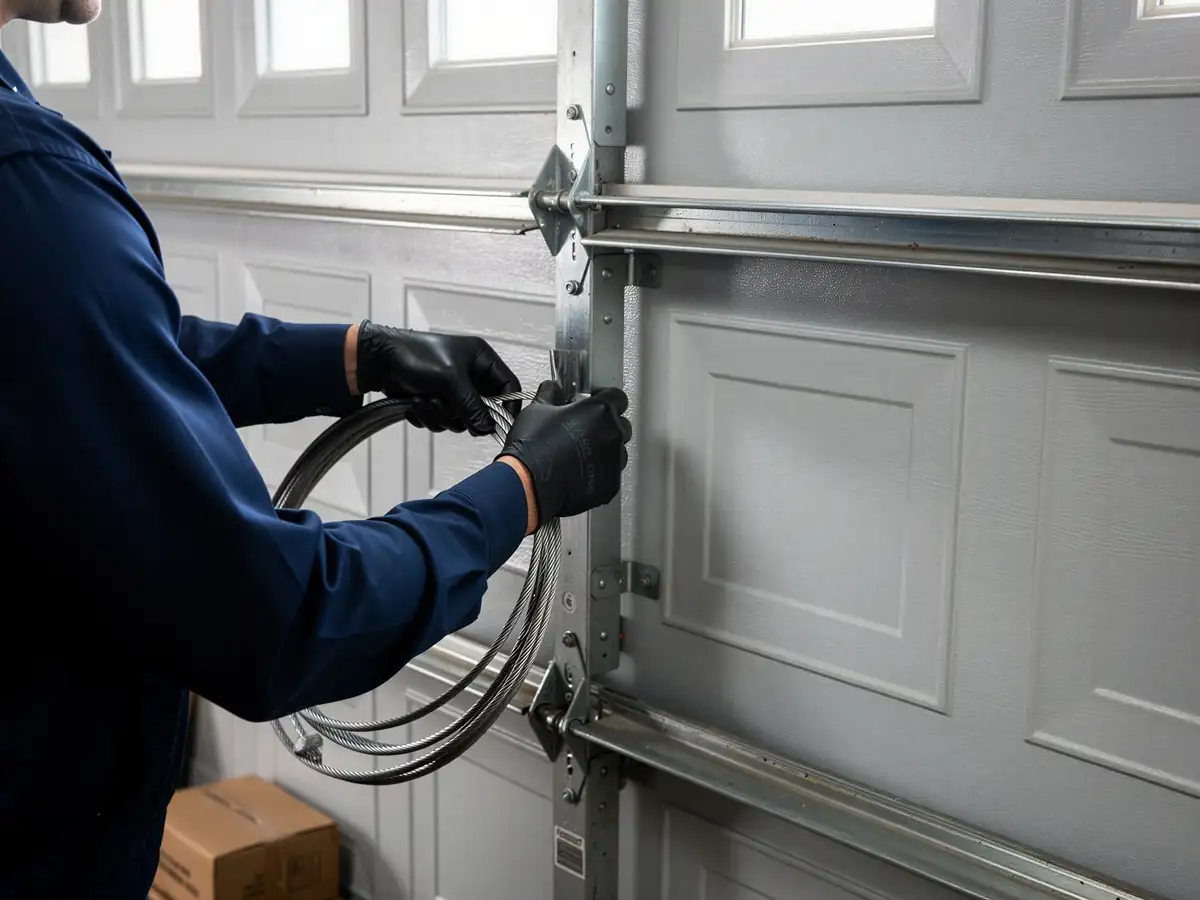
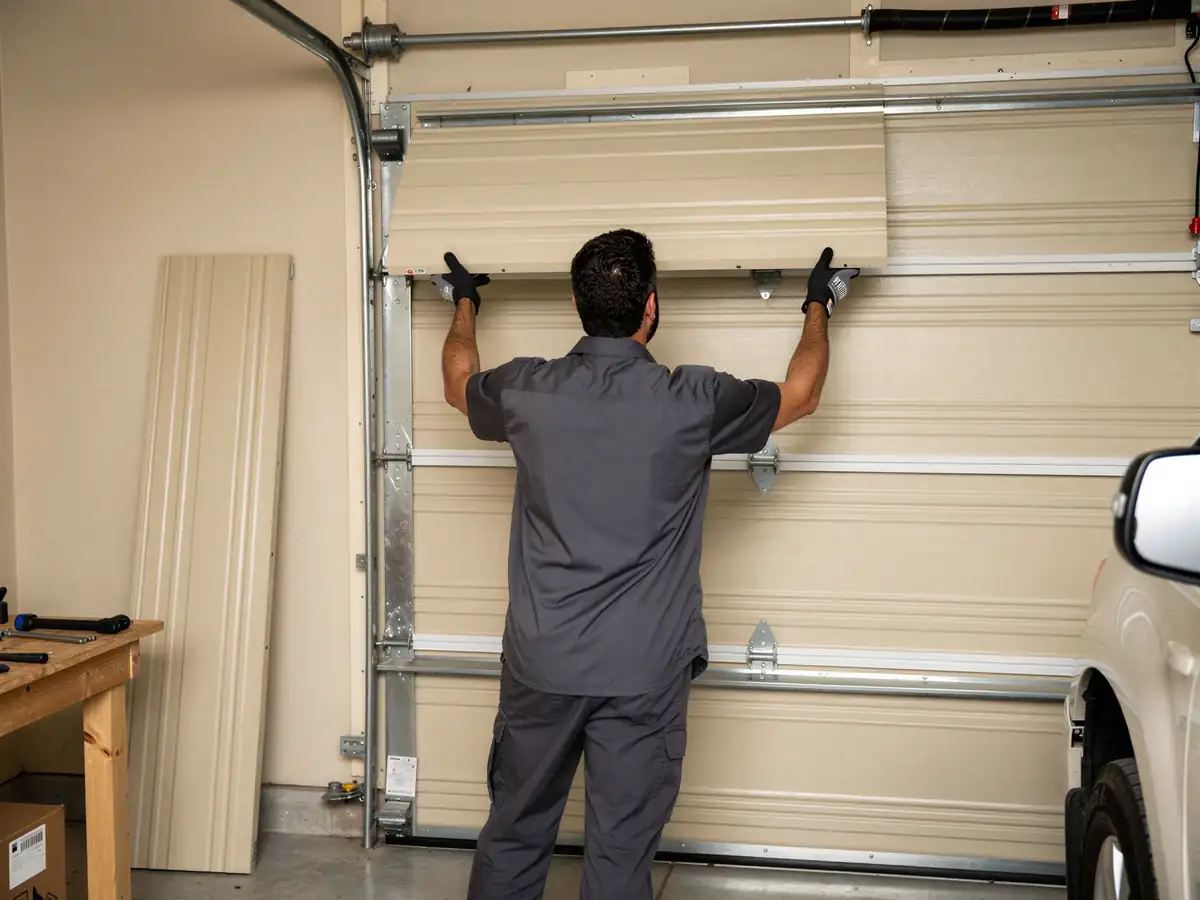
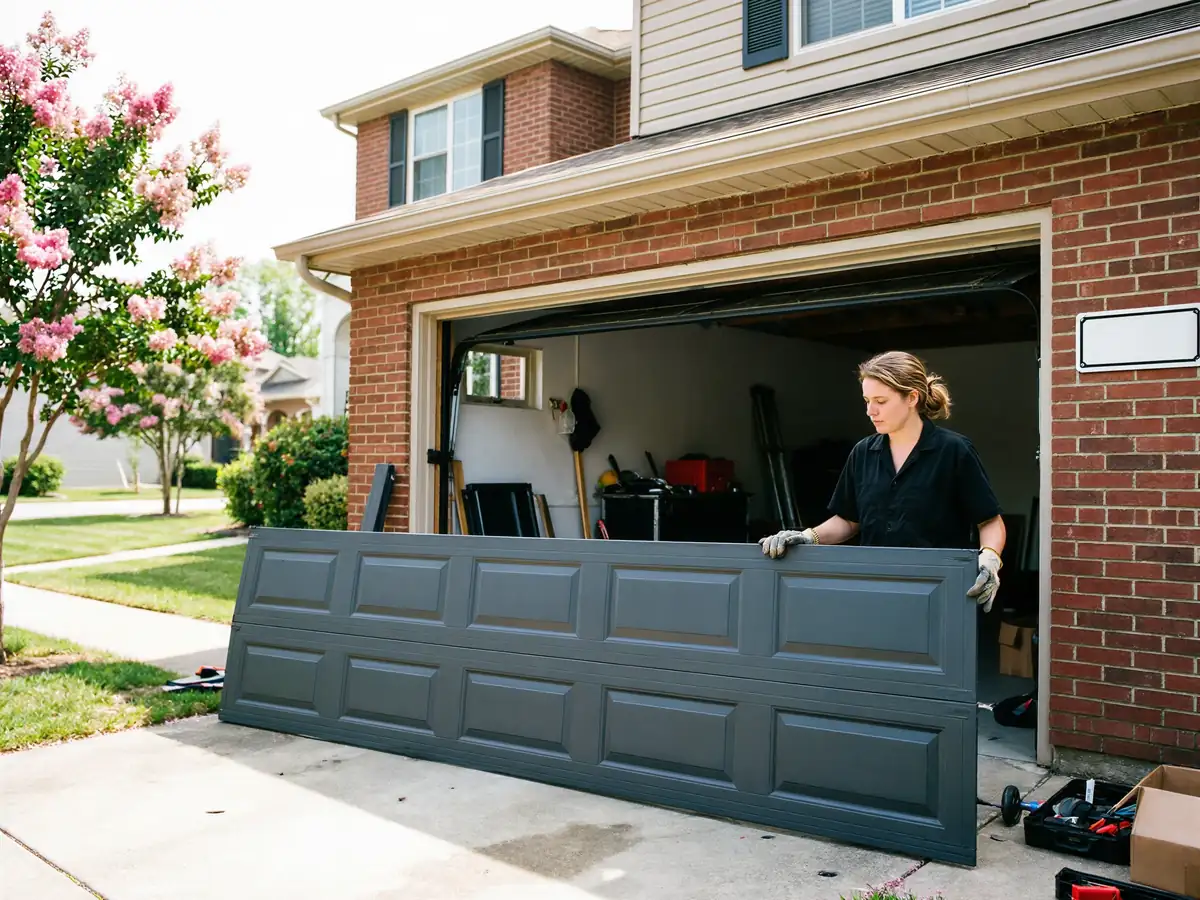
White Oak sits five miles from our Longview shop, close enough that we're not loading a truck for a half-day haul. That short trip matters less for us than for you: a new door install is heavy, torsion-loaded work, and it's not a weekend project. The springs on a standard residential door hold enough stored force to break a jaw or a hand if the winding bar slips, and the cable drums have to be set evenly on both sides or the door racks sideways in the track the first time it runs. We won't talk you out of swapping a broken panel yourself if that's genuinely what you want to do, but a full door replacement - track, springs, drums, cable, the opener bracket - is where we tell people honestly that the money saved isn't worth the trip to urgent care. If you want to watch, we don't mind. If you want to do it, call someone who does this daily.
How Long It Takes
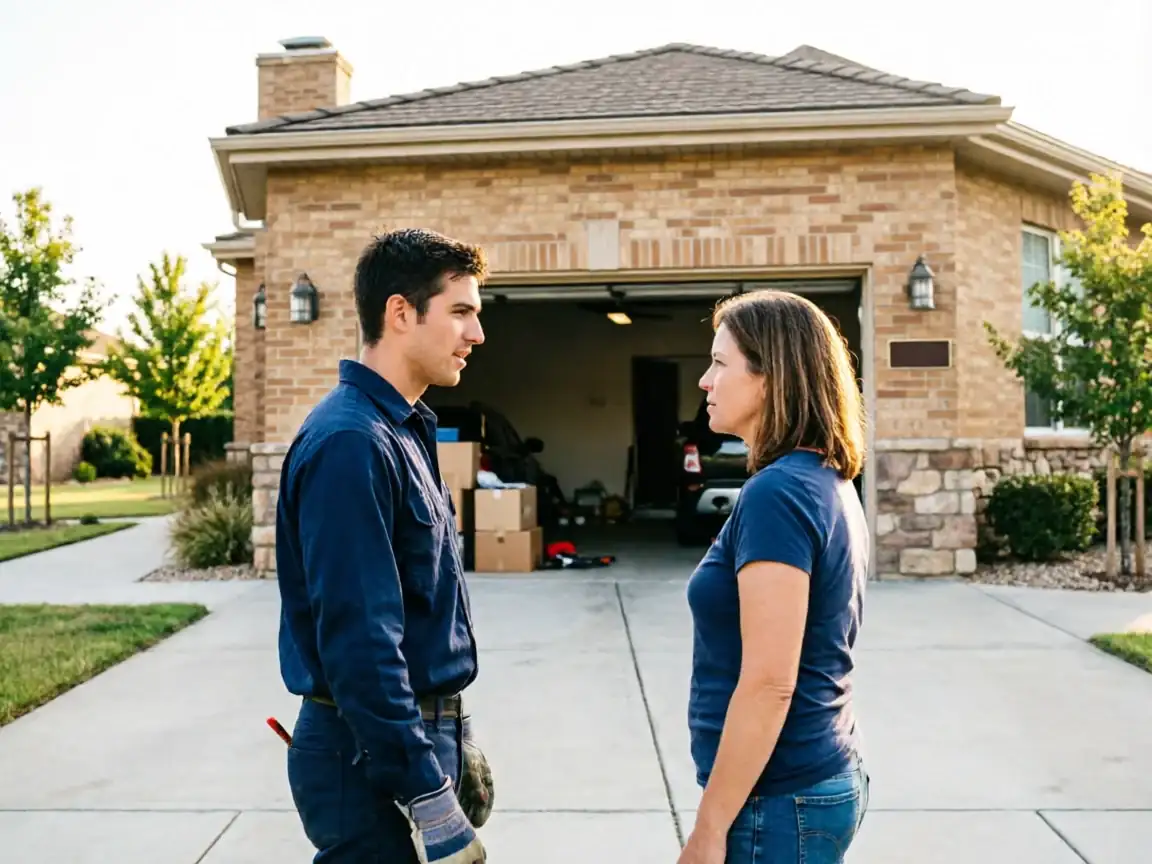
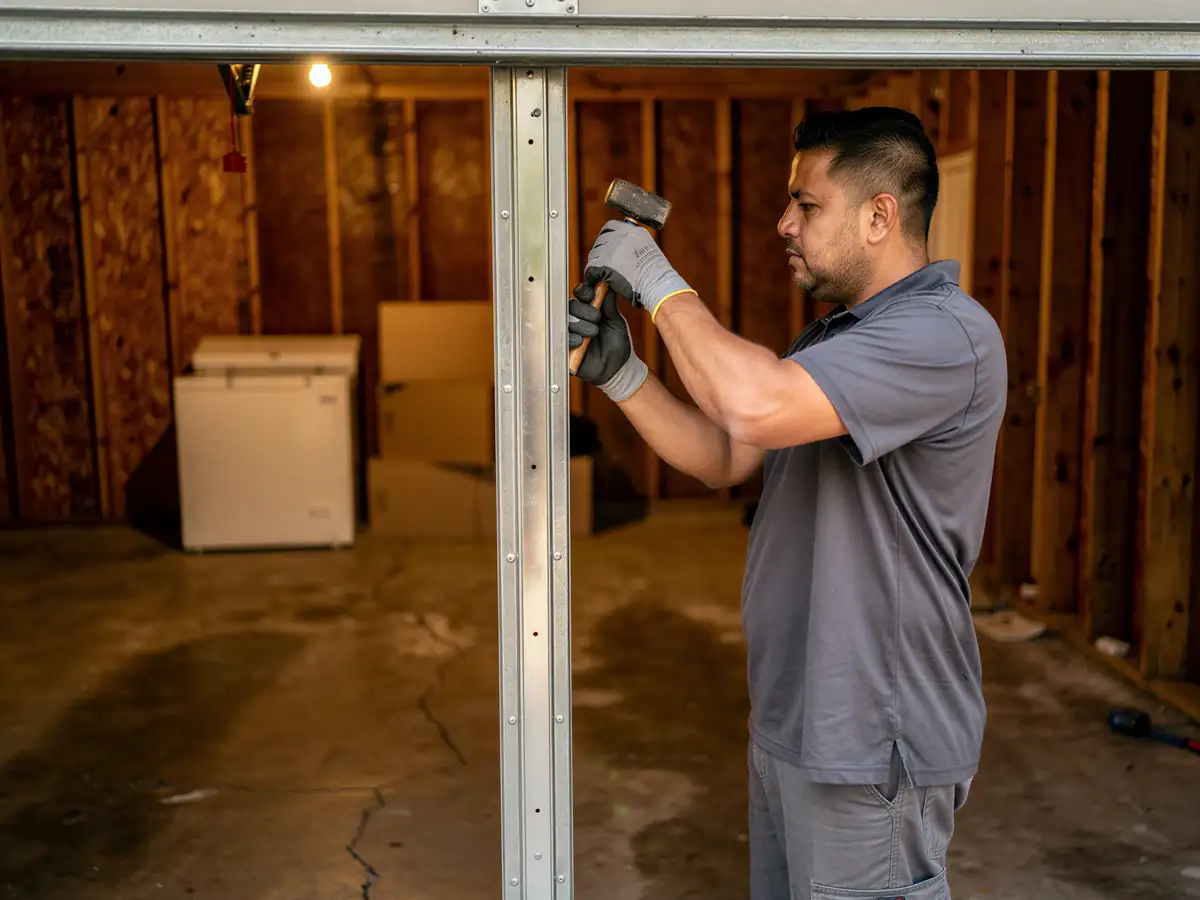
Most White Oak houses were built around 1981, and a single-door replacement on that era of framing runs a few hours once we're on site - the opening is standard, the header's sound, and we're not reframing anything. Where it runs longer is when the original jamb has shifted over four decades, which we see more here than in newer construction, since White Oak's housing stock lines up with the same 1968-1994 window as the rest of the area. We check square before the new door goes in, not after, because a door hung slightly out of plumb binds on the rollers within a season. We don't promise a same-day turnaround sight unseen - if the opening needs carpentry work first, that's a second trip, and we'll tell you that at the first visit, not after we've started.
What You Are Seeing
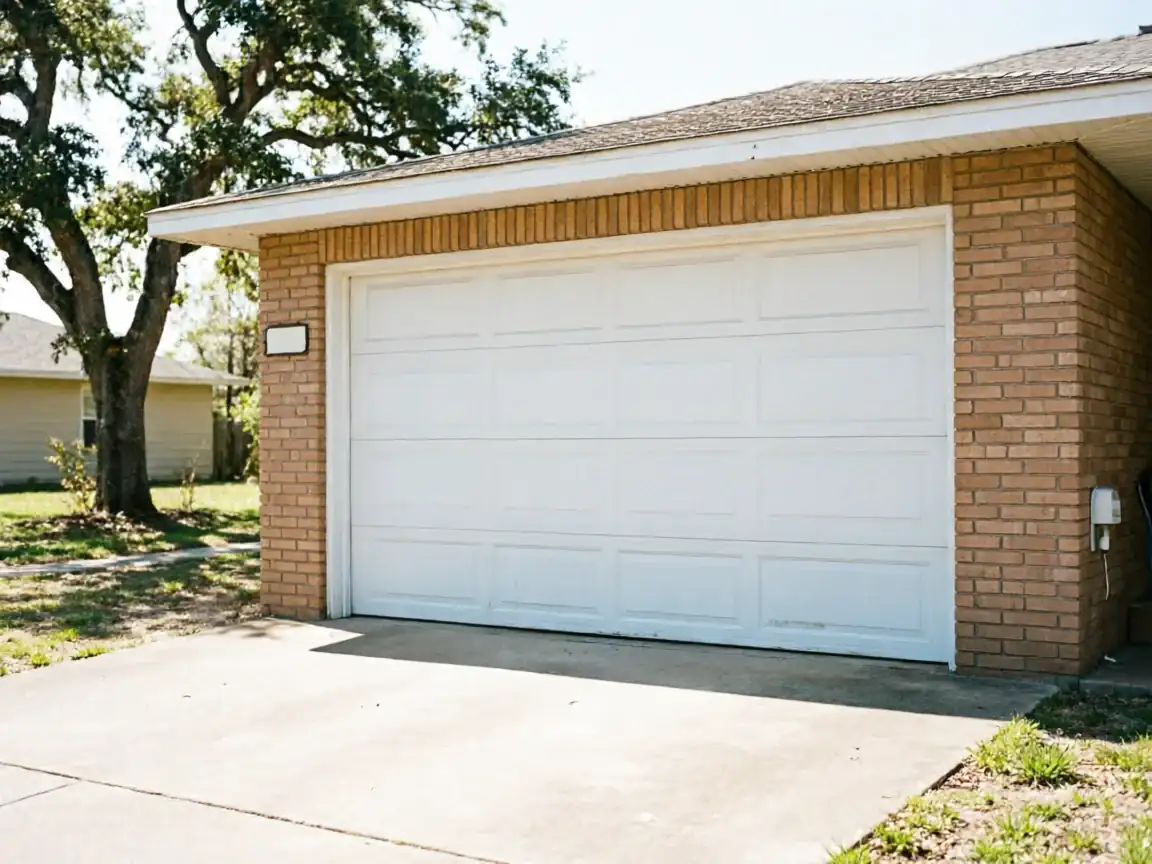
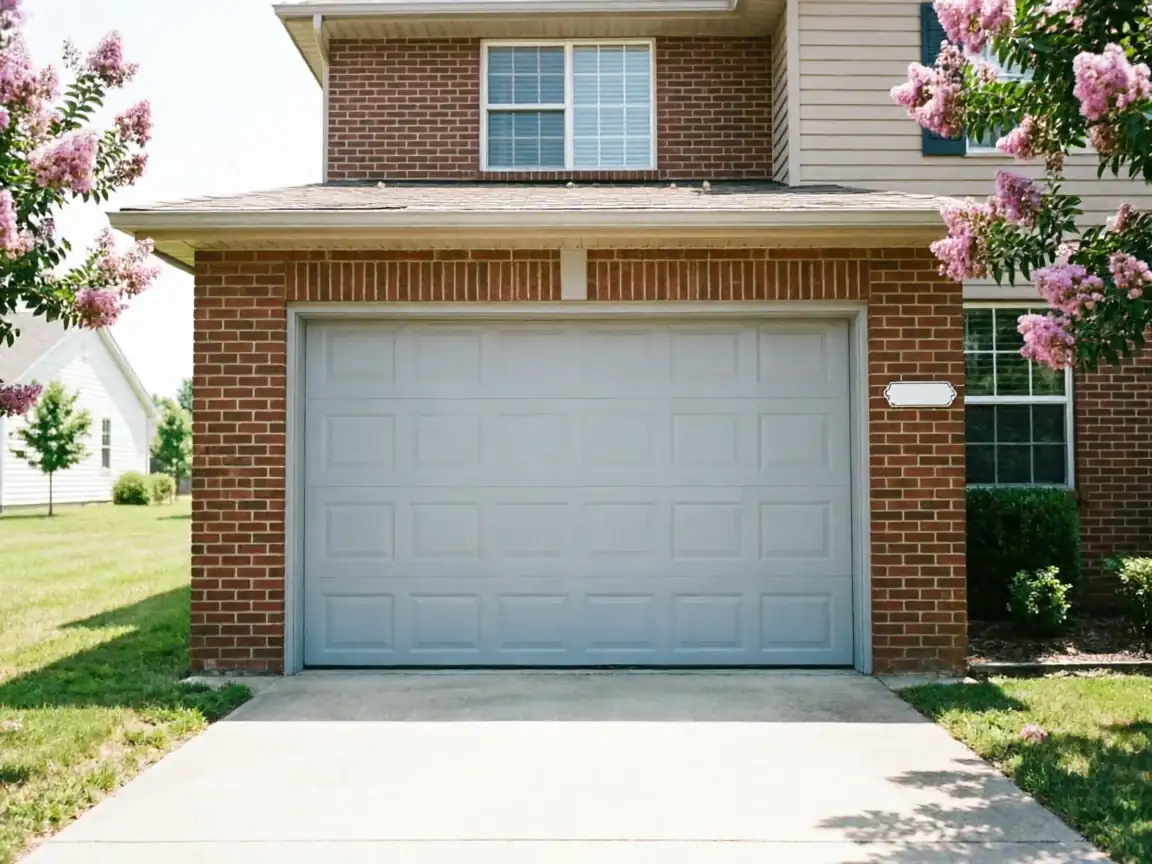
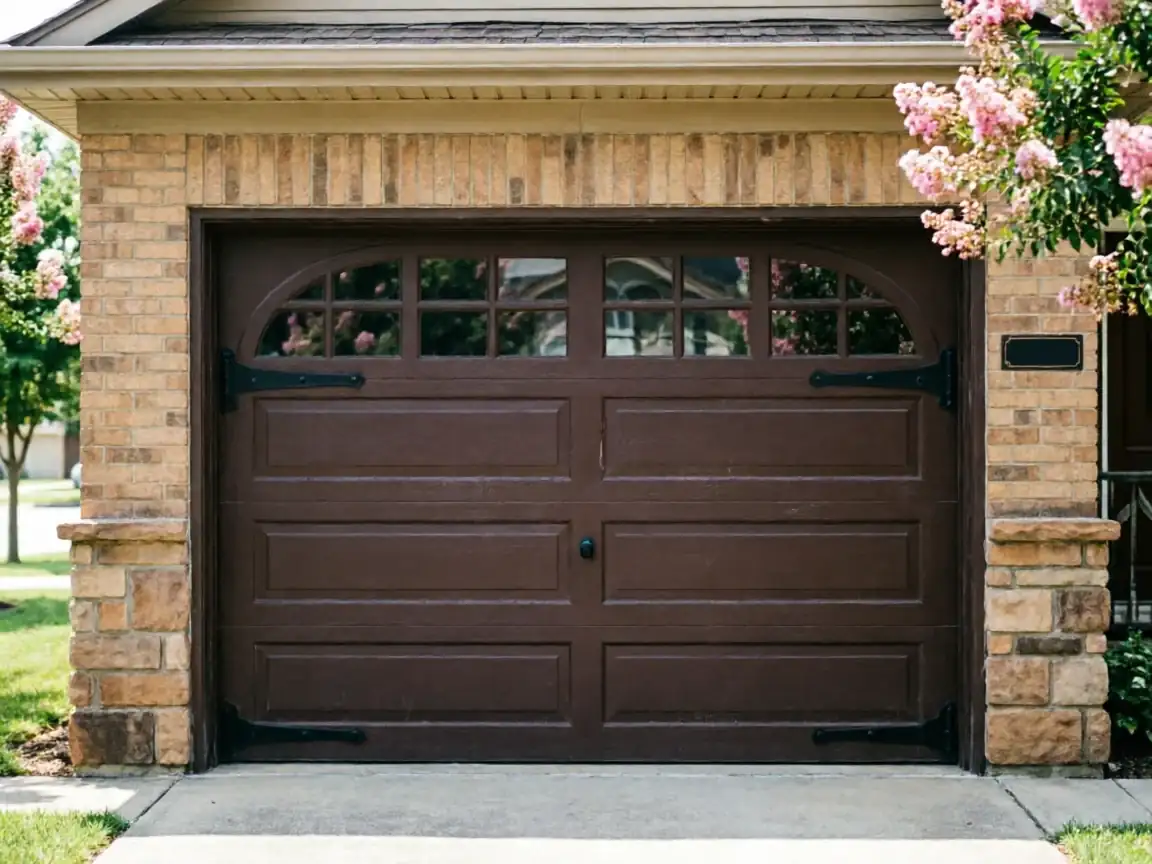
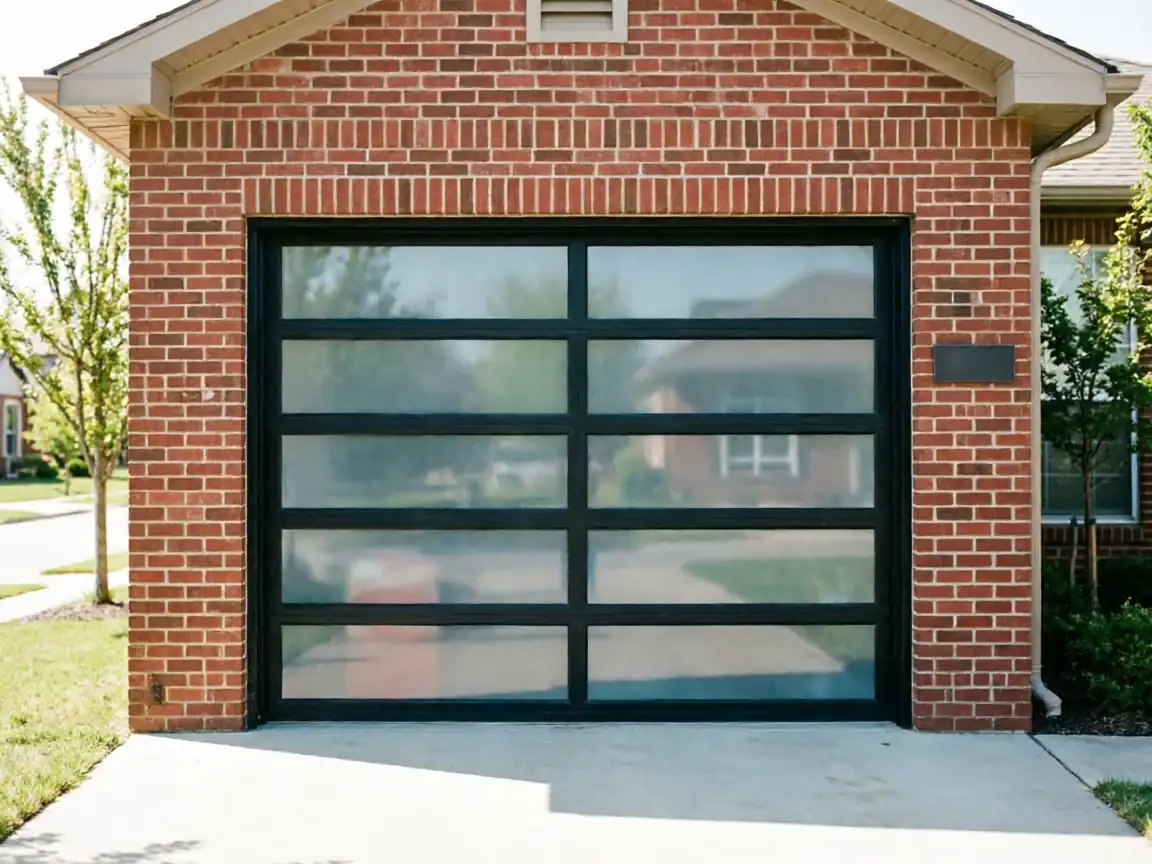
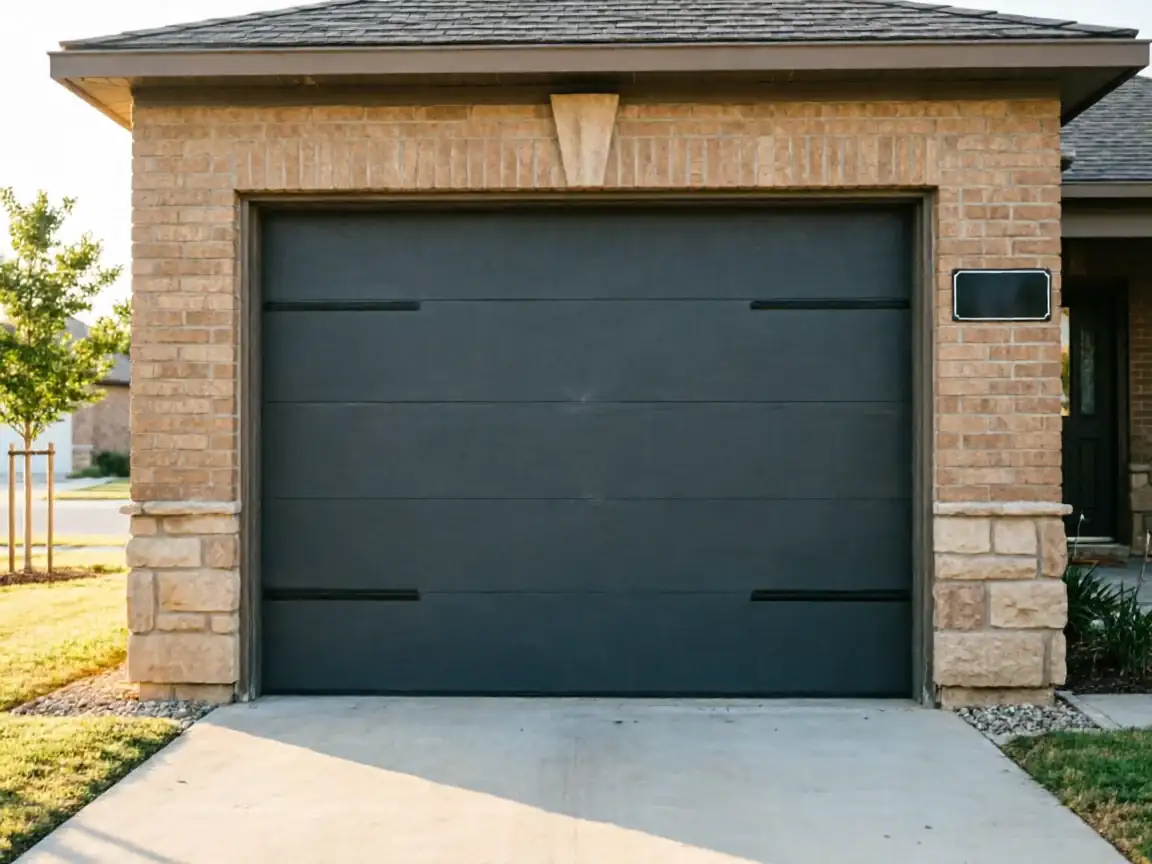
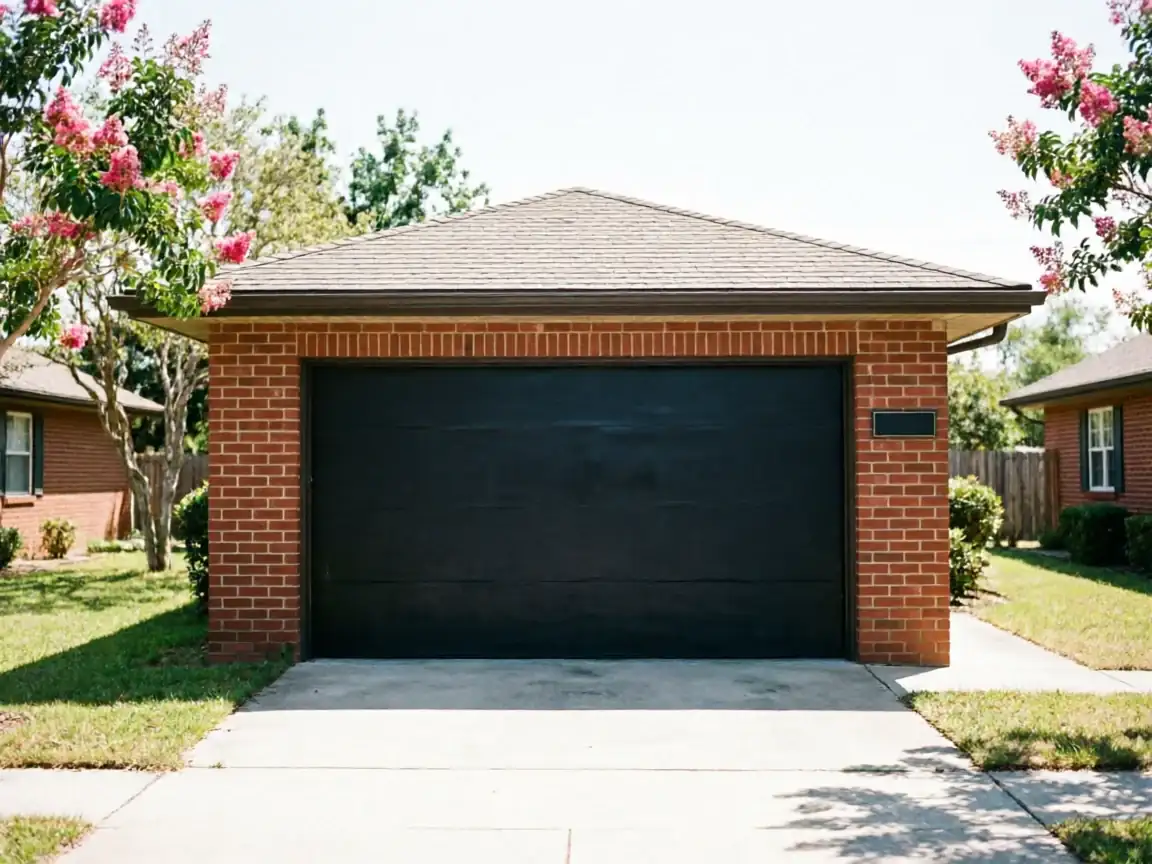
With a median build year of 1981, a lot of White Oak garages still have the door that came with the house. Signs it's time to replace rather than patch: panels that have started to bow or rust through at the bottom seam, a door that sags visibly when it's two-thirds open, or hardware so old the manufacturer no longer makes matching parts. White Oak's household income runs well above the wider service area - $95,193 here against $66,250 across the broader coverage area - and we mention that only because it shows up in what people ask for: more owners here are replacing for an insulated or quieter door rather than waiting for the old one to fail outright. That's a different conversation than a straight repair, and worth having before the door actually breaks.
What the Fix Involves
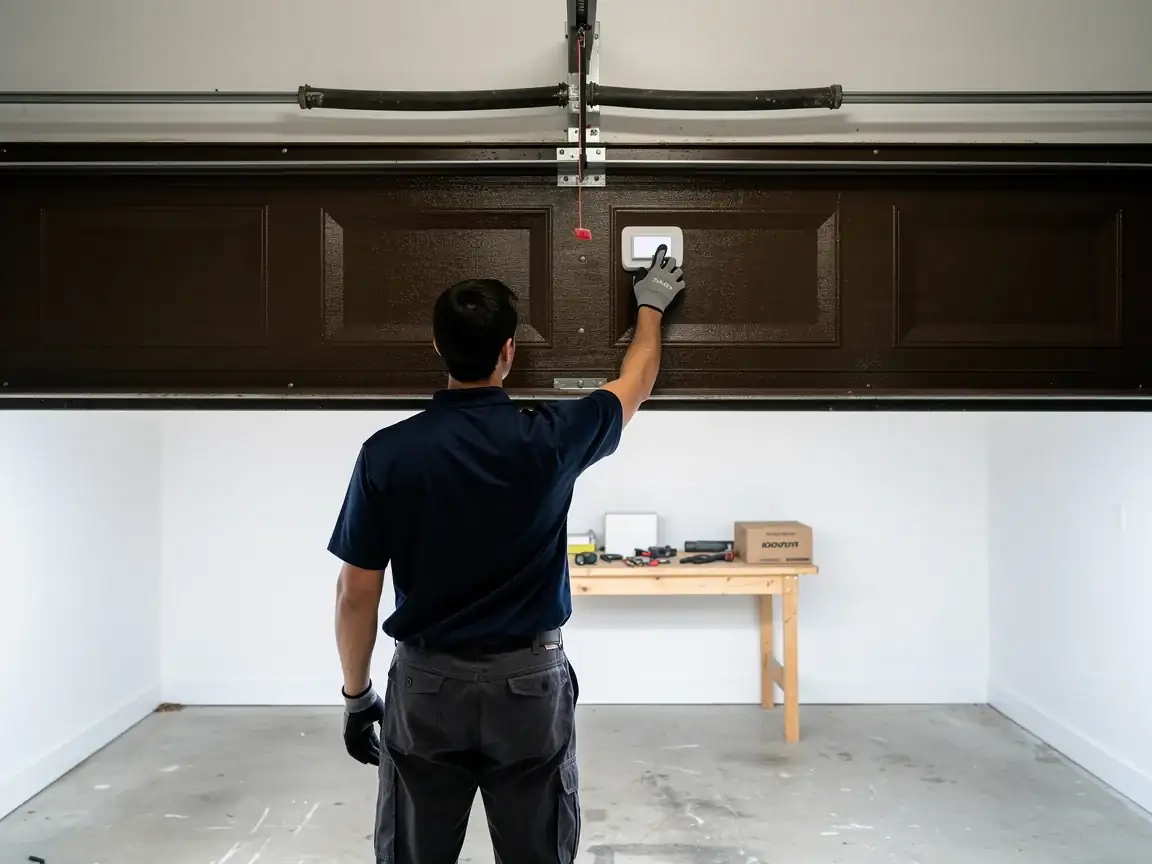
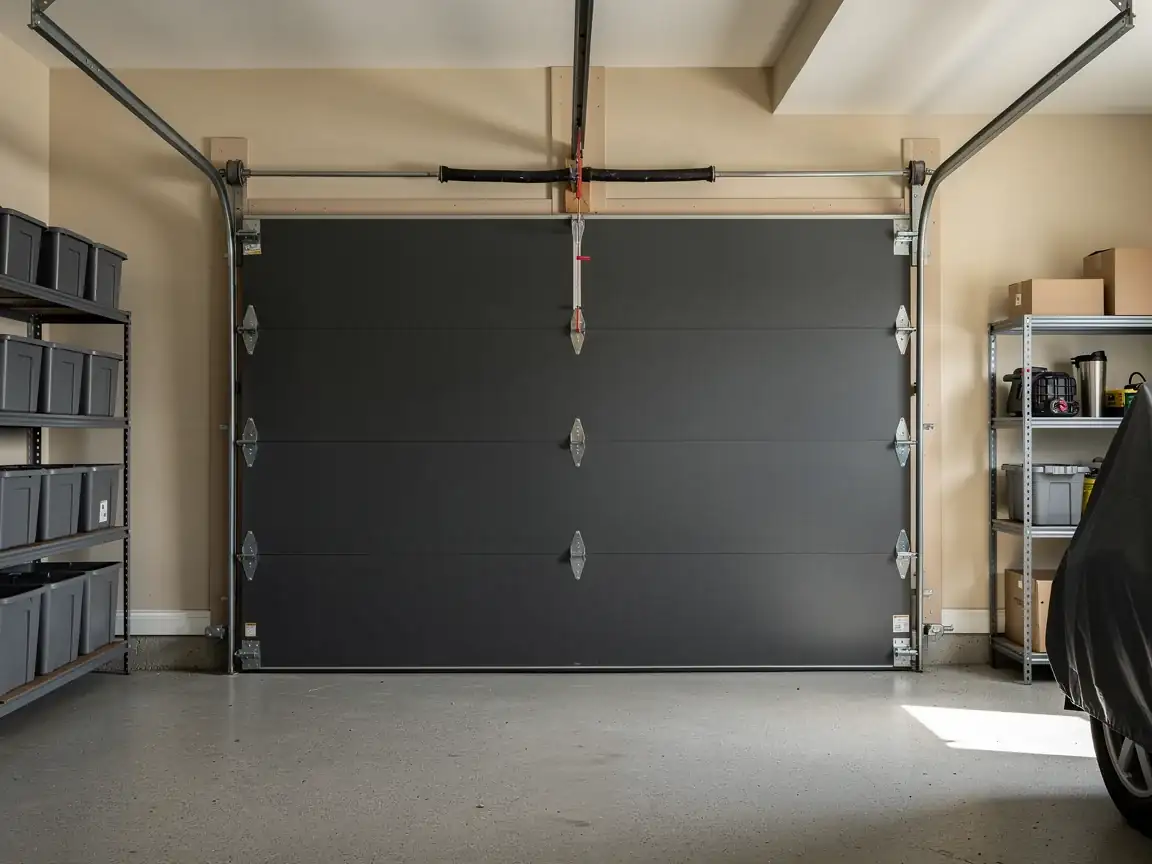
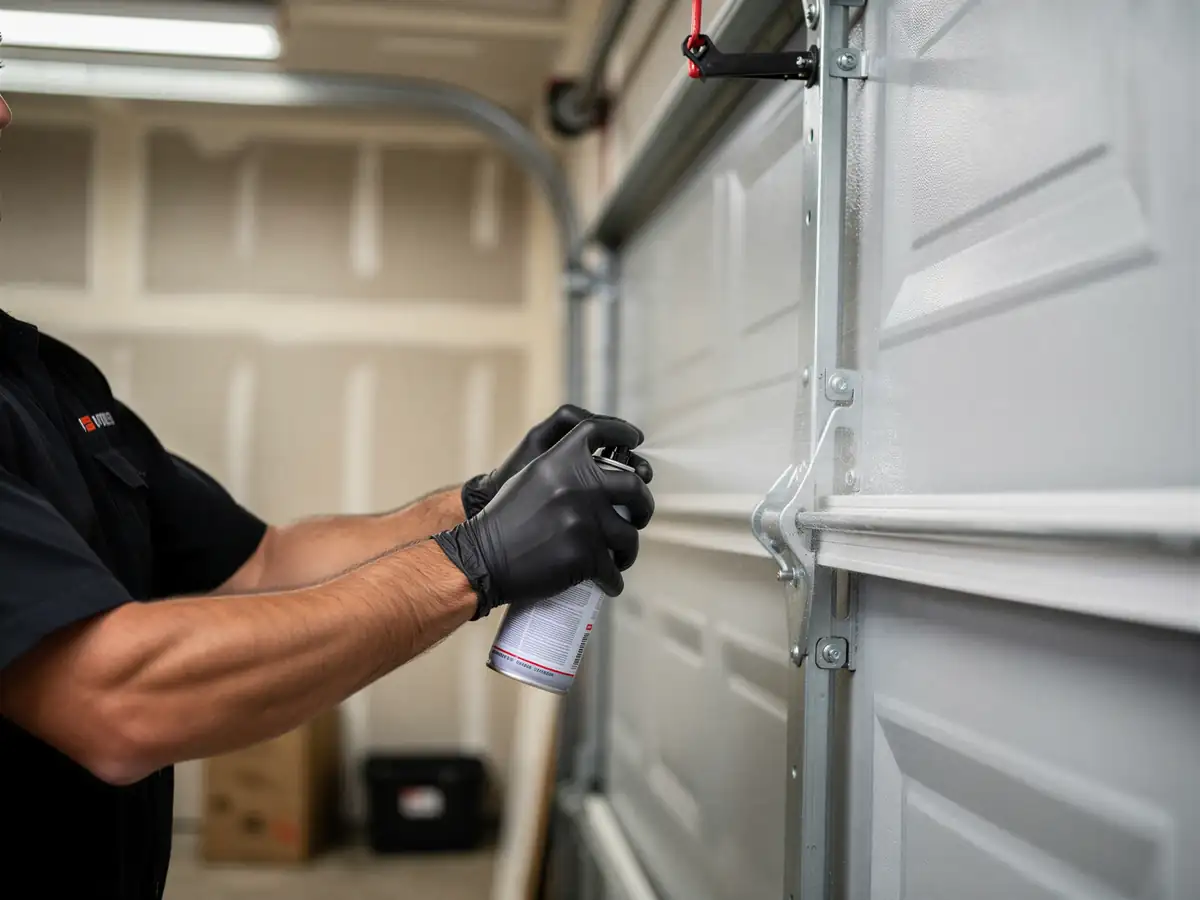
A new install means pulling the old door, track, and springs entirely, not working around them. We measure the actual opening rather than trusting the old door's dimensions, since houses from the early 1980s sometimes have openings a half-inch off square after forty-plus years of settling. The new track gets leveled and shimmed to that opening, the springs are sized to the new door's actual weight, not whatever was on the house before, and the opener bracket gets reset to match. Climate here runs on the moderate-heat side rather than extreme, so we're not building in the same expansion gaps a desert install would need, but we still seal the bottom and sides properly - a loose seal on a 40-year-old opening lets in more than most owners expect.