Doing It Yourself
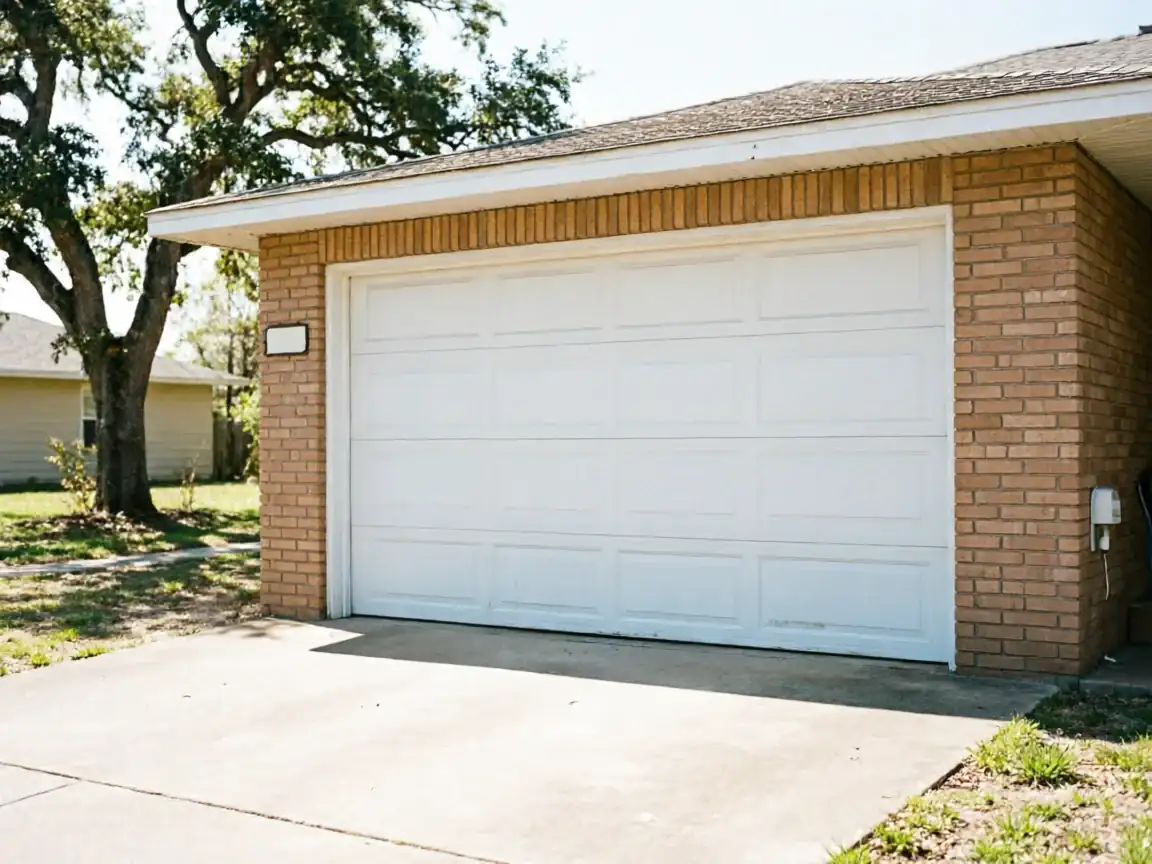
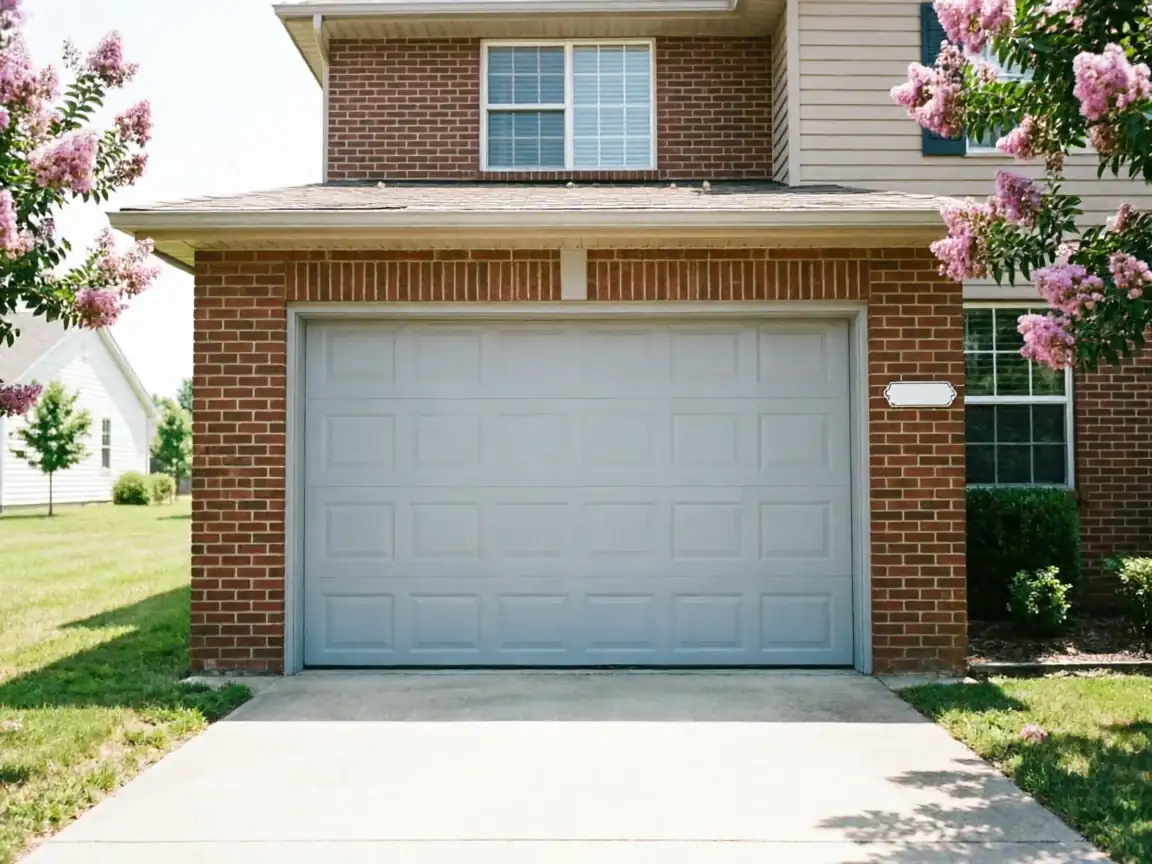
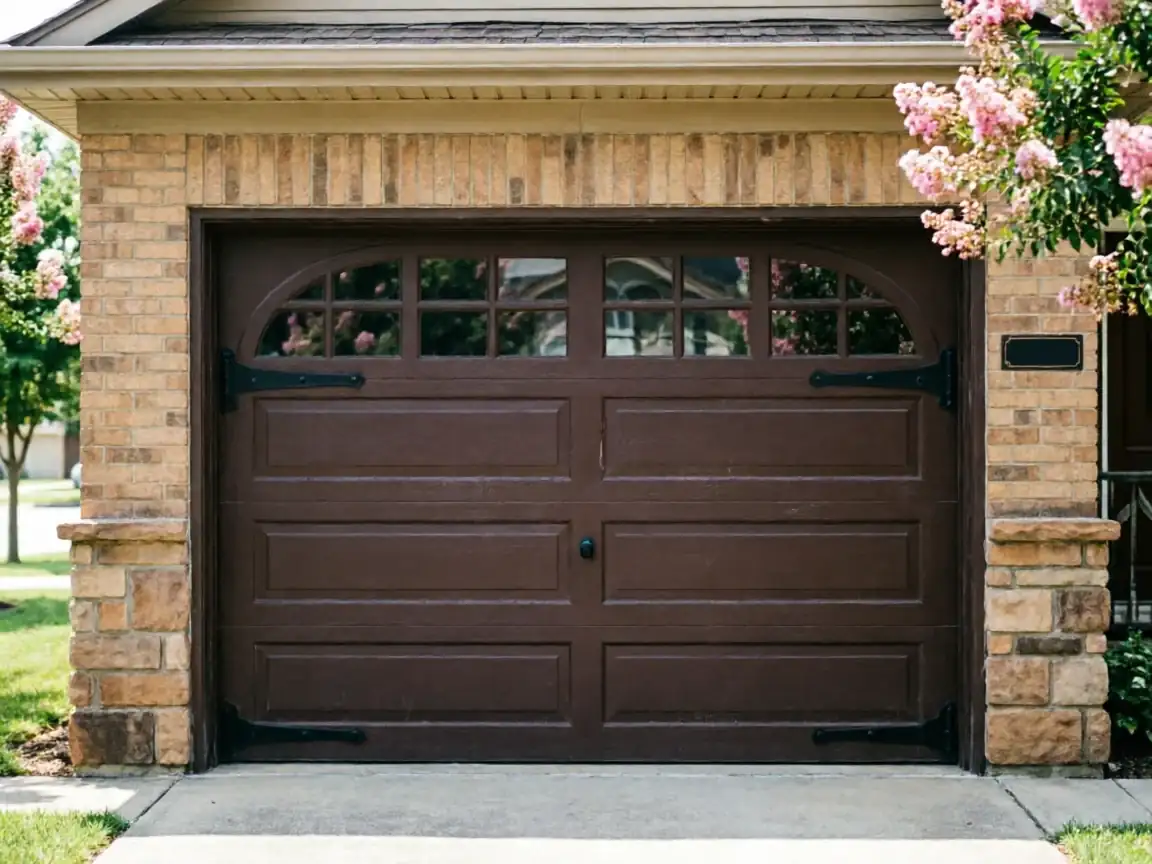
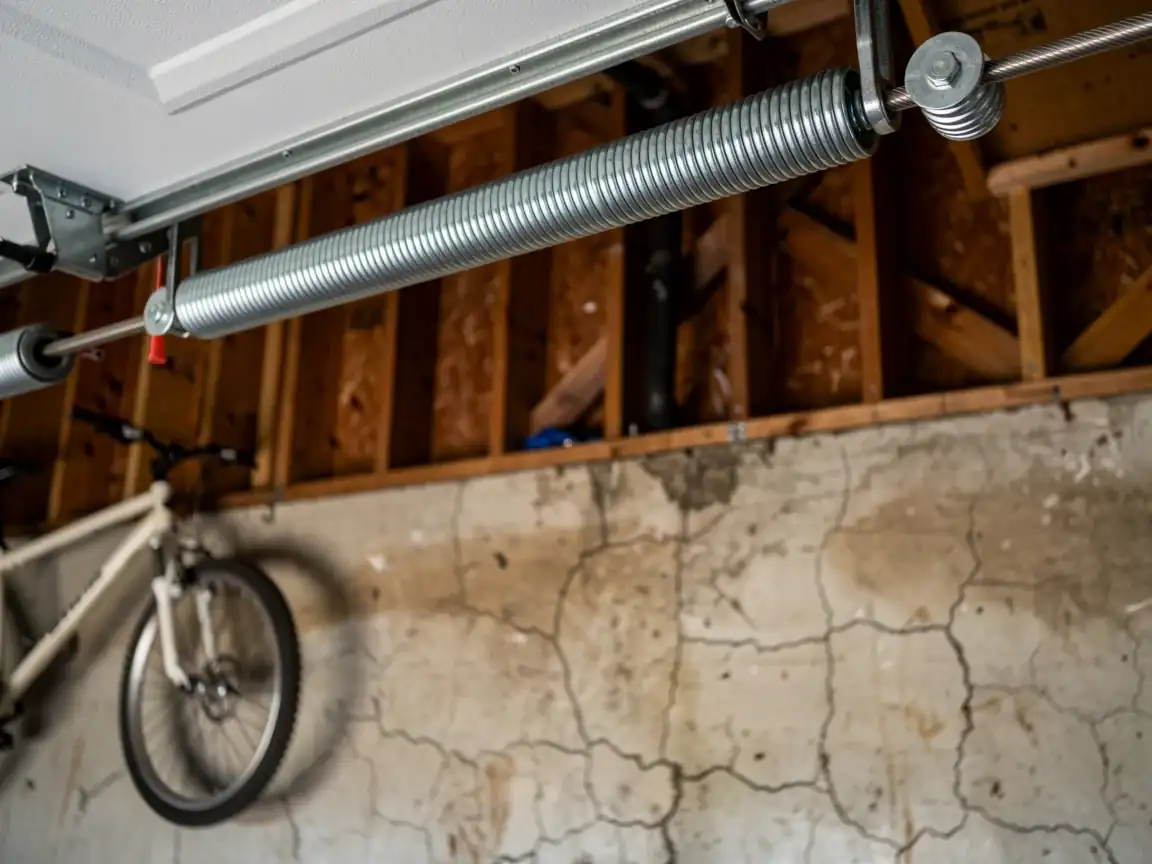
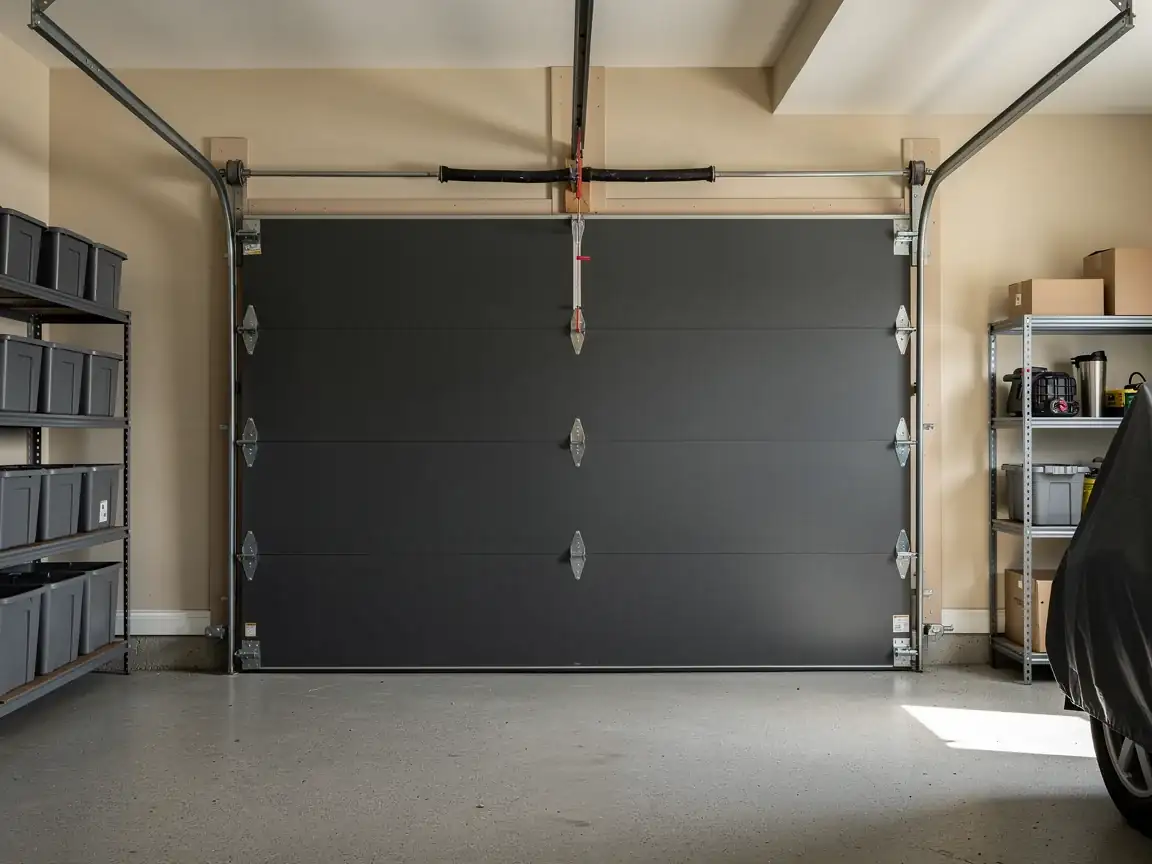
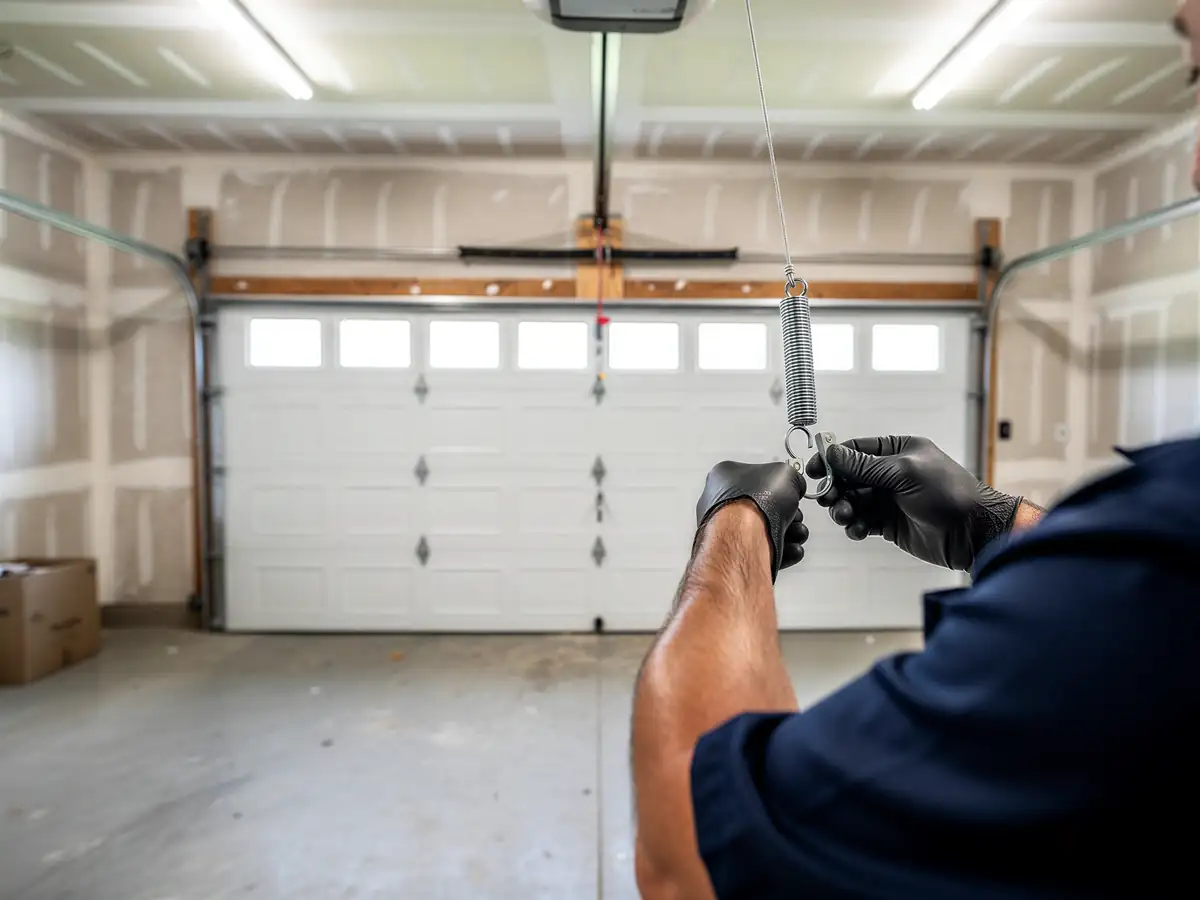
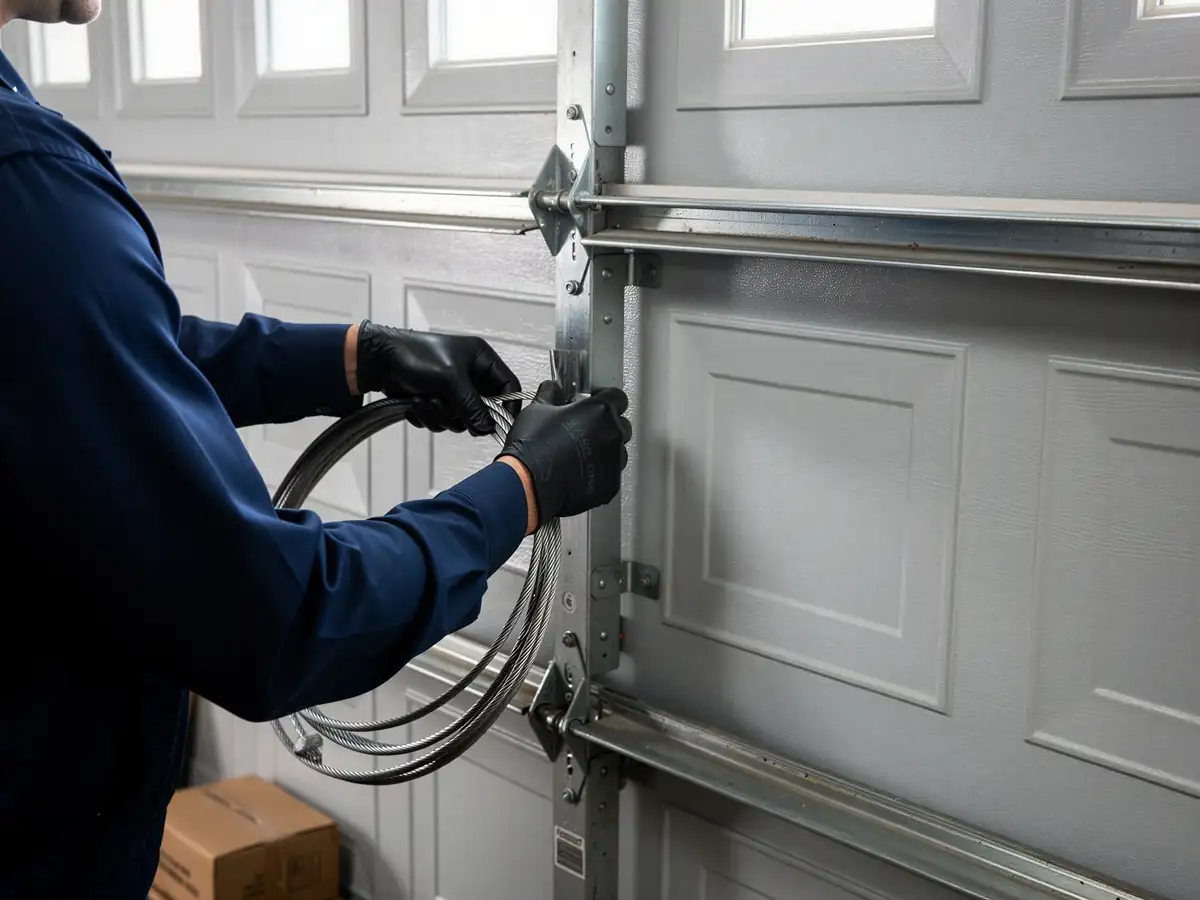
If your house in White Oak dates from around 1981 - and a lot of them do, since most of this area's housing went up between 1968 and 1994 - you're dealing with hardware that's a generation or two behind what's sold today. Swapping a roller or tightening a loose hinge bolt is fine to do yourself. Springs are not. A torsion spring from that era is almost never still under any kind of warranty, and the winding cones on older setups don't always match the sizing charts you'll find online for current doors. We've seen homeowners get partway into a spring job on a door this age and realize the drum doesn't match what the parts store handed them. That's not a DIY failure, it's just old hardware. Know your limit: anything involving the spring, the cable, or the torsion bar is a call, not a project.
One honest note - we don't do same-day emergency dispatch out of a White Oak depot. We run out of Longview, about 5 miles away, and we schedule White Oak jobs on the regular route. If your door is stuck open overnight, plan for next business day, not next hour.
How Long It Takes
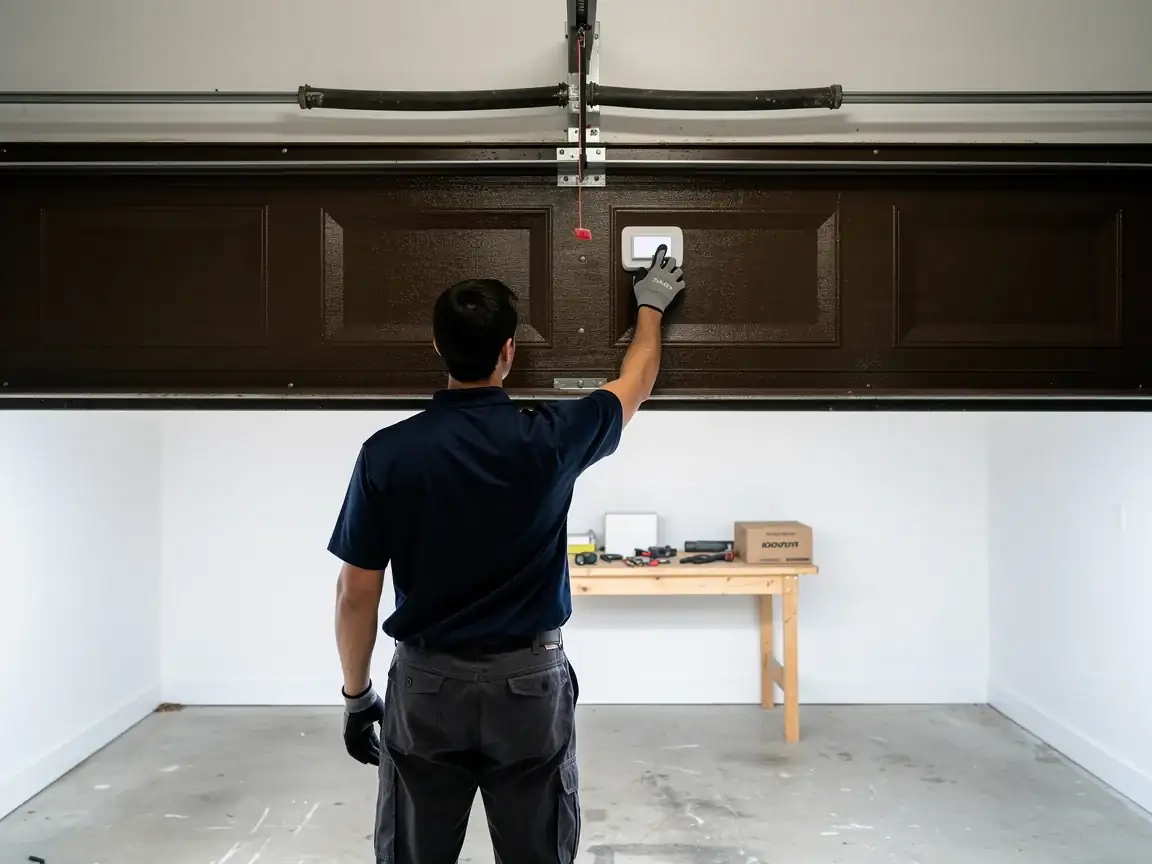
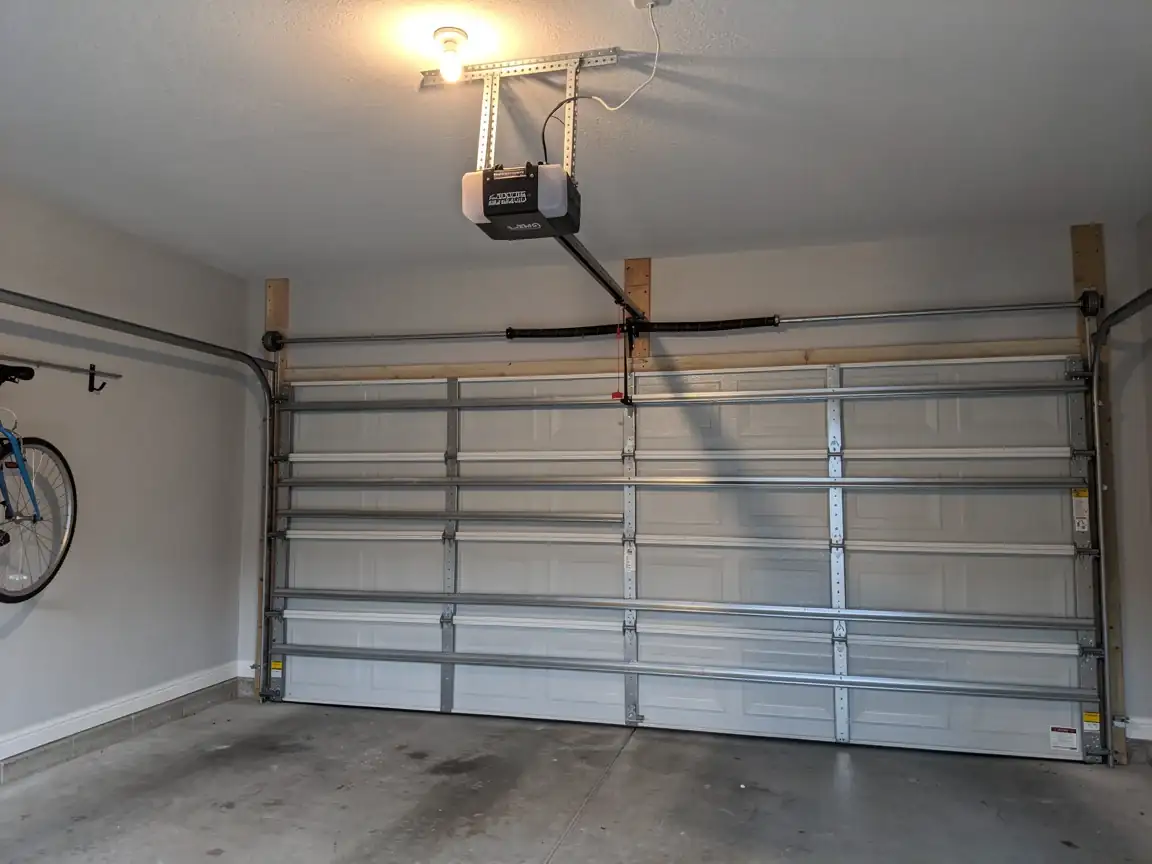
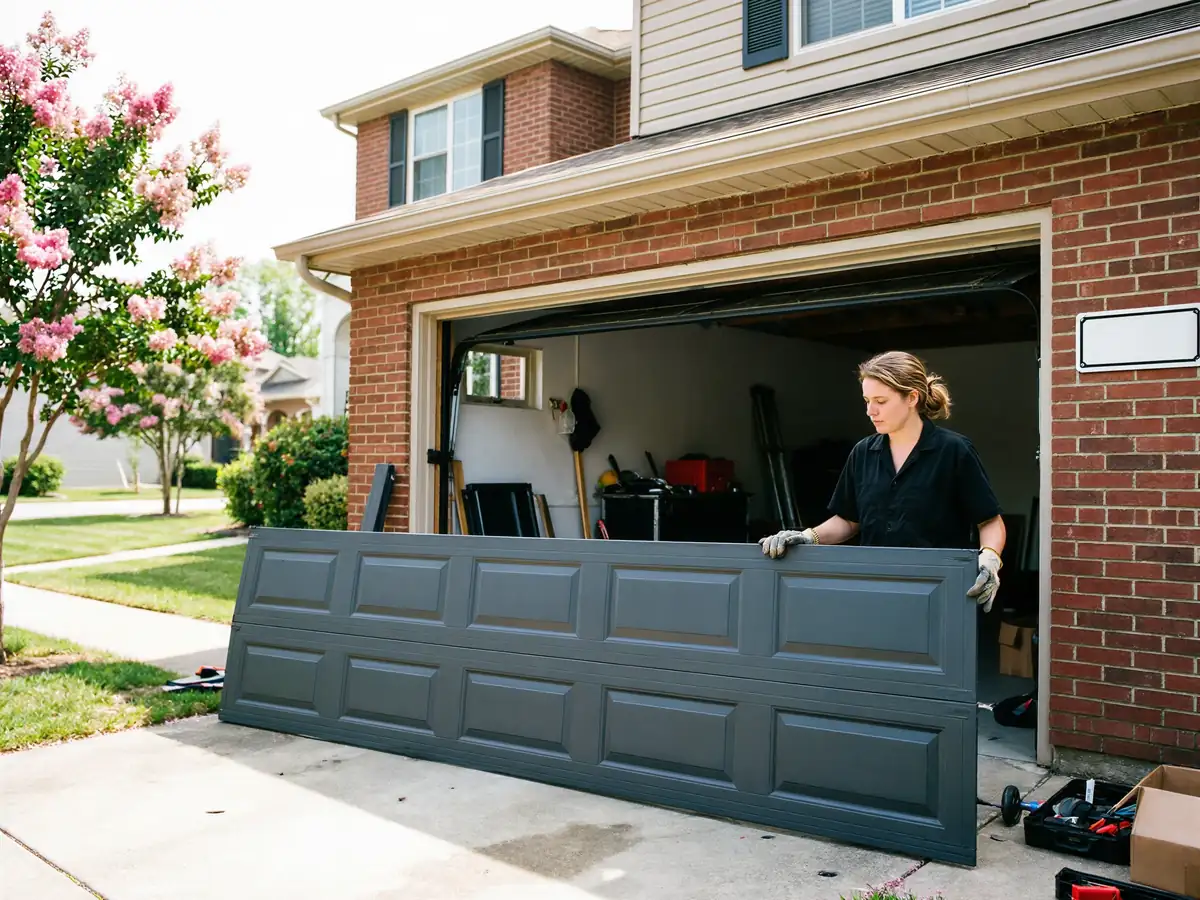
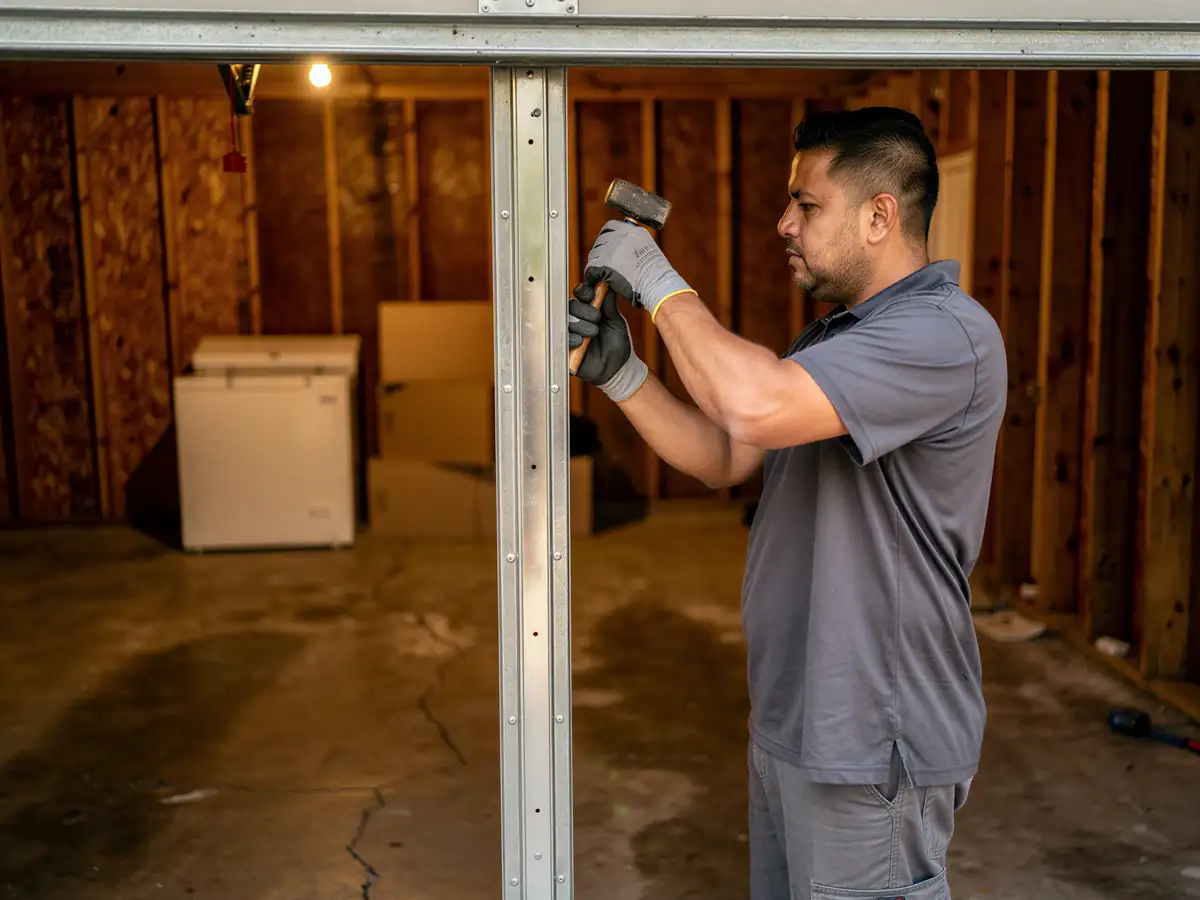
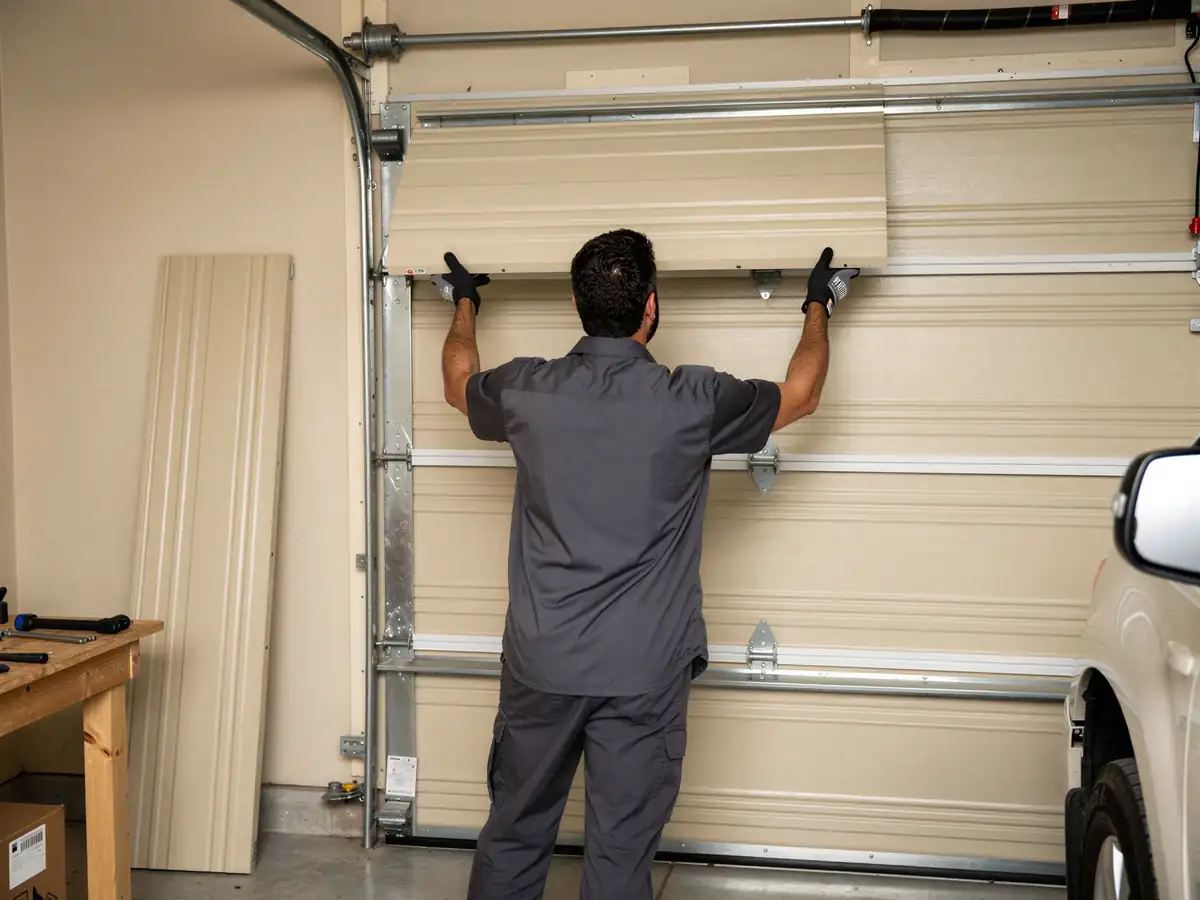
Most White Oak houses were built when steel sectional doors with side-mounted torsion springs were standard, and that construction is straightforward to work on once we're there. A spring swap or opener replacement on a door from this era usually runs under two hours. Track realignment or a bent panel takes longer depending on how much the door has been forced while it was out of adjustment - and on houses built in the 1970s and 80s, we do see doors that have been run on a bad track for years before anyone calls. The job itself isn't slow. The variable is how long the problem sat before someone noticed.
What You Are Seeing
A door that drops suddenly instead of lowering smooth is a spring problem, full stop, and on a house from this era that spring may be original or a prior replacement nobody logged. Grinding or popping on the way up usually means a roller has worn out of round, common on doors that have had 30-plus years of cycles. If the opener strains and reverses partway, check the track alignment first - older track brackets loosen over decades of garage door use and wood framing settling, which is typical of houses built in the 1970s through early 90s around here. None of these are urgent safety issues except the spring; a dropped door under tension is the one to stop using immediately and call about.
What the Fix Involves
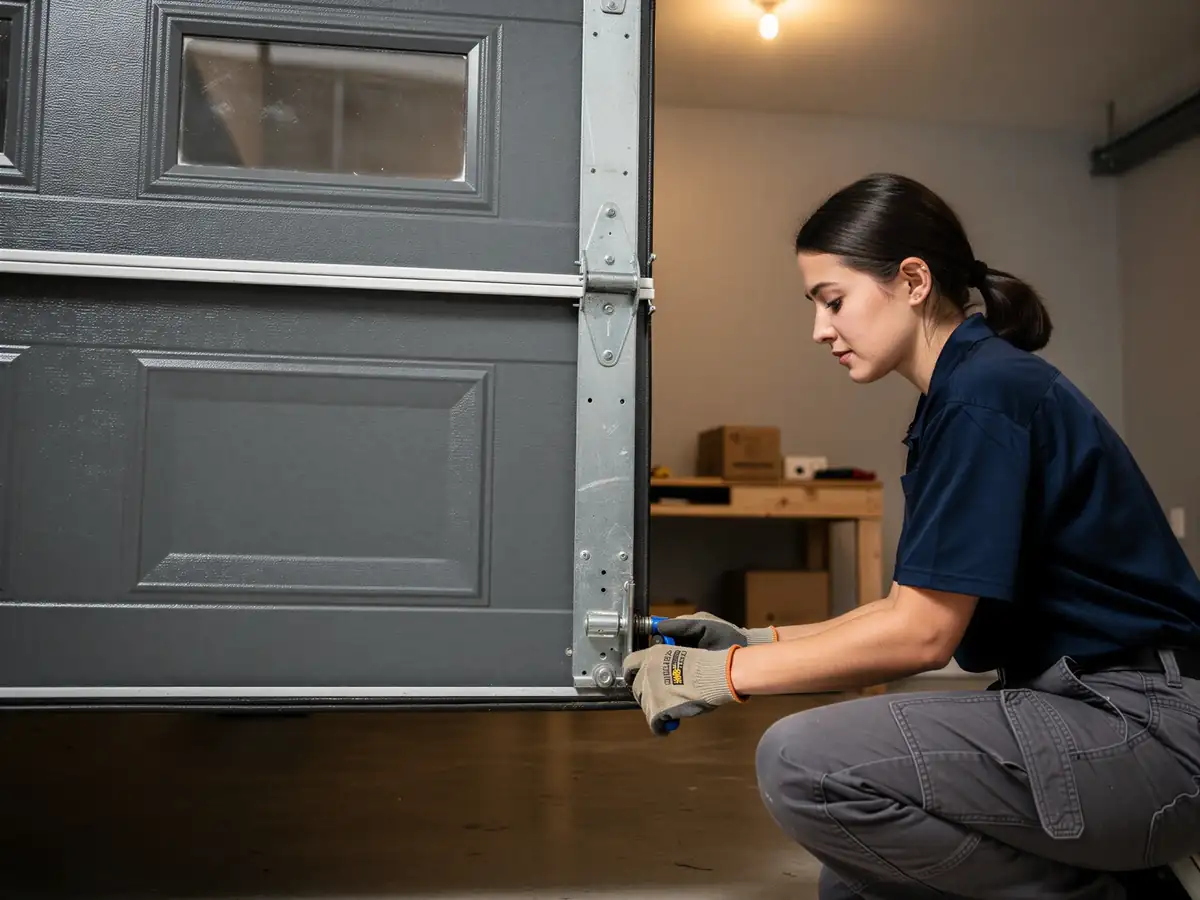
On a door built to 1980s-90s spec, the fix is usually mechanical, not electronic: a spring, a cable, a roller, a section of track. We size the new spring to the door's actual weight and cycle count rather than guessing off the old one's tag, since labels fade or get replaced incorrectly over the years. If the opener is original to the house, parts for that specific model may not exist anymore - at that point we talk about a full opener swap rather than chasing a part that isn't made. We'll tell you straight when a repair isn't worth the labor against a quick, affordable replacement; that call depends on the door's condition, not on pushing a bigger job.