Stocked Parts
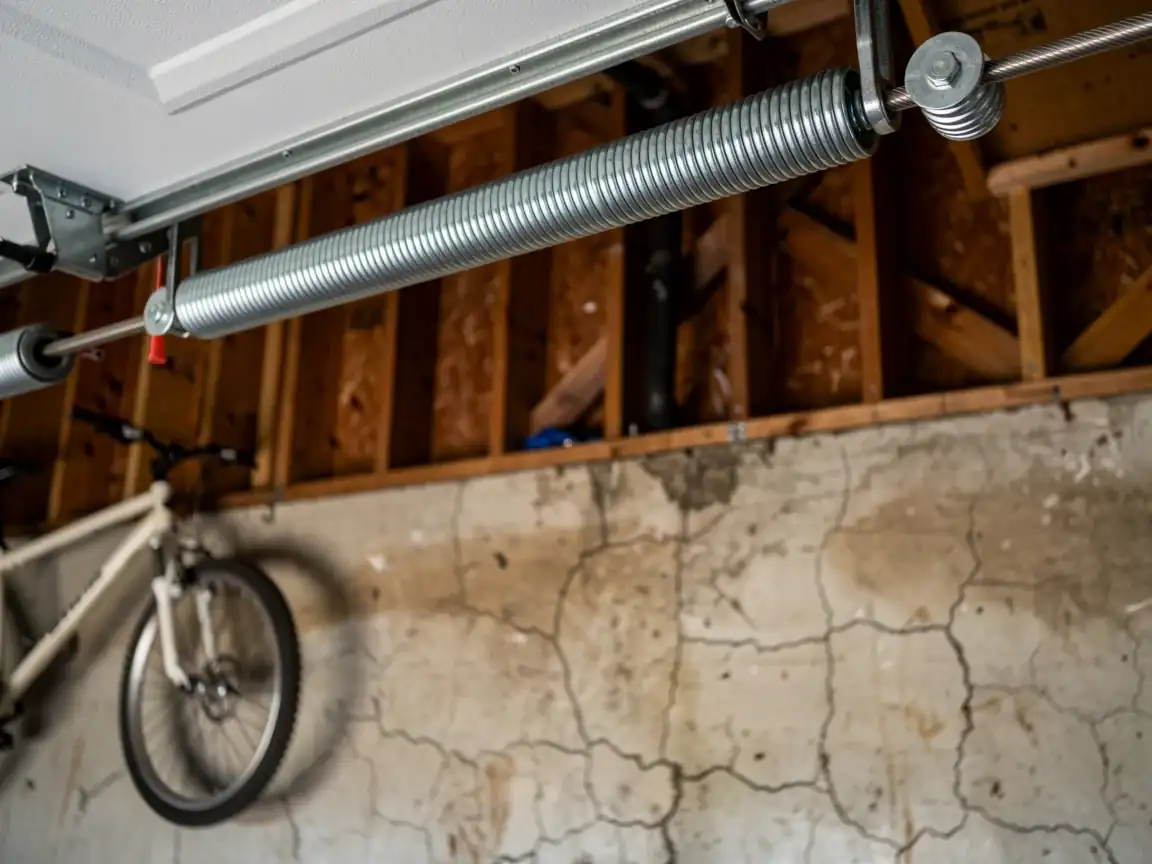
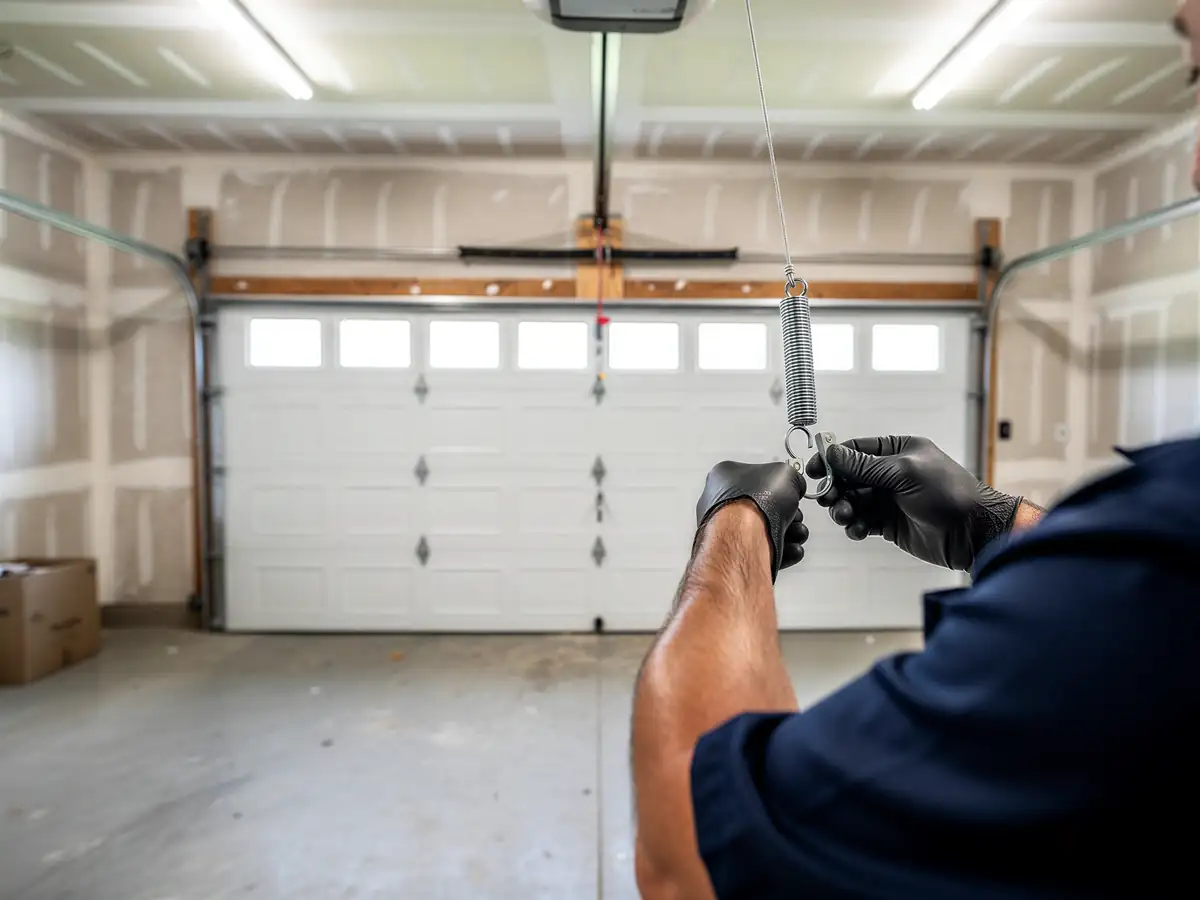
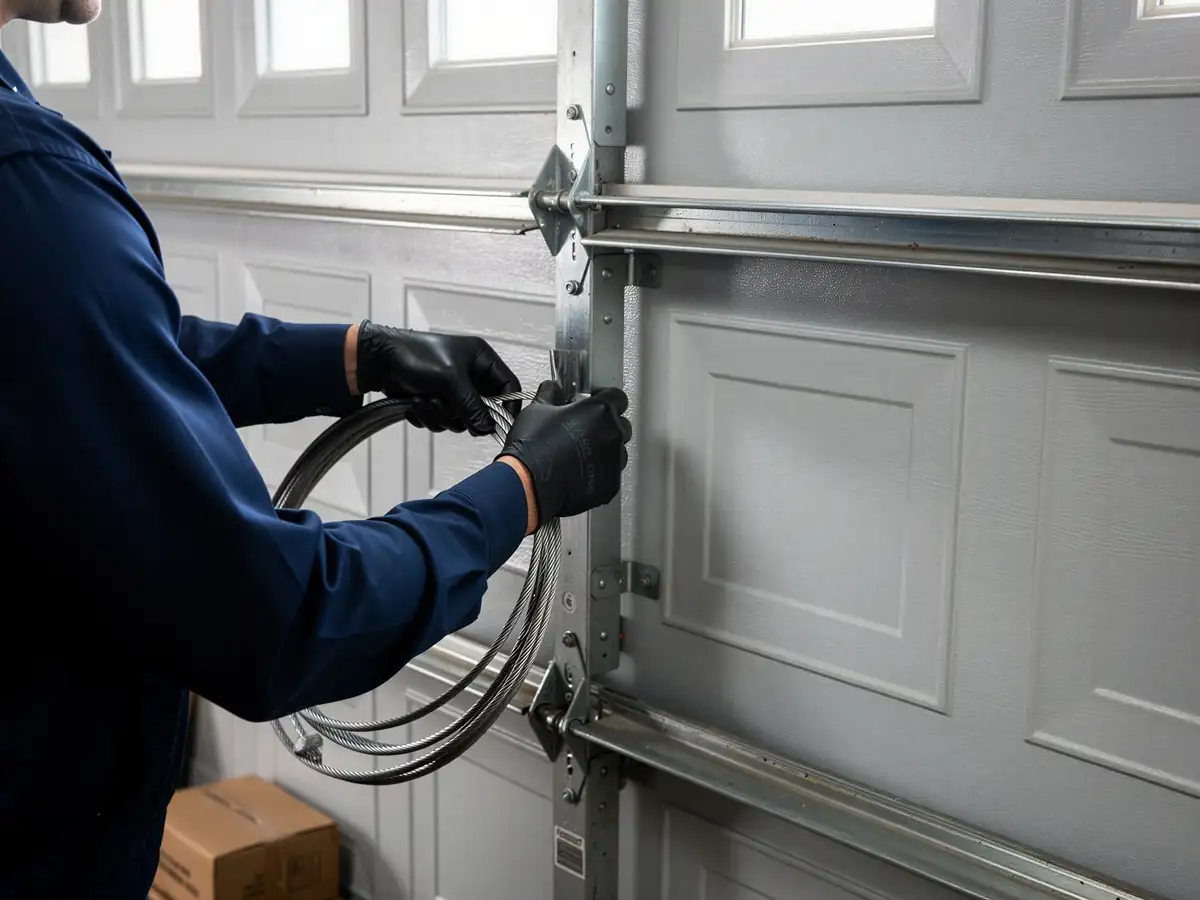
We keep the parts that actually match what's on the ground here. Most homes across this service area were built between 1968 and 1994, with the typical house dating to around 1981, so the torsion springs, rollers, and cable sizes we stock are the ones that fit that era's door and track hardware, not whatever is newest on a supplier's shelf. Standard 1-3/4 inch and 2 inch torsion springs sized for the doors that shipped through the 1980s and 90s make up most of what we carry, along with nylon and steel rollers to replace the original stamped-steel rollers that are long past quiet. We also stock standard lift cables and end bearing plates, since those wear out on a predictable cycle no matter which of the eleven communities we're working in that day. What we don't carry on the truck is anything custom - oversized commercial doors or oddball import hardware. If a job needs a part outside that standard range, we'll tell you up front rather than make you wait on a special order without knowing it's coming.
Why This Fails Locally
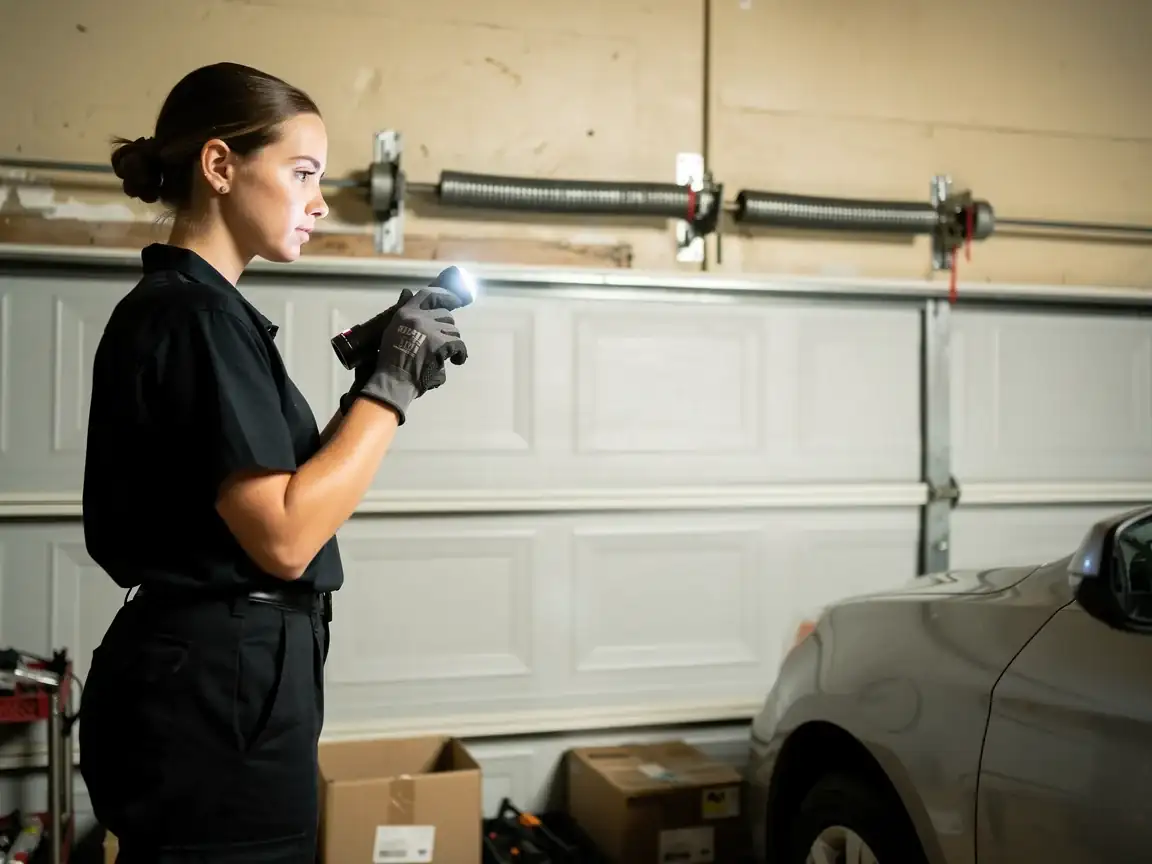
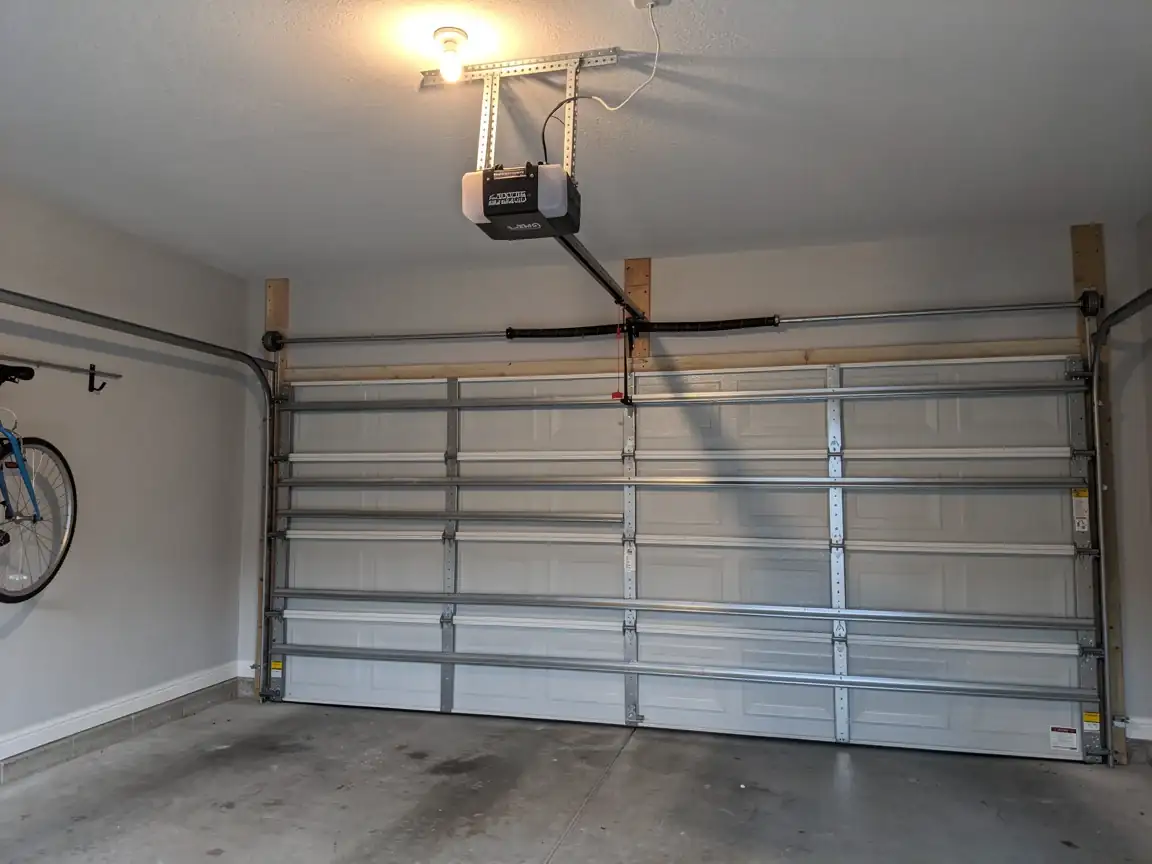
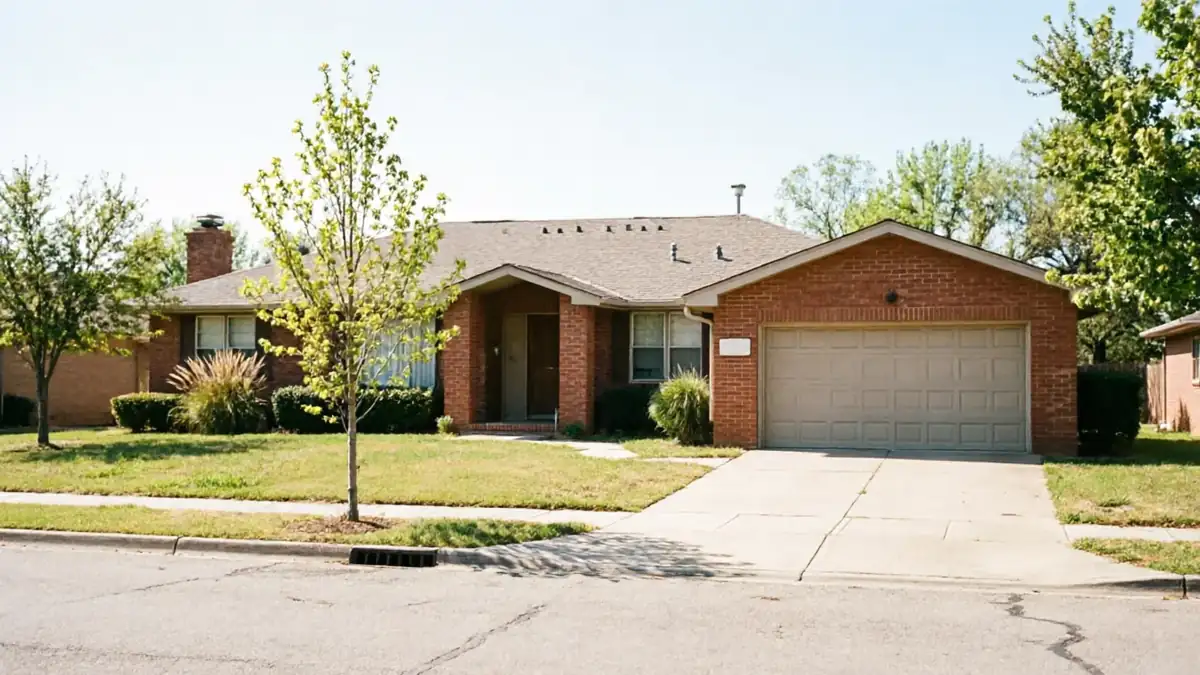
A door built in 1981 is pushing 45 years on its original springs, and springs don't fail gracefully - they fatigue a little more every cycle until one day they don't hold. Across this service area, where most housing stock sits in that 1968-1994 window, that fatigue curve has mostly already played out once, sometimes twice, which is why so many of our maintenance calls turn into a spring swap rather than a tune-up. Longview's climate band runs moderate heat, not desert-extreme, but it's still enough summer expansion and contraction on steel panels and coil springs to accelerate wear beyond what a cooler climate would produce. Add in openers from the 80s and 90s chain-drive era, which were never built with modern safety reversal sensors, and you get two failure points stacking on the same house: a spring that's past its design life and an opener that's past being safe to leave running unattended. Regular maintenance catches the spring tension drifting and the opener drive gear wearing down before either one fails at 6 a.m. on a Monday.
What You Are Seeing
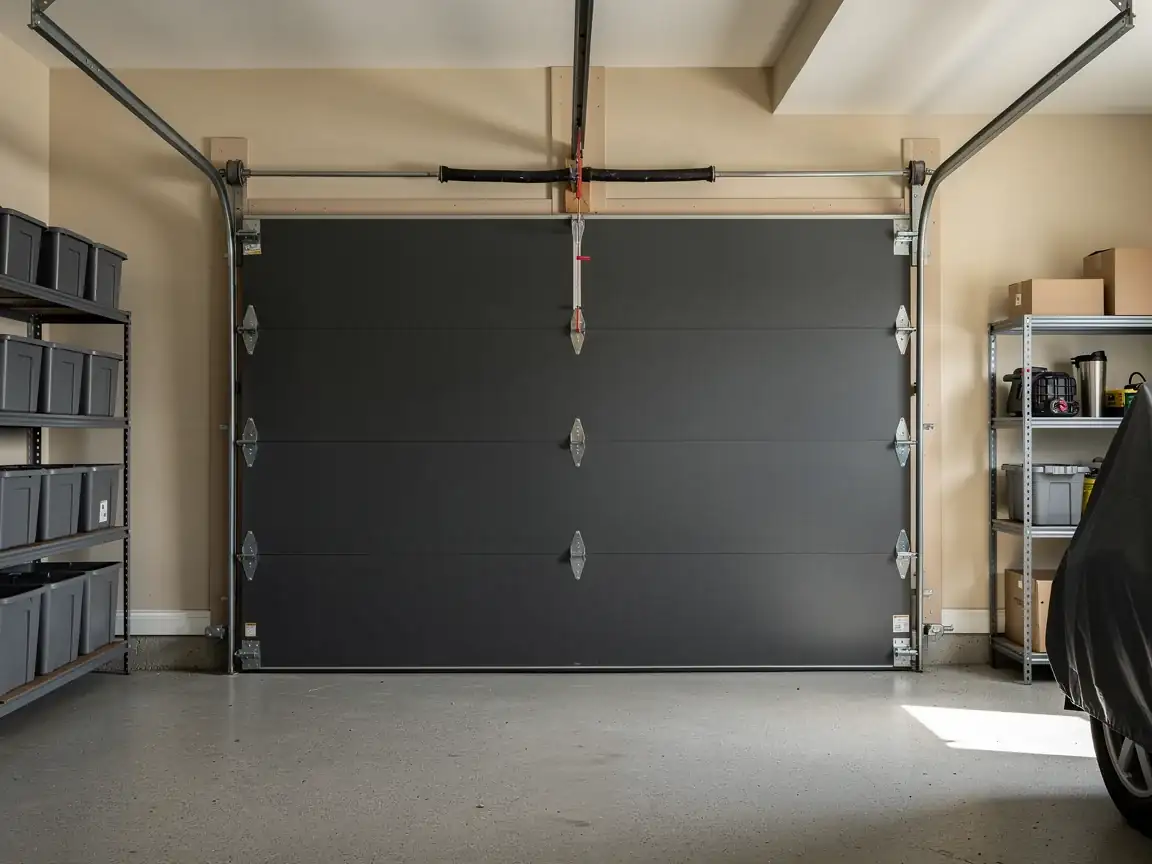
If your door is making a grinding or popping sound on the way up, that's usually a roller that's worn past its bearing life - common on the original-equipment rollers still running on houses from the 1981 median build year. If the door feels heavier than it used to, or the opener strains and reverses partway up, that's spring tension drifting, which happens gradually enough that most owners don't notice until it's nearly gone. A door that drifts open or closed on its own, or doesn't stay put when you stop it halfway, is telling you the springs are no longer balanced to the door's weight - not a cosmetic issue, a safety one. Cracking or peeling on wood-trimmed panels shows up more in houses from the 1970s and early 80s construction wave, since those doors predate the composite and steel-skin panels that came standard later. None of these are emergencies on day one. All of them get more expensive and less safe the longer they run unchecked.