What the Housing Means for Your Door
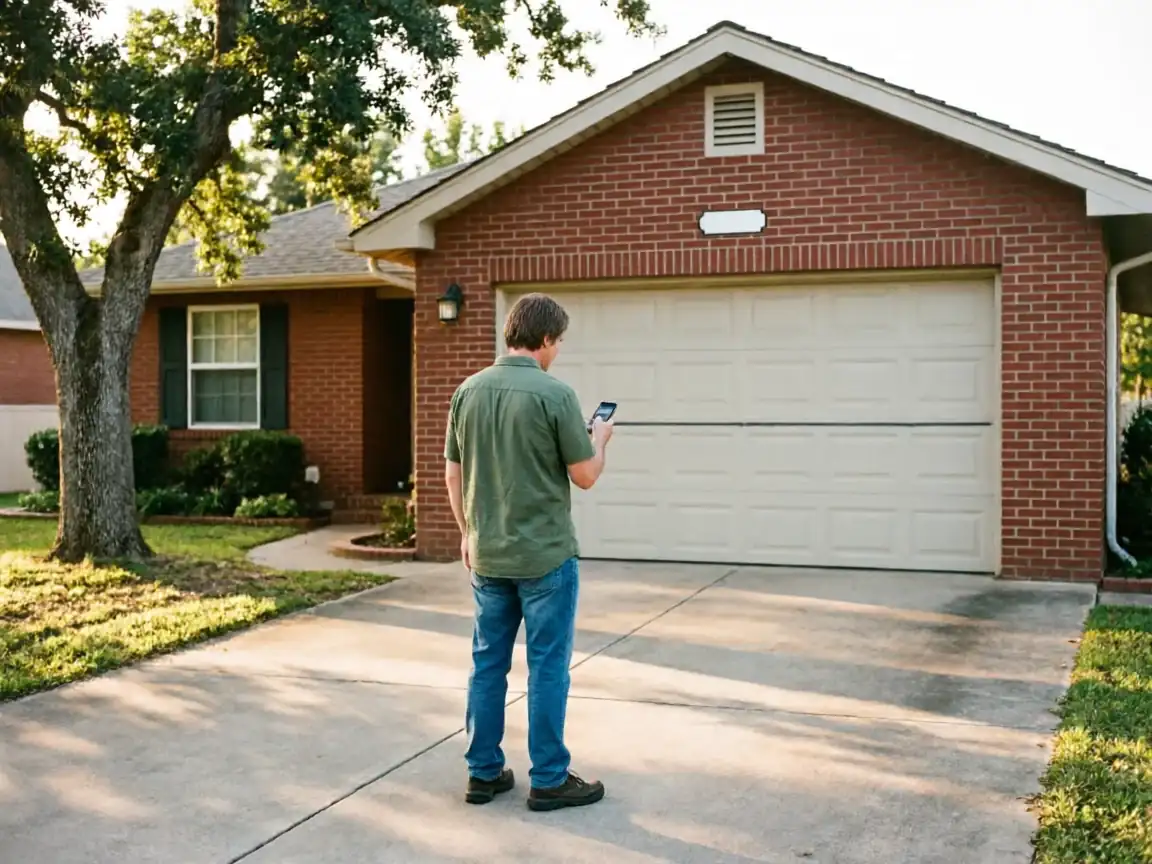
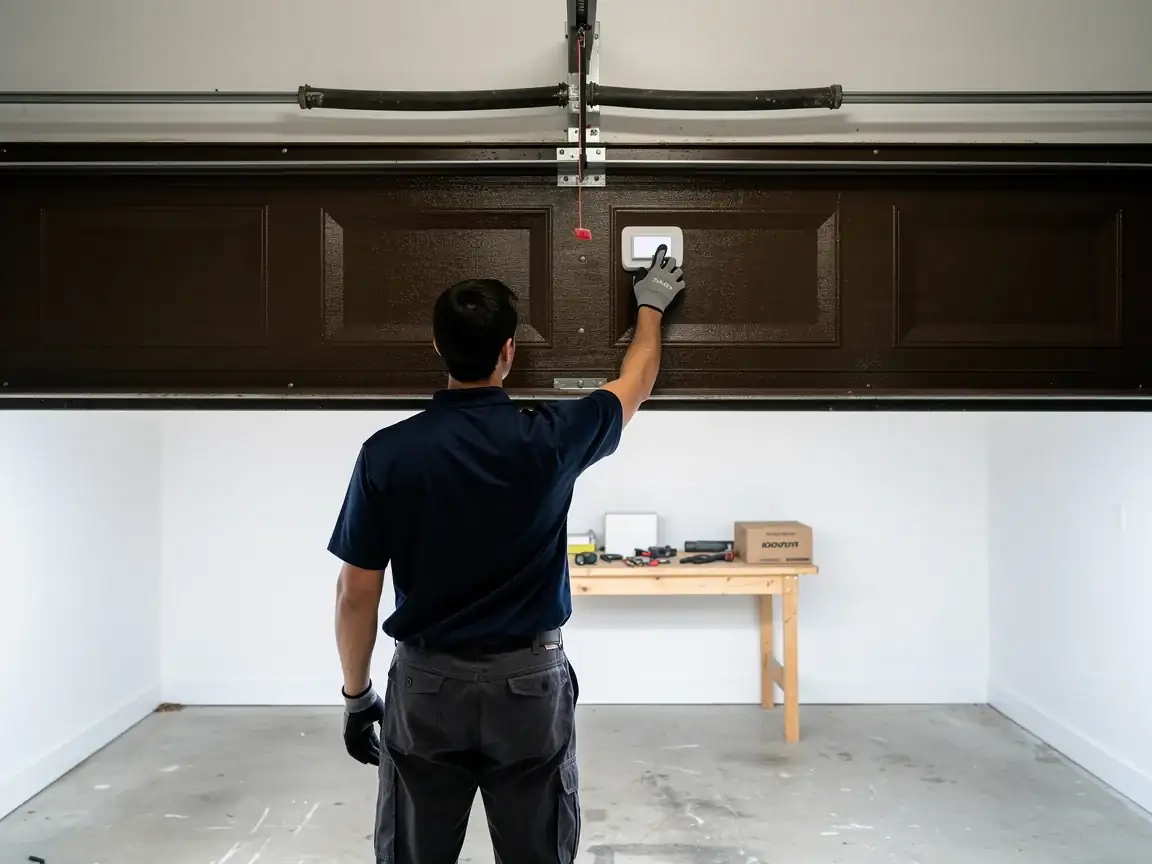
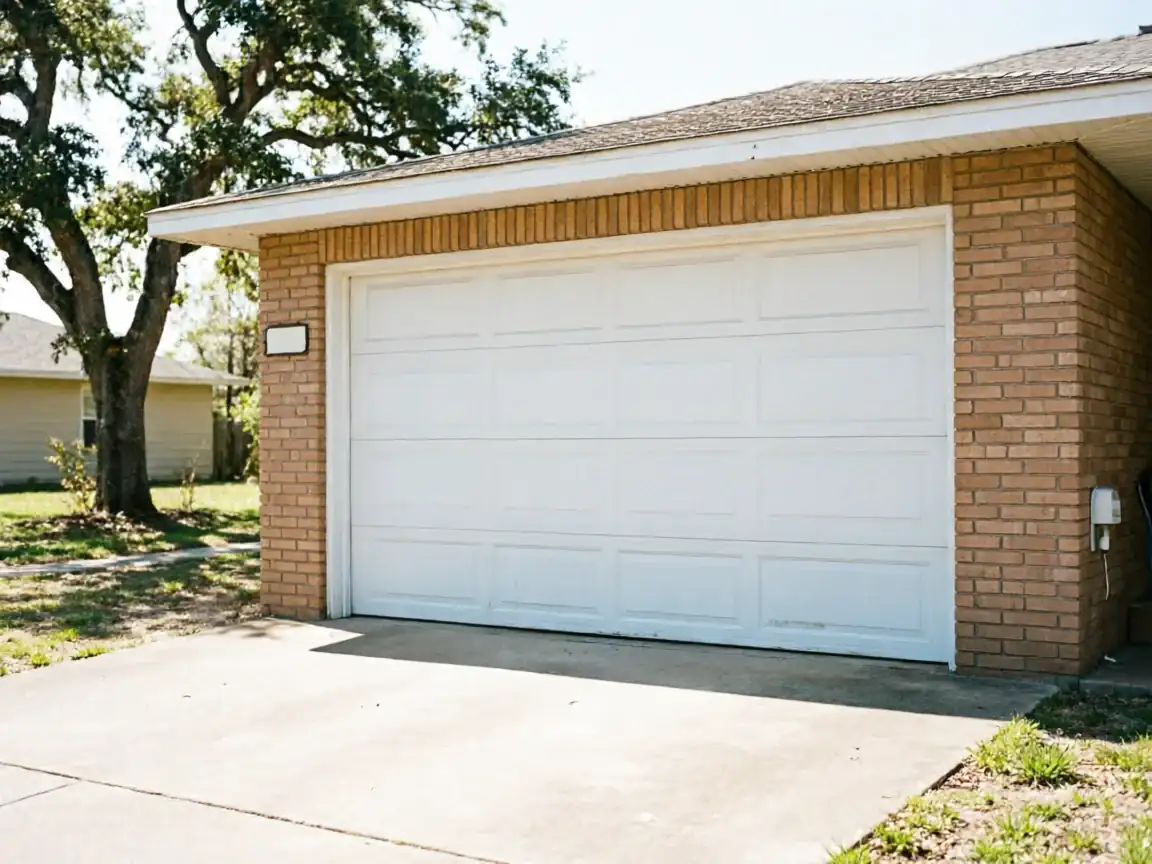
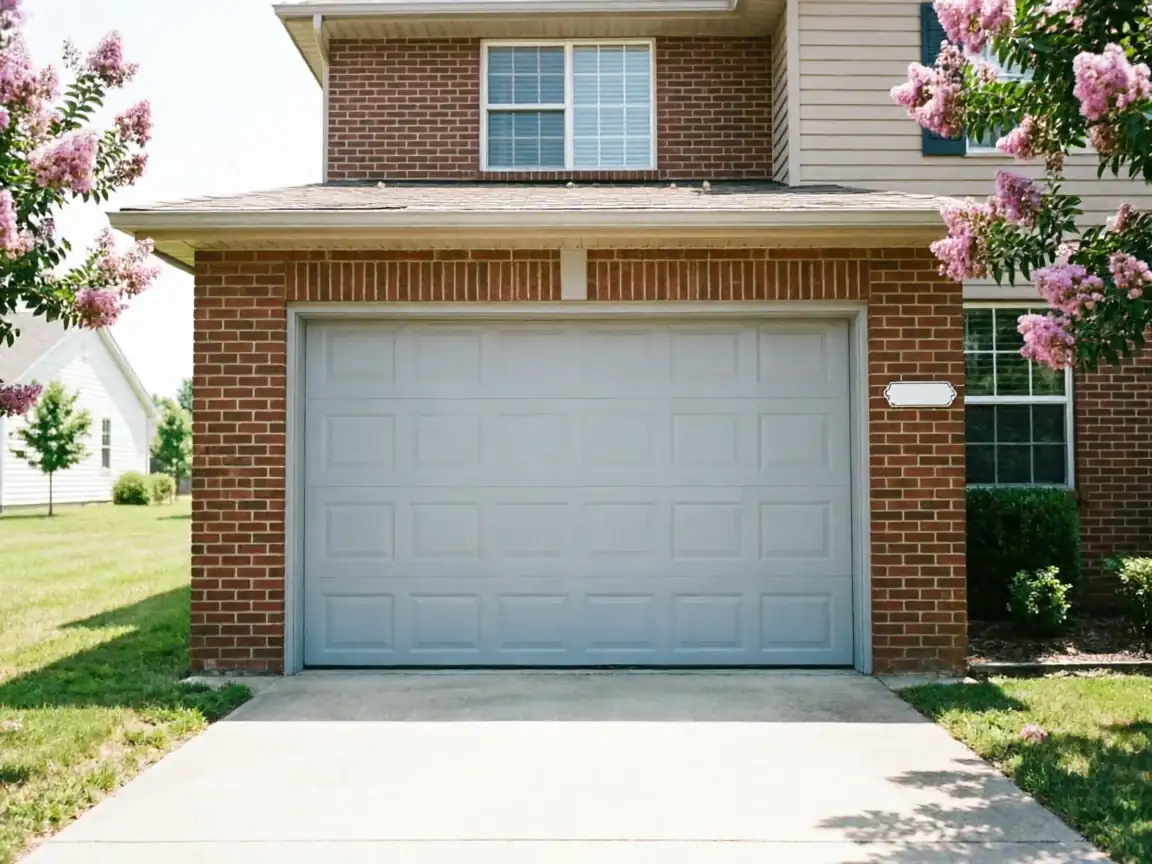
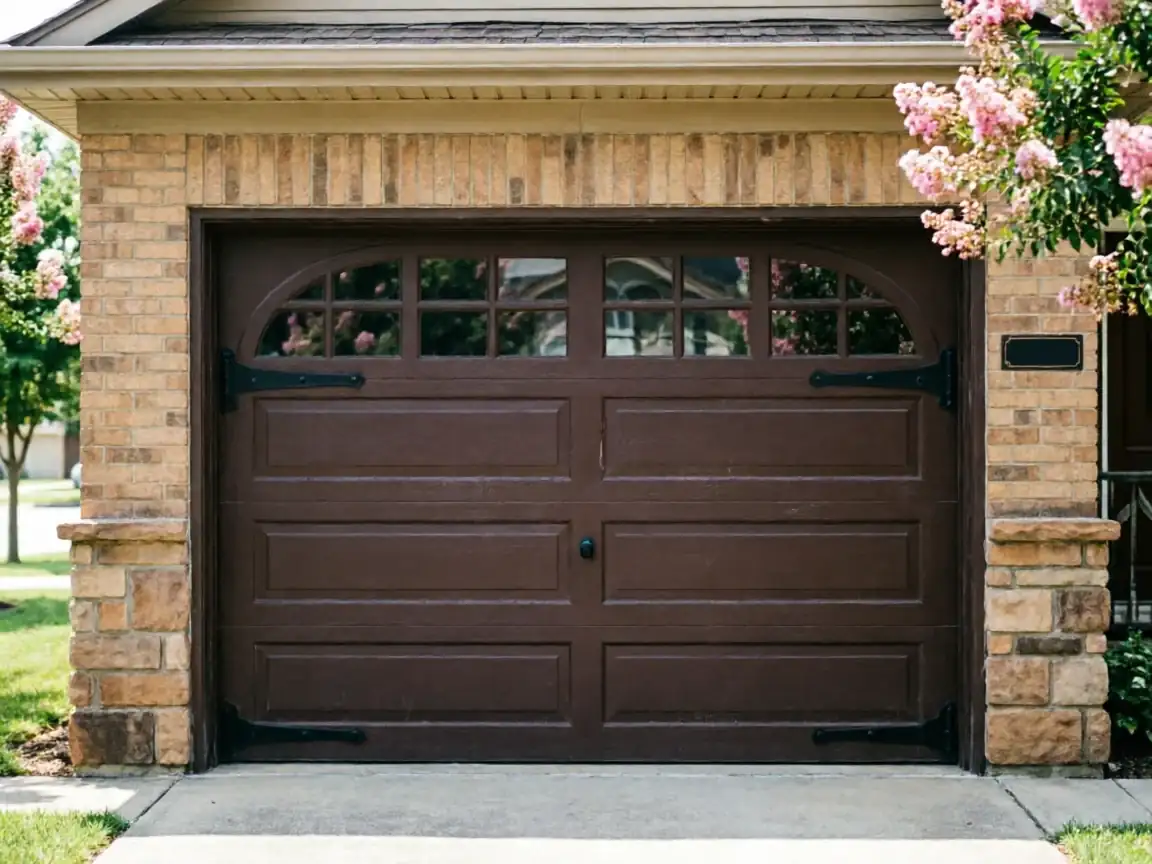
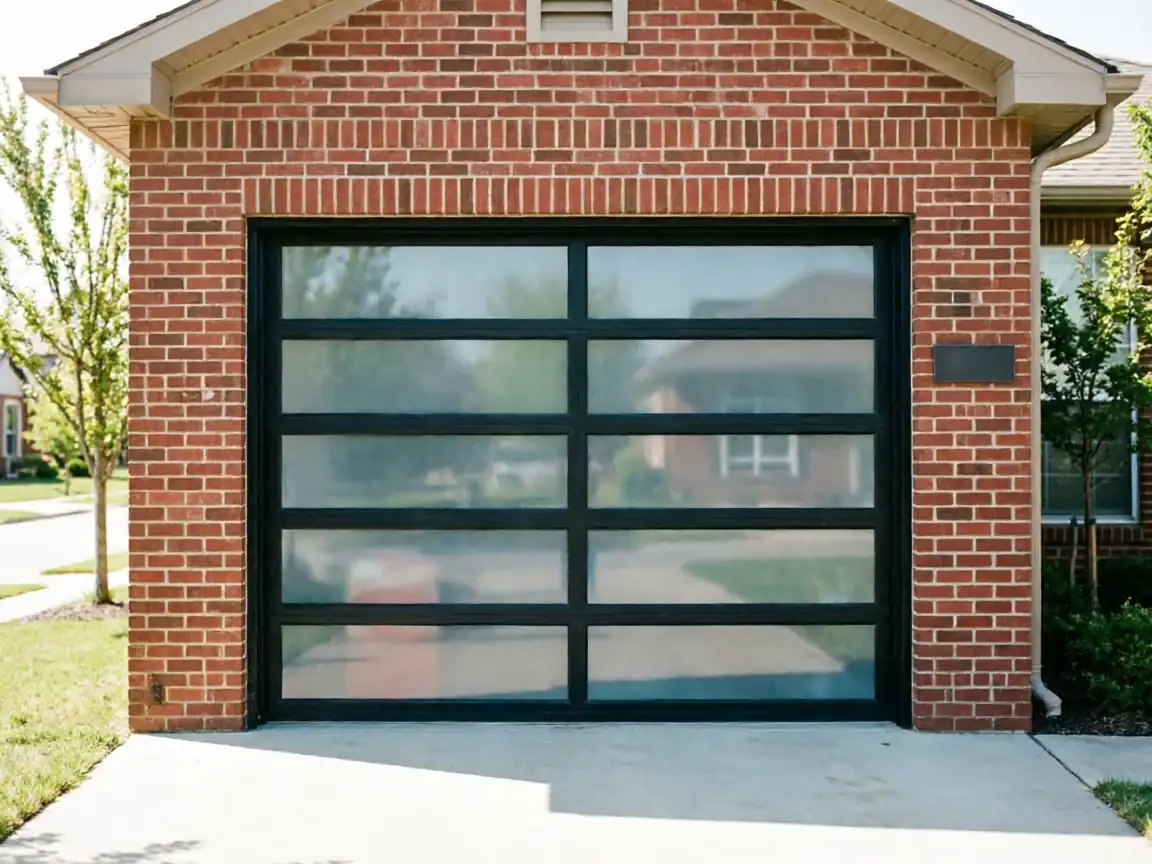
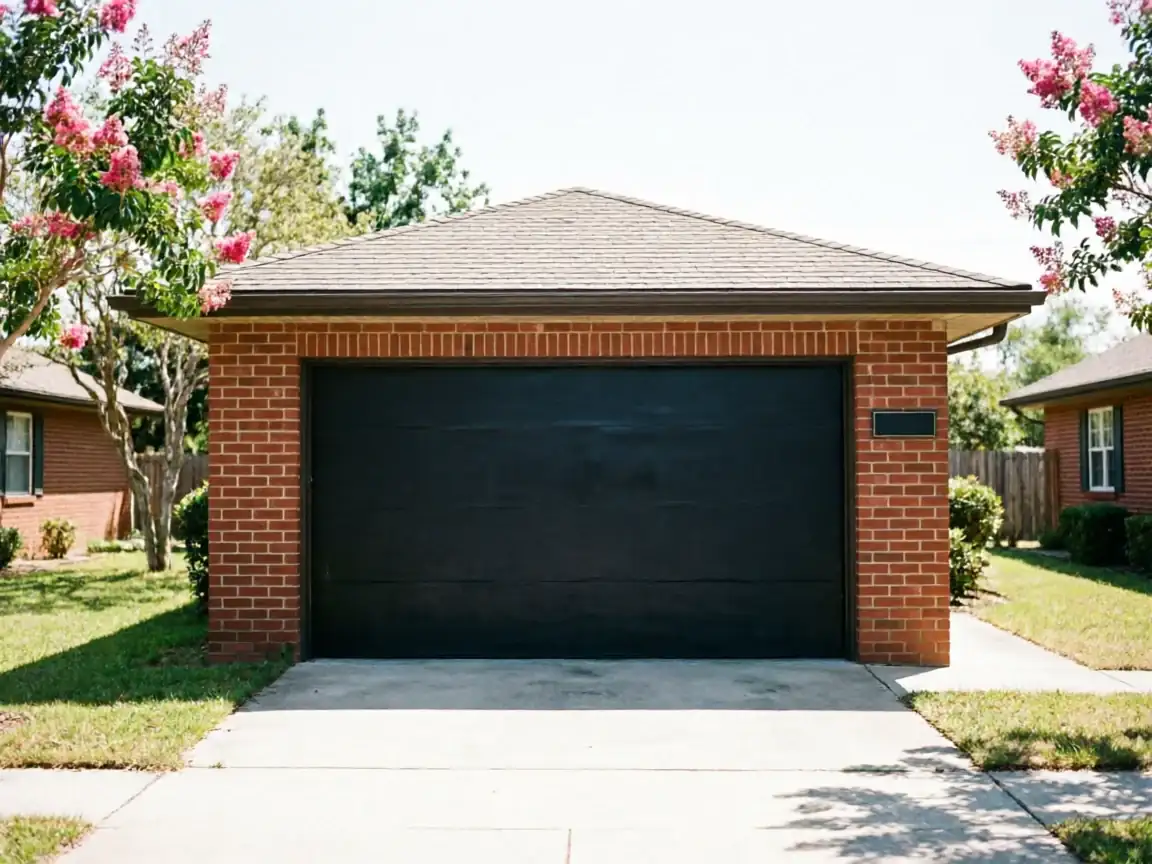
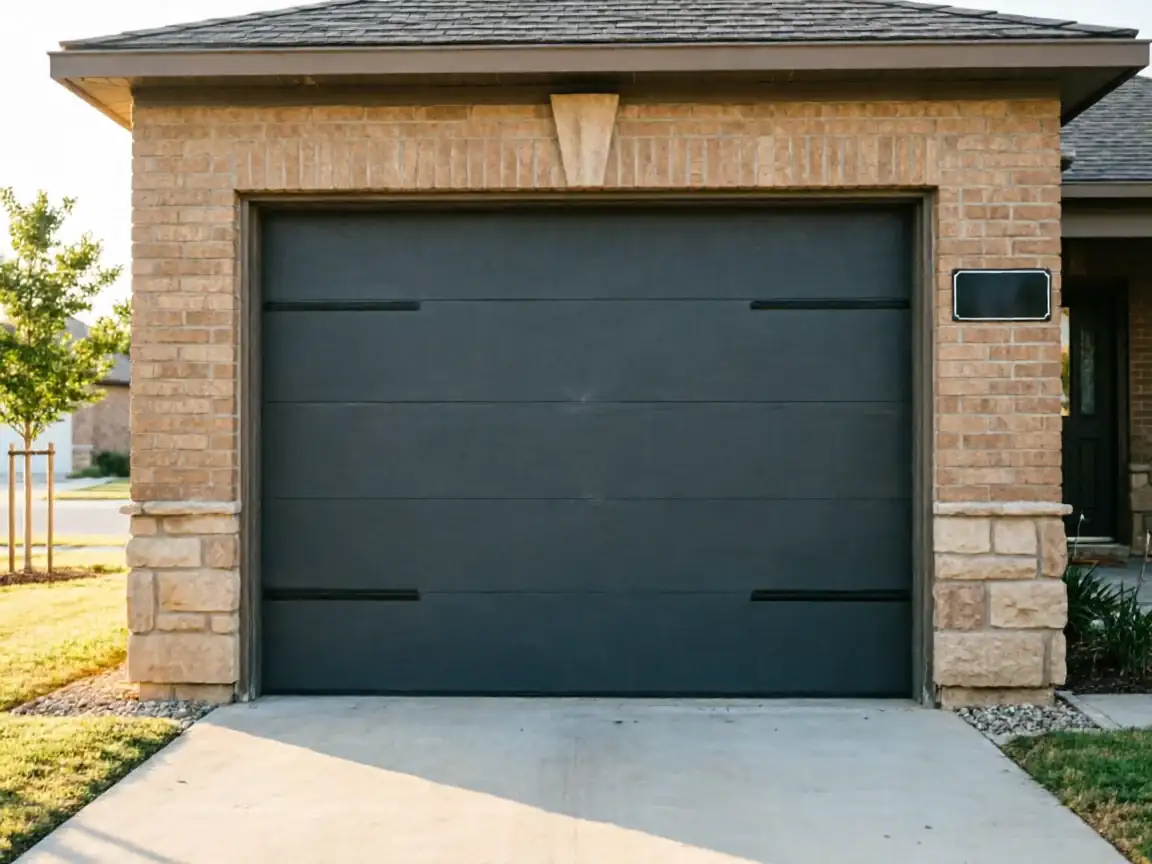
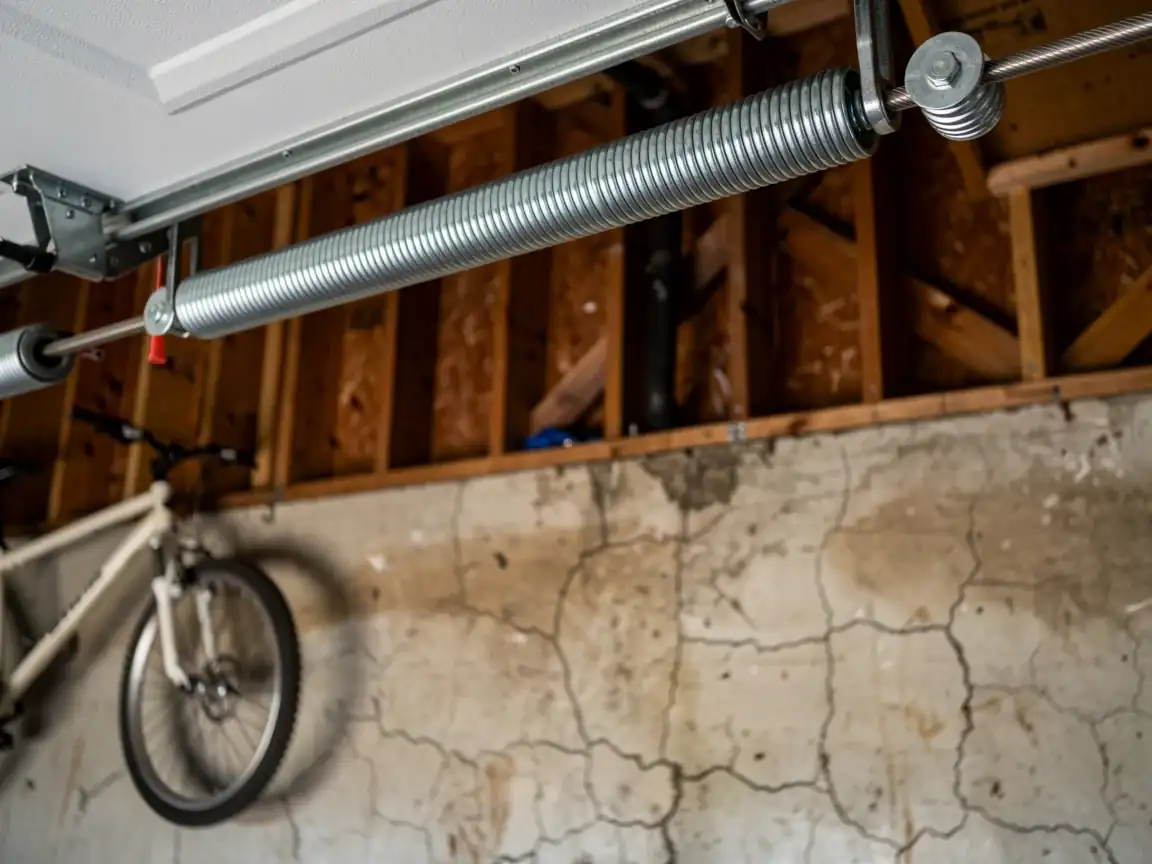
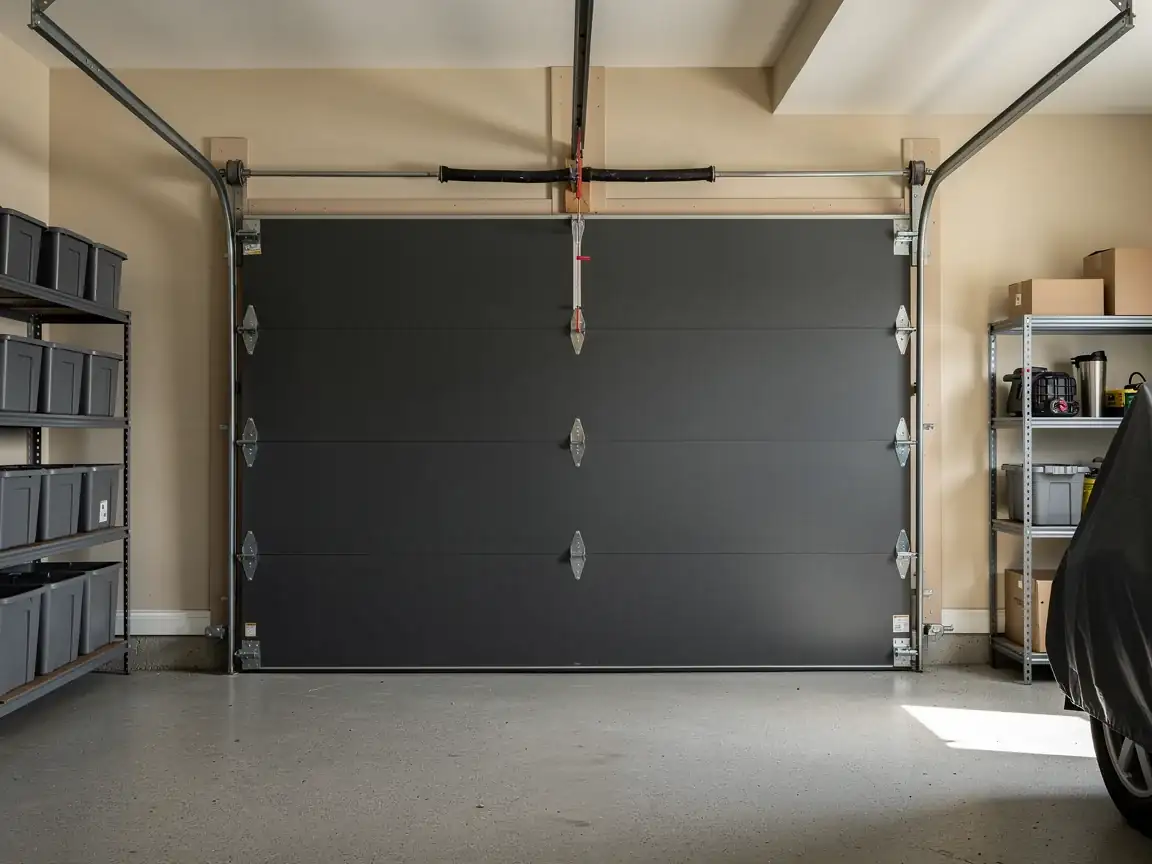
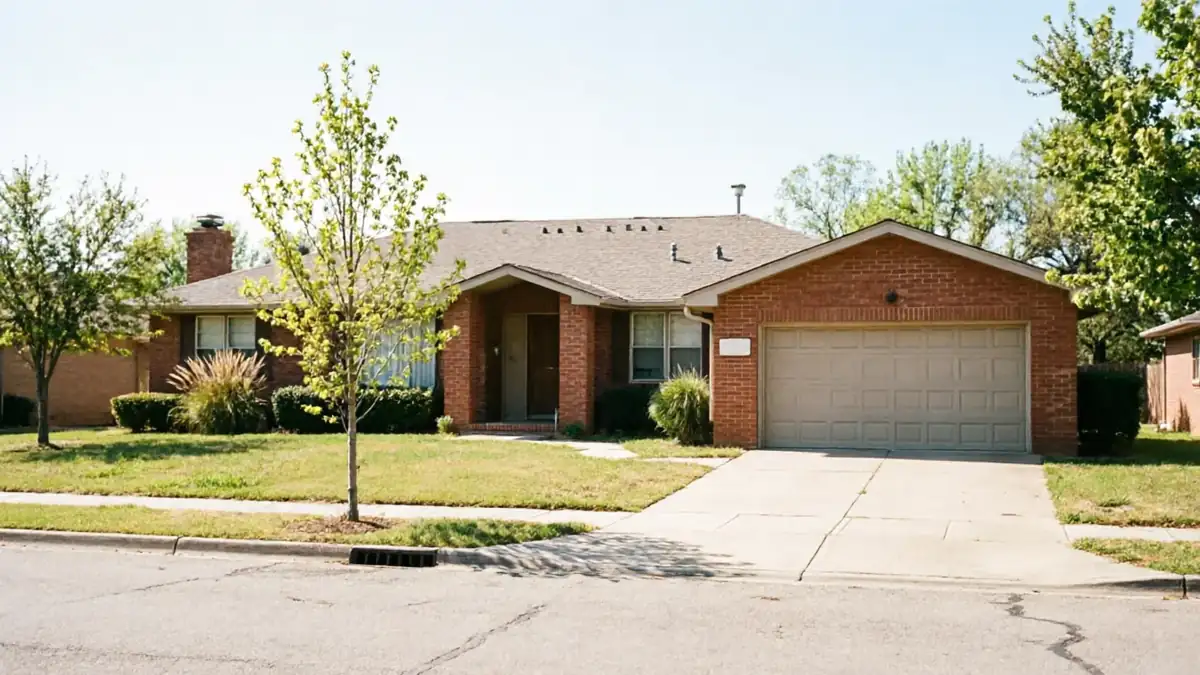
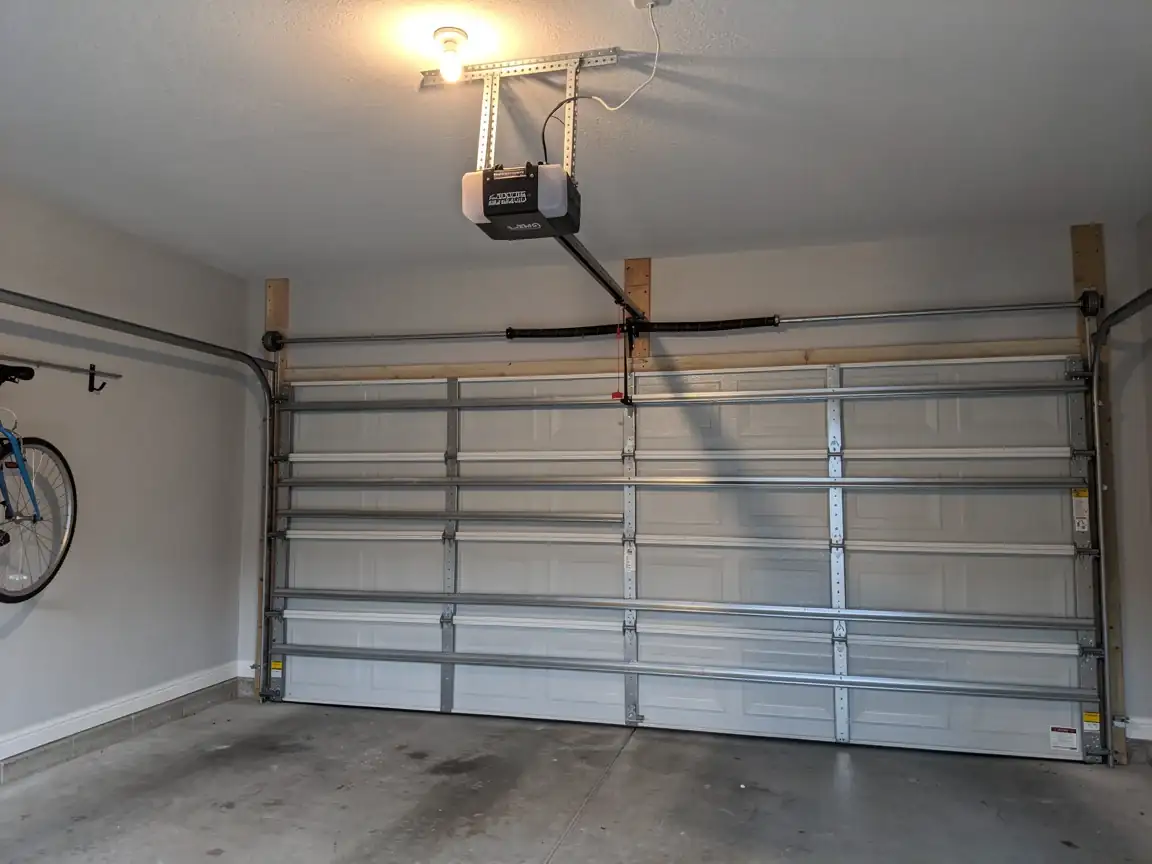
Gilmer's housing stock skews older than most of the territory we run trucks through. The median home here went up around 1973, which puts a good share of these garages at roughly a decade ahead of the 1968-to-1994 range you see across the wider coverage area, where the typical build year lands closer to 1981. That gap matters on a service call. A door and track system installed in the early 1970s was built before a lot of the hardware standards that are now routine - lighter-gauge steel sections, simpler torsion setups, openers without the safety features that came standard a generation later. We see original hardware still hanging on in Gilmer garages more often than we do in the newer pockets of the service area. It's not that the work is harder, it's that the parts bin looks different: older spring sizing, different drum configurations, sometimes a single-panel door instead of a sectional one. We carry stock for both, but if your door is original to the house, expect the fix to involve parts built to an older spec, not whatever's cheapest at the box store.
This Area's Housing
Gilmer has about 1,779 households, a small fraction of the roughly 15,278 households spread across the full coverage area. The median household income here is $41,279, well under the service area's overall median of $66,250. That difference shows up in the calls we take. More Gilmer homeowners ask us to repair what's there rather than replace it outright, and that's a fair call to make on a door that's otherwise sound - a new spring and a tune-up can buy years on an old frame. We're upfront when that math stops working: if the track is bent, the bottom panel is rotted through, or the opener is beyond parts availability, patching it is throwing good money after bad, and we'll say so. The heat here runs moderate by regional standards, which is easier on rubber seals and lubricant intervals than a harsher climate would be, but it doesn't stop decades-old hardware from simply wearing out. Lower household income doesn't mean lower-quality work gets done - it means the repair-versus-replace conversation happens more often and more honestly.
Getting Here
Gilmer sits about 18 miles from our Longview base, which puts it on the farther end of our regular run - closer in distance to Ore City and New London than it is to nearby stops like White Oak or East Mountain. We don't keep a depot in Gilmer and we're not going to pretend otherwise; every job here starts with a drive out from Longview. What that means in practice is scheduling: we can get to Gilmer, but it's worth booking ahead rather than expecting a same-day slot the way a five-mile call might get. If your spring breaks on a Tuesday morning, tell us when you call so we can route the day sensibly. We'd rather be straight about the distance than promise a response time we can't back up.