Stocked Parts
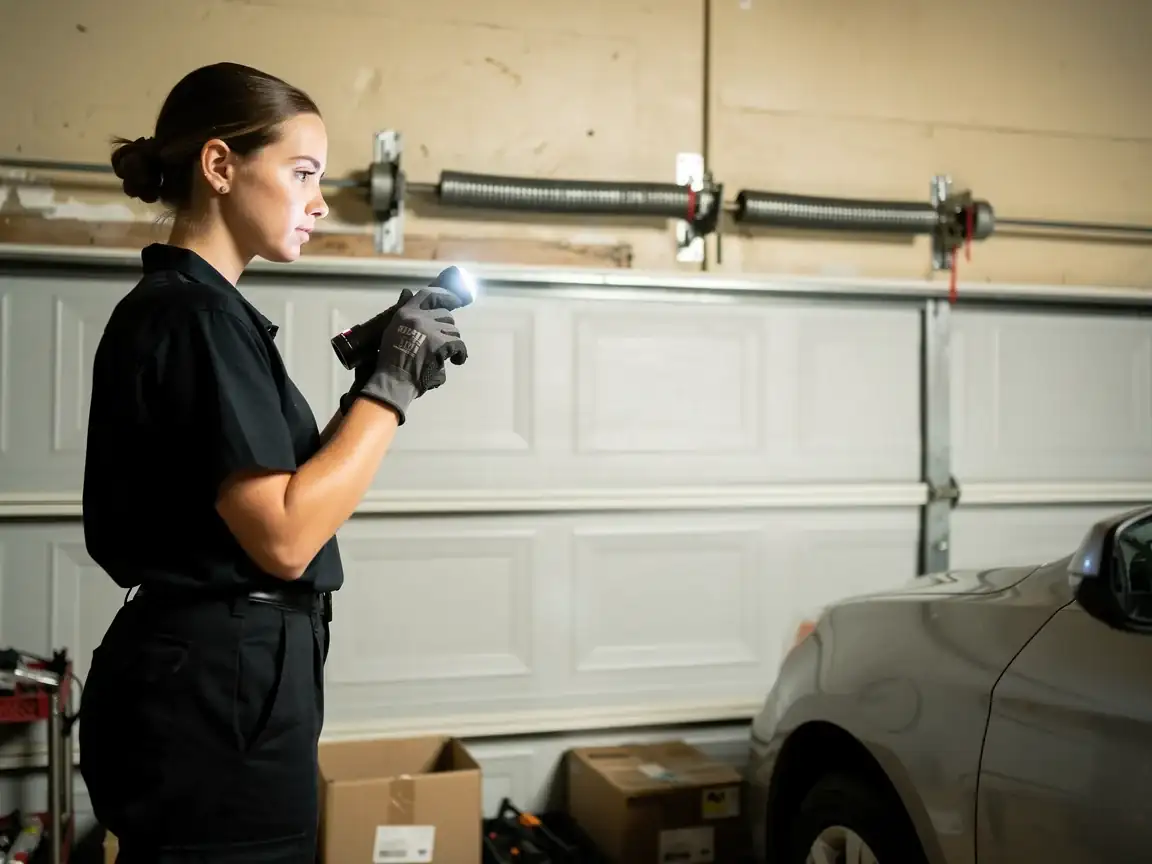
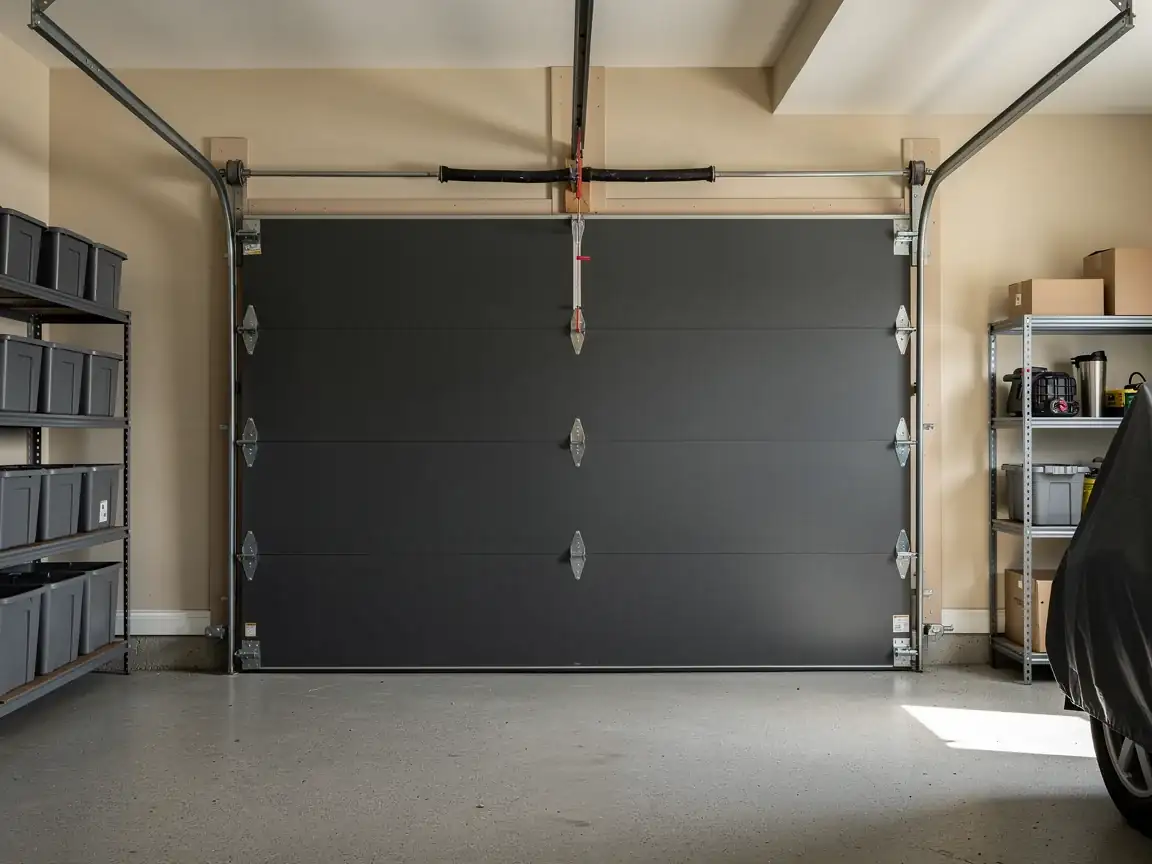
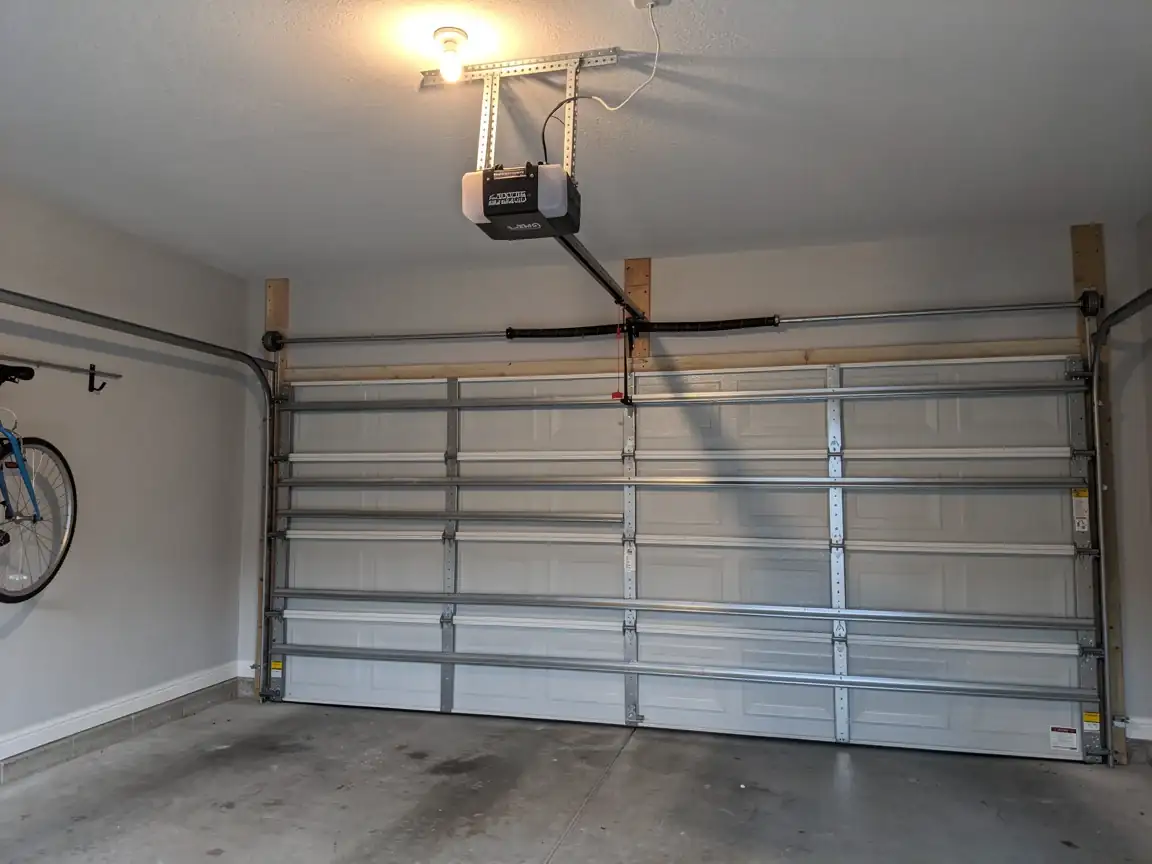
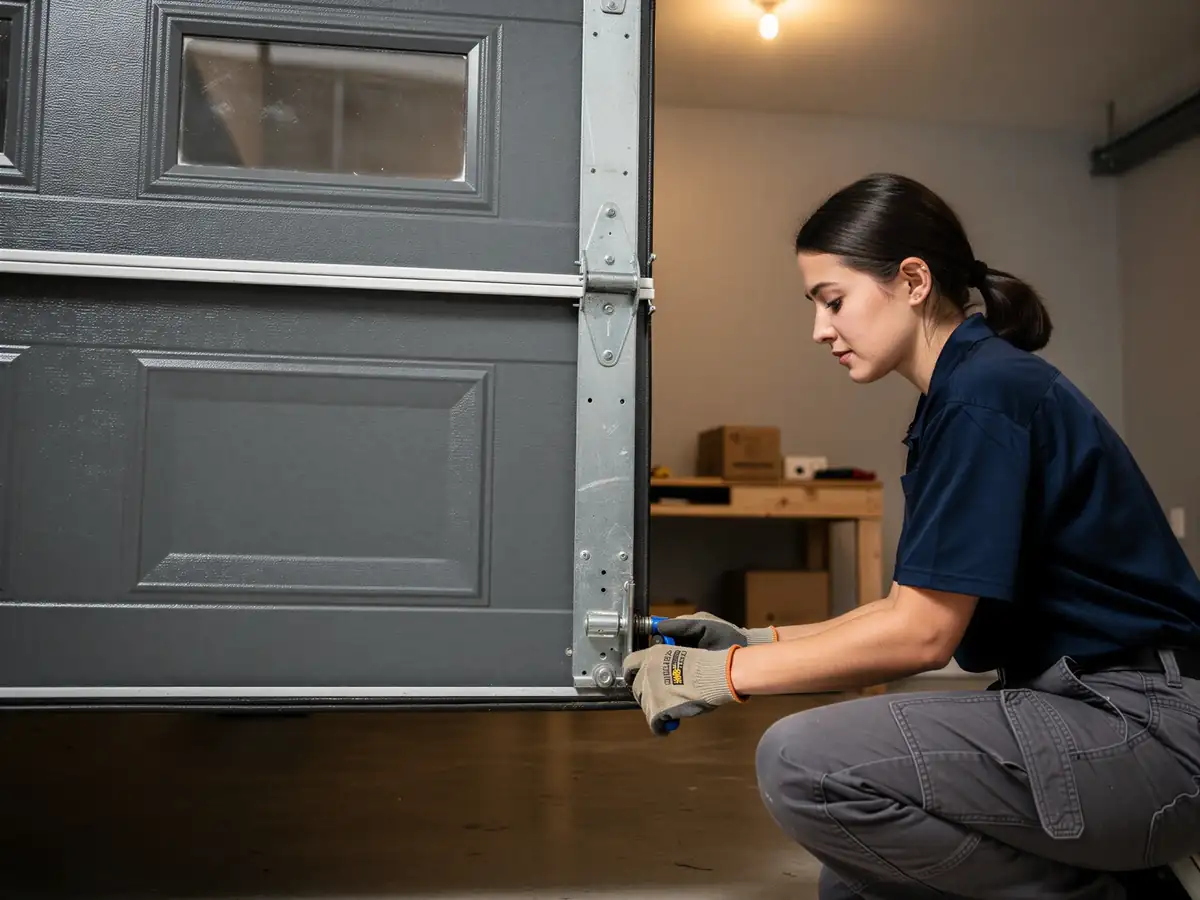
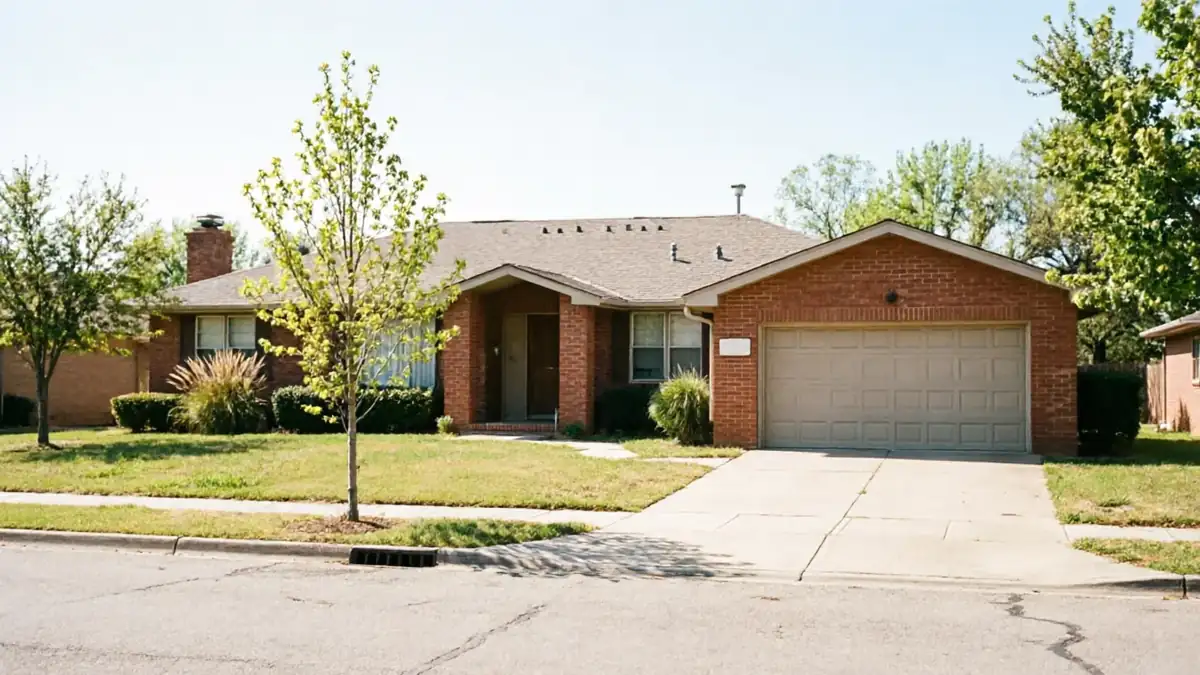
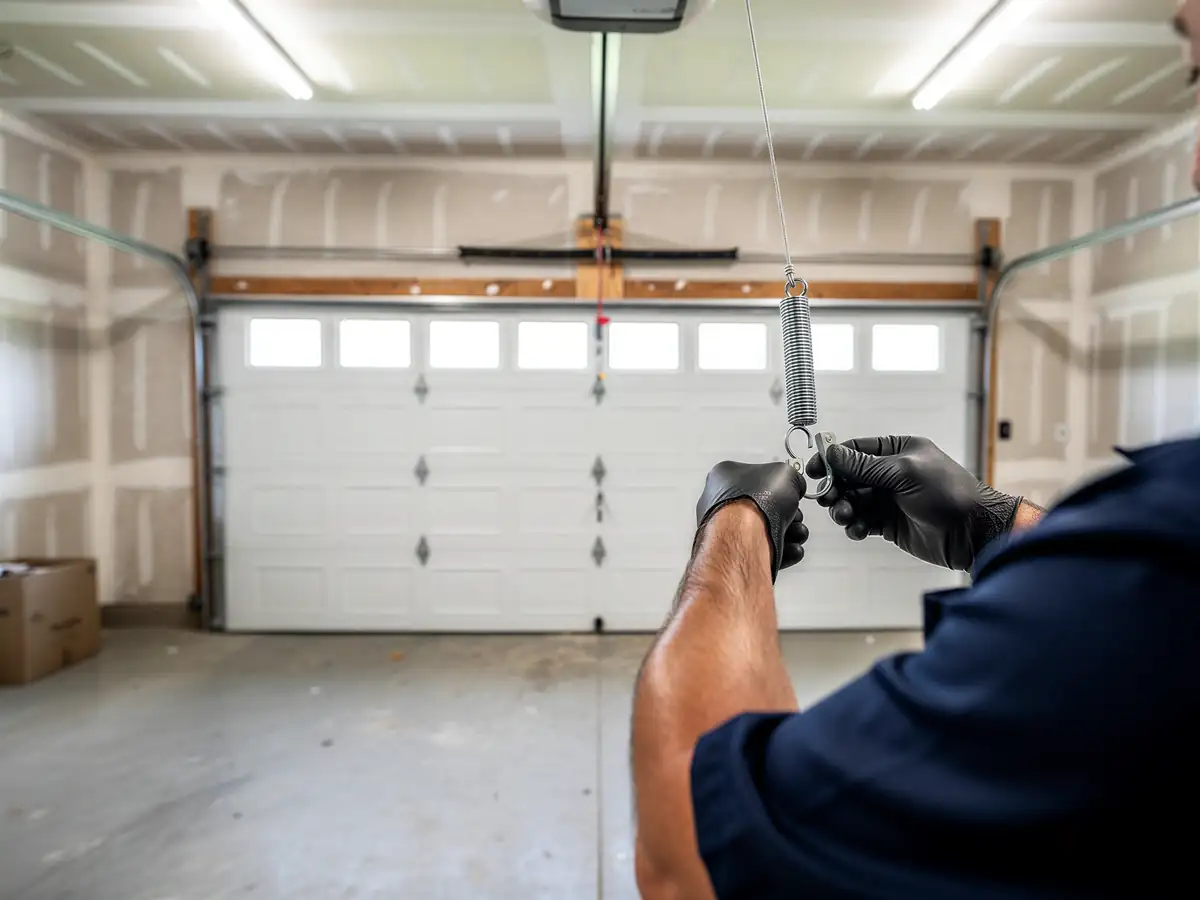
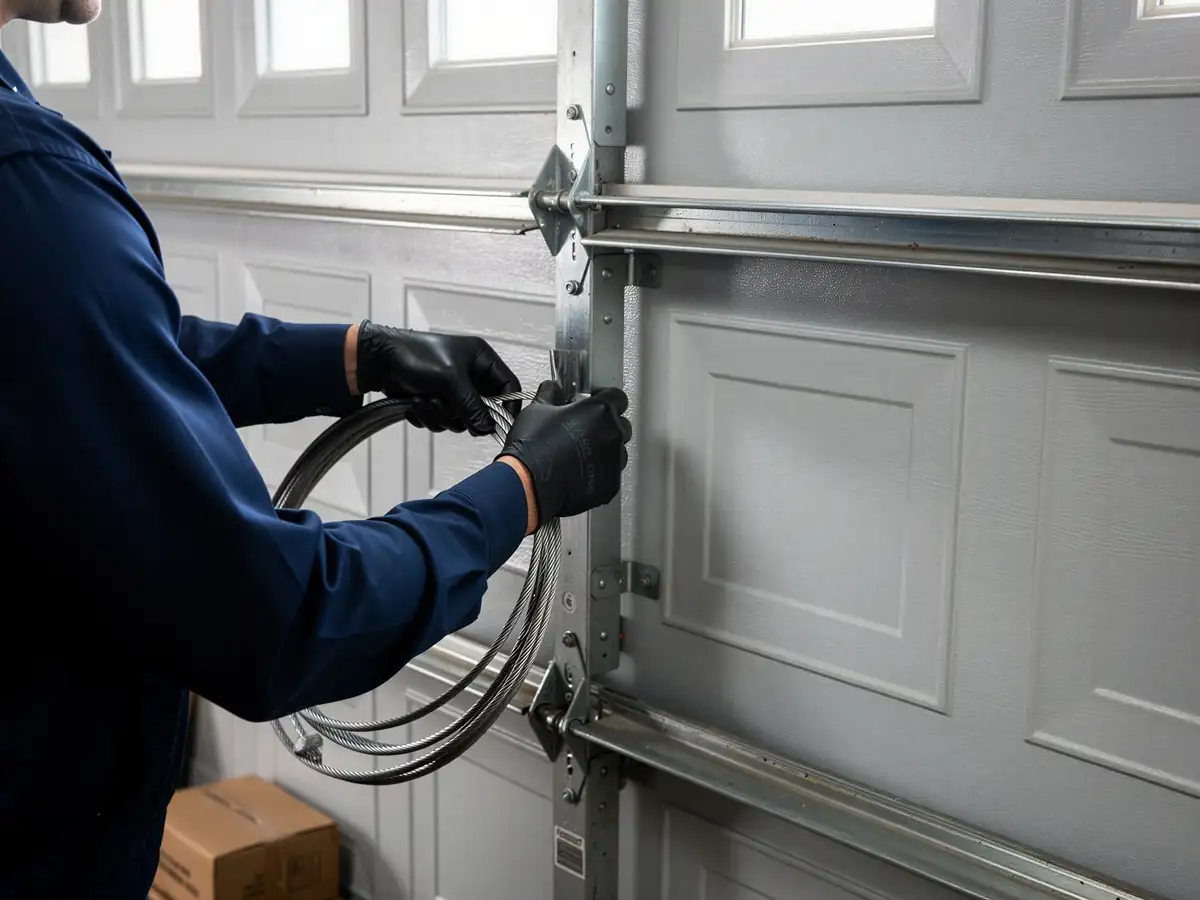
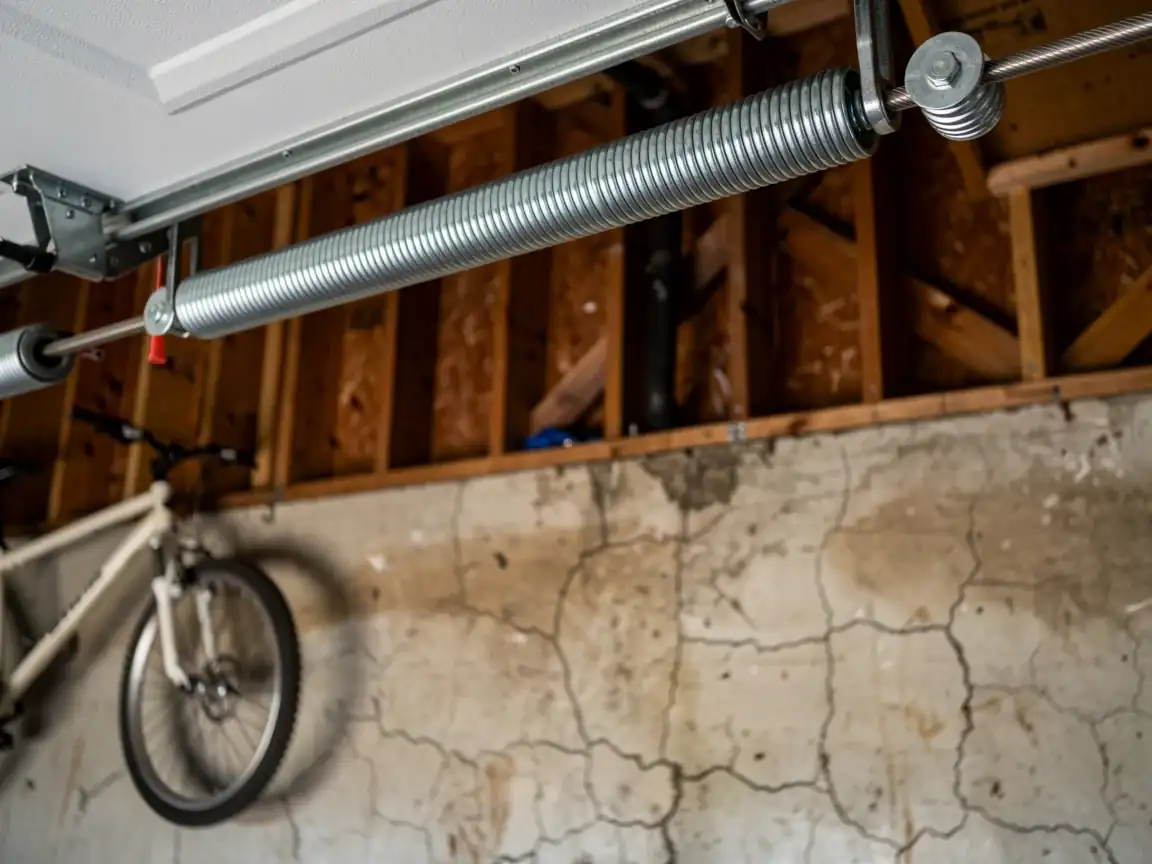
Longview's housing mostly went up between 1968 and 1994, median year 1981, and that shapes what we carry on the truck. A door from that window almost always means a torsion spring sized for a heavier, older-style steel section, a center or side-mounted bracket pattern that newer kits don't match out of the box, and an opener motor from a generation before rolling-code safety reversal was standard. We keep springs wound for those original torsion bar diameters, the older-pitch drive gears, and the roller and hinge sizes that match doors built before lighter aluminum panels became common. Across the 11 named communities in this service area - White Oak, East Mountain, Clarksville City, Lakeport, Kilgore, Gladewater, Liberty City, Hallsville, Gilmer, Ore City, and New London - the stock skews the same way: 1980s and 90s construction, which means the parts bin has to lean toward that era, not toward whatever ships fastest from a big-box supplier. One honest limit: a few of the oldest torsion assemblies use spring wire gauges that aren't common stock anymore, and those jobs sometimes mean a short wait on a special order rather than a same-day swap.
Why This Fails Locally
A garage built in the late 70s or 80s wasn't engineered with 2024 safety standards in mind, and the moderate heat band this area sits in matters more than people expect. Steel doors and torsion springs go through daily heat-cool cycling - hot afternoons, cooler nights - and that cycling is what fatigues galvanized spring coils over decades, not any single extreme event. A 1981-era door that's been cycling through that pattern for over 40 years is past the point where the spring's rated cycle count means anything. The same goes for nylon rollers original to that build era - they harden and crack with age and heat exposure, not from one bad week. Because so much of the housing across this service area clusters in that same 1968-1994 window, we see the same failure pattern repeat house after house: original torsion spring finally lets go, usually on a door that hasn't had the spring touched since it was installed. It's not bad luck tied to one storm. It's just what happens to hardware that age, on that cycle count, in this climate band.
What You Are Seeing
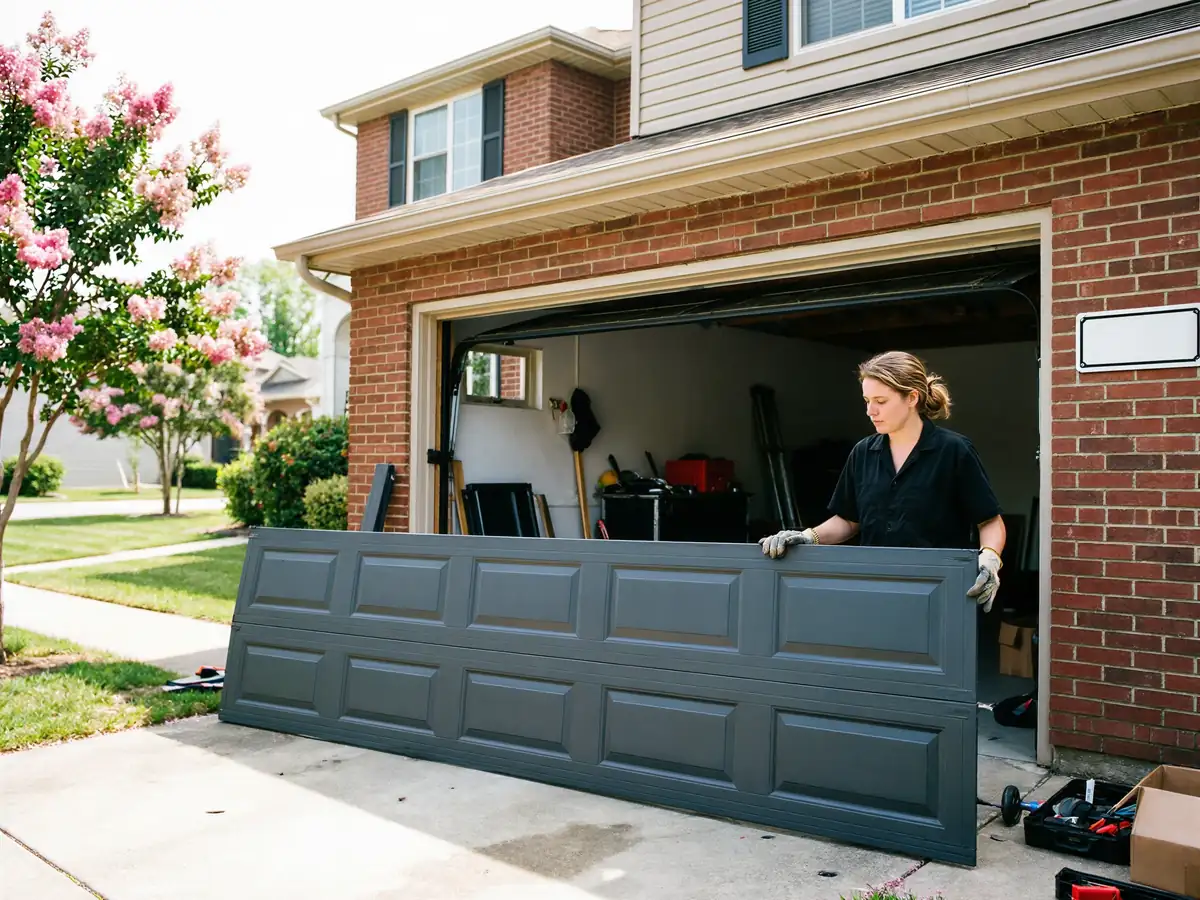
If your door is loud on the way up, hesitates a few inches off the floor, or the opener strains and reverses before it fully closes, that's usually the torsion spring losing its wind, not the opener failing. On a door from the 1968-1994 build window, that's often the original spring, now decades into cycling through this area's heat swings, finally giving up tension. A door that drops suddenly, or one cable that looks slack while the other is taut, means a spring has likely already broken - don't run the opener on that, it's fighting the full weight of the door alone. Rollers that grind or a track that looks slightly bowed usually point to original hardware that's simply reached the end of its service life, not damage from one incident. Across the houses we see in this service area, the pattern holds: age and cycle count, not a dramatic failure, is what brings most doors in for a call.