What to Check
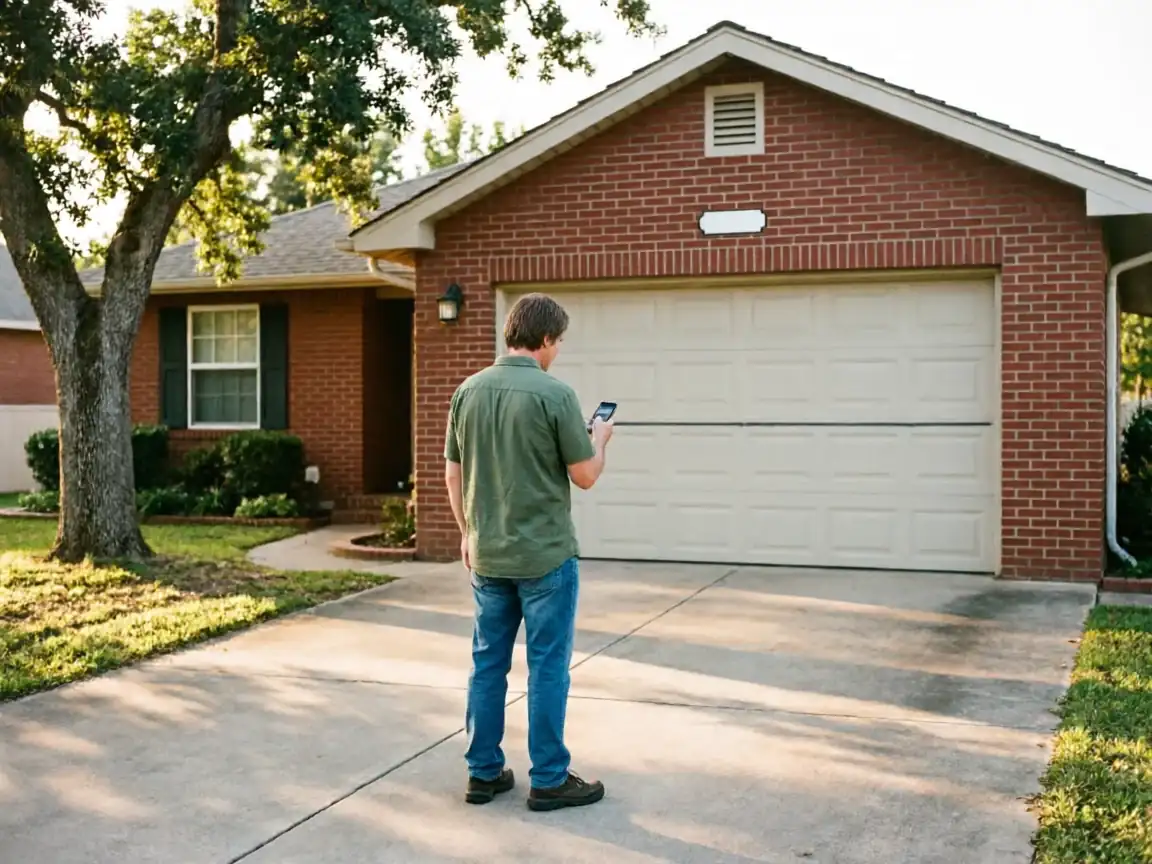
Start with the obvious: does the opener light come on at all when the power comes back. In Longview, most of the housing stock went up between 1968 and 1994, with the median build year sitting around 1981. That means a lot of garages still have openers wired straight into a dedicated circuit with no surge protection and no battery backup module added later. When the power cuts, these units don't fail gracefully - they just stop, mid-cycle, sometimes with the door half open.
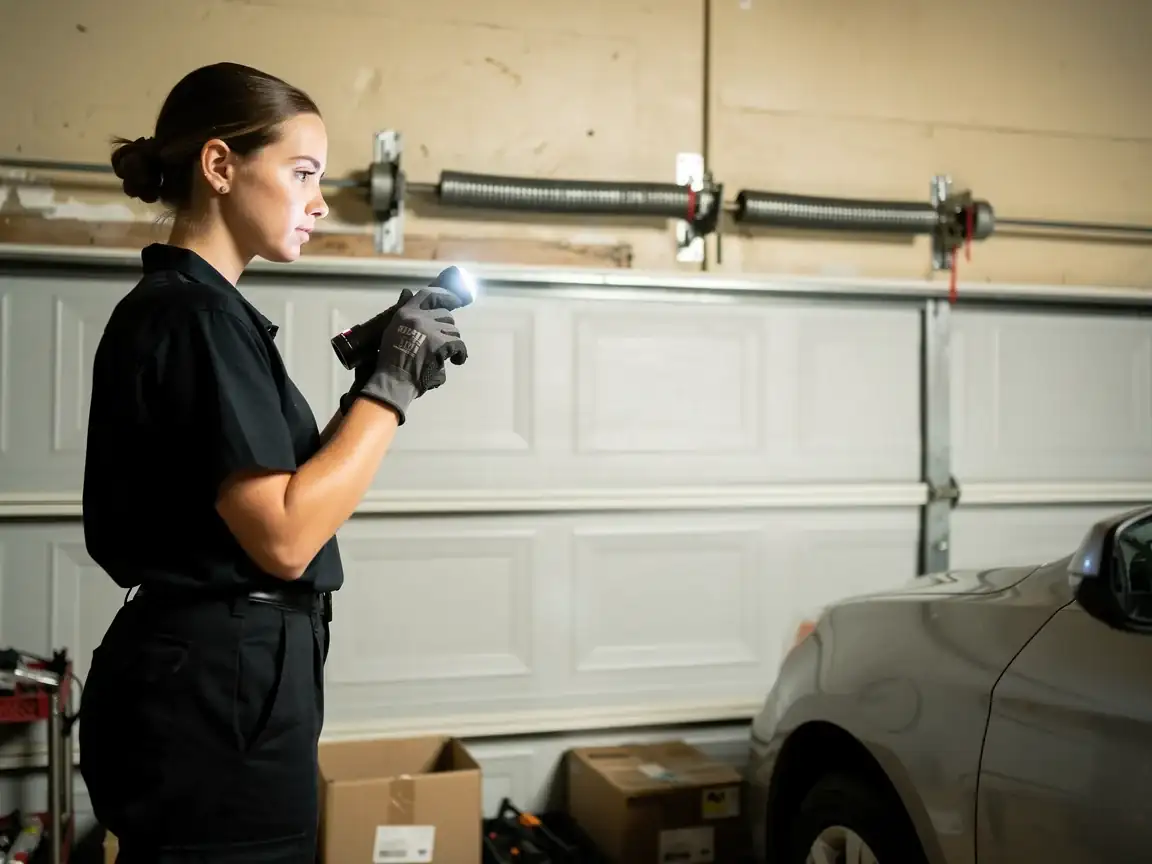
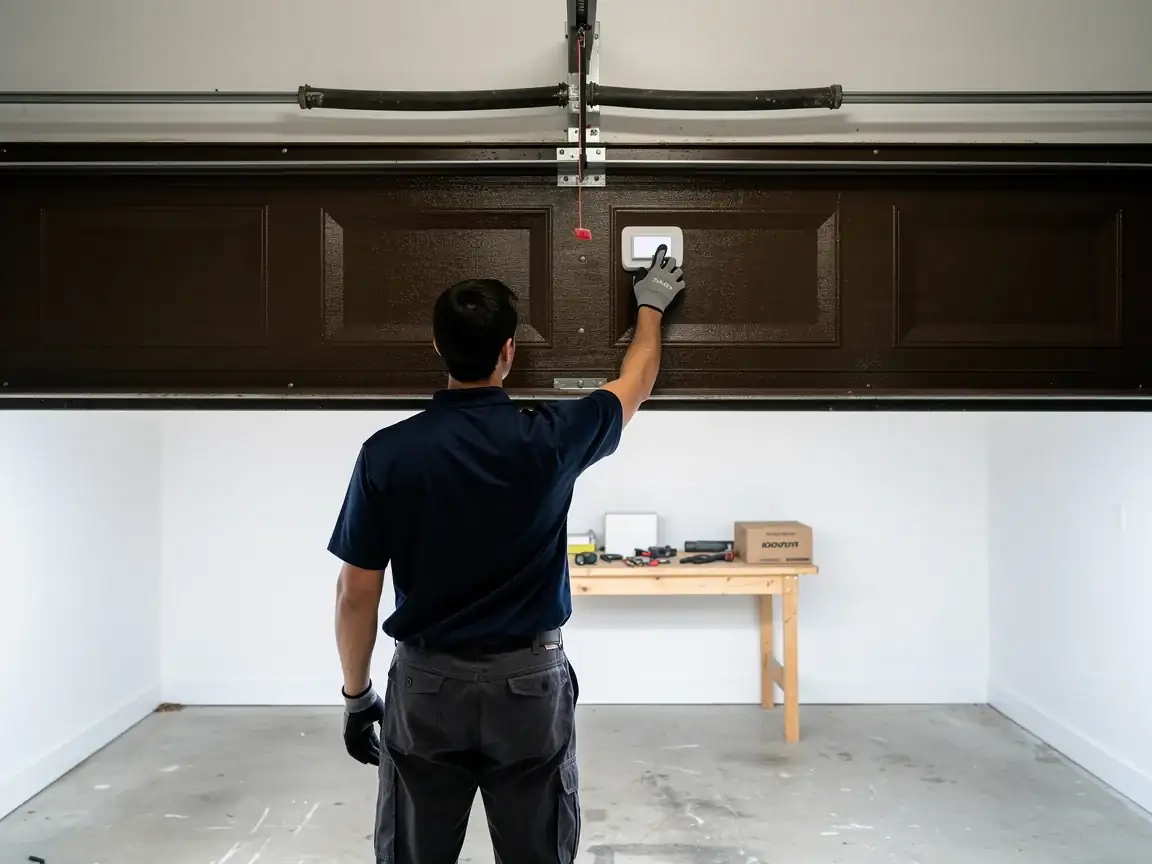
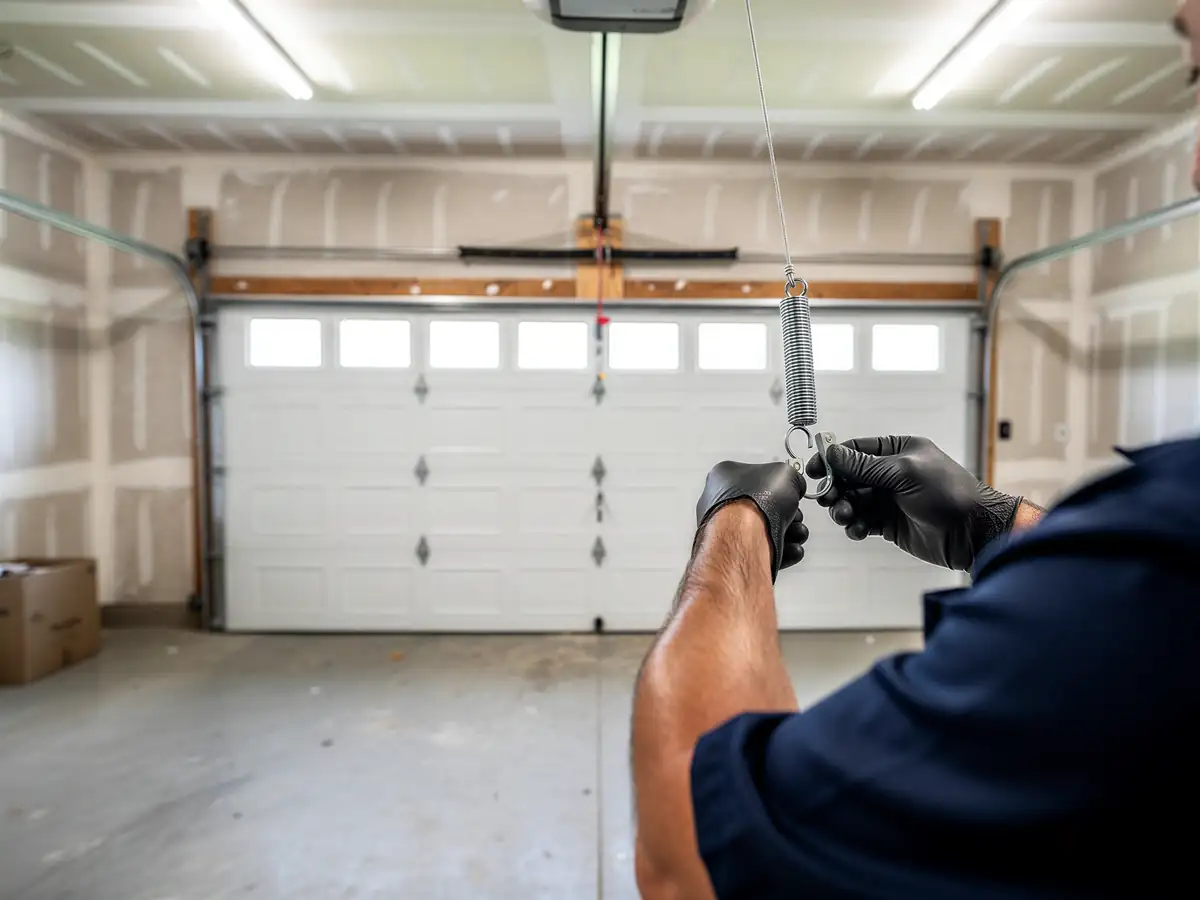
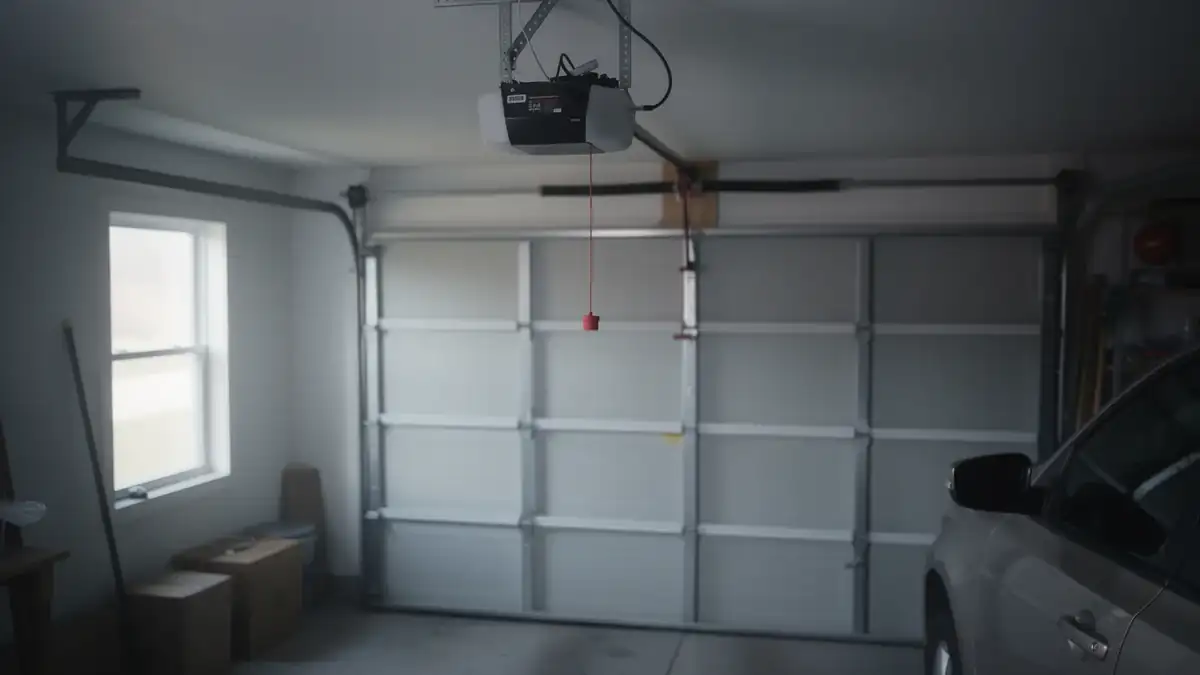
Check the wall control first. If it's dead but the breaker is fine, the problem is usually in the opener head unit itself, not the wiring. Next, pull the manual release cord and see if the door moves freely by hand. If it's heavy or binds on the track, that's a spring or roller issue, not an electrical one, and no amount of opener troubleshooting will fix it. Last, look at the logic board for a small LED or blink code - most units from the 80s and 90s don't have one, which tells you the unit predates that diagnostic feature entirely and age is part of your problem.
If your house falls into the 1968-1994 build range common across this area, assume the opener is original or a first replacement, and plan your checks accordingly.
The Problem
The real issue isn't that openers fail - it's that Longview's housing stock, mostly 1980s and 90s construction across the service area, paired first-generation chain-drive openers with household electrical systems that weren't built with surge protection in mind. A power cut doesn't just stop the door. It can scramble the opener's travel limits, so when power returns, the door tries to close past where the floor actually is, straining the motor and sometimes the header bracket above it.
On older units, there's no battery backup to ride through the outage gracefully. The door just stops wherever it was, which is a problem if it stopped half-open and you're leaving for work. Replacing the opener outright is sometimes the right call, especially on units original to a 1981-era build - at some point the logic board and the gear sprocket inside are both worn enough that fixing one exposes the next failure. That's not an upsell; it's just where 40-plus-year-old hardware ends up.
What Most People Get Wrong
The most common mistake is assuming a dead opener means a dead motor
Most of the time, especially on homes from the 1968-1994 wave common here, the motor outlasts the capacitor or the logic board. People replace the whole unit when a cheaper board swap would've done it - or they replace the board when the real issue was a worn drive gear slipping under load.
The second mistake is ignoring the door itself while chasing the opener
If the door is heavy to lift by hand, the opener is working harder than it should on every cycle, power cut or not, and that wear adds up fast on an aging unit. People also assume a power cut "reset" will fix travel limit errors on its own. It won't - on pre-2000s openers, you generally have to manually reset the limits after any outage that interrupts a cycle mid-travel, and skipping that step is how people end up with a door that slams the floor or stops short.
What the Weather Here Does to It
Longview sits in a moderate-heat climate band, which doesn't sound dramatic, but it matters for opener electronics mounted in an unconditioned garage. Heat cycling - hot afternoons followed by cooler nights - is hard on capacitors and circuit boards over the years, especially units original to 1980s and 90s construction that were never rated for today's longer, hotter stretches.
Power cuts tend to cluster around the same stretches that stress the grid locally, and that's exactly when an aging opener's logic board is already running warm and more likely to lose its memory of the door's travel limits. It's not one dramatic event that kills these units - it's years of that cycle. If your opener is original to a house built anywhere in that 1968-1994 range, the heat has already done a lot of the aging for you, and a power cut is often just the thing that finally exposes it.