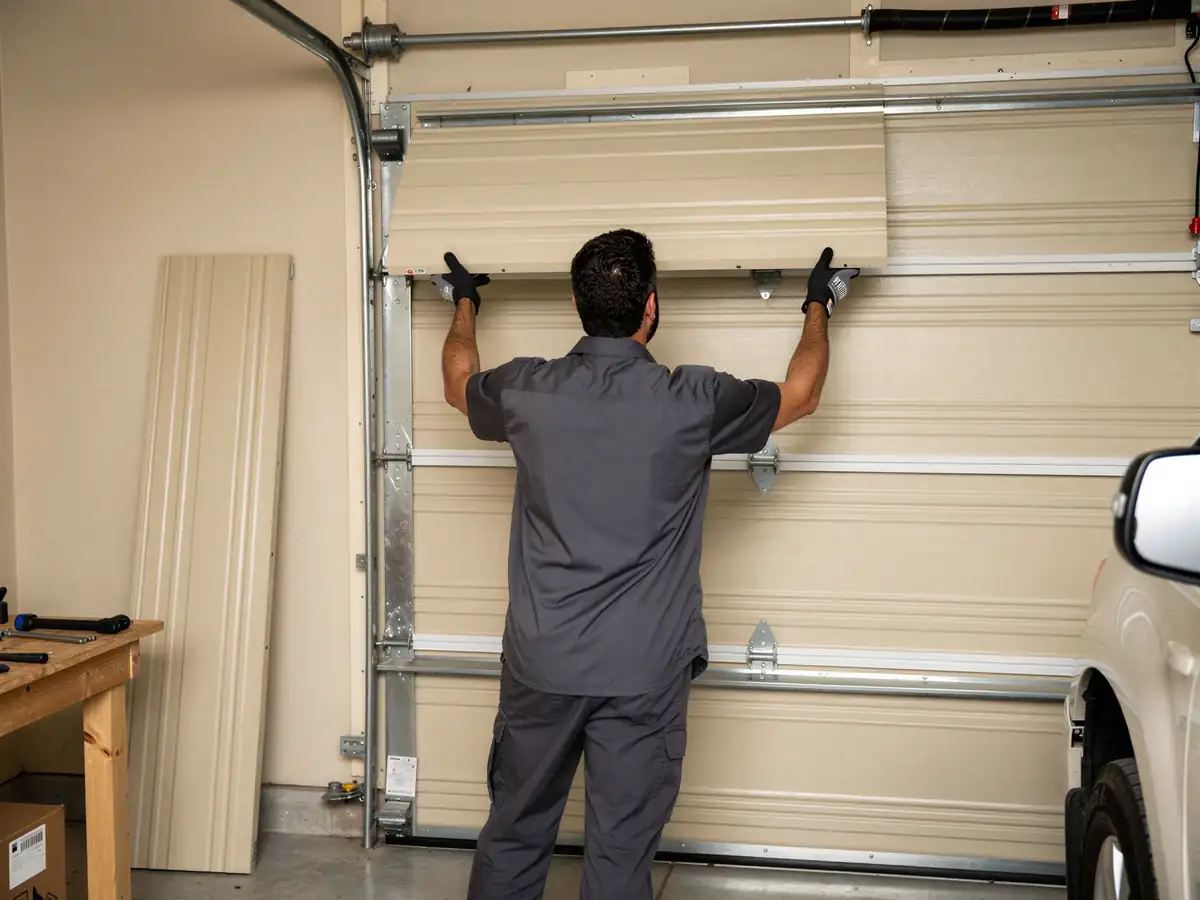
Stocked Parts
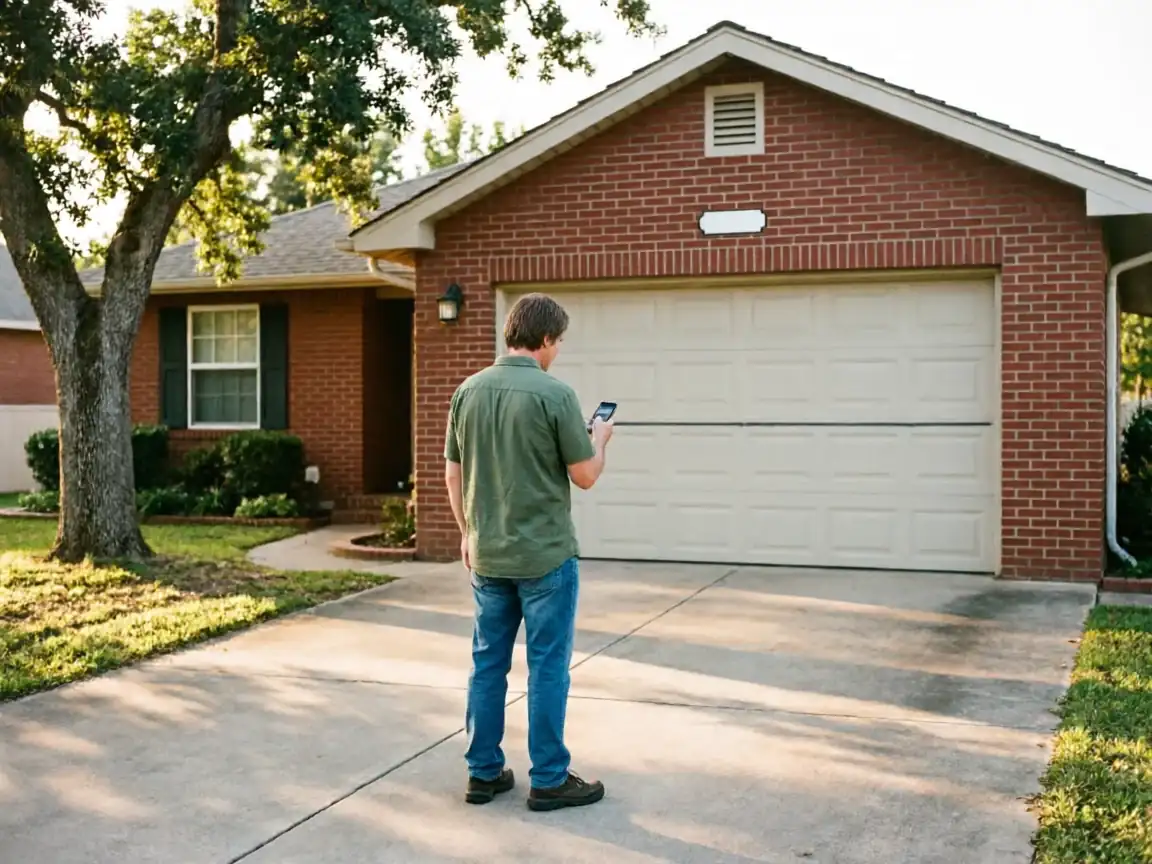
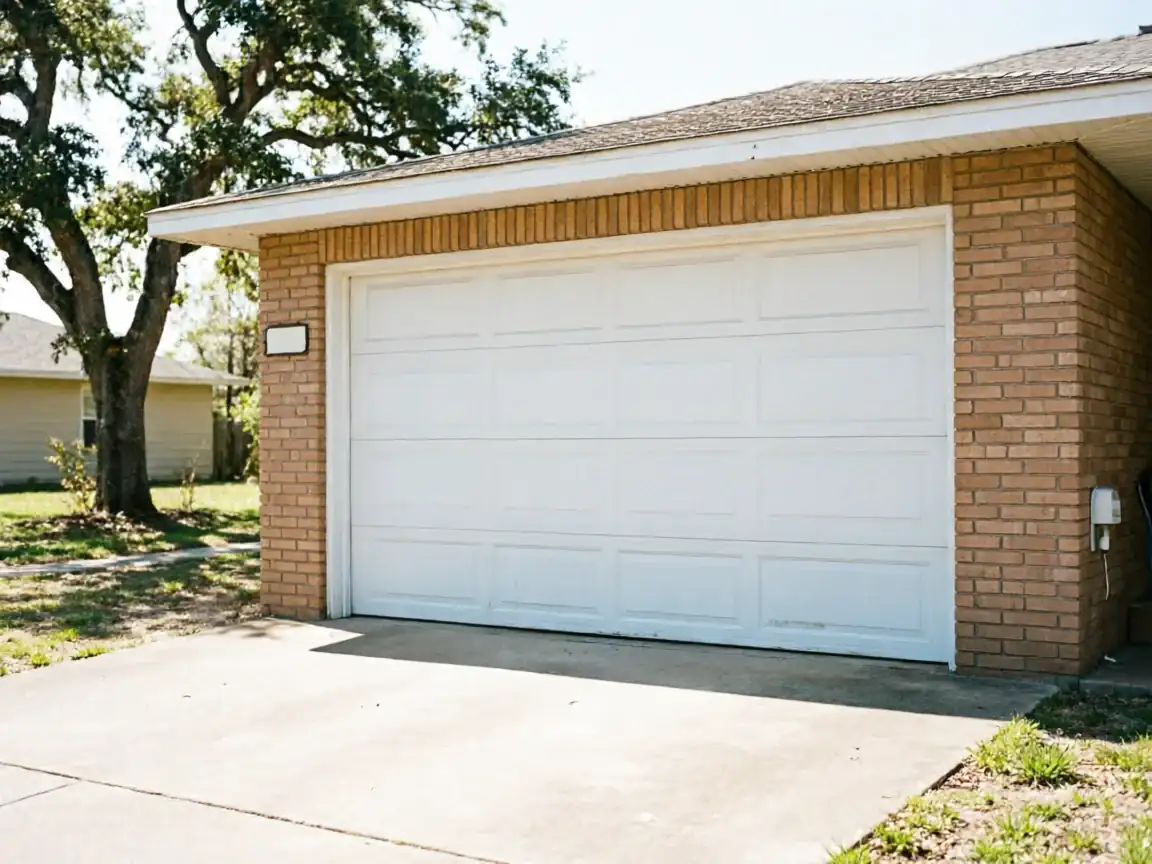
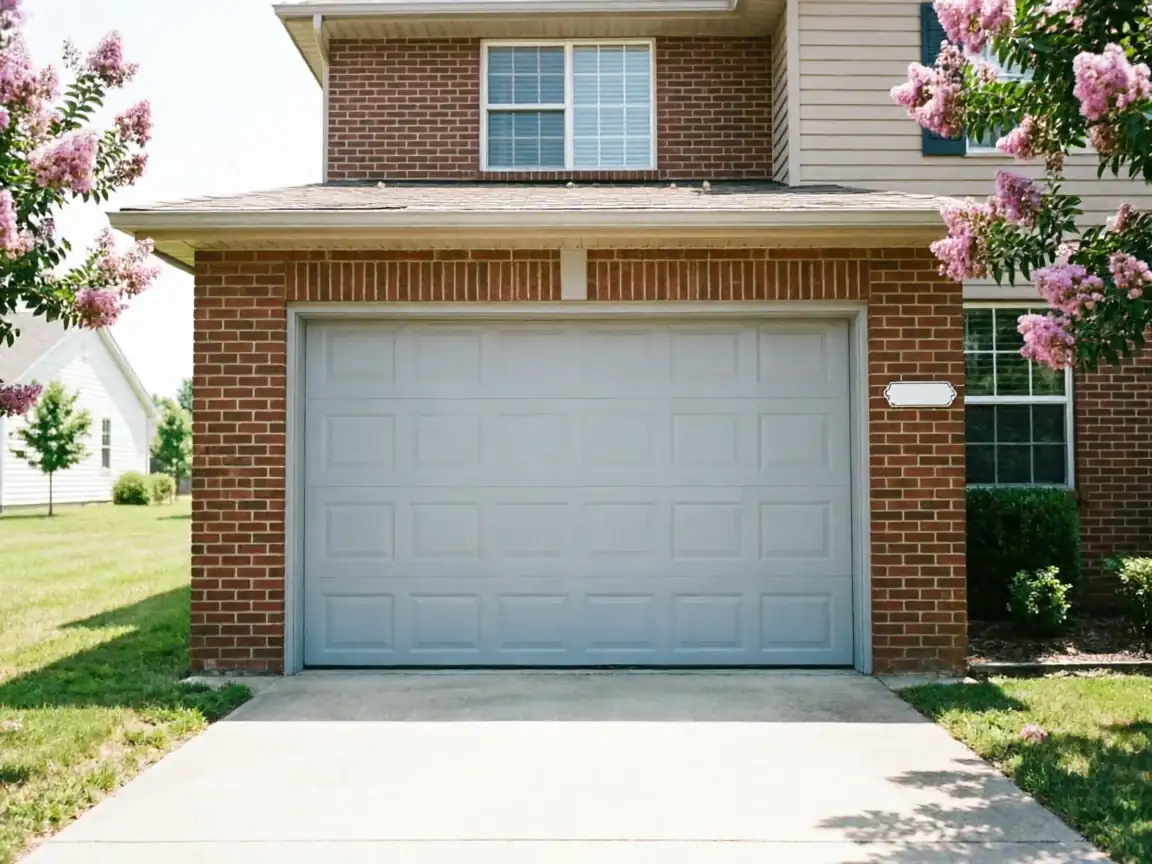
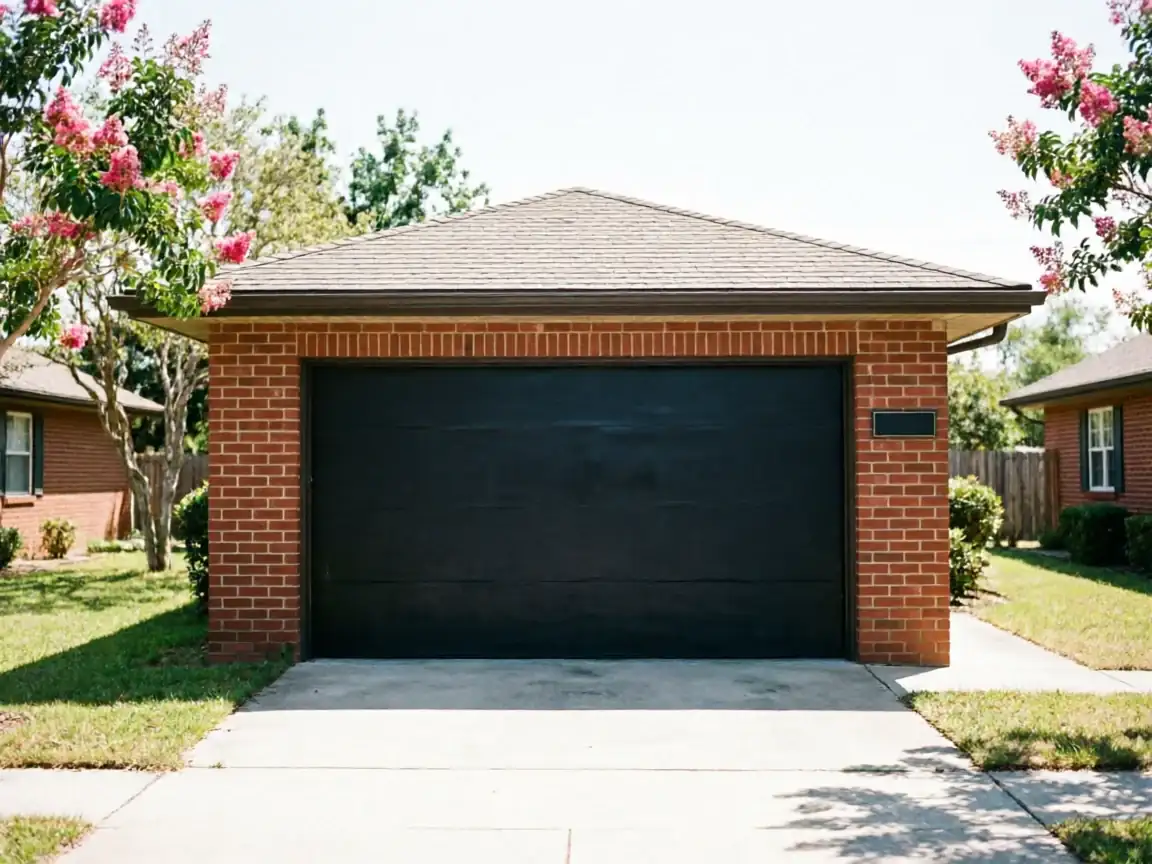
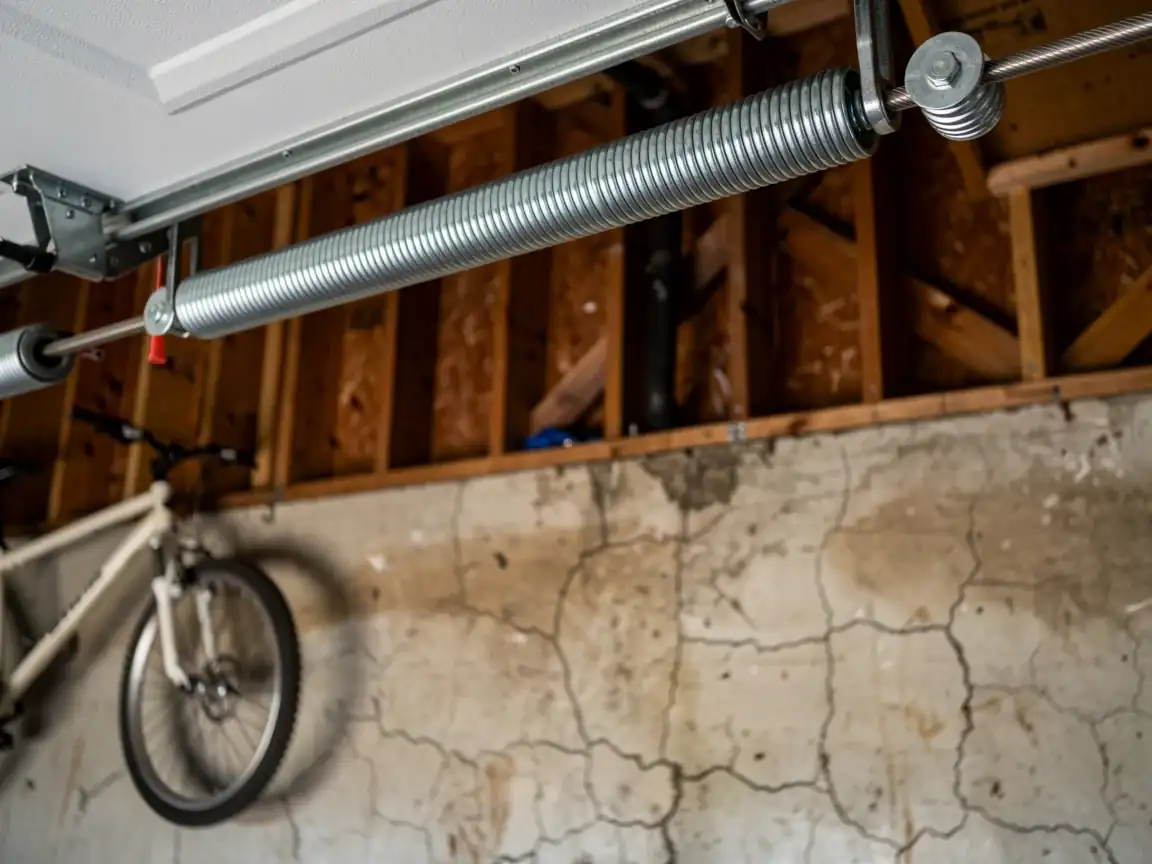
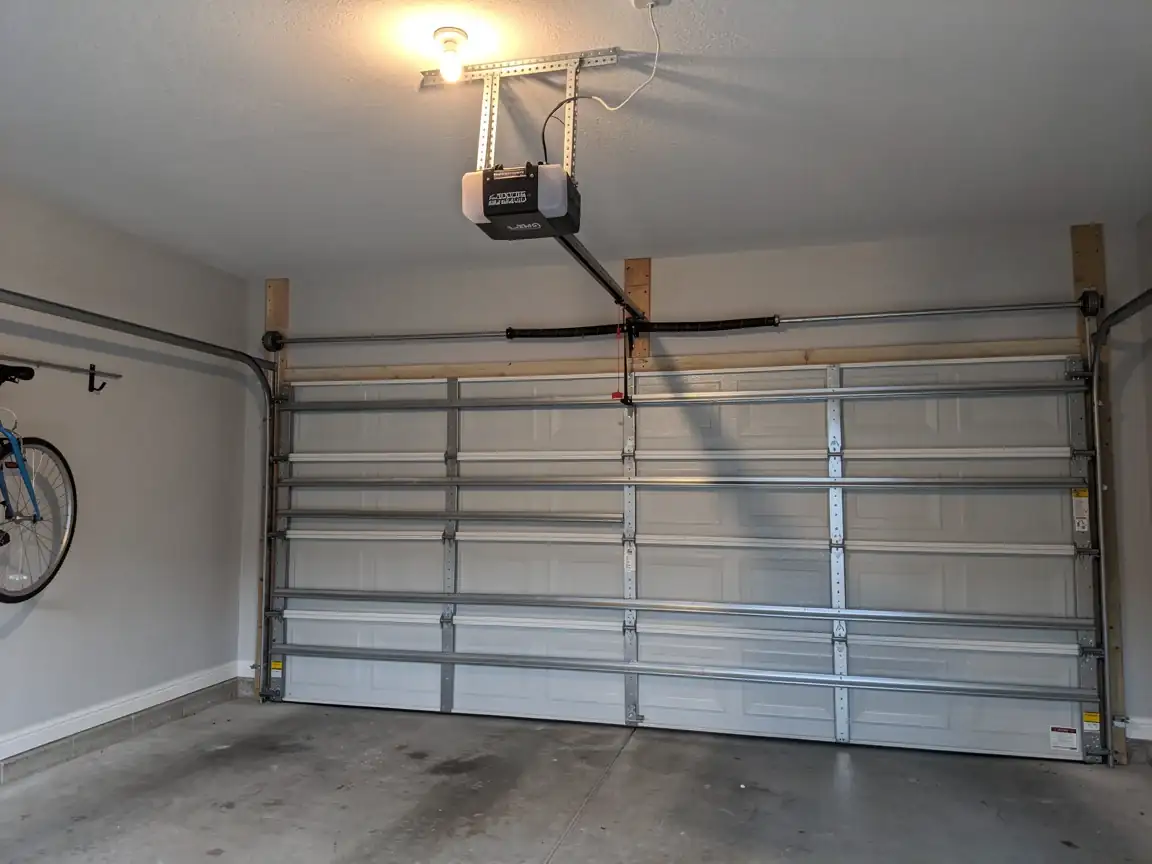
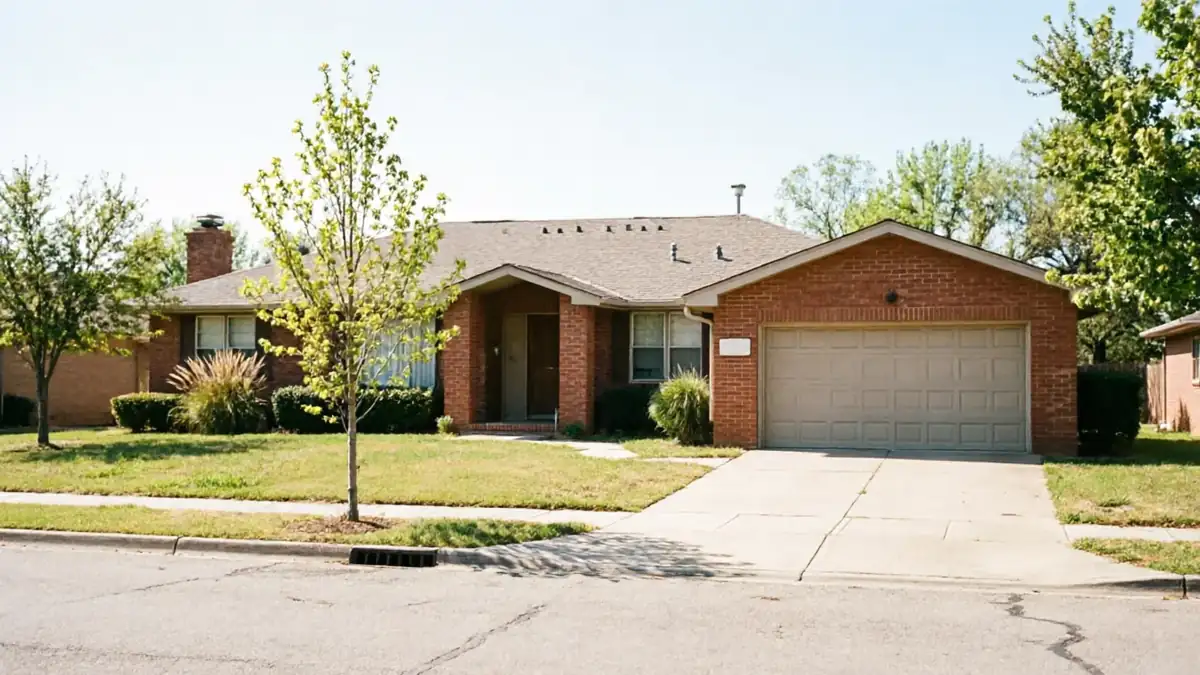
Most of the panel replacement calls we run in this area come down to a handful of sizes, because most of the housing stock across the 11 communities we cover - from White Oak to Ore City - went up in the same narrow window, the 1980s and 90s. Across the service area as a whole, homes were built between 1968 and 1994, with the median sitting around 1981. That matters for parts: doors from that run tend to use consistent panel widths, raised-panel or flush steel designs, and torsion hardware that hasn't changed much since.
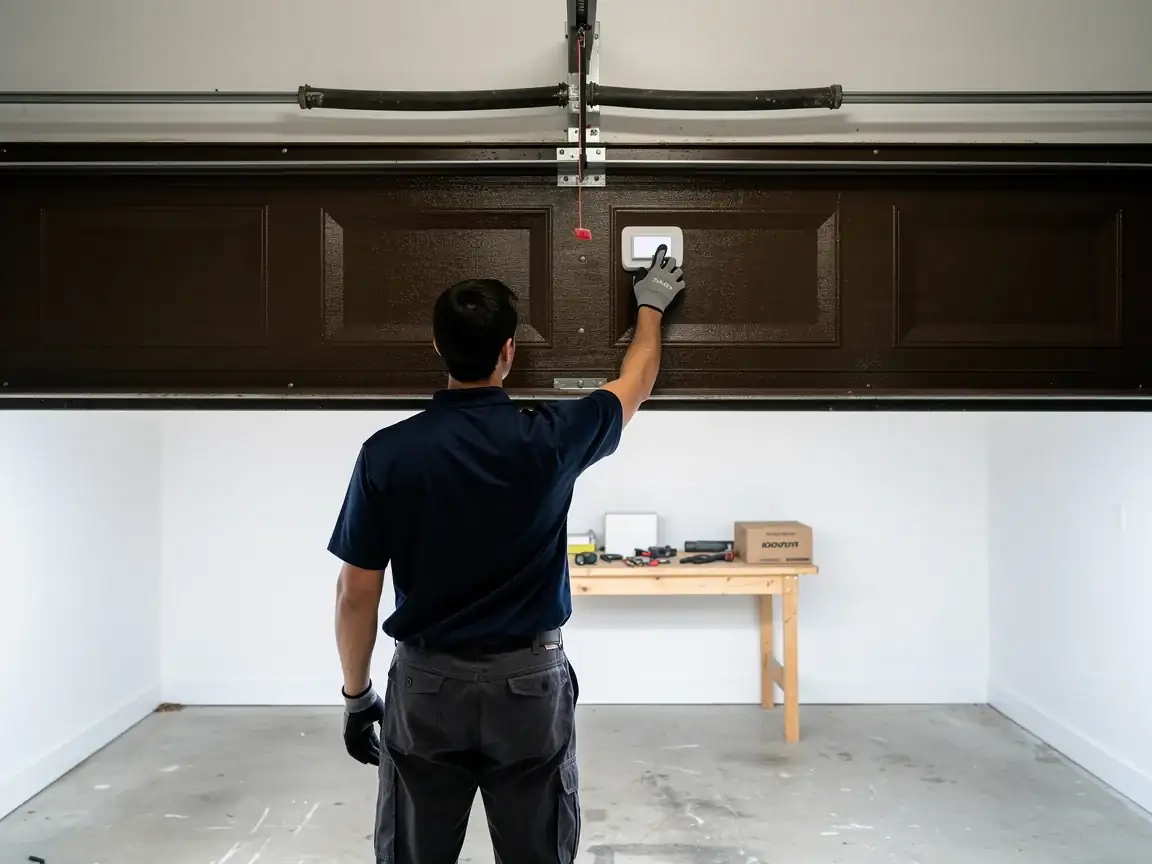
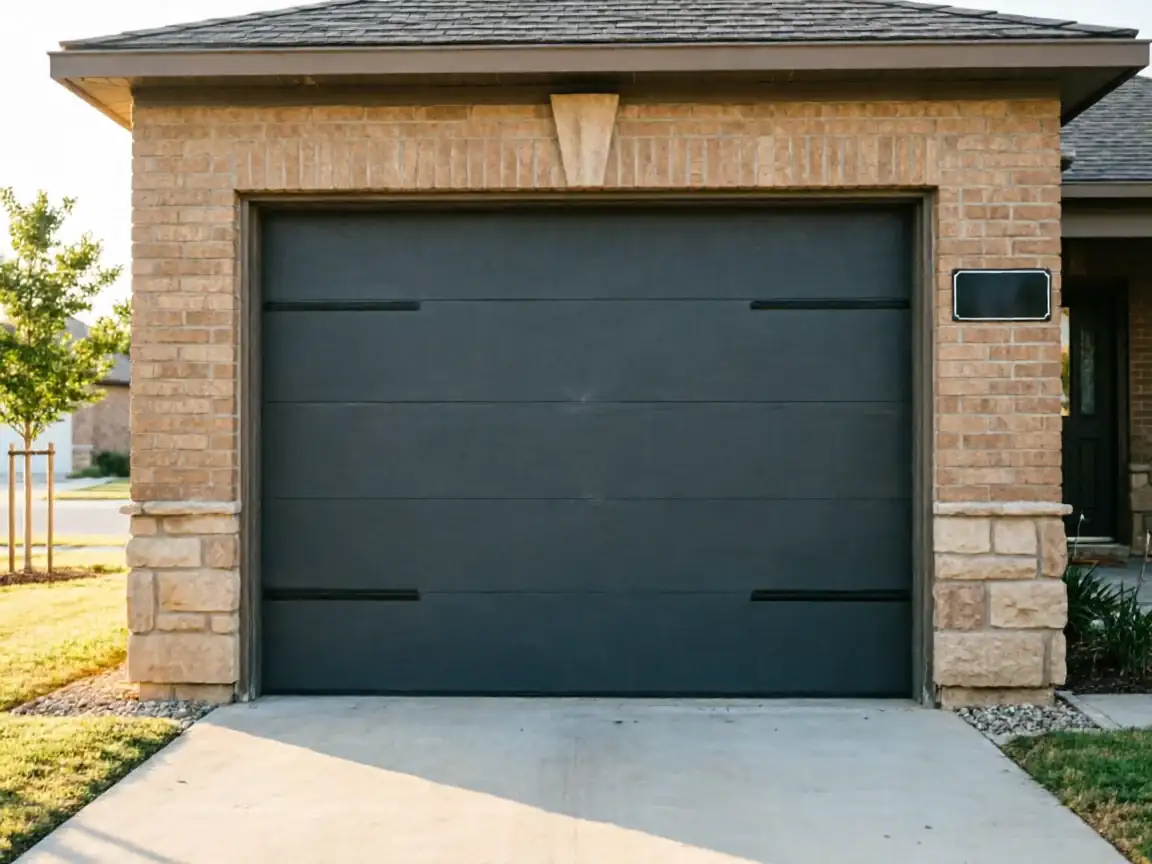
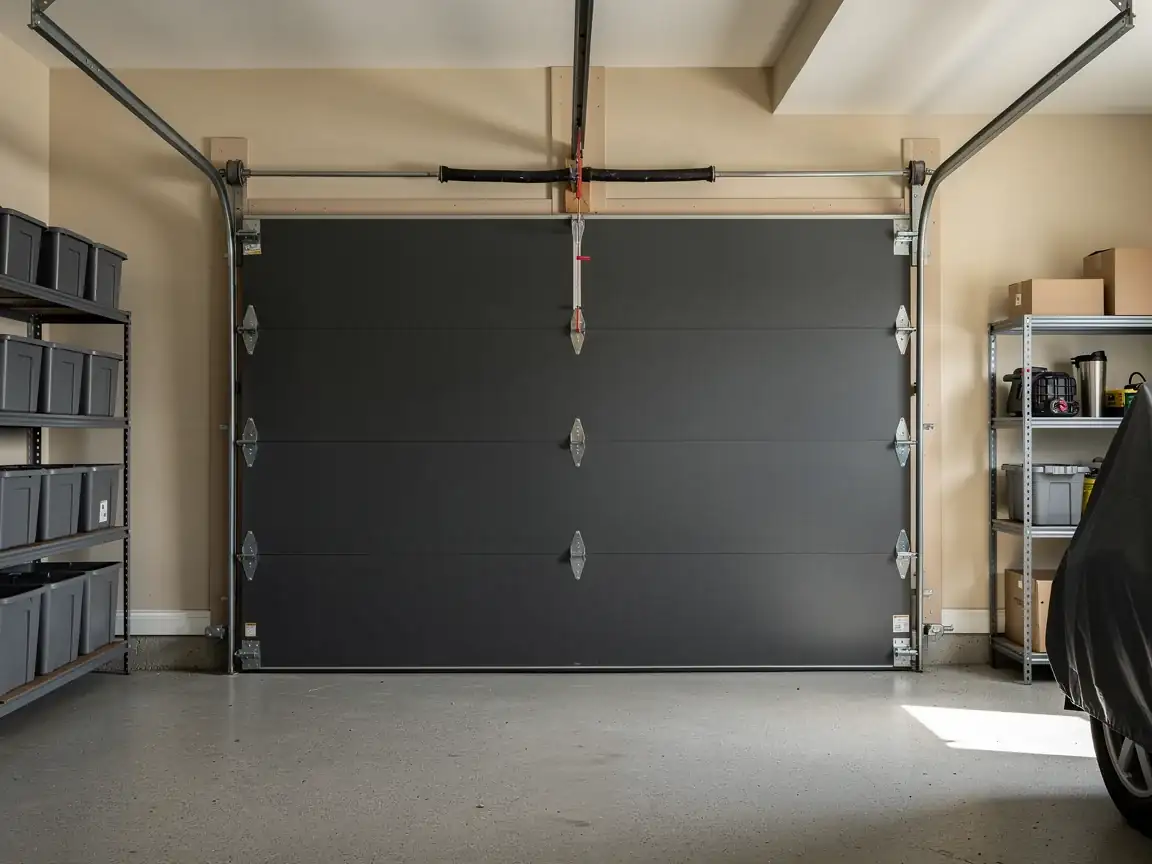
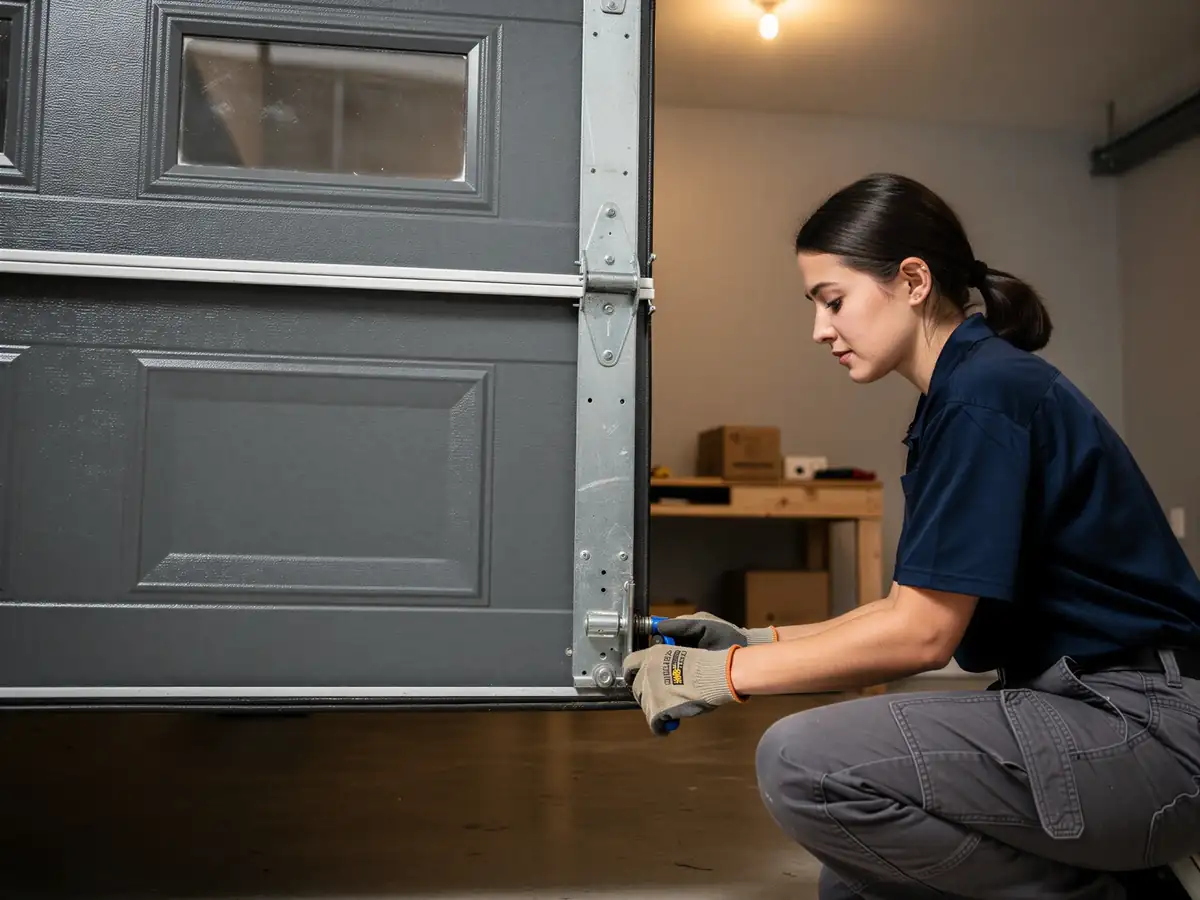
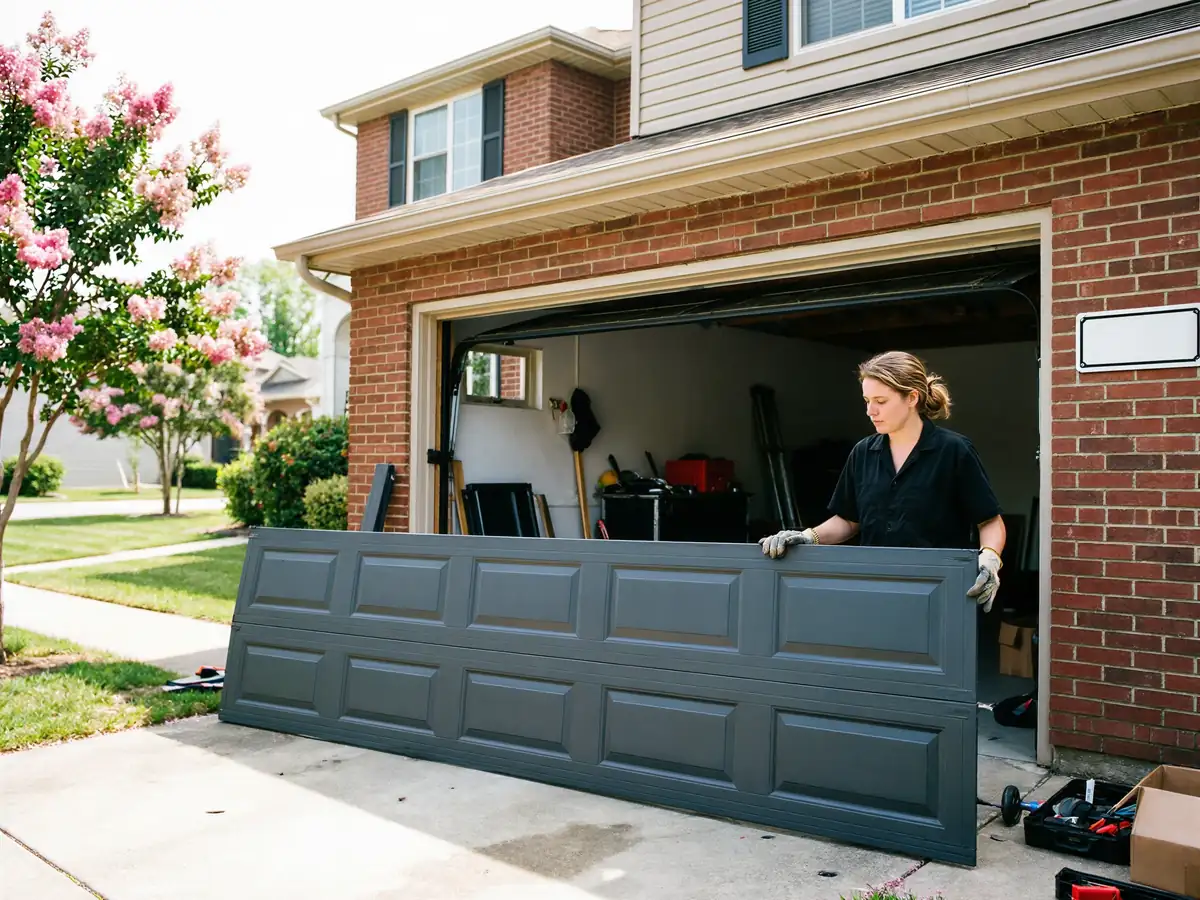
We keep stock sized to match what's actually on the street here, not a generic national catalog. That means for a lot of single-panel jobs - a cracked bottom section from a bumper tap, a caved-in middle panel - we can match width and rib pattern without special-ordering a full new door's worth of sections.
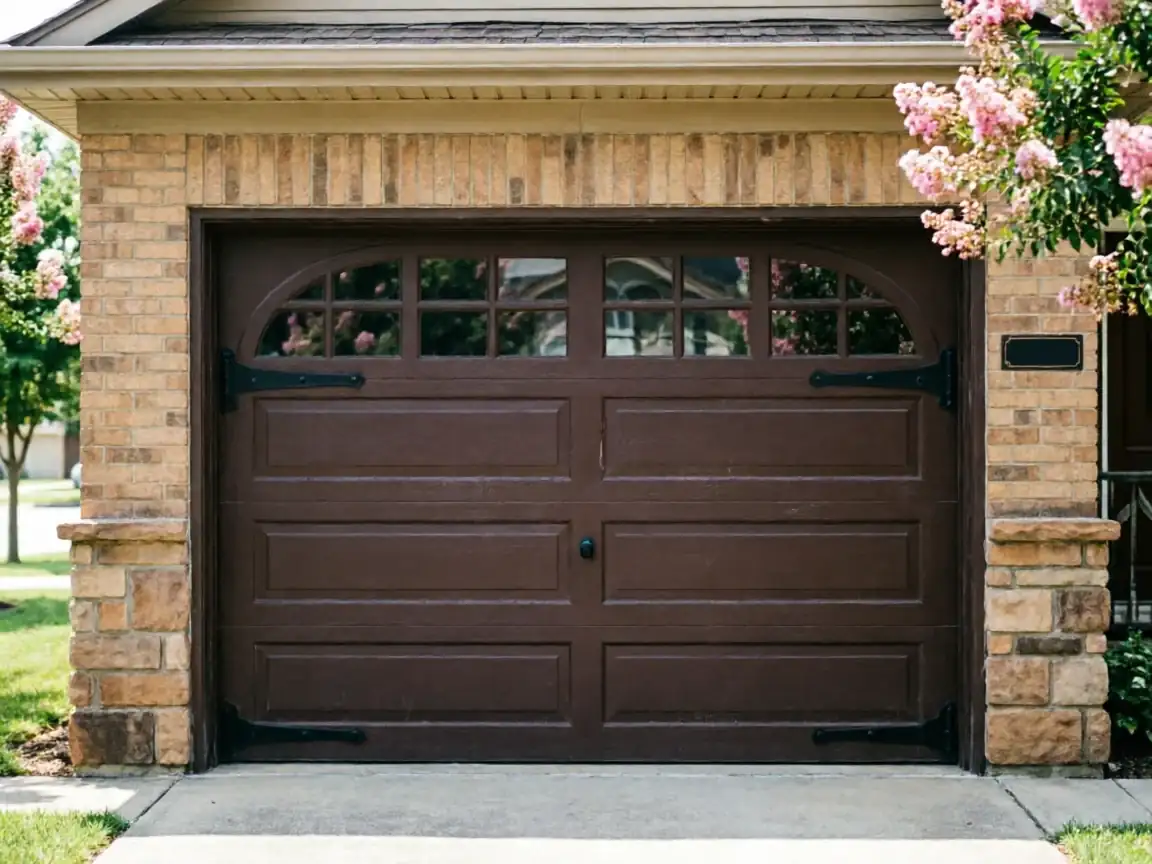
Where we run into trouble is color and texture matching on doors that have faded or chalked over thirty-plus years of sun. A replacement panel will be the right size and style, but it may not be the exact shade until the whole door weathers evenly again. We'll tell you straight if a stock panel is going to look slightly off for a season or two, rather than promise a perfect match we can't deliver.
Why This Fails Locally
Panels fail here for two reasons tied directly to what's actually built in this area and the climate it sits in. First, age: a door installed when a house went up in 1981 is now well past the point where steel skins stay rigid. Thin single-layer steel, common in that construction era, dents easily and doesn't spring back - a shopping cart tap or a kid's bike that would leave a scuff on a newer insulated panel leaves a permanent dish on an older one.
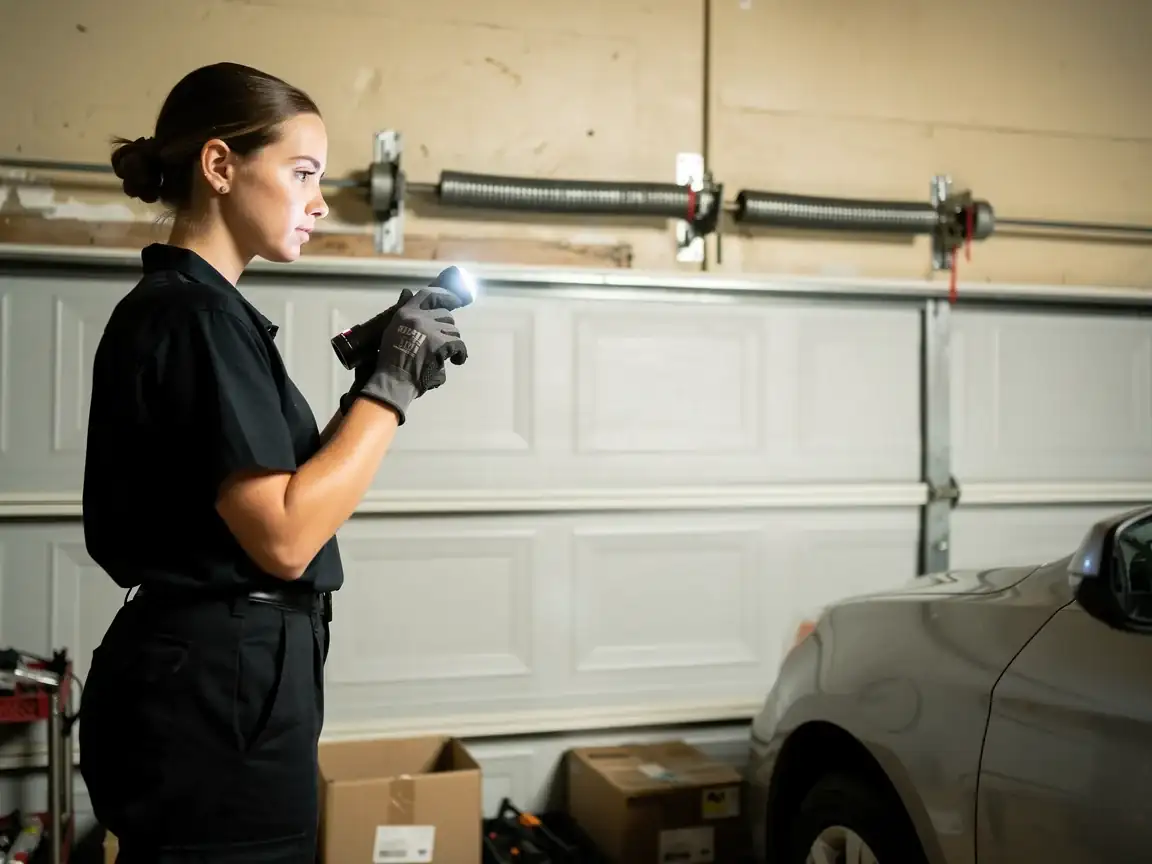
Second, heat. This area sits in a moderate-heat climate band, and garage doors facing full sun take real punishment over a Texas summer. Steel expands and contracts daily, and on older non-insulated panels that cycle eventually opens the seams where sections lock together, lets panels bow outward, and dries out the foam or cardboard backing some builders used decades ago. You'll see it most on the bottom one or two panels first, since they take moisture and impact along with the heat.
We don't see this pattern on newer insulated steel doors nearly as often - it's specific to the age and type of door still sitting on a lot of these garages. A panel replacement fixes the damaged section, but if the rest of the door is showing the same sun-fatigue, it's worth having the whole door looked at rather than patching one panel at a time.
What It Costs
We're not going to put a number here that doesn't hold up
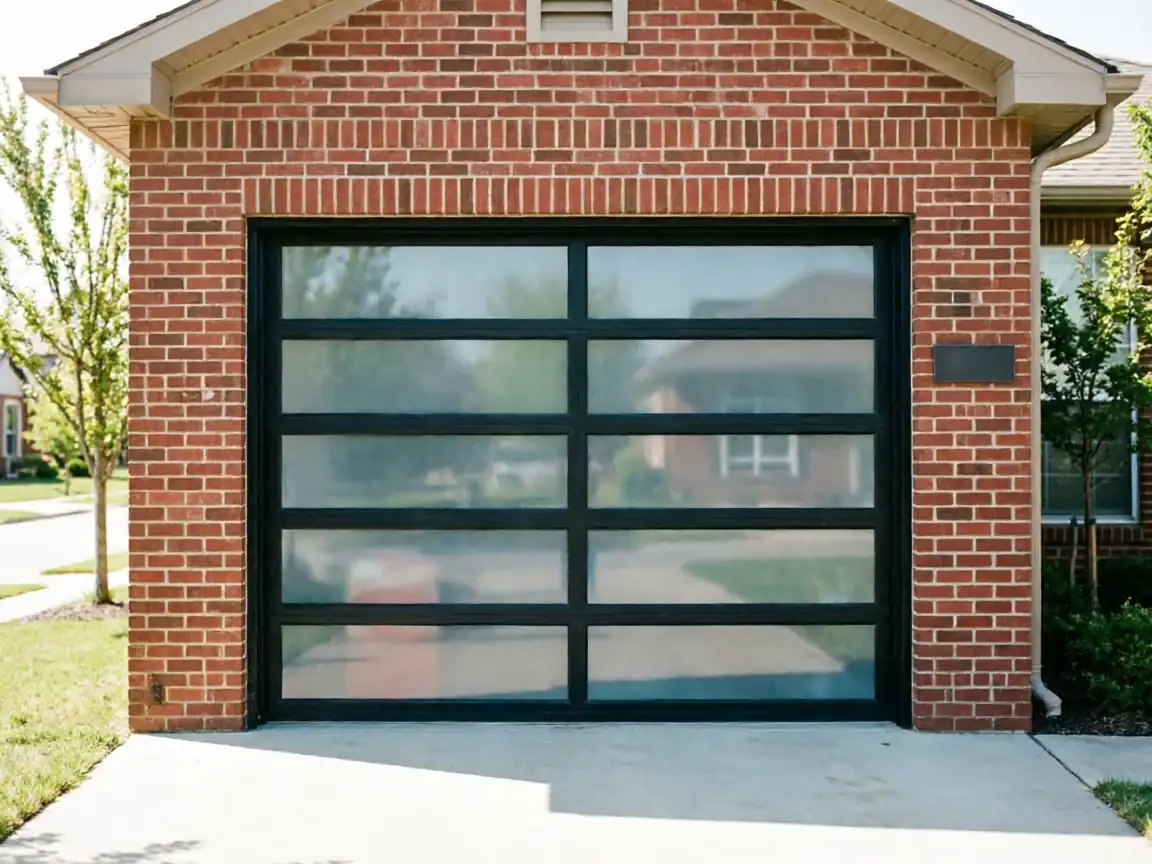
Because panel cost depends on things that vary job to job: how many sections are damaged, whether the door is a standard raised-panel steel design or something less common, and whether the color and texture need to be matched to a door that's faded unevenly. A single bottom panel is a different job than three panels on a double-wide door.
What we can tell you is how we price the decision, not just the part
If one or two panels are dented or cracked and the rest of the door, track, and opener are sound, panel replacement is almost always the cheaper and faster route - it's a parts-and-labor job, not a full teardown. If three or more panels on the same door are damaged, or if the door is old enough that matching panels means a special order with a real lead time, we'll walk you through why full door replacement might actually cost less in the long run than patching a door section by section.
Given the median household income across this service area sits around $66,250
Most of the calls we get are homeowners trying to avoid an unnecessary full replacement - and for a localized dent or crack, that's usually the right instinct. We'll give you a firm number once we've seen the door, not before.
What You Are Seeing
A few signs point specifically to a panel problem rather than a spring, opener, or track issue. A visible dent or cave-in on one section, usually the bottom panel, is the clearest one - that's impact damage, and it stays local to that section rather than affecting how the door runs. A crack along a seam or a panel that's started to bow outward in the middle of the day, flattening out again at night, is heat-cycle fatigue rather than impact, and it tends to show up first on doors facing direct afternoon sun.
If the door still opens and closes smoothly, runs quiet, and the damage is cosmetic or limited to one or two sections, panel replacement is the right call. If the door binds, drags, or the track looks pulled away from the jamb near the damaged panel, the problem may have moved past the panel itself and into the frame or rollers - that's worth a look before you order a replacement section that won't fix the real issue.
Across the roughly 8,823 owner-occupied houses in this service area, a lot of them are still running the original door that came with the house. If yours is one of them, a panel replacement is often a short job rather than a reason to replace the whole system.