Serving Longview, TX & nearby
(903) 205-8234
Longview, TX

What a 1980s Longview-Area Garage Door Is Actually Dealing With

A guide to the garage door issues common on Longview-area homes built 1968 to 1994, and what the moderate-heat climate here does to original hardware.

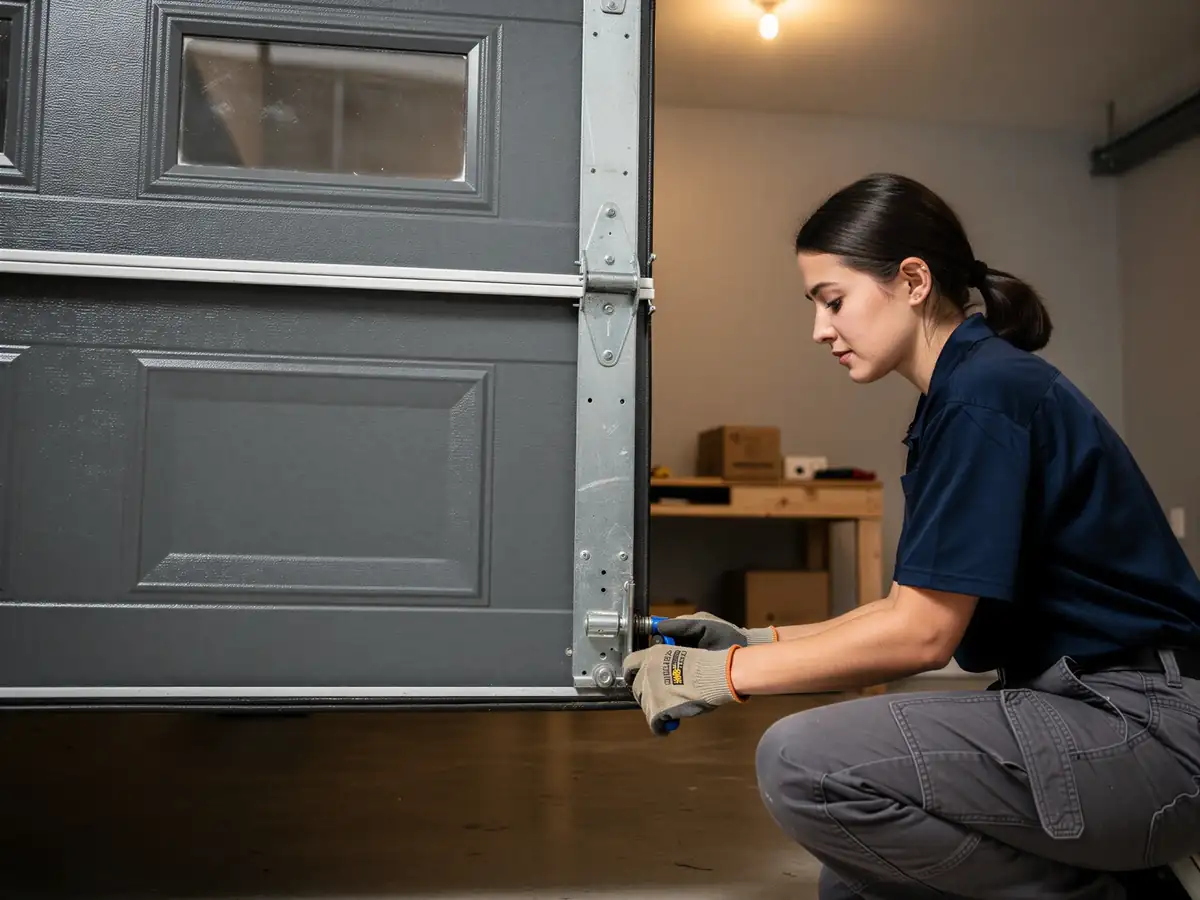
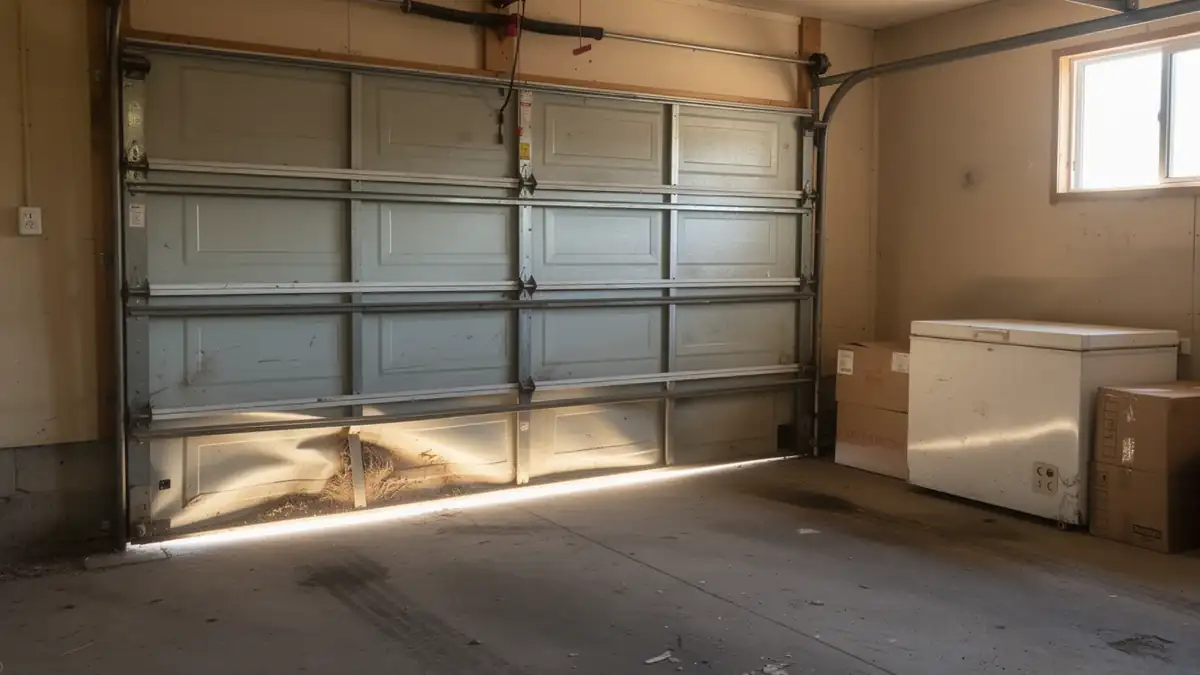
The gray garage door is partially open, with sunlight shining into the garage.

What to Check

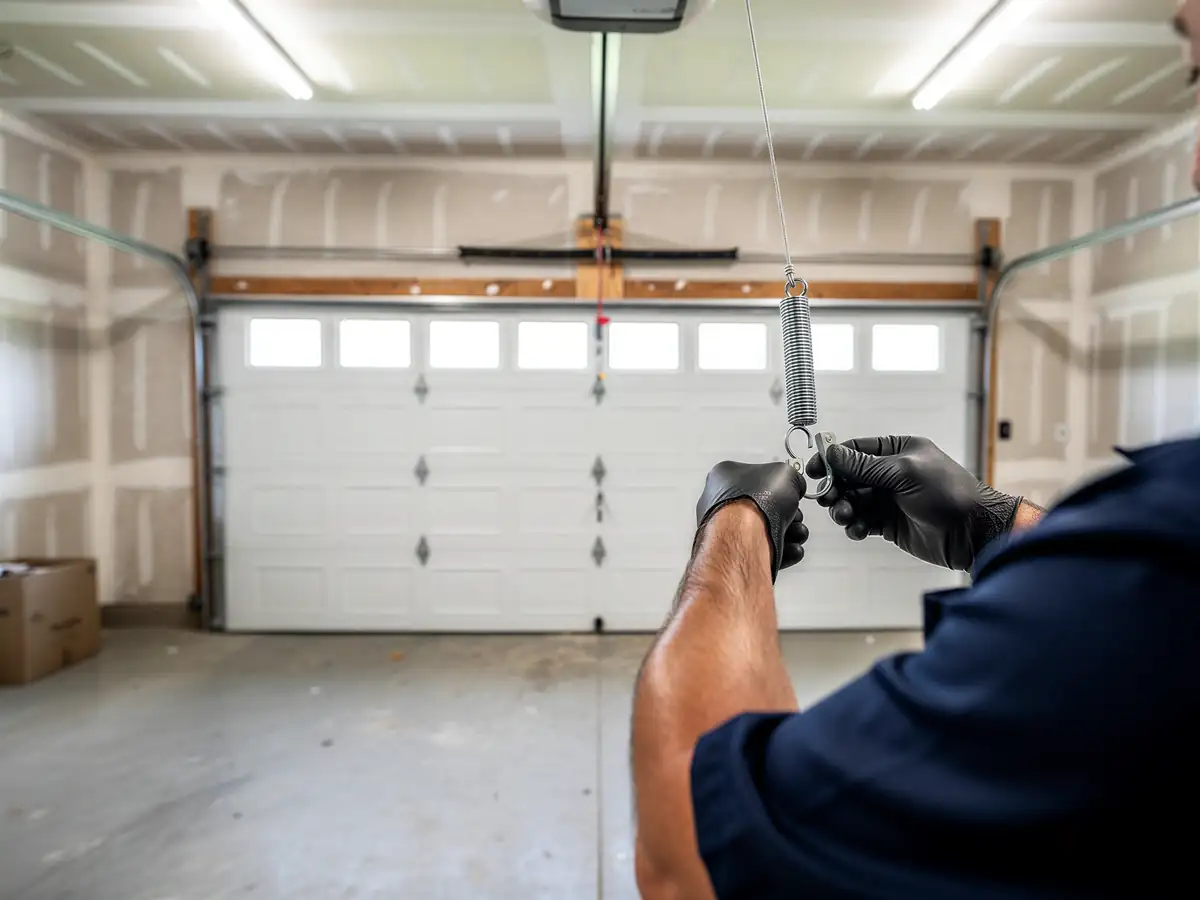
Most houses across this service area, including White Oak, East Mountain, and Clarksville City, went up between 1968 and 1994, with the median sitting around 1981. If your house falls in that range, start with the spring. A torsion spring is rated for a number of open-close cycles, and a door installed when the house was built has likely burned through that rating once or twice over, even if it's been "fine" up to now. Next, look at the rollers - nylon or steel, worn flat on one side usually means the track has shifted slightly over four decades of settling. Check the bottom panel for rust-through near the weather seal, and run a hand along the track for play at the brackets. None of this is exotic. It's the same checklist you'd run on any door this age, but the age itself is the reason it matters here: across the 11 named areas in this service territory, the dominant housing stock is 1980s and 90s construction, not anything older or newer, so the hardware profile is consistent from one street to the next.

If your opener is original too, the safety reversal sensors may predate the 1993 federal requirement - worth a look, not a guess.

The Problem

A door built when these houses went up was specified for a different set of expectations than a door sold today. Builder-grade torsion springs and single-layer steel panels were standard for 1980s-era construction in this part of Texas, and they've mostly stayed in place because nothing dramatic forced a replacement - just slow wear. The spring stretches a little more each year, the cable frays where it wraps the drum, and the track bends a millimeter at a time until one day the door doesn't sit flush. None of that shows up as a single failure. It shows up as the door getting "harder to open" over a couple of years, which homeowners usually chalk up to the opener rather than the hardware underneath it. With 8,823 owner-occupied houses in a service area of 15,278 households, most of these doors are tied to one owner's maintenance habits rather than rental turnover, which means wear patterns tend to run long before anyone calls.

What Most People Get Wrong

The most common mistake is assuming a loud or grinding door means the opener motor is failing. On a house from this era, it's almost always the rollers or the track, not the motor - the motor is usually the newest part on the whole assembly if it's been swapped out even once. The second mistake is waiting for a spring to snap before replacing it. A spring installed in the 1980s or 90s that's never been serviced is past due regardless of how it sounds right now. The third mistake, and the one I'll flag honestly: not every noisy door needs a new door. A lot of these original steel panels are structurally sound even after forty years, and replacing hardware - spring, rollers, track alignment - gets you most of the way there for less money than a full door swap. I won't sell a replacement door on a frame that just needs the moving parts redone.

What the Weather Here Does to It

This area sits in a moderate-heat climate band, which doesn't sound dramatic, but it means garage door hardware spends a good part of the year expanding and contracting through real temperature swings - cold mornings, hot afternoons, repeated daily. On a door this age, that cycle works grease out of the roller bearings faster than people expect, and it dries out any rubber weatherstripping that hasn't been replaced since the house was built. Steel track brackets loosen slightly with repeated thermal expansion, which is part of why alignment drifts over decades rather than failing all at once. None of this is storm damage or anything dramatic - it's just steady wear from heat cycling on hardware that was never going to last the life of the house. Checking lubrication and seal condition once a year does more for a 1980s-era door here than almost anything else you could spend money on.
How it works

From “it’s stuck” to “it’s fixed”

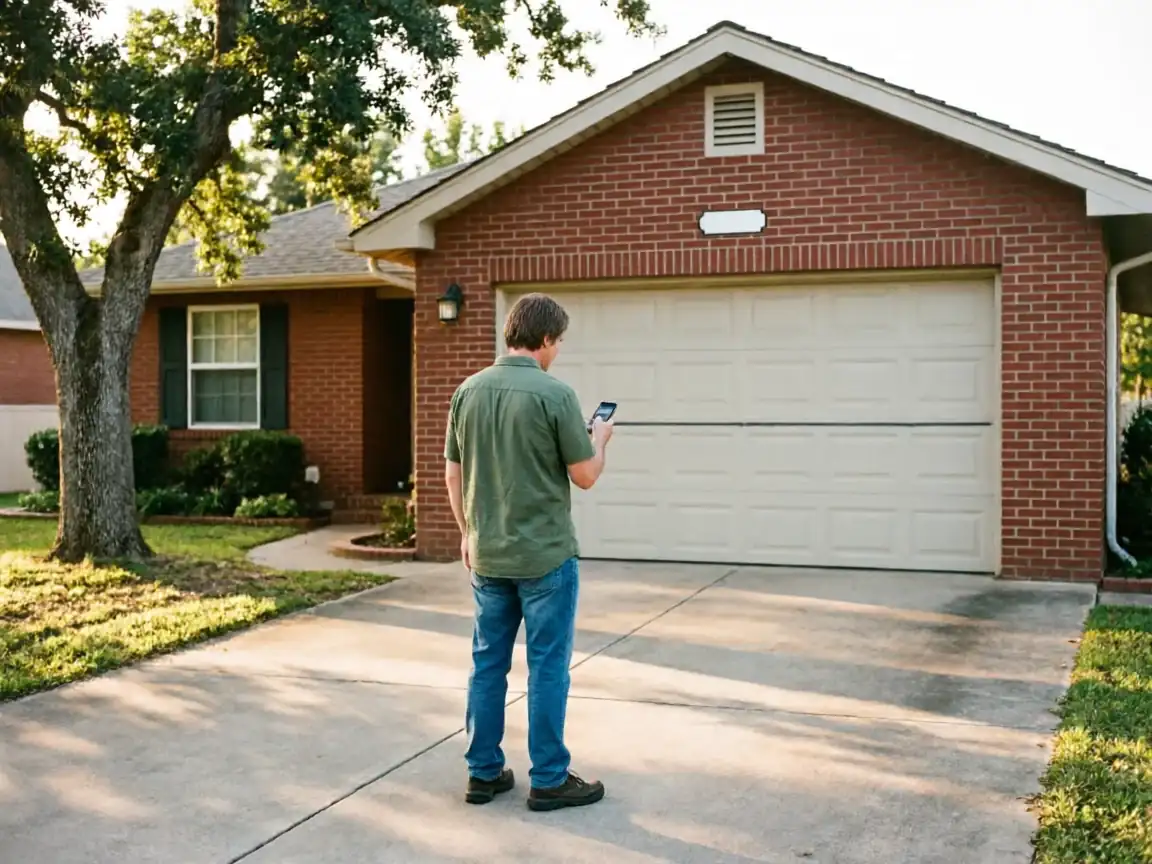
A man stands in a driveway, looking at his phone in front of a garage door.

Tell us what’s wrong

Describe the symptom - won’t open, loud bang, opener runs but the door won’t move.

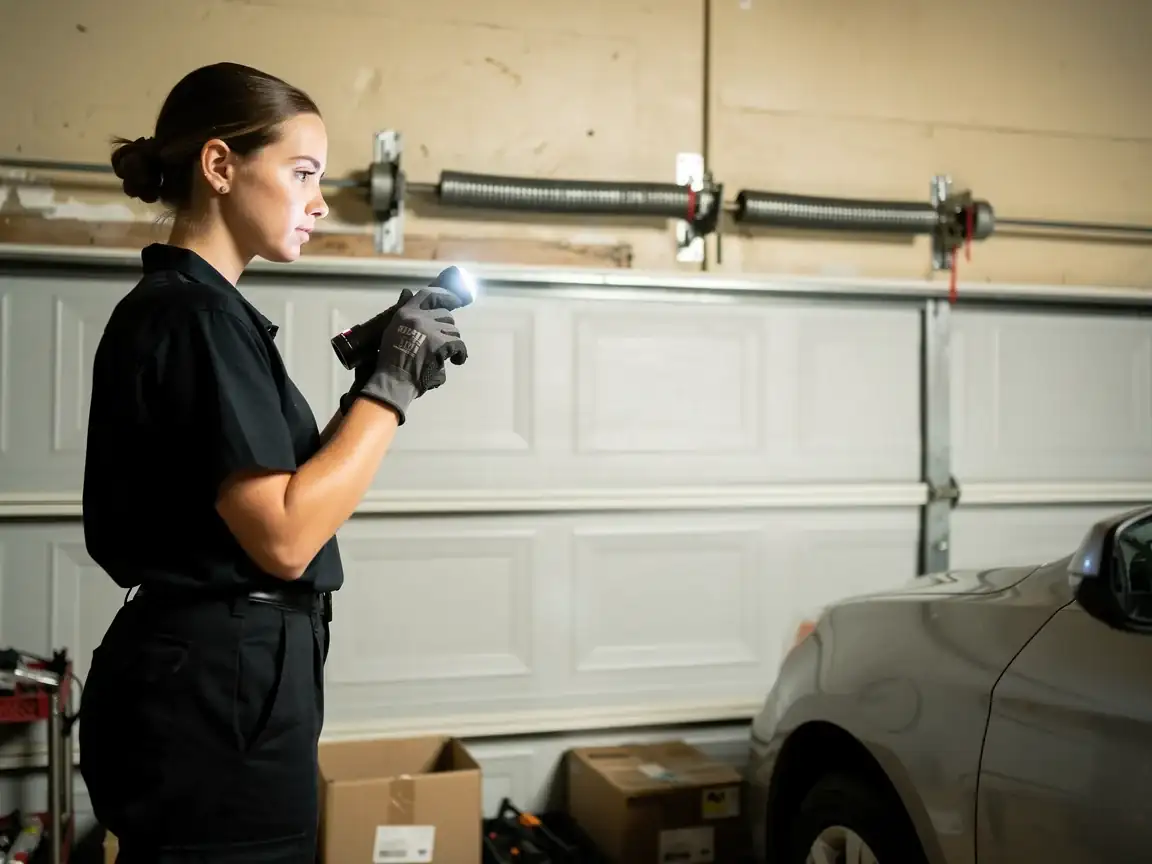
A technician in a black uniform holds a flashlight, inspecting a garage door and torsion spring.

On-site diagnosis

A technician tests the door under power and by hand and finds what actually failed.

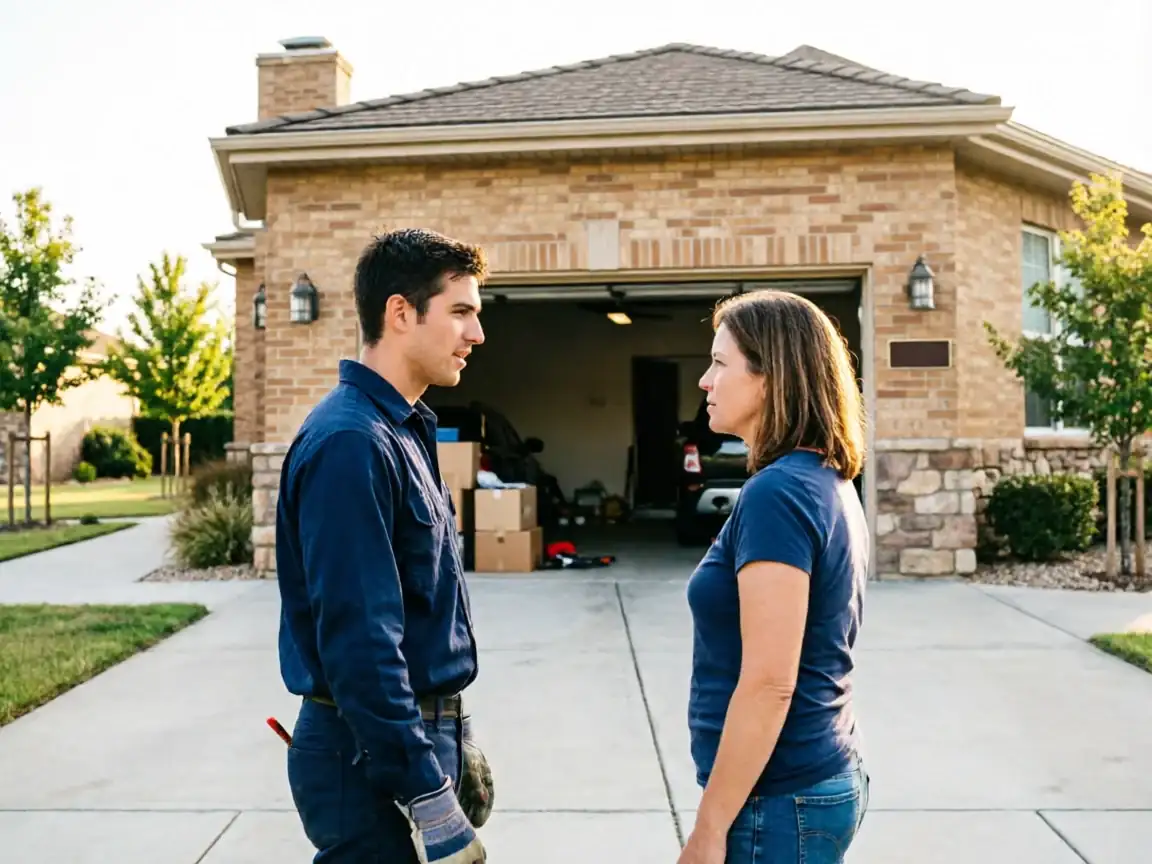
A technician and a woman stand facing each other in a driveway in front of a house.

Clear, up-front plan

You get the fix that’s needed and what drives the cost - before any work starts.

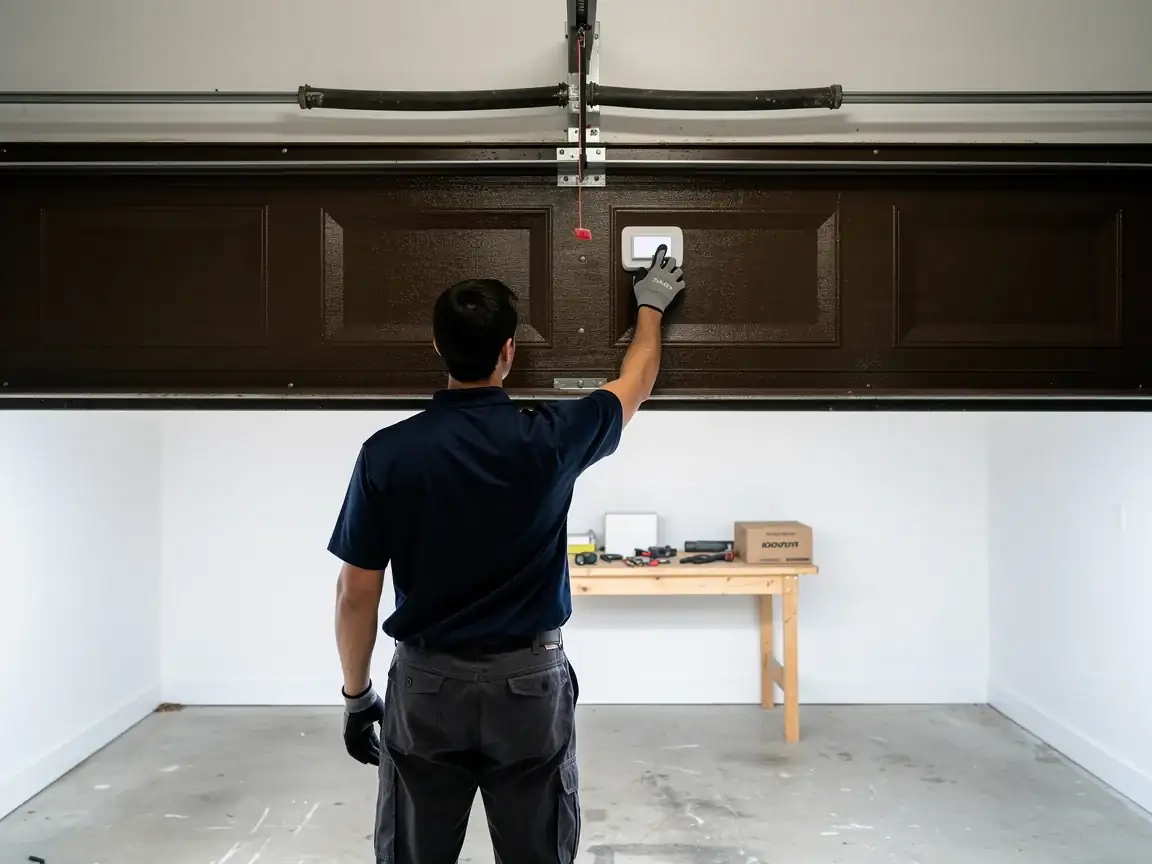
A technician adjusts a control panel on a brown garage door.

Repaired & tested

The repair is done, the door is set true and tested, and the work area left clean.

Not sure which repair your door needs in Longview, TX? Describe what it’s doing - every job starts with a diagnosis.

How we work

What to expect

Diagnosis firstEvery visit starts by finding what actually failed - not a pre-written parts list.
The right part for the doorSprings and openers matched to the door’s weight and age, so the fix holds up.
Straight answersWhen a repair makes more sense than a replacement - or the reverse - you hear it plainly.
Clean, careful workTension released safely, hardware set true, the door tested under power before we leave.
What we do

Garage Door Services

Repair and installation work for Longview homes and businesses.

Questions

Frequently asked

Straight answers about garage door repair in Longview. Still unsure? Ask us directly.

My house was built in the early 1980s - how do I know if the spring is original?

If you've never had it replaced, assume it's original or close to it. A torsion spring from that era has likely exceeded its cycle rating even without visible damage. Listen for a grinding or popping sound when the door moves, and look for gaps in the coil - either is a sign it's near the end, not the start, of its life.

Does the heat here actually affect the door, or just the opener?

Both, but the moving hardware shows it first. Heat cycling dries out rollers and seals and loosens track brackets over time. The opener usually keeps running fine right up until the door it's pulling against has enough friction to strain the motor.

Is it cheaper to fix an old door or replace it?

Depends what's actually worn. If the panel is solid and it's the spring, rollers, or track that's gone, hardware repair almost always costs less than a full replacement. If the panel itself is rusted through or warped, repair stops making sense - that's a case-by-case call, not a blanket answer.

Ready to get your garage door sorted?

Tell us what it’s doing and where you are in Longview - we’ll take it from there.

Request a QuoteCall