Doing It Yourself
White Oak's median household income sits around $95,193, well above the $66,250 median across the wider service area, and that number matters more than it sounds like it should. Homeowners here are more likely to have the budget to replace a door outright, but a lot of the doors going up in White Oak between 1968 and 1994 (median build year 1981) were built with steel and hardware that was heavier-duty than what gets installed today. Replacing one of those doors because a roller is dragging or a hinge is loose is often money spent too early.
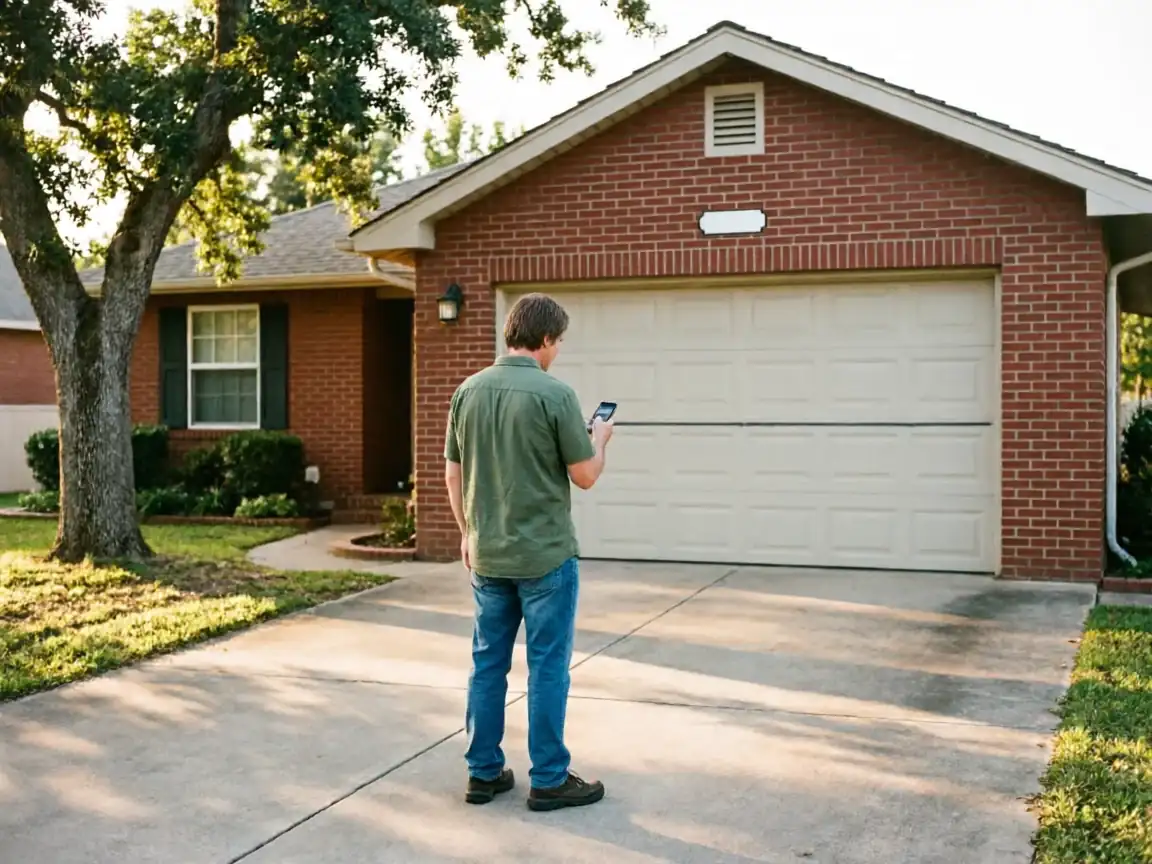
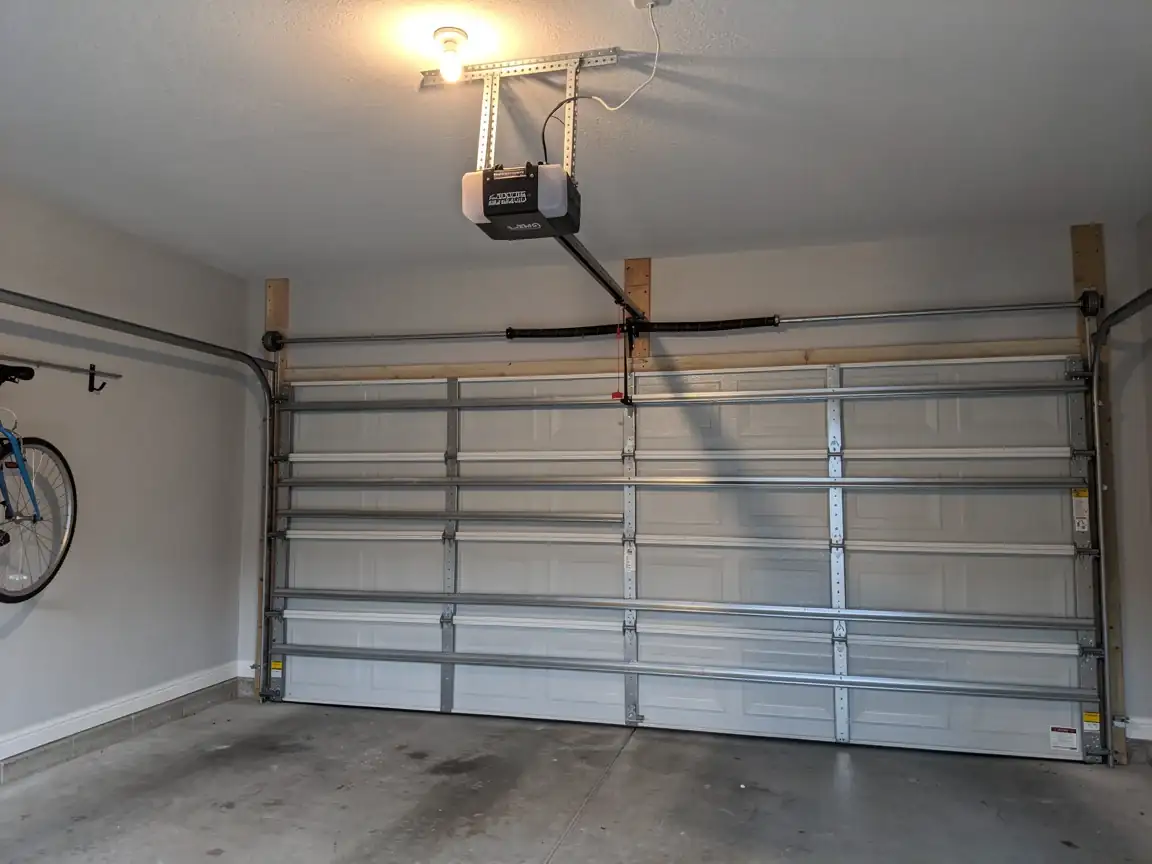
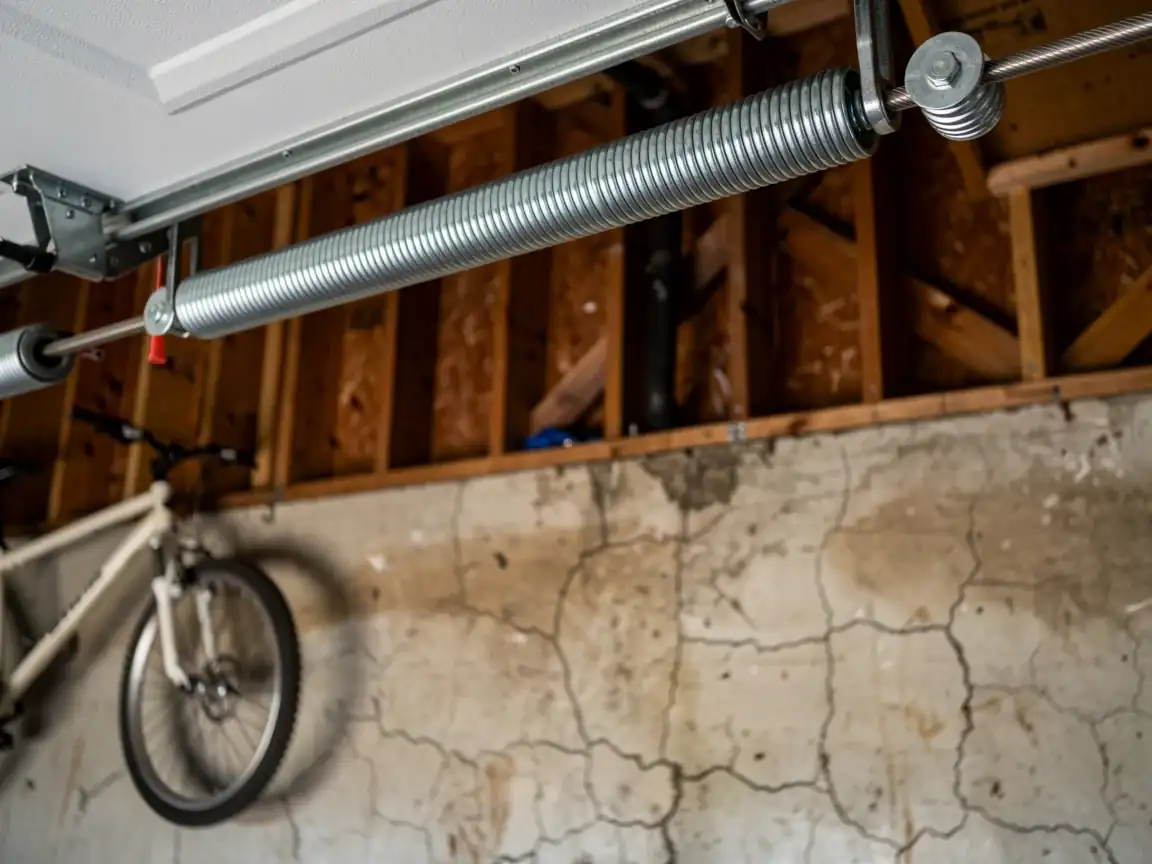
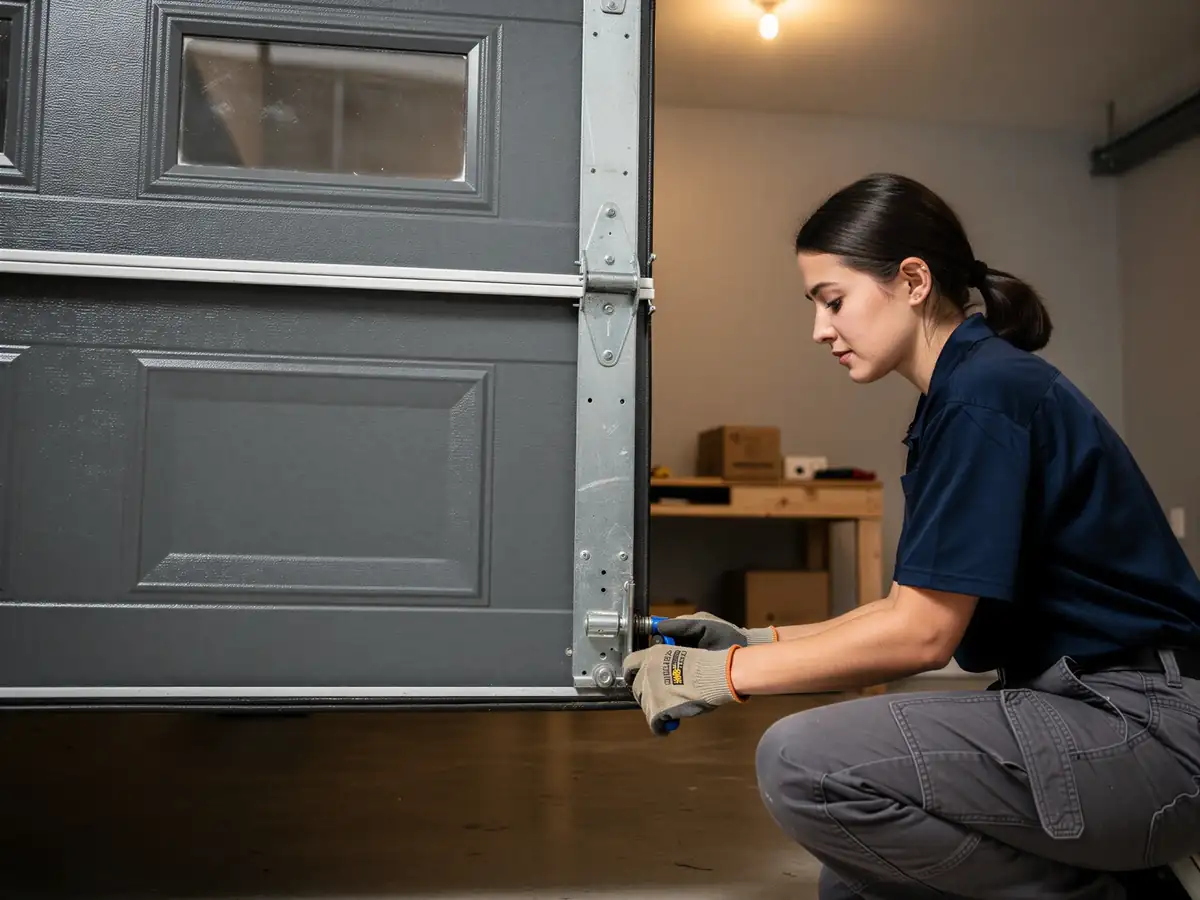
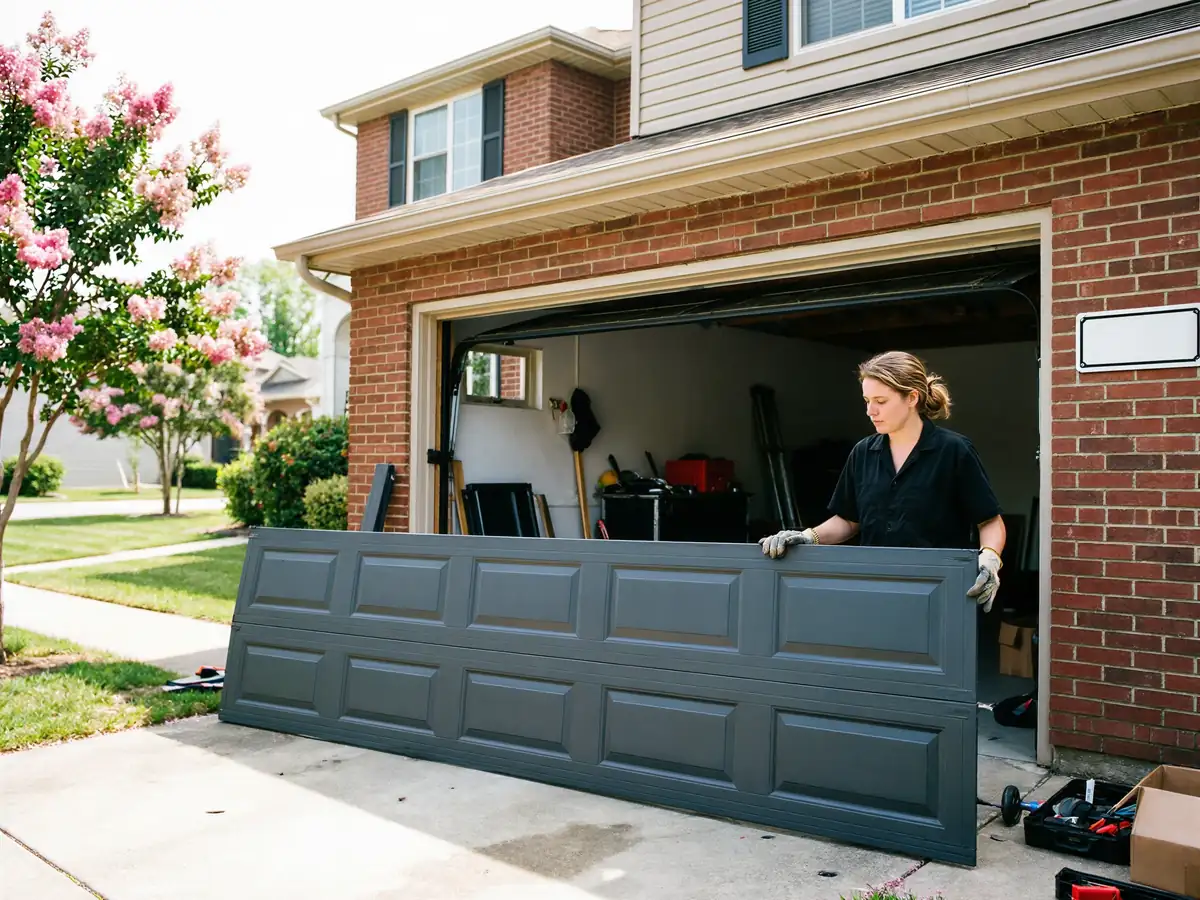
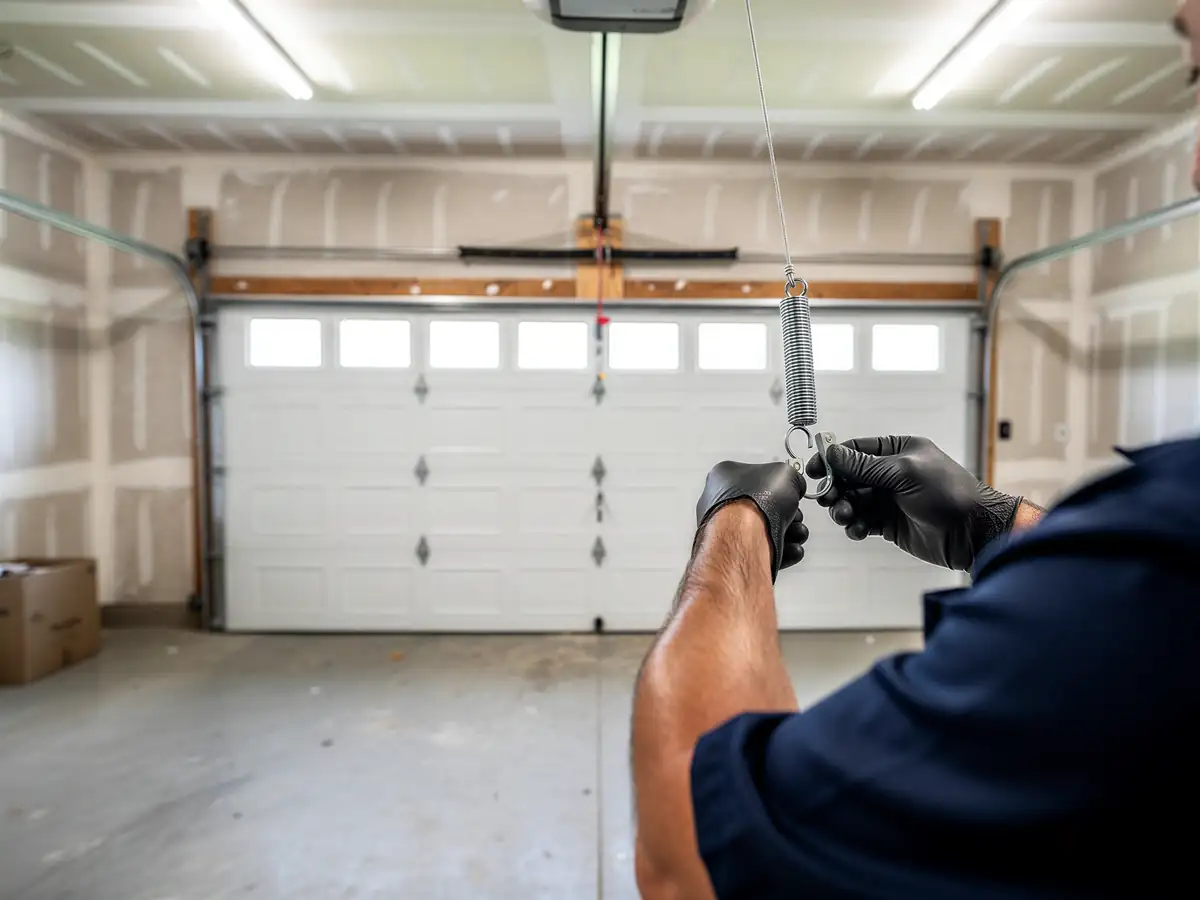
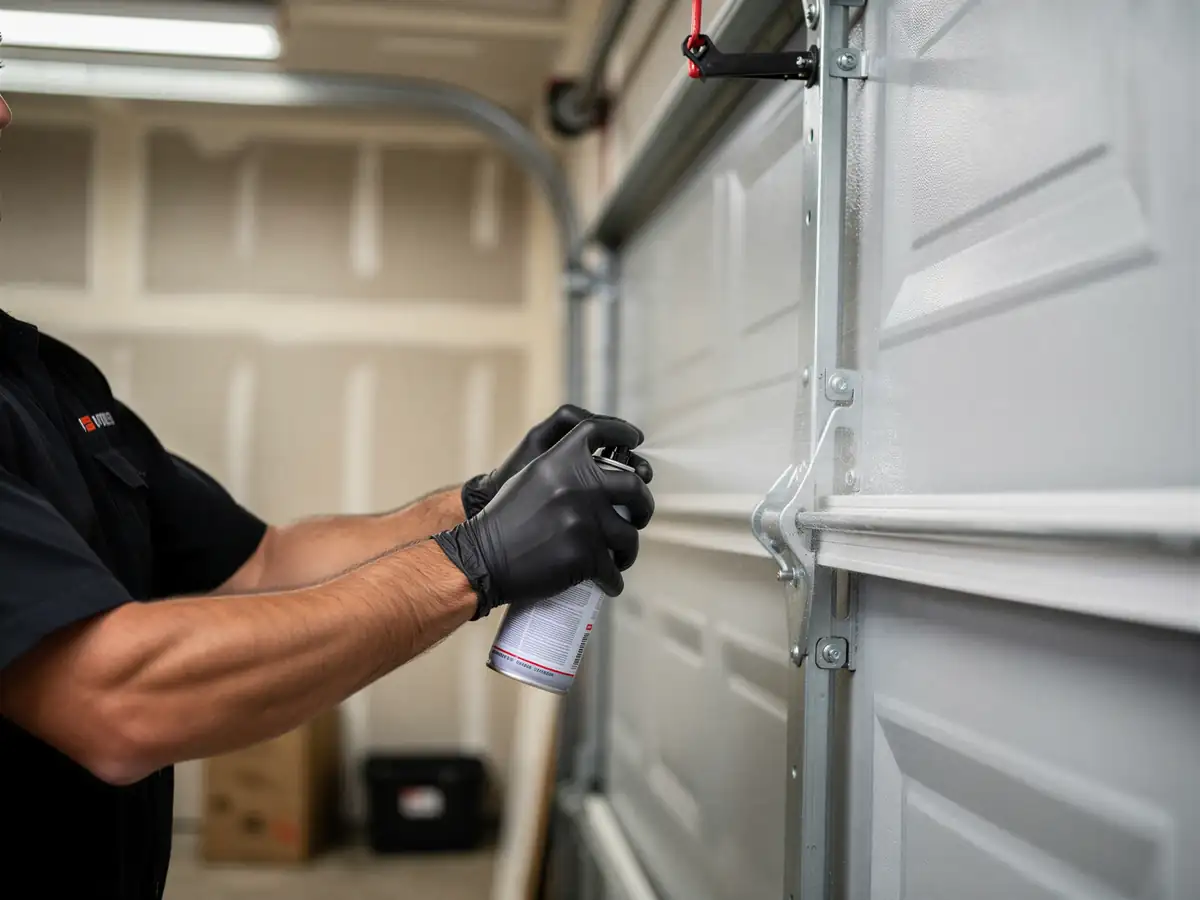
You can do some of this yourself. Wipe down the tracks, check that the bottom seal isn't cracked, and look at the springs for gaps between coils, which usually means rust working its way in. Lubricate rollers and hinges with a garage-door-specific lubricant, not WD-40, which washes grease out rather than adding to it. What you shouldn't touch is anything under spring tension. A torsion spring from a door this age wasn't built to today's safety standards, and the cable drums on original 1980s hardware don't always match what's sold today, which is exactly why a second set of eyes matters before anything gets adjusted.
How Long It Takes
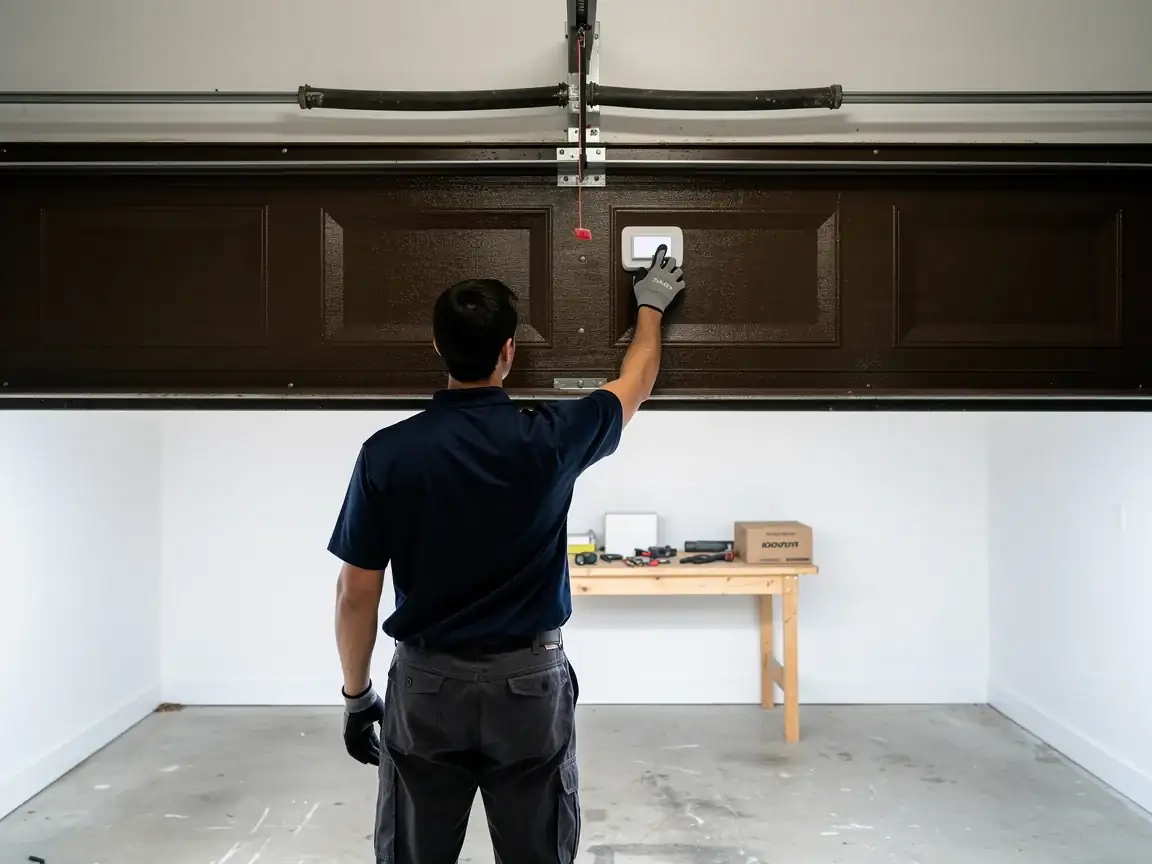
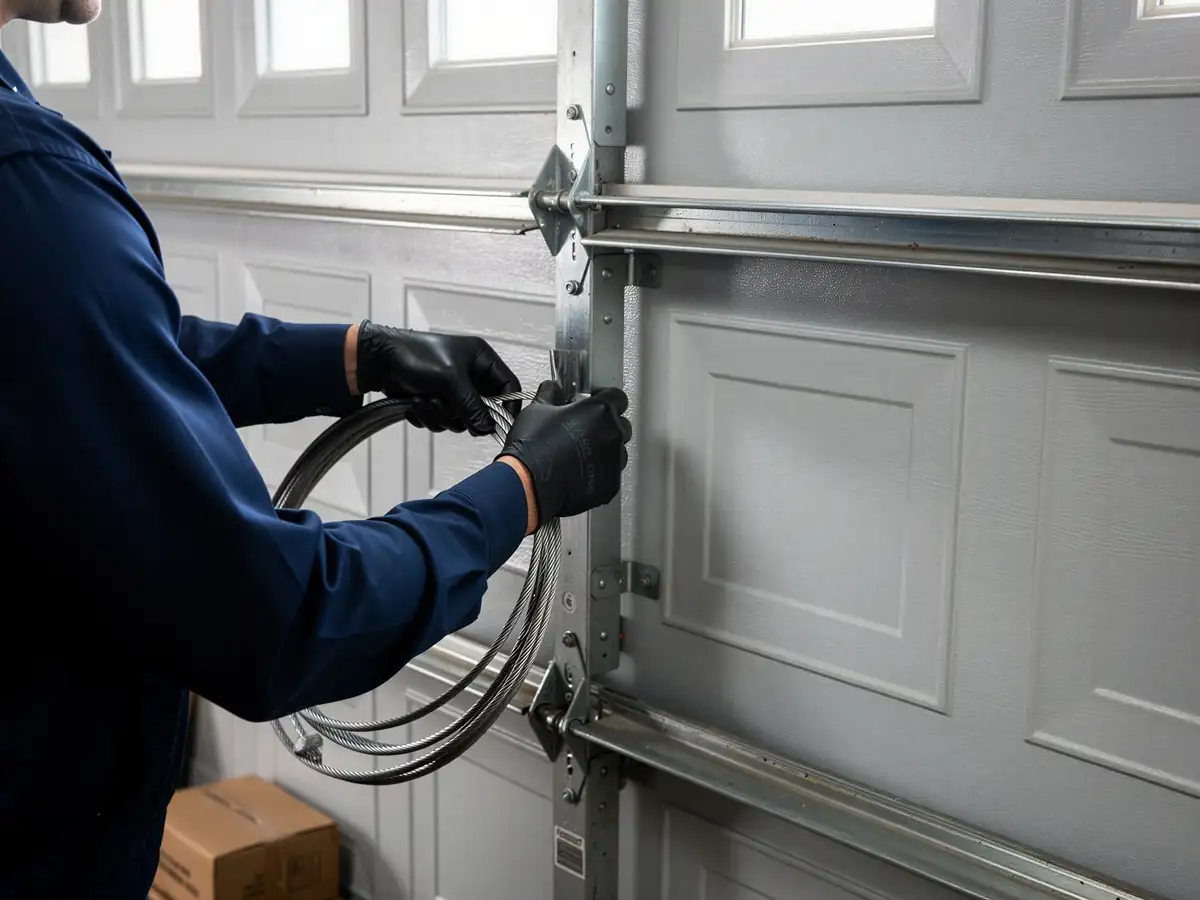
A standard maintenance visit on a two-car door runs through the track alignment, spring tension, cable condition, opener force settings, and weatherseal, and most of that gets done without pulling the door off its hardware. The time it takes depends more on what we find than on the door itself. A door that's been maintained before goes faster than one that's never been touched since it was installed in the early 1980s.
What slows a visit down in White Oak specifically is original hardware: galvanized tracks and hinges from a 1981-era build sometimes need extra time just to get clean enough to inspect properly, especially if they've never been serviced. That's not a knock on the house, it's just what 40-plus-year-old steel looks like.
Booking a Visit
We cover White Oak from Longview, about 5 miles out
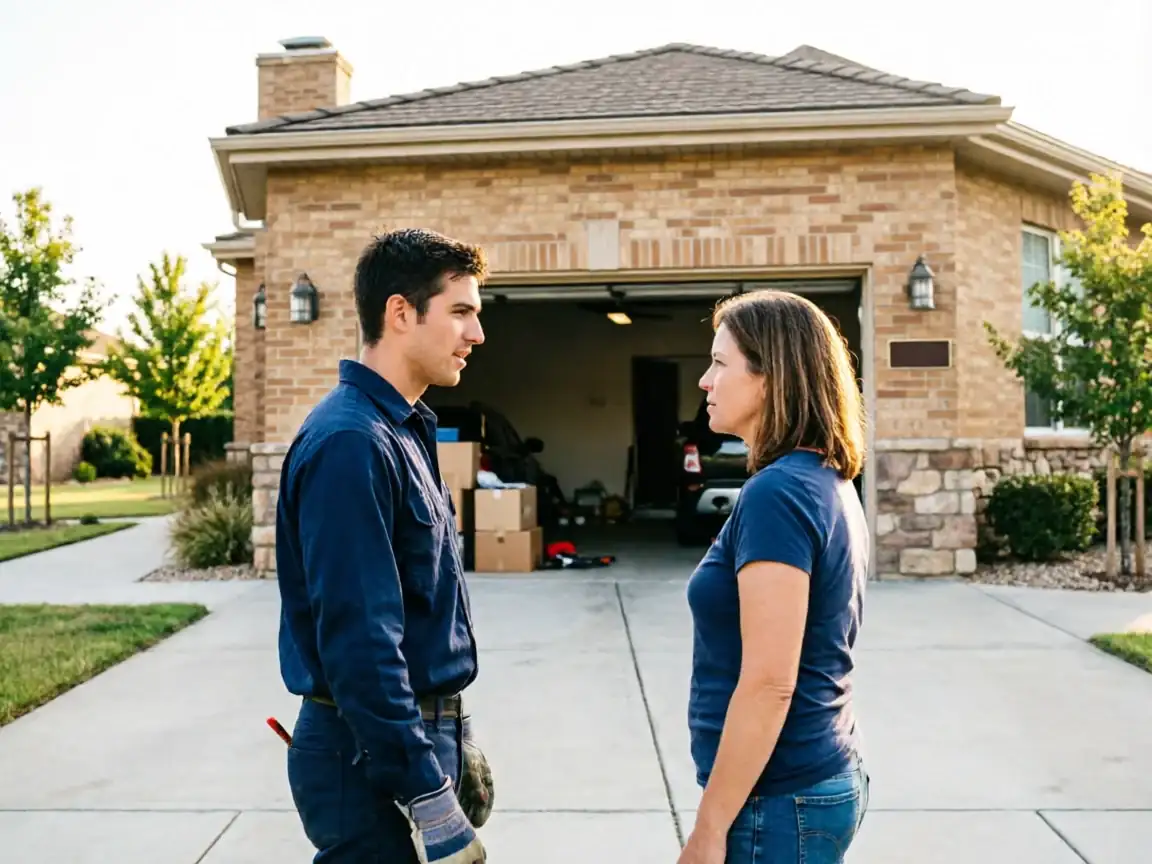
So there's no separate local branch or crew based in town. A visit gets scheduled the same way for White Oak as for the rest of the area we serve. We don't carry a published response-time guarantee for same-day calls here, and we won't promise one just to sound responsive.
- 5 miles
If you want to see where White Oak sits inside our coverage
That's laid out on our White Oak coverage page. For a wider look at what maintenance includes beyond this one town, the Longview maintenance page covers that in full.
What You Are Seeing
With 2,059 households in White Oak and a housing stock concentrated in that 1968-1994 window, the faults we see tend to repeat: springs that have gone soft rather than snapped outright, nylon rollers that have worn down to a wobble, and opener drive gears stripped from age rather than abuse. The region sits in a moderate heat climate band, so you're not dealing with the extreme thermal cycling that cracks seals in a single season, but decades of ordinary Texas summers still take a toll on rubber weatherstripping and plastic idler pulleys.
What you're usually not seeing is a door that's actually failed structurally. Steel panels from this era were heavy-gauge, and most of what looks like a dying door is a handful of worn parts still doing most of the work.
What the Fix Involves
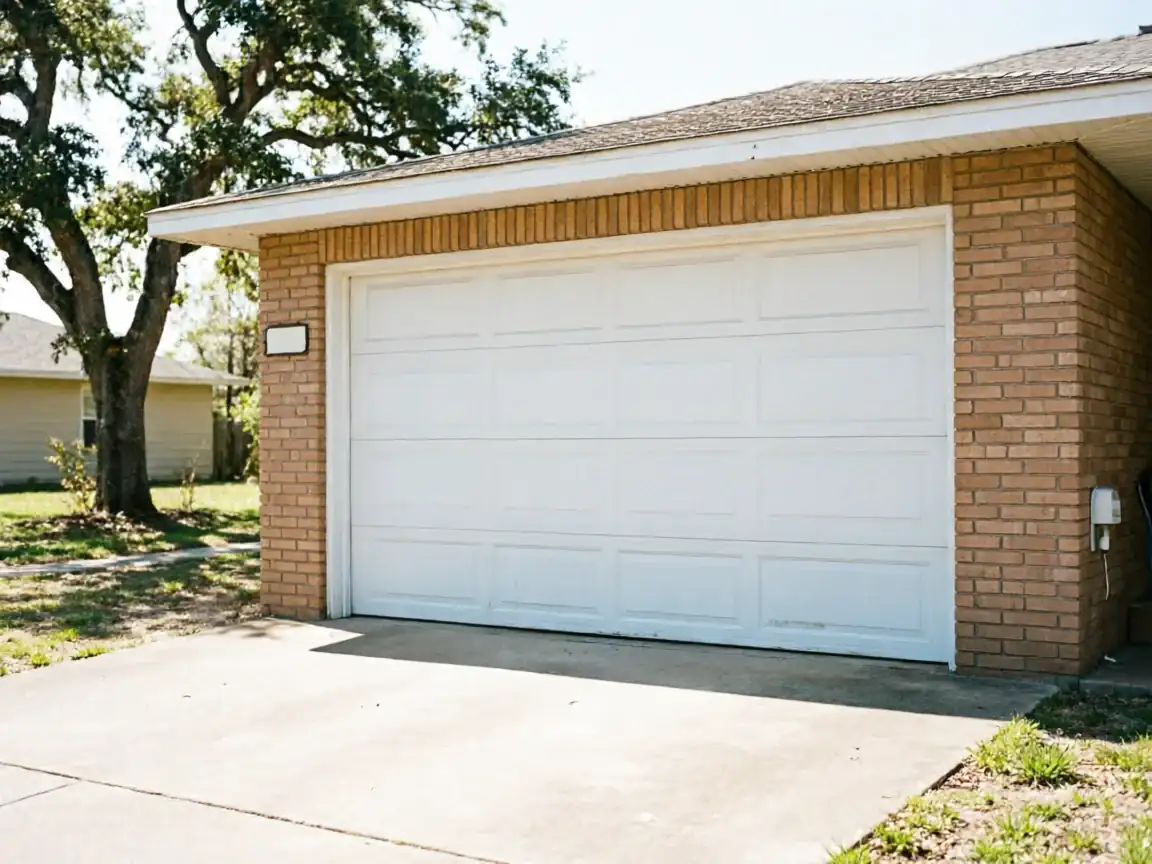
On a door built around 1981, the fix is rarely a full replacement. It's usually a spring swap, a track realignment, new rollers, and a check of the opener's force and limit settings so the door doesn't slam or reverse unpredictably. Given the income level in White Oak, we do get asked more often whether full replacement makes sense instead of repair. Our answer depends on the door, not on what a homeowner can afford to spend: if the panels are sound and the track is straight, a repair gets years more out of hardware that was built solid to begin with.
Where we draw the line is a door with rusted-through panels or a frame that's shifted with the house's foundation. That's a replacement conversation, not a maintenance one, and we'll say so instead of running a repair that won't hold.