Doing It Yourself
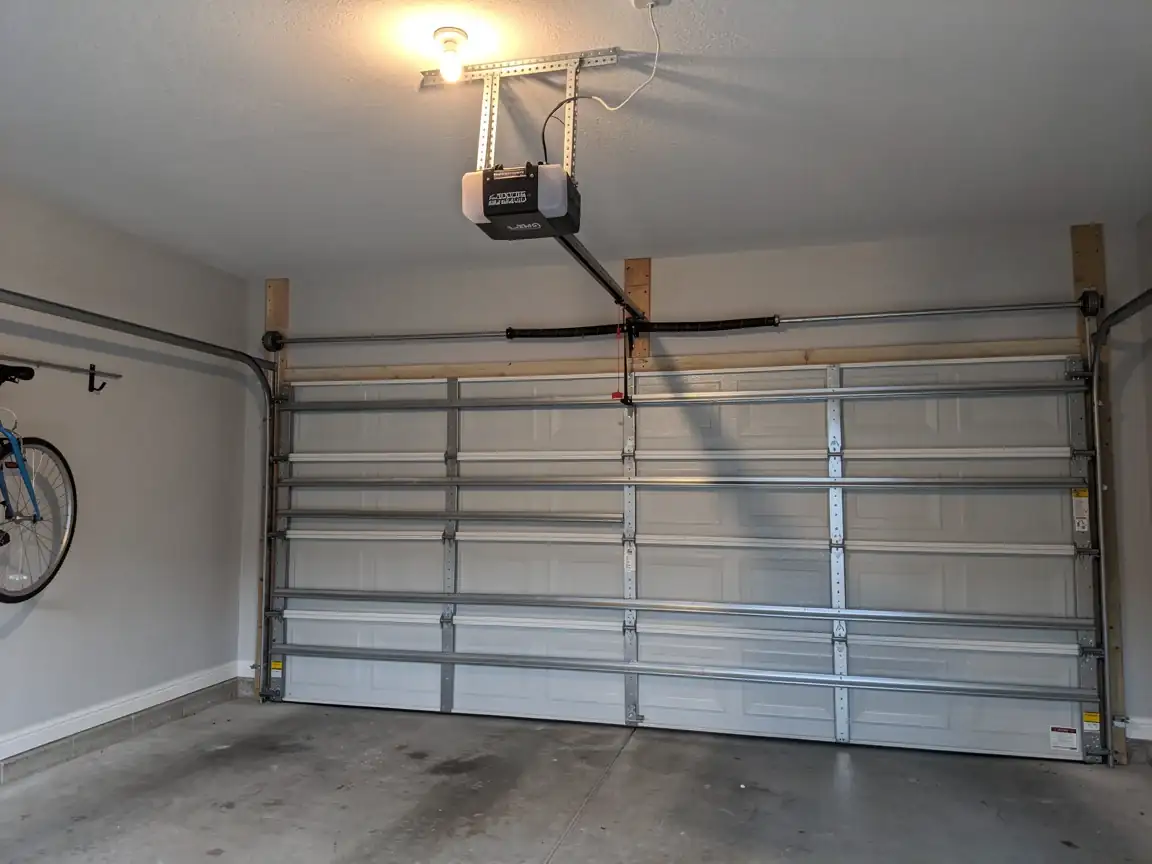
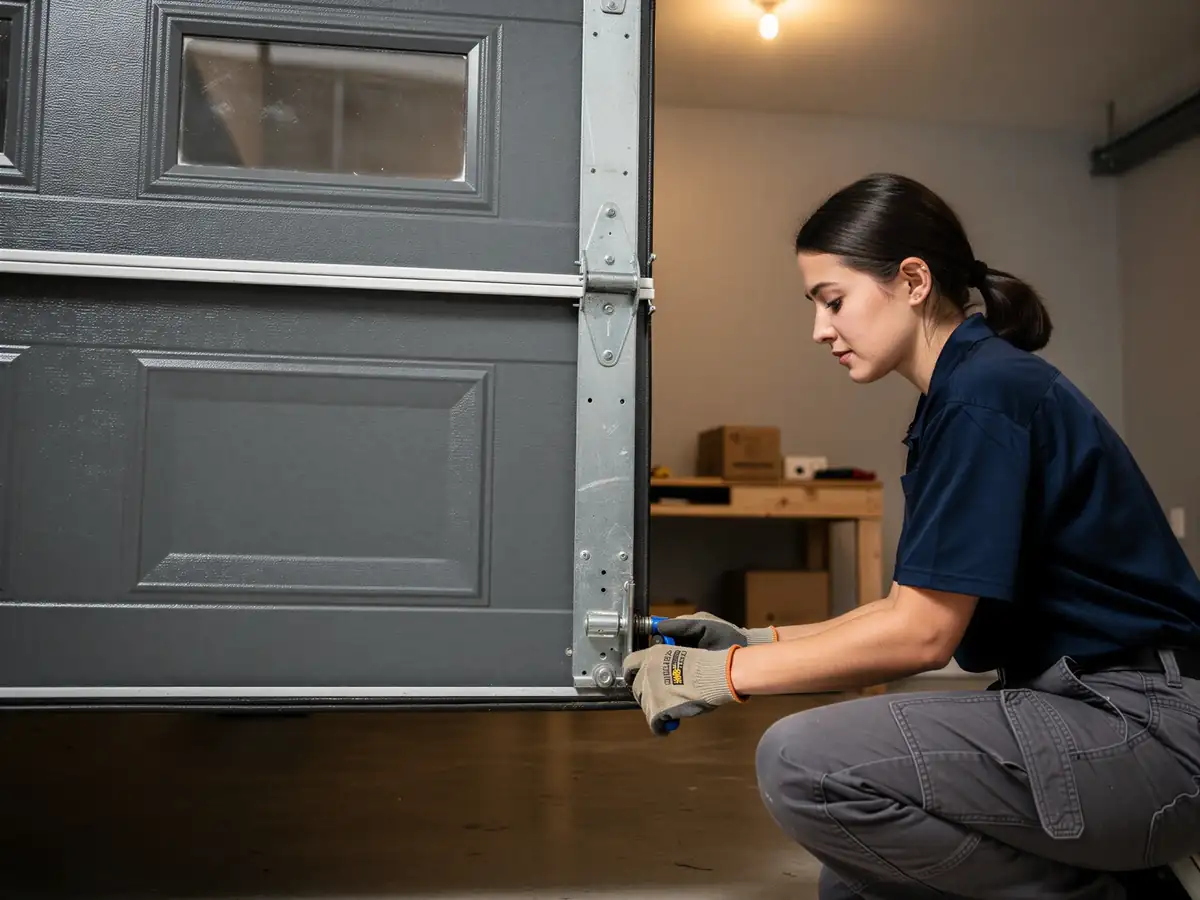
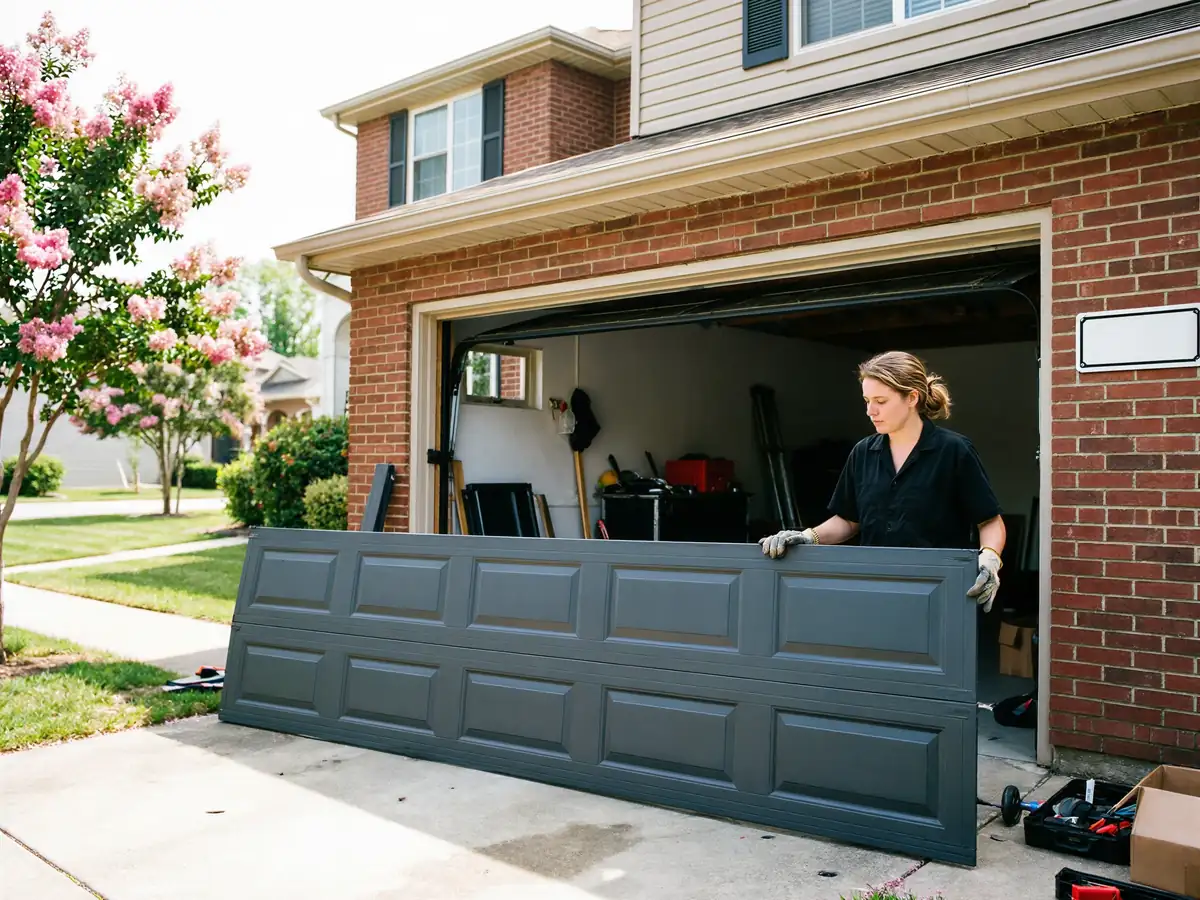
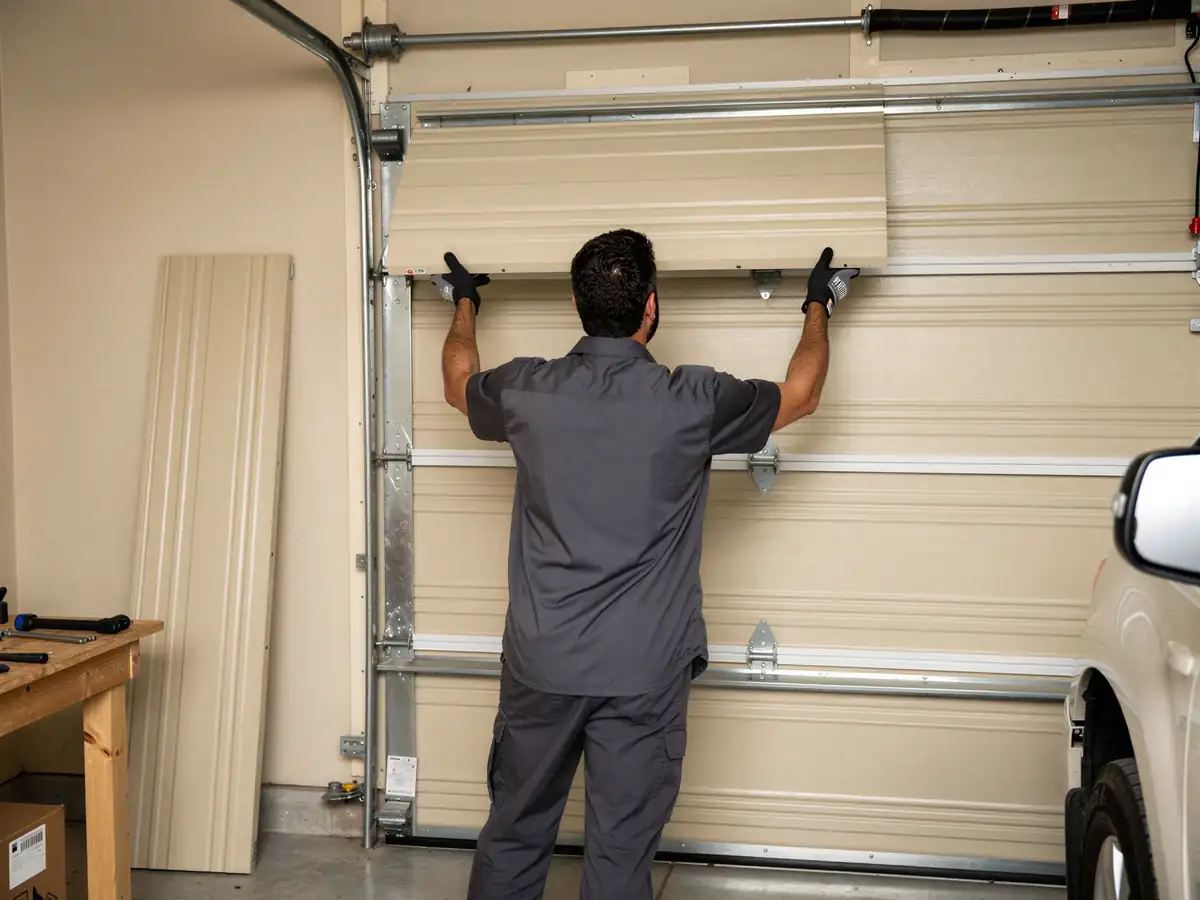
White Oak is a small town, just over 2,000 households, and the garage door calls that come out of it tend to look alike because so many houses were built in the same stretch of years. A snapped lift cable is not a spring job, but people lump them together and that's how fingers get cut. The cable runs from the bottom bracket, up around the drum, down to the spring. If it's frayed or snapped, the door is probably sitting crooked in the frame or jammed against the track, and the drum could still have tension stored in it. Don't cut a cable that's partway broken thinking you'll finish the job - that stored tension can whip the end back at you. If the door is off its tracks or leaning to one side, leave it alone and call. We're not going to tell you cable work is a ten-minute DIY fix, because for most homeowners it isn't - the clamping and winding takes practice most people only get by doing it wrong once. If you're comfortable with hand tools and want to at least diagnose which cable failed before calling, that's reasonable. Beyond that, the risk to your hands or the door itself isn't worth the money saved.
How Long It Takes
Most cable jobs here run the same length regardless of which side of White Oak you're on, since the hardware is consistent across a town built mostly in one era. Diagnosing the break, pulling the old cable off the drum, and running new cable takes less time than most people expect once we're on site - the slow part is usually getting the door back into square afterward if it's been rubbing a track or binding a roller while it ran on a bad cable. Doors from the 1968-1994 building stretch, which covers most of White Oak, often have drums and brackets that have never been touched since installation, so there can be some corrosion or wear on the shaft that adds a few extra minutes of cleanup. We don't give a number here because every door's history is different, but it's a same-visit repair, not a multi-day job, and we don't need to order anything unusual to do it.
What You Are Seeing
A door that drops suddenly on one side, hangs crooked, or won't budge past a few inches is almost always a cable problem, not a motor problem - even though the opener gets blamed first. On the older end of White Oak's housing stock, built close to 1981 on average, the lift cables are often the original galvanized wire, decades past the point most trade folks would call reasonable service life for a moving part under constant tension. You'll see fraying near the bottom bracket or at the drum before a full snap, usually a few strands first, then the rest going at once under load - often when the door is opened on a cold morning when the wire's at its stiffest. If only one cable has gone, the door usually tips to that side instead of dropping flat, and running it further on the good cable alone just adds stress to a drum and track it wasn't built to carry solo.
What the Fix Involves
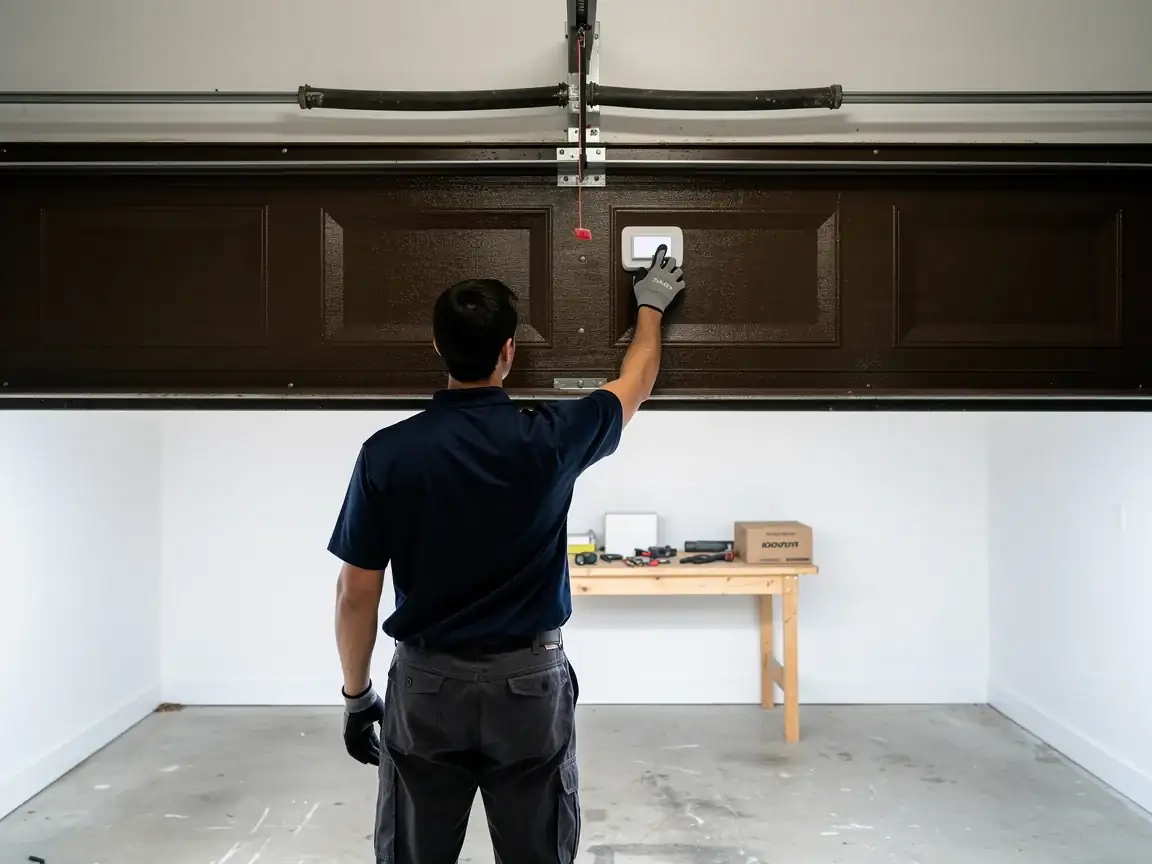
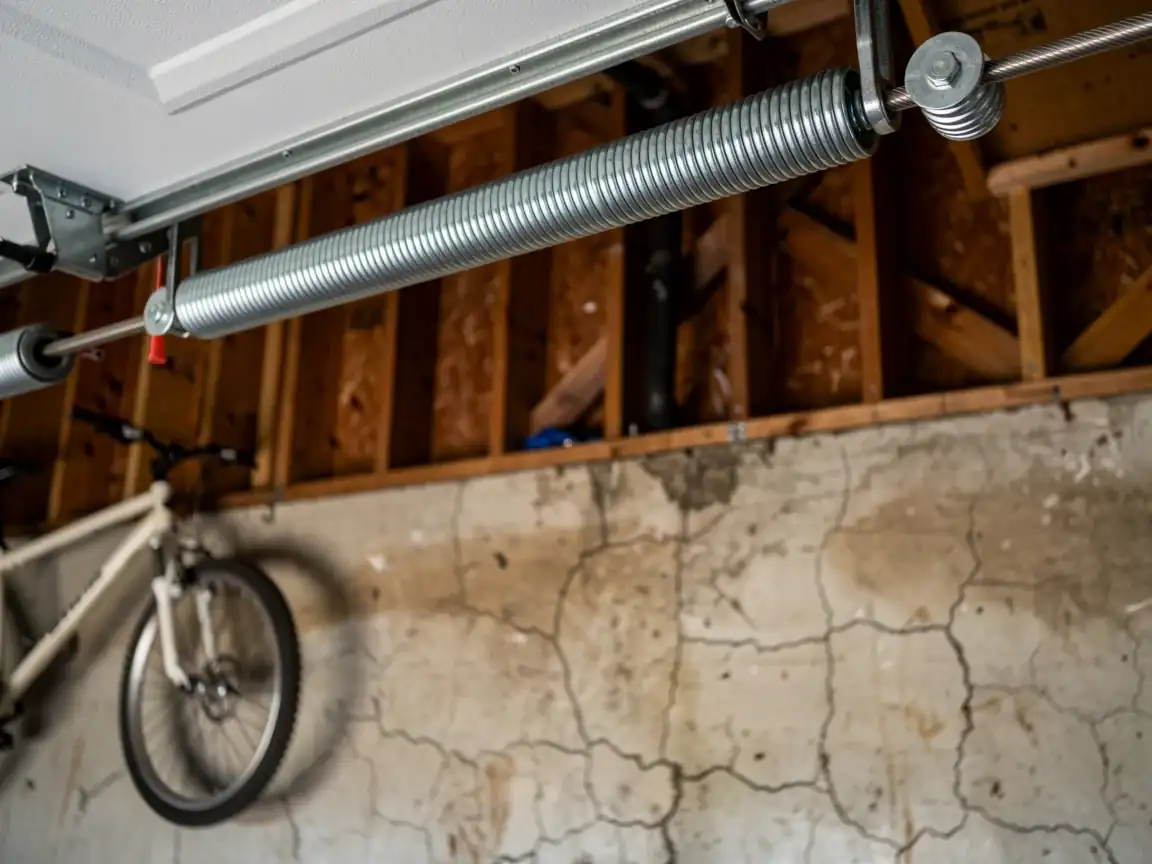
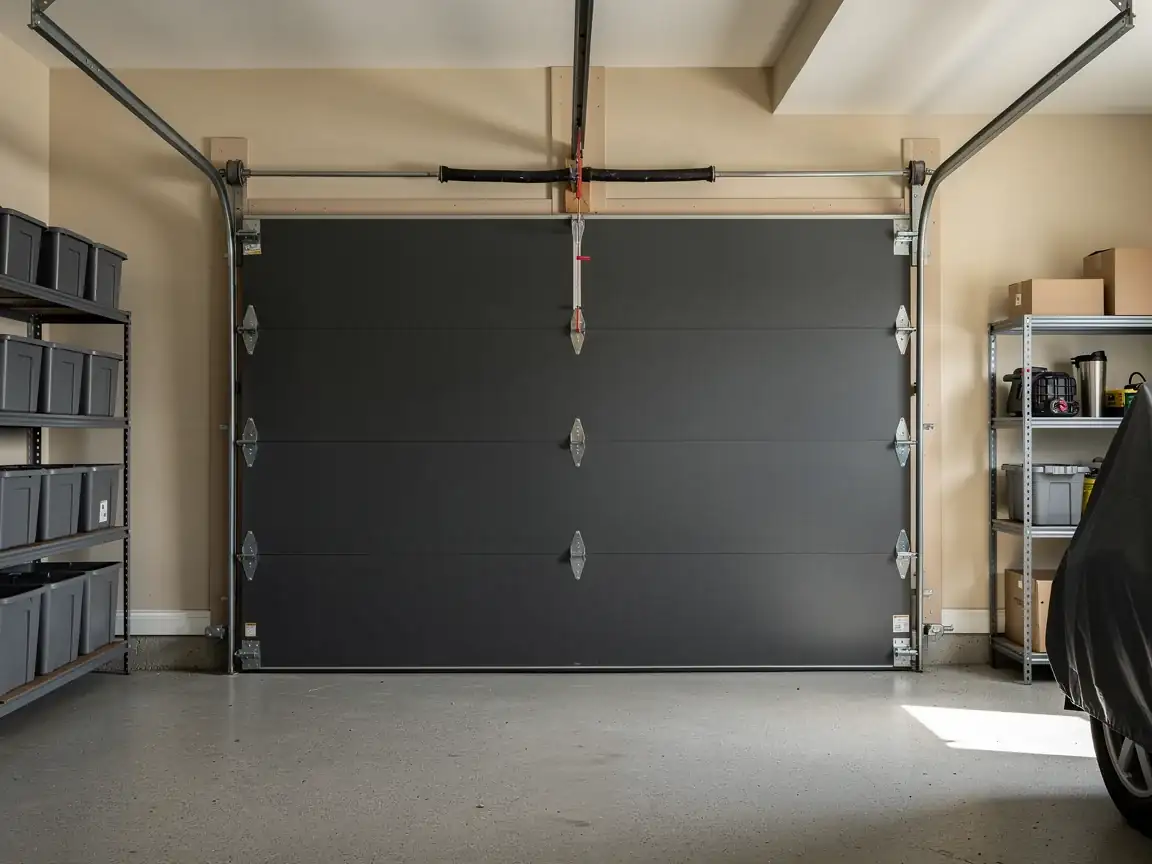
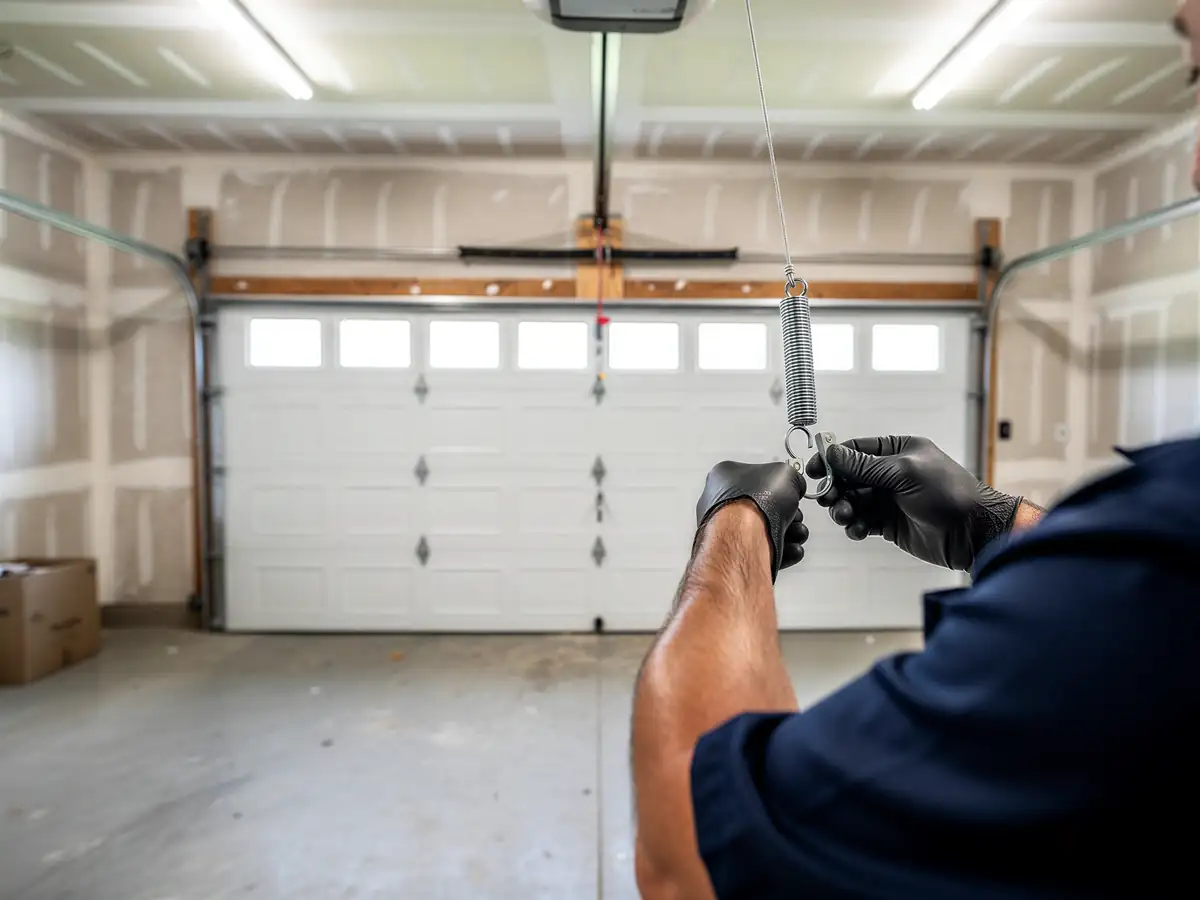
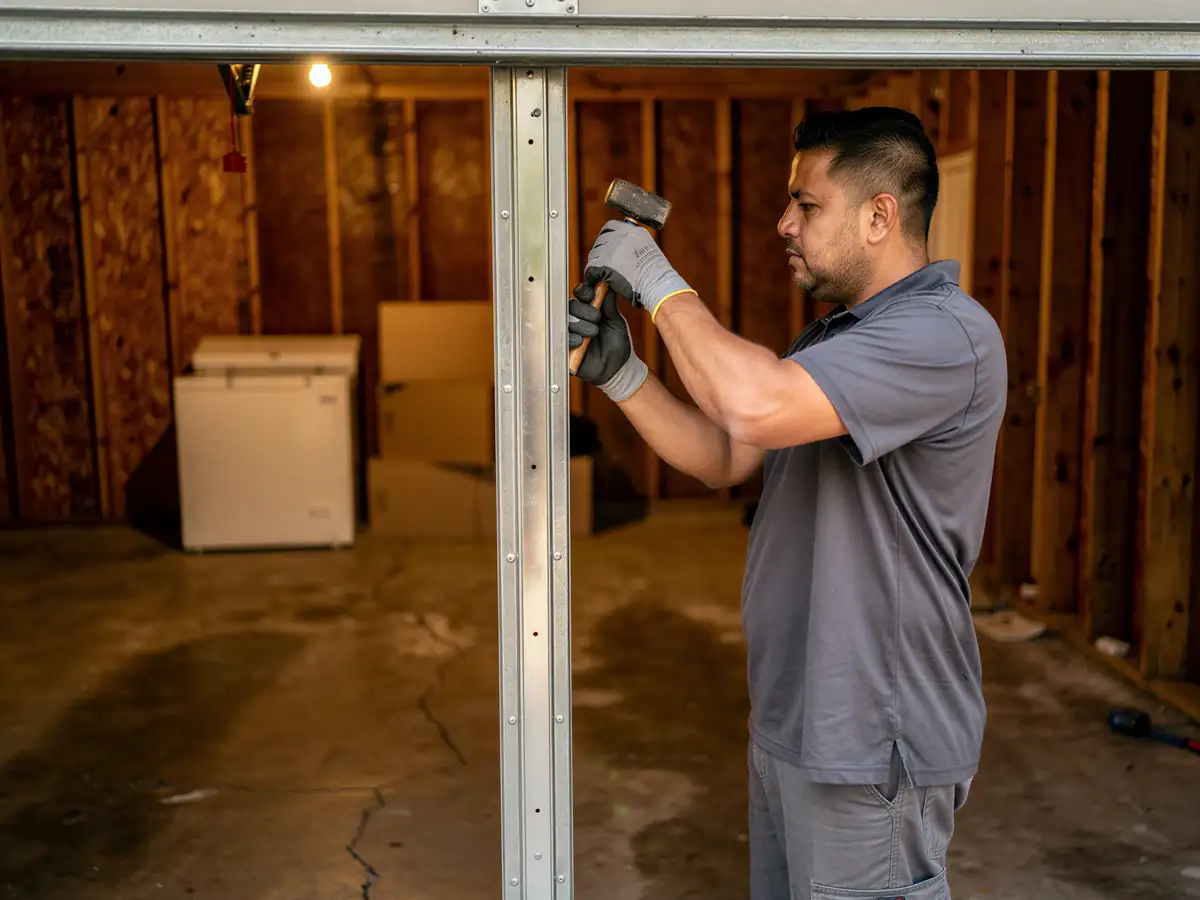
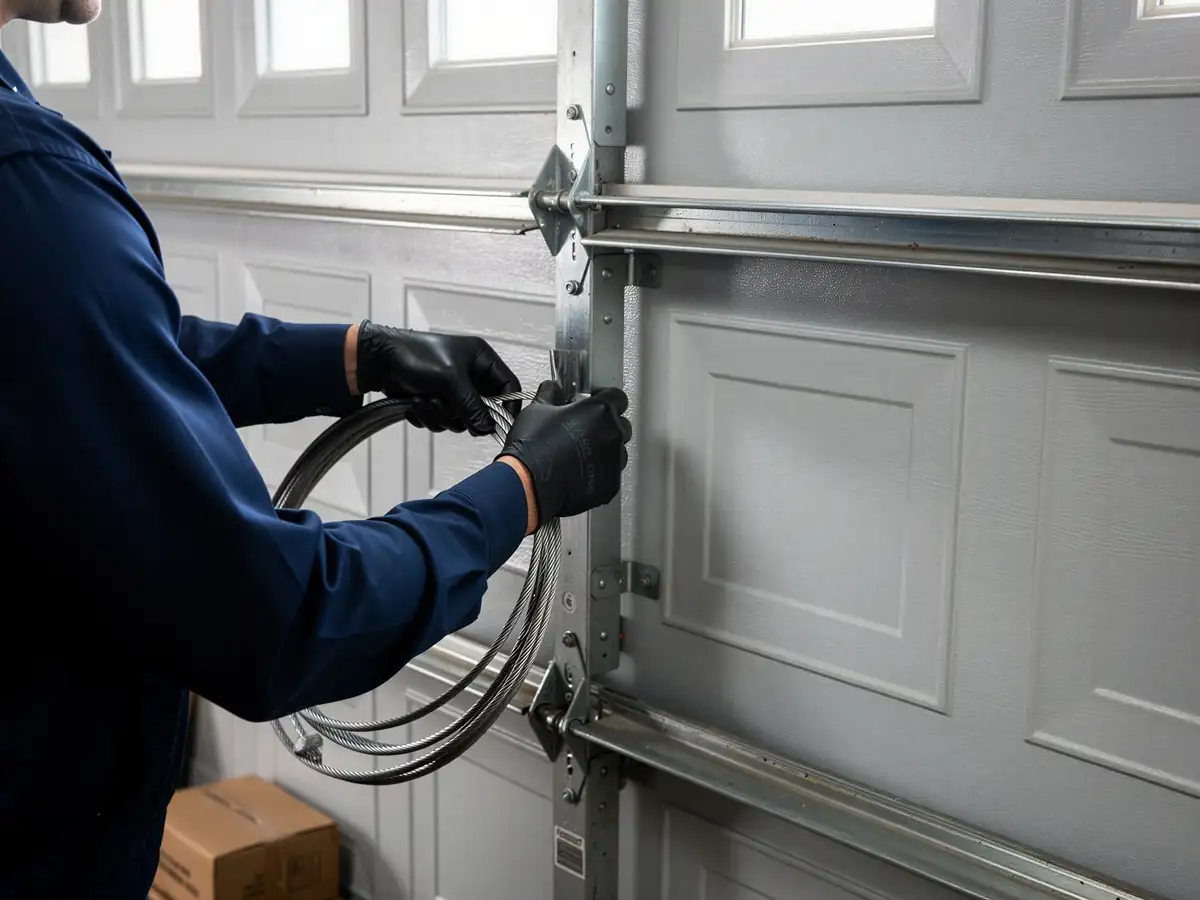
We pull both cables as a pair even if only one failed, because a cable that old sitting next to a fresh one is just the next call waiting to happen. That means clamping off the spring safely, removing the drums, feeding new cable through, and re-tensioning before the door ever gets tested on its track again. On a lot of White Oak's early-1980s doors we're working with the original drum and shaft too, so part of the job is checking that the shaft hasn't scored or seized where the drum rides it - if it has, that's a different conversation about the drum itself, not just the cable. We check the track alignment and roller condition while the door's open, since a cable failure under load sometimes bends a track bracket, and a straight cable on a bent track will just fail again.