Doing It Yourself
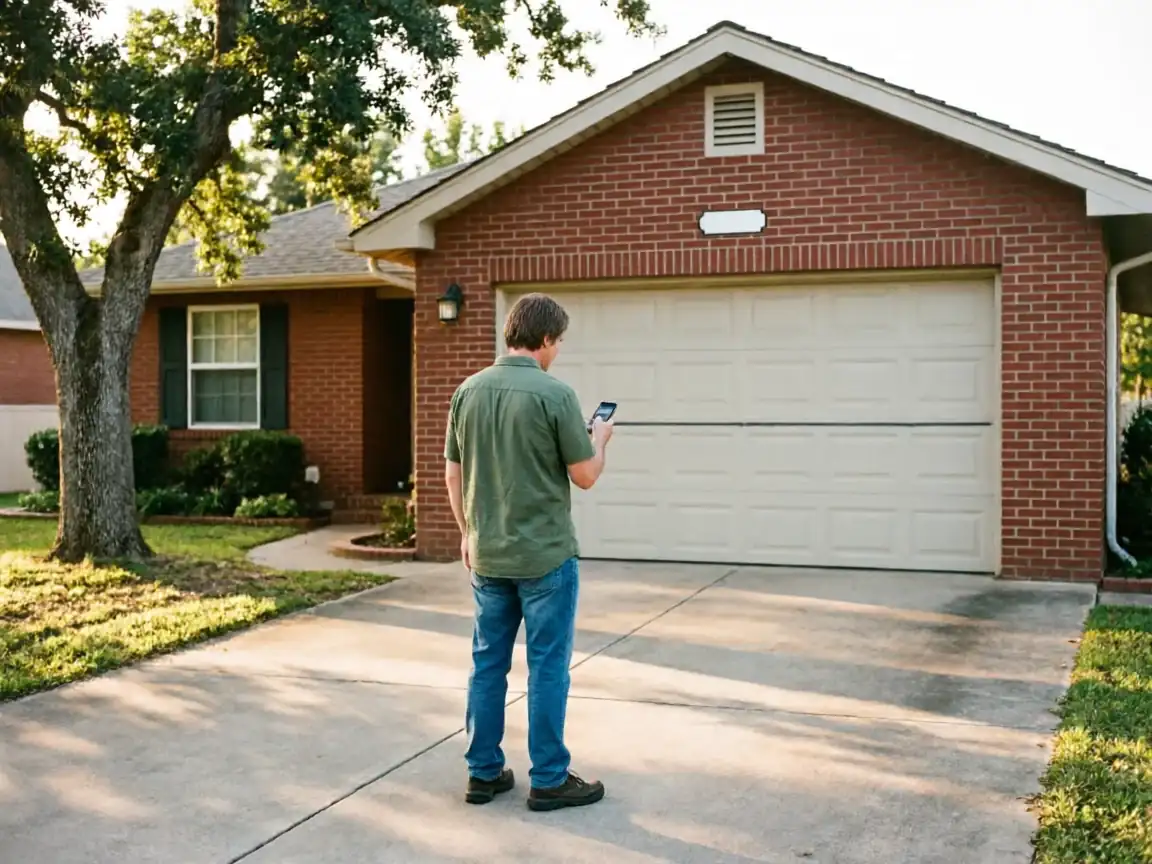
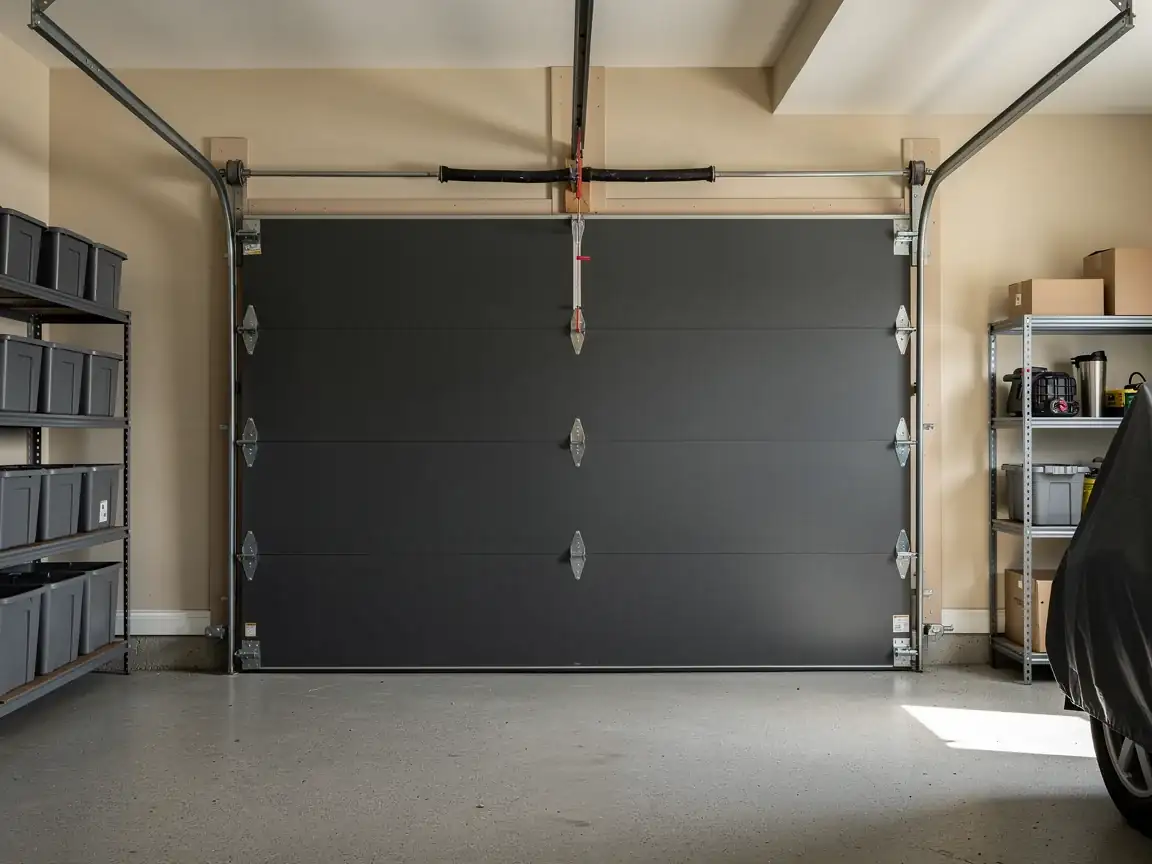
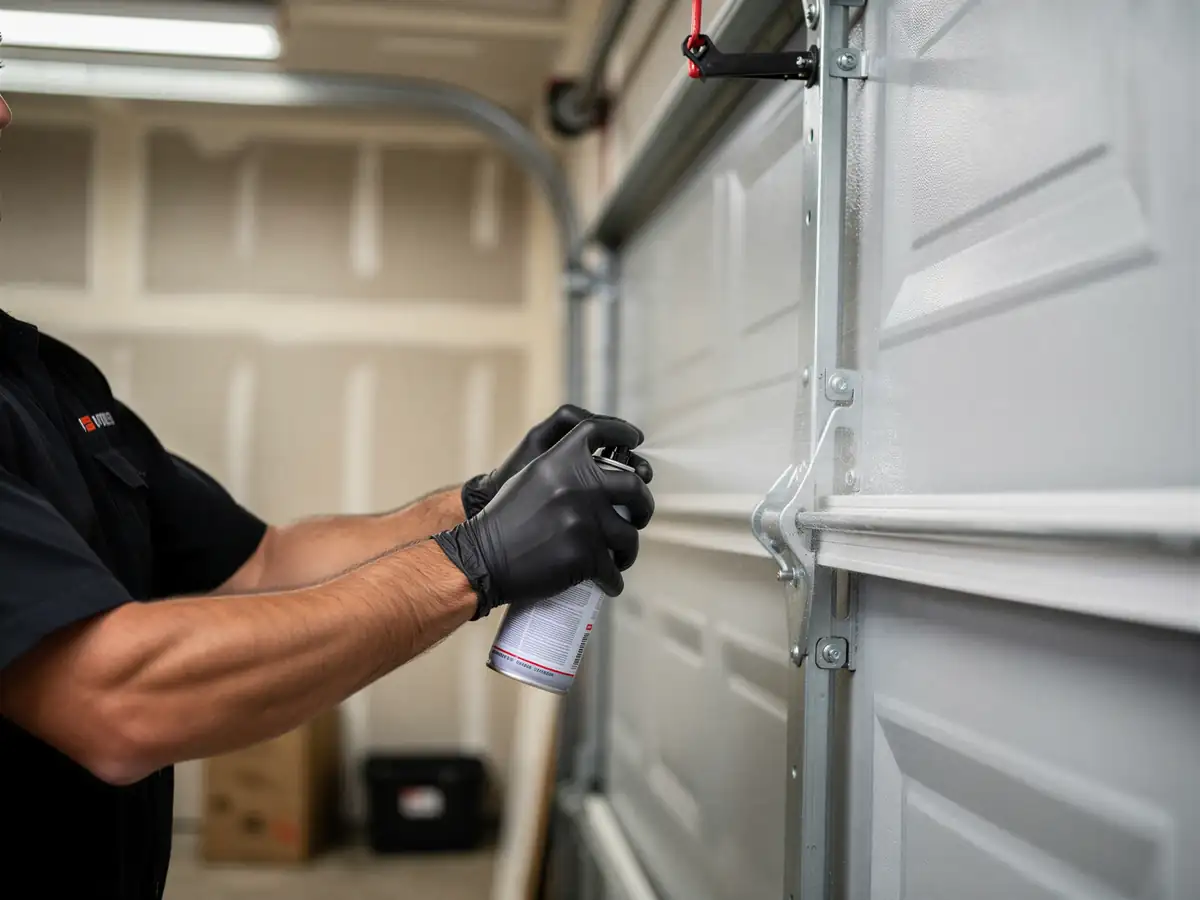
Most houses in White Oak went up around 1981, and the garage door on them is almost always the original steel sectional - single-layer panels, narrower than what builders use now, hung on torsion hardware sized for a lighter door. If yours is sticking or noisy, start simple: check that the track bolts haven't backed out over four decades of vibration, and put a drop of lubricant on the rollers and hinges. That's safe and it's often enough to quiet a door down.
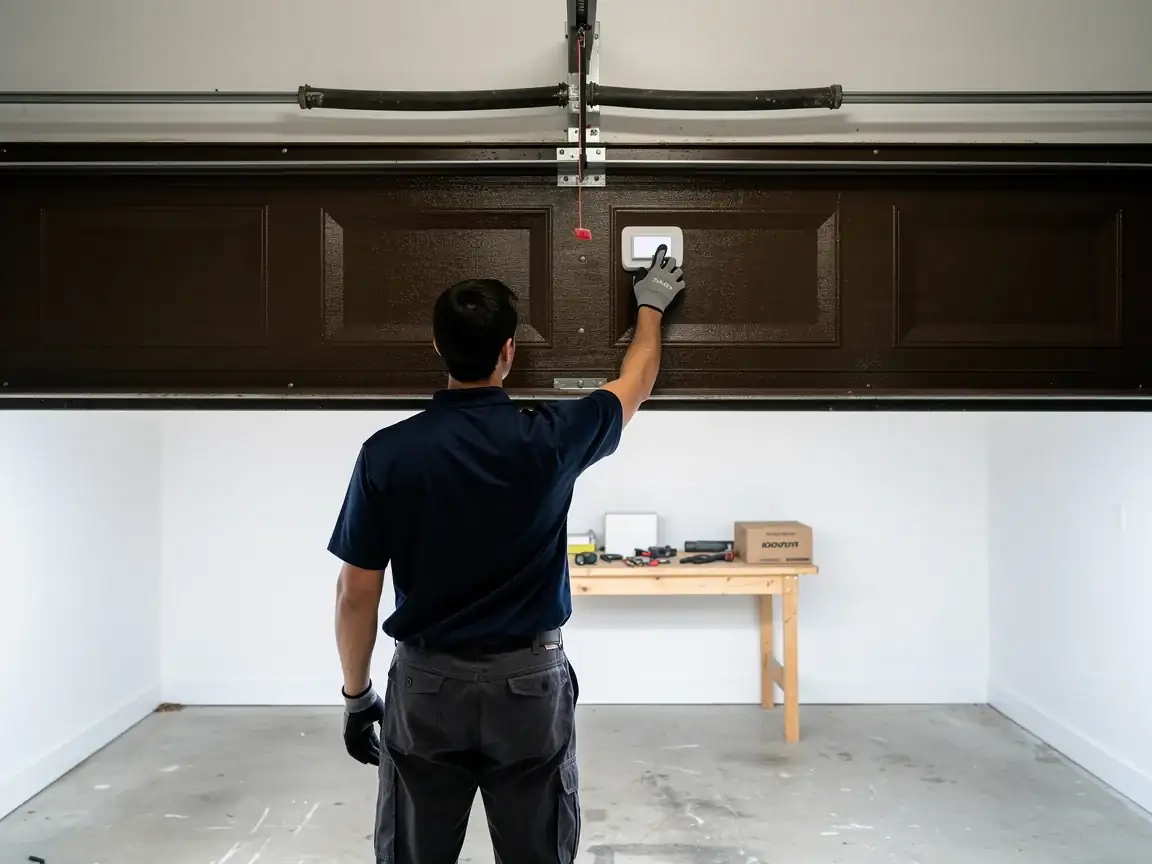
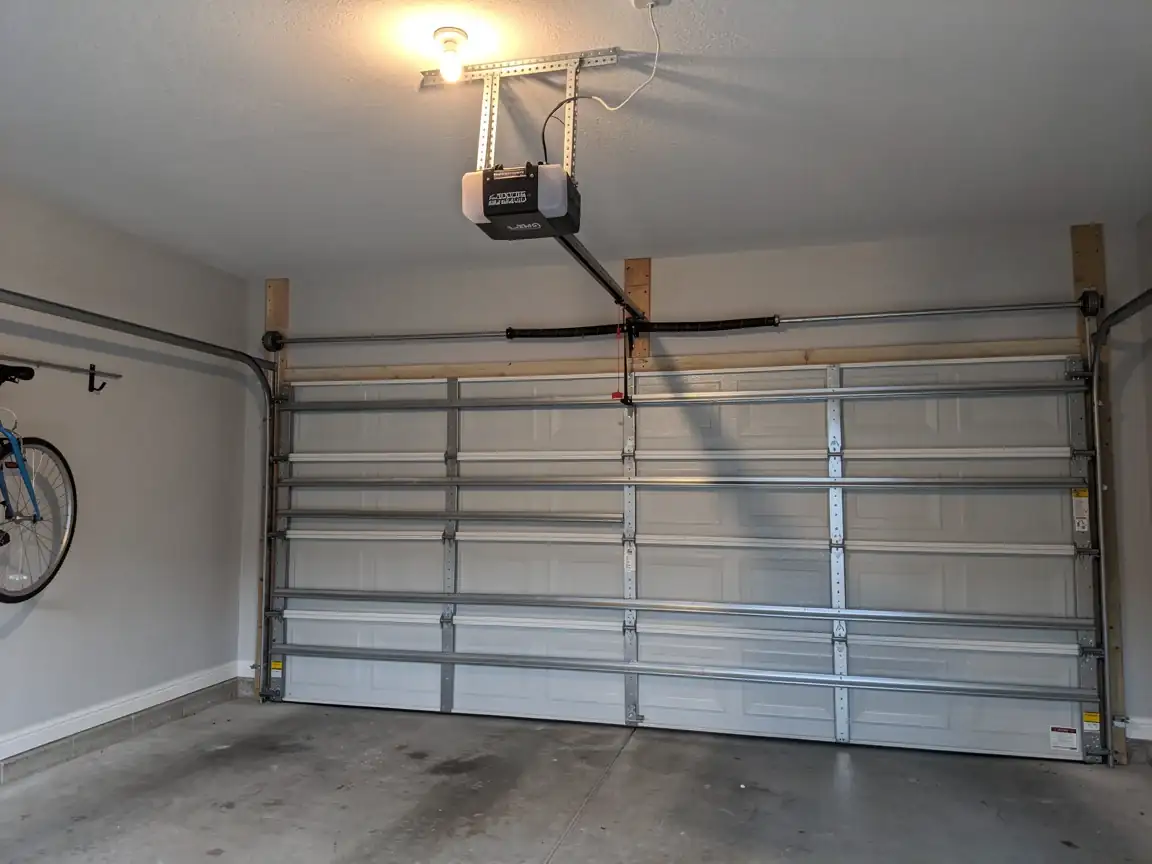
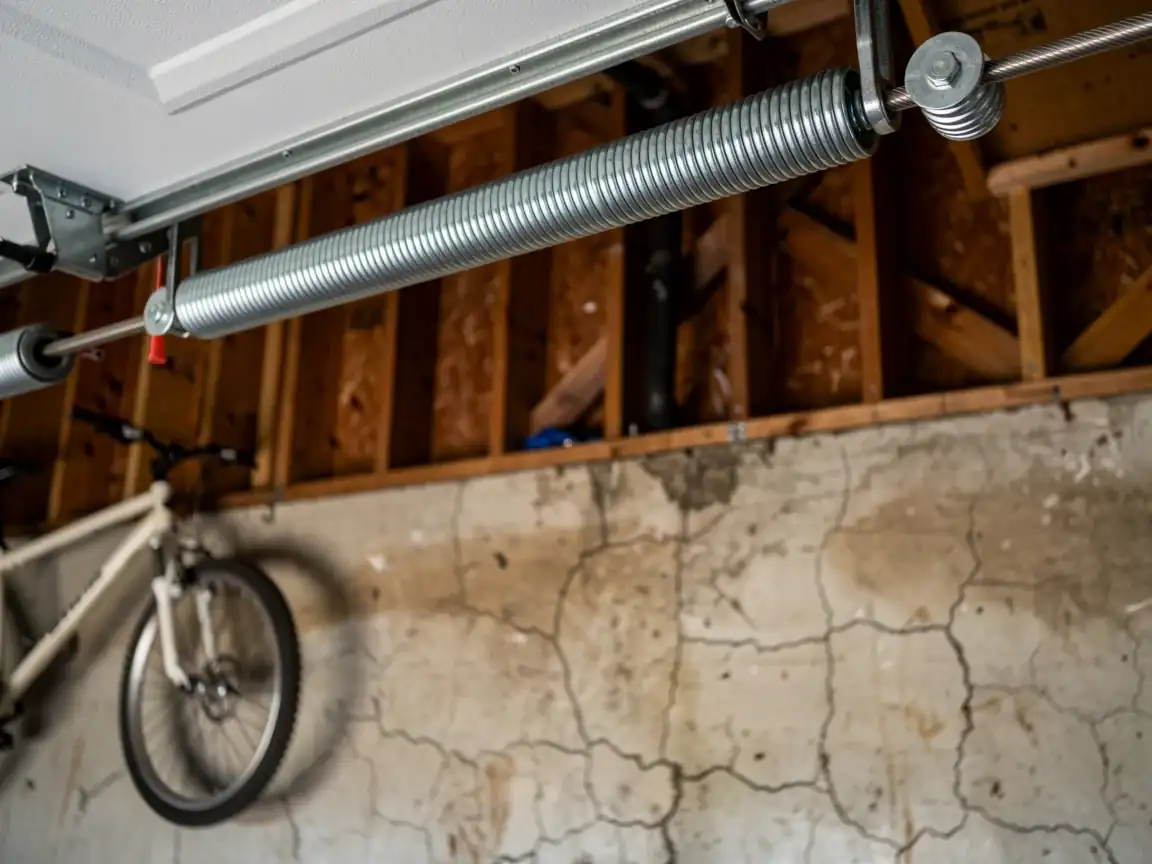
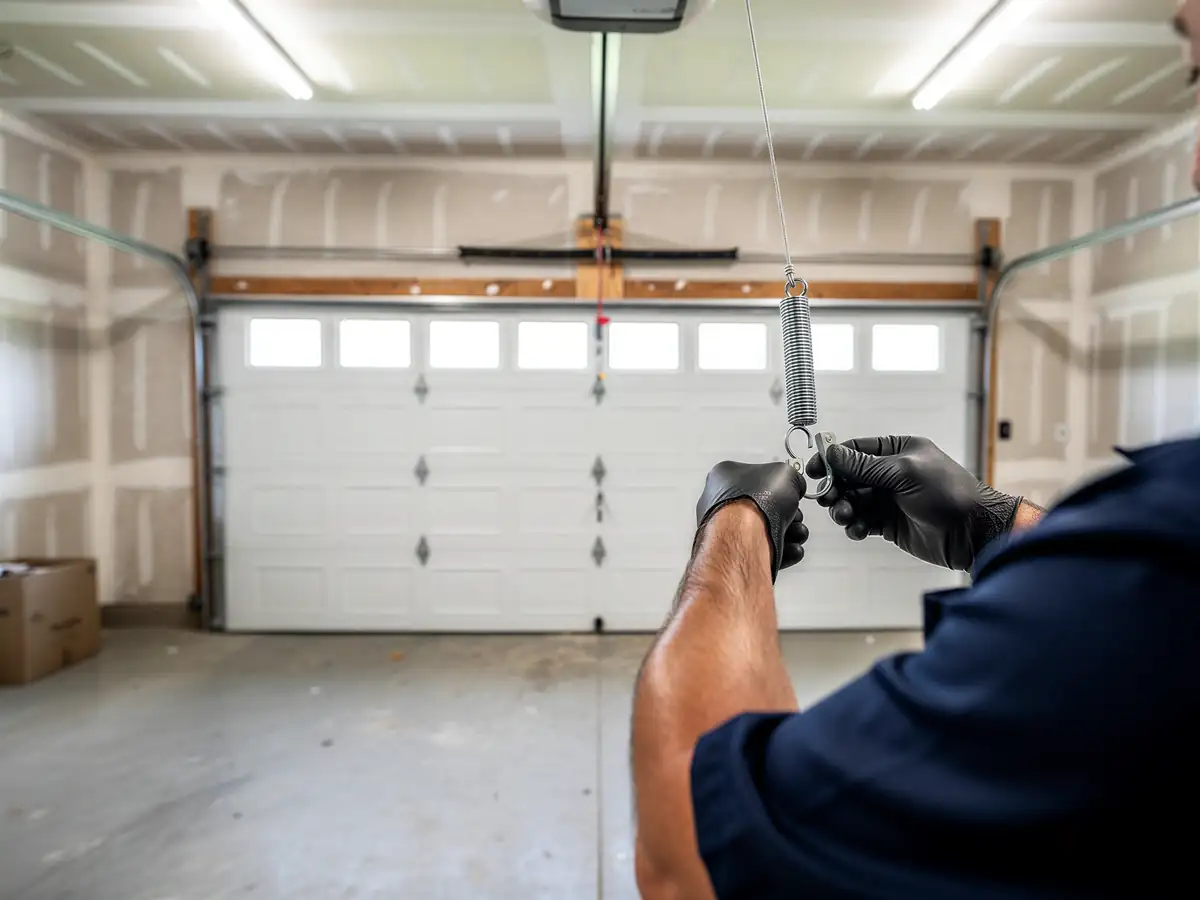
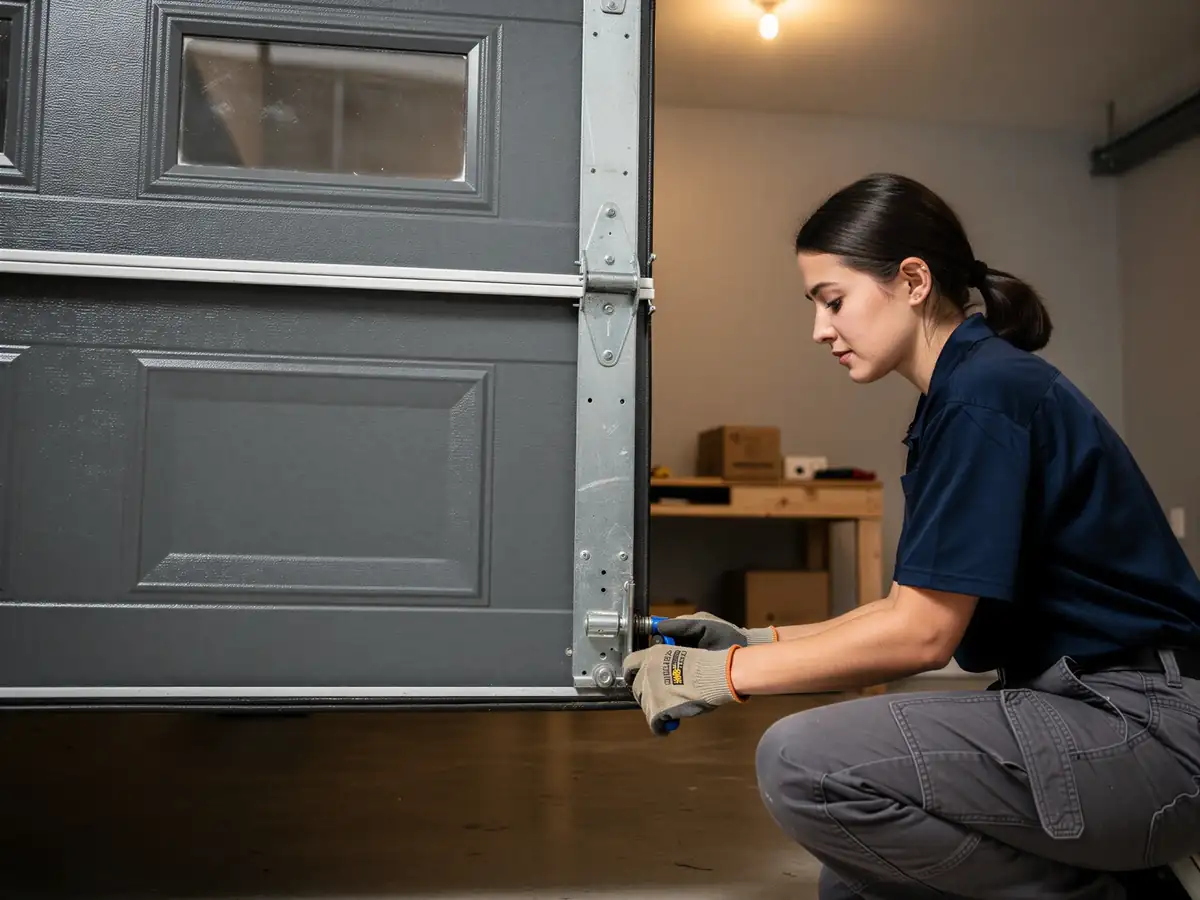
What isn't worth doing yourself is touching the torsion spring. On a door this old the spring has usually seen tens of thousands of cycles and the winding cones can be rusted or undersized for a heavier replacement panel someone bolted on later. We've seen homeowners get hurt trying to wind an original-era spring that looked fine but wasn't. If the door won't stay up on its own, or a cable has come off the drum, stop and call - that's a job for someone with the clamps and the right bar, not a ladder and a wrench.
One honest limit: we can't diagnose a 1981-era opener's circuit board over the phone. If it's the opener and not the door itself, we'll need to see it.
How Long It Takes
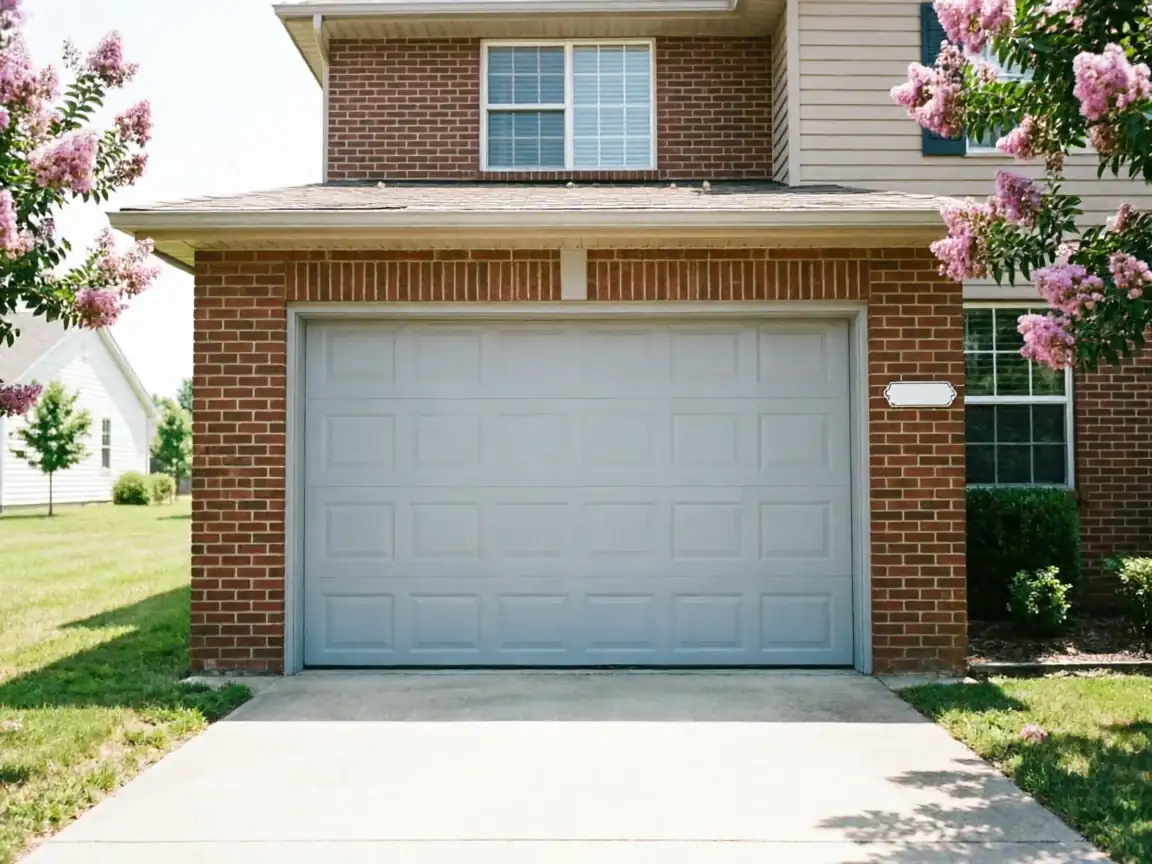
Because White Oak's garage doors are mostly the same vintage - built when the area's housing stock went up between the late 1960s and mid 1990s, centered on 1981 - the failures repeat in predictable ways: torsion springs that have outlived their cycle count, rollers worn oval, and steel panels thin enough to dent from a bumped bike. That consistency actually helps on the diagnosis side. A tech who's worked this era of door knows what to check first.
What we can't promise is a same-visit fix every time. If the spring size or drum on your door is a discontinued 1980s dimension rather than today's standard, that part sometimes has to be ordered rather than pulled off the truck. We'll tell you on site which kind of job it is before any work starts, and we won't quote a universal turnaround because it genuinely depends on what's on your door, not on the town.
Booking a Visit
We cover White Oak from our Longview location, about 5 miles out
So there's no separate branch here - just a truck that comes to you. Tell us the age of the house if you know it; for most of White Oak that's going to land somewhere in the 1968 to 1994 range, and that alone tells us a lot about what hardware to expect before we even pull up.
- 5 miles
See our White Oak coverage page for what's included in a service call to this area
Or check the Longview repair page if you want the full list of what we handle beyond doors themselves.
What You Are Seeing
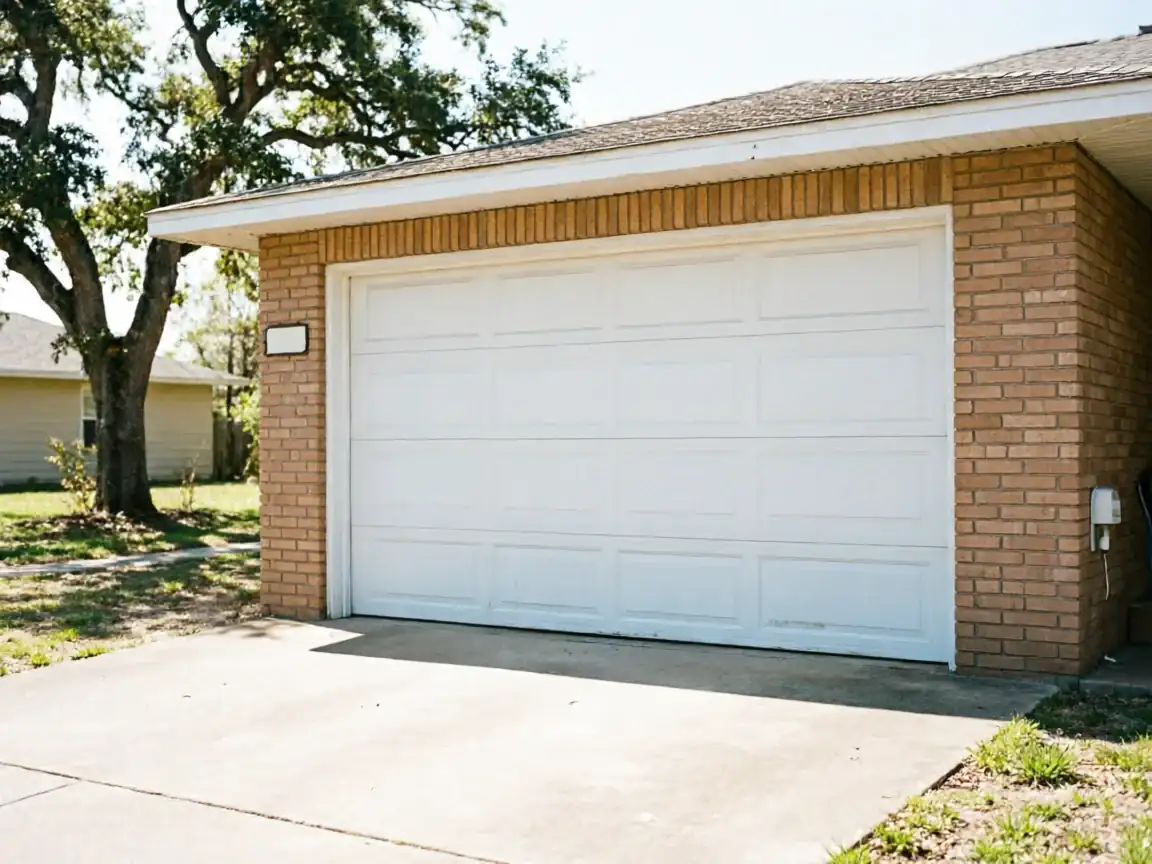
A door built around 1981 shows its age in specific ways. The steel is thinner than what's sold today, so dents from a car bumper or a stray basketball show up more easily and don't pop back out. Torsion springs from this era are also reaching or past the end of a normal service life - if yours makes a bang and the door won't budge, that's almost certainly a broken spring, not the opener.
White Oak sits in a moderate-heat climate band, which is gentler on rubber seals and weatherstripping than a harsher summer zone would be, but it still means the bottom seal on a 40-plus-year-old door is probably original and brittle. If you're feeling drafts along the floor or seeing daylight at the corners, that's wear, not a design flaw you need to worry about structurally.
Worn rollers are the other common sight - steel rollers from this build era get loud and start hopping in the track well before they fail outright. If your door sounds like a freight train but still opens fine, that's usually the fix, not a sign of something worse.
What the Fix Involves
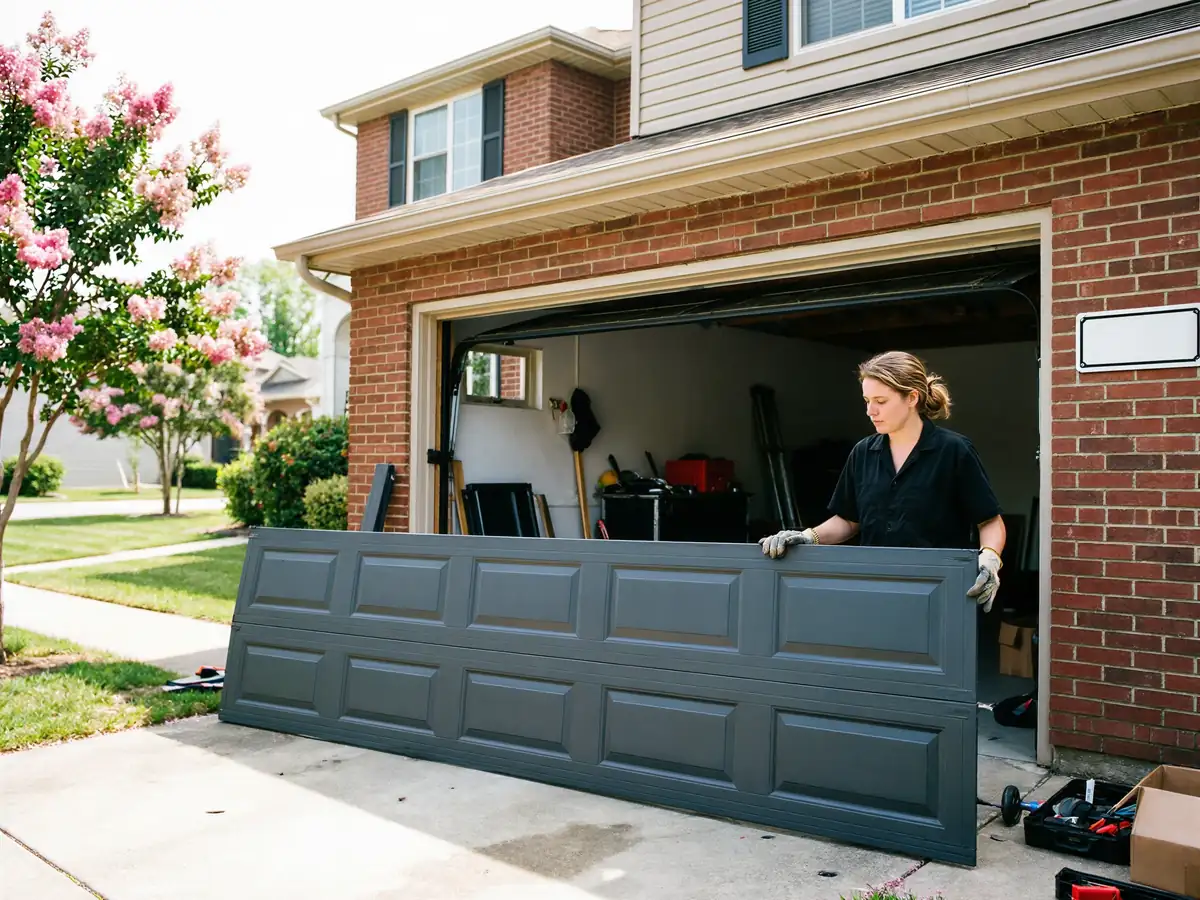
For a broken torsion spring, the job is matching the new spring's wire size and wind to the actual weight of your panel - not just the door's age. Some owners in this area replaced an original lightweight panel with a heavier insulated one at some point, and the spring needs to match what's hanging now, not what was there in 1981. We measure rather than guess.
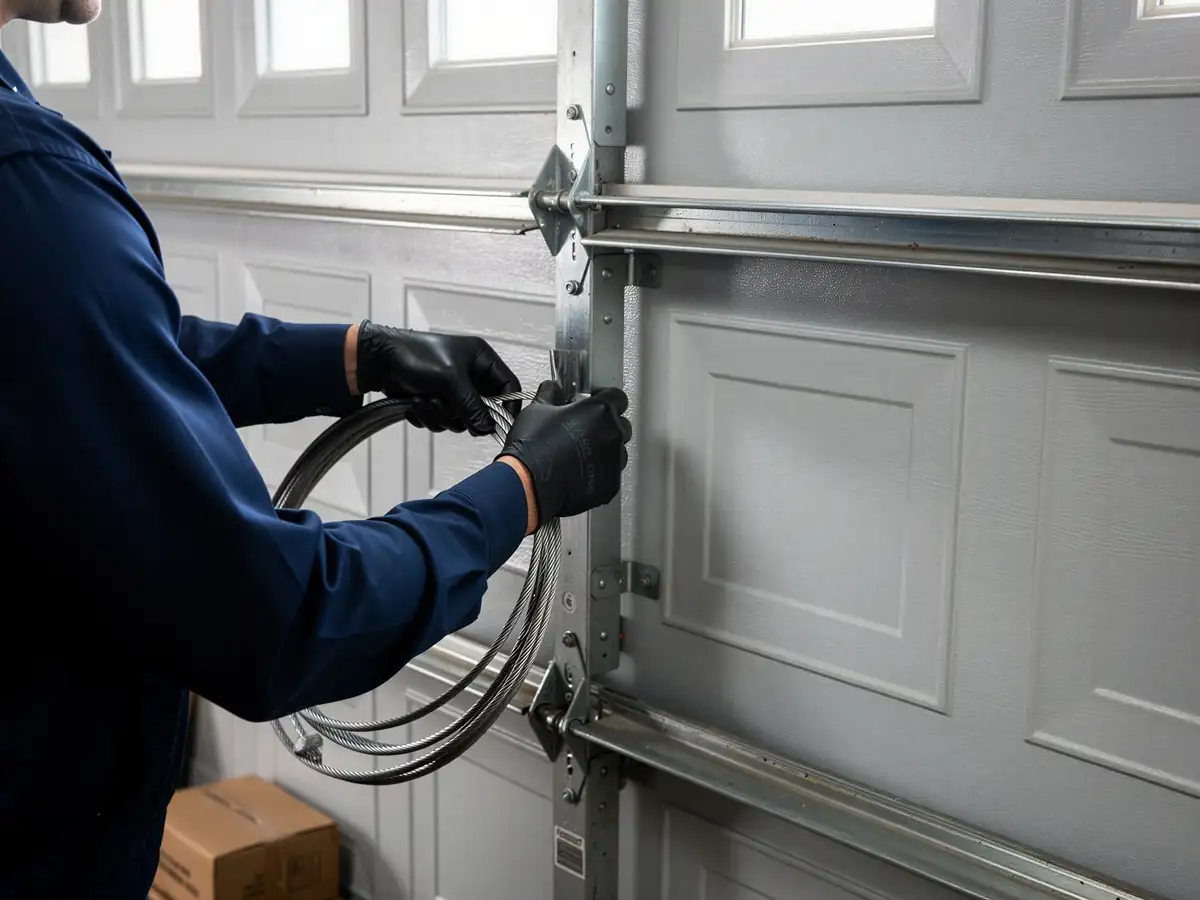
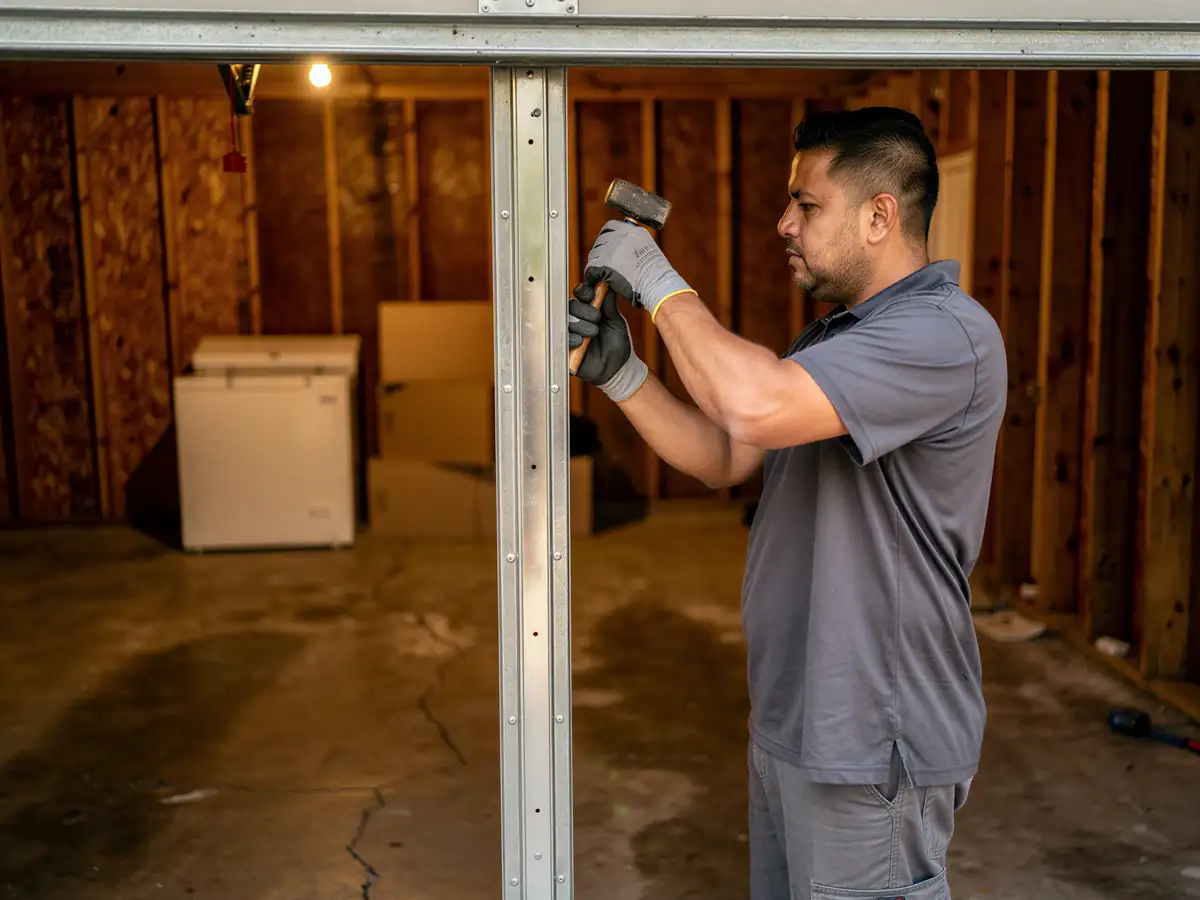
For roller and track work, it's usually a matter of pulling the old steel rollers, checking the track for the kind of slow bow that comes from decades of use, and realigning it so the door doesn't bind. Cable replacement, when needed, goes hand in hand with spring work since both carry the door's weight.
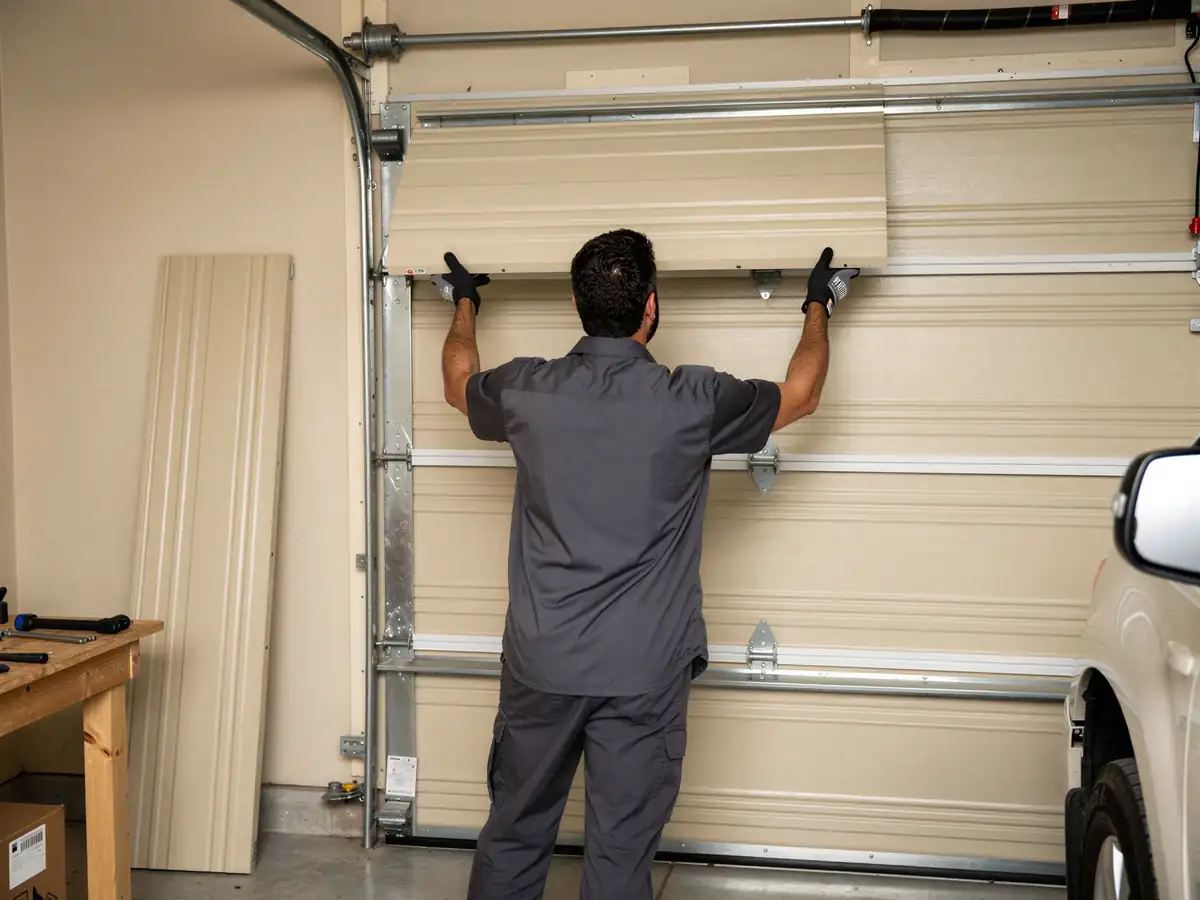
The honest limit here: if the panel itself is dented badly enough, or the track is bent past straightening, replacement beats repair. We'll say so rather than patch something that'll fail again in a year.
Stocked Parts
Our truck carries the torsion spring sizes, rollers, and cable gauges that cover the bulk of what's on 1980s-vintage doors
Since that's the majority of what's installed across this part of the service area. Standard residential sizes for doors from the 1968 to 1994 build window are what we keep on hand.
What we can't always stock is an exact-match replacement for a drum or end bearing plate on an original builder-grade door that hasn't been serviced since it went in
Those sometimes need to be special-ordered once we've seen the actual hardware. We'd rather tell you that up front than promise a one-visit fix we can't deliver.