What to Check
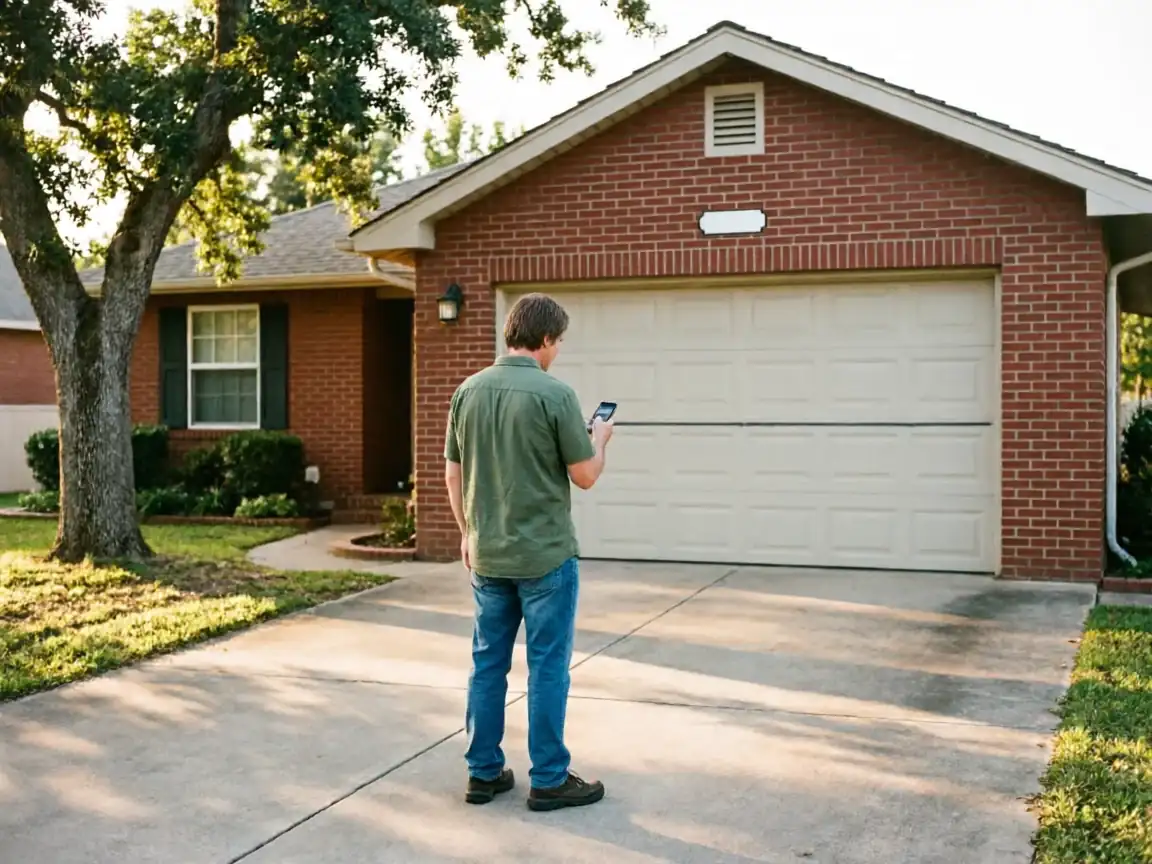
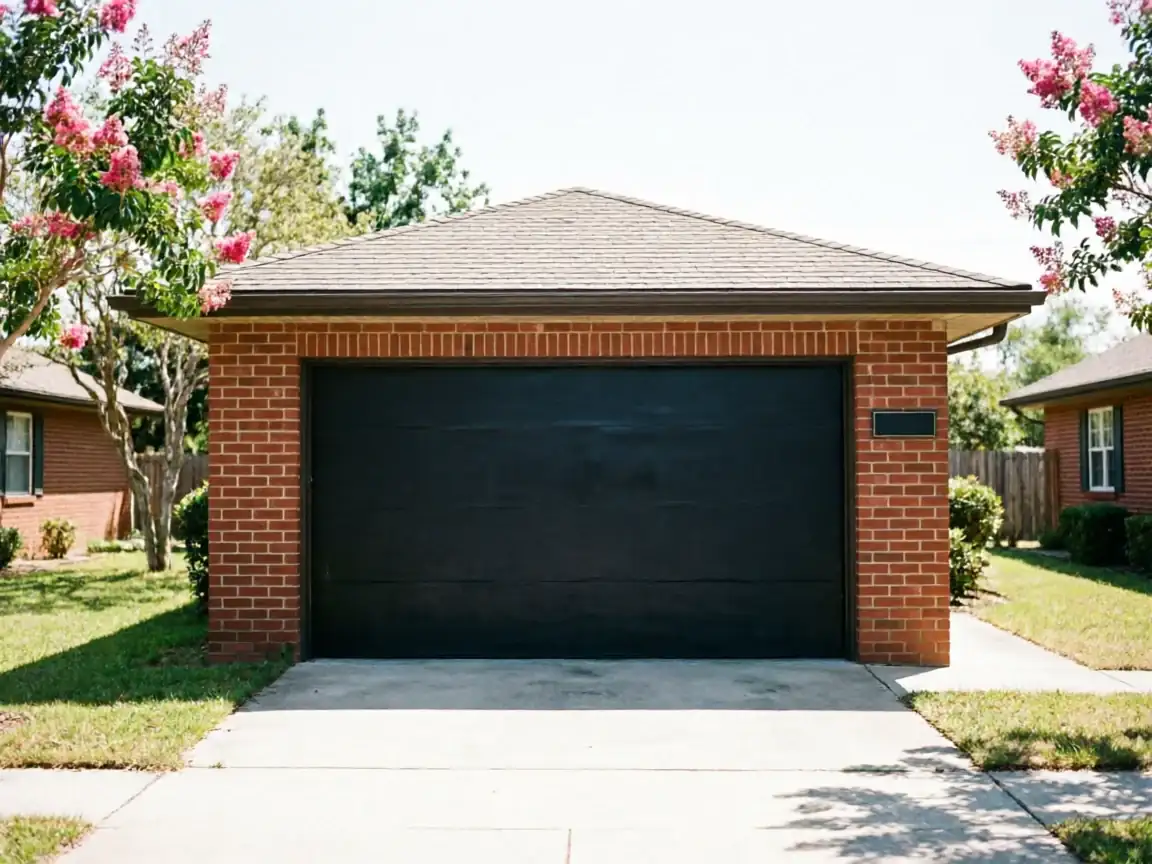
Start with the build date of the house, not the door. Across Longview and the surrounding communities, most housing went up between 1968 and 1994, with the median landing around 1981. If your house falls in that window and nobody's swapped the door, you're likely looking at original hardware: steel or wood panels, a torsion or extension spring sized for 1980s weight standards, and track that was never built for today's heavier insulated doors.
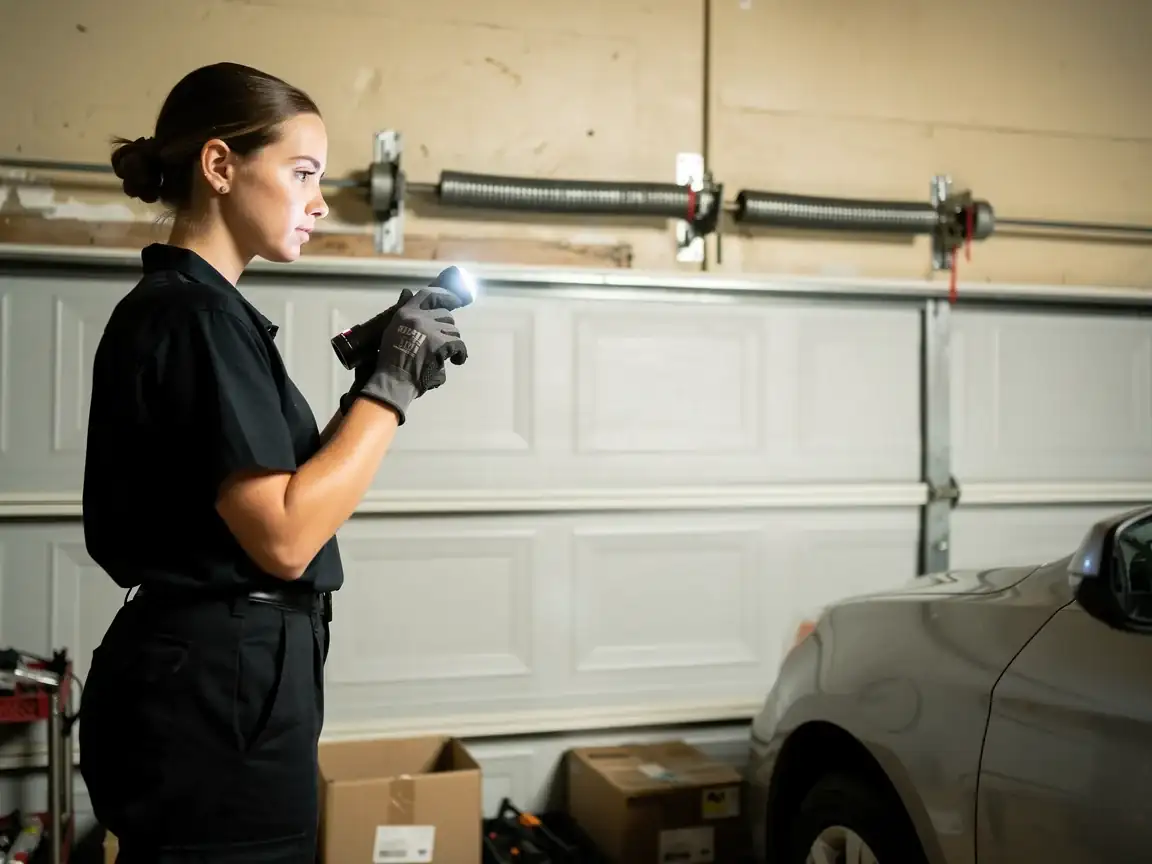
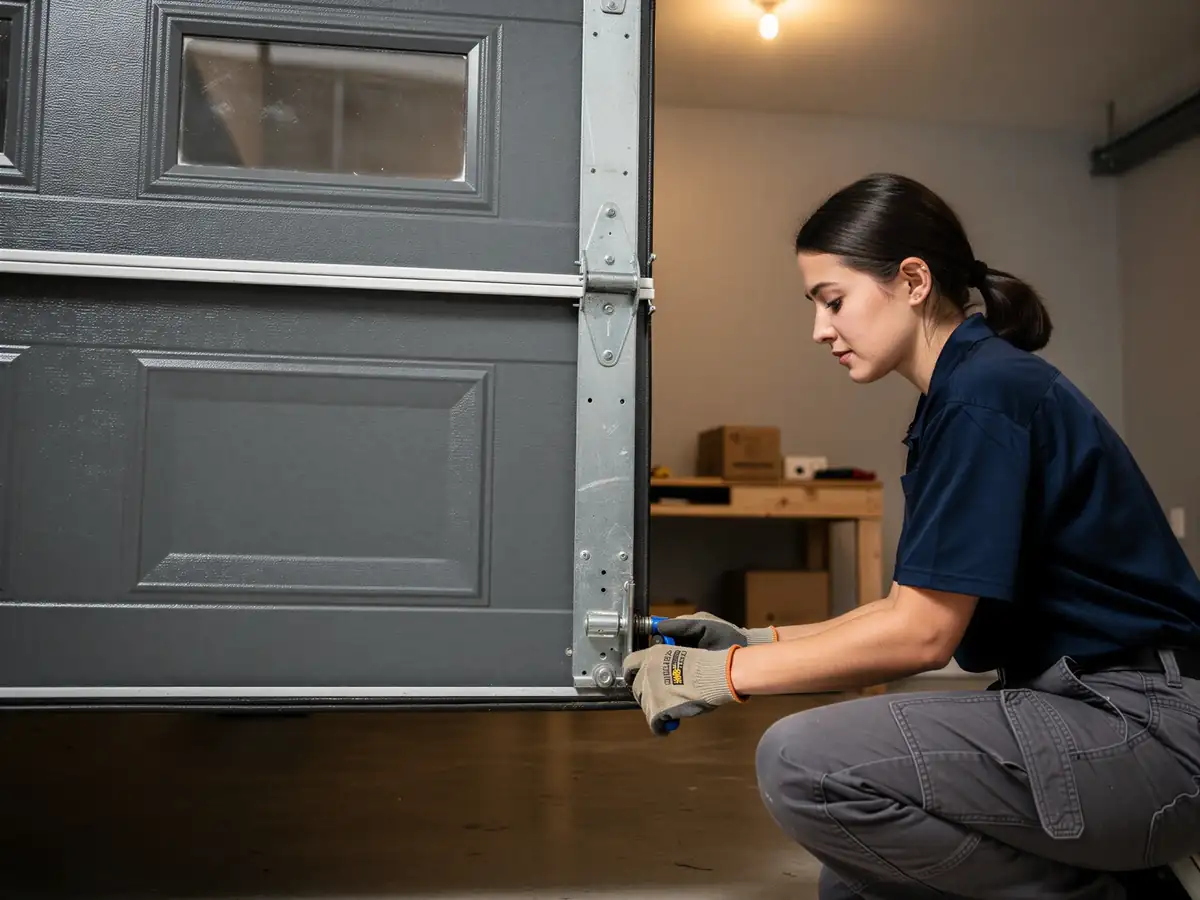
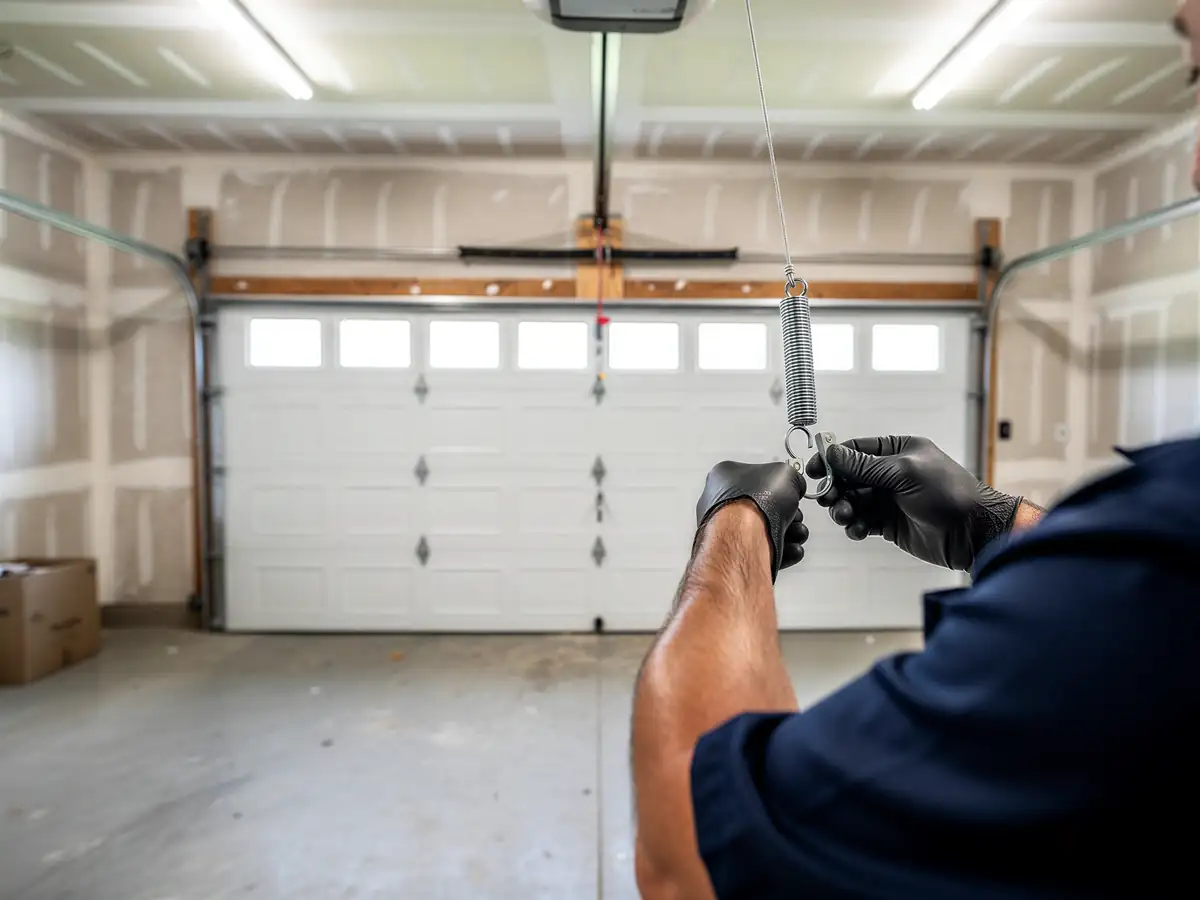
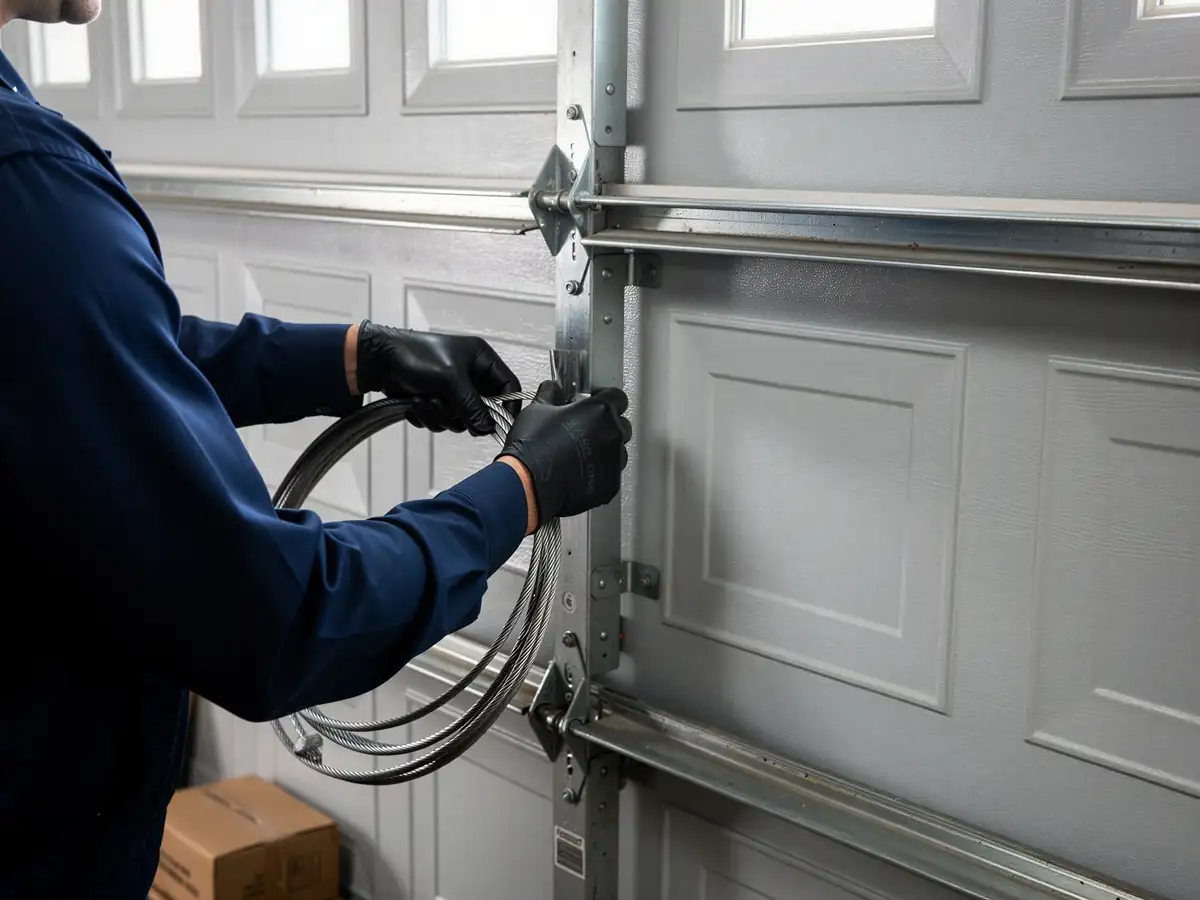
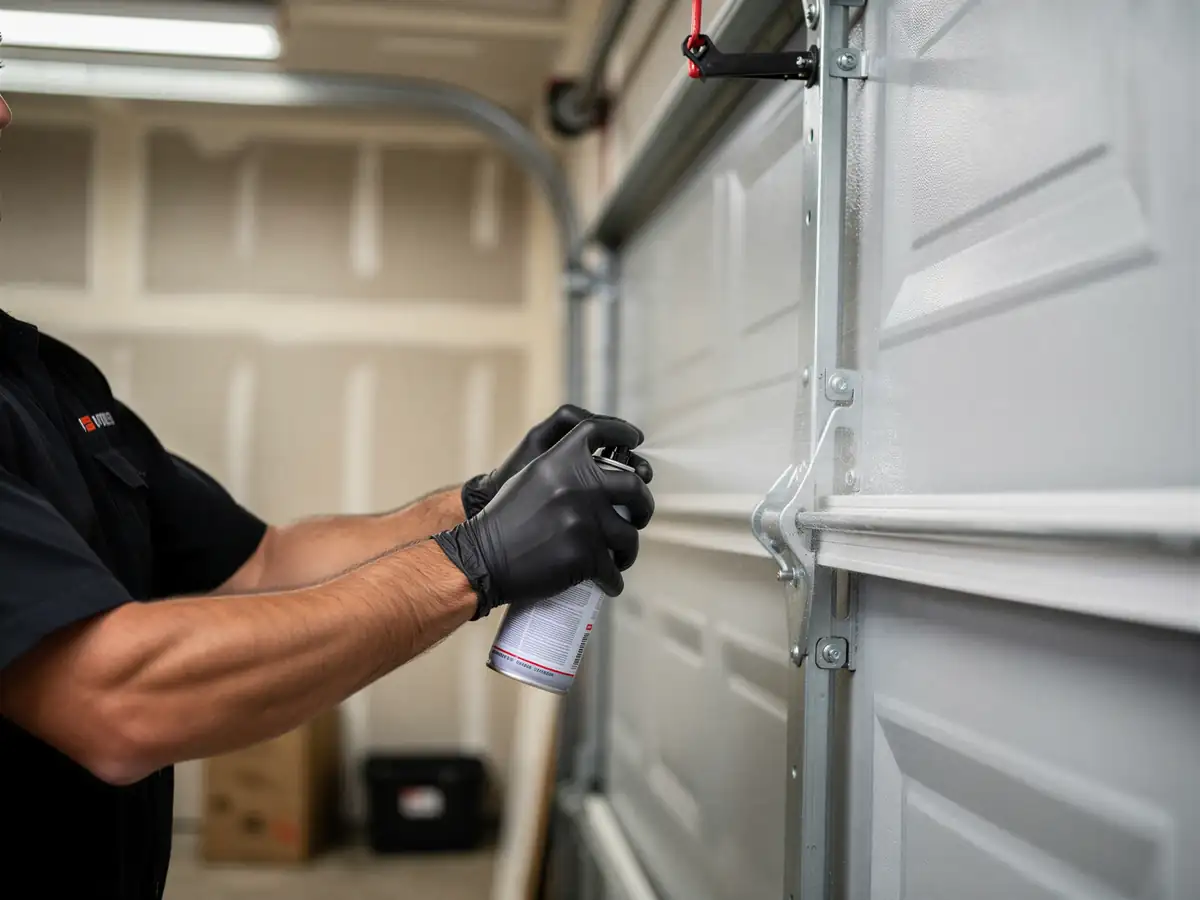
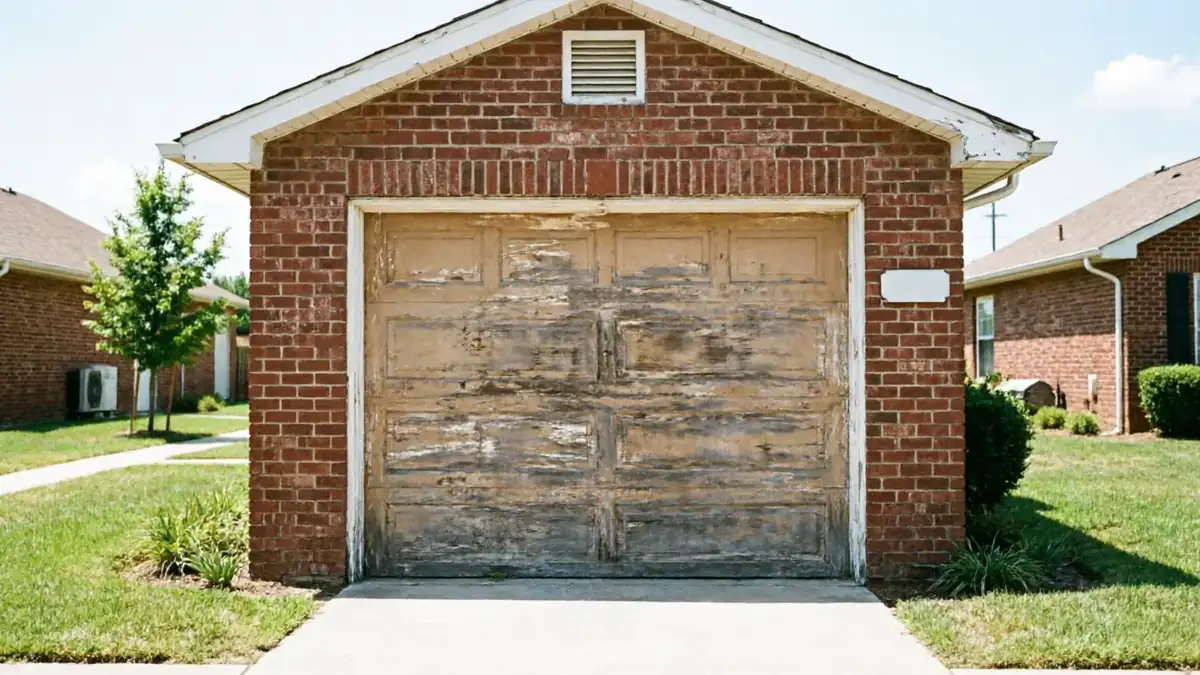
Check the spring first. Look for gaps in the coils, rust at the winding cone, or a spring that's visibly stretched compared to its mate. Check the rollers next - if they're steel instead of nylon, that's a strong sign the door hasn't been touched since it was installed. Check the bottom panel for rust-through or wood rot at the corners, since that's where water sits longest.
This pattern holds across the service area - from White Oak and Lakeport in close, out to Gladewater, Hallsville, Gilmer, and Ore City further out. The stock is consistent enough that the same checklist applies whether you're five miles from Longview or twenty.
The Problem
A torsion spring is rated for a number of open-close cycles, not a number of years. A door installed when a house was built in the late 1970s or 1980s has usually logged more cycles than the spring was built for, even without any obvious damage. That's why these doors tend to fail without warning - not because they were neglected, but because they've simply run out of cycles.
The second problem is parts. Hardware sized for doors built across this 1968-1994 window isn't always something a supplier still stocks. A broken torsion spring on a door from that era can mean hunting down an older shaft size or drum, not just grabbing a standard replacement off the truck.
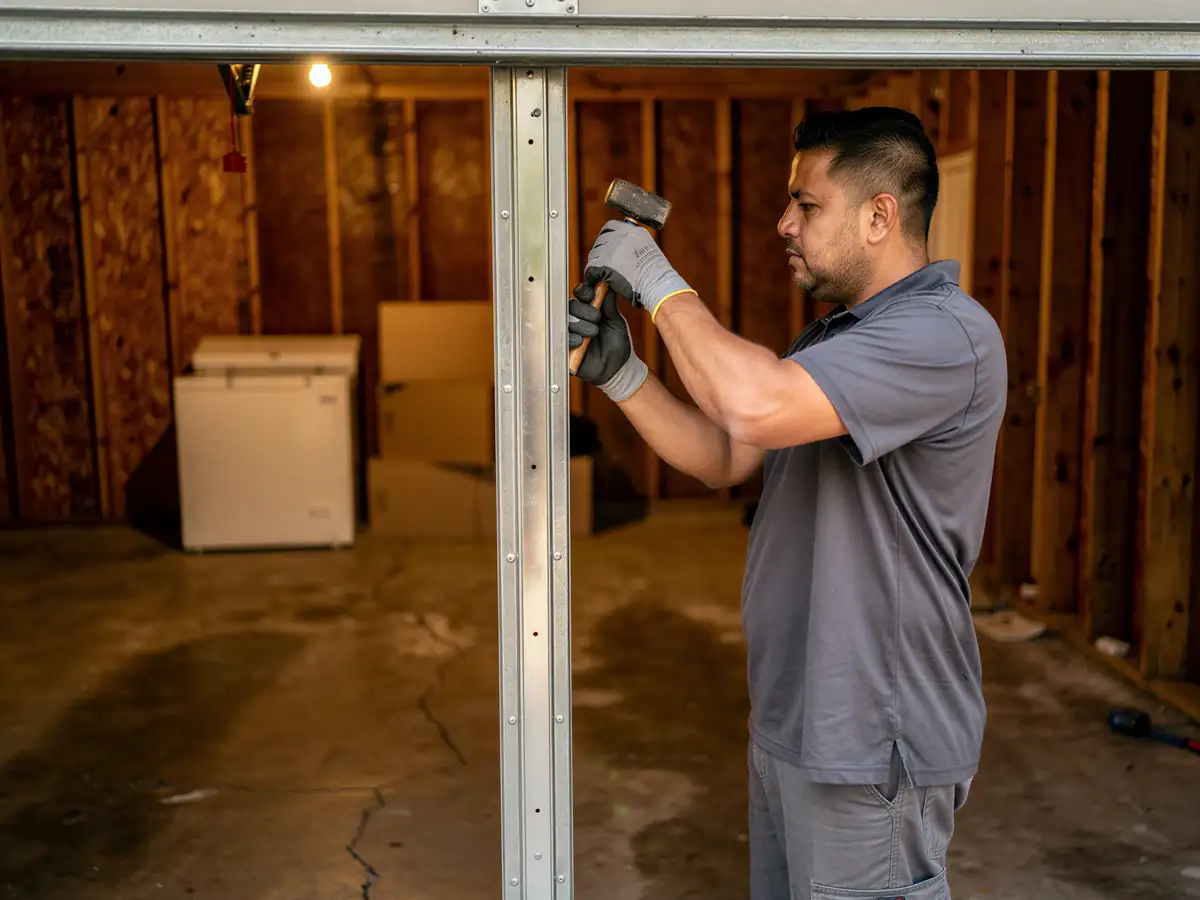
The third problem is scope creep. Once you're into a door that old, pulling one worn part usually turns up two more - a bent track from decades of marginal alignment, or an opener bracket that's been flexing a hairline crack for years. None of that shows up until someone's hands are actually on the door.
What Most People Get Wrong
The most common mistake is treating the opener as the problem when the door is the problem
A homeowner replaces the opener, the door still drags or slams, and a year later they're calling about the same symptom. If the house dates to the 1968-1994 window common across this area, the opener is rarely the oldest or weakest part of the system - the spring and the rollers usually are.
The second mistake is assuming a door that still opens is a door that's fine
A spring nearing the end of its cycle life doesn't give much warning. It can look and sound normal right up until it doesn't.
The third is cosmetic thinking
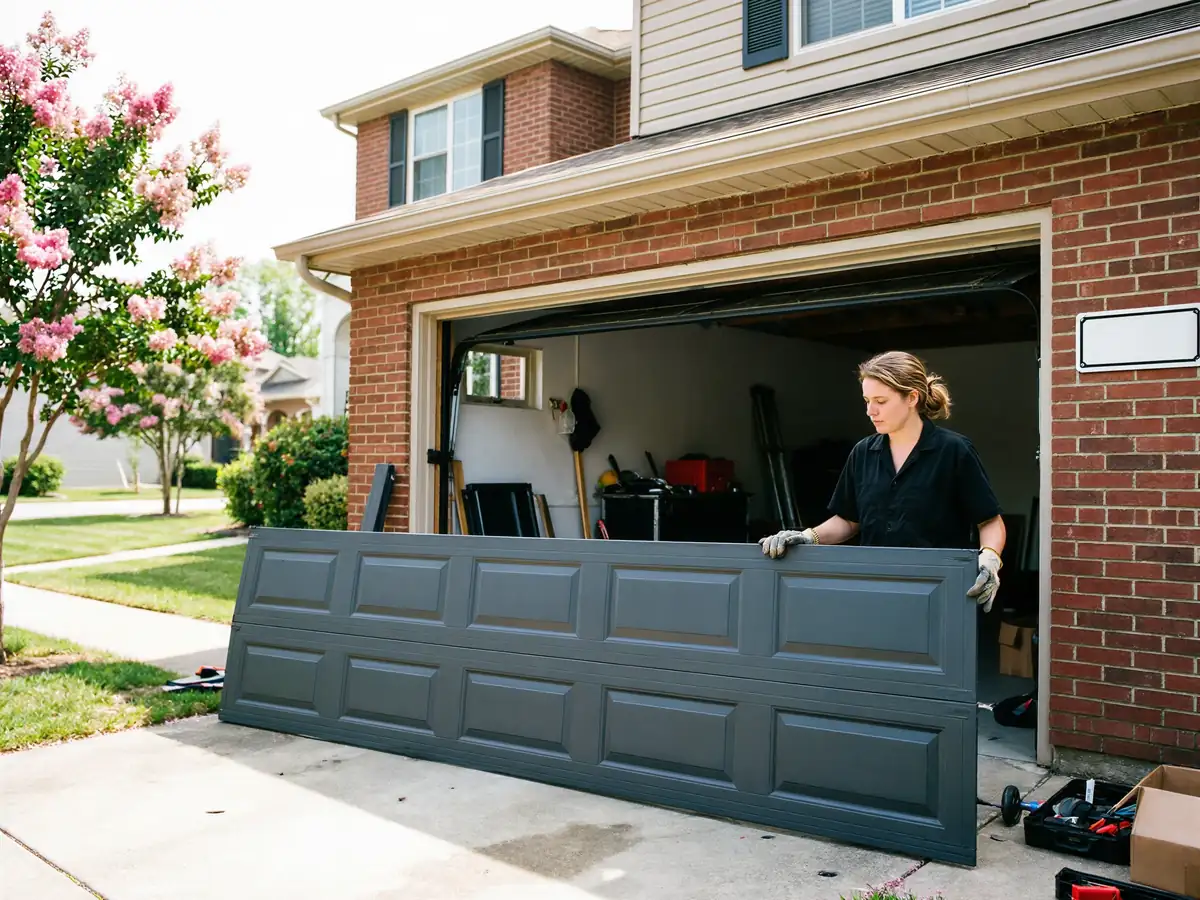
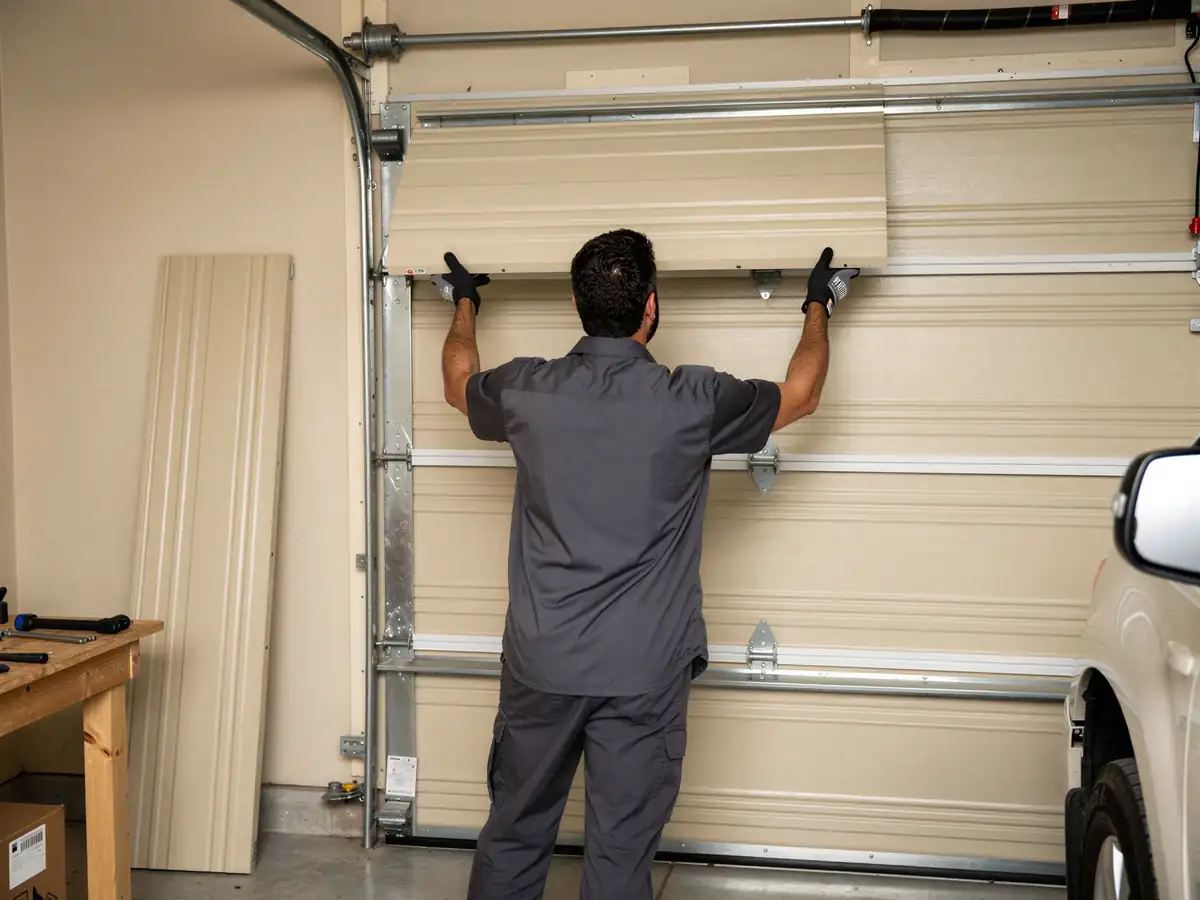
Repainting a door with rust starting at the bottom panel seams. Paint doesn't stop rot that's already working through steel from the inside. Here's the honest limit: once rust has eaten through a bottom panel on an original steel door, patching it is a short-term fix at best. At that point, replacing the door is usually cheaper over a few years than repeated patch repairs, and we'll say so rather than keep billing for band-aids.
What the Weather Here Does to It
Longview sits in a moderate-heat climate band, which is a mixed blessing for an older door. It spares springs some of the fatigue you'd see in a true extreme-heat region, where metal expands and contracts hard enough to shorten spring life measurably. That's one reason doors from the 1968-1994 building window out here can still be running on original springs decades later.
But moderate heat still means real heat, and real heat paired with Texas humidity is hard on anything organic. Original wood-panel doors common in that same era take on moisture at the bottom edge, swell, dry, and crack over repeated cycles. Steel doors aren't immune either - condensation inside an uninsulated panel, which was standard when most of this housing stock went up, promotes rust from the inside out where you can't see it starting.
None of this is dramatic weather. There's no single storm event driving the damage. It's closer to forty years of ordinary heat and humidity doing slow, steady work on parts that were never built to last that long in the first place.