Doing It Yourself
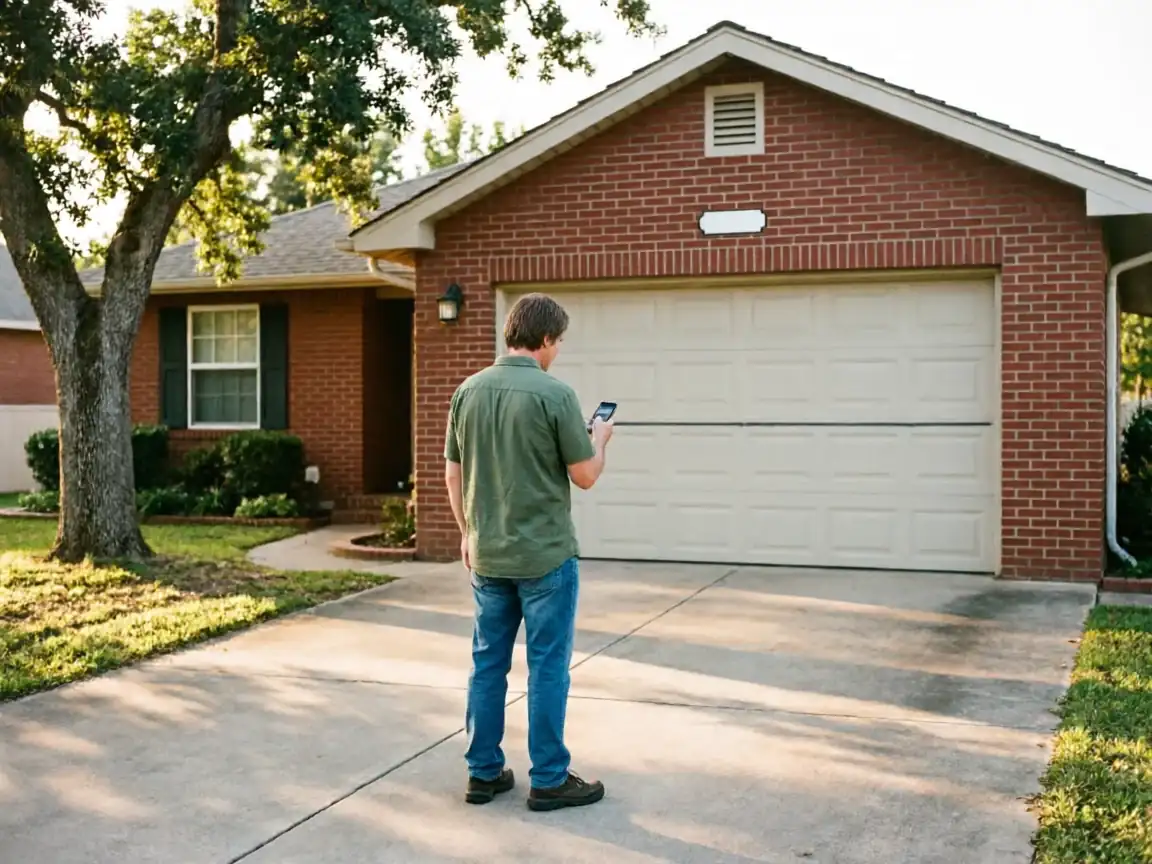
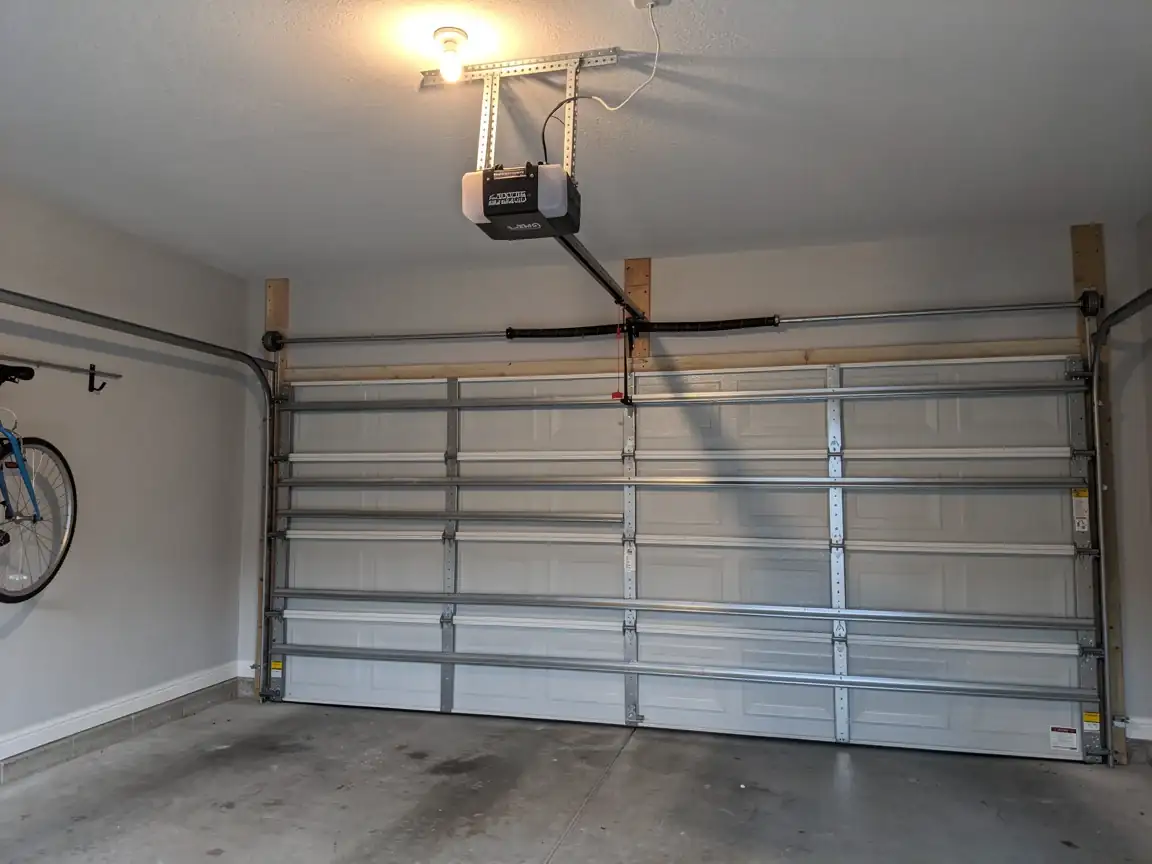
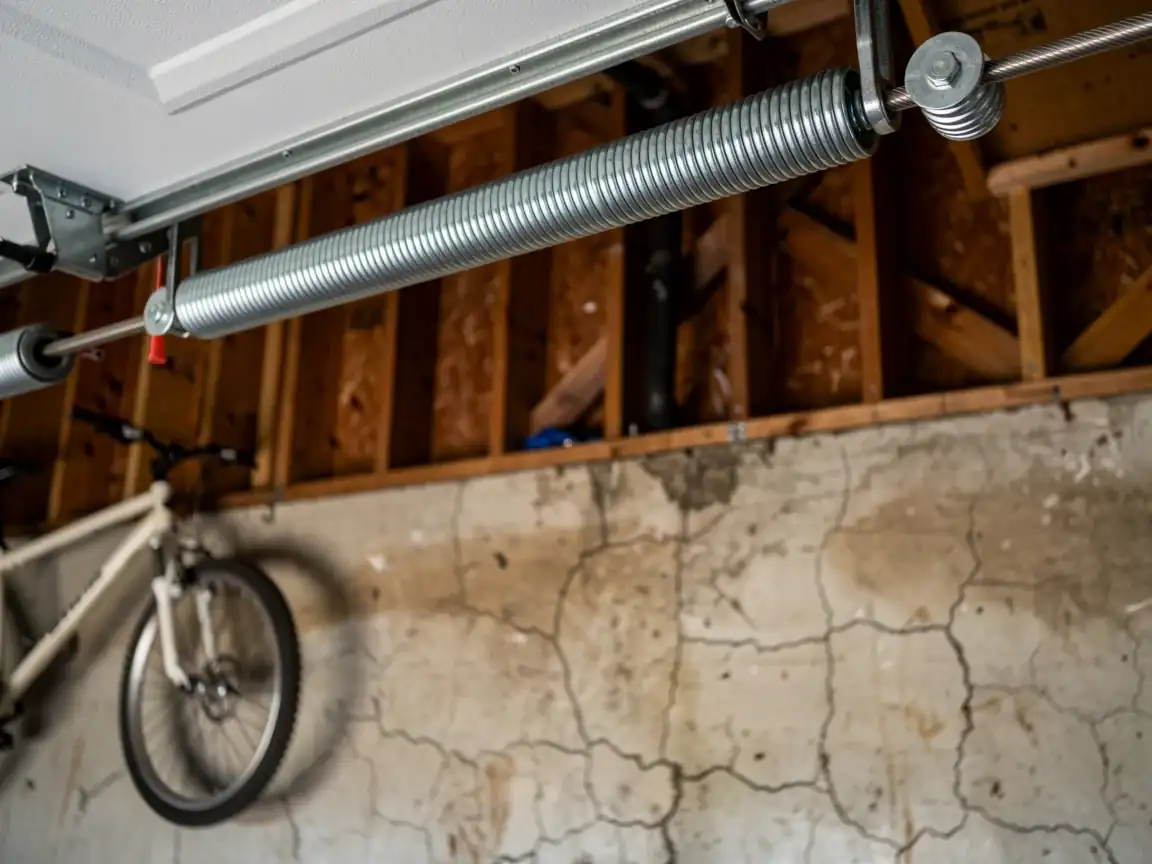
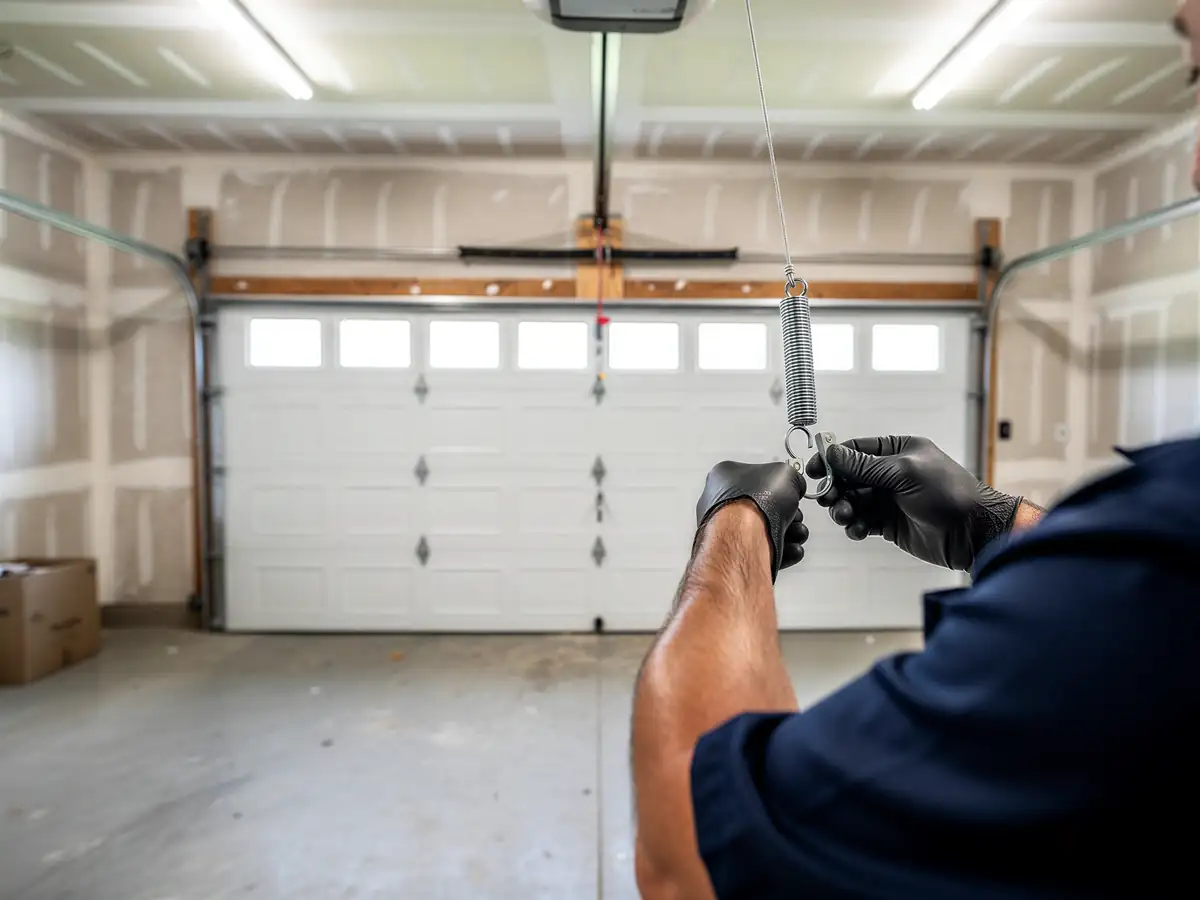
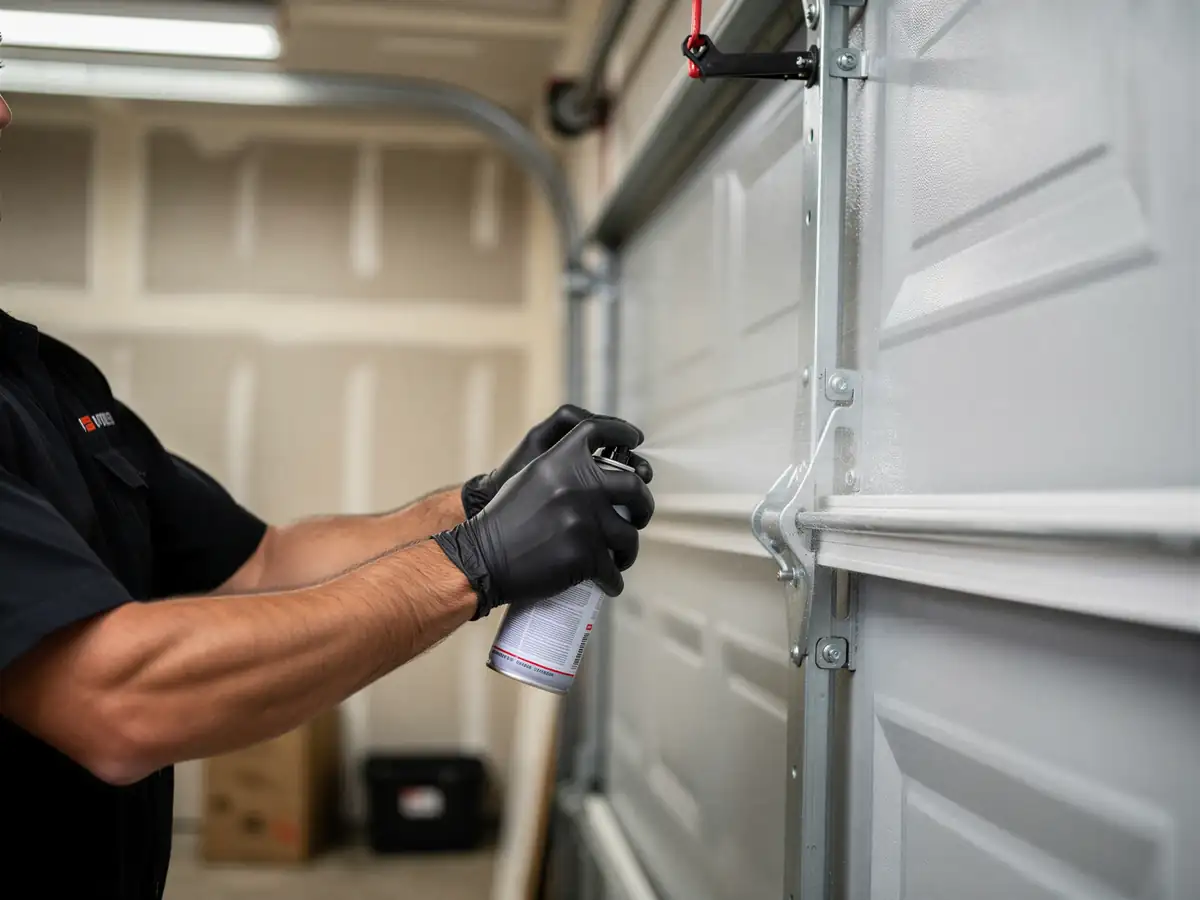
White Oak's housing sits almost exactly at the median build year for this whole service area, 1981, which means most of the doors here are original hardware from that era or a straight swap done on the same track width and roller size. If your door has jumped the track, the first thing worth checking yourself is whether the track bracket itself has pulled loose from the framing, or if a roller has simply split and dropped out. Neither takes a tool more complex than a ladder and a flashlight to spot. What you should not do is try to force the door back onto the track while it's still under spring tension, or cut a cable to free a jammed panel. On a door from this build era, the torsion spring is original-style hardware, and those store a lot of force in a small coil. We don't walk homeowners through spring work over the phone, not because we're guarding a trade secret, but because the failure mode (a spring letting go while someone's hands are on it) is the kind of injury that shows up in every set of garage door numbers nationally. Track realignment without touching the spring is reasonable DIY territory if the door is light and the slip is minor.
How Long It Takes
Most off-track calls in a neighborhood like White Oak, where the stock clusters around that same 1981 median, resolve in one visit once we're on-site, because the hardware is consistent enough that we're not guessing at bracket spacing or roller stem length before we arrive. A simple track knock-back, where the door slipped a roller but the track itself didn't bend, is a short job. A door that's come fully off one side, bent the track, and torqued the opener arm takes longer, since the track has to come off and get replaced rather than just bent back. We won't quote a fixed number of hours here, because the honest answer depends on which of those two situations you've actually got, and that's something we confirm by looking at the door, not by guessing over the phone.
What You Are Seeing
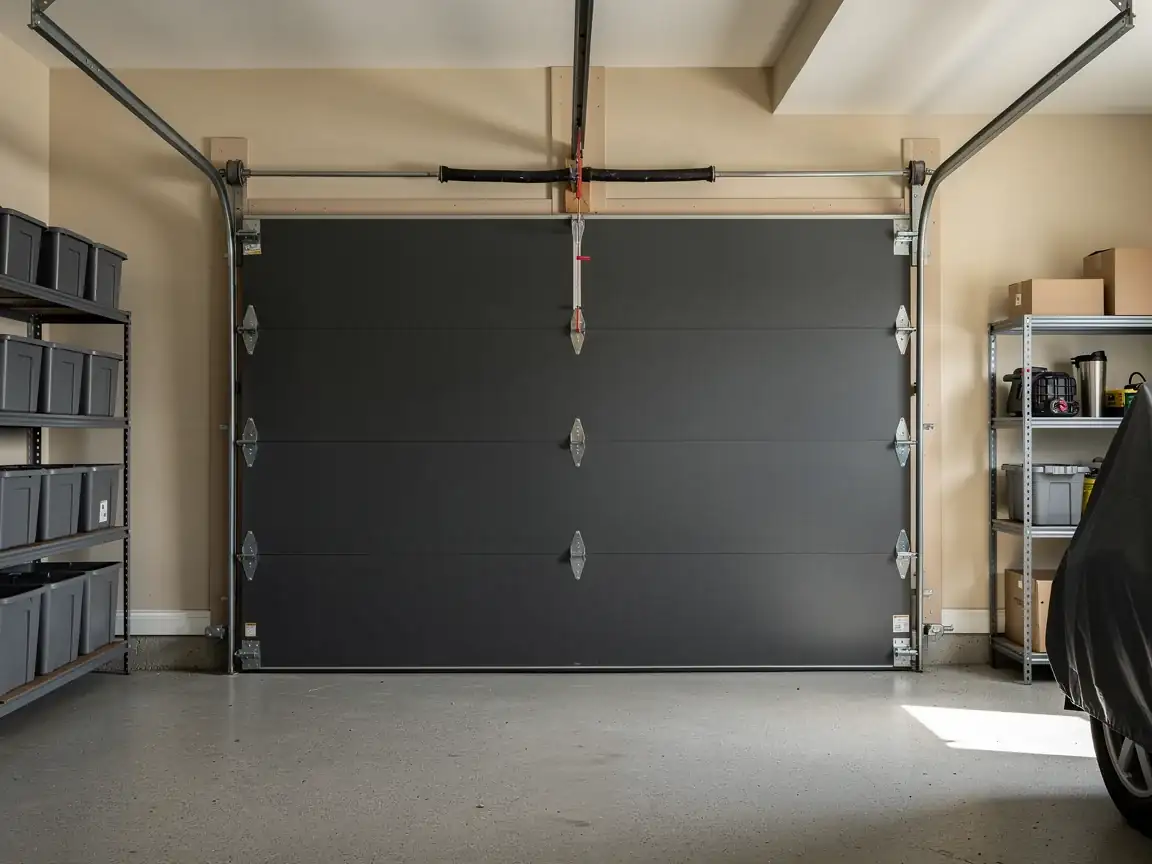
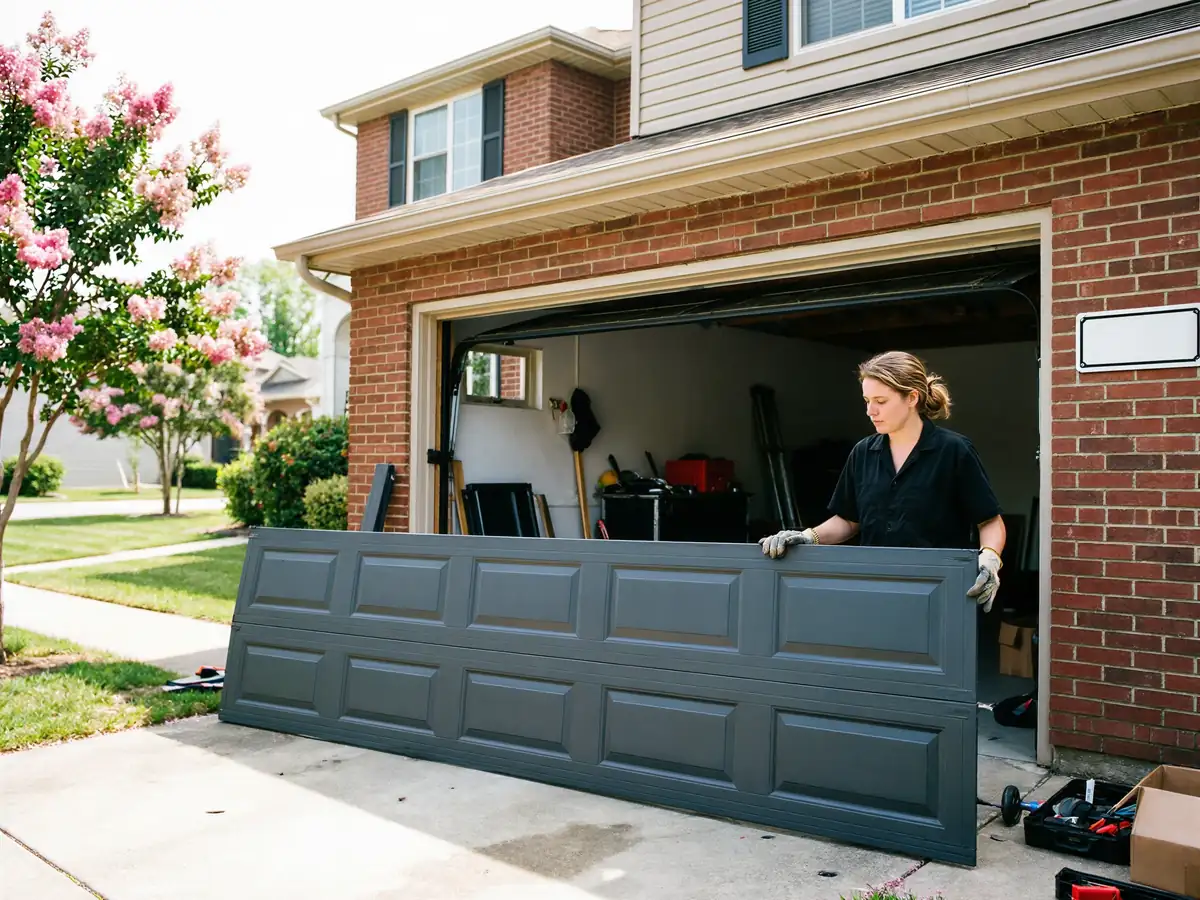
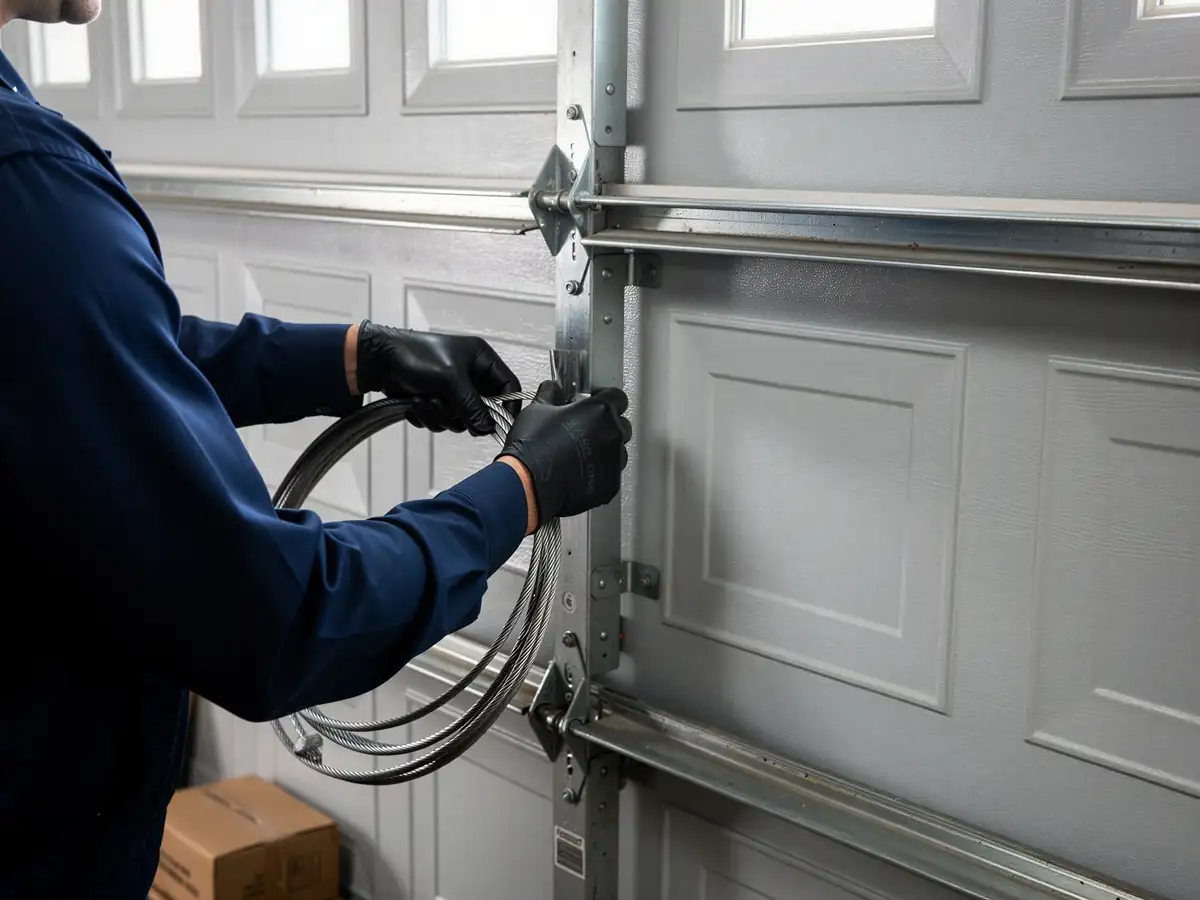
With White Oak households sitting at a median income of $95,193, a fair number of these garage doors are heavier insulated models rather than the thin single-layer steel panels you'd find on an older starter-home stock. A heavier door off its track puts more strain on a bent bracket or a cracked roller than a light door would, which is part of why a door that's merely drifted off-plumb on one side can look dramatic (daylight showing along one edge, the door hanging crooked) without the opener having failed yet. Cables that have jumped their drum, a bottom bracket pulled away from the panel, or a track bent inward from a bumped car are the three most common causes we see on this kind of door. None of them are cosmetic; a door that looks crooked but still closes is usually a day or two from not closing at all.
What the Fix Involves
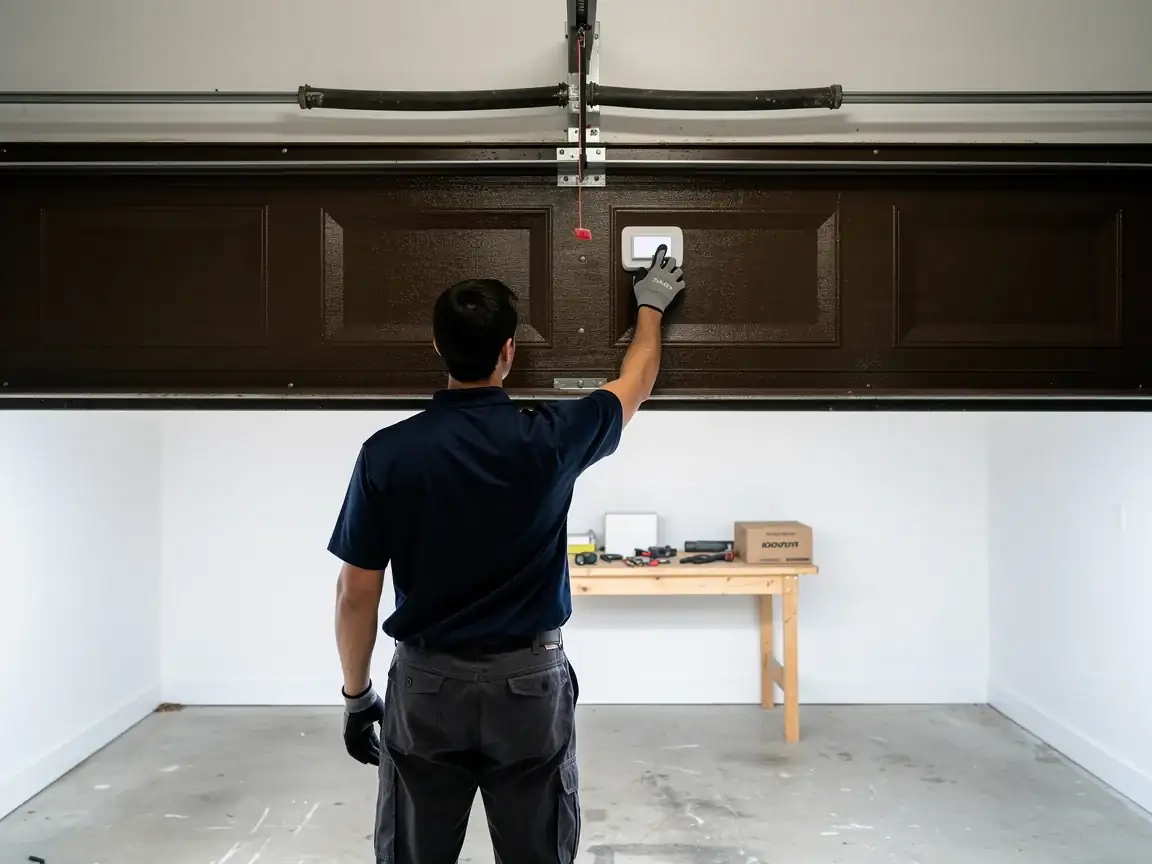
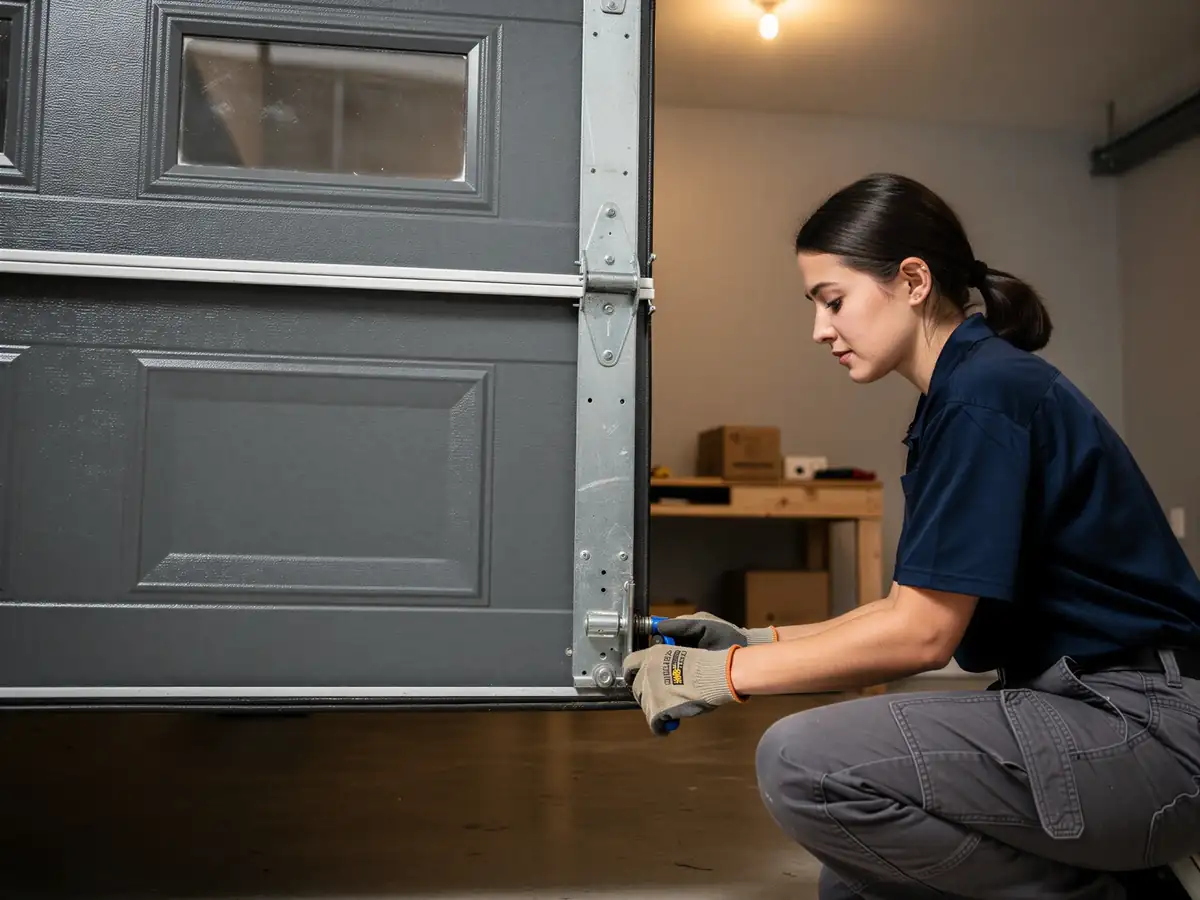
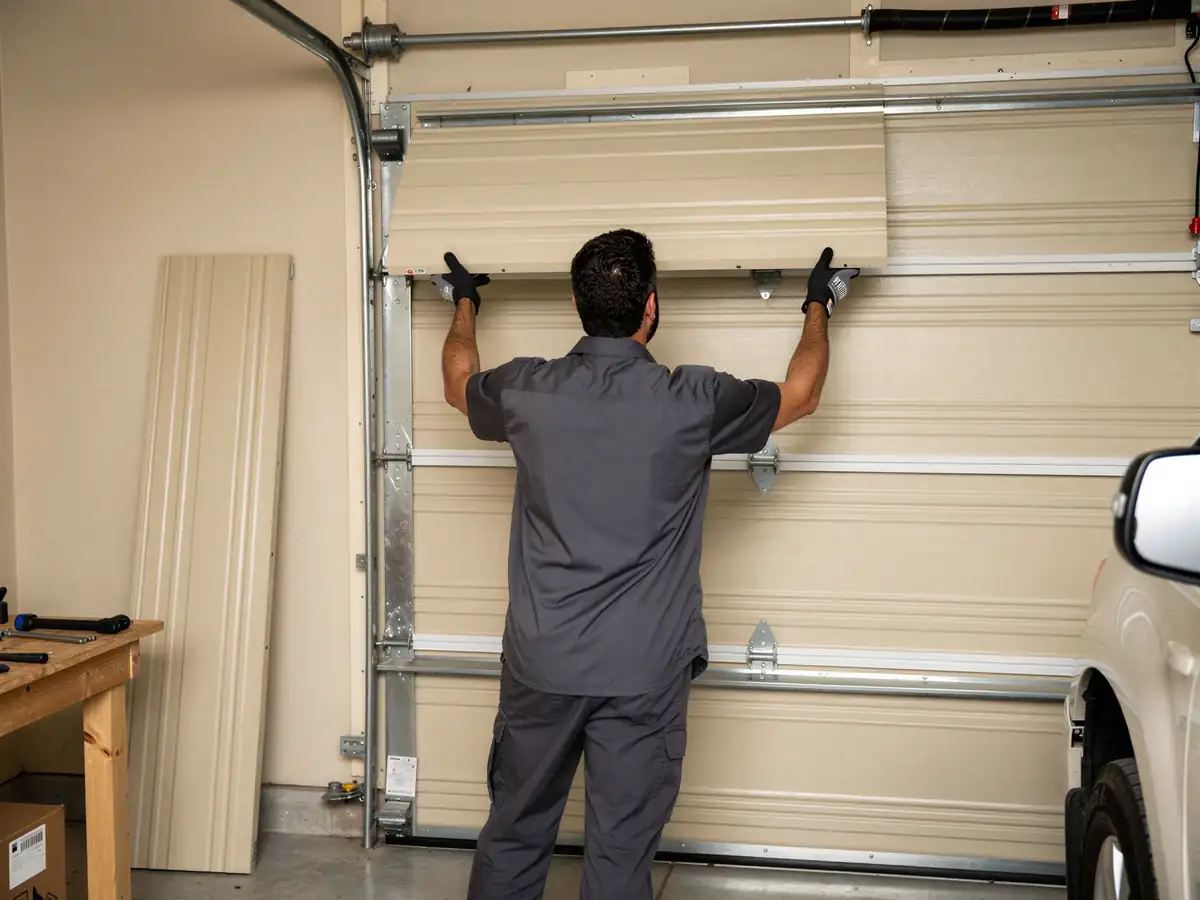
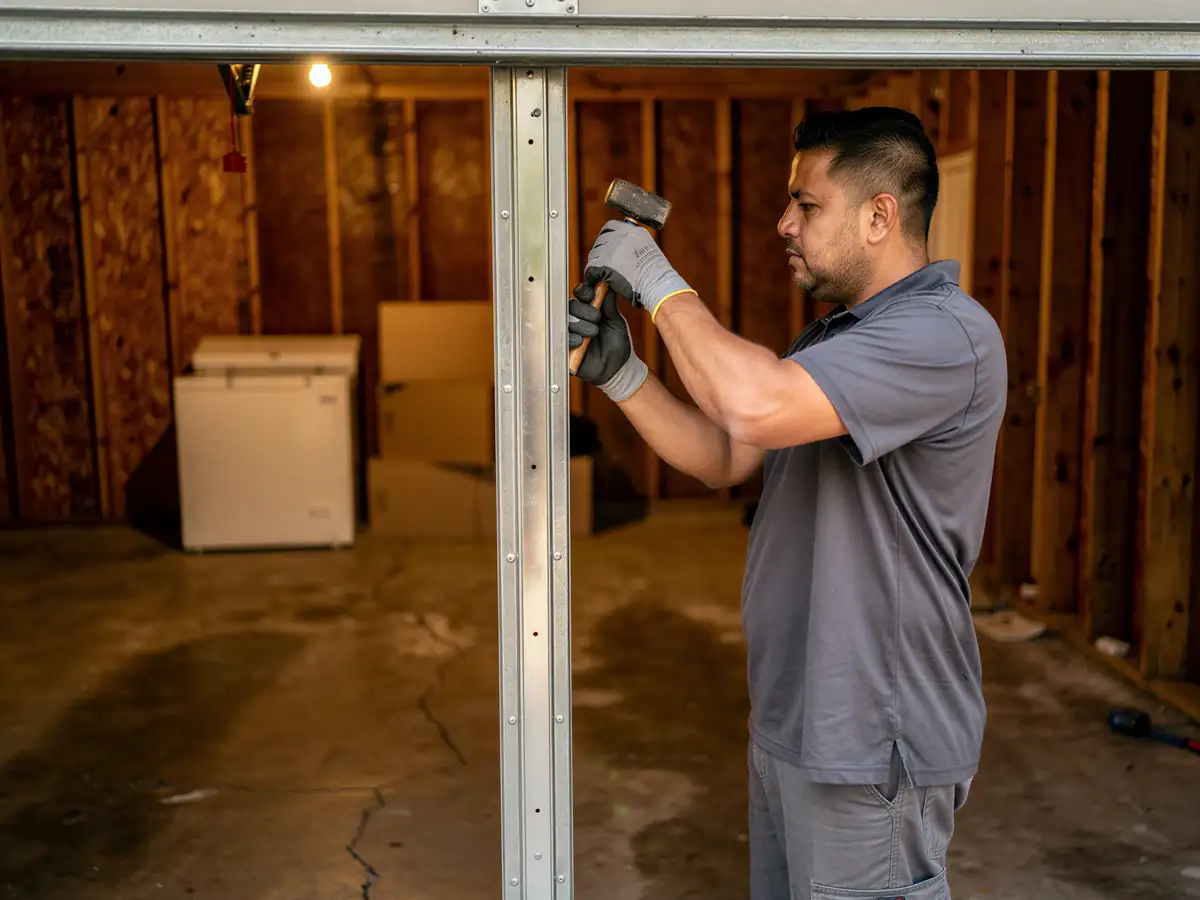
On a straightforward slip, the fix is lifting the door back onto the track, replacing the roller or rollers that caused the problem, and re-tightening the track brackets to the framing. On a bent track, we pull the damaged section and replace it rather than hammer it straight, since a bent track that's been straightened once tends to come back out of alignment under load within a season. If the cable's jumped the drum, that gets reseated and the drum set screws checked, because a loose set screw is usually what let the cable slip in the first place. We check both sides of the door, not just the side that's visibly off, since a door that's come off on the right often has early wear on the left that just hasn't failed yet.