What to Check
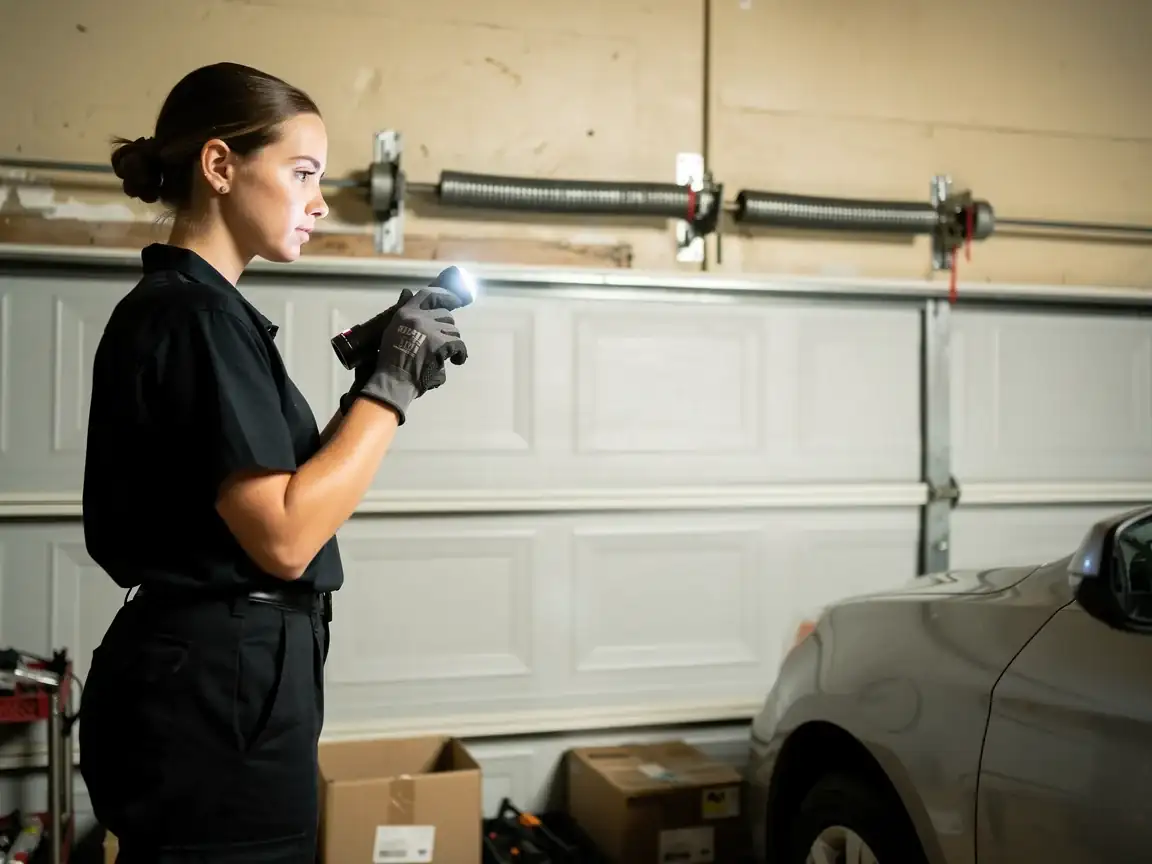
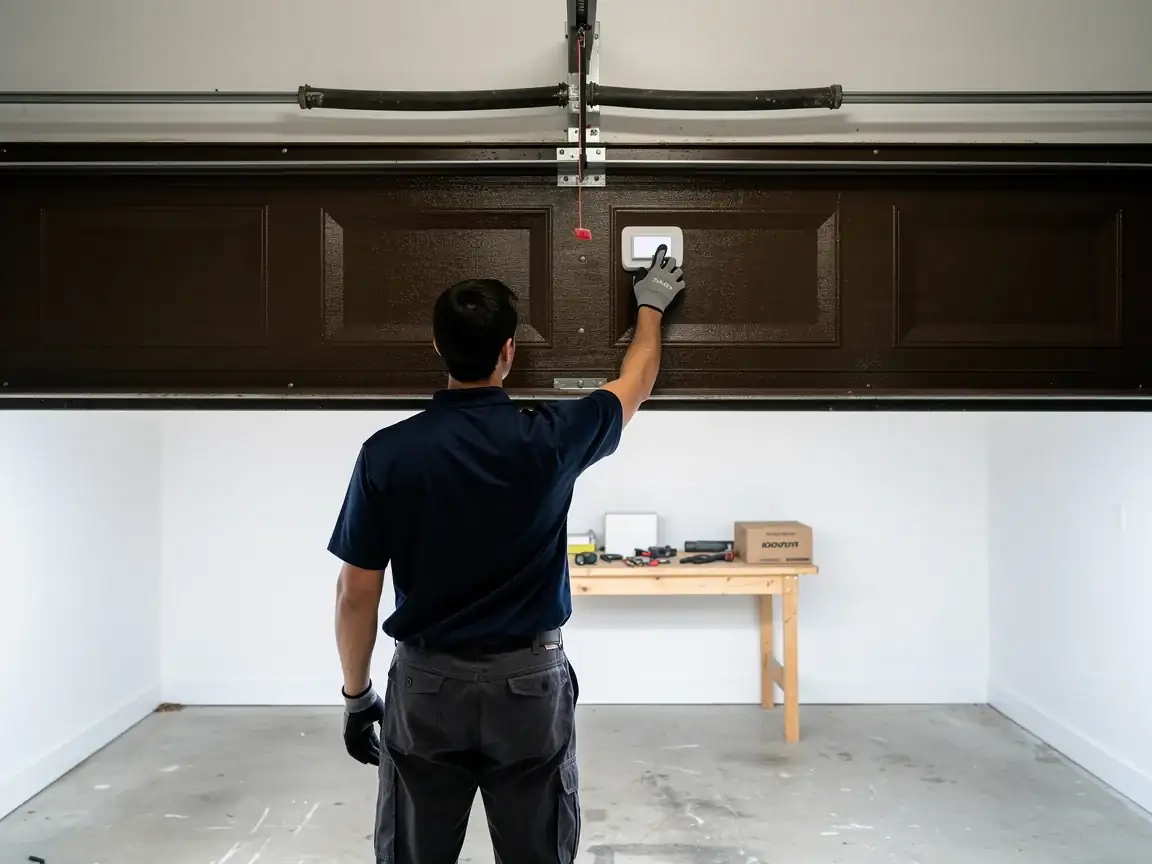
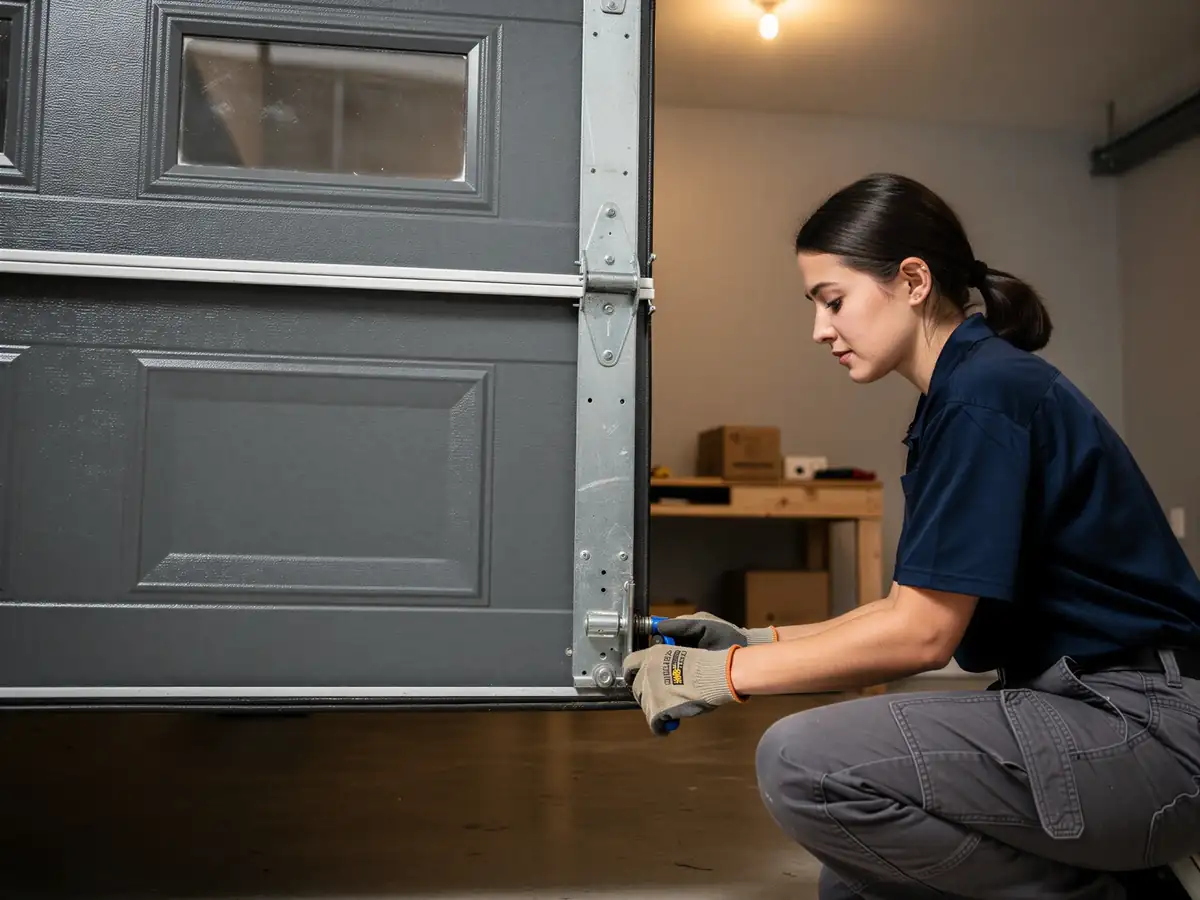
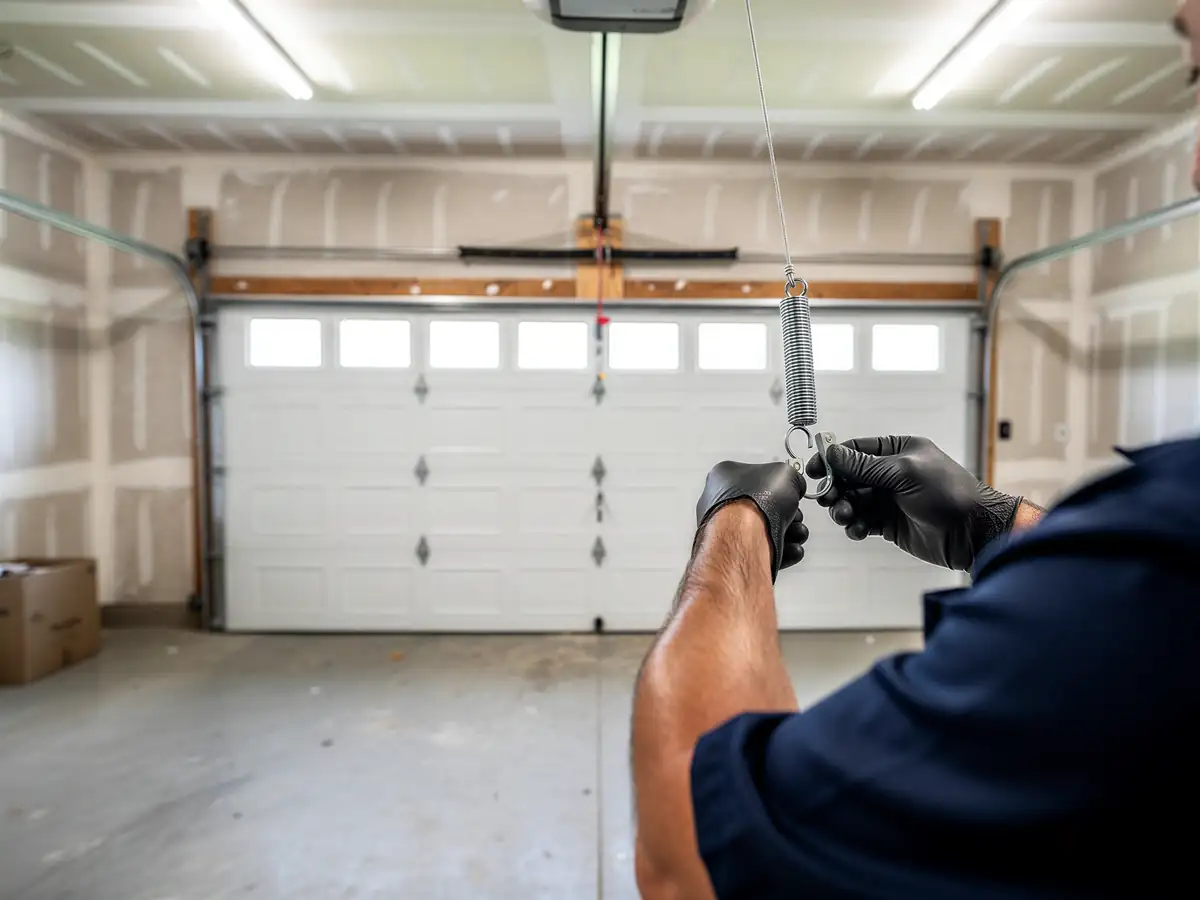
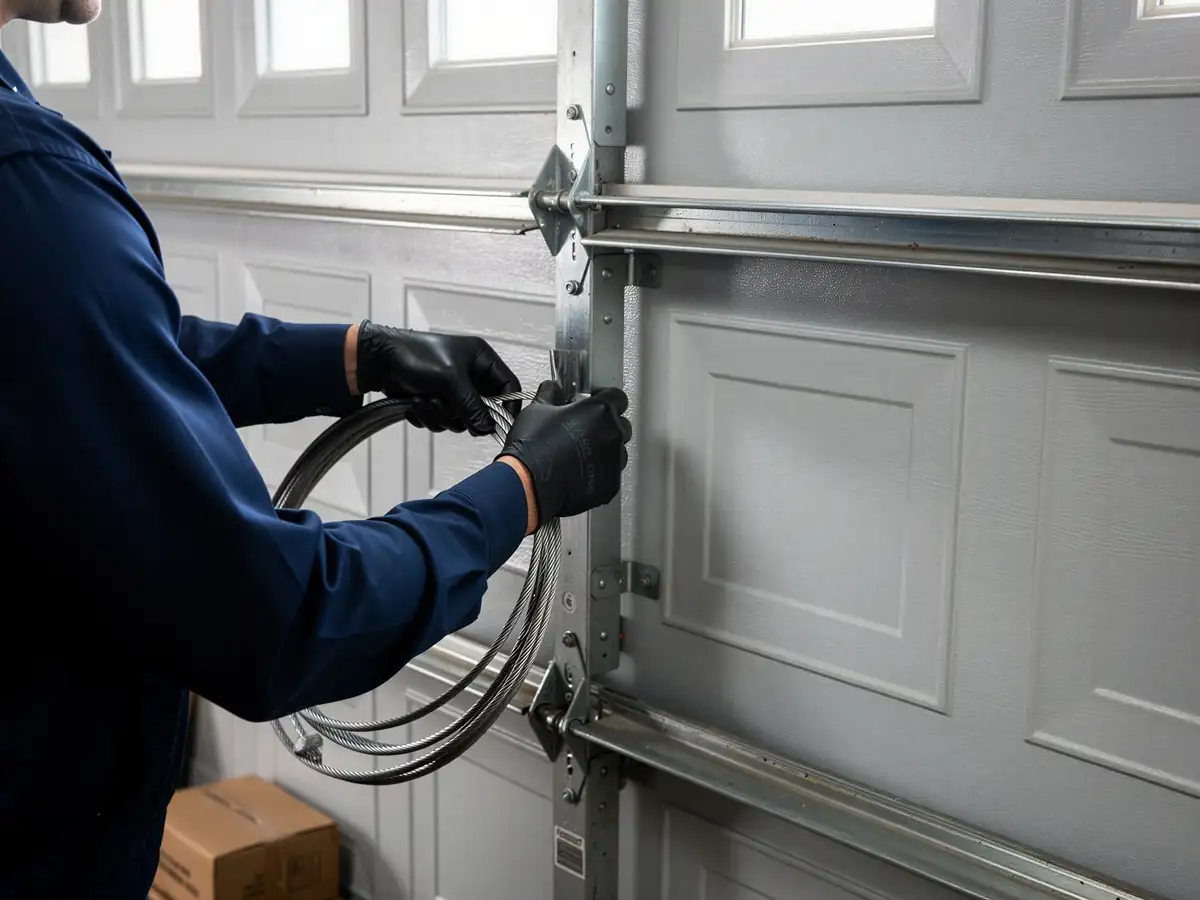
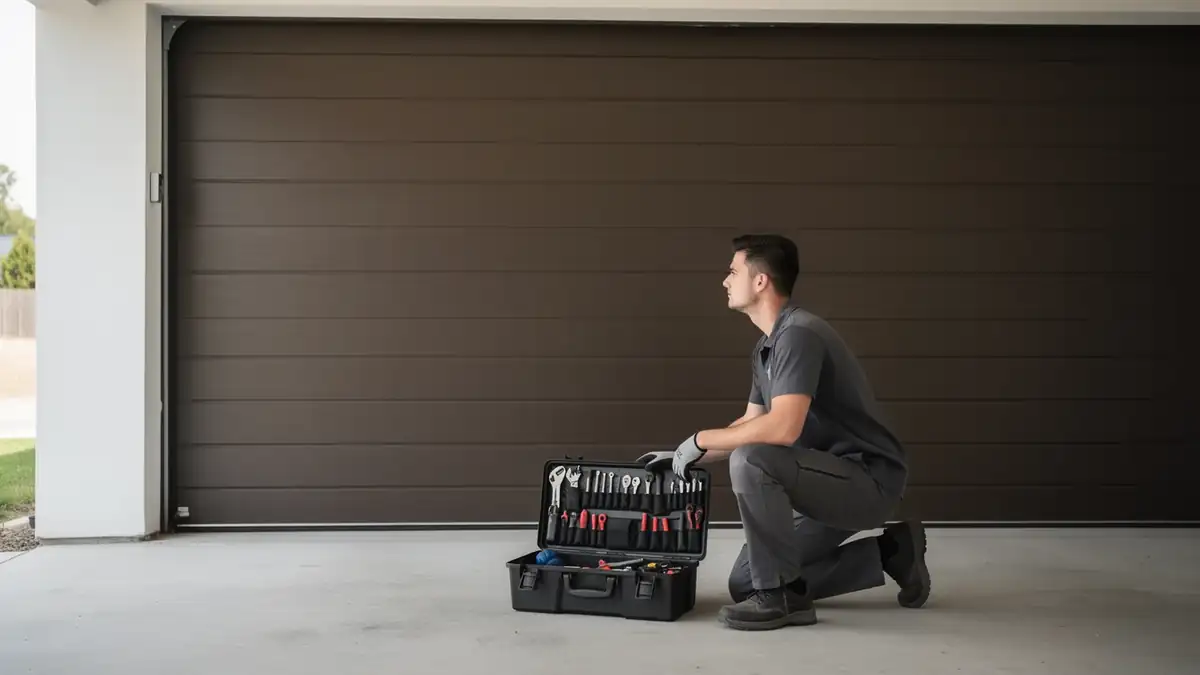
On a standard call we start with the spring, not the opener, because in this area most houses were built between 1968 and 1994 and that's the stretch where torsion springs were sized for lighter steel doors than what's often been swapped in since. We check the winding cones, the end bearing plates, and whether the cable drums match the door weight currently hanging on them - a lot of these homes have had at least one door replacement over fifty-plus years and not every installer re-sized the spring to match. After that we look at the track alignment and the rollers, since houses from this era tend to have the original stamped-steel track unless someone's already swapped it. We test the opener's force settings and the safety reversal, check the weatherstripping at the bottom panel, and look at the hardware for rust or wear consistent with the age of the house. None of this is guesswork - the build year tells us roughly what we're dealing with before we even open the panel, and across the eleven areas we work in, from White Oak to Hallsville, that 1968-1994 window covers most of the stock we see.
The Problem
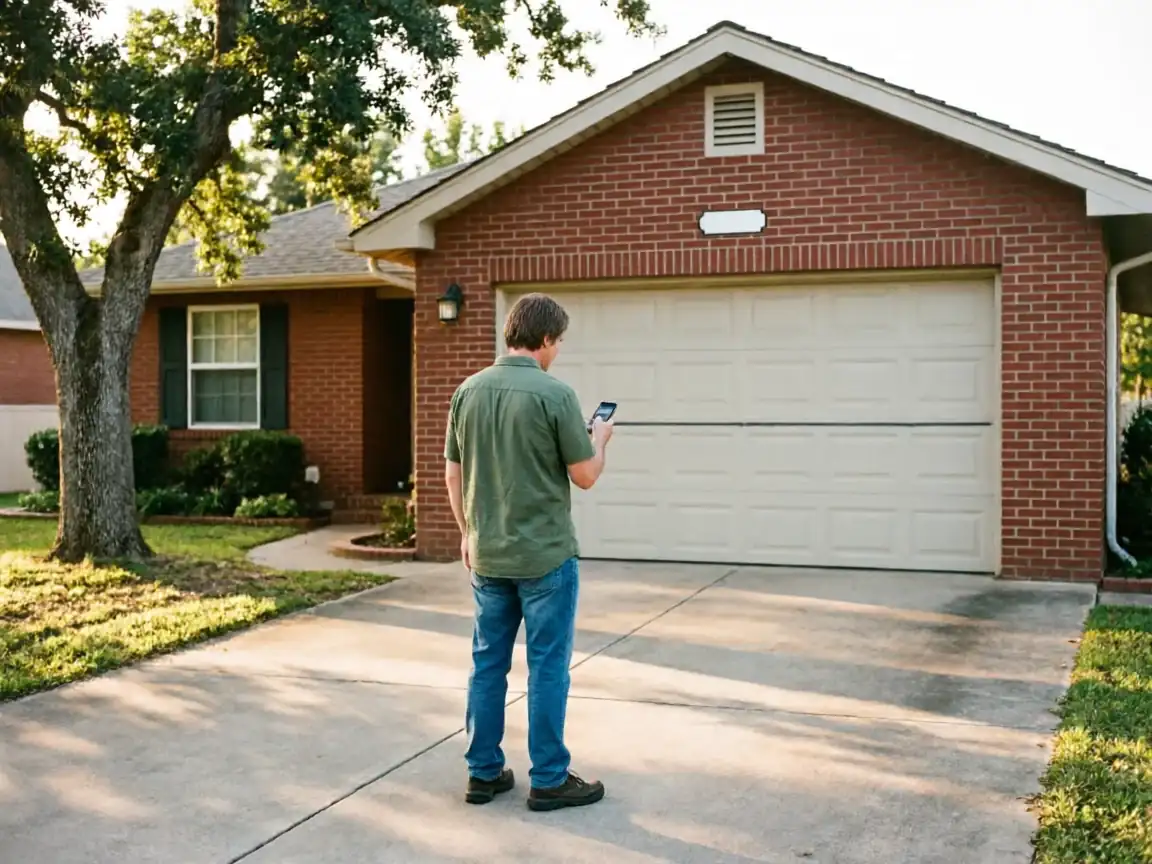
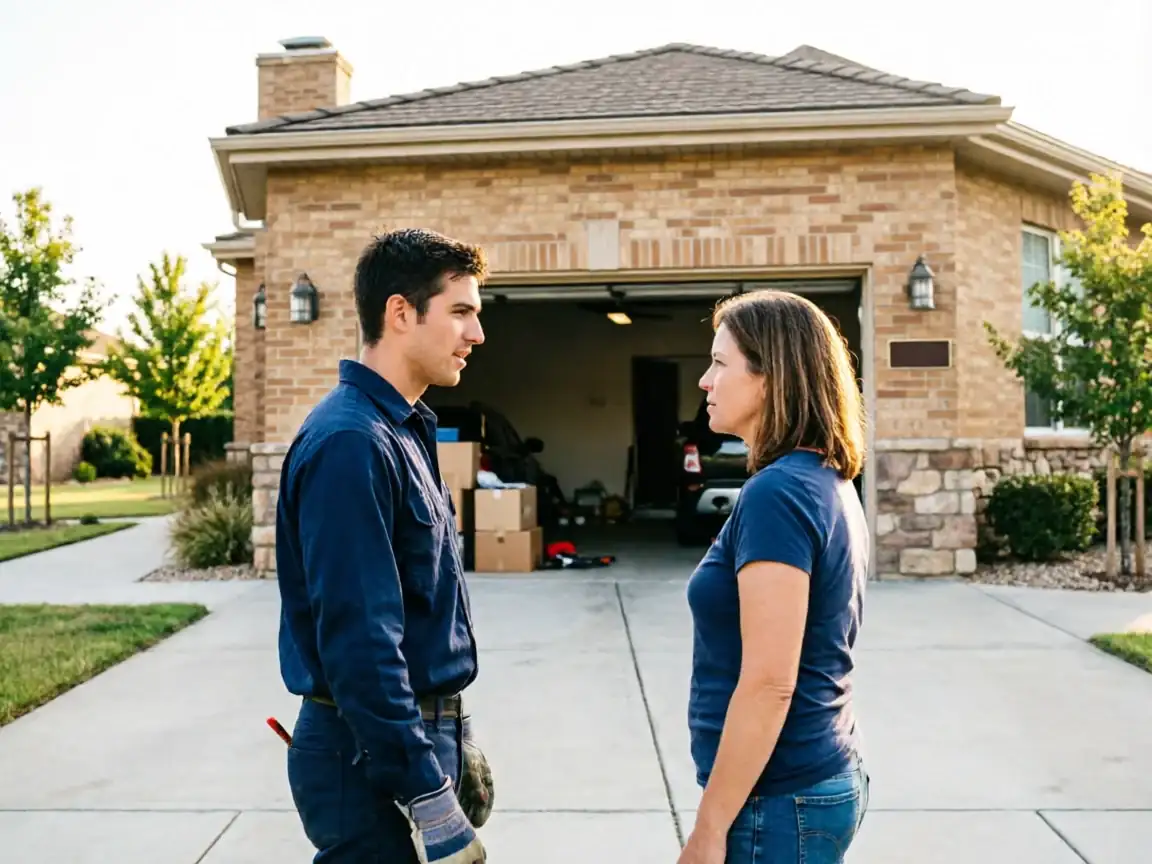
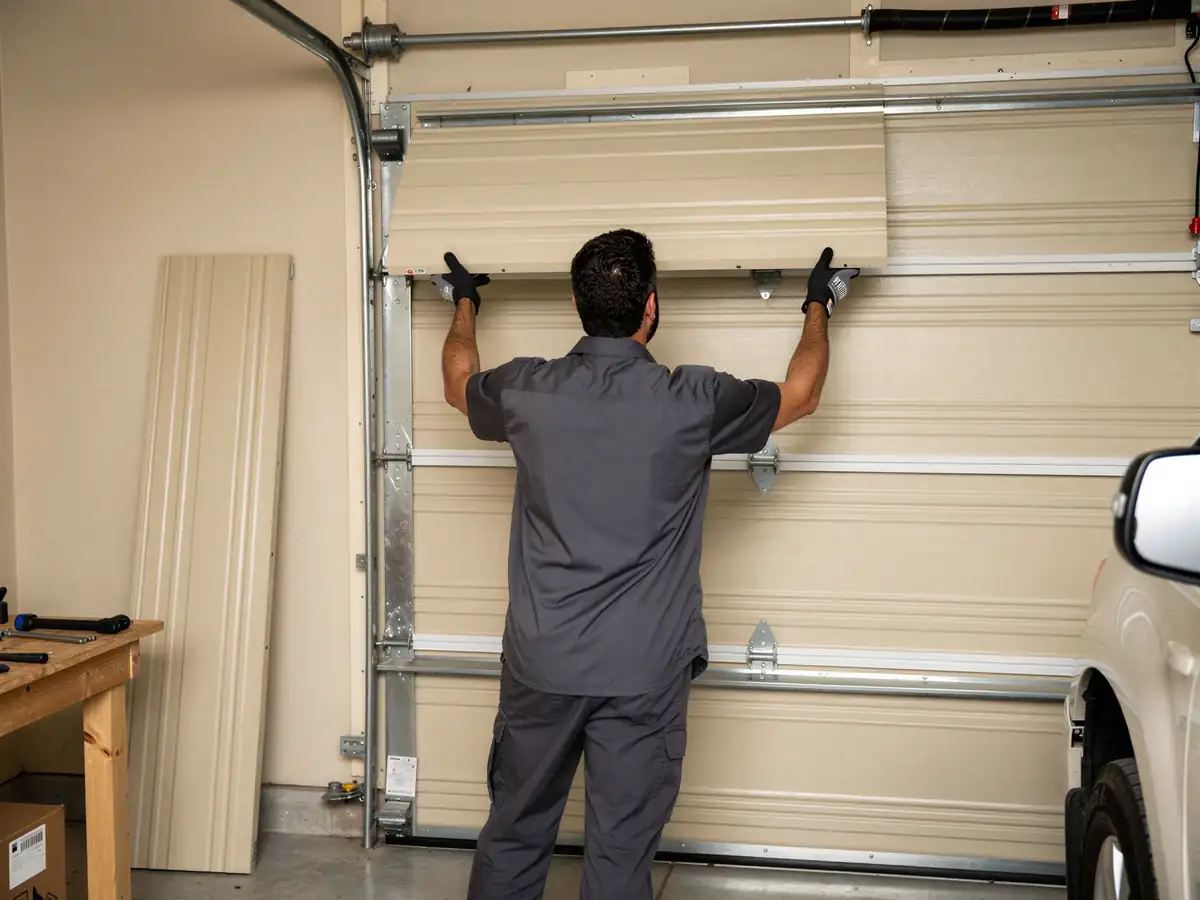
The problem on most calls isn't the part that failed - it's the gap between when the house was built and when the door hardware was last matched to it. With median construction landing around 1981 across this service area, a lot of torsion springs, openers, and even tracks are originals or first replacements, meaning they were specified for a door and climate load that may not reflect what's hanging there now. Owners call about a noise or a door that won't close, and the actual issue is a spring wound for a lighter door, or a bracket that's been flexing under heat for forty years. We also see openers that are a generation or two behind what the door now needs, installed when the house was newer and never upgraded. It's not neglect - it's just that a door system from the 1980s wasn't built to be serviced forever without a look at how the load has changed. That's the piece most service calls end up addressing, whether the homeowner called about it or not.
What the Weather Here Does to It
This area sits in a moderate heat climate band, which doesn't mean the door hardware gets a break - it means the stress is steady rather than extreme, and steady heat cycling is its own kind of wear. Steel springs and tracks expand and contract through the warm months, and on houses built in the 1980s and 90s, that's four or five decades of daily expansion working on bearings, cones, and brackets that were never designed to be inspected on a schedule. Heat also softens weatherstripping and nylon rollers faster than cold does, so on older stock we often find bottom seals that have gone brittle or rollers with flat spots from sitting under sustained warmth. It's not dramatic weather damage - no single storm did this - it's the cumulative effect of years of heat on original-era hardware, which is exactly why a service call on a house from this era usually finds more than the one symptom that triggered it.