Doing It Yourself
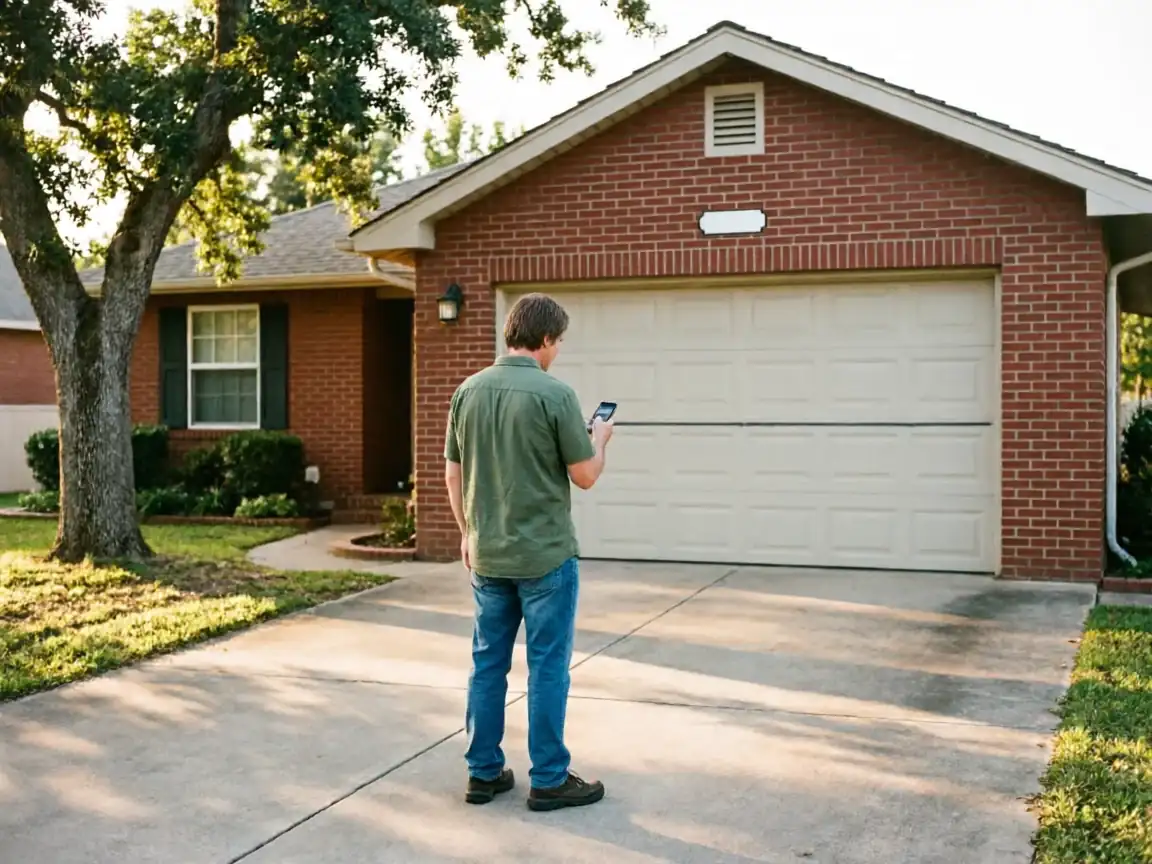
Hallsville sits twelve miles out from our Longview shop, and that drive shapes how we handle a panel job here. We don't send someone to look at a dent and come back later with the part. We measure from photos or a phone call first, order the matching panel, and bring it on the first trip. That only works if the measurements are right, which is the part that trips up most DIY attempts.
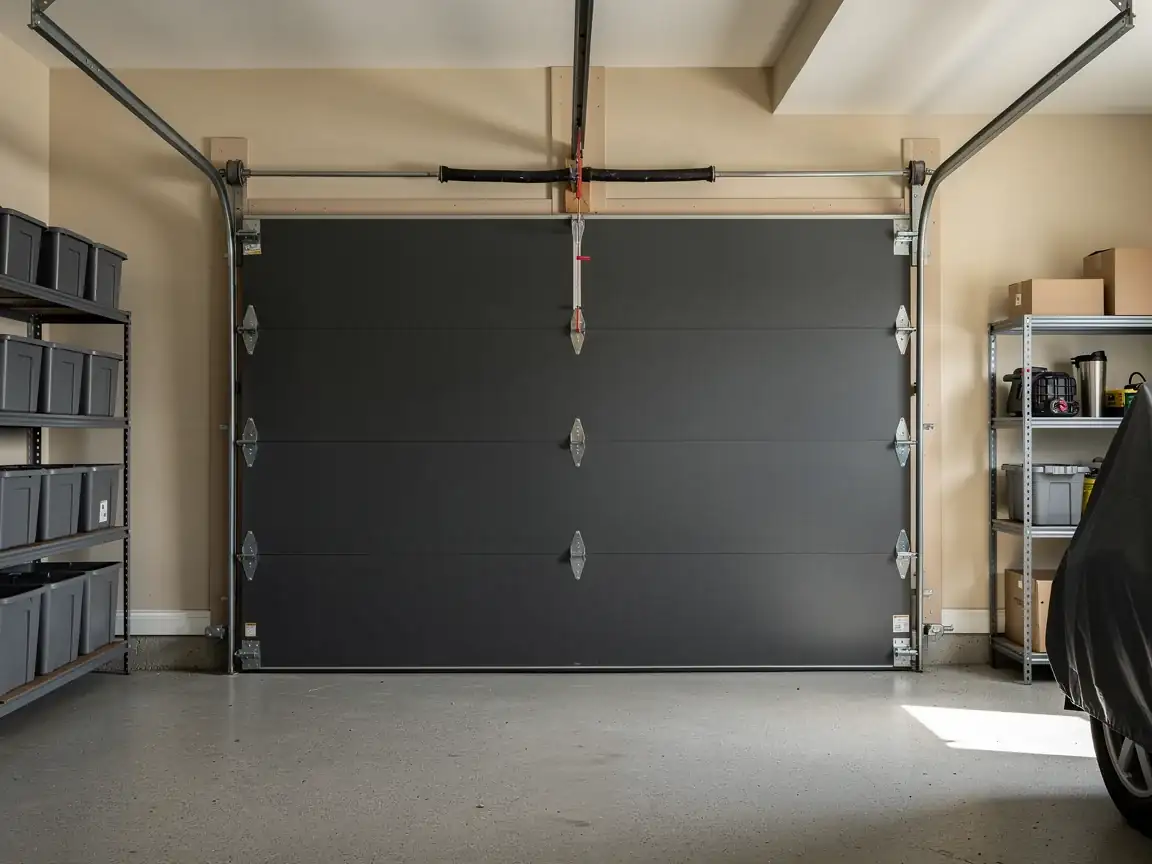
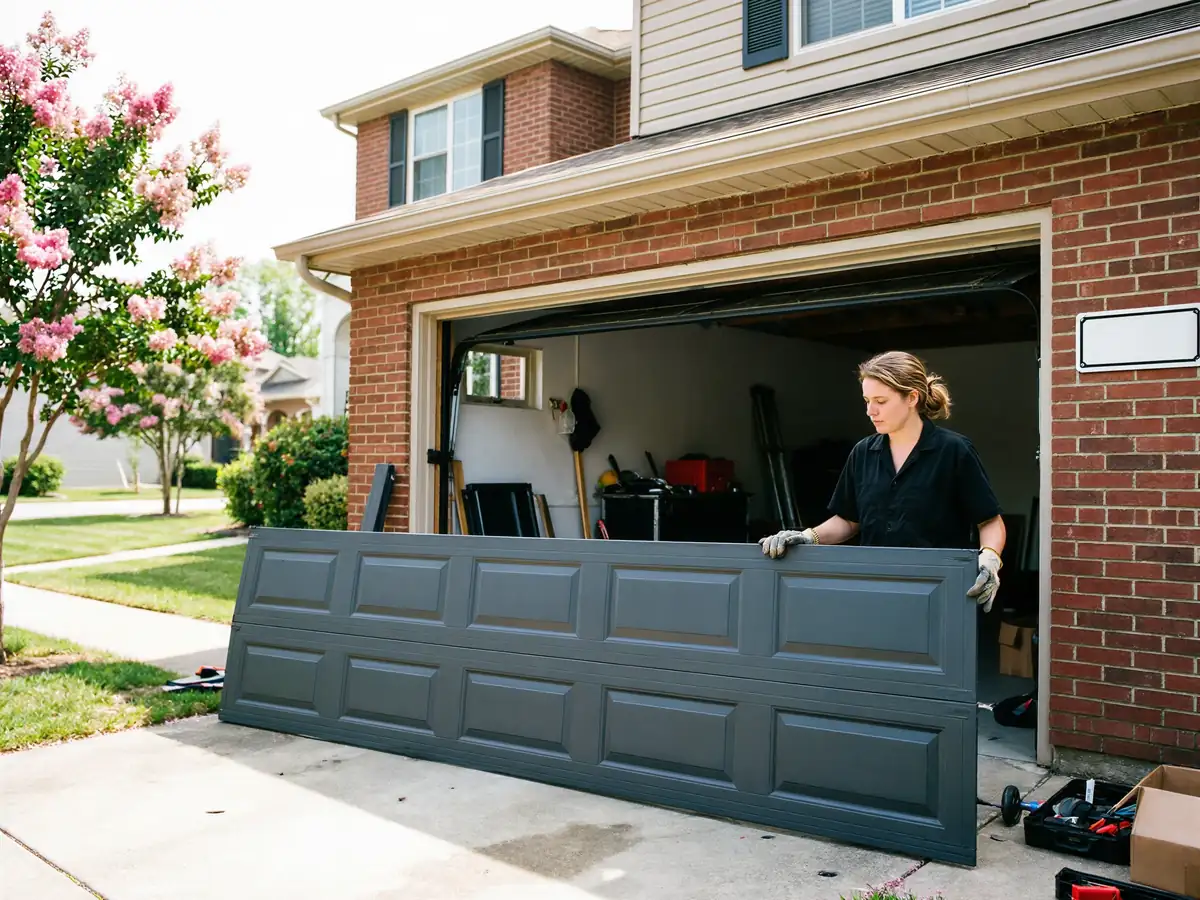
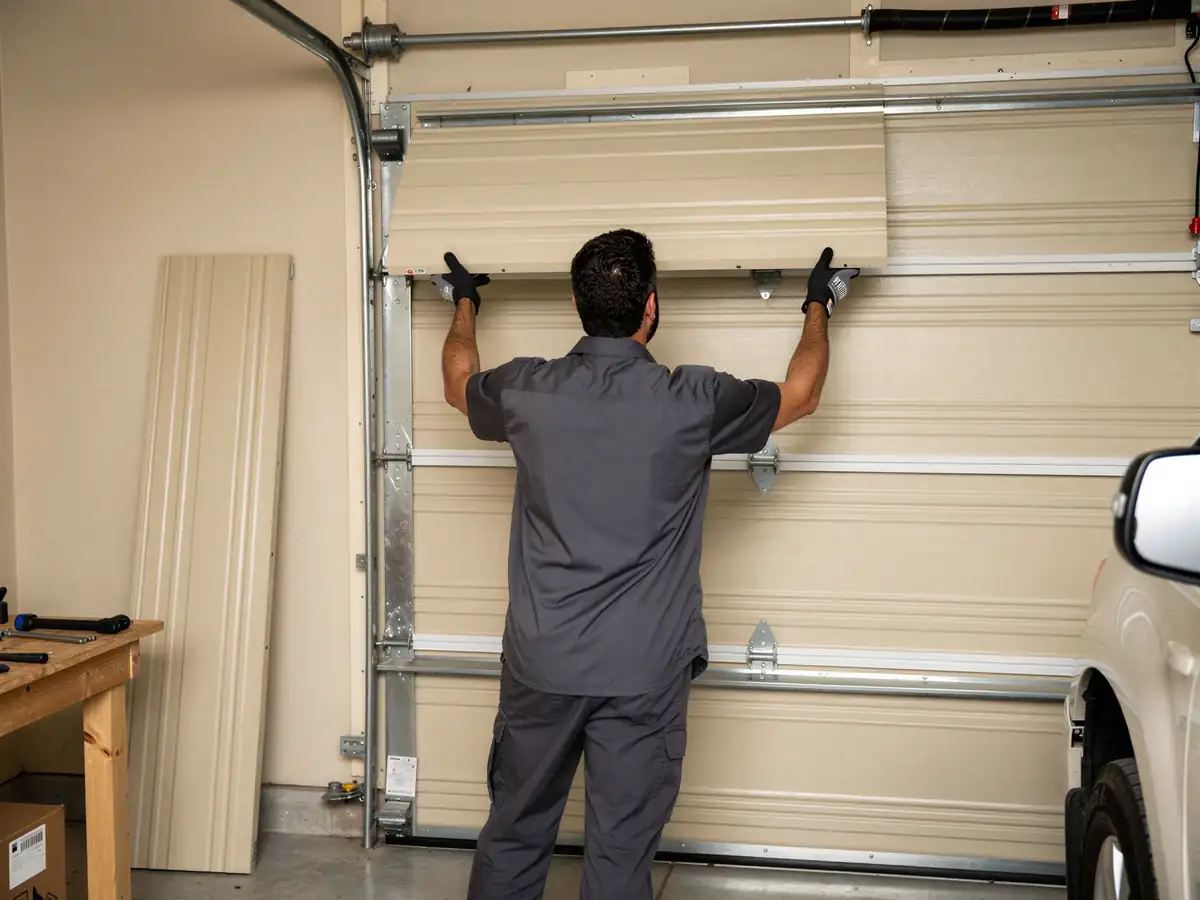
A single panel swap looks simple from the driveway: unbolt the damaged section, bolt in the new one. The catch is matching the panel to a door that's thirty years into its life. Fastener spacing, panel curve, and the way the seams interlock all vary by manufacturer and by decade, and a mismatched panel will bind on the track even if it looks like a clean fit sitting on the garage floor.
We'll be honest about the limit here: if your door is an odd size or an older import brand with no stocked match, we may need to order the panel before we can give you a firm date. That's a parts-supply problem, not a labor problem, and no amount of truck time fixes it faster.
What Can Go Wrong
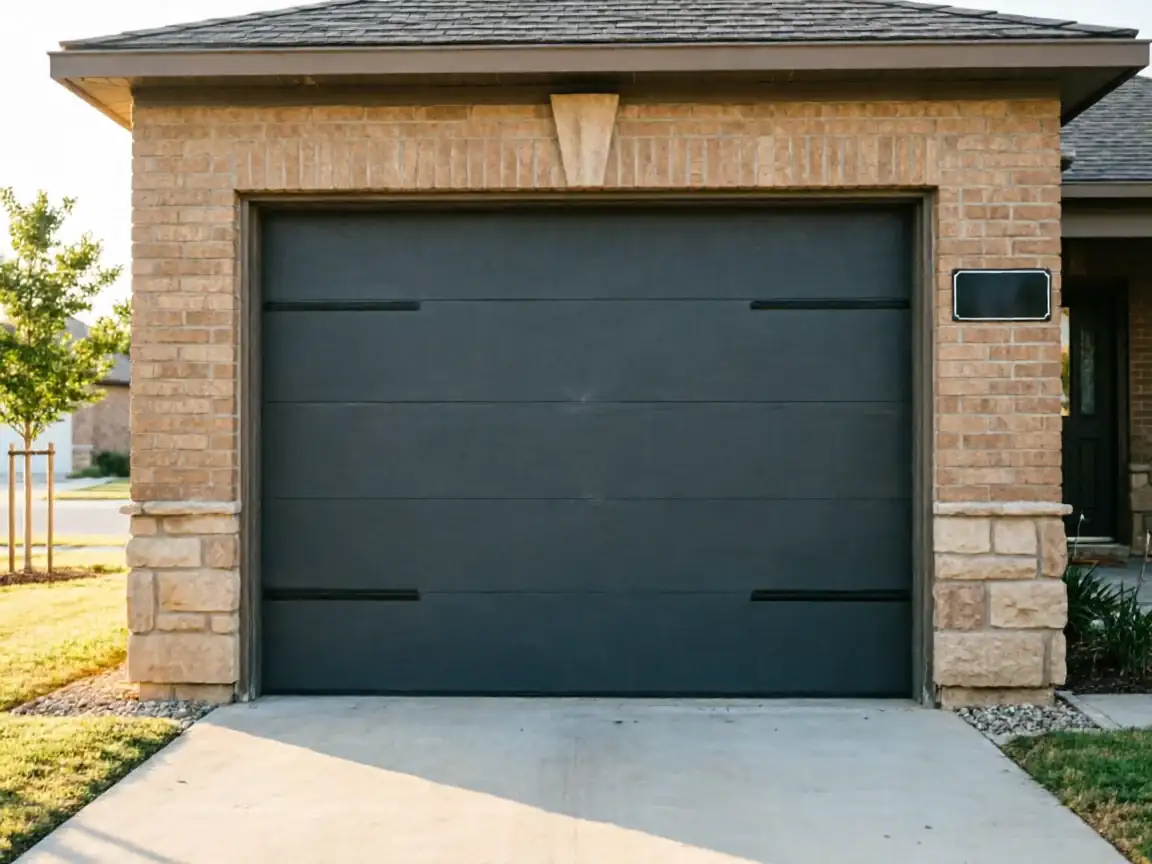
Most houses on this side of our coverage area went up between 1968 and 1994, but Hallsville's own stock runs later within that range, with a median build year of 1993. A door built in 1993 almost always takes a steel sectional panel, not the aluminum or wood styles common on the older end of our coverage area. That's good news for parts availability, but it means the usual failure here isn't age-related brittleness, it's impact damage: a trailer tap, a basketball, a car bumper that caught the bottom panel on the way out.
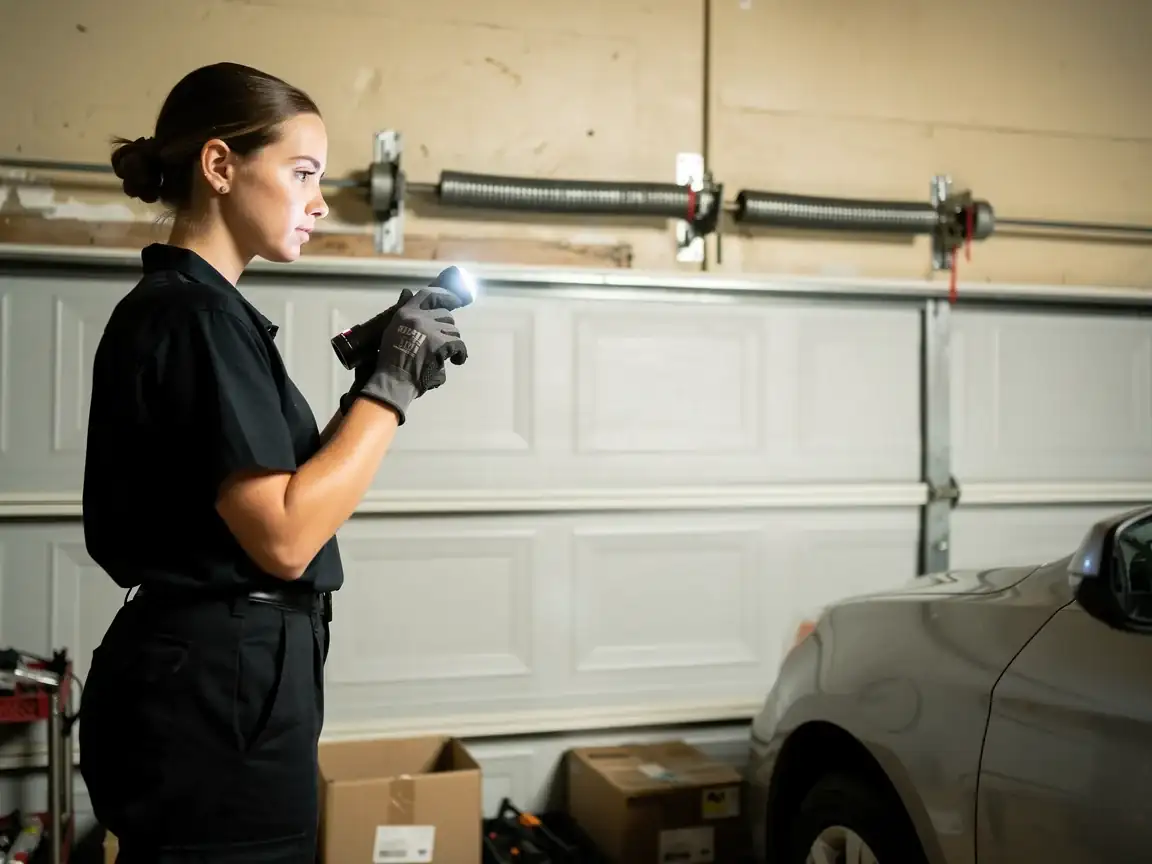
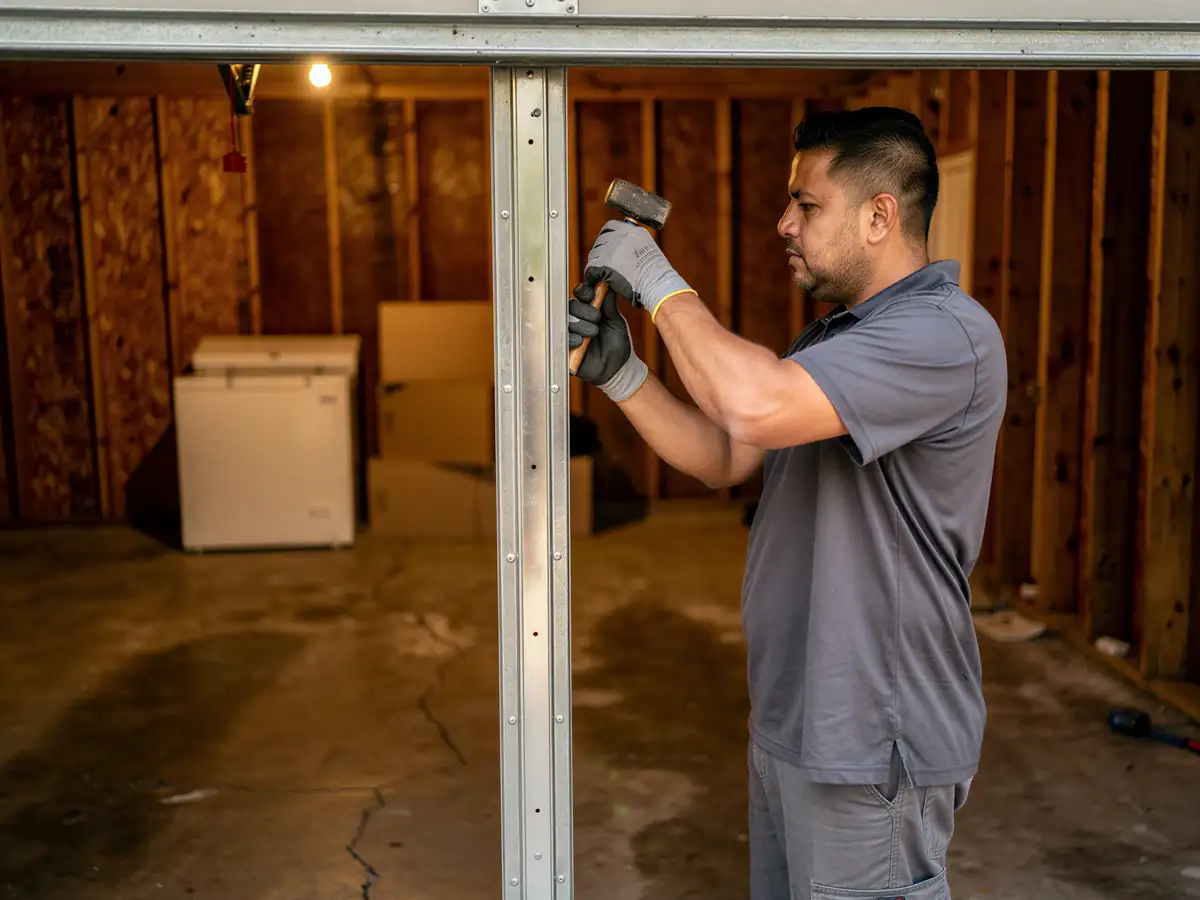
When one panel on a steel sectional door takes a hit, the damage rarely stays contained to that panel. The impact can tweak the track alignment or bend the stile where panels bolt together, and if that's missed, a brand-new panel will still bind or rattle. We check track plumb and hinge alignment on every panel call, not just the panel itself, because replacing the part without checking what's around it just moves the problem down the road.
We don't push a full door replacement when one panel will do. But if two or more panels on the same door are damaged, or the door's insulation has already failed in other sections, patch repair stops being the economical choice and we'll say so.
What You Are Seeing
The climate here runs in the moderate-heat band
Which doesn't produce the dramatic cracking you'd see further south, but it does mean steel panels expand and contract across the day, and a panel that's already dented will flex differently than the sections around it. That shows up as a faint grinding or knock partway through the door's travel, right where the damaged section crosses the roller.
Visible dents are the obvious sign, but check the inside face too
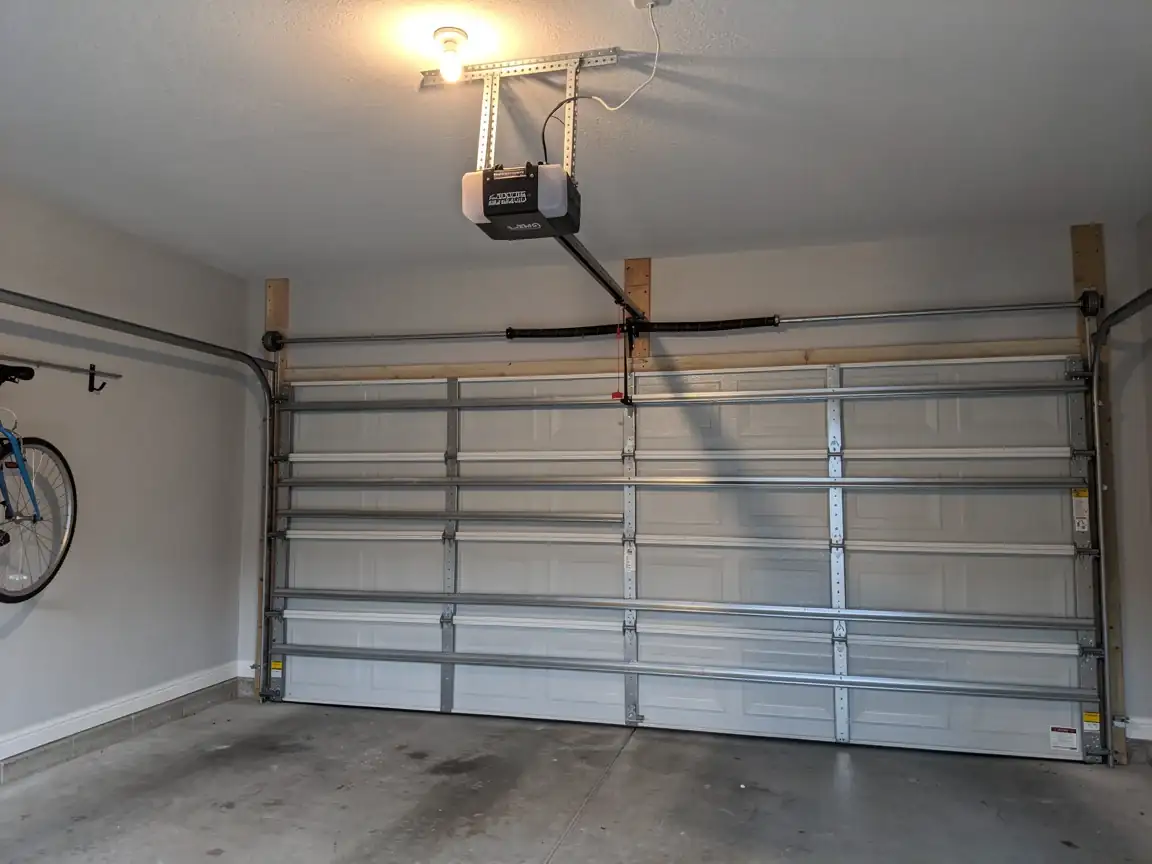
A panel that looks fine from the driveway can be creased on the back where it meets the next section, and that crease is usually where binding starts. Rust streaks below a panel seam point to water getting behind a bent edge rather than draining off it, which is worth flagging before it spreads to the panel below.
If the door still closes flush and square but one section just looks rough
That's cosmetic and can usually wait. If the door catches, hesitates, or the opener strains in one spot every time, that's the track-alignment issue mentioned above, and it's worth a call before the opener motor takes the wear instead of the door.
What the Fix Involves
For a door from the early-to-mid 1990s, panel matching is usually straightforward: steel sectional doors from that era still have active manufacturer runs, so we can often source an exact match rather than a close substitute. We confirm the door's panel design and fastener pattern before we leave Longview, not after we arrive, since that twelve-mile run isn't worth doubling if we show up with the wrong part.
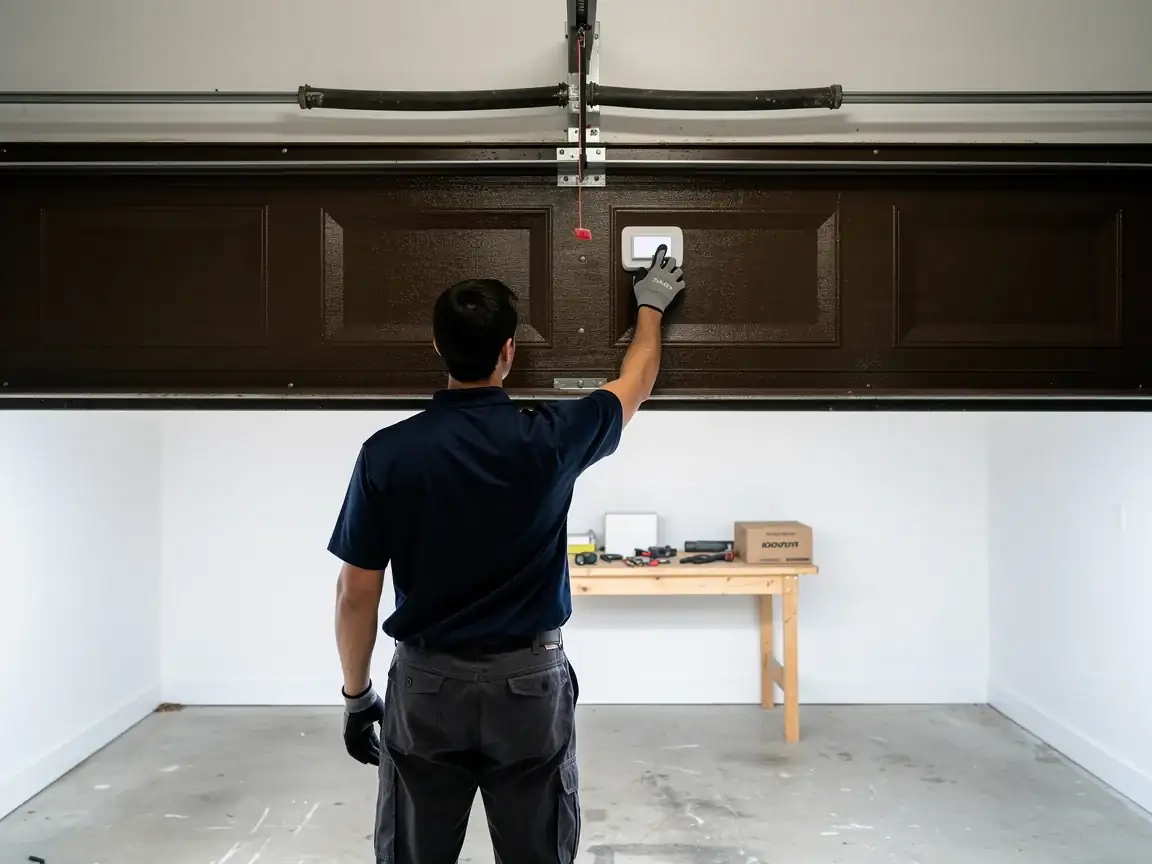
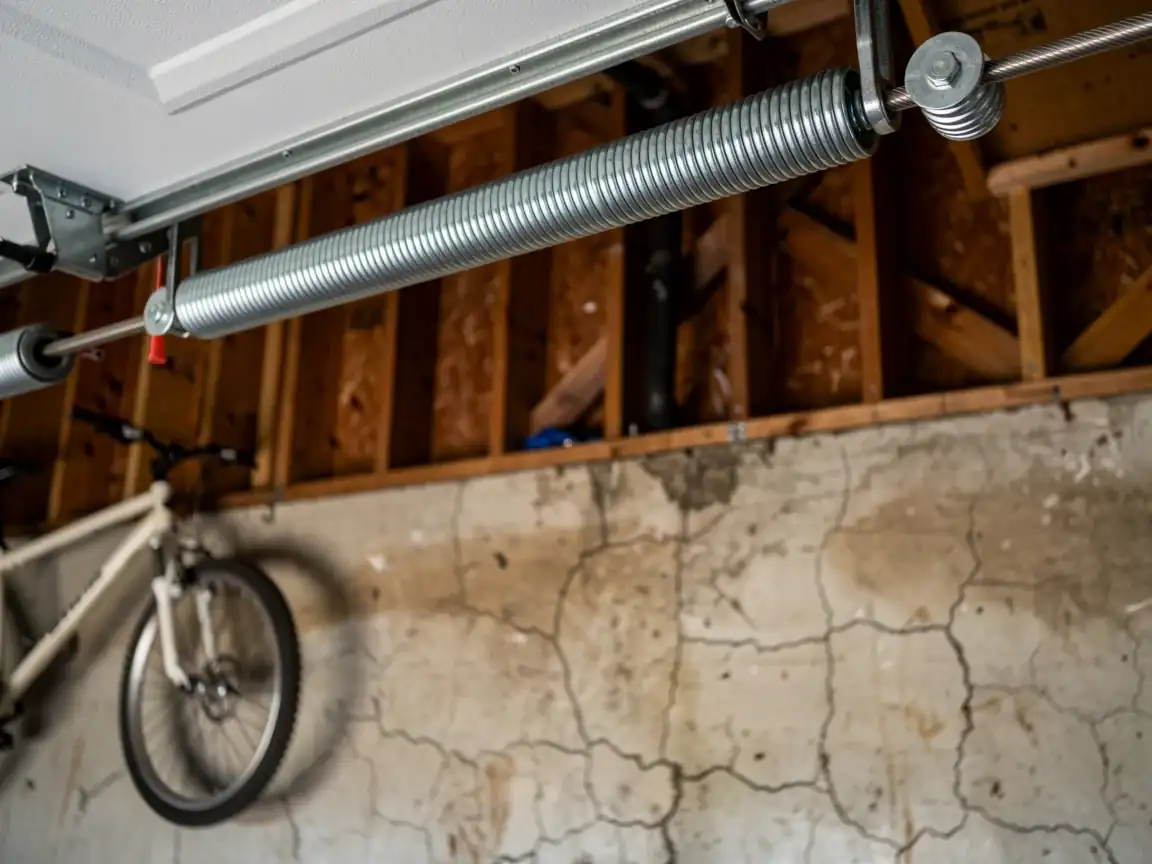
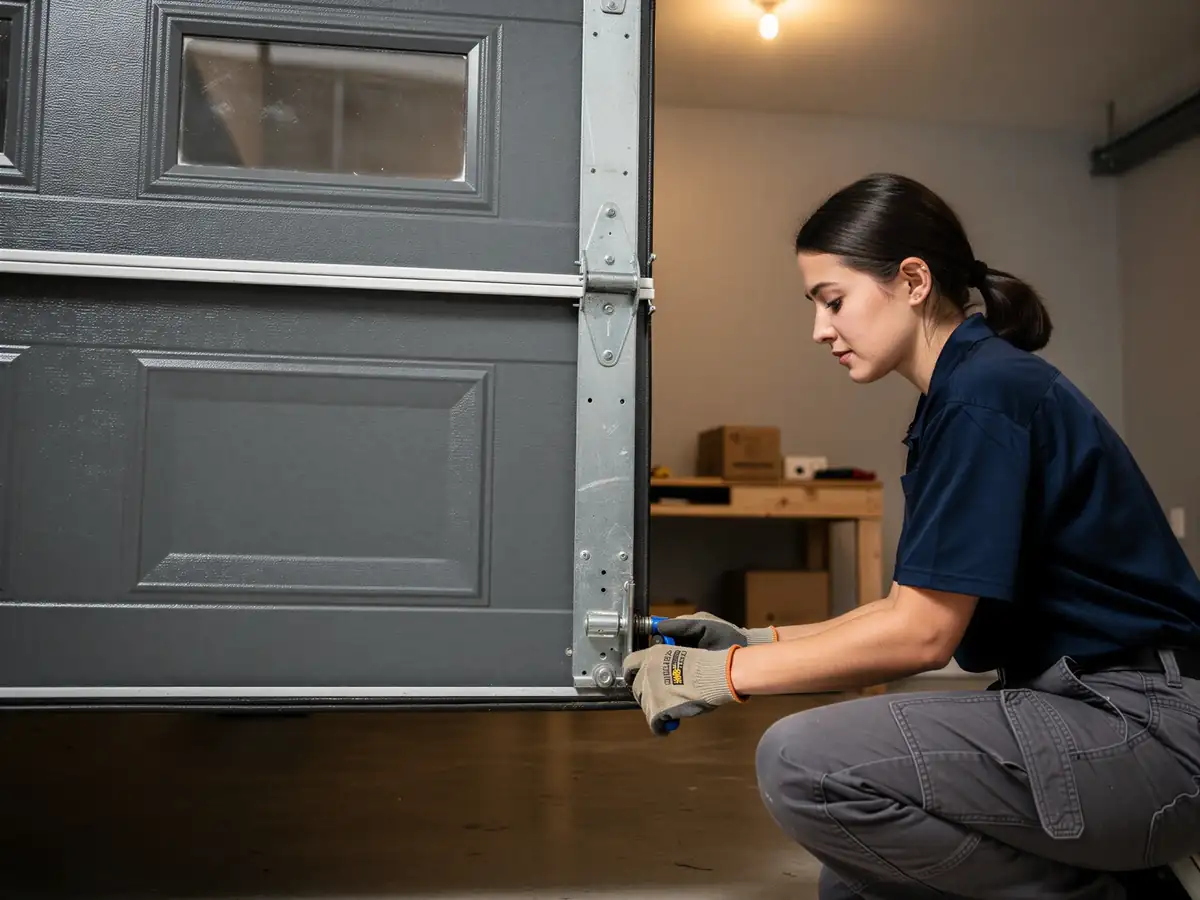
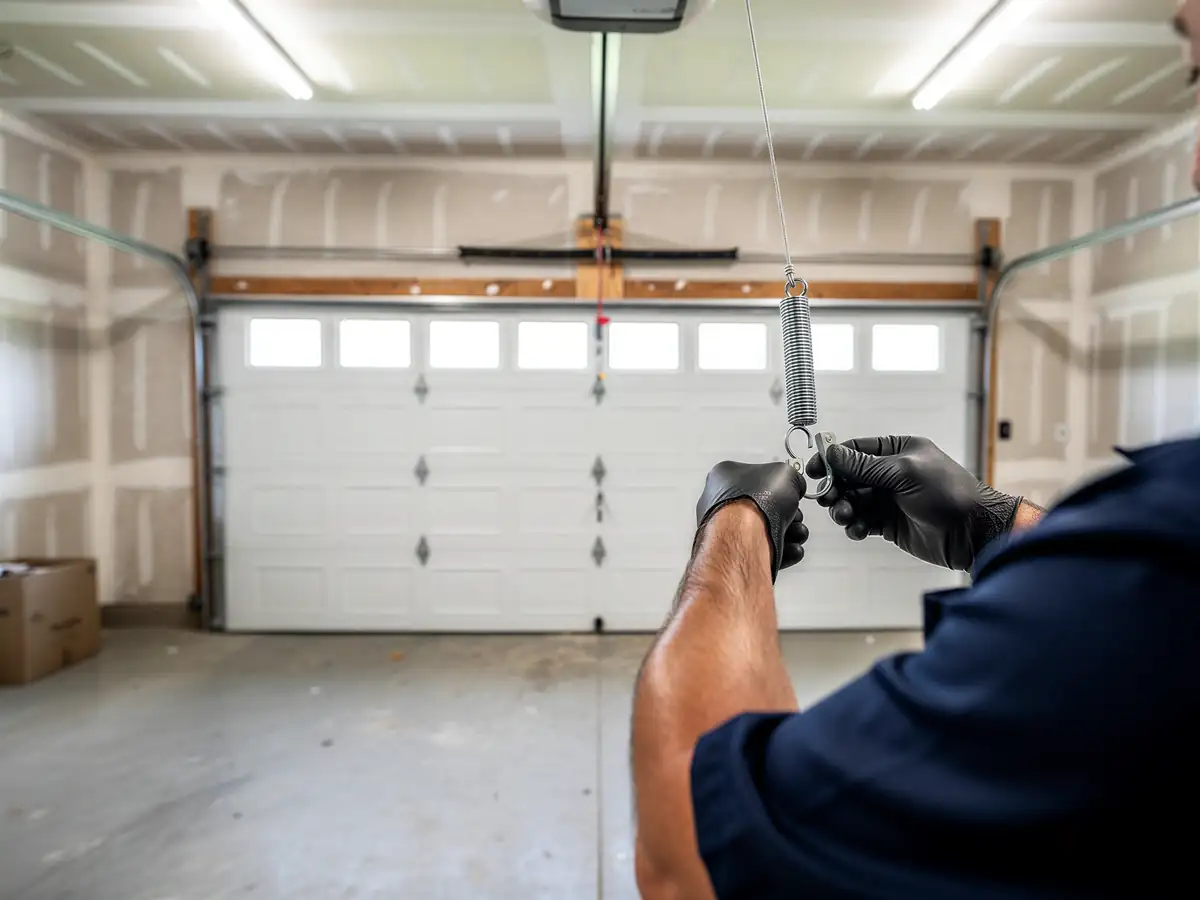
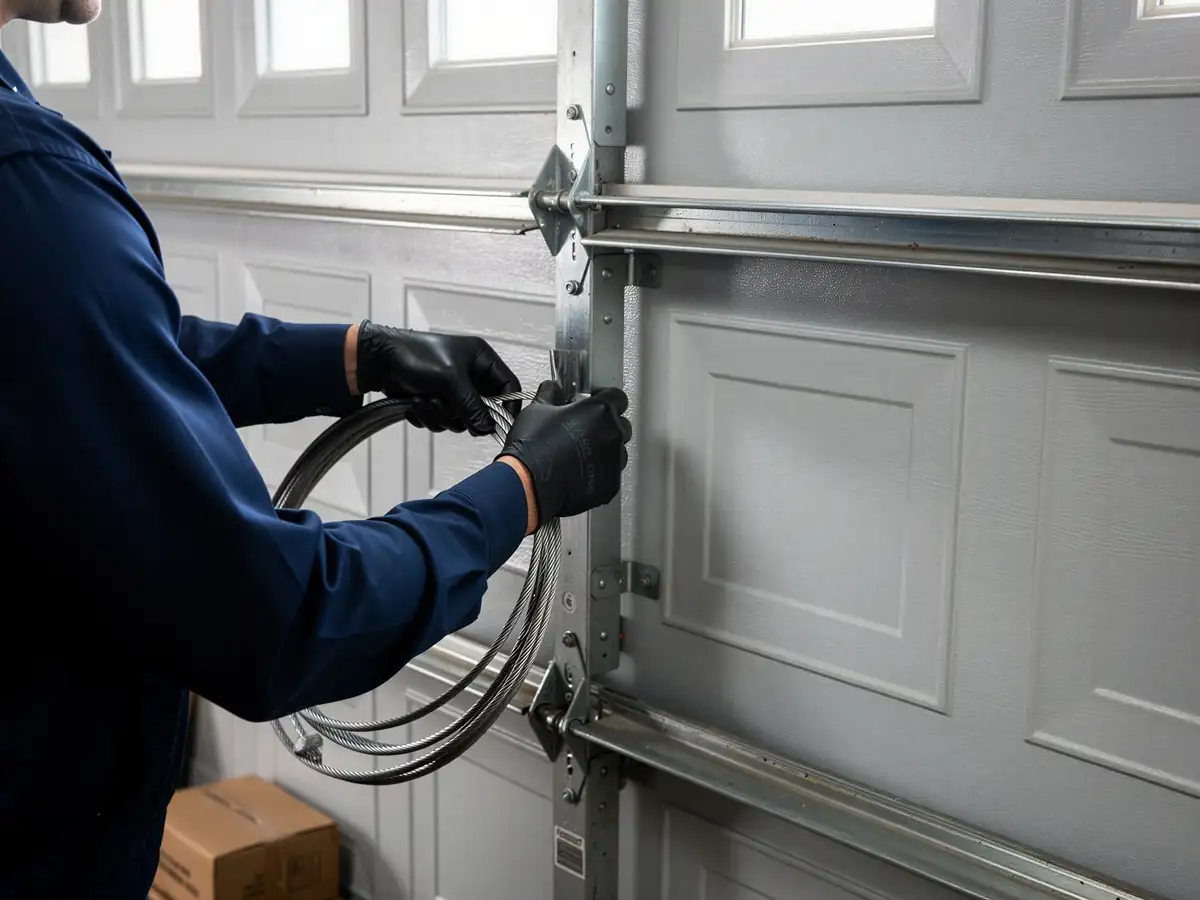
On site, the job is removing the damaged panel without disturbing the cable tension on the rest of the door, setting the new panel, and rechecking track alignment and roller seating across the full door, not just the new section. We test the door through a full open-close cycle under opener power before we call it done, because a panel that looks seated can still bind once the door's moving at speed.
Hallsville's median household income of $71,369 sits above our wider coverage area's $66,250, which is part of why full matched-panel swaps outnumber patchwork or mismatched repairs here. Where a close-enough panel might get used elsewhere to save cost, homeowners here more often opt for the exact match, and we'll quote both options so you can decide.