Doing It Yourself
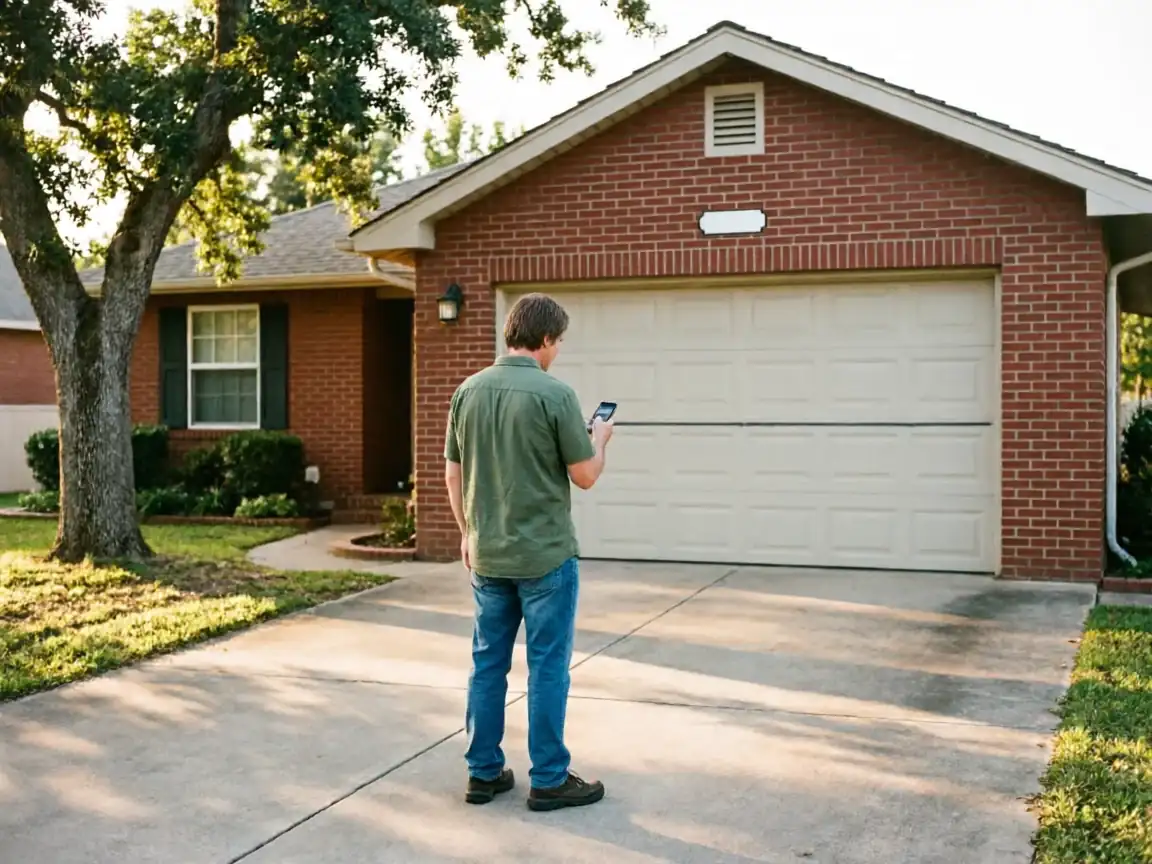
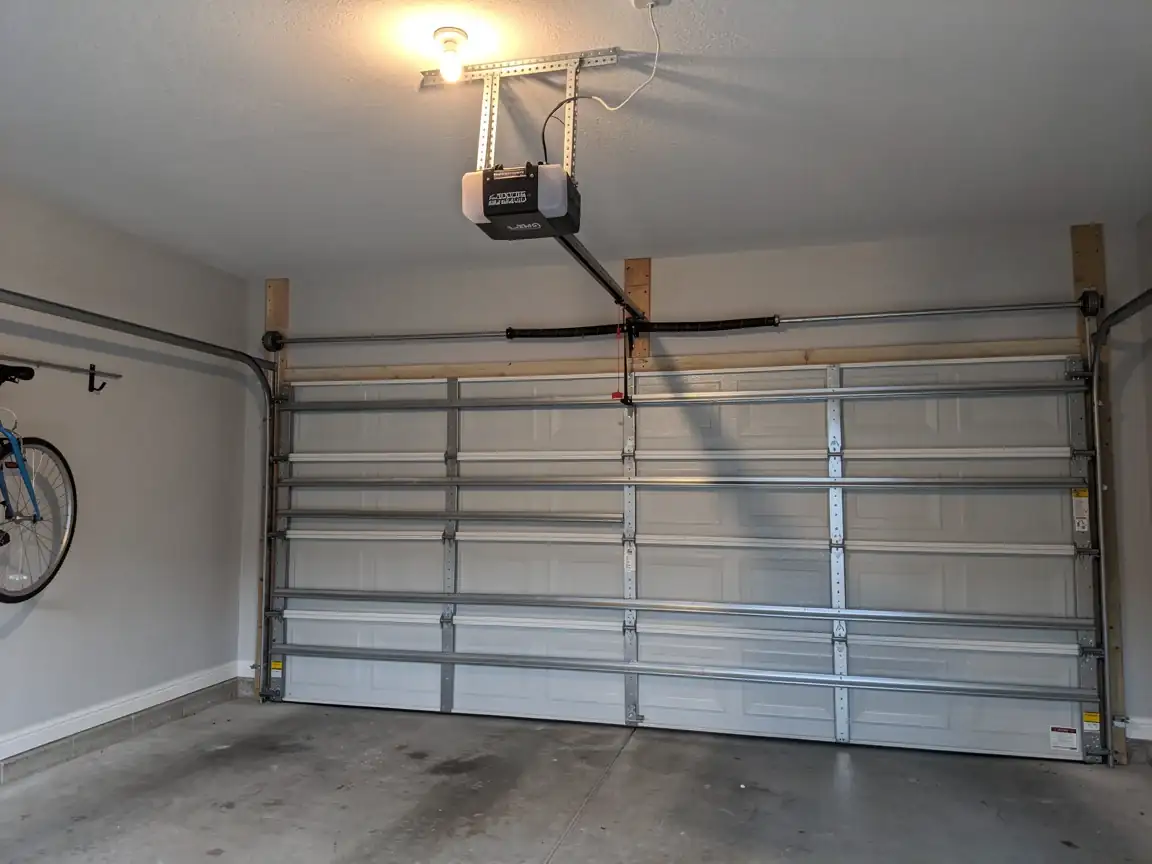
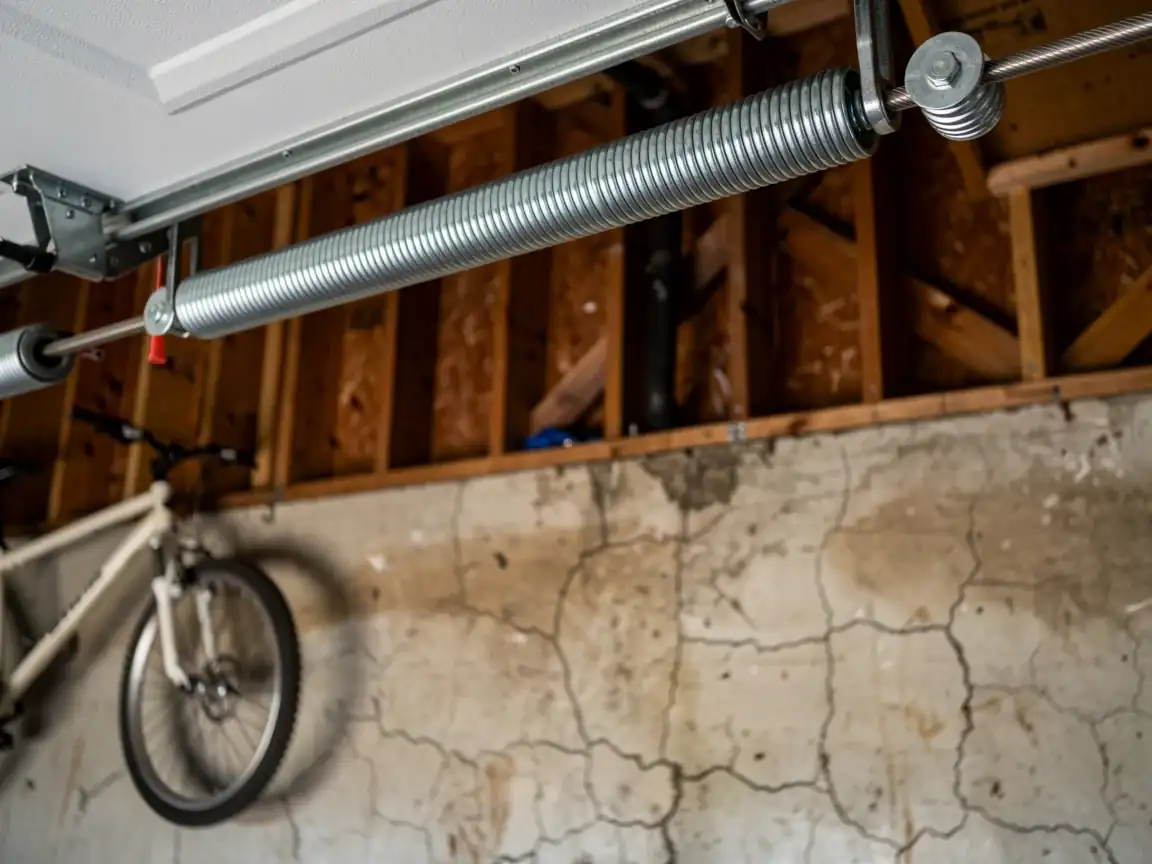
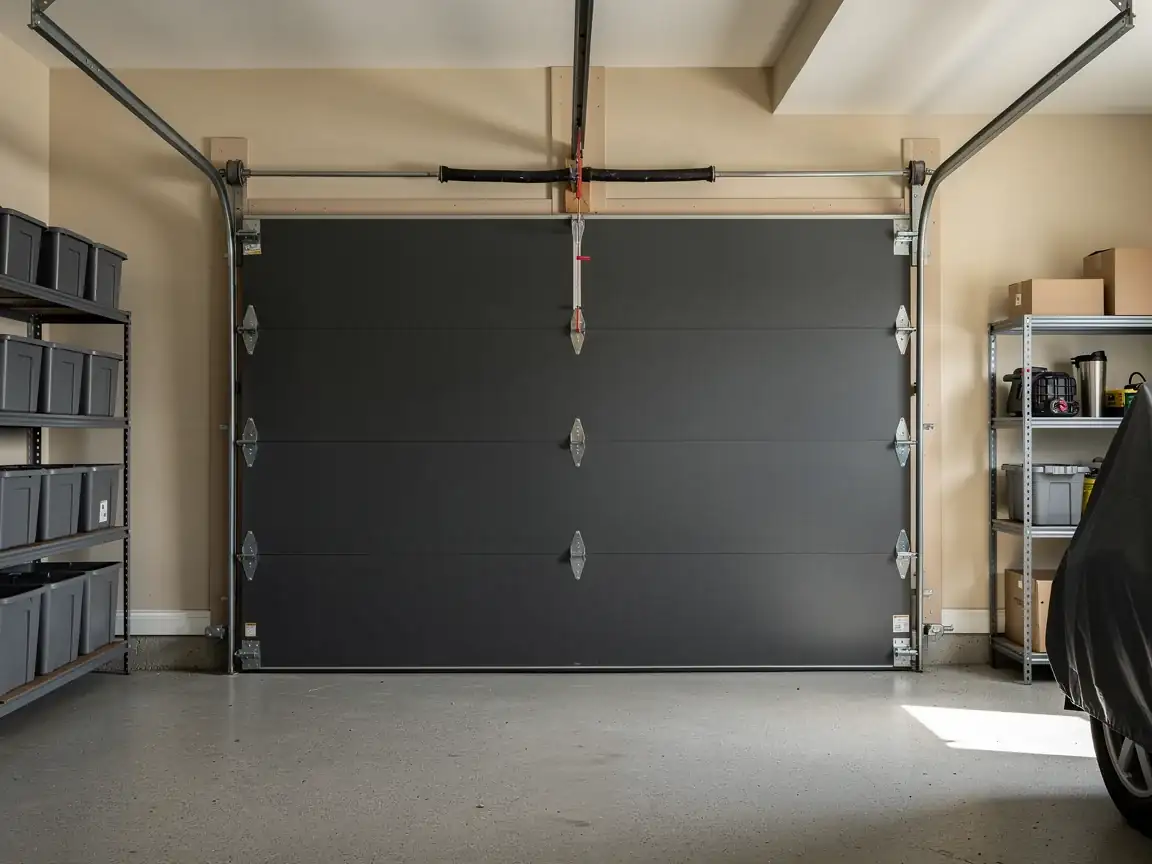
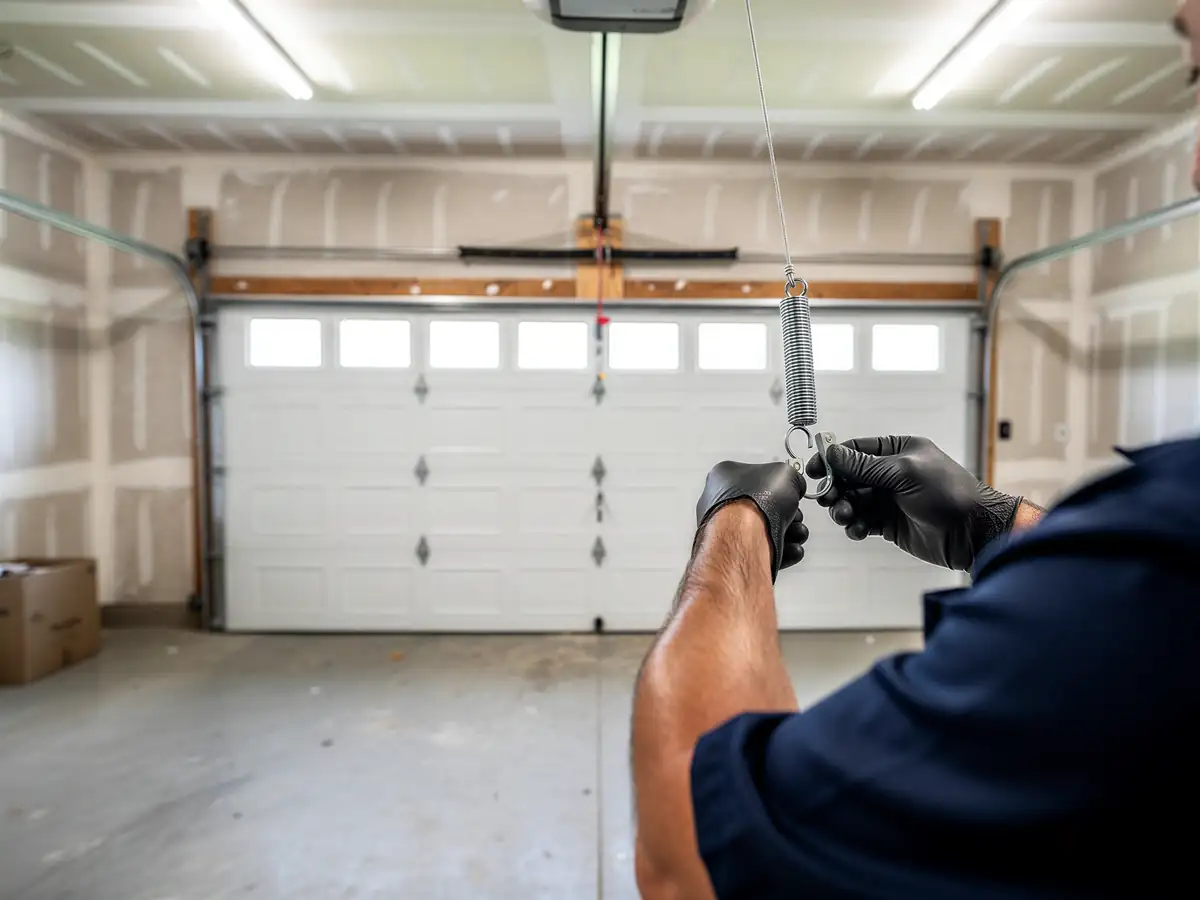
Hallsville's housing stock skews newer than a lot of what we see closer to Longview - the median home here was built around 1993, versus 1981 across the wider service area covered by F1. That ten-to-twelve-year gap matters more than it sounds. A door from the early '90s is more likely to have a steel torsion spring on a standard bracket, not the older side-mount or extension setups you find on 1970s builds. That's a repair most homeowners with basic tools can attempt - if the spring is accessible and not seized.
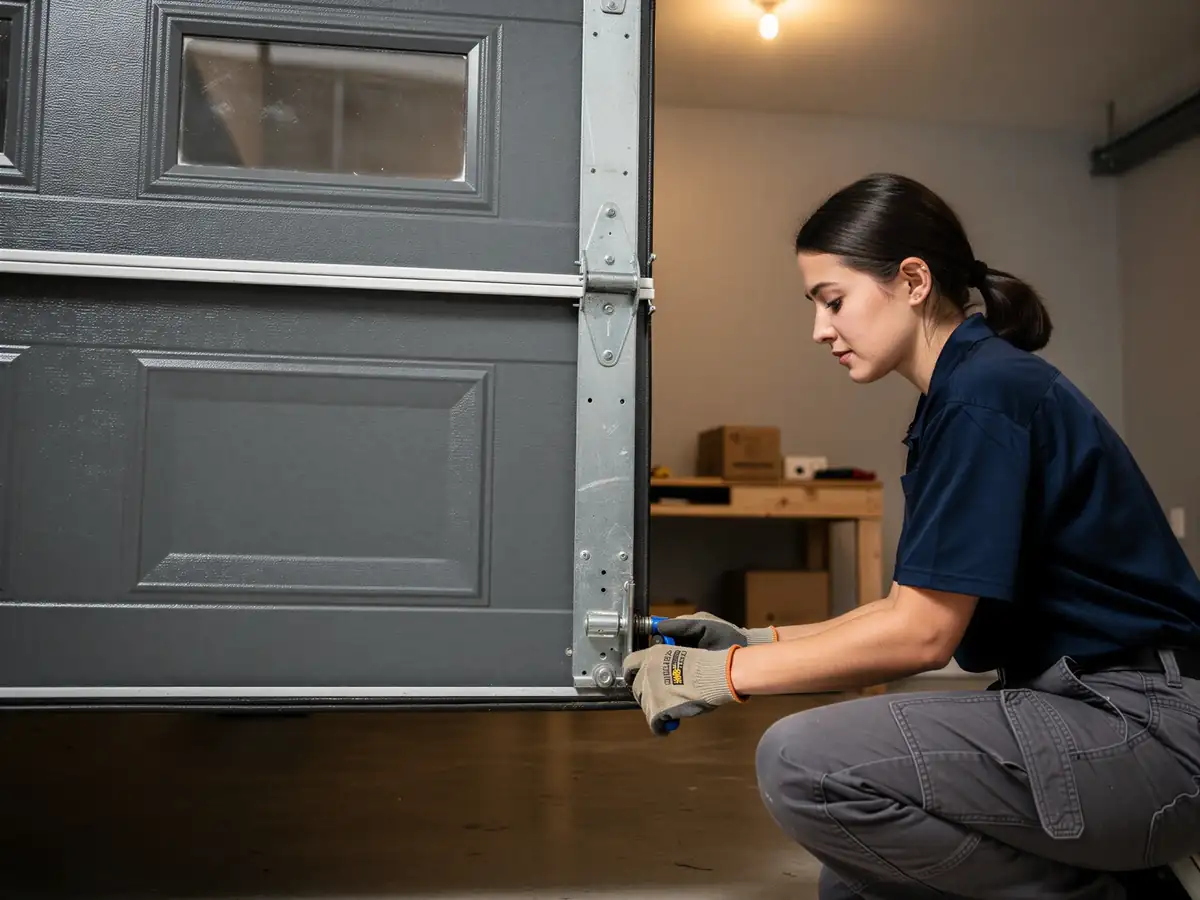
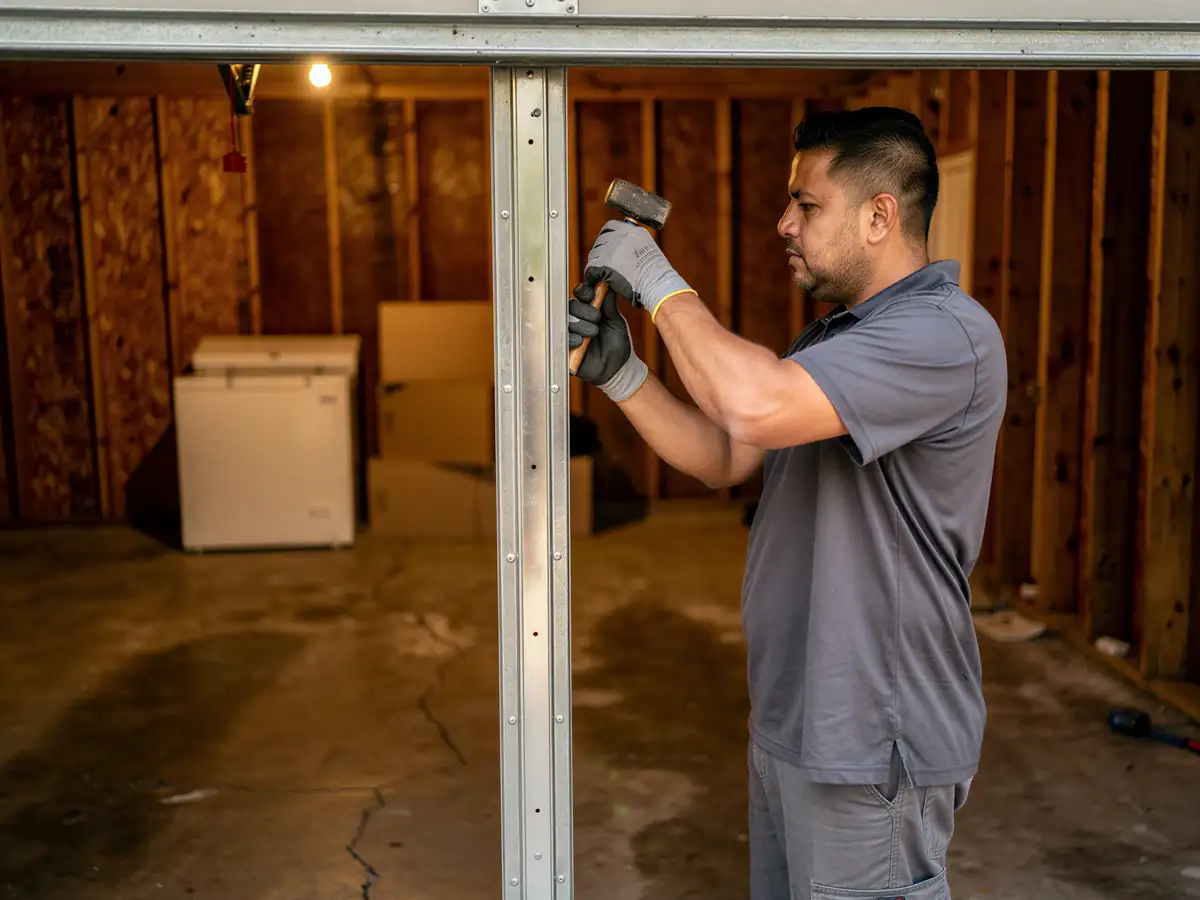
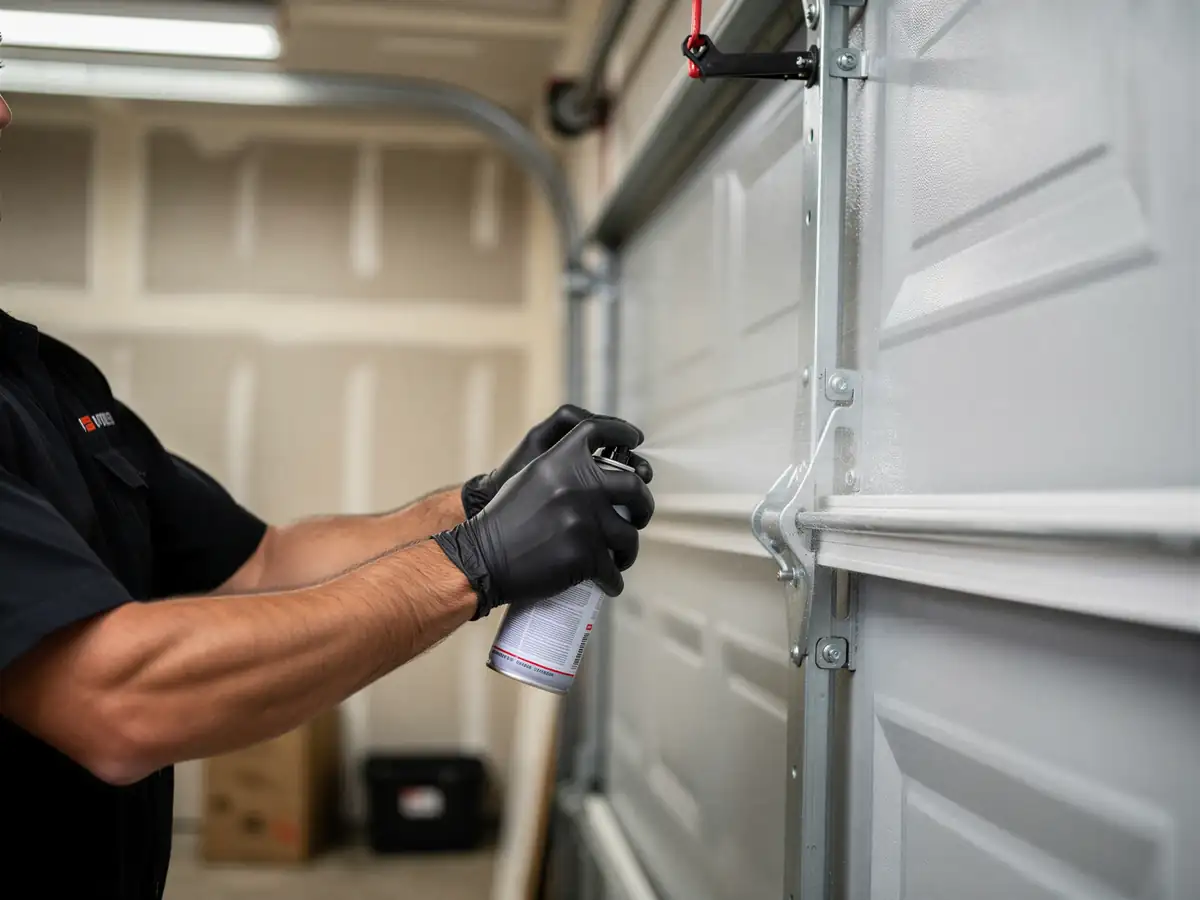
Where DIY gets risky is anything involving the torsion spring itself. These are wound under heavy tension, and unwinding or rewinding one without the right bars can break bones or worse. We're fine with a homeowner replacing weatherstripping, tightening loose hinges, or lubricating rollers and hinges. Spring work, cable work, and anything touching the opener's travel limits or force settings is not a weekend project. If you're twelve miles out and something goes wrong mid-job, you're waiting longer for help than if you'd called first.
What Can Go Wrong
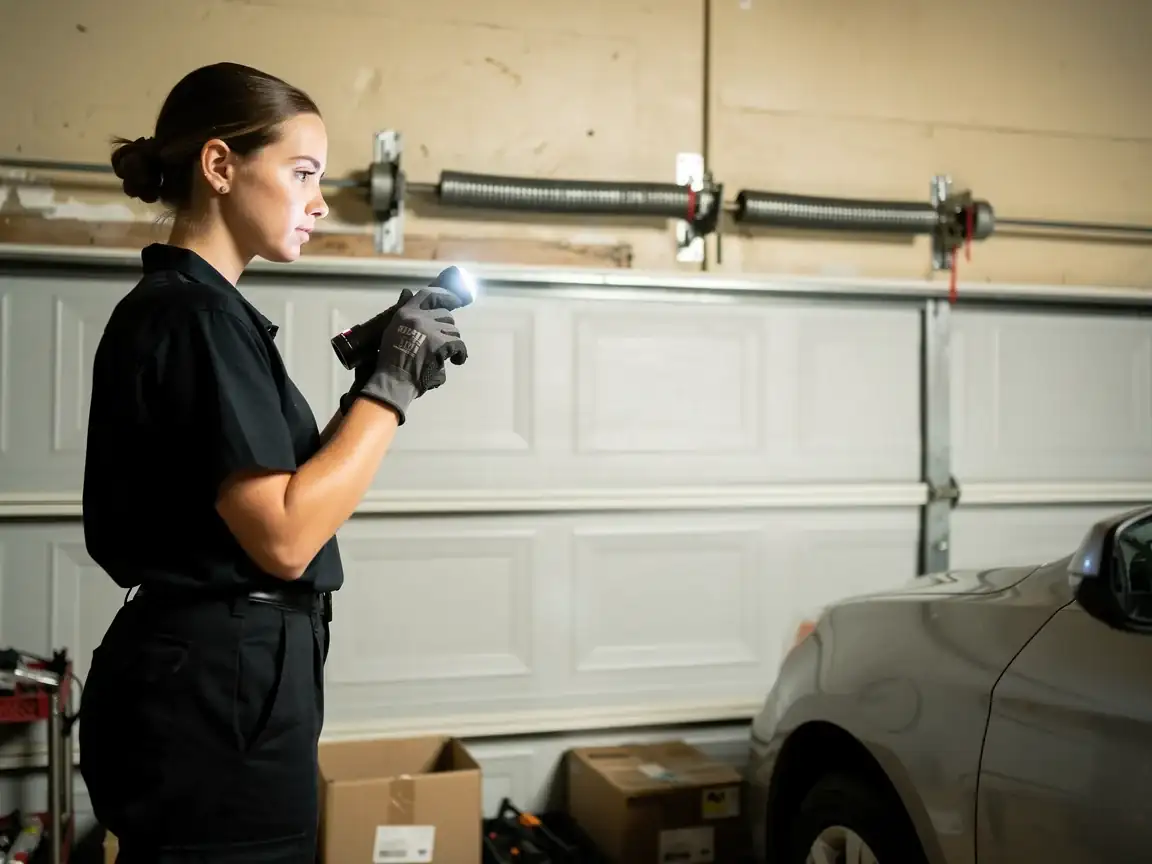
Doors built in the early-to-mid '90s commonly came with galvanized torsion springs rated for a shorter cycle life than today's springs, and after thirty-plus years most of those original springs are at or past the end of their rated cycles even on doors that look fine otherwise. Expect sudden spring failure as the top complaint on homes matching that build era.
Openers from that period are another weak point. A lot of 1990s-era chain-drive openers are still running on their original motors and logic boards, and parts for those models are getting harder to source. When one of these fails, the choice usually comes down to a full opener swap rather than patching the old one.
Track misalignment shows up too, especially on doors that have had the spring replaced once already without the installer checking roller wear. None of this is unique to any one house, but it clusters heavily in homes from this build window, which is most of what's in Hallsville.
What You Are Seeing
If your door is slamming the last foot of travel instead of closing smoothly
That's usually a spring that's lost tension - not an opener problem, even though the opener gets blamed first. A door that opens fine but reverses partway down, or won't close at all unless you hold the wall button, points to a misadjusted or failing safety sensor, common on openers from the 1990s that predate today's standard photo-eye placement height.
Grinding or popping noises when the door moves usually mean a roller has worn through its bearing or a track has pulled away from the wall slightly
Easy to miss until the noise gets loud. A door that feels heavy to lift by hand, with the opener disconnected, almost always means the spring is under-tensioned or broken, not a motor issue.
We can't diagnose this over the phone with full confidence
But these patterns line up with what we see on homes of this age.
What the Fix Involves
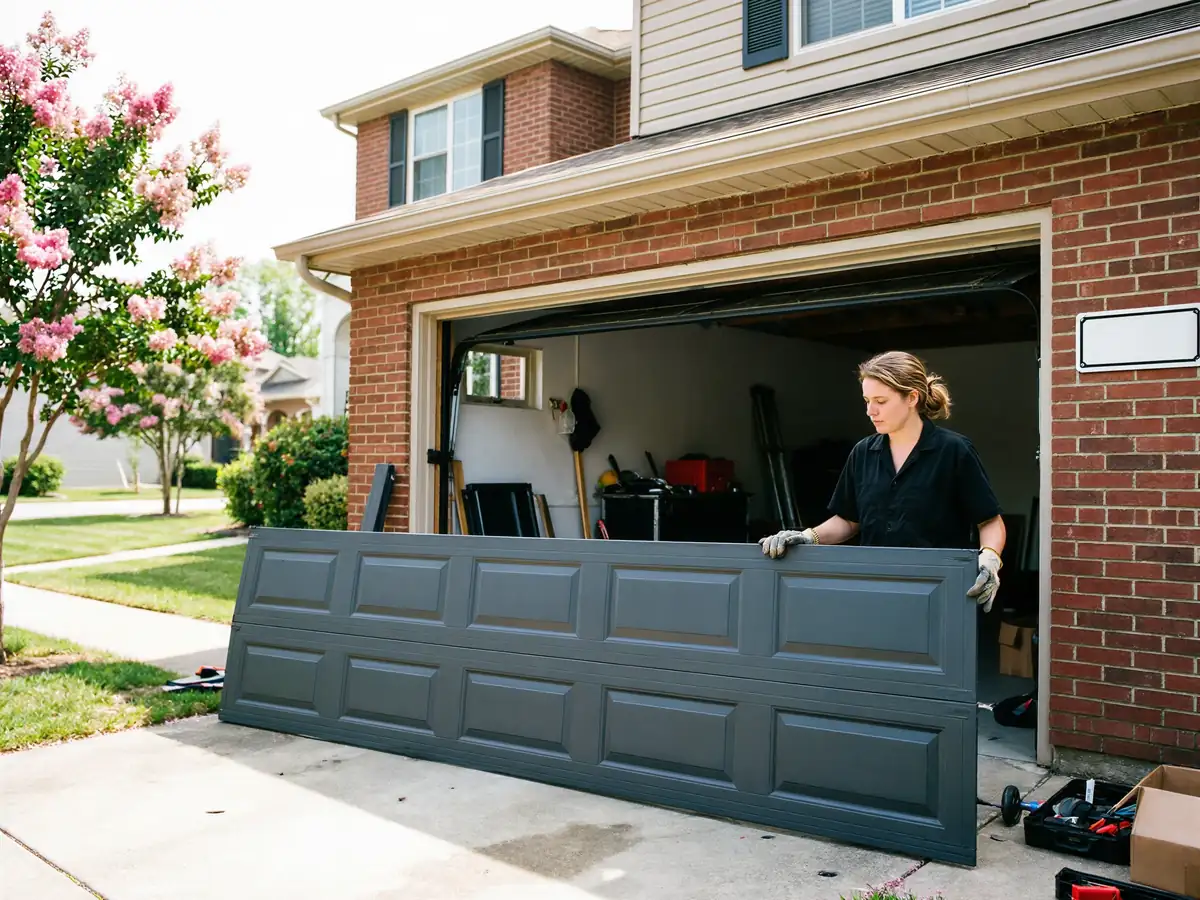
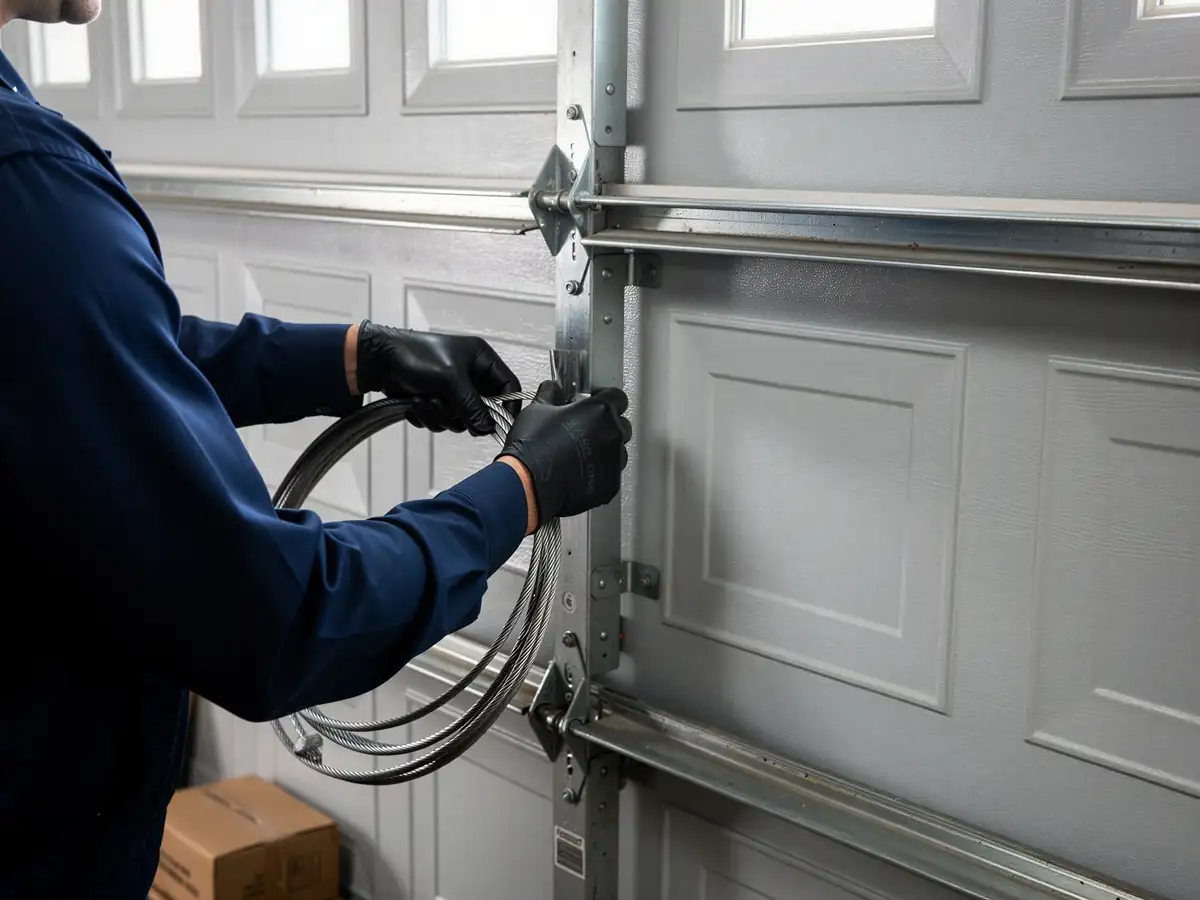
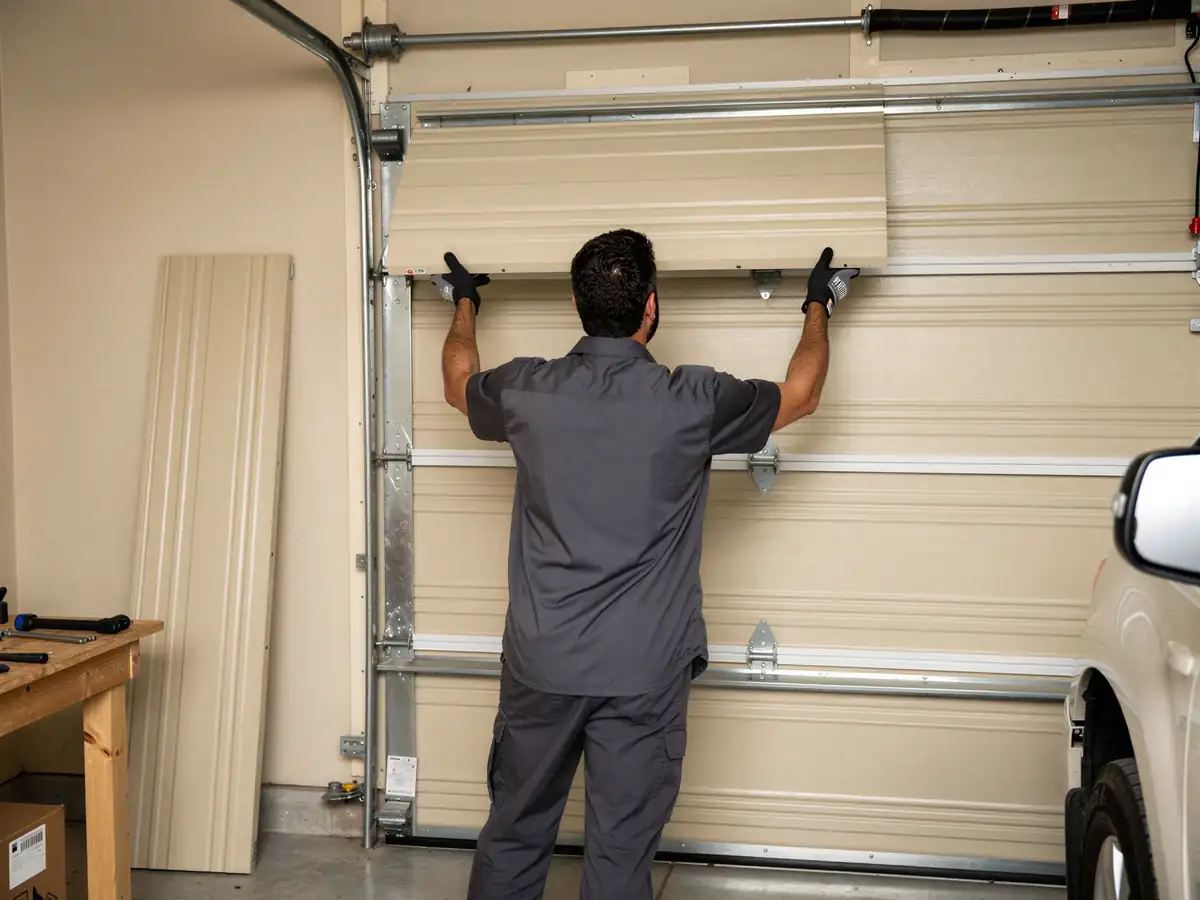
For a spring replacement on a standard 1990s-era torsion setup, the job is straightforward: remove the old spring, match the wire size and wind to the door's weight and cycle rating, and reinstall with new cable if the old one shows fraying. On original hardware that's over thirty years old, we often recommend replacing both springs even if only one has failed, since the other is close behind.
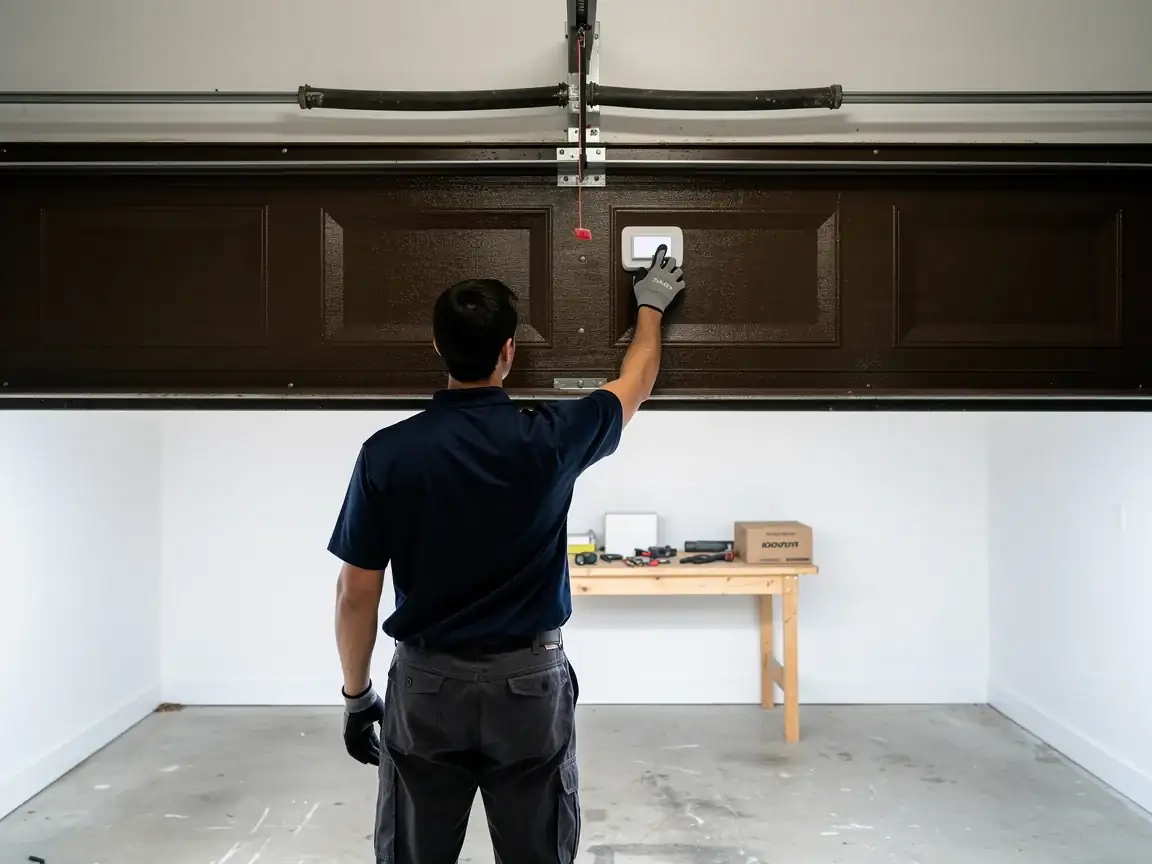
Opener replacement is a bigger call. If the household can supply the model number or a photo of the motor unit, we can usually tell before the truck even rolls out whether parts are still available or whether a full swap makes more sense. Given Hallsville's distance from our Longview base - about twelve miles - we try to get as much diagnosis done ahead of time as we can, so the first visit is also the fix whenever possible. That's not always doable; some jobs need a second trip once we see the hardware in person.