Doing It Yourself
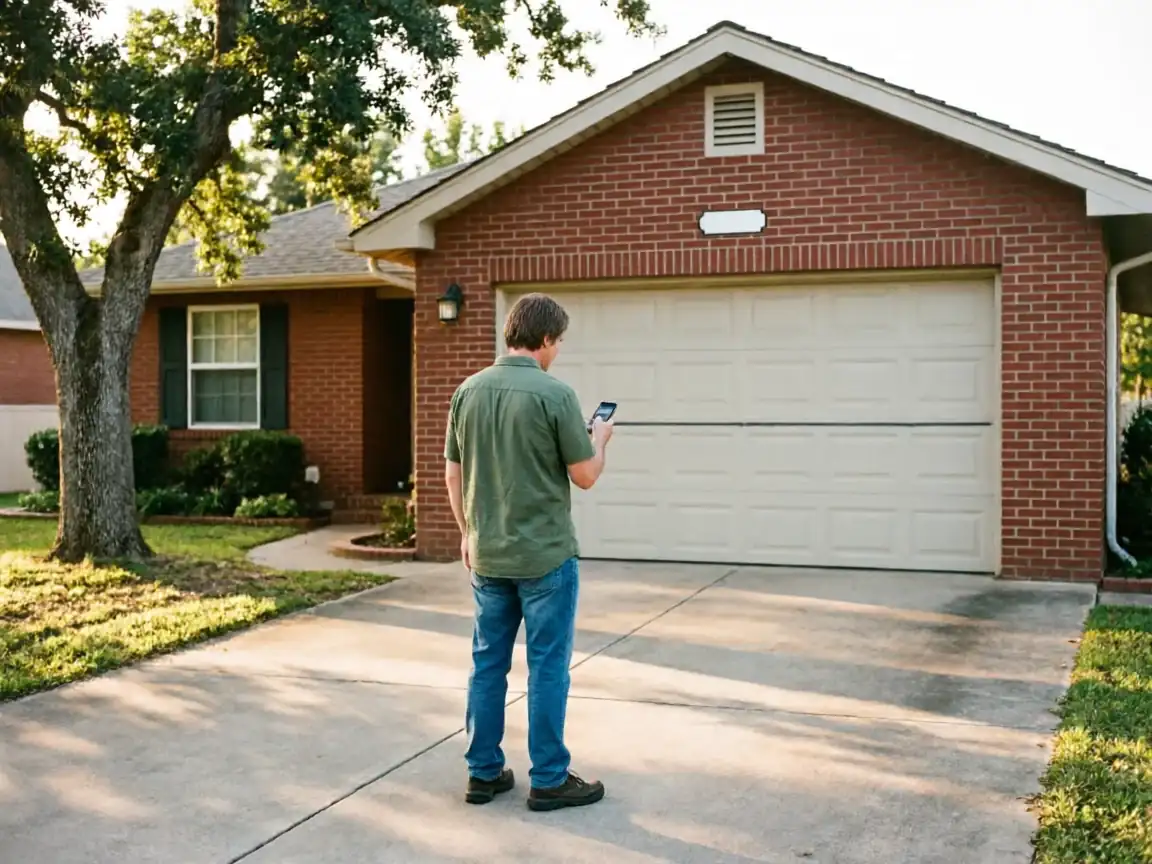
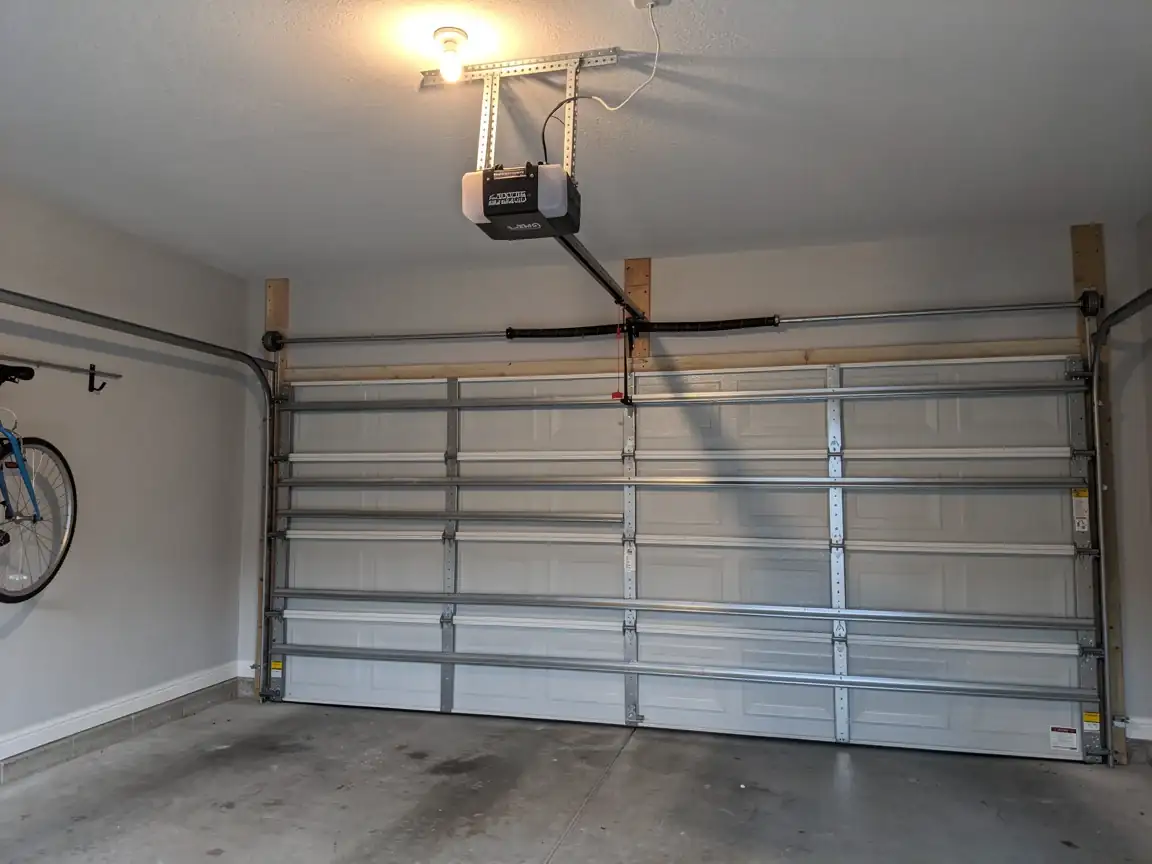
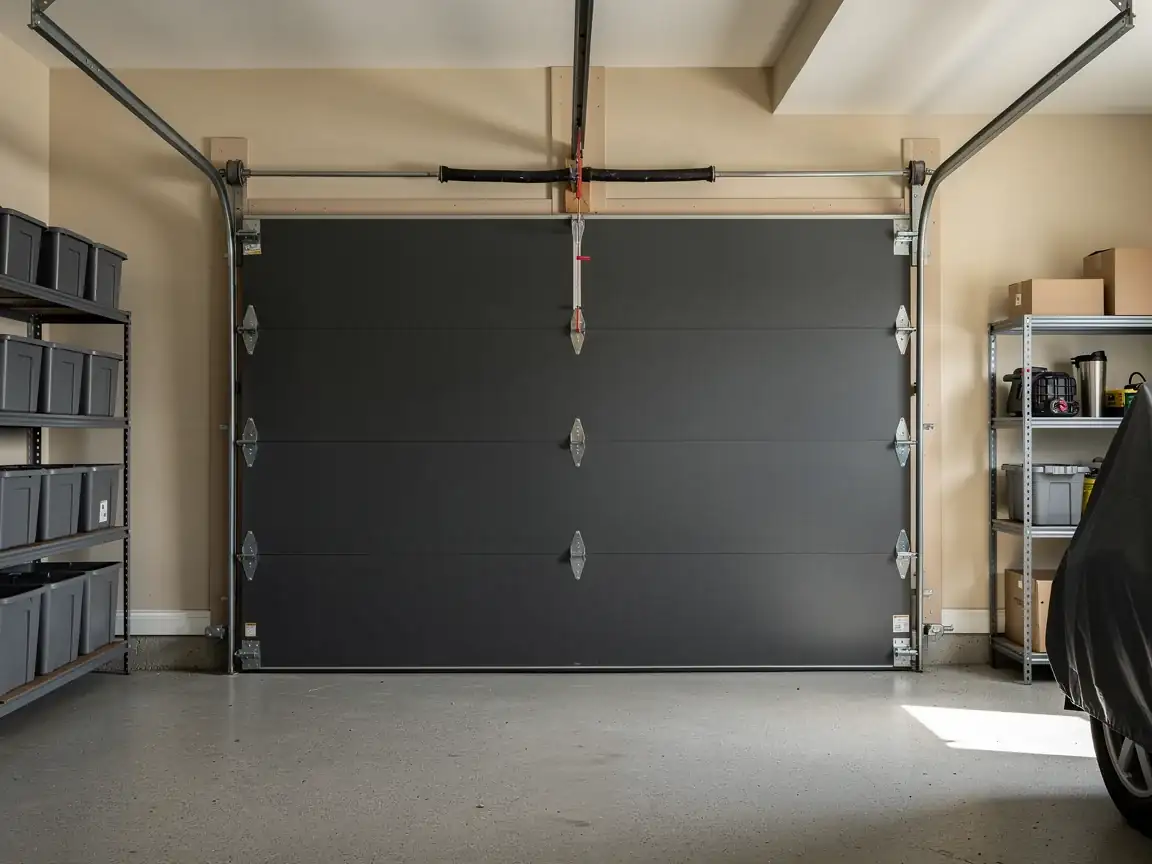
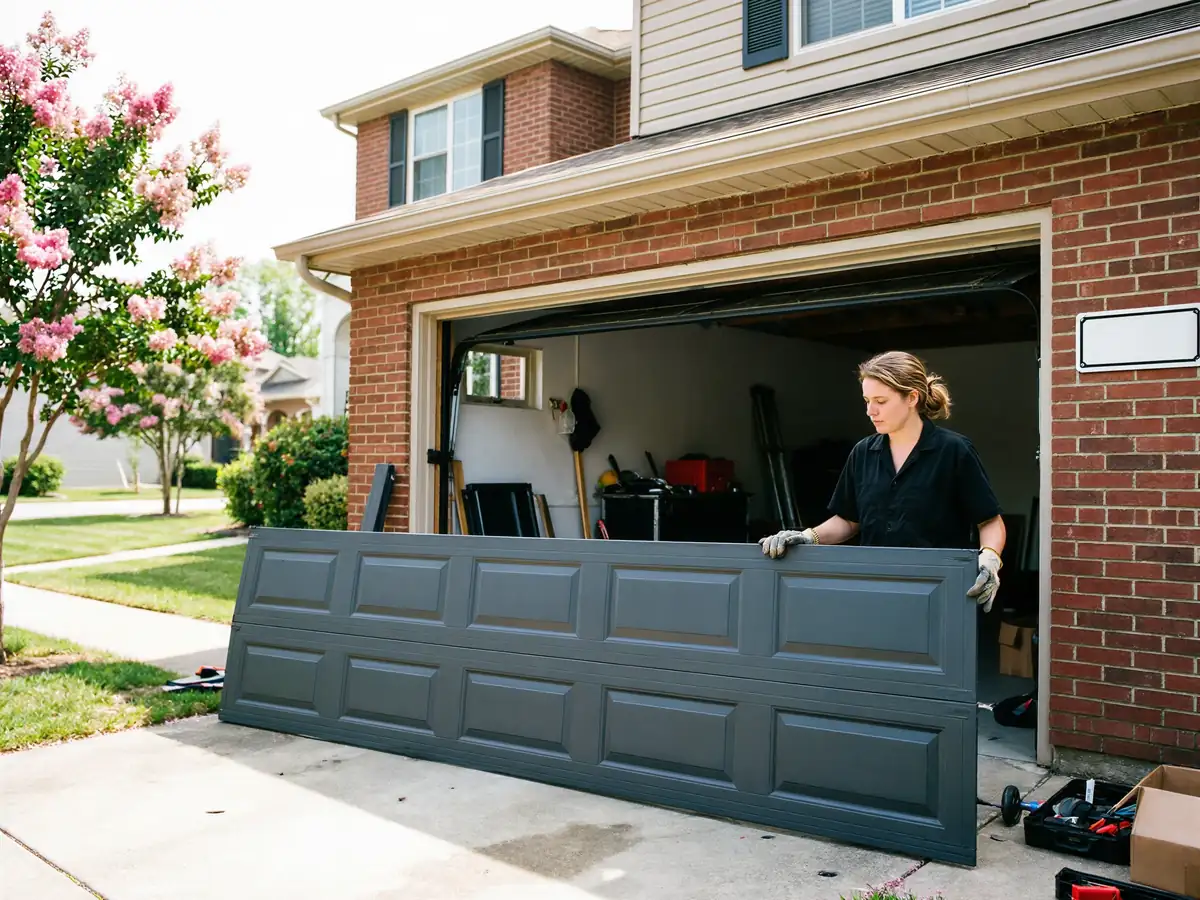
Most garage doors in Hallsville went in around 1993, give or take a few years either side. That puts you squarely in steel sectional territory - galvanized panels, torsion spring over the header, nylon rollers running in a U-shaped track. Nothing exotic, but nothing that lasts forever either.
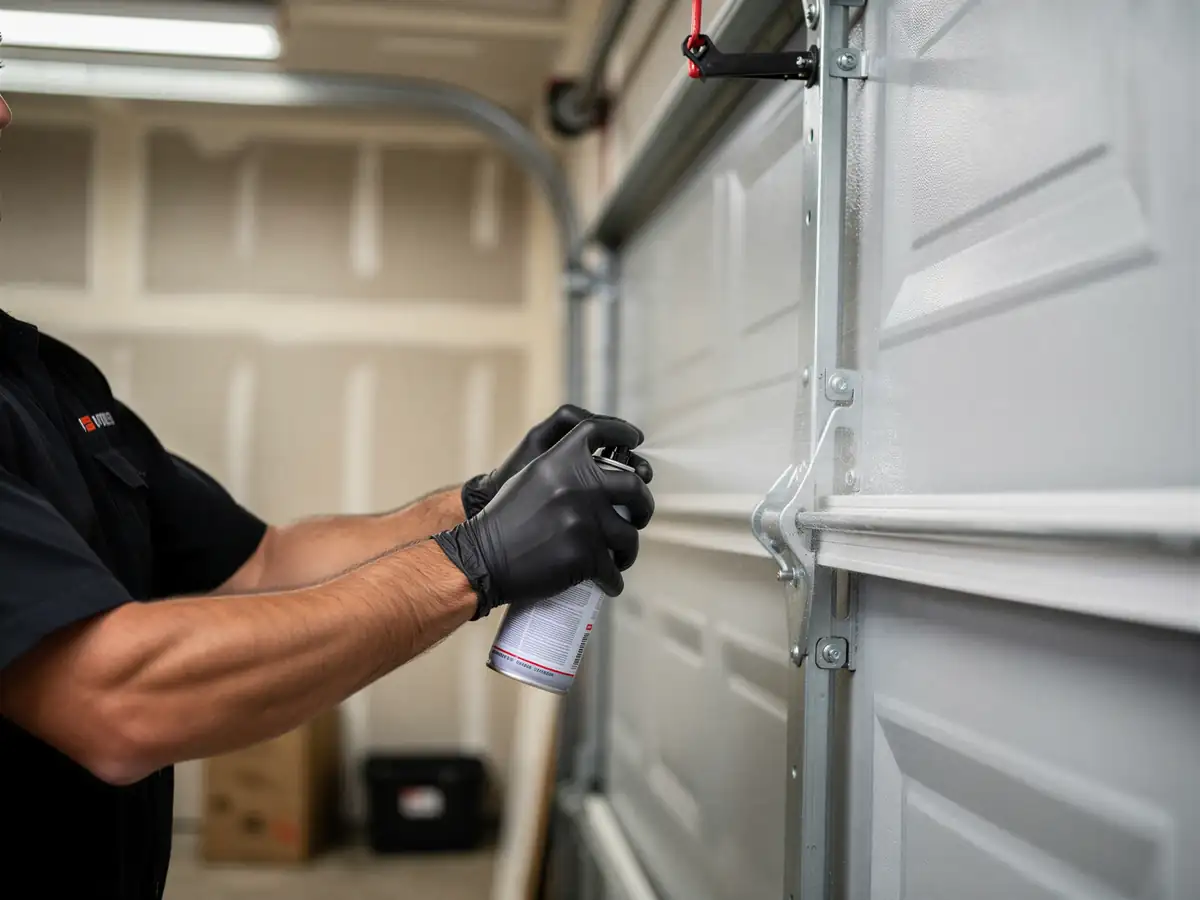
Once a quarter, you can do a few things yourself without tools beyond a stepladder and a rag. Wipe down the track and look for rust bloom or pitting, especially near the bottom brackets where water sits after a storm. Check that the rollers still spin freely when you lift the door by hand with the opener disconnected. Lubricate the hinges and the spring coils with a silicone-based spray, not WD-40, which washes grease out rather than replacing it.
This region sits in a moderate heat band, so you're not fighting the kind of deep-freeze cycling that cracks rubber seals up north, but summer heat still dries out lubricant faster than people expect. If you're doing this once a year instead of four times, you're behind.
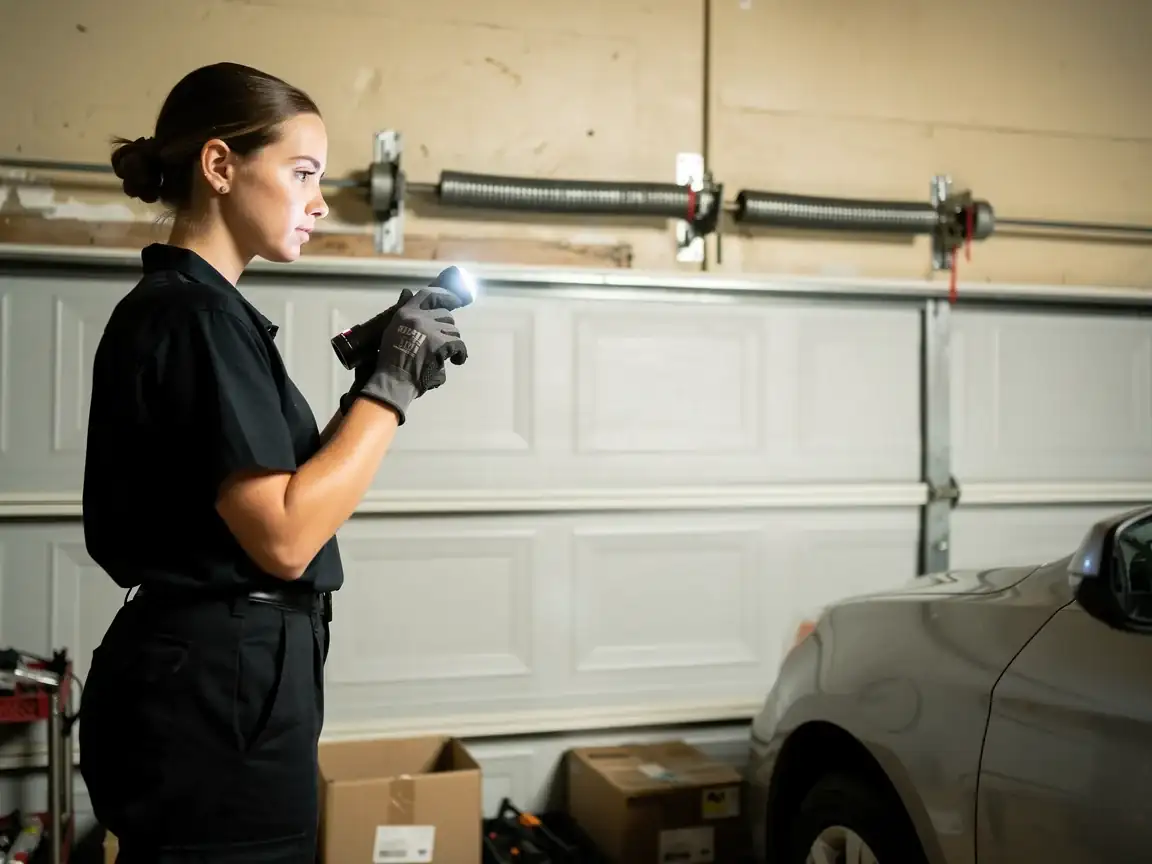
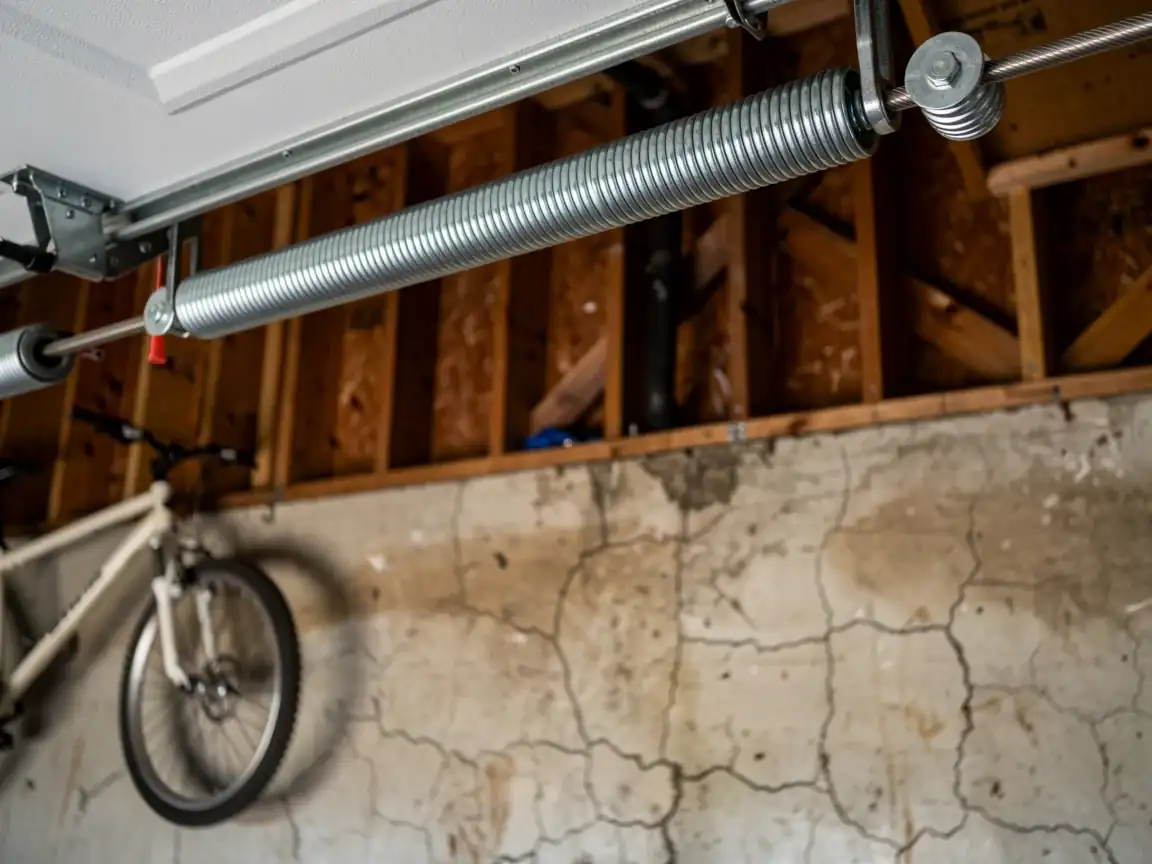
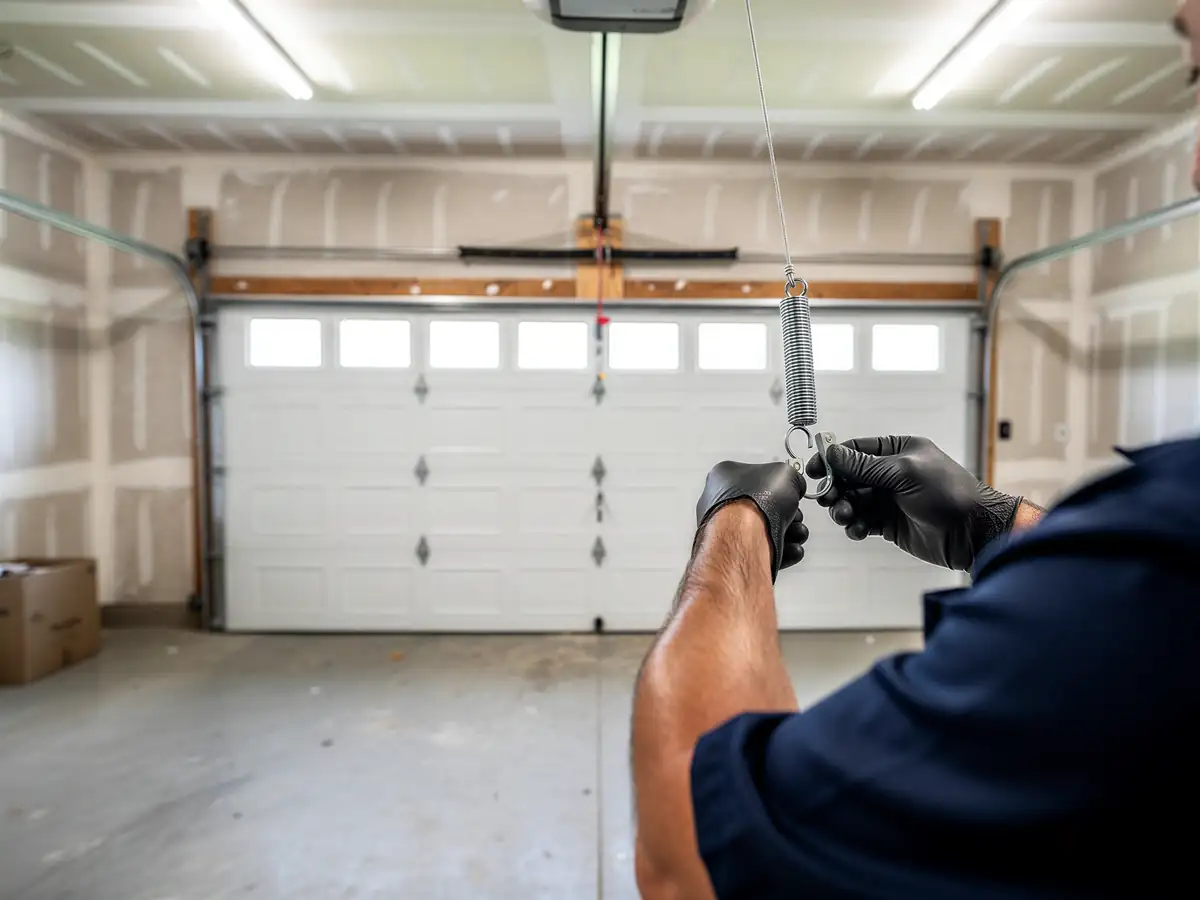
What you shouldn't touch: the torsion spring itself. It's under enough tension to break a wrist or worse if the winding cone slips. Everything else on this list is fair game for a homeowner with twenty minutes and a flashlight.
What Can Go Wrong
A door built in the early-to-mid 1990s has had three decades to work its original hardware loose. The torsion spring is the first thing to watch - factory springs from that era weren't rated for the cycle counts we see today, and metal fatigue doesn't announce itself until the coil snaps.
Nylon rollers from that period were a cheaper grade than what gets installed now. They flatten on one side after years of the same rotation, which throws the door slightly off its track and makes the opener work harder than it should. You'll hear it before you see it - a rhythmic thump instead of a smooth roll.
Galvanized track holds up well generally, but at the base, where lawn sprinklers and rain splash hit it, the coating wears through and rust takes hold. Once a track pits, rollers start catching instead of sliding, and the whole door shudders on the way down.
One honest limitation: if a spring has already stretched or a track has rusted through in multiple spots, maintenance won't fix it. At that point you're looking at a replacement part, not a tune-up, and we'll tell you that rather than keep adjusting something that's past adjusting.
What You Are Seeing
If your door is from the early 1990s build wave common in Hallsville
A few symptoms point straight at age rather than a one-off problem. A door that slams the last foot instead of settling usually means the torsion spring has lost tension gradually, not all at once - the opener has been compensating for months before you noticed.
A grinding or squealing sound on the way up
Especially if it's louder on one side, points to a roller that's worn flat or a track that's bent slightly out of plane. Doors don't bend tracks on their own; it's usually years of a roller riding slightly crooked until the metal gives a little.
If the door reverses on its own partway through closing, check the sensors first
But on older installs it's often the limit settings drifting as the spring weakens - the opener thinks it's hit the floor when it hasn't.
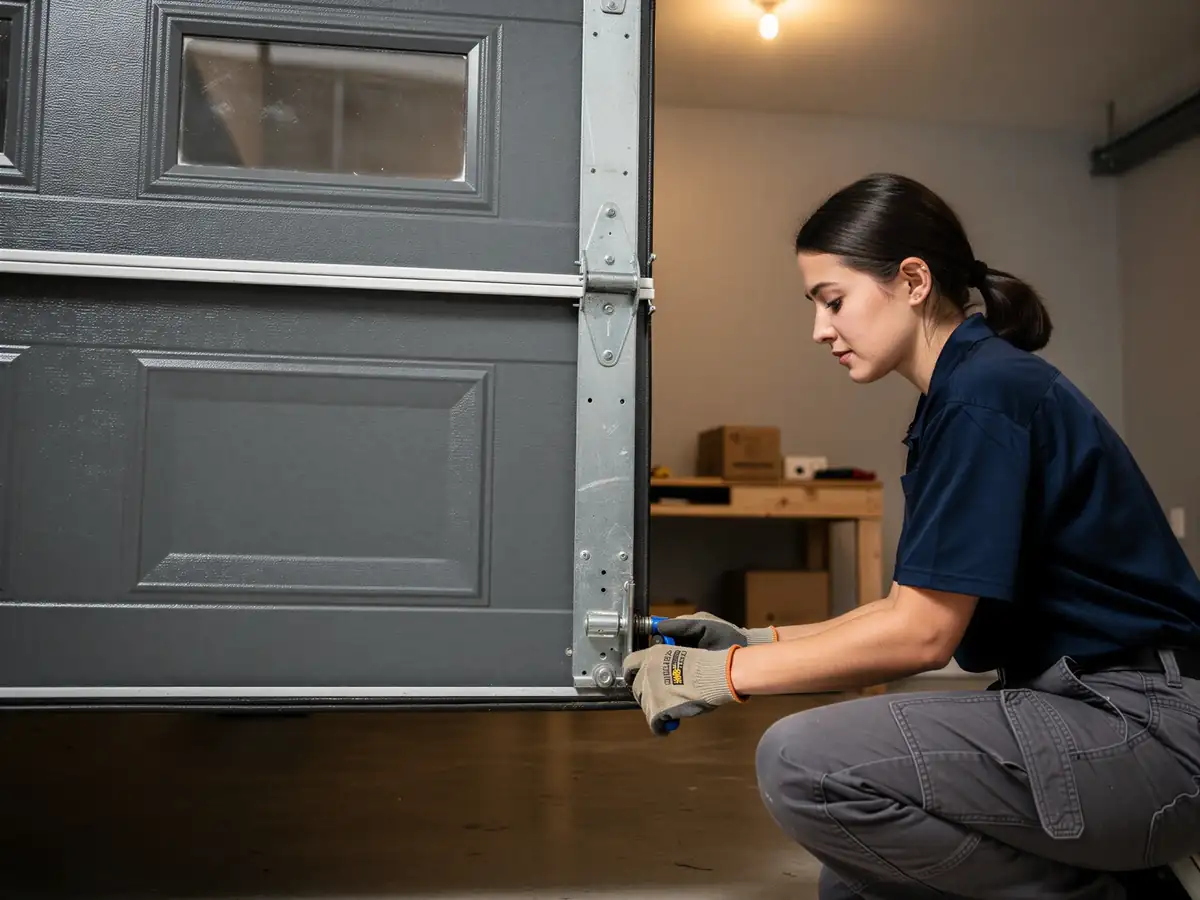
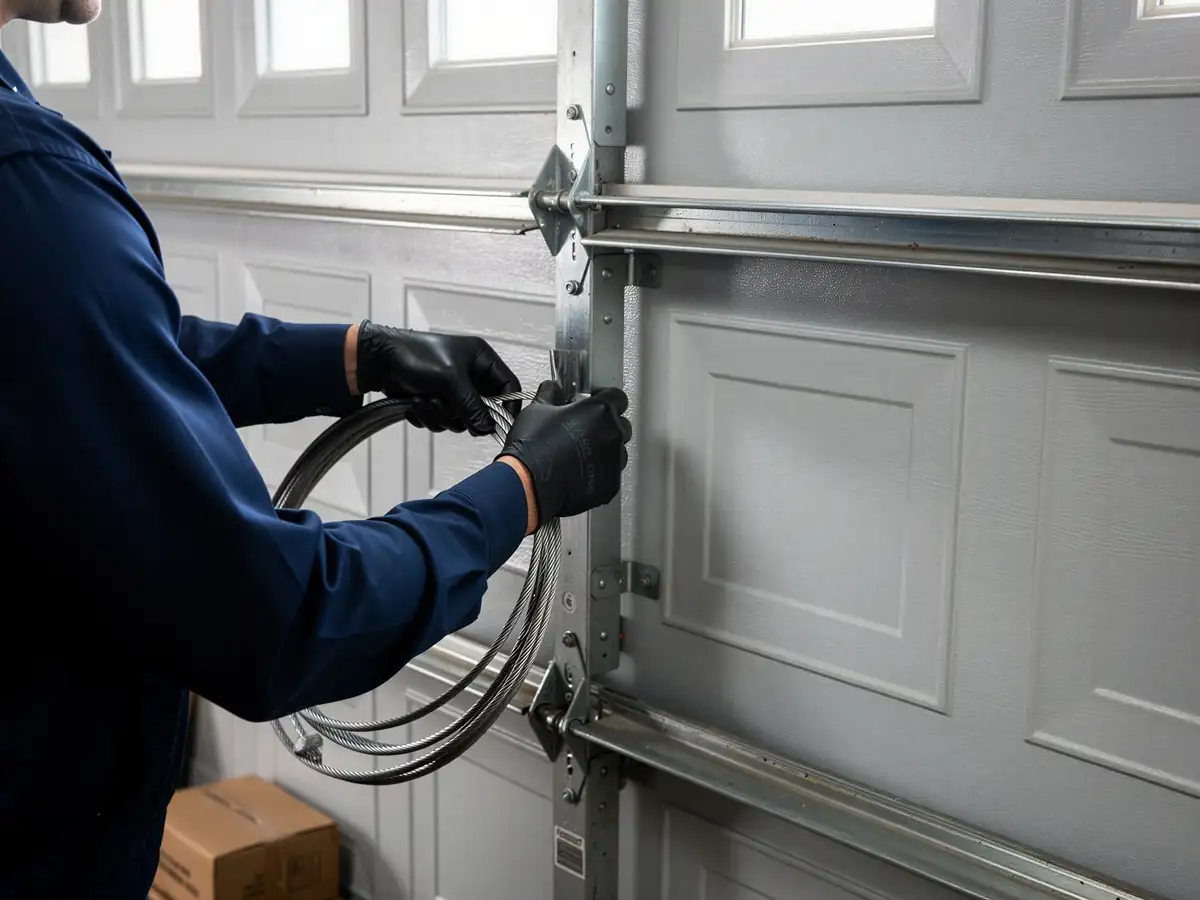
And if you see daylight between the bottom panel and the slab on one side only, that's a cable or track issue, not a weatherstrip issue
No matter what it looks like from inside the garage.
What the Fix Involves
We come out from Longview, about 12 miles south, so a standard maintenance visit is scheduled rather than a same-day drop-in - worth knowing if your door is making noise today and you want it quiet by tonight.
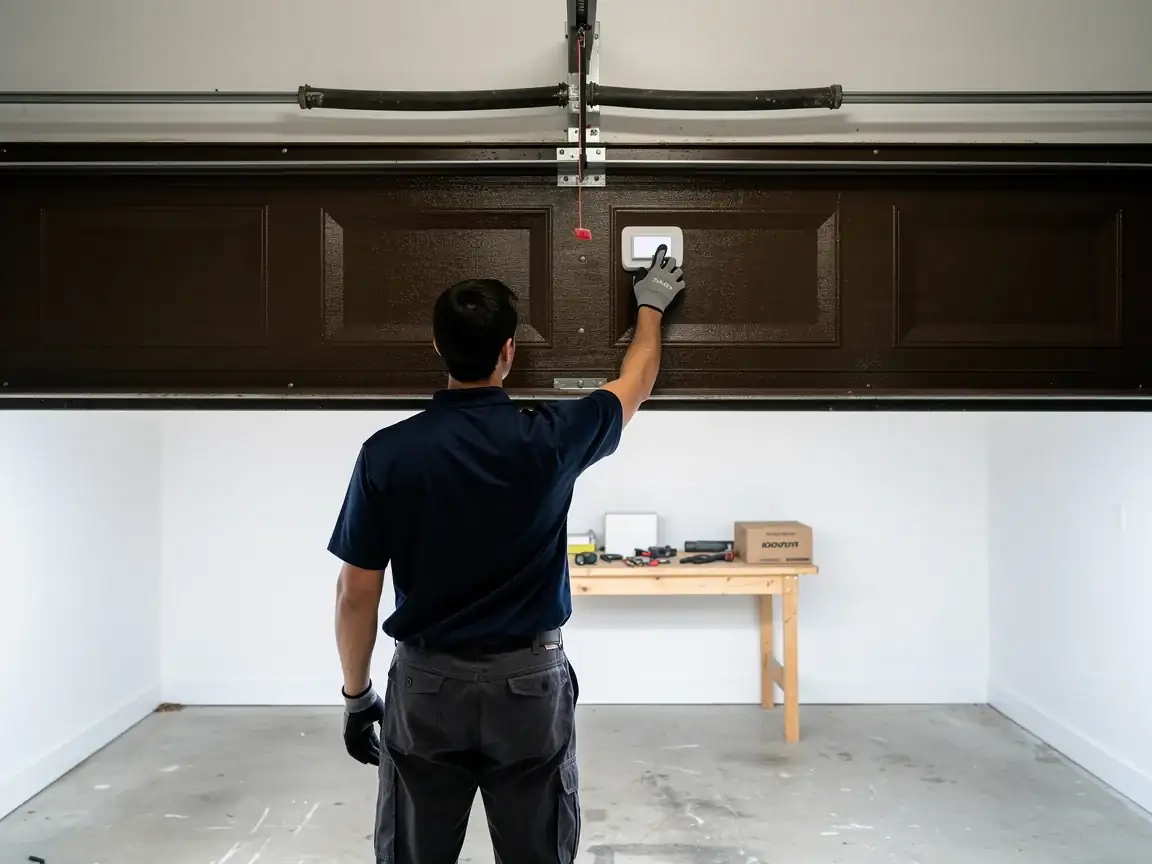
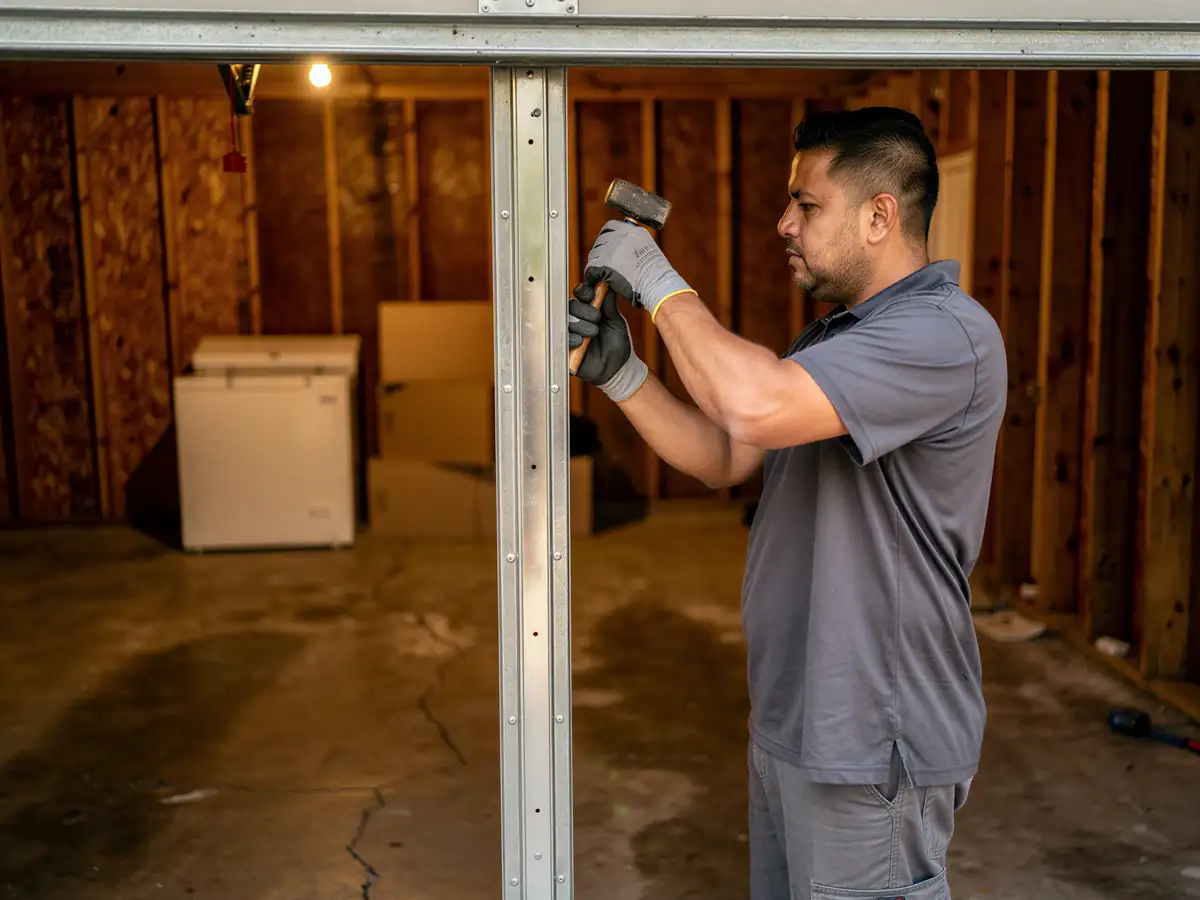
On a typical 1990s-era door, the visit covers a full lift-and-balance check: disconnecting the opener, testing how the door holds at the halfway point, and adjusting spring tension if it's drifted. We replace rollers in sets rather than one at a time, since a mismatched roller wears unevenly against a fresh one. Track gets cleaned, re-aligned where it's shifted, and checked for rust that's gone past the surface.
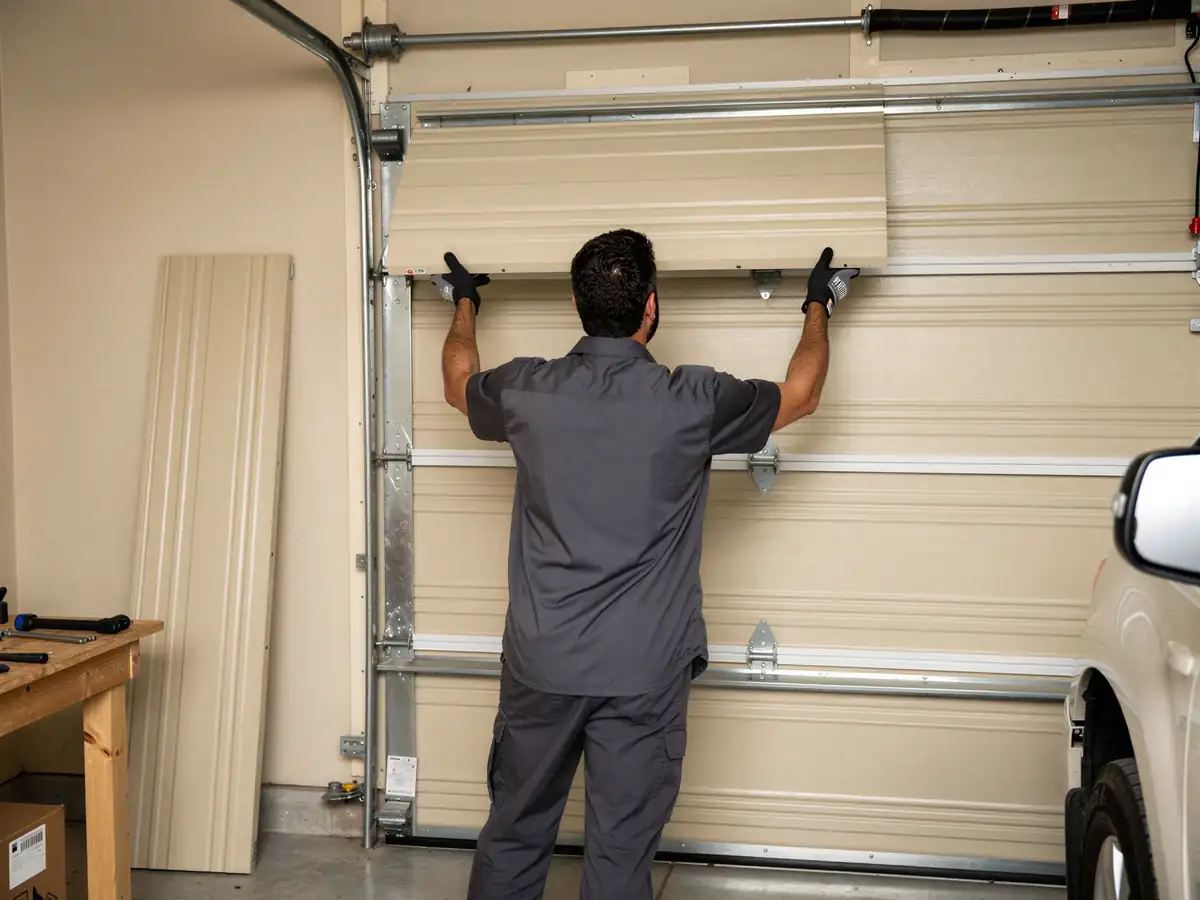
We also reset opener limits and force settings, which on older units tend to be set for a door that weighed less when it was new - thirty years of grease and dust add up. Hardware bolts at the hinges get torqued, since door sag at the panel seams is almost always a loose-hinge problem before it's anything structural.
We don't replace a spring as routine maintenance unless it's already showing wear signs - a spring with life left in it doesn't need swapping just because it's old.