Serving Longview, TX & nearby
(903) 205-8234
Longview, TX

Cable Repair for Hallsville's Early-90s Garage Doors

Most Hallsville homes date to the early 1990s, meaning original galvanized lift cables are now 30+ years old. Here's what fails first and what the repair involves.

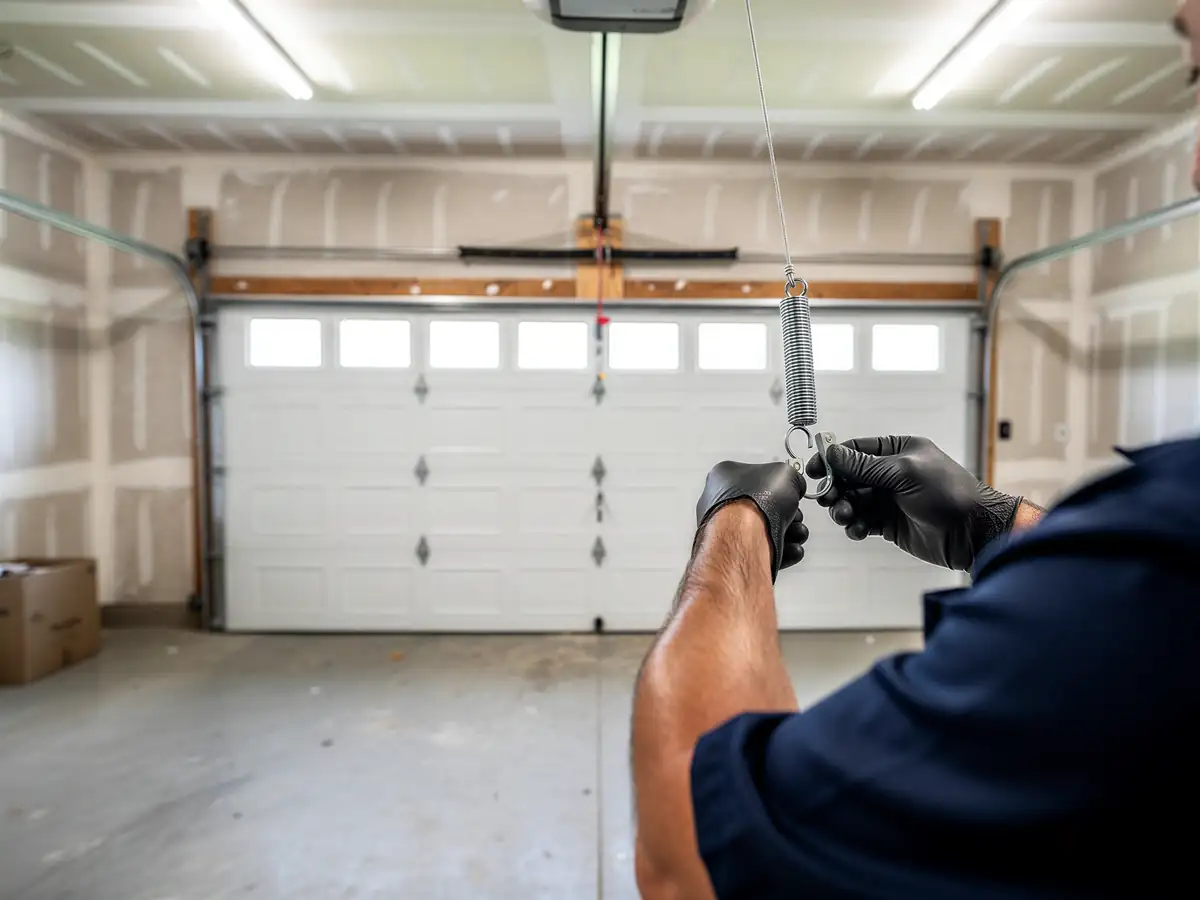
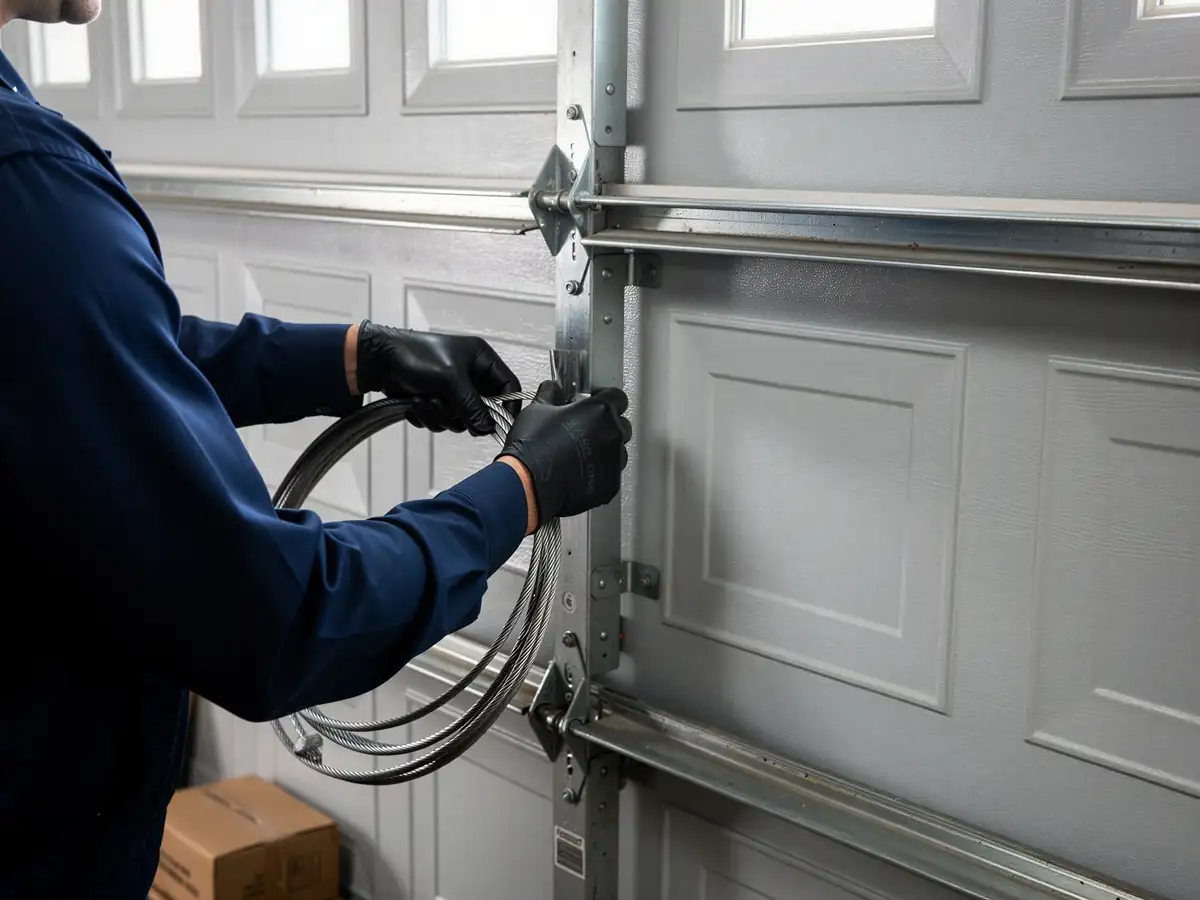
A technician in black gloves holds a coiled cable next to a white garage door.
Longview, TX
8 services
8 service areas
Diagnosis first, then the fix

Doing It Yourself

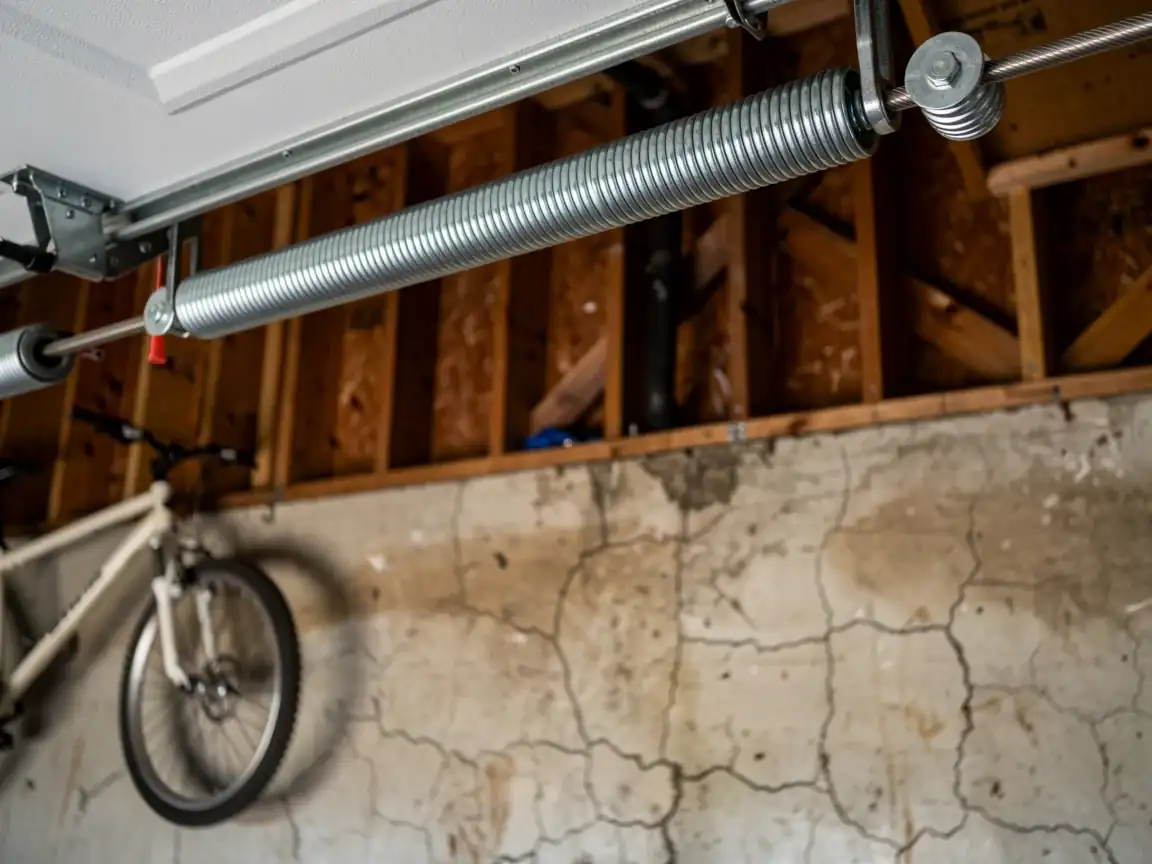
Hallsville's median home was built in 1993, which means a lot of these garages still carry the original lifting cables that came with the door - nobody's ever had a reason to touch them until now. A frayed or snapped cable looks like a simple fix: pull the old one off the drum, thread a new one on, done. It isn't. The door is under spring tension the whole time you're working near that drum, and a cable job done with the spring still loaded is how people lose fingers or get hit by a door that drops without warning.

If you've got the tools, the winding bars, and you've done this before, fine. If not, this is one to leave alone. We'll say it plainly: a $15 cable and twenty minutes of YouTube is not worth a trip to the ER. The honest limitation here is that we can't talk anyone through this over the phone in a way that's actually safe - torsion spring tension has to be released and reset by someone standing there watching it happen.

What Can Go Wrong

On a door this old, the cable rarely fails on its own. Usually one of two things is going on. Either the galvanized coating on the original cable has worn through after three decades of cycling, leaving bare strands that fray and eventually snap, or the drum it winds onto has developed a burr or a flat spot that's been chewing through the cable from the inside. Replace the cable without checking the drum and you're back out here in six months with the same complaint.

The other common cause in houses from this era is a bottom bracket that's rusted or loosened at the mounting point, which lets the cable ride off-track and fray against the edge of the track itself. None of this is dramatic - it's just thirty-year-old hardware doing what thirty-year-old hardware does.

What You Are Seeing

  1. The door hangs crooked, tilted hard to one side, or it's stuck a few inches off the ground and won't go further in either direction

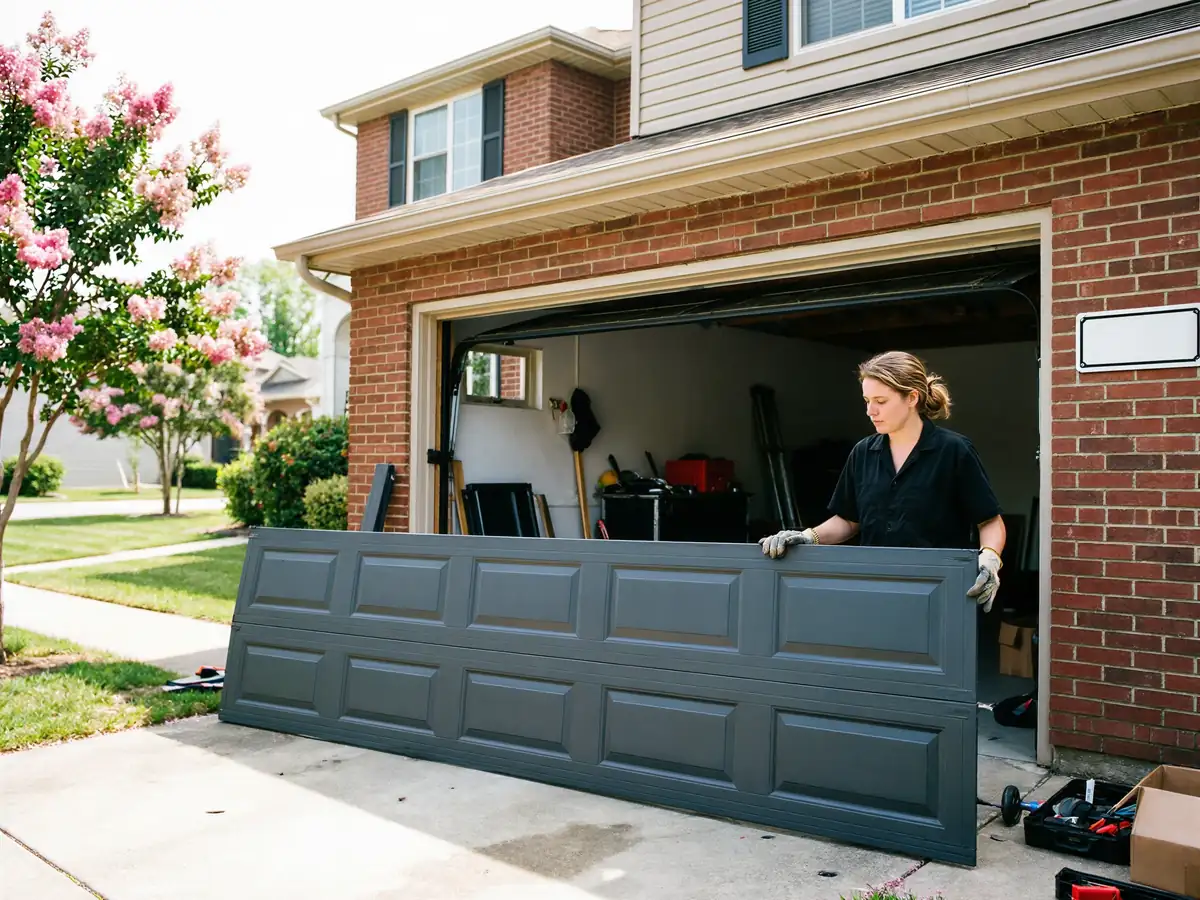
    Sometimes you'll hear a loud bang first - that's the cable letting go under tension - and then the door either won't move at all or drops fast and uneven. If one side still has cable and the other doesn't, the door will rack sideways in the tracks, which can bend the tracks themselves if the door's forced up and down on the opener.

  2. A cable that's frayed but not yet broken usually shows itself as a scraping or grinding sound near the bottom corners when the door runs

    Or a visible kink in the cable where it loops around the bottom bracket.

What the Fix Involves

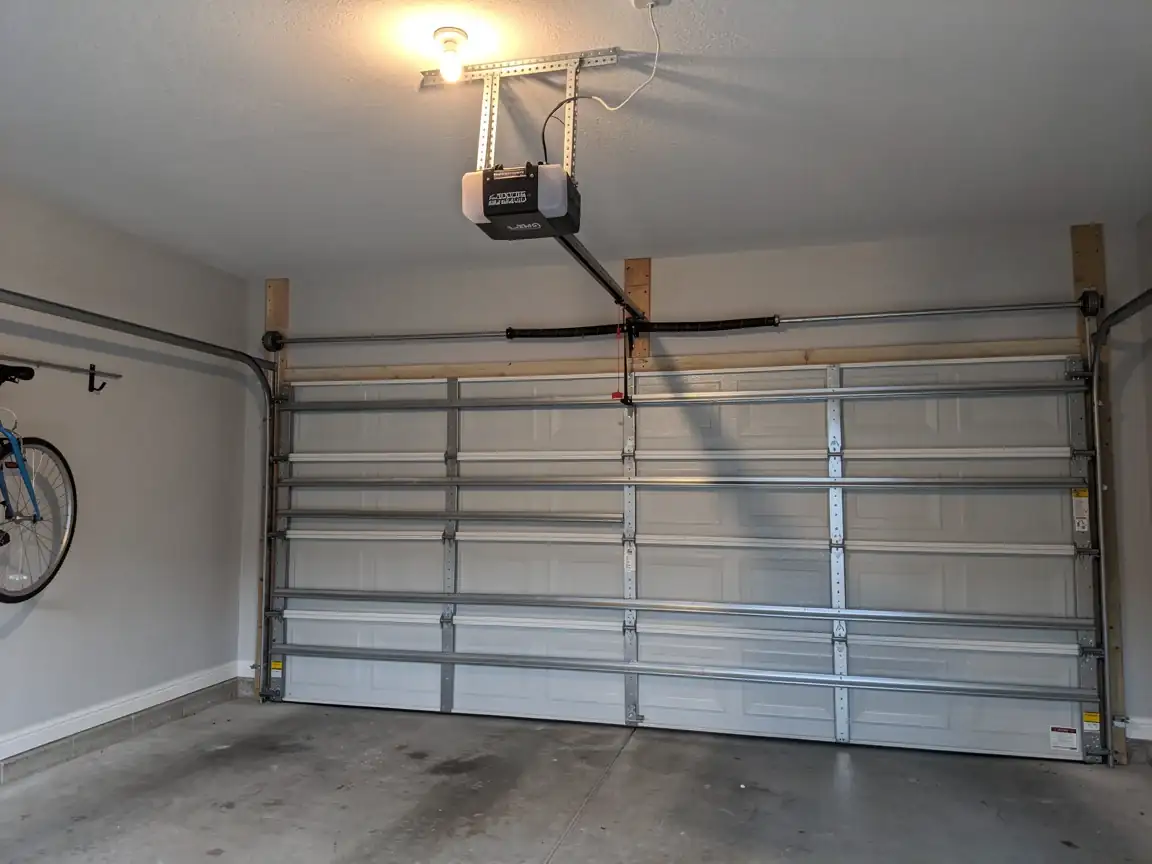
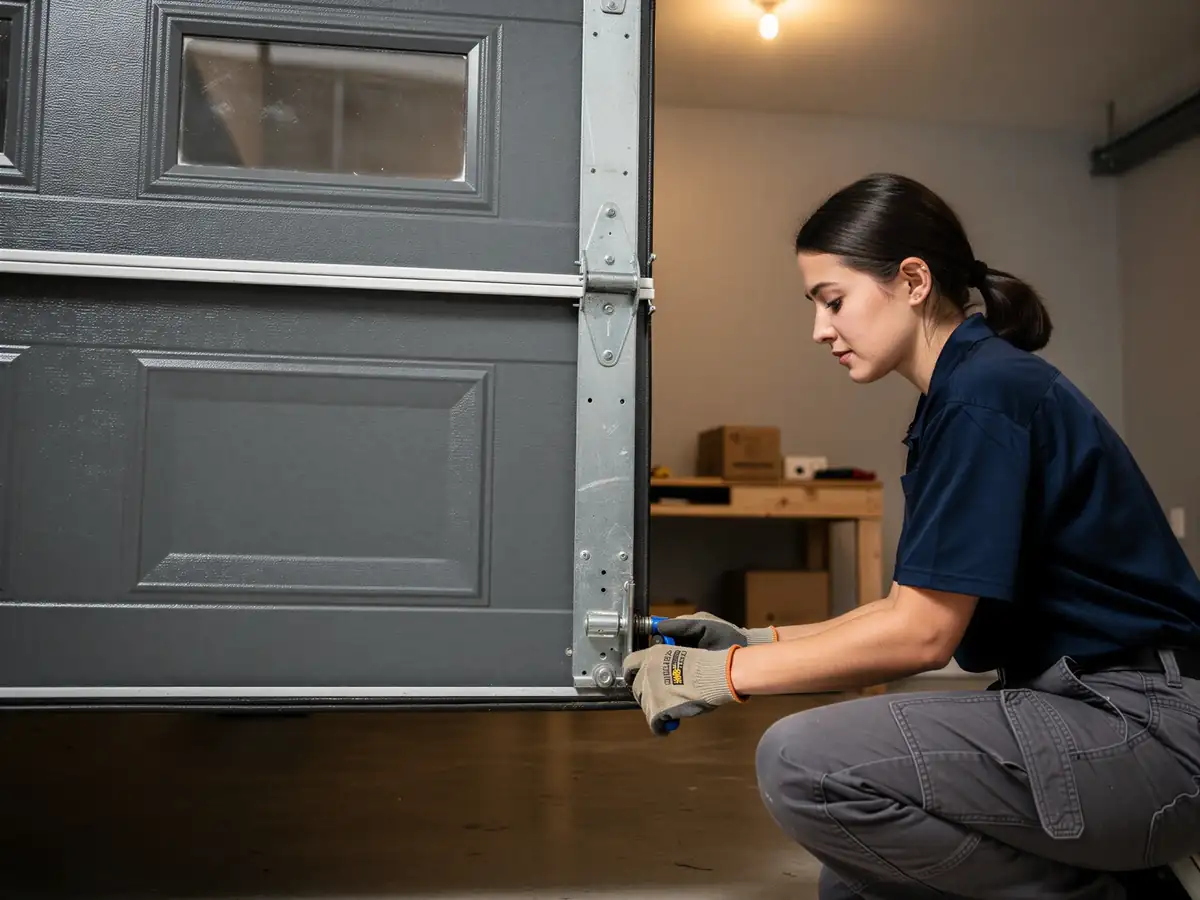
We release the spring tension first, always - that's the step that makes the rest of the job safe. From there it's pulling the old cable off the drum and the bottom bracket, checking the drum face and the bracket for wear or rust, and running new galvanized cable sized to match the door's weight and the drum it winds onto. On a house built in the early 90s, we'll generally also check the opposite side cable even if it hasn't failed yet, since it's the same age and under the same wear.

If the drum is scored or the bottom bracket is rusted through, those get replaced along with the cable - patching a cable onto bad hardware just moves the failure point. Once it's back together, we re-tension the spring and run the door through a few full cycles to make sure it's tracking straight before we call it done.
How it works

From “it’s stuck” to “it’s fixed”

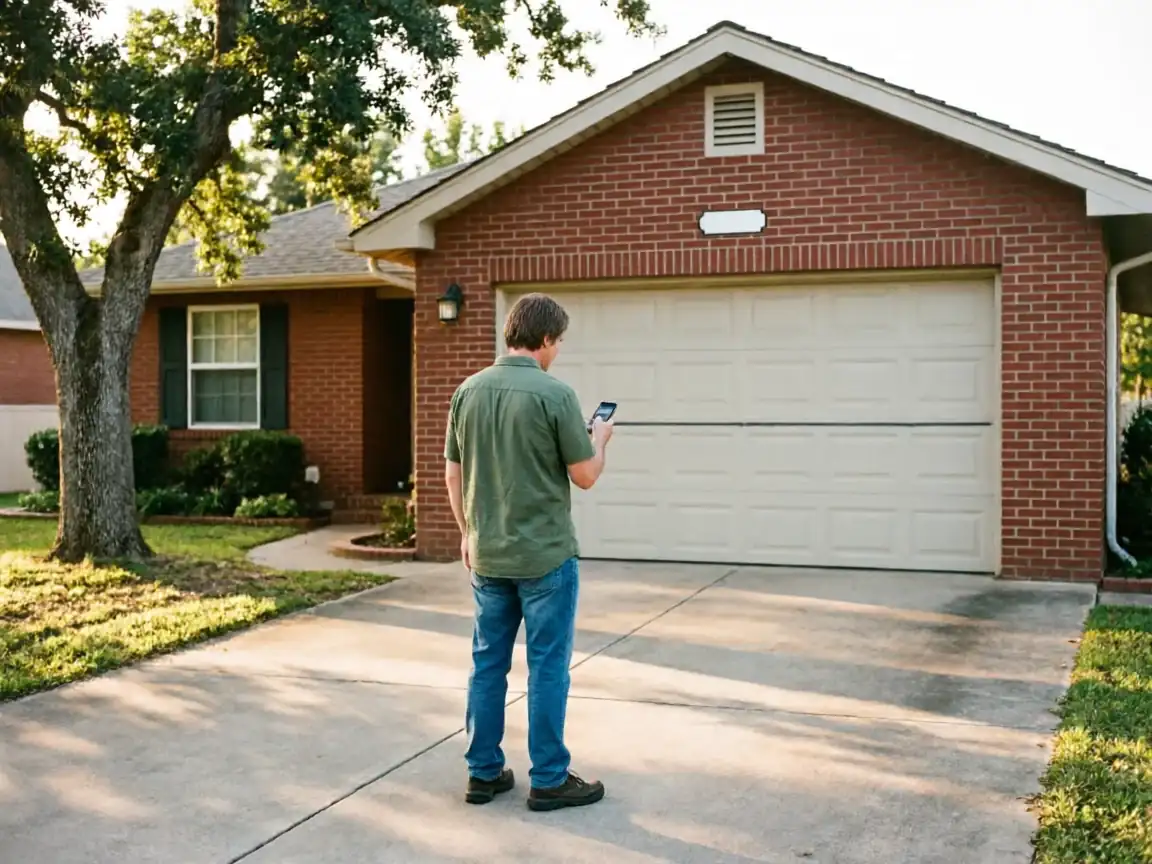
A man stands in a driveway, looking at his phone in front of a garage door.

Tell us what’s wrong

Describe the symptom - won’t open, loud bang, opener runs but the door won’t move.

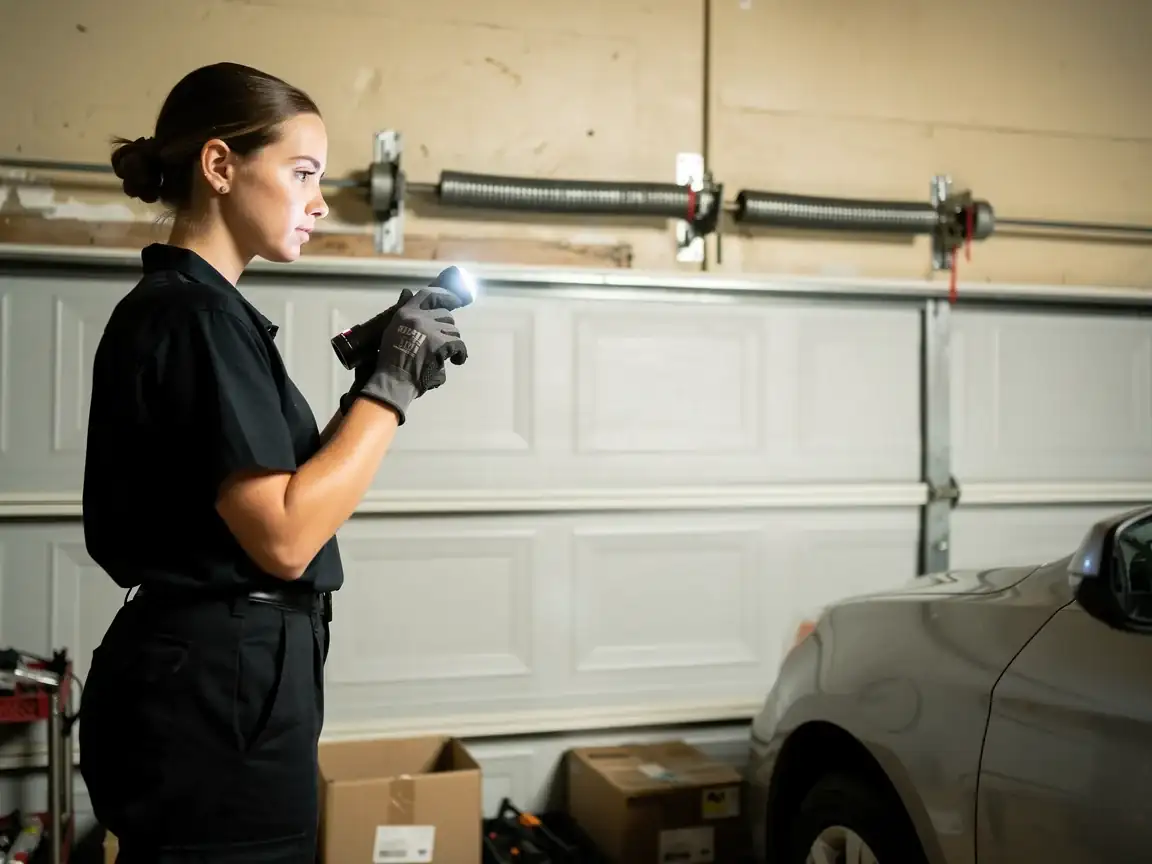
A technician in a black uniform holds a flashlight, inspecting a garage door and torsion spring.

On-site diagnosis

A technician tests the door under power and by hand and finds what actually failed.

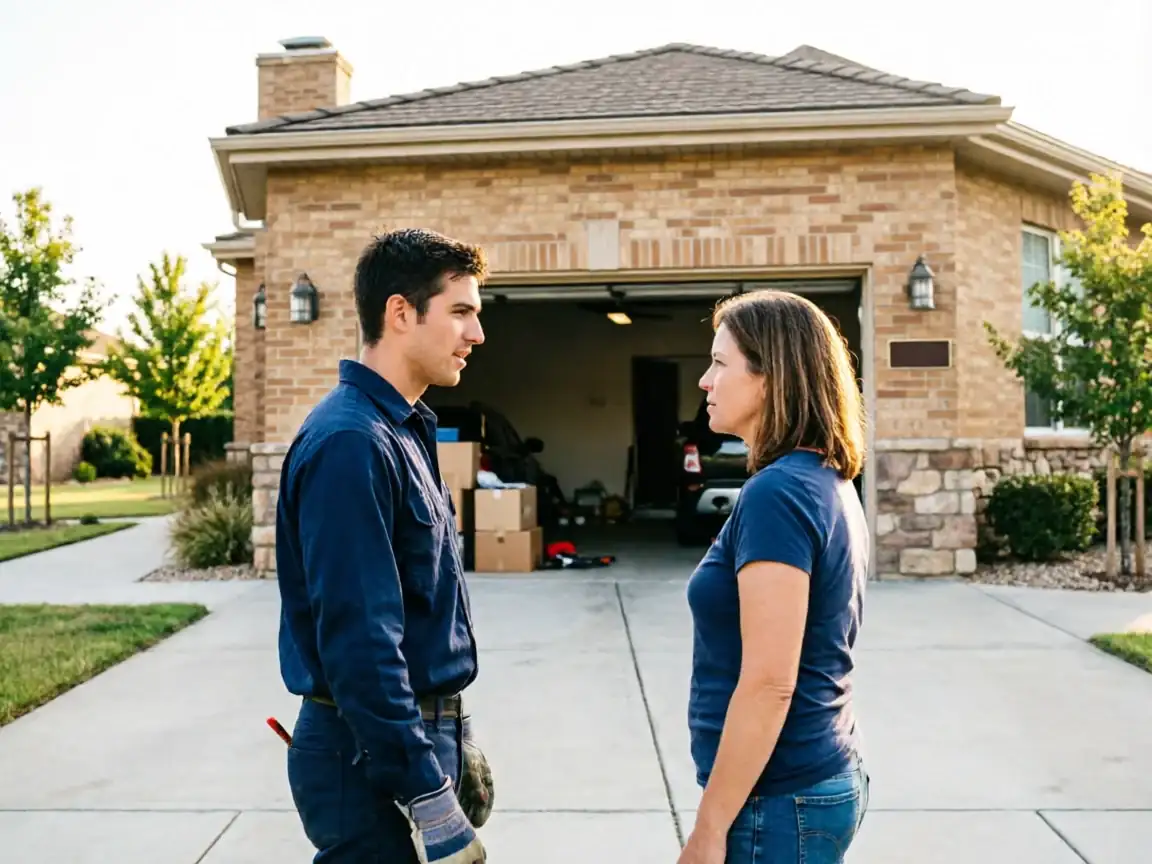
A technician and a woman stand facing each other in a driveway in front of a house.

Clear, up-front plan

You get the fix that’s needed and what drives the cost - before any work starts.

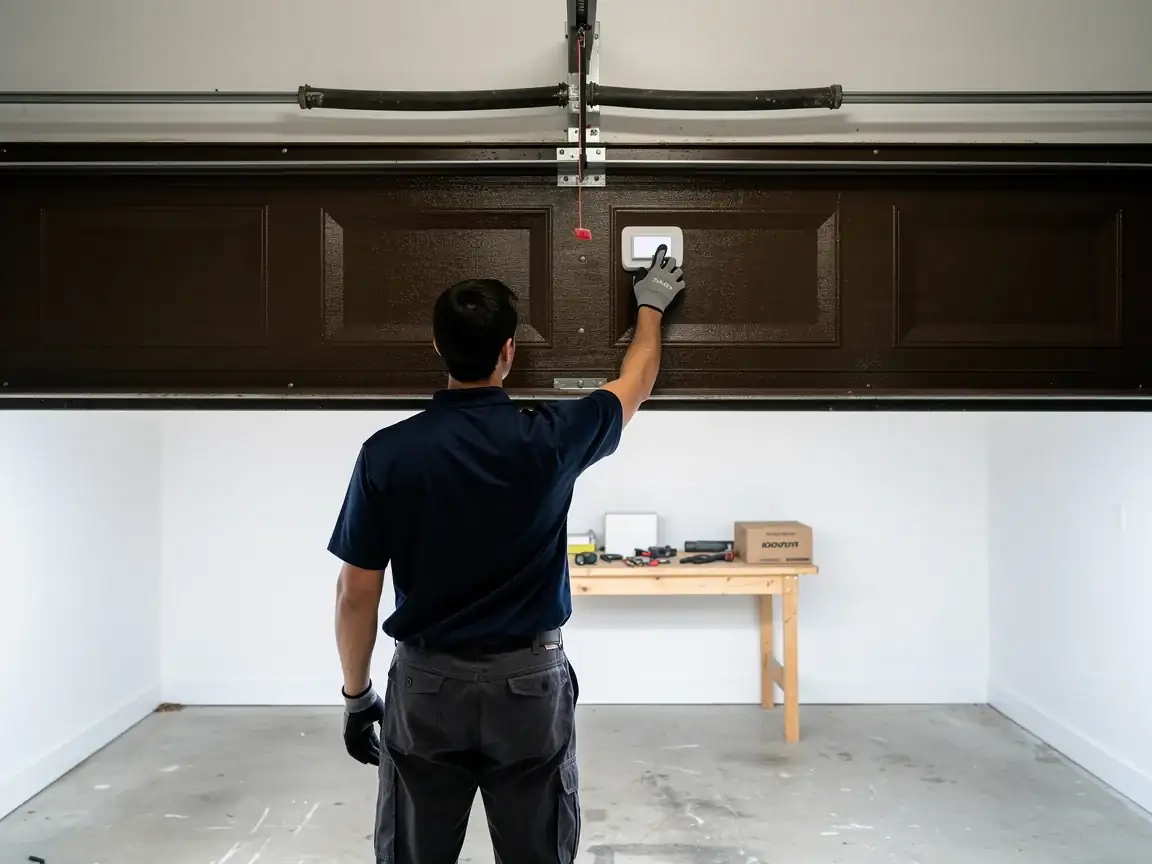
A technician adjusts a control panel on a brown garage door.

Repaired & tested

The repair is done, the door is set true and tested, and the work area left clean.

Not sure which repair your door needs in Longview, TX? Describe what it’s doing - every job starts with a diagnosis.

How we work

What to expect

Diagnosis firstEvery visit starts by finding what actually failed - not a pre-written parts list.
The right part for the doorSprings and openers matched to the door’s weight and age, so the fix holds up.
Straight answersWhen a repair makes more sense than a replacement - or the reverse - you hear it plainly.
Clean, careful workTension released safely, hardware set true, the door tested under power before we leave.
82,287Residents in Longview
8Garage door services
8Neighborhoods & suburbs
TXServing Longview, TX
Questions

Frequently asked

Straight answers about garage door repair in Longview. Still unsure? Ask us directly.

How old does a cable usually get before it needs replacing?

There's no fixed lifespan, but a cable that's been cycling since the house was built in 1993 has had three decades of wear. Once the galvanized coating wears through, the exposed strands fray fast, so a cable that age failing isn't a surprise - it's overdue.

Can I just replace the cable myself without touching the spring?

No. The cable sits under spring tension whenever the door's closed, so you can't safely remove it without first releasing that tension with winding bars. That step is where most DIY injuries happen, which is why we don't recommend doing this one yourself.

Will you also check the opener while you're out?

We're coming out from Longview for the cable repair itself, not a full inspection. If something else looks worn while we're working - a cracked bottom bracket, a scored drum - we'll point it out, but a broader opener or track check is a separate conversation.

Why did the door come off-track instead of just dropping straight down?

If only one cable lets go, the door loses support on just one side and racks sideways in the tracks instead of falling evenly. That sideways force is also what bends tracks if someone tries to force the door up or down on the opener afterward.

Ready to get your garage door sorted?

Tell us what it’s doing and where you are in Longview - we’ll take it from there.

Request a QuoteCall