Doing It Yourself
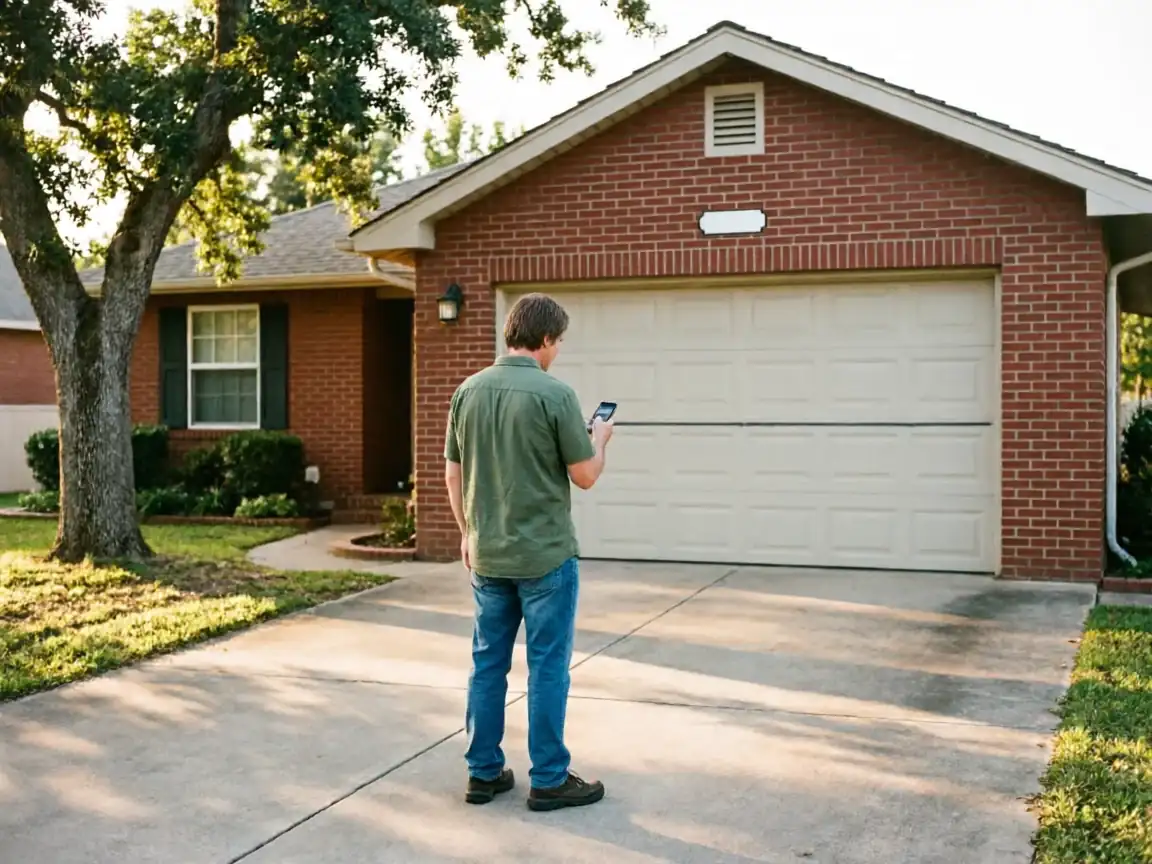
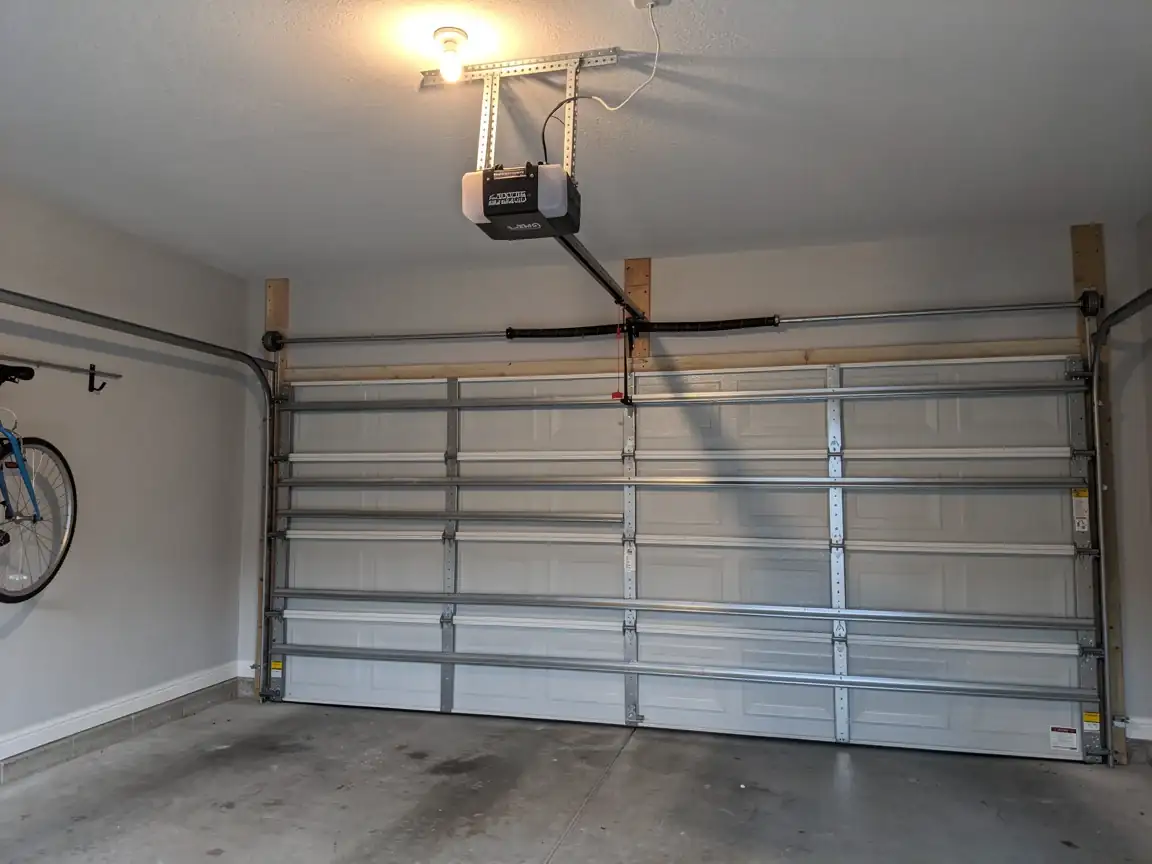
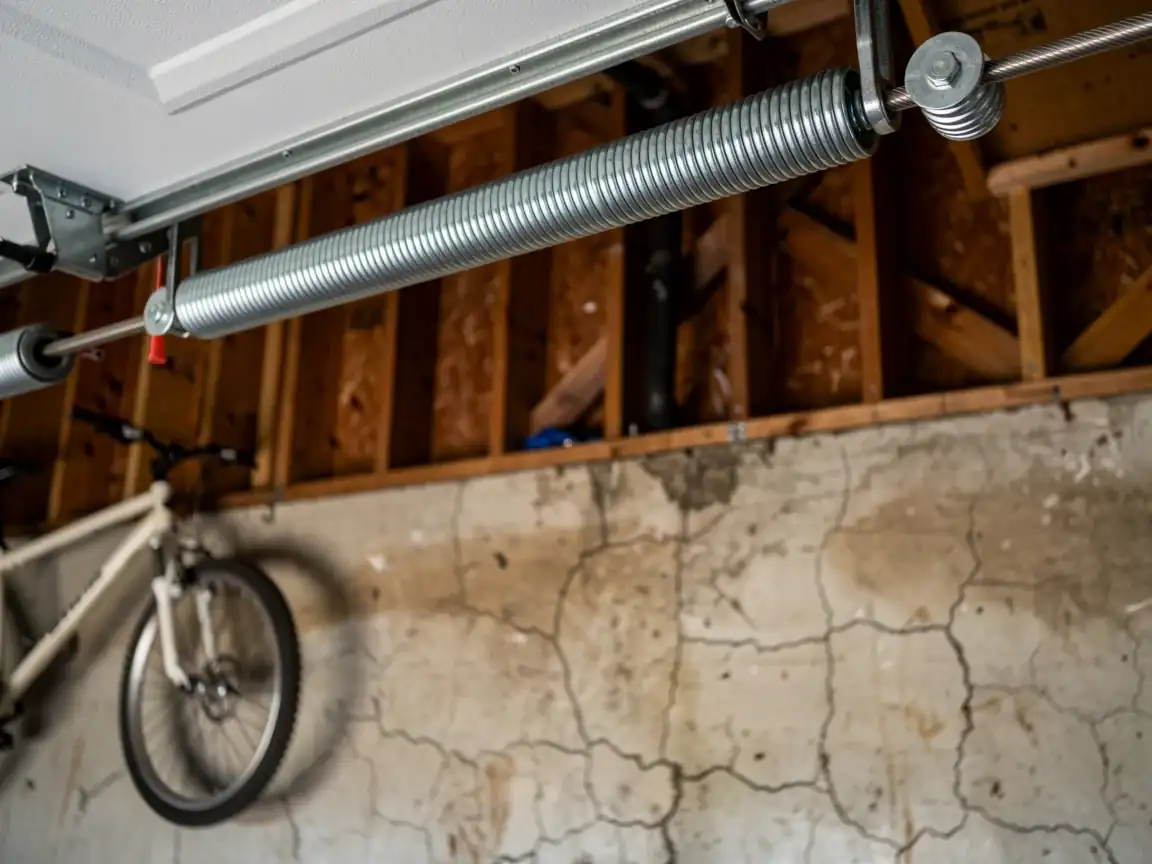
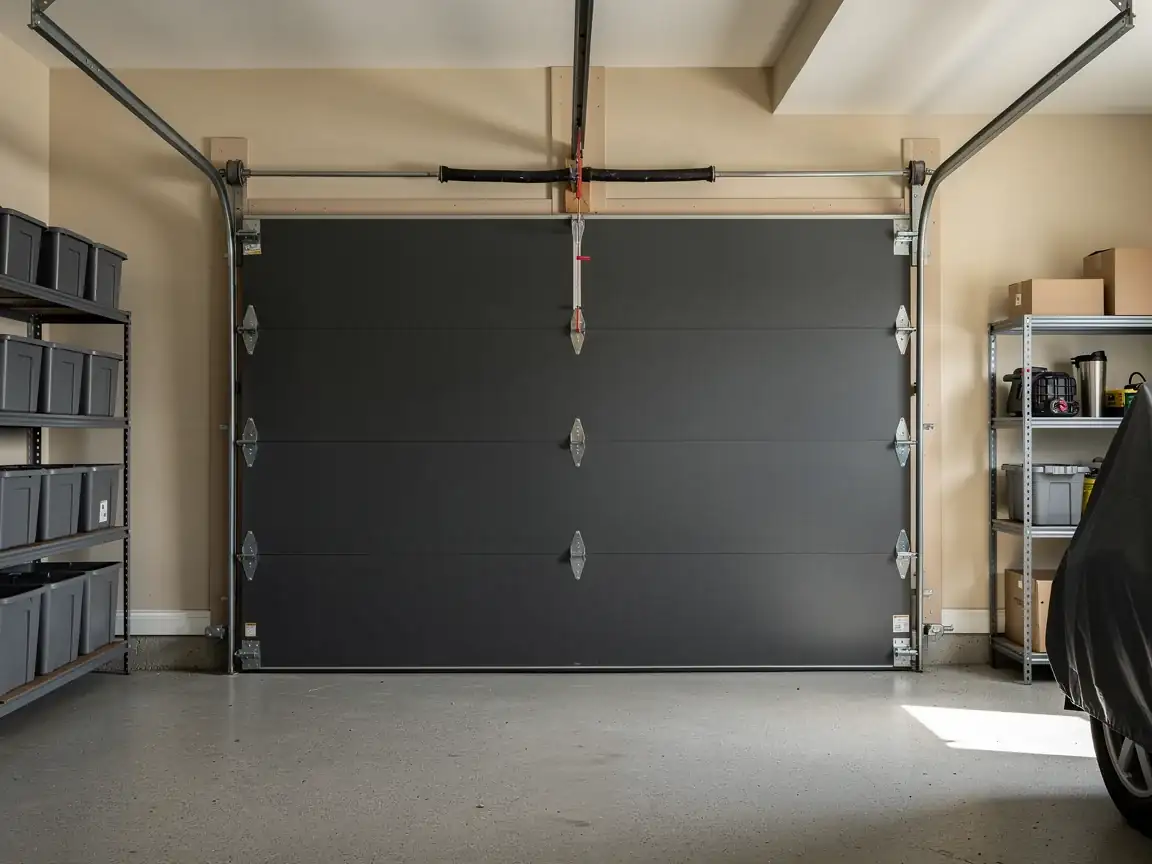
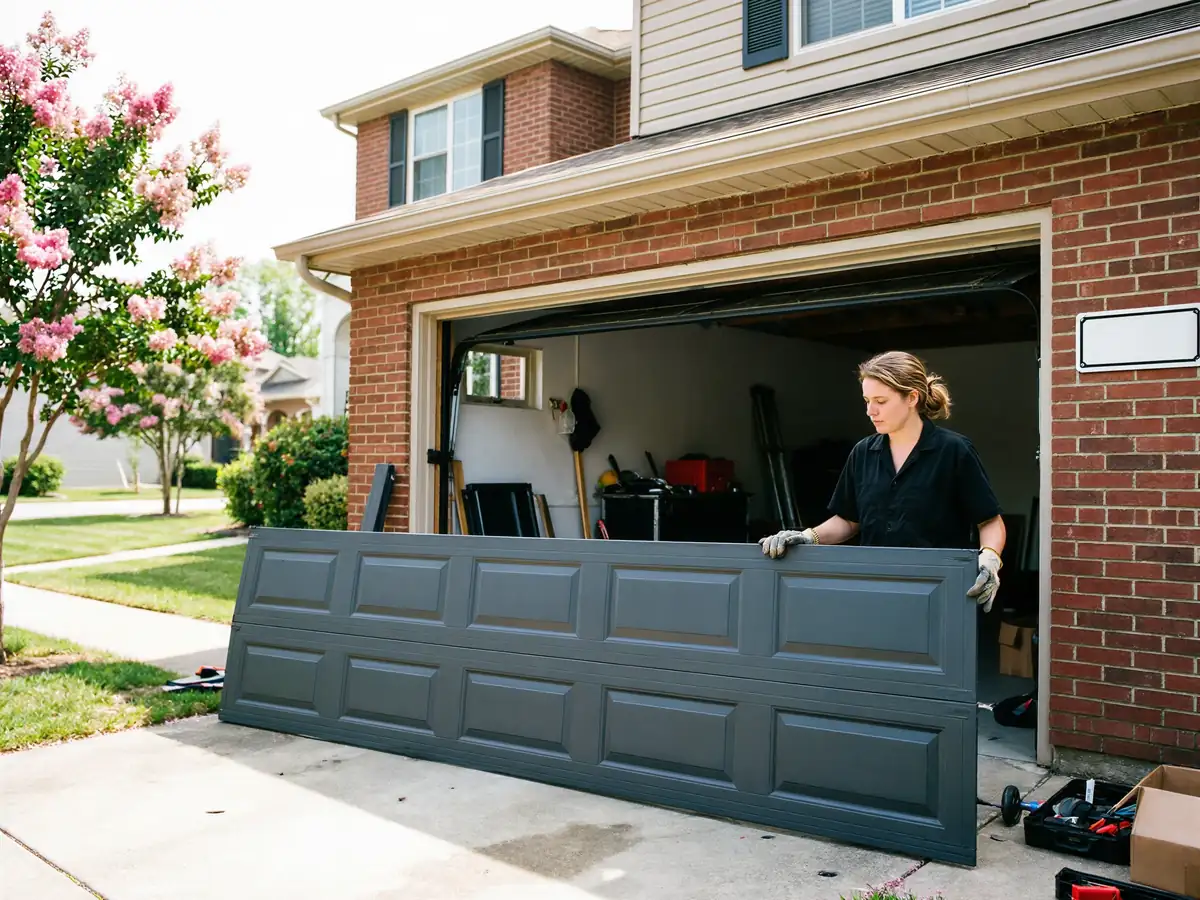
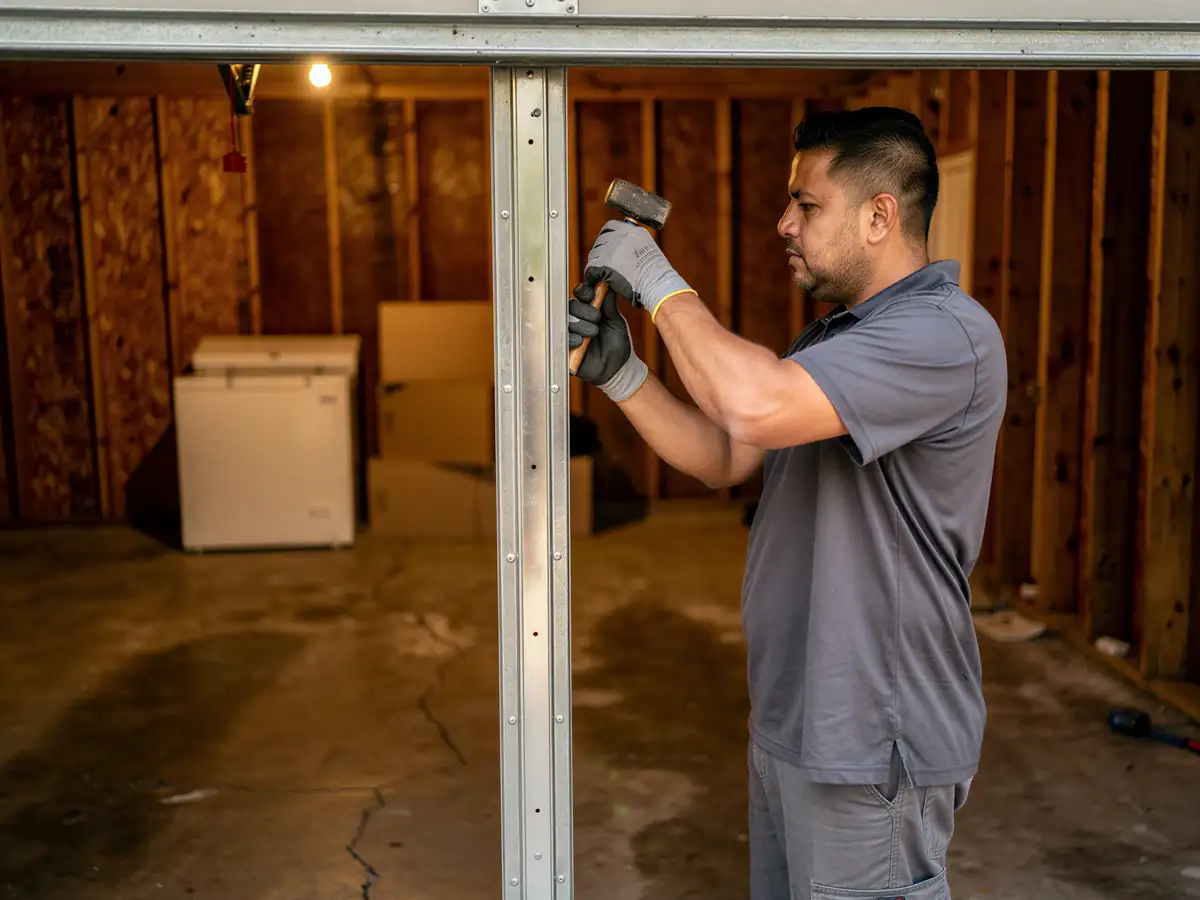
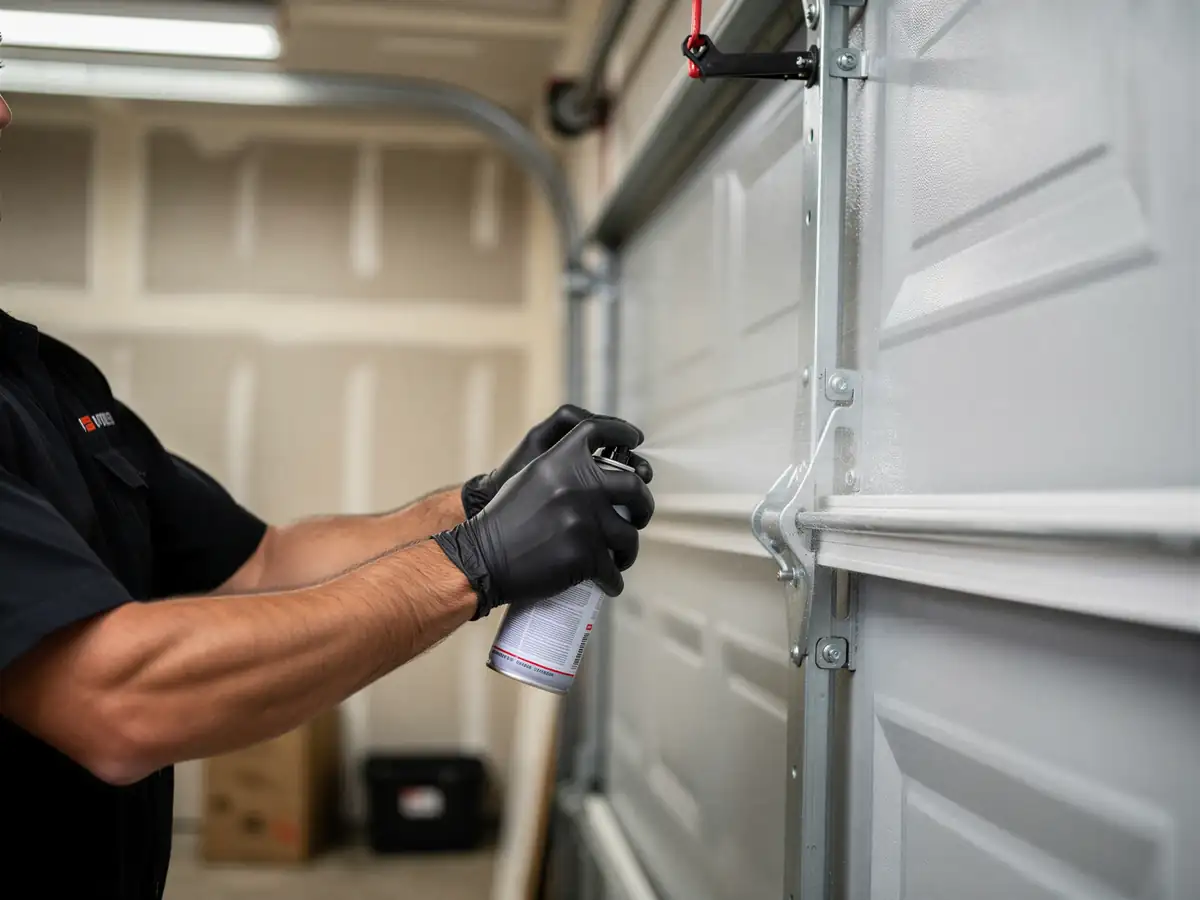
Hallsville's median household income sits at $71,369, noticeably above the $66,250 median across the rest of the coverage area, and that number matters here because it changes where the repair-or-replace line sits. At that income level, a lot of homeowners could afford a full door swap, but most of these houses don't need one. The median build year in Hallsville is 1993 - newer than the 1981 median across the broader service area - so the doors and openers underneath are mid-90s steel sectional setups, not the older one-piece doors you find in older pockets of the region. That means a lot of what goes wrong is maintenance-grade: dry rollers, loose hinge bolts, a track knocked out of line. Lubricating hinges and rollers twice a year, checking that the track bolts haven't backed out, and testing the auto-reverse safety feature are all things an owner can do without a ladder emergency. What you should not touch is the torsion spring. It's under enough tension to break a bone, and on a door this age the spring may already be undersized for an insulated retrofit panel someone added later. If the door won't budge, or the spring is visibly separated, that's a call, not a weekend project.
What Can Go Wrong
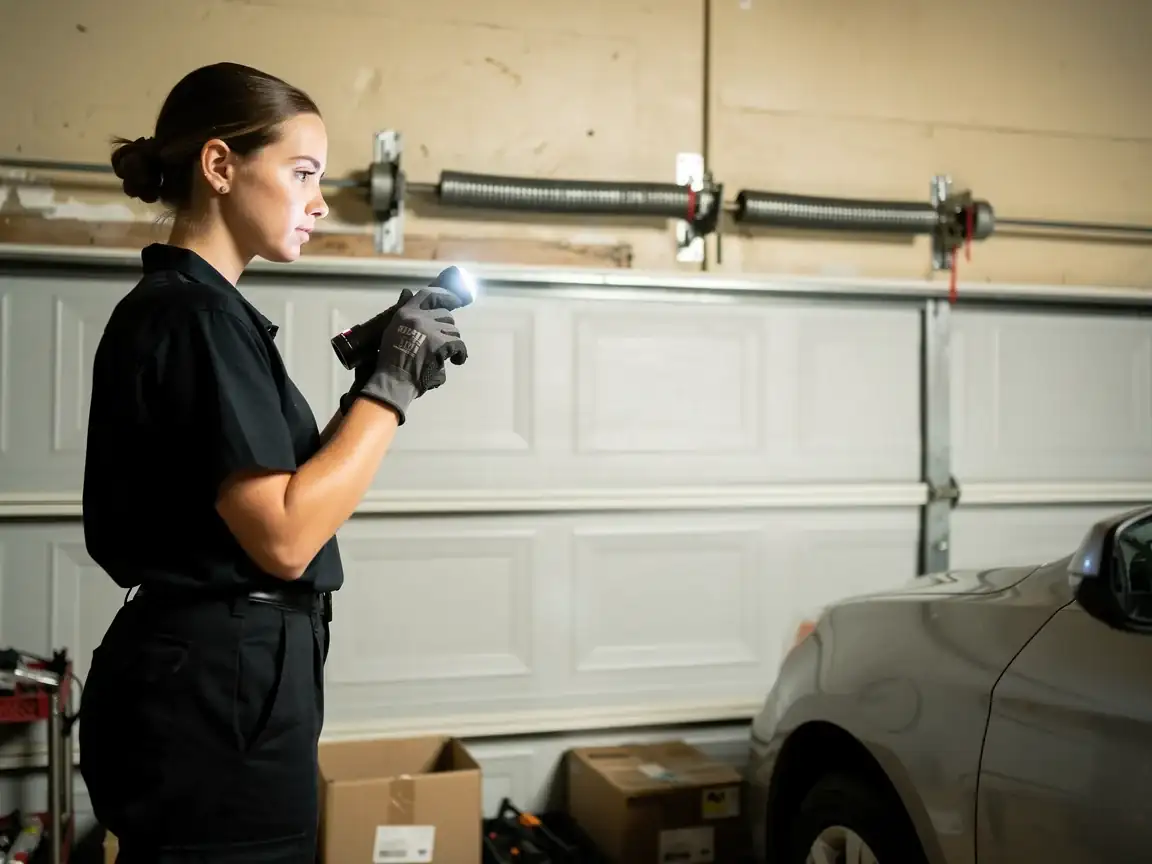
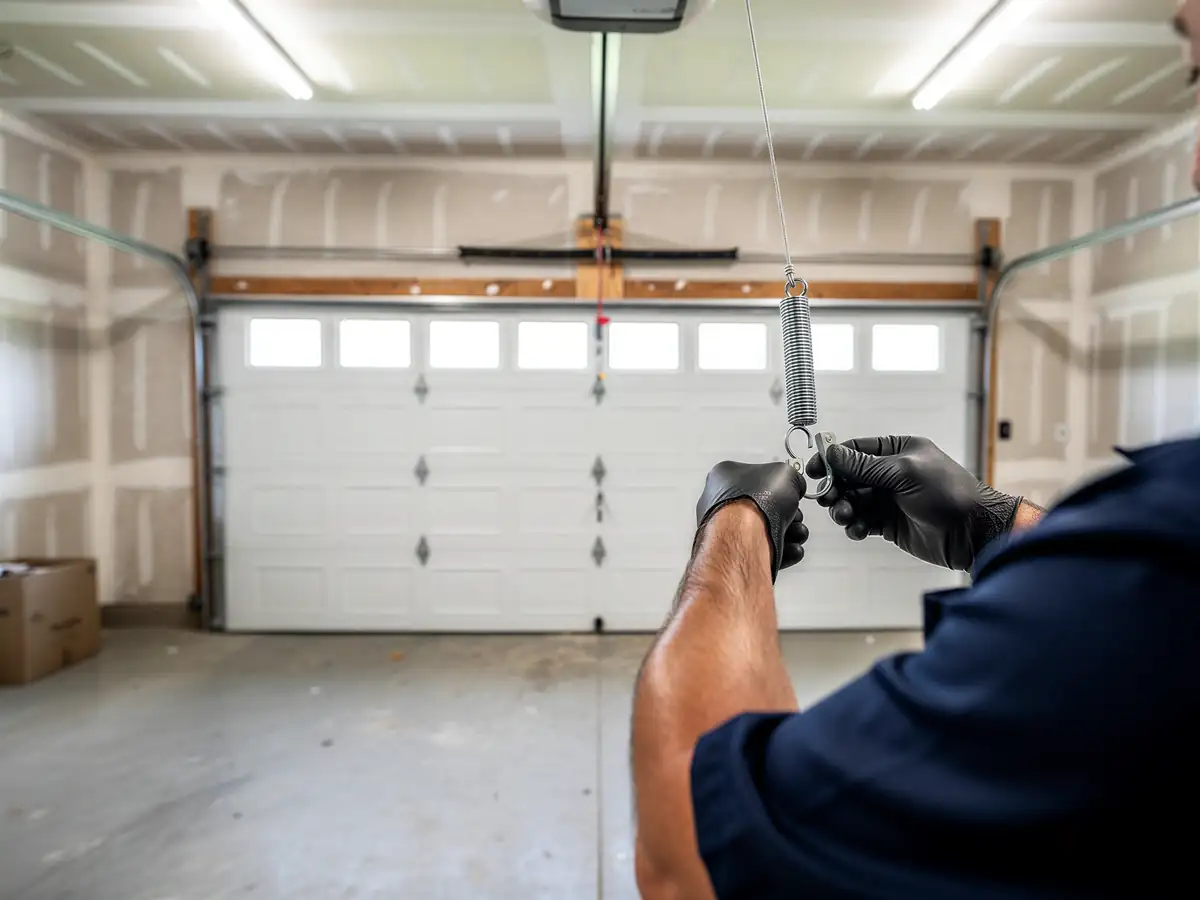
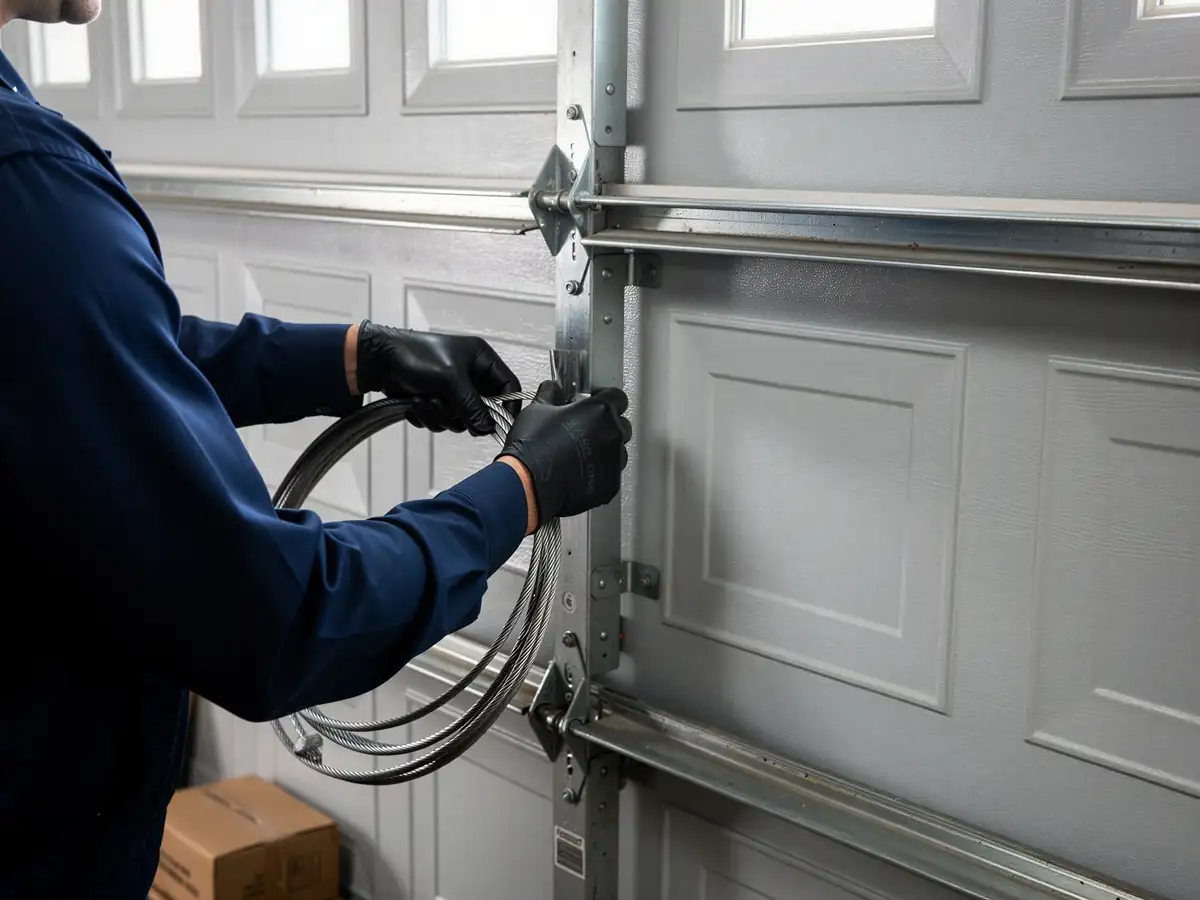
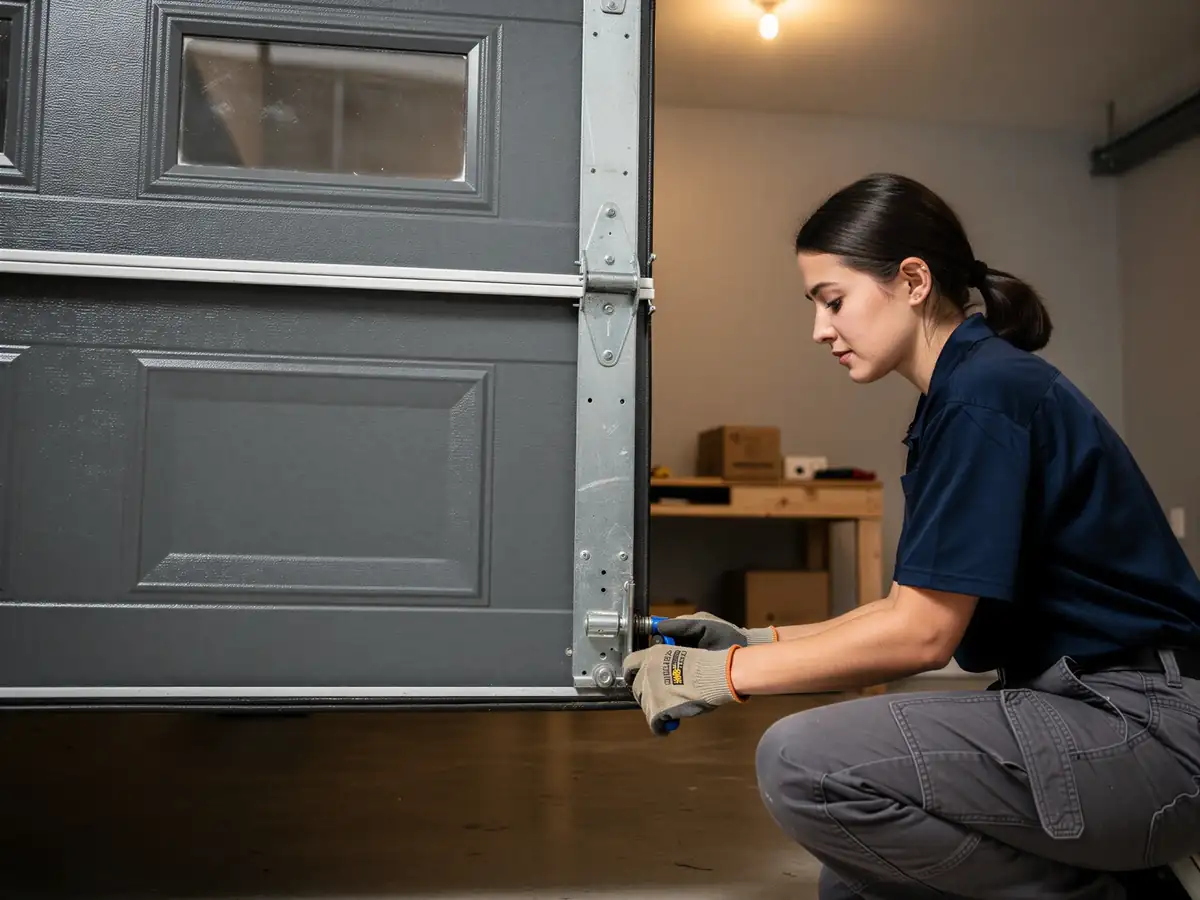
Doors built around the 1993 median here were sized for a standard uninsulated panel. If a homeowner swapped in a heavier insulated door later - common once energy costs became a bigger line item - the original torsion spring is now carrying more weight than it was wound for. That shows up as a door that struggles halfway up, or an opener straining and overheating on every cycle. Nylon rollers from that era are also past their service life by now; they wear oval instead of round and start chattering in the track, especially with moderate heat cycling the garage sees through the year. Opener circuit boards from the early-to-mid 90s are a second failure point - when the logic board goes, the door won't respond at all, and it's not a part worth hunting down secondhand. Cables fraying at the bottom bracket is the other common one, usually from corrosion where moisture collects at the floor, not from age alone. None of these are exotic failures, but they cluster together in houses built in the same decade, which is most of Hallsville.
What the Fix Involves
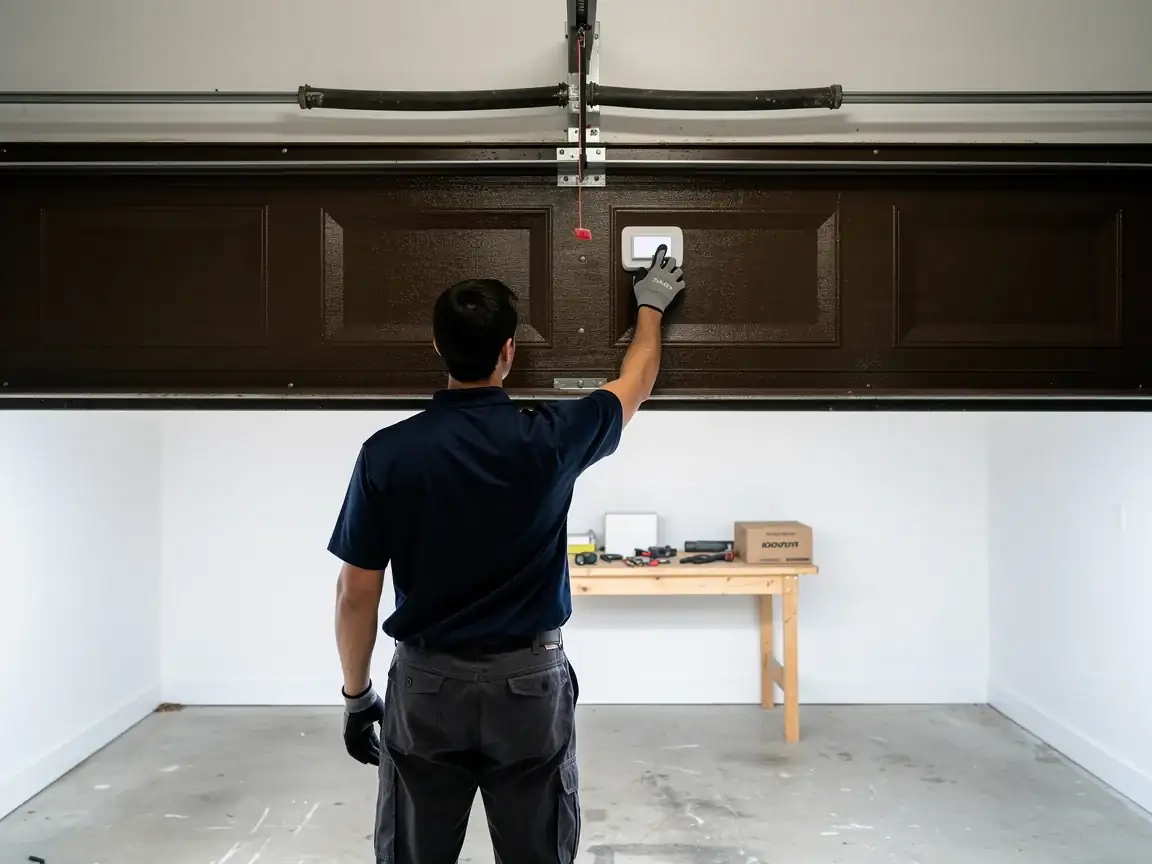
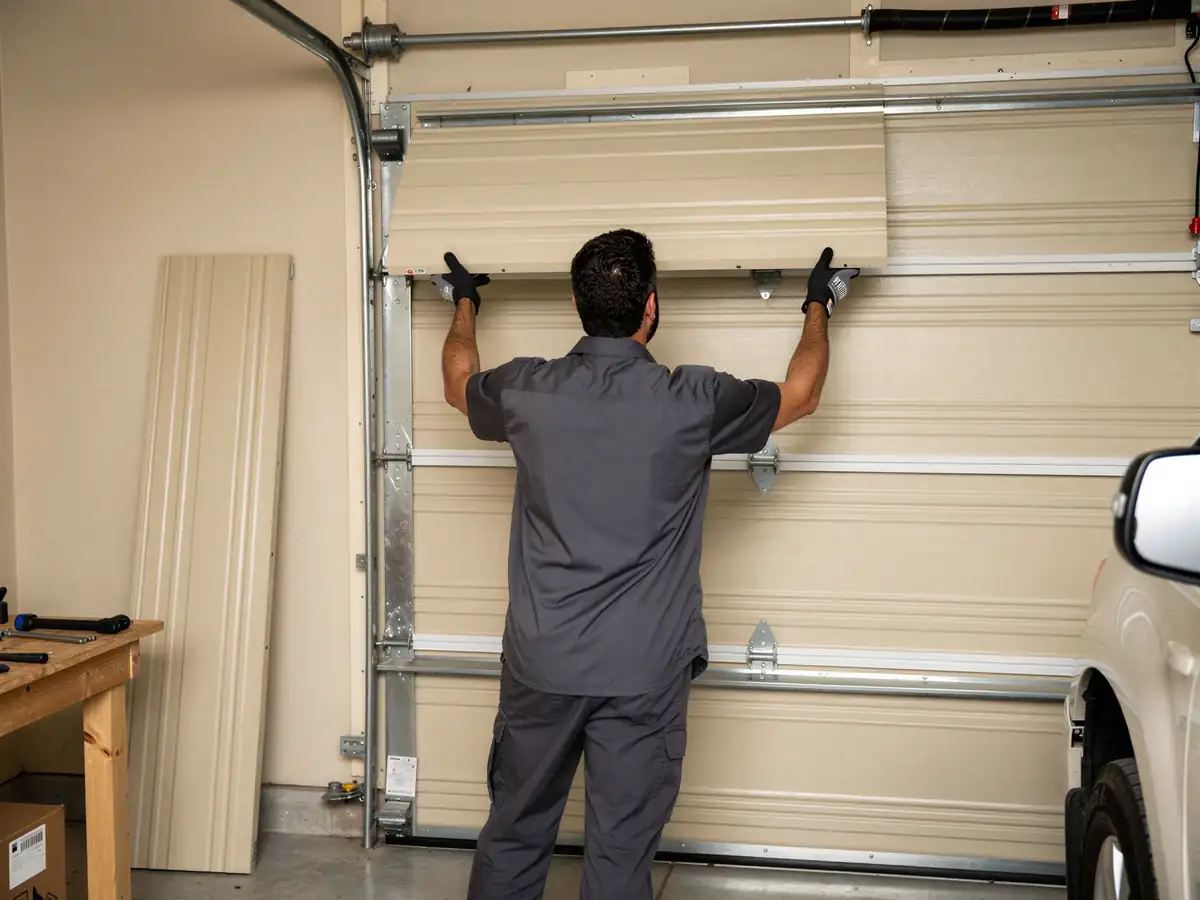
Hallsville sits about 12 miles from Longview, so a tech comes out with the truck stocked for the kind of hardware common to this area's housing stock - torsion springs sized for both original and retrofit insulated doors, replacement rollers, and the sensor and cable parts that fail most often on 90s-era setups. There's no local depot in Hallsville itself, so what's on the truck when it leaves Longview is what's available same-visit; a part that isn't a common stock item means a second trip once it's ordered in. A spring replacement typically means swapping both springs on a torsion bar even if only one has broken, since the other is at the same age and tension. A roller job means pulling and replacing the full set rather than one or two, since uneven wear just moves to the next roller. We don't rewind a spring that's already stretched past factory spec - once it's gone soft, it gets replaced, not re-tensioned, because a spring that fails again under load is a liability nobody wants to own.