Doing It Yourself
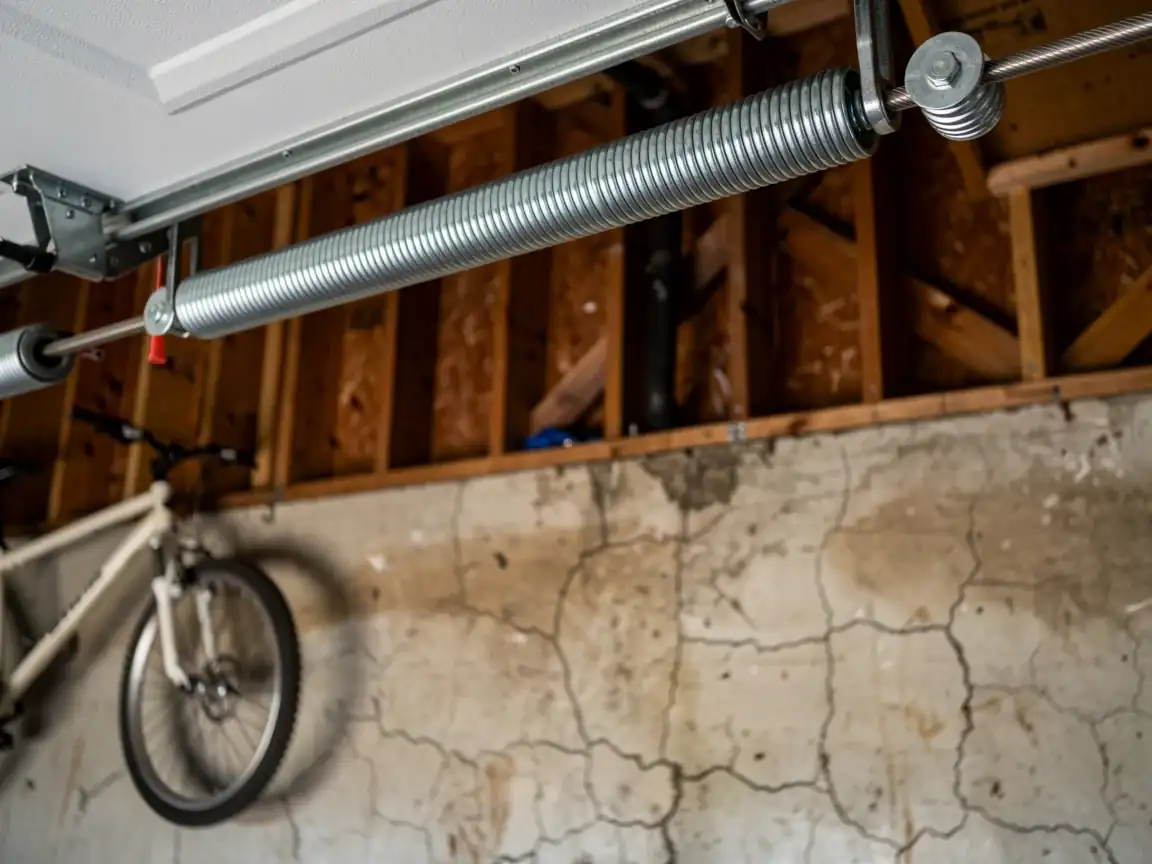
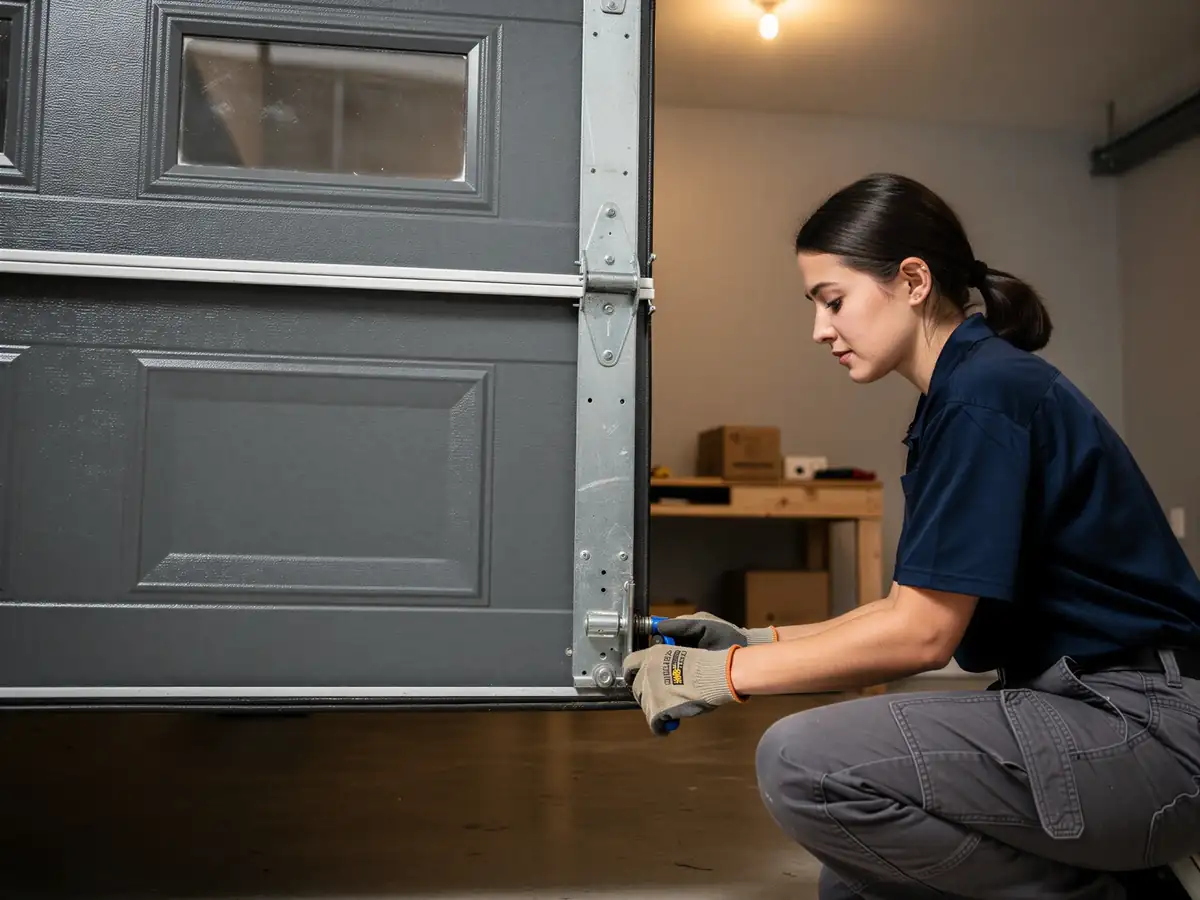
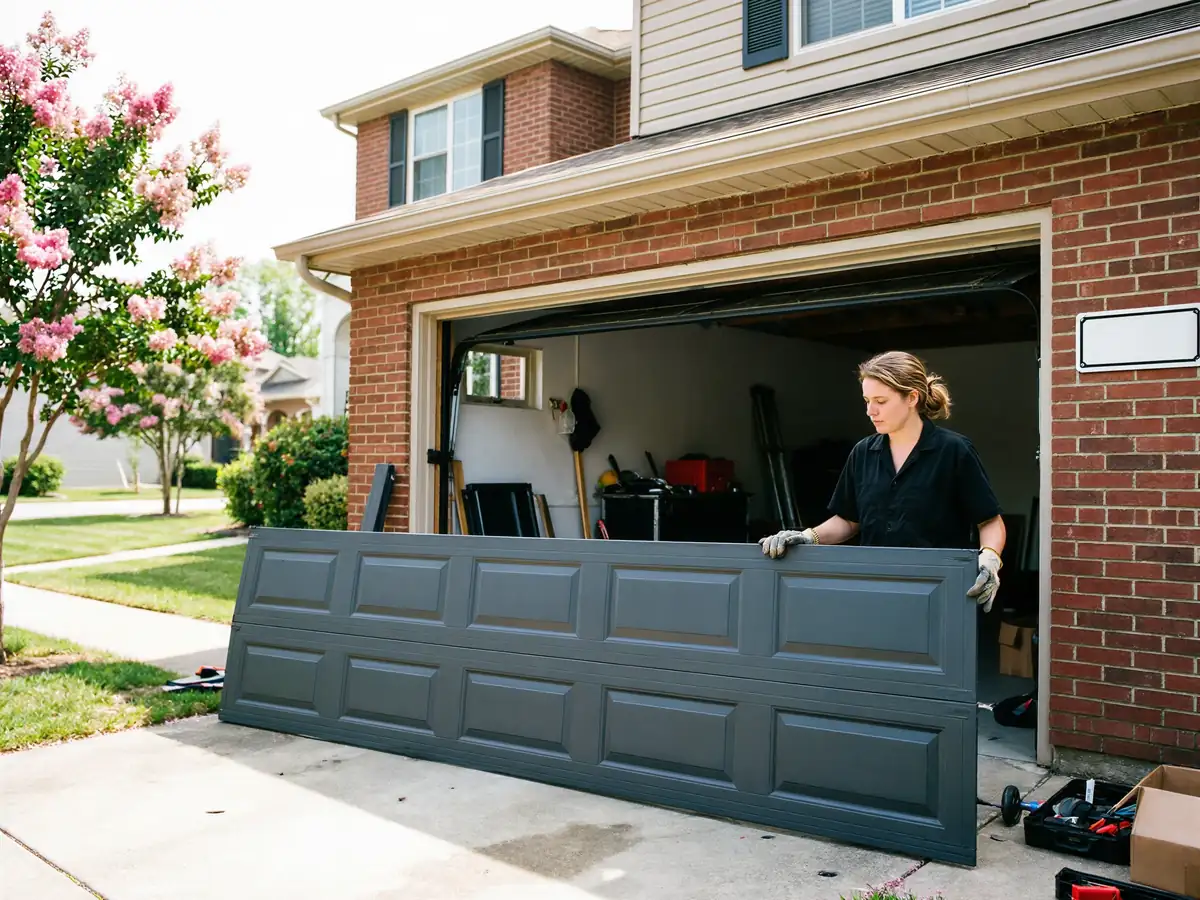
A lot of Hallsville homeowners figure a garage door swap is a weekend job, especially since the house isn't that old by Texas standards. That's where it goes sideways: pulling the old door and winding on a new spring without matching it to the replacement door's weight is how people end up with a door that won't hold position, or a spring that lets go the first cold morning it's put under load.
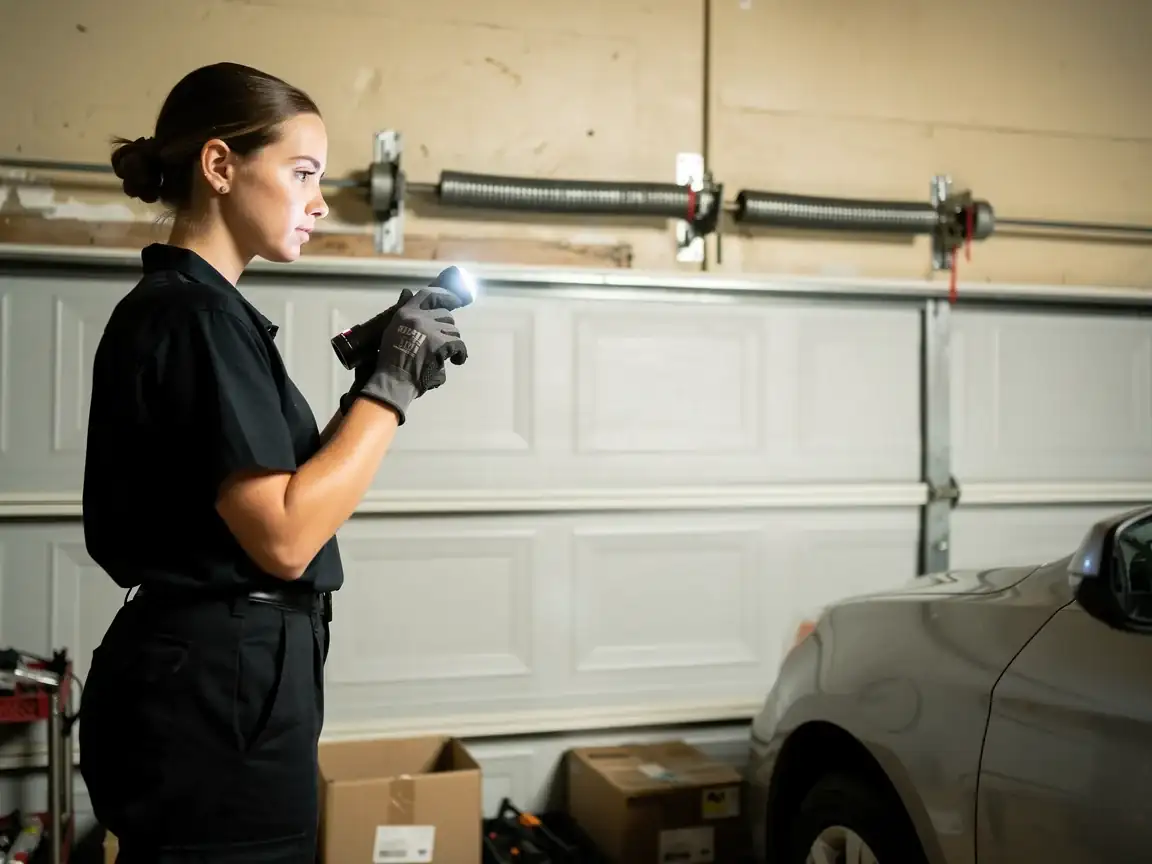
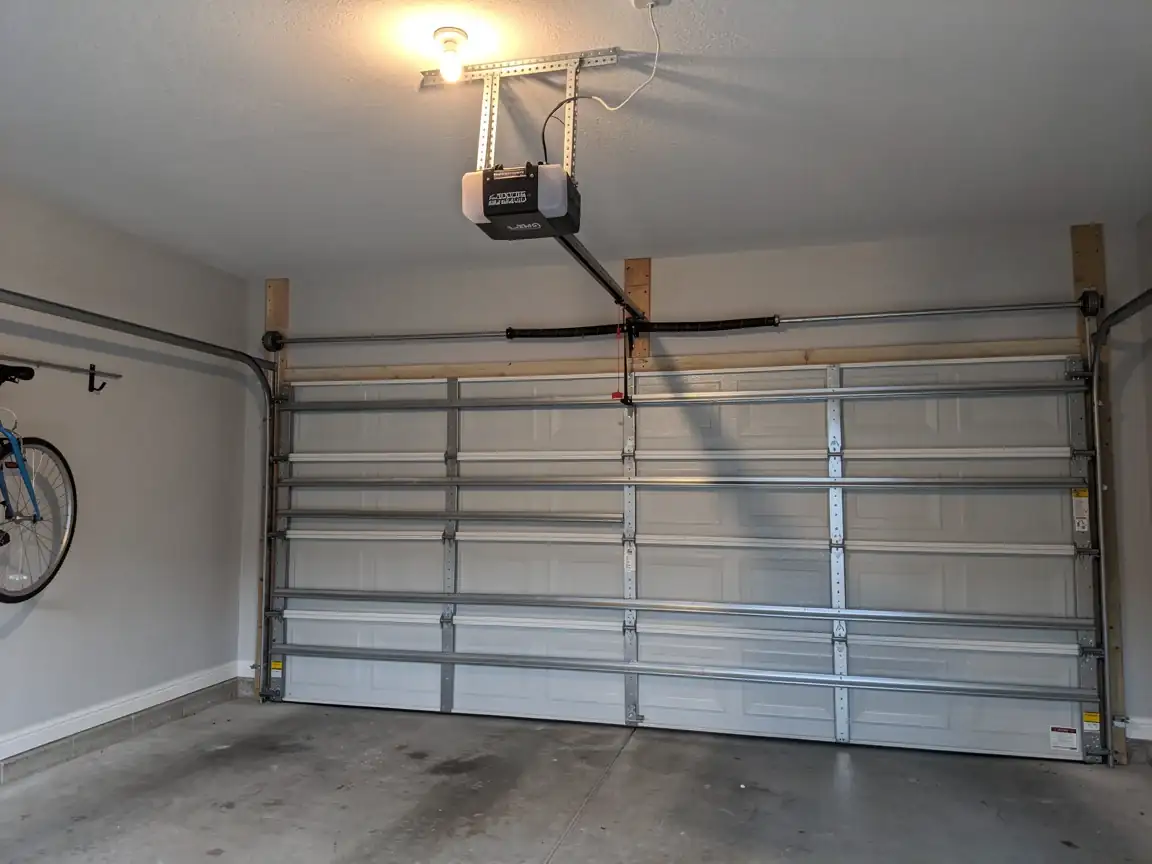
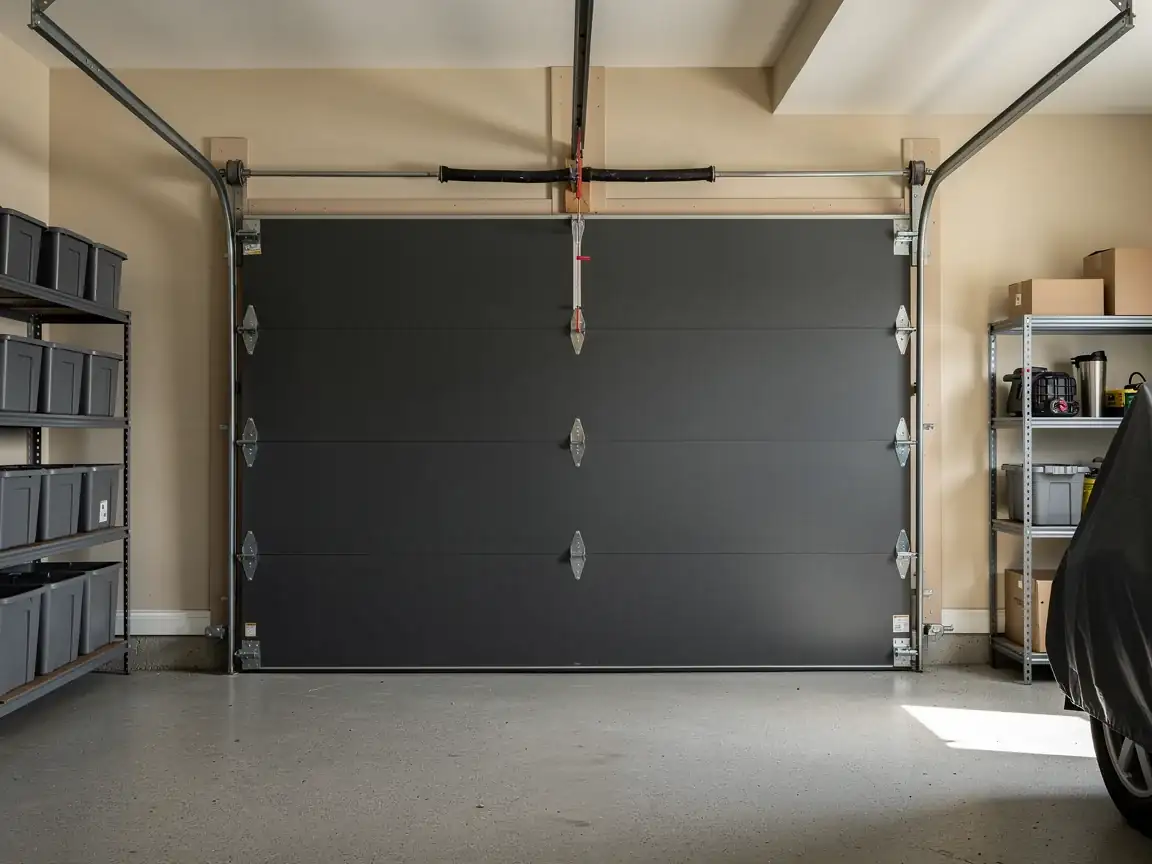
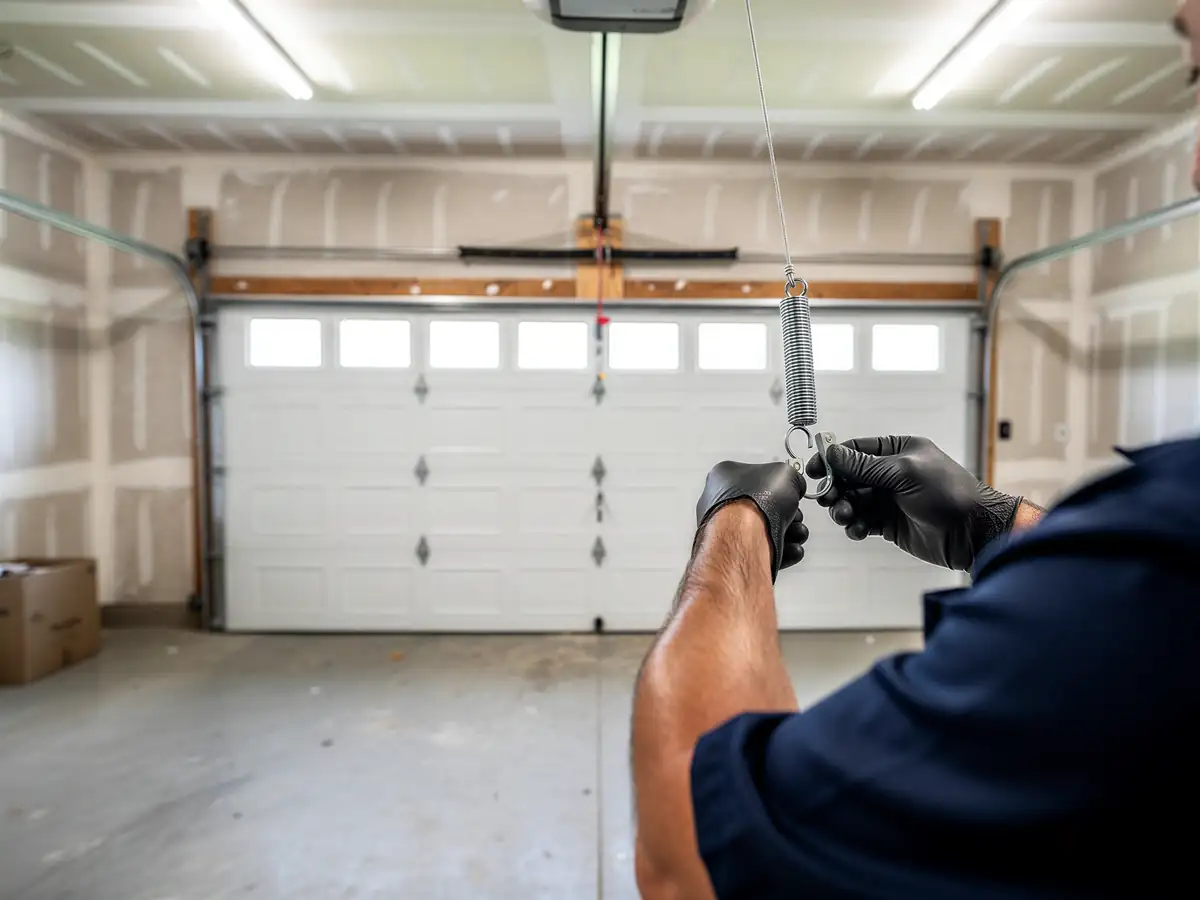
Most houses in Hallsville went up around 1993, which puts the original doors and torsion hardware right at the end of their rated cycle life now. Those builder-grade installs were sized for a thin steel panel with no insulation - not for the heavier insulated doors homeowners buy today. Swap one for the other without recalculating spring tension and drum size, and you've got a door and opener fighting each other from day one.
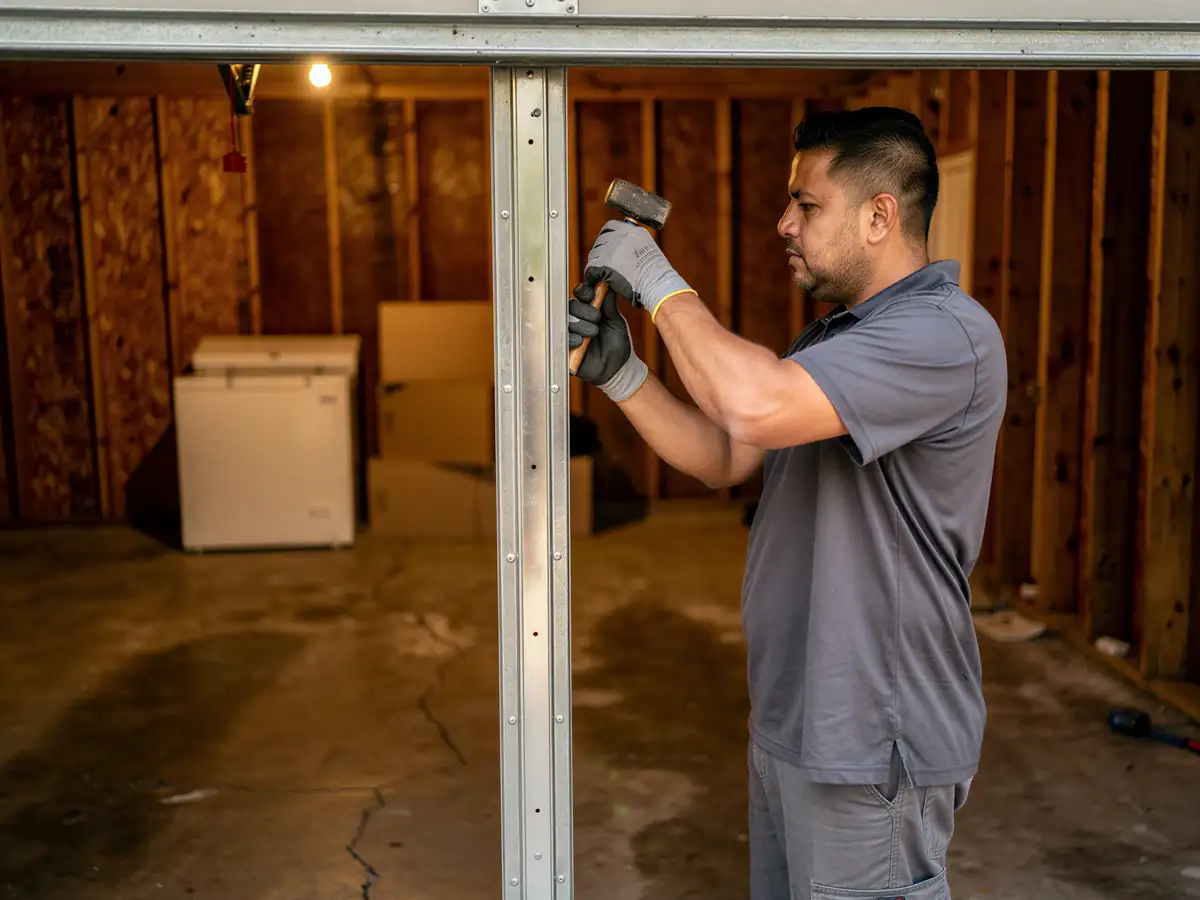
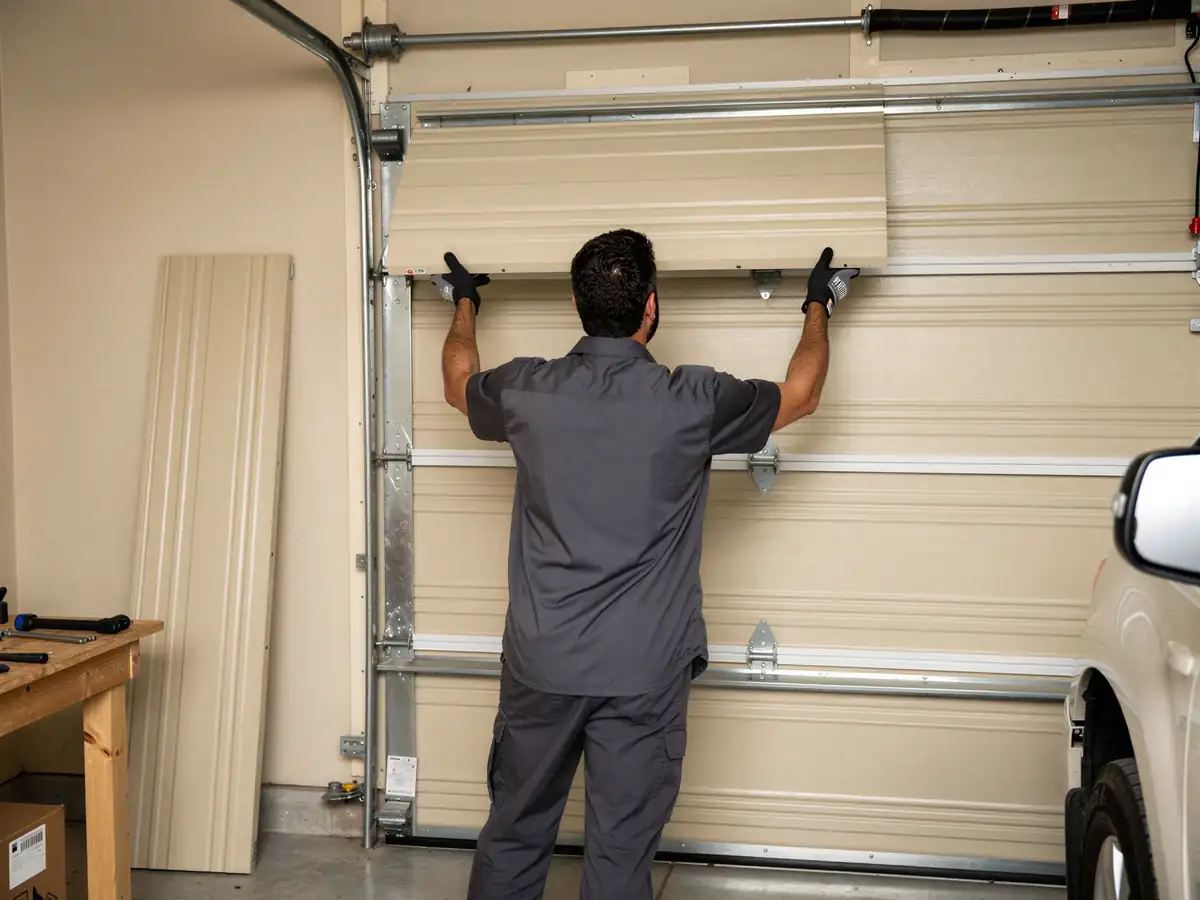
If you're set on doing the panel work yourself, fine - but leave the spring conversion and opener bracket resizing to someone who does it daily. A torsion spring under tension is the one part of this job where a mistake sends someone to the ER, not just back to the hardware store.
What Can Go Wrong
Hallsville's housing stock dates mostly to the early 1990s, and that era of construction used a narrower range of header heights and track clearances than what gets built now. Order a door off a generic size chart without checking the opening against the original 1993 framing, and the track brackets won't line up where the manufacturer expects them.
The area sits in a moderate heat climate, so panel warping from sun load isn't the main worry here the way it would be further south or west. The more common issue is an opener that's outlived the door it was paired with - a builder-grade chain drive from the original build straining against a new, heavier insulated panel it was never sized to lift.
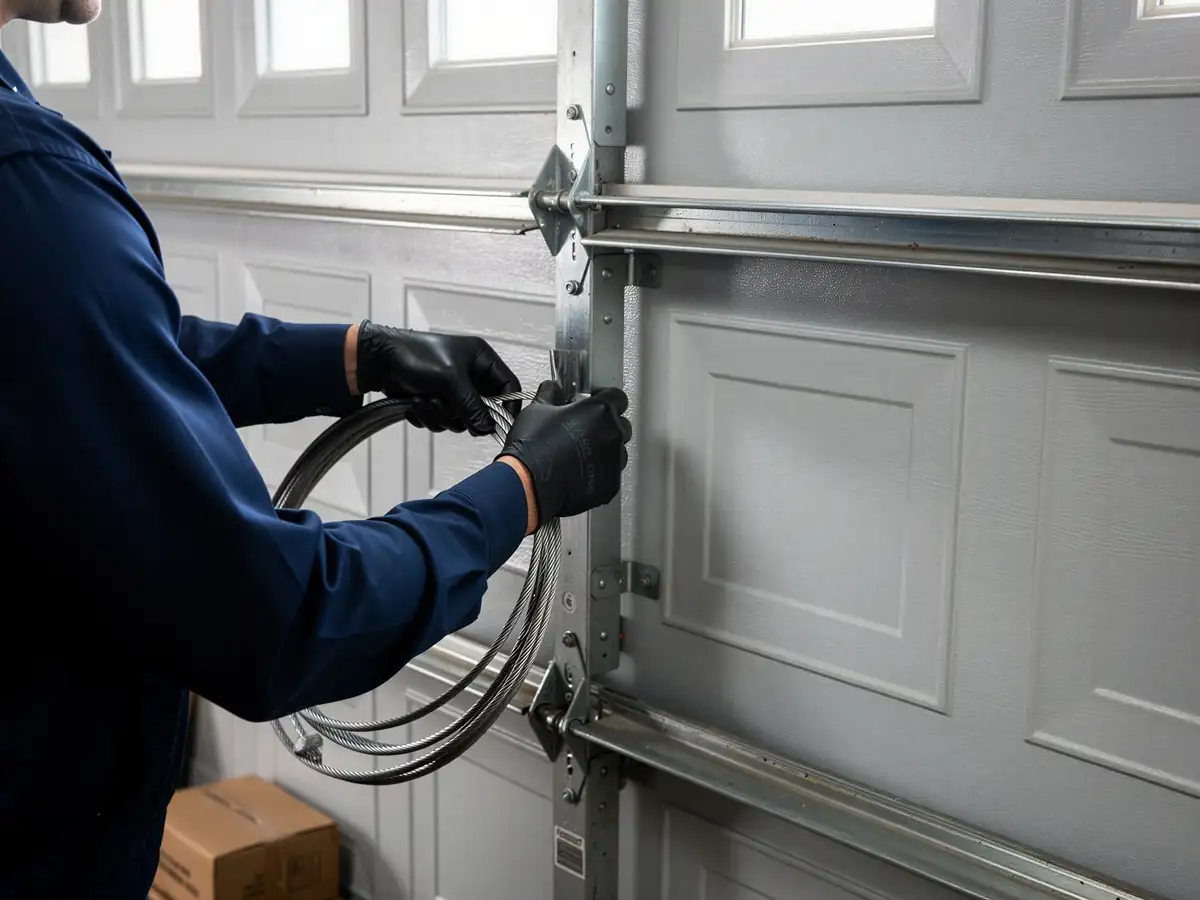
Another failure point: reusing the old track and rollers with a new door because they 'still look fine.' Thirty-year-old track rails have usually worked loose from the jamb in small ways you won't see until the new, heavier door starts riding off-center a few weeks in. None of this is dramatic, but it's the kind of thing that turns a one-day install into a return trip.
What You Are Seeing
If your Hallsville house dates to that early-90s building wave
And most in the area do - the signs of a door at the end of its life look pretty consistent: the panel sags visibly in the middle when it's down, the opener strains and groans partway through the cycle, or the door reverses itself for no clear reason.
Sometimes it's quieter than that
A door that used to close flush now leaves a gap at the bottom corner, or the remote works from the driveway but not from the street - both point to track or spring wear rather than anything wrong with the opener's electronics.
With roughly 1,684 households in Hallsville
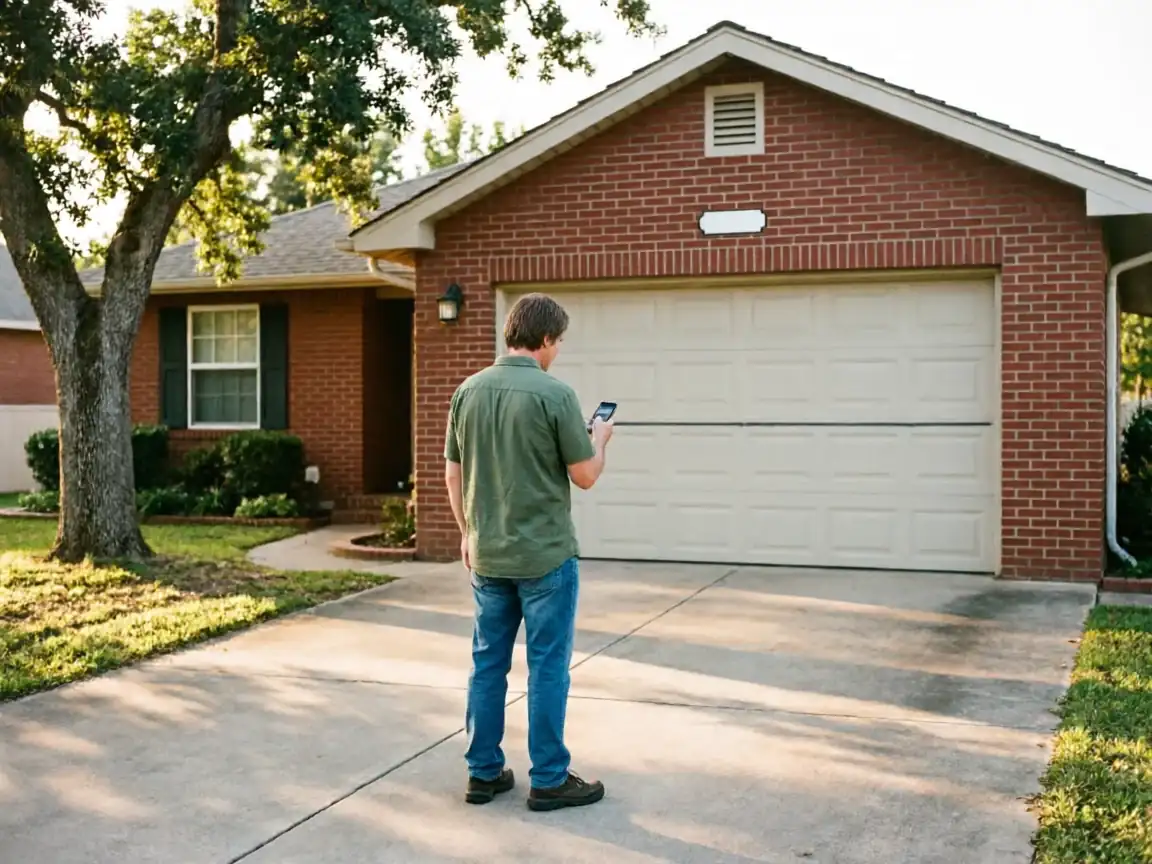
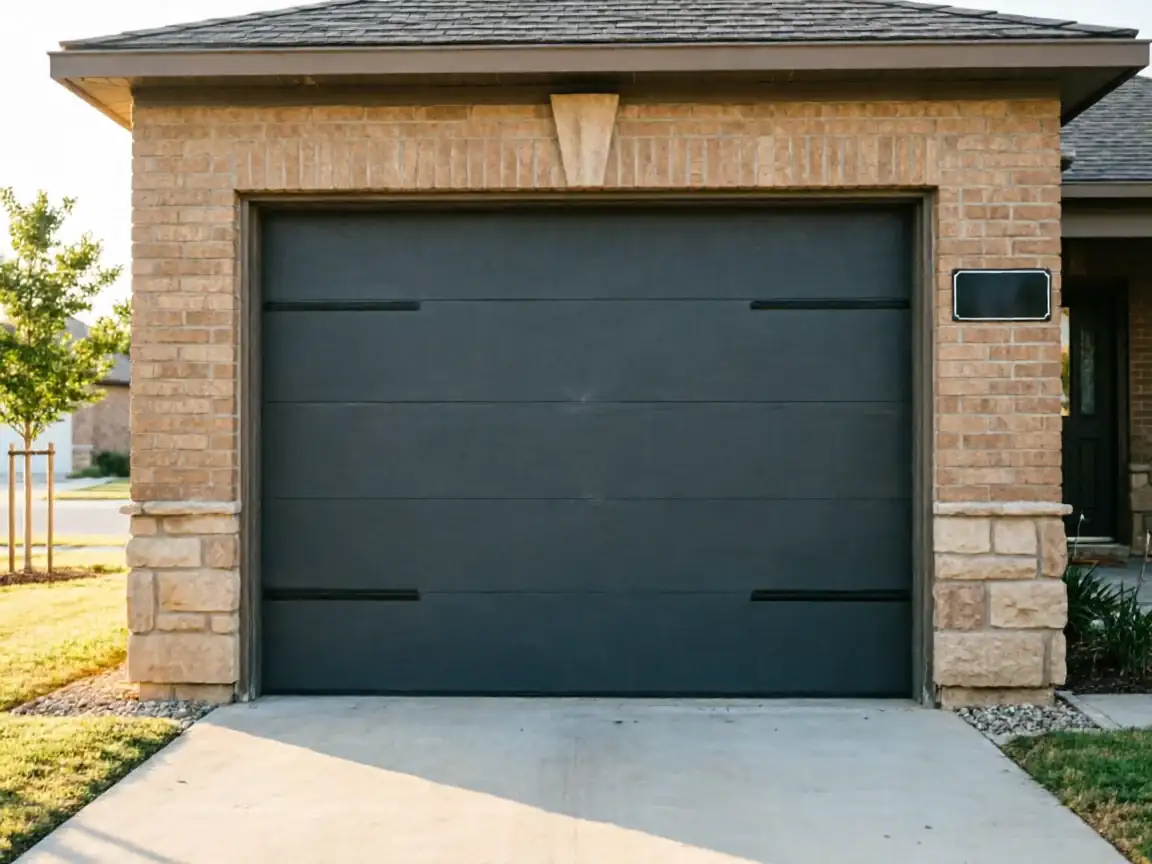
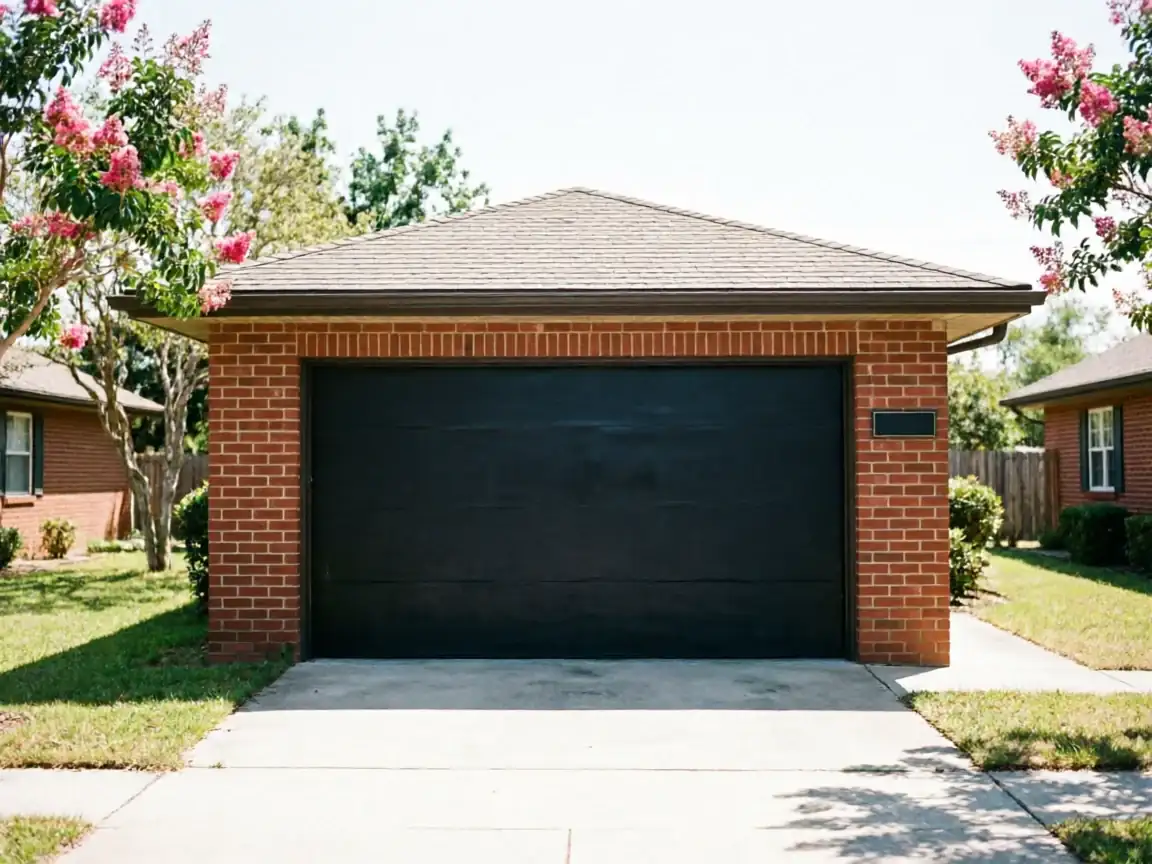
Most of the garage doors you'll see driving through the area are the same builder-grade steel units that went in when the houses were built. If yours is original, it's not a question of whether it needs replacing, just when - and a door that's started sagging or binding on the track is telling you that point has arrived.
- 1,684 households
What the Fix Involves
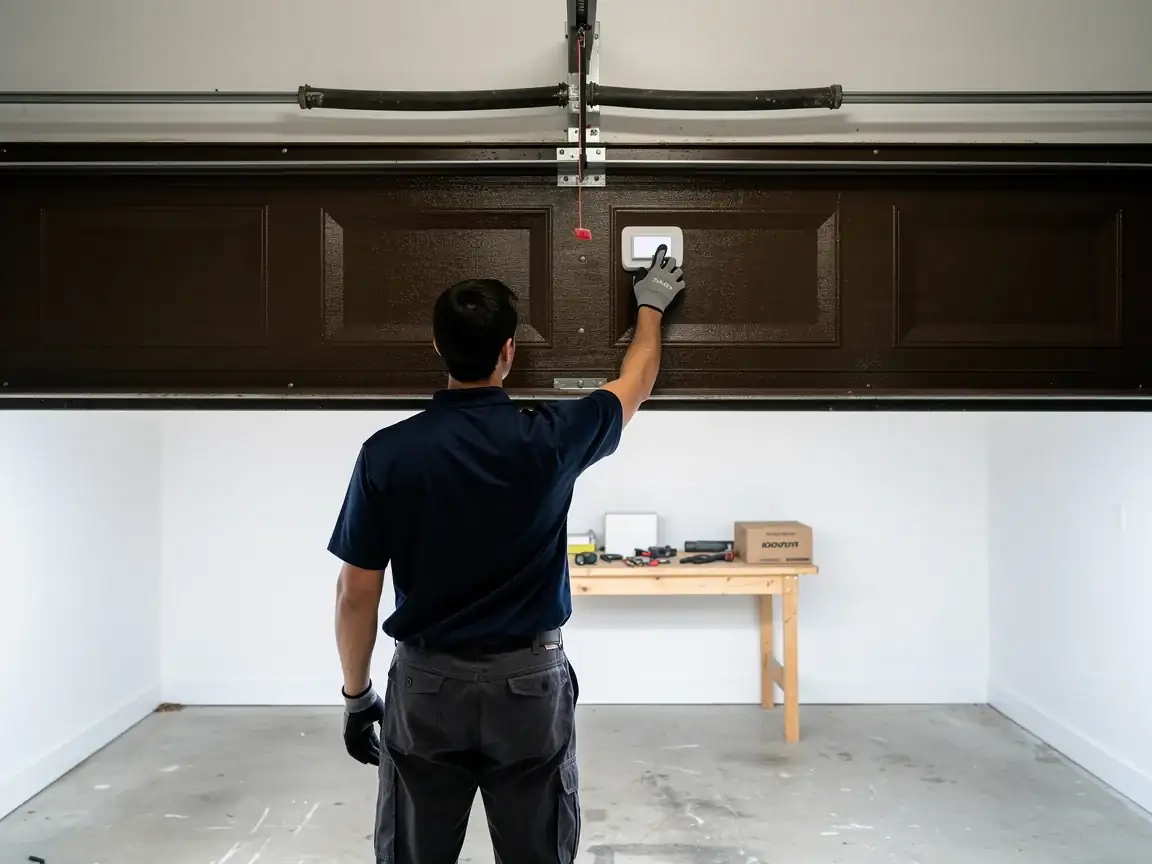
A proper install starts with measuring the actual opening against the door you're buying, not against the sticker on the old one - framing settles over thirty years and the numbers shift. From there it's new track, new spring sized to the door's real weight, and an opener rated to lift it without straining, which matters more here than it used to since Hallsville's median household income of $71,369 runs higher than the $66,250 seen across the wider Longview service area, and homeowners here tend to ask for insulated doors and quieter belt-drive openers over bare steel.
We travel from Longview for every Hallsville install, about 12 miles each way, so same-day swaps depend on scheduling around that drive - it's not something we can promise on short notice, and we'd rather tell you that up front than have you waiting on a truck that's still twenty minutes out.
Expect the panel work, track alignment, and spring conversion to run a half day on a standard single door; double doors or anything needing header rework take longer.