Doing It Yourself
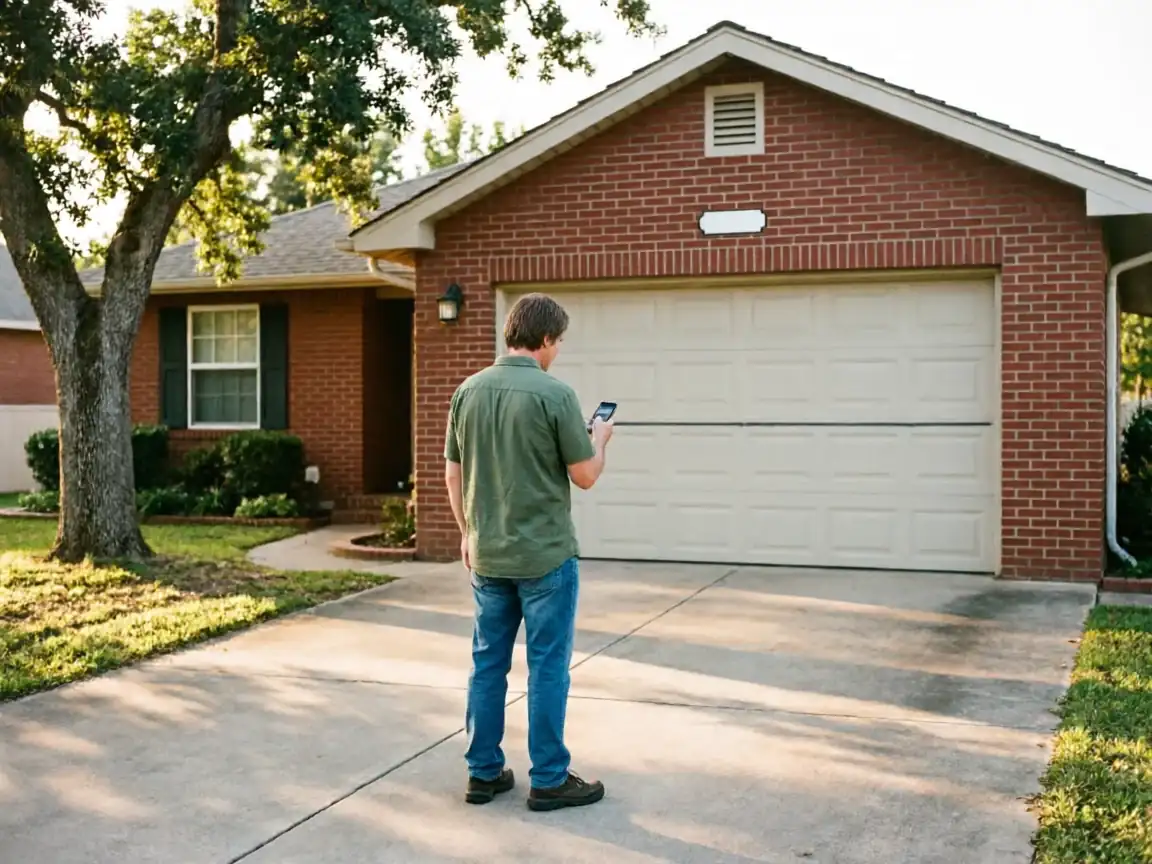
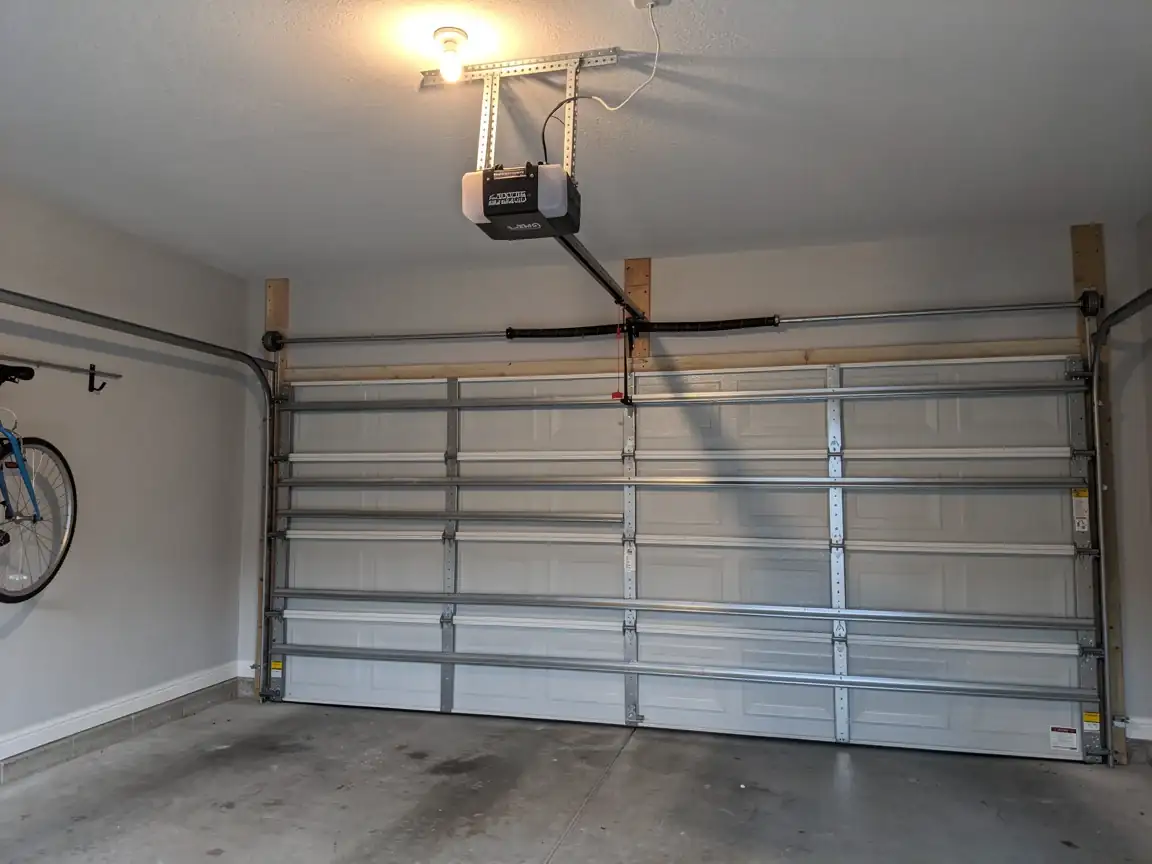
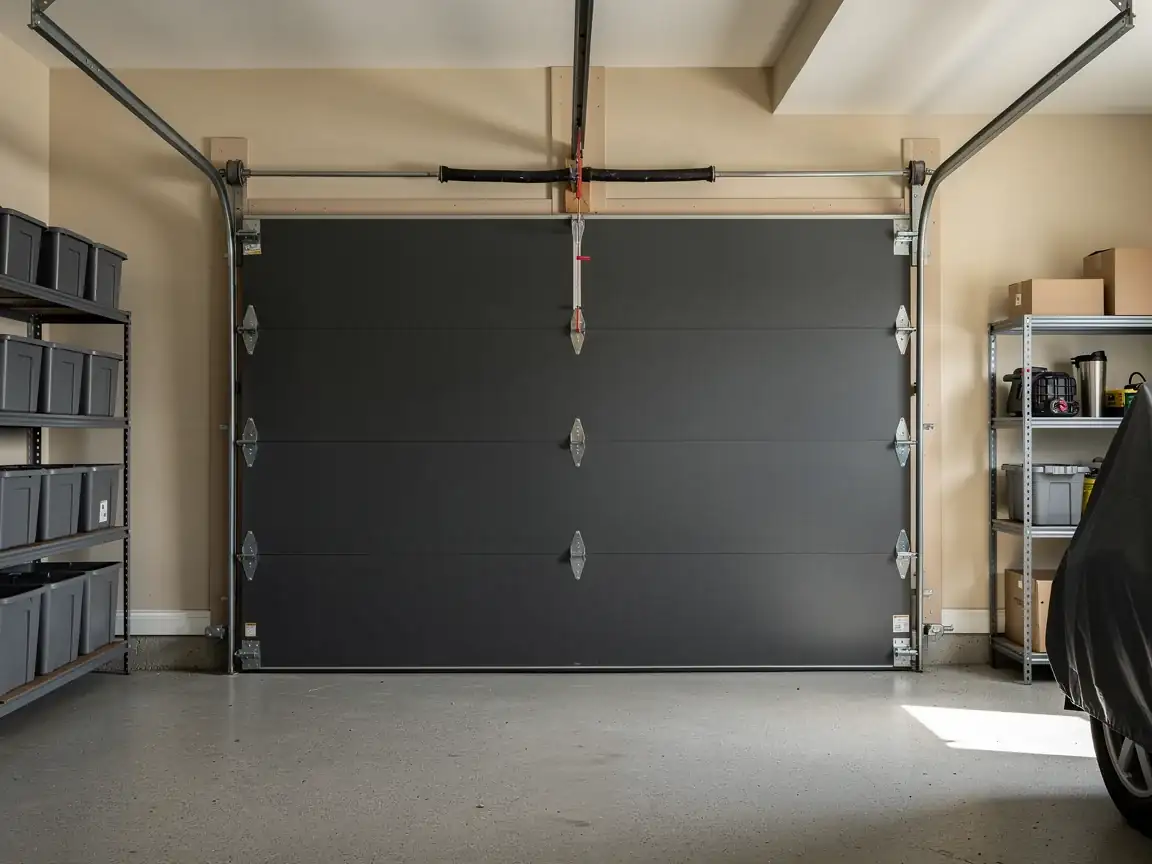
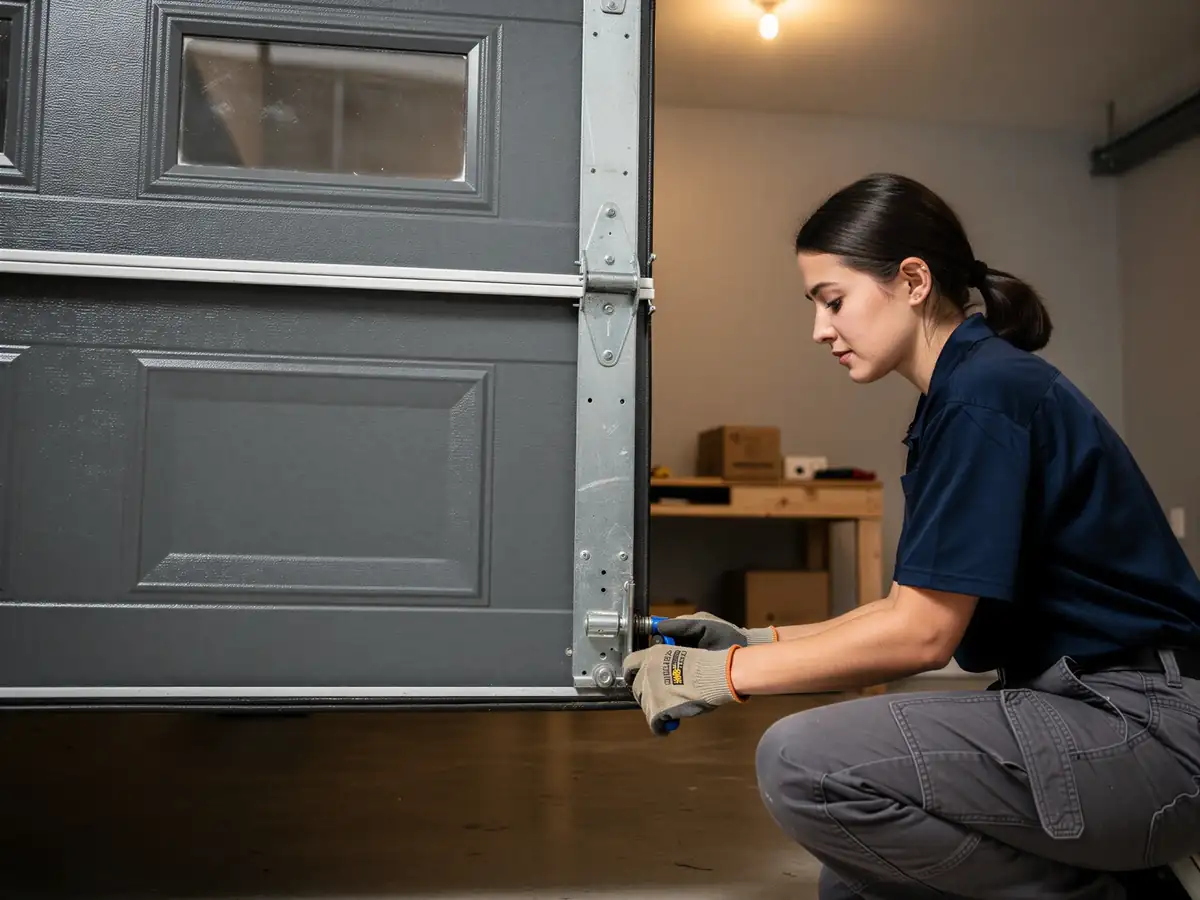
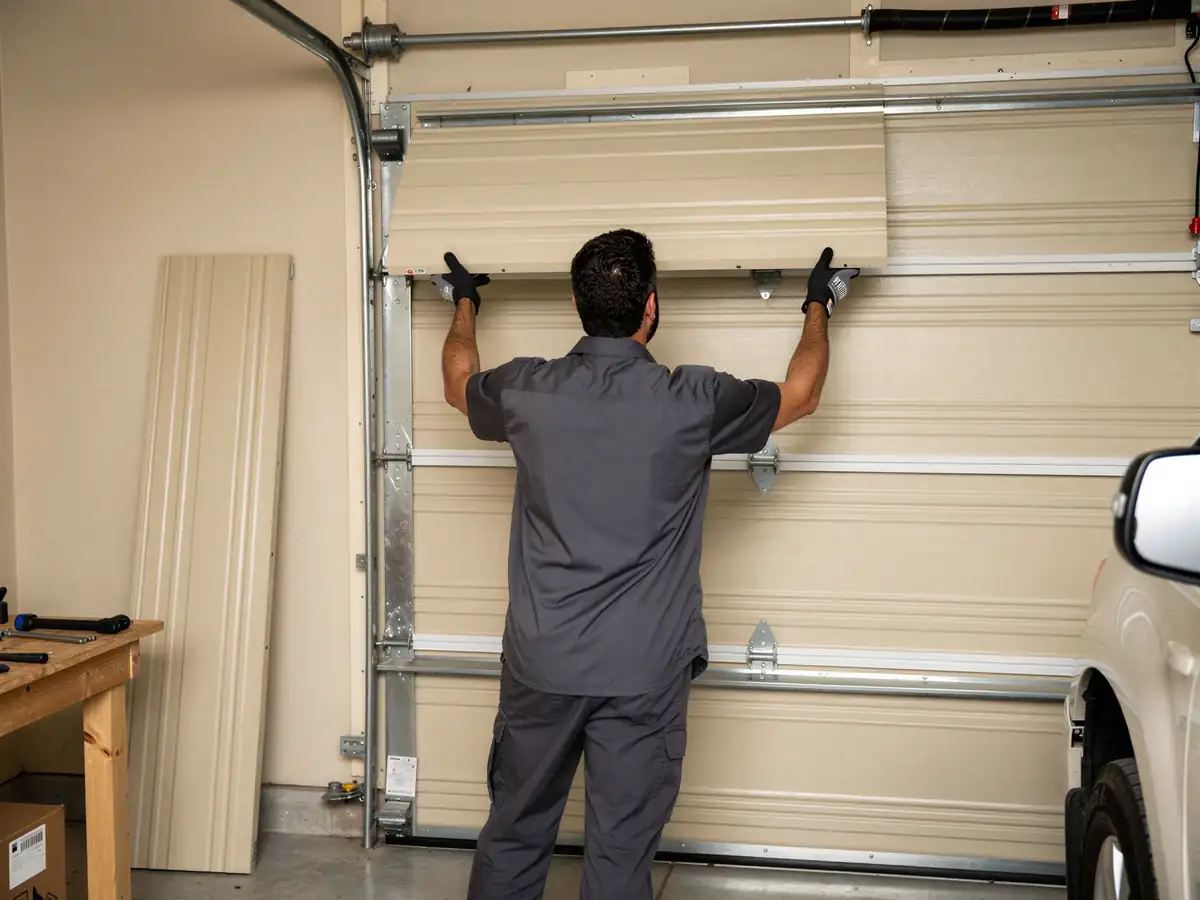
Before you call anyone, look at the track itself. In Hallsville, where the median home dates to around 1993, most garage doors are running on galvanized steel track hung from brackets that have had three decades to work loose. If the door has popped a roller out of the track but the track itself still looks straight, sometimes you can walk the roller back into the channel by hand with the door down and the opener disconnected. That's about the limit of what's safe to do solo.
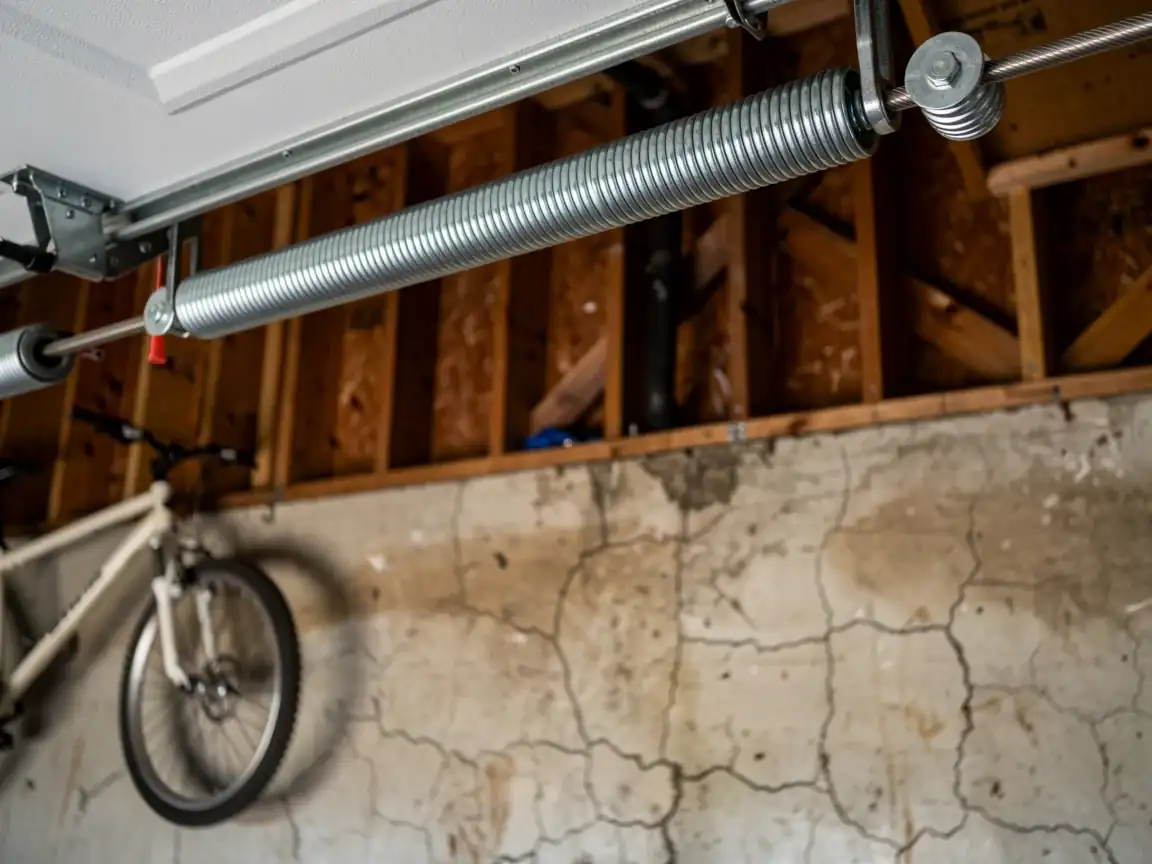
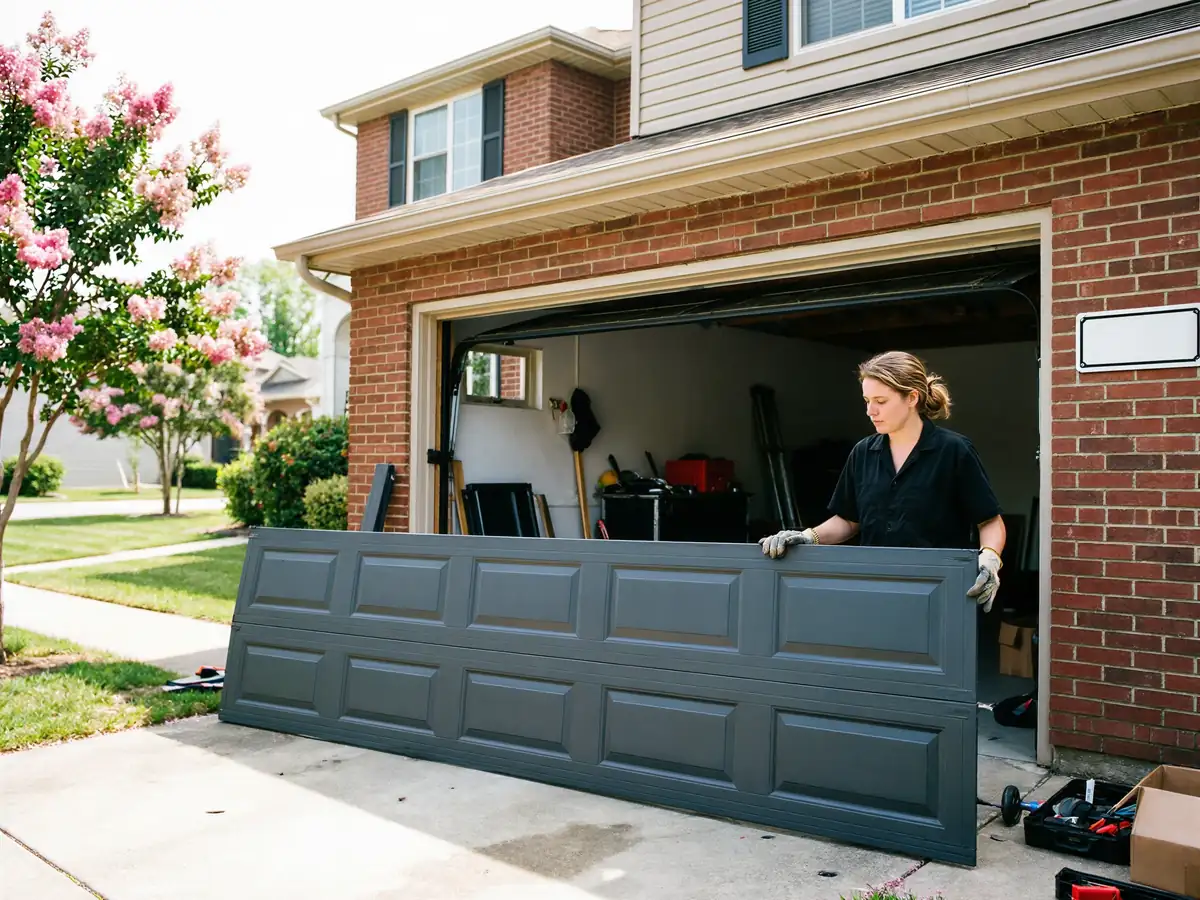
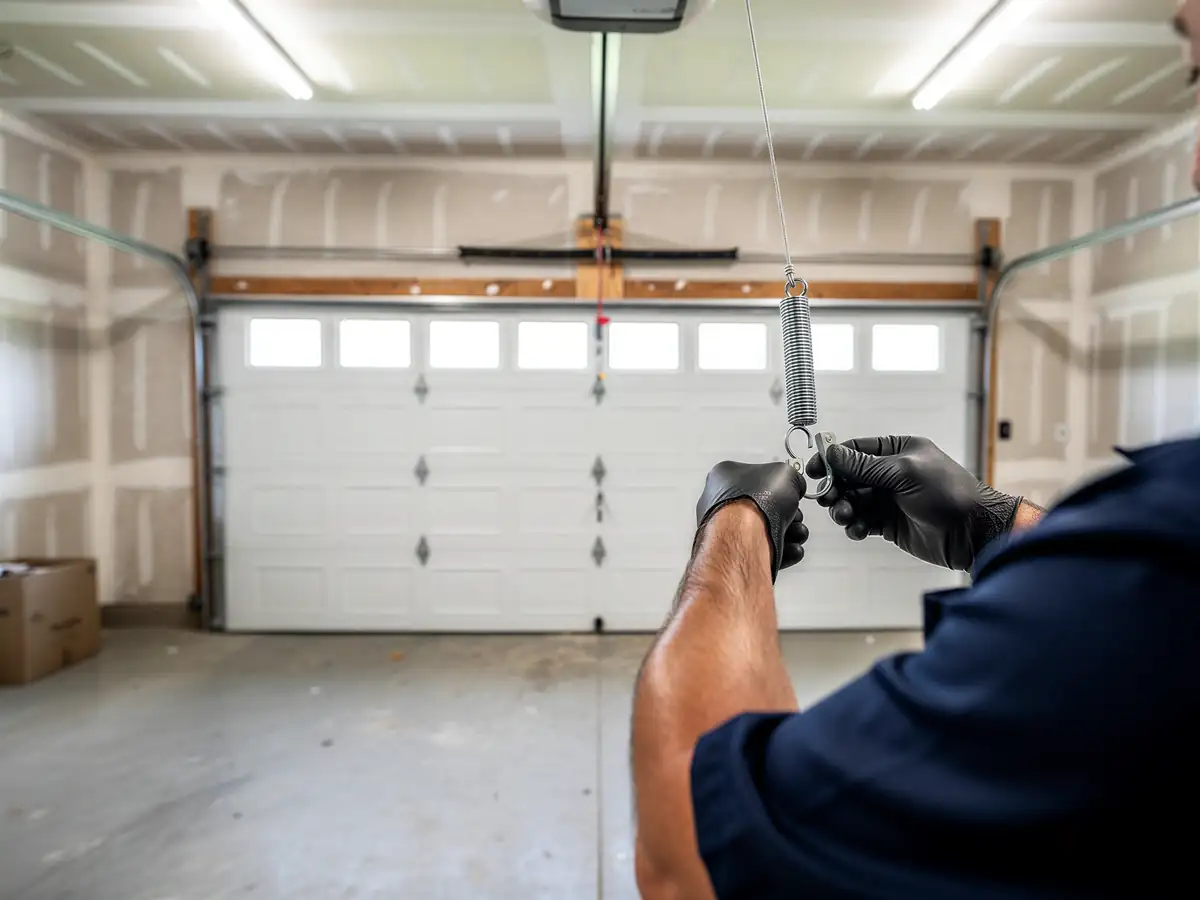
Don't touch anything if a cable has come off the drum or if one side of the door is visibly lower than the other - that usually means a spring or cable problem riding along with the track issue, and those store enough force to hurt you badly. We won't talk you through spring work over the phone, and if a tech tells you otherwise, hang up. The honest limitation here: if the bottom bracket has pulled away from the panel, that's not a DIY fix regardless of your tools. Call it in and leave the door down until someone gets there.
What Can Go Wrong
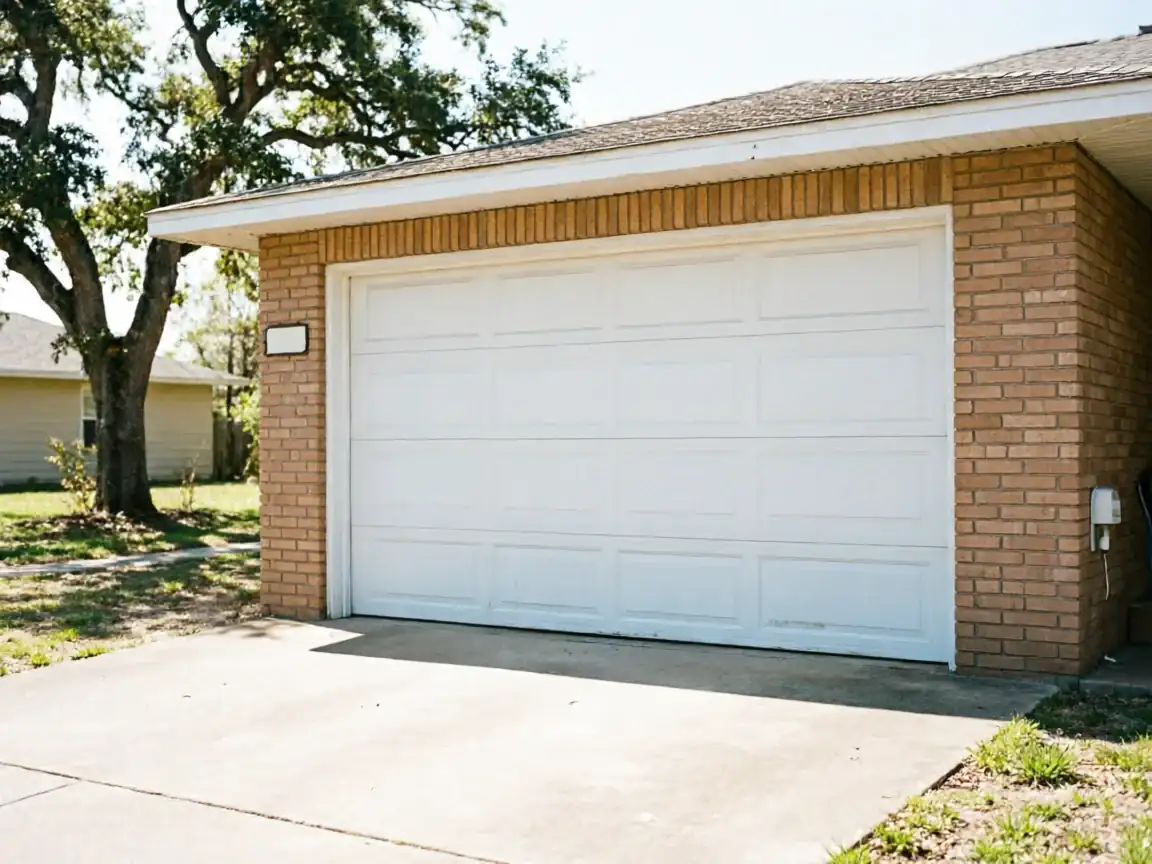
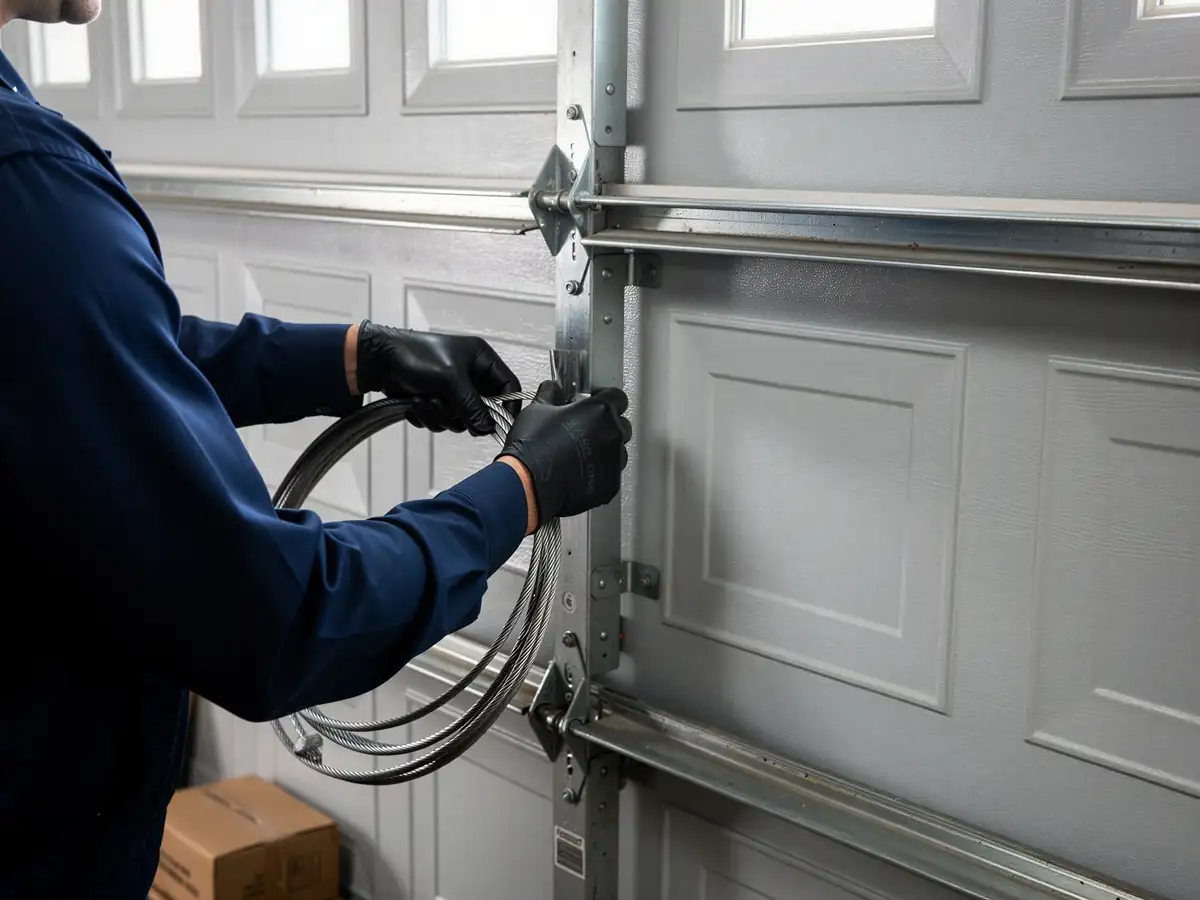
Doors built in the early-to-mid 1990s around Hallsville typically shipped with steel roller track and nylon or steel rollers on stamped-steel brackets - not the sealed bearing rollers common on newer installs. After thirty-plus years, the track brackets that bolt to the framing loosen, the track itself bows outward at the bottom section, or a roller wears down enough that it rides up and over the track lip instead of inside it.
The other common failure on stock from this era is a bent track section from an impact - a car bumper, a bike, a gust catching an open door. Because the track gauge used back then is lighter than what goes in today, it bends more easily and doesn't spring back. Once a section is bent, the rollers above it start fighting the track on every cycle, which is usually how a mild misalignment turns into a full derailment within a few weeks.
What You Are Seeing
The most common call is a door that stops partway
Usually with a grinding or popping sound right before it hangs up. Look at the track where the door stopped - if you see a roller sitting outside the channel instead of inside it, that's your off-track point. Sometimes the whole door still looks like it's hanging correctly but one side is a half-inch lower than the other when closed; that's a track bracket that's pulled loose from the wall, not the track itself.
A gap between the track and the wall, visible light coming through where there shouldn't be any
Or a section of track that's visibly bowed are all signs you're dealing with hardware fatigue rather than a one-time knock. None of these get better by running the opener through another cycle - each pass drives the roller further out of the channel and adds stress to the next bracket down the line.
What the Fix Involves
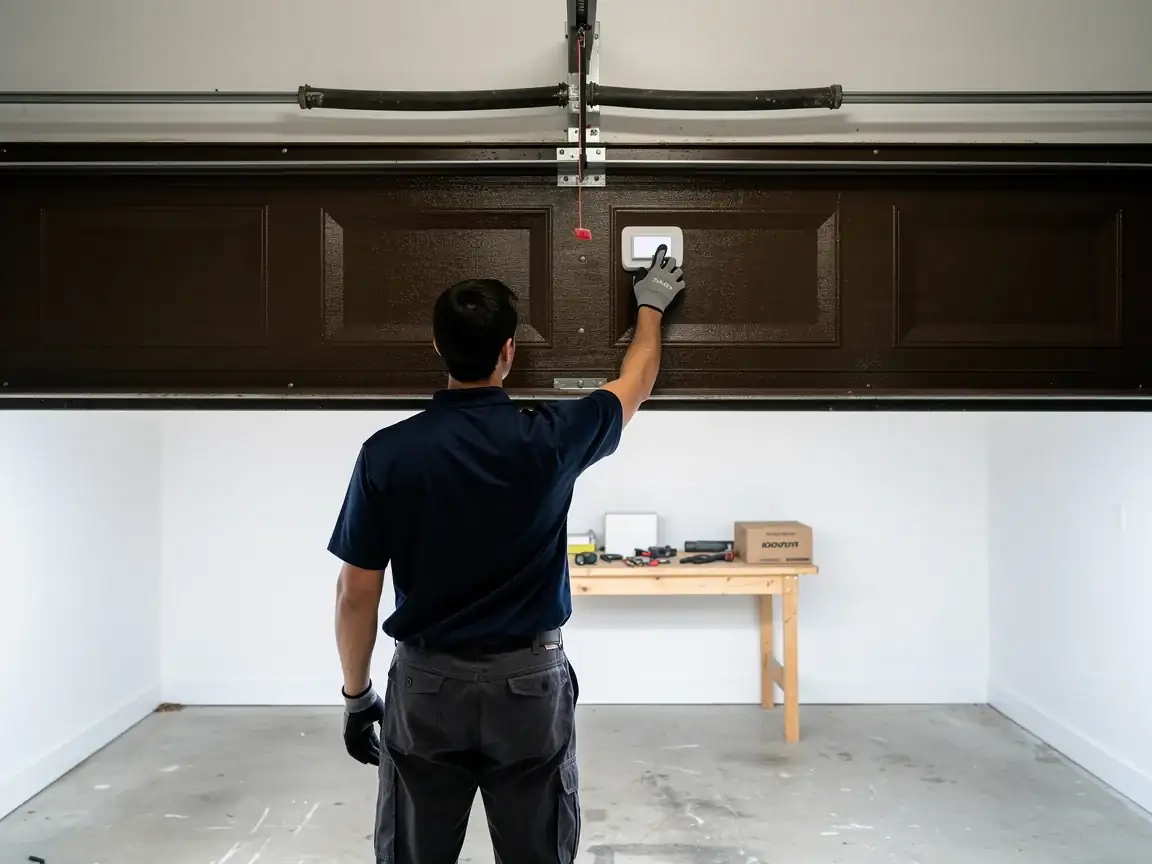
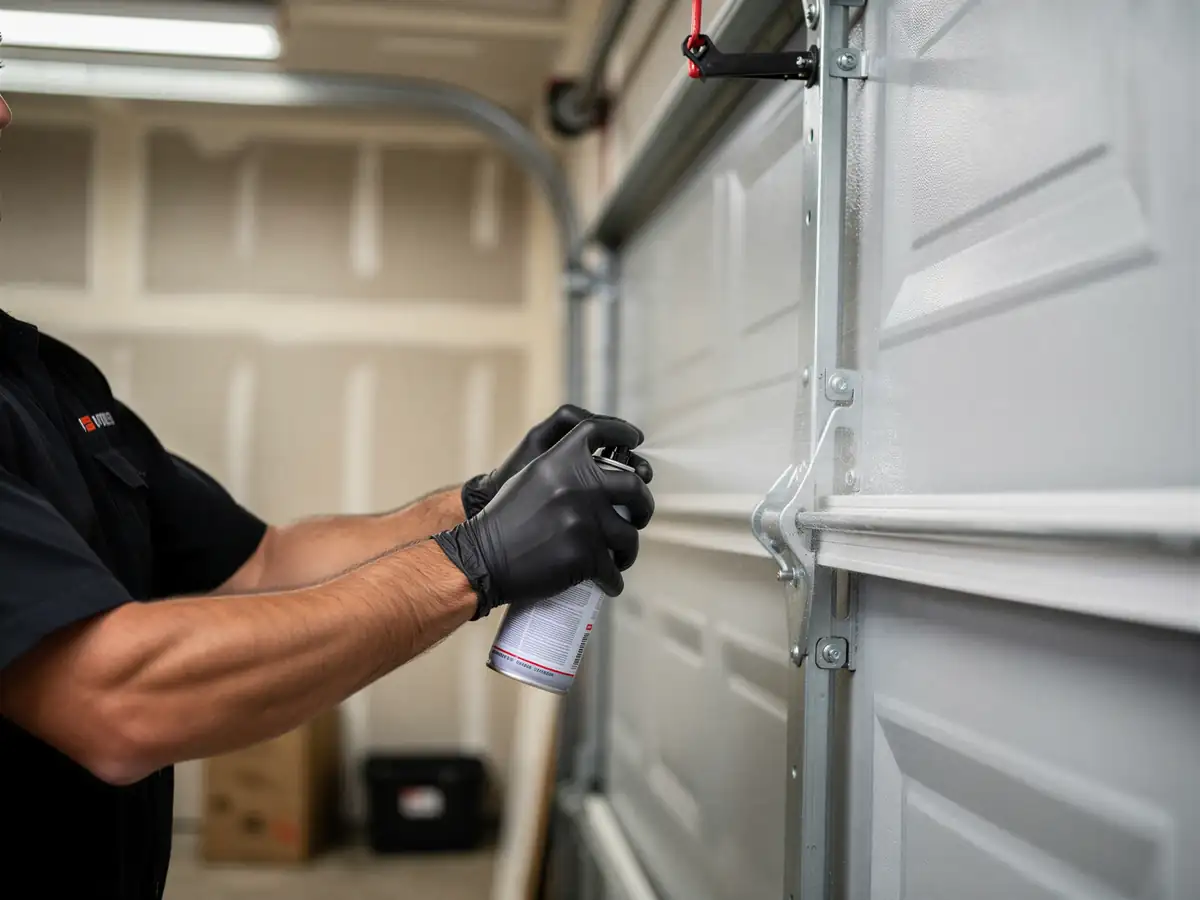
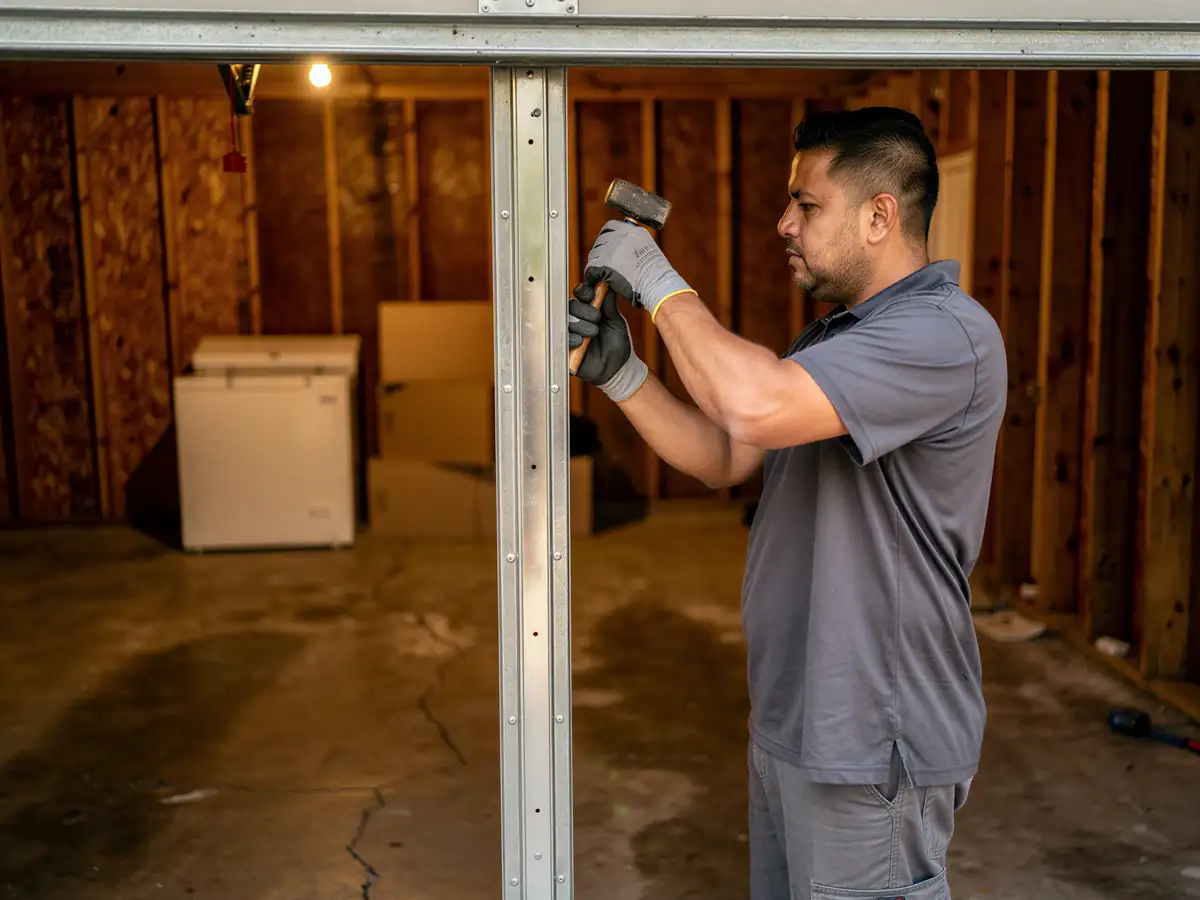
Most off-track jobs on Hallsville's housing stock come down to one of three repairs: re-seating rollers and tightening track brackets, replacing a bent section of track outright, or swapping worn rollers before they cause a repeat failure. A straightforward re-seat and bracket tightening is a short job. A bent track section has to come out and get replaced - bent track doesn't bend back true, no matter how it looks.
Because the truck comes out of Longview, about 12 miles away, we check what the job needs before heading out so we're not making a second trip for a part that should've come the first time. If the rollers, track, and brackets are original to a door from this era, it's often worth replacing the full roller set on both sides while the track is open rather than fixing one side now and the other in six months. For current coverage and what we can get to from here, see our Hallsville coverage page, or if the issue turns out to be something other than the track - opener, spring, panel - that's covered on the Longview off-track and garage door page.