Serving Longview, TX & nearby
(903) 205-8234
Longview, TX

Garage Door Spring Repair for New London, TX Homes

Spring repair for New London, TX homes, most built around 1968 with original extension-spring hardware. Longview Garage Door Pros covers the 20-mile run out.

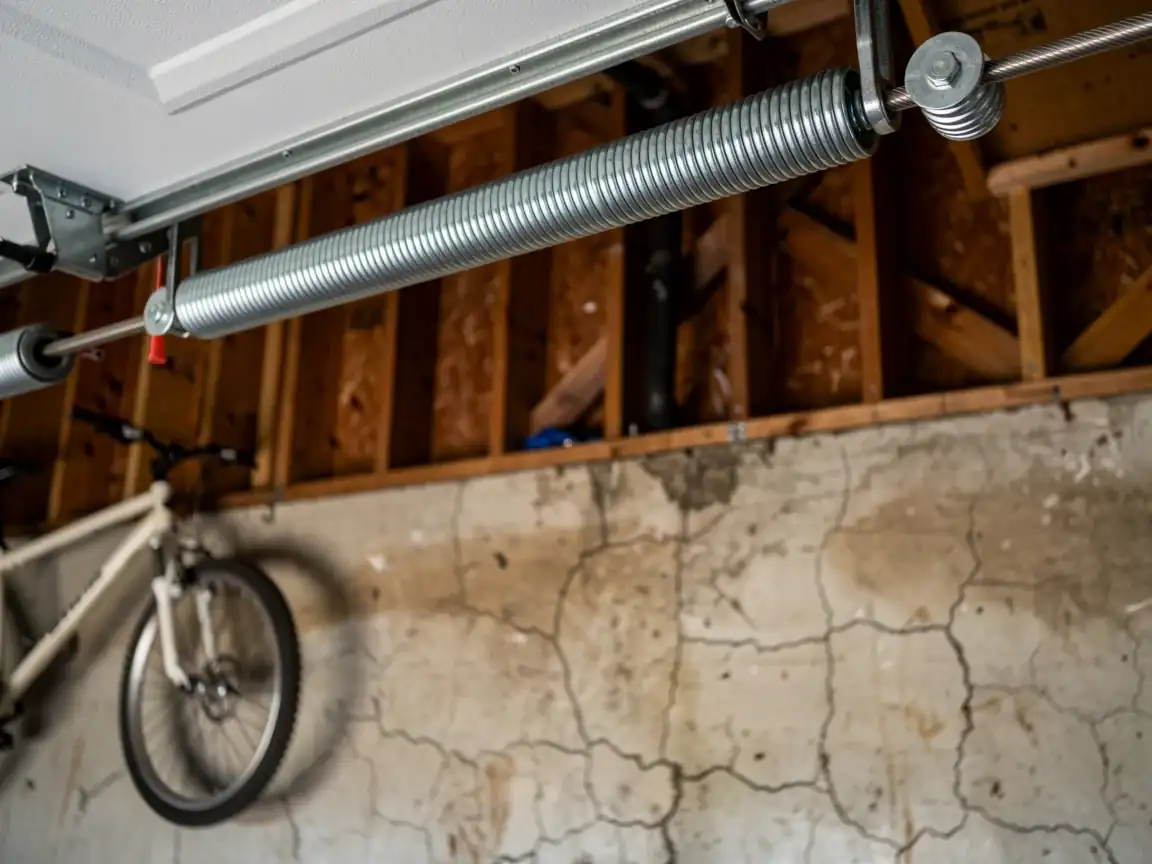
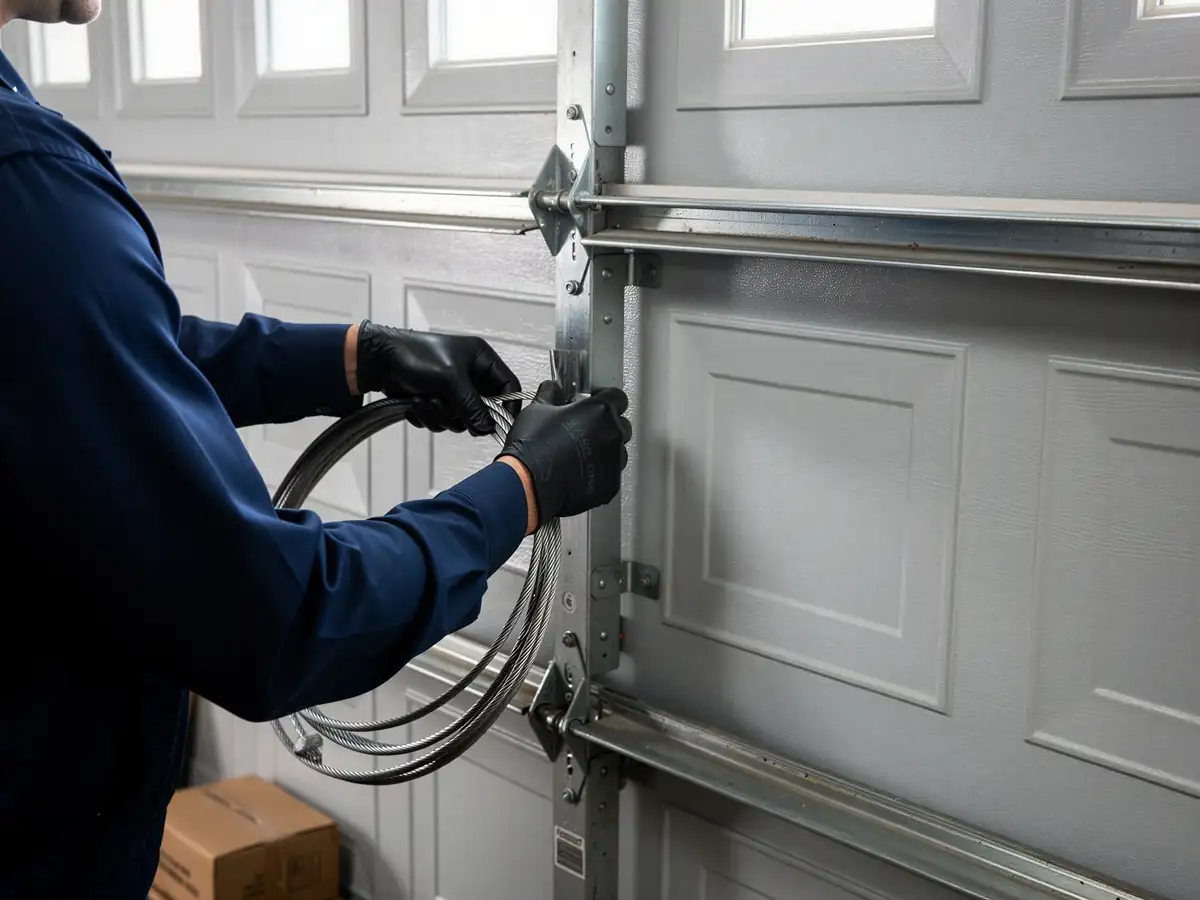
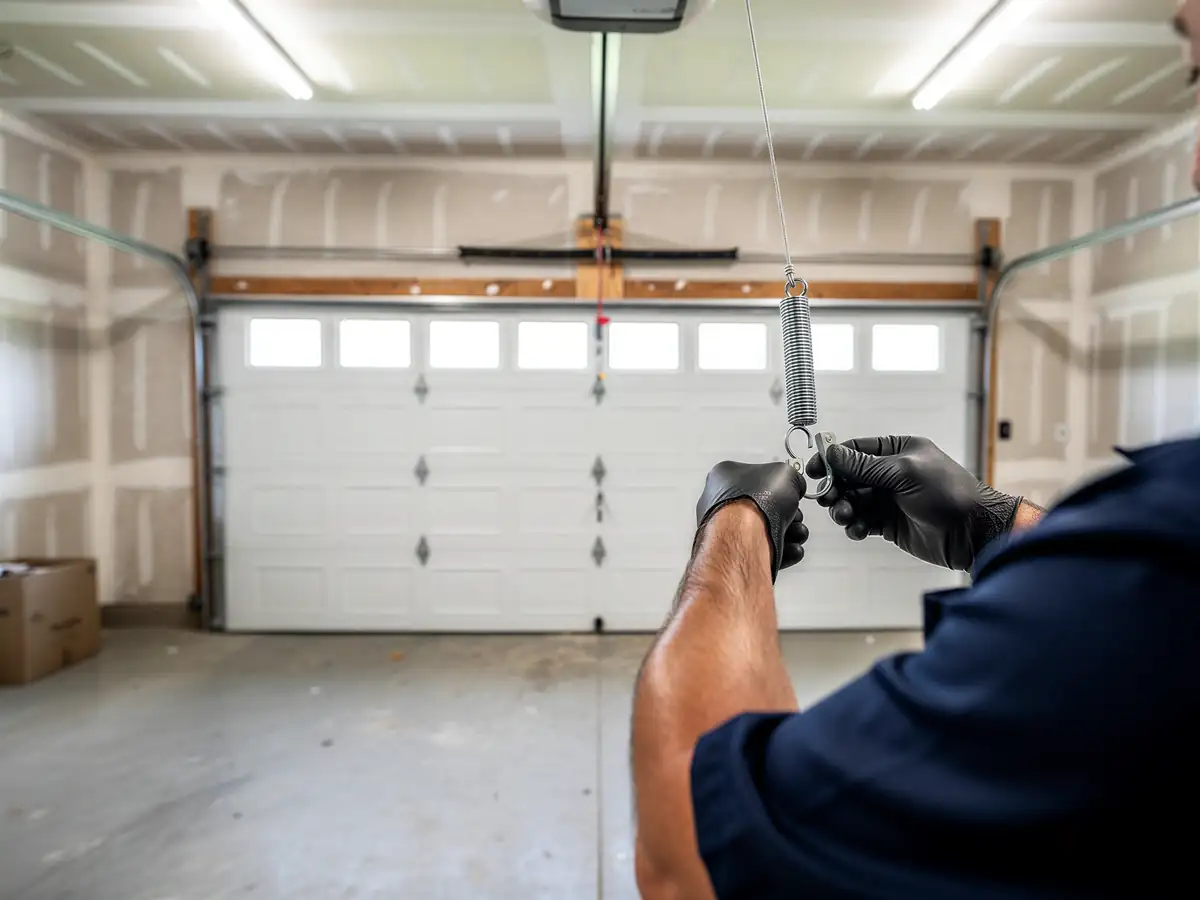
A technician in black gloves holds a garage door extension spring.
Longview, TX
8 services
8 service areas
Diagnosis first, then the fix

What It Costs

What a spring job runs in New London depends on what's actually hanging in the garage, and that varies more here than in newer parts of the territory. A lot of the houses in this town were built around 1968 - the oldest end of the 1968-to-1994 range across the service area - which means some still carry their original extension-spring setup instead of the torsion systems that became standard later. Extension springs are usually the cheaper part to replace, but if the pulley, cable, or the whole mounting bracket has gone with it, the job grows. At a median household income of $50,909 here, noticeably lower than the roughly $66,250 median across the broader service area, we hear more requests to repair the existing spring and hardware rather than swap the whole system, and that's a reasonable call on a door that's otherwise sound. We don't post a flat number because torsion and extension jobs price differently and a seized pulley changes the quote on the spot - we'll tell you before we start, not after. There's also the drive: New London sits about 20 miles out from our shop in Longview, the longest stretch we run on a spring call, and that travel is part of how the visit gets scheduled, not a separate line item we're hiding.

Why This Fails Locally

Springs fail because of fatigue cycles and the kind of hardware doing the lifting, and New London's housing stock points to a specific pattern. With a median build year around 1968, a chunk of garages here never got upgraded off the original extension-spring tracks that ran alongside the horizontal rail - torsion springs mounted above the door didn't become the default until later in that 1968-1994 window. Extension springs stretch and relax with every open and close, and over fifty-plus years that cycling wears the coil and the end hooks long before most owners notice. The moderate heat band this part of Texas sits in adds to it: metal expands and contracts through the warm months, and that constant small movement accelerates fatigue in old steel that's already past its design life. It's not dramatic - no single storm or cold snap is the cause - it's just decades of ordinary use on hardware this old. A door that's opened twice a day since 1968 has racked up tens of thousands of cycles, and extension springs weren't built to run that long without a swap somewhere in the middle. If yours hasn't been touched, it's probably overdue.

How Long It Takes

On-site, most spring jobs here run under an hour once the truck is parked - pulling an old spring, checking the cable and pulley, setting the new tension isn't a long process by itself. What takes longer in New London is getting here: at 20 miles from Longview, that drive adds real time to how the day gets scheduled, and we're honest that it's the farthest run we cover, so same-day isn't something we promise sight unseen. We also won't rush a 1968-era door that turns out to need more than the spring - if the bracket is rusted through or the track's bent, we say so rather than force a quick fix that comes back in six months. The honest limitation here is that we can't commit to a window before we've seen what's actually wrong, especially on older extension-spring setups where one bad part often hides another. Call ahead and tell us what the door's doing and we can usually tell you over the phone whether it sounds like a straightforward spring swap or something that needs a longer look.

What You Are Seeing

On a 1968-vintage extension-spring door, failure usually looks like one of a few things. The door won't budge past a few inches, or it slams down hard instead of lowering smoothly - that's a spring that's lost its tension or snapped outright. You might hear a loud bang from the garage, often mistaken for something falling, which is usually the spring letting go under load. On older cable-and-pulley setups like the ones common in this part of town, look for a cable that's gone slack on one side while the other stays taut - that's an uneven spring failure, and it puts the whole door off balance, not just one half. Rust on the spring coils or the pulley bracket is also a tell on a house this age, since the hardware has had decades to corrode even in a moderate climate. If the opener strains, reverses, or trips the safety sensor repeatedly, that's often the motor fighting a spring that's no longer doing its share of the lifting - not an opener problem at all.

Doing It Yourself

A garage door spring, torsion or extension, is under enough tension to break a bone or worse if it's released wrong, and that's true regardless of how old or small the hardware looks. We don't walk owners through replacing one over the phone, and we wouldn't recommend trying it from a video either - this is the one job on a garage door where the margin for error is genuinely dangerous, not just inconvenient. What you can safely do yourself: look at the spring for visible rust, gaps, or stretching; check that the cable isn't frayed; and note whether the door is uneven when it's halfway up, since that tells us a lot before we arrive. If the door is stuck shut with the spring broken, leave it - don't force the opener or pull the release cord trying to lift it by hand, since an unbalanced door can drop fast once it's no longer held. That's the honest limit of what a homeowner should handle here; everything past inspection is ours to do.

Stocked Parts

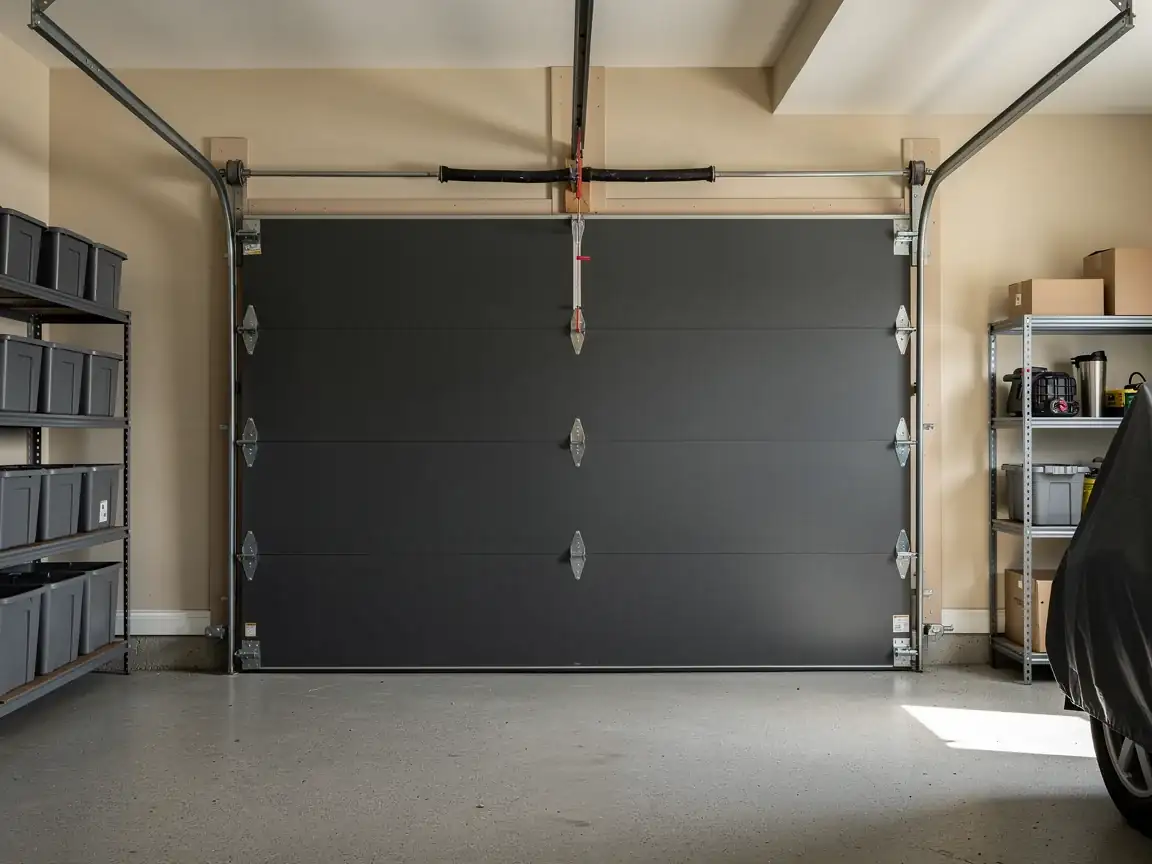
Standard torsion springs in common sizes are on the truck, so a lot of the newer end of the service area's housing gets fixed in one visit. New London's older stock complicates that a little - extension springs and the matching pulleys, cables, and end brackets from 1968-era doors aren't always the same part number as what's common in homes built in the 1980s and 90s, which make up most of the rest of the territory. If your door still has the original hardware and the exact match isn't on hand, we may need to order the specific length or gauge, which can add a day or two rather than closing it out on the first trip. We'd rather tell you that up front than install a near-match that throws the door's balance off. It's a fair trade-off for a 20-mile run - we're not making a second trip out here for the wrong spring if we can avoid it the first time.

How it works

From “it’s stuck” to “it’s fixed”

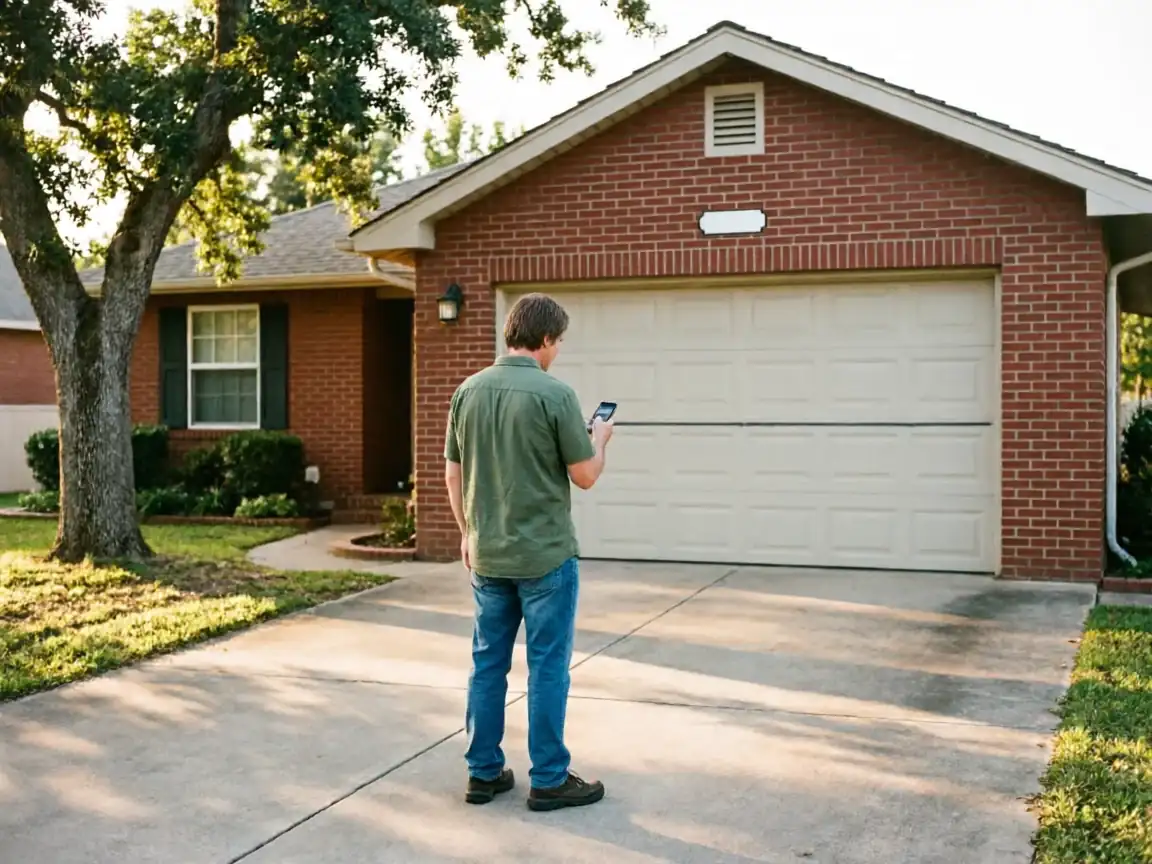
A man stands in a driveway, looking at his phone in front of a garage door.

Tell us what’s wrong

Describe the symptom - won’t open, loud bang, opener runs but the door won’t move.

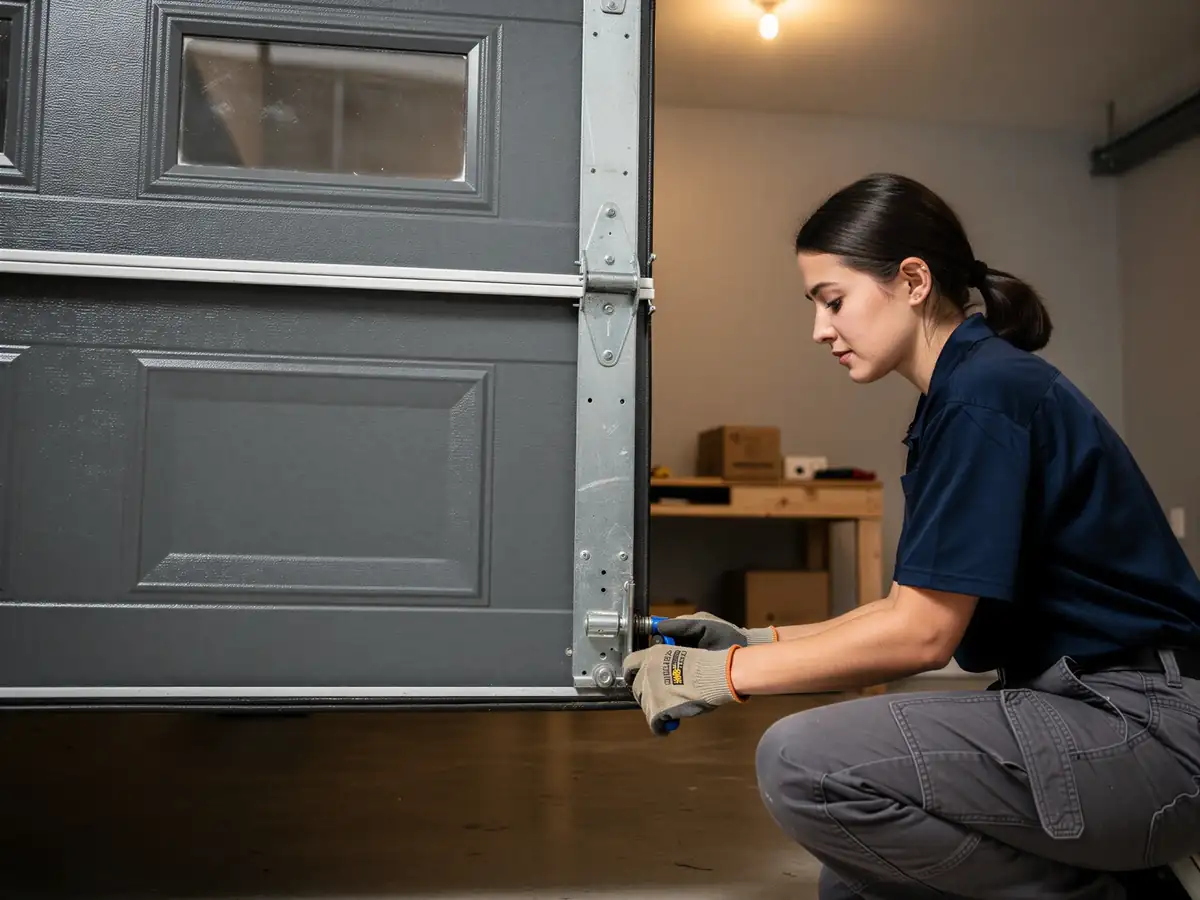
A technician in a black uniform holds a flashlight, inspecting a garage door and torsion spring.

On-site diagnosis

A technician tests the door under power and by hand and finds what actually failed.

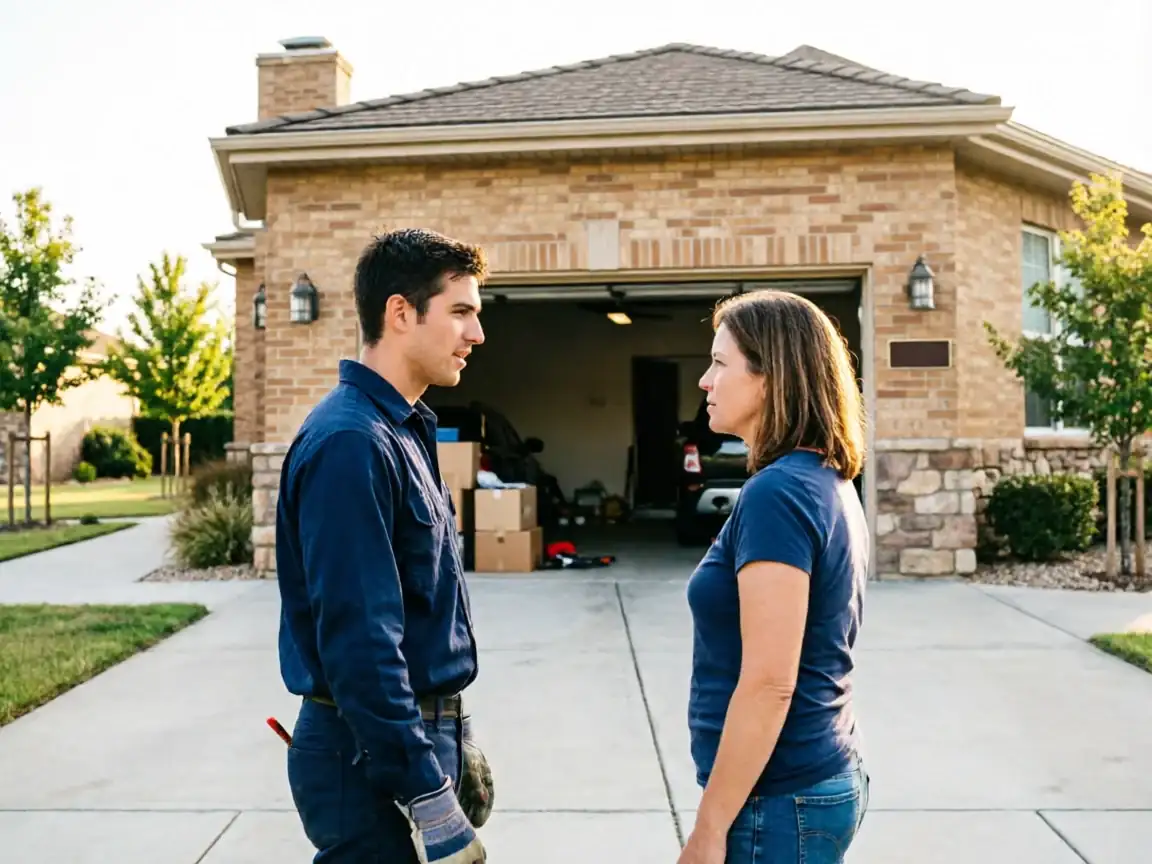
A technician and a woman stand facing each other in a driveway in front of a house.

Clear, up-front plan

You get the fix that’s needed and what drives the cost - before any work starts.

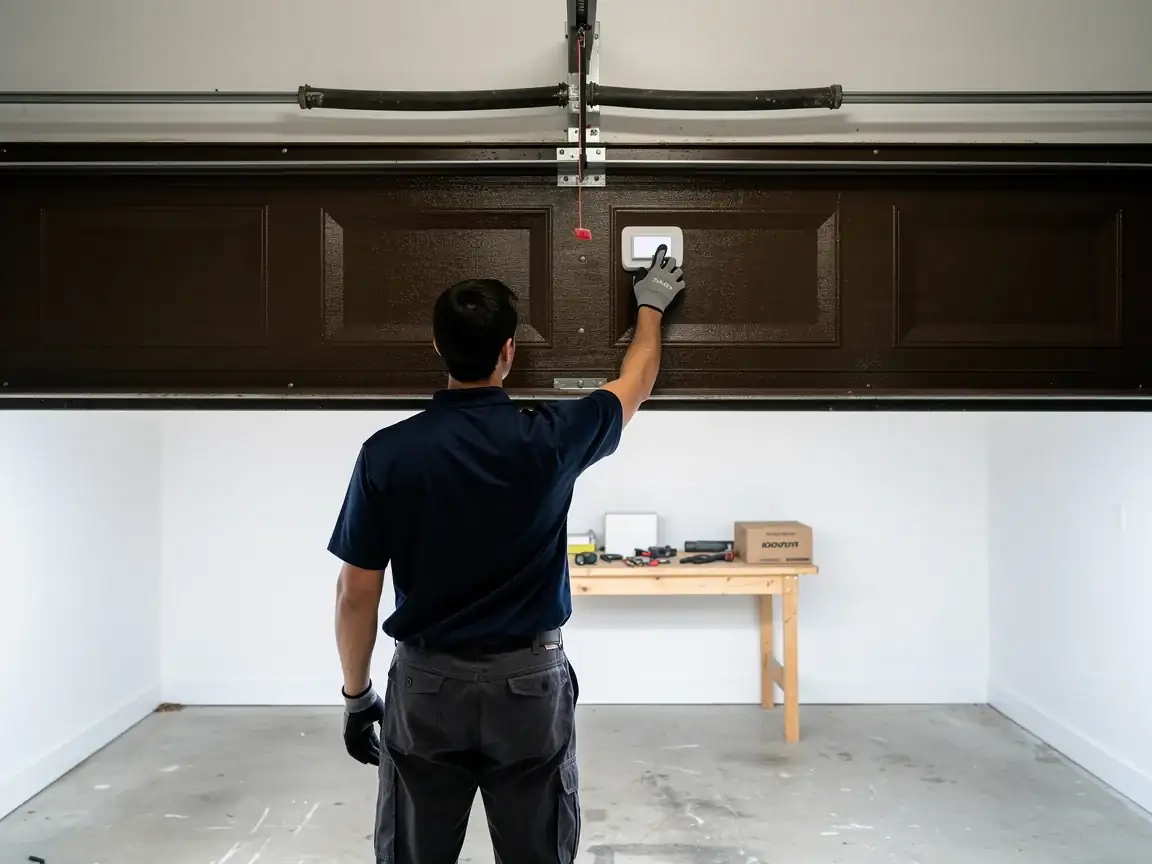
A technician adjusts a control panel on a brown garage door.

Repaired & tested

The repair is done, the door is set true and tested, and the work area left clean.

Not sure which repair your door needs in Longview, TX? Describe what it’s doing - every job starts with a diagnosis.

How we work

What to expect

Diagnosis firstEvery visit starts by finding what actually failed - not a pre-written parts list.
The right part for the doorSprings and openers matched to the door’s weight and age, so the fix holds up.
Straight answersWhen a repair makes more sense than a replacement - or the reverse - you hear it plainly.
Clean, careful workTension released safely, hardware set true, the door tested under power before we leave.
82,287Residents in Longview
8Garage door services
8Neighborhoods & suburbs
TXServing Longview, TX
Questions

Frequently asked

Straight answers about garage door repair in Longview. Still unsure? Ask us directly.

Why does New London cost more to get a tech out to than closer towns?

It doesn't cost more for the repair itself - torsion or extension spring work prices the same regardless of address. The difference is the drive: New London is about 20 miles from our shop in Longview, the farthest stretch we cover, so it affects scheduling more than price.

Are extension springs harder to find parts for?

Sometimes. A lot of New London's houses date to around 1968, old enough to still run original extension-spring hardware instead of the torsion systems that became standard later. We carry common torsion sizes on the truck; an exact extension-spring match occasionally has to be ordered, which can add a day or two.

Can I just tighten or oil the spring myself?

Lubricating the coil is fine and worth doing. Adjusting tension is not - a loaded spring, even an old, weak-looking one, can release with enough force to cause a serious injury. Leave tension adjustments and replacement to someone doing it with the right bars and clamps.

How do I know if it's the spring and not the opener?

If the door is uneven, slams down, or won't lift past a few inches by hand with the opener disconnected, that's the spring, not the motor. An opener that strains or reverses is often just fighting a spring that's already failed - fixing the spring usually fixes the opener symptom too.

Ready to get your garage door sorted?

Tell us what it’s doing and where you are in Longview - we’ll take it from there.

Request a QuoteCall