What It Costs
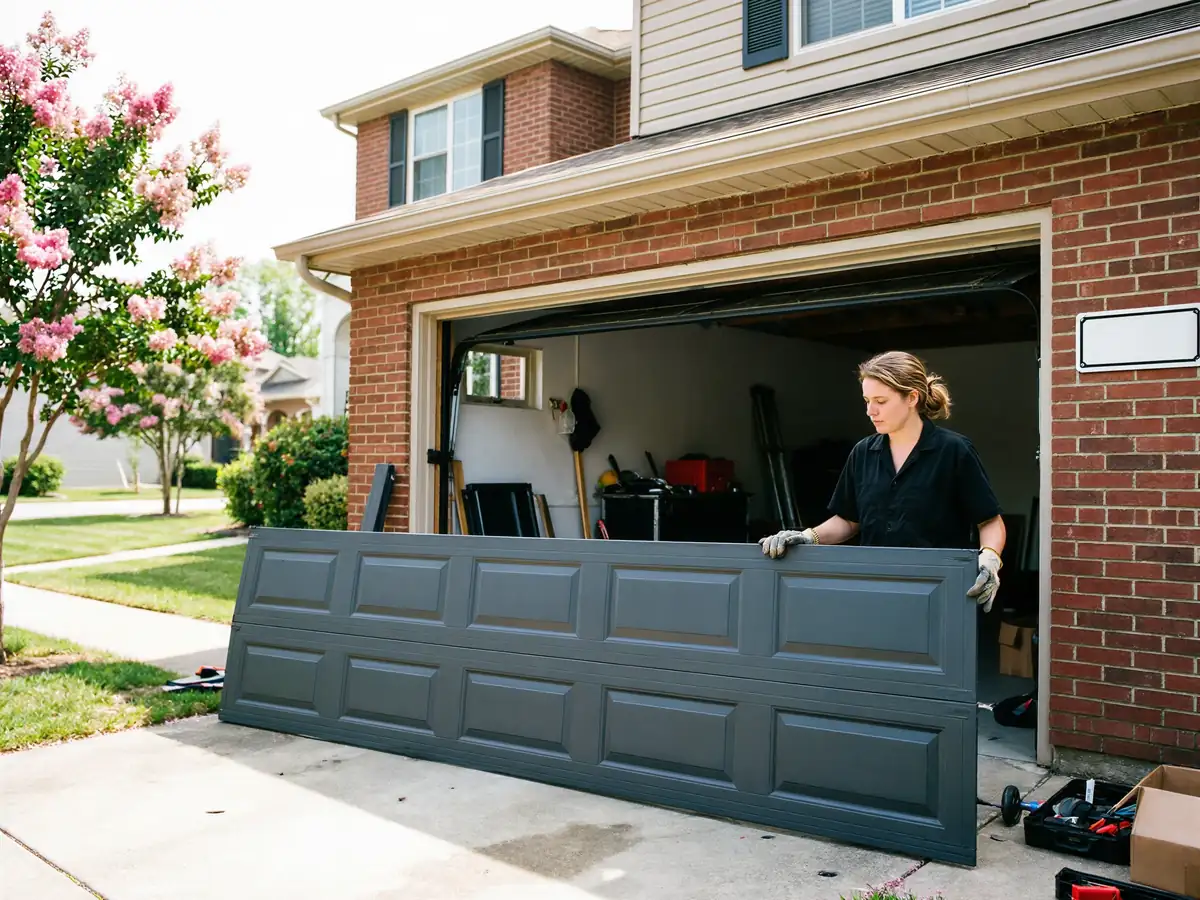
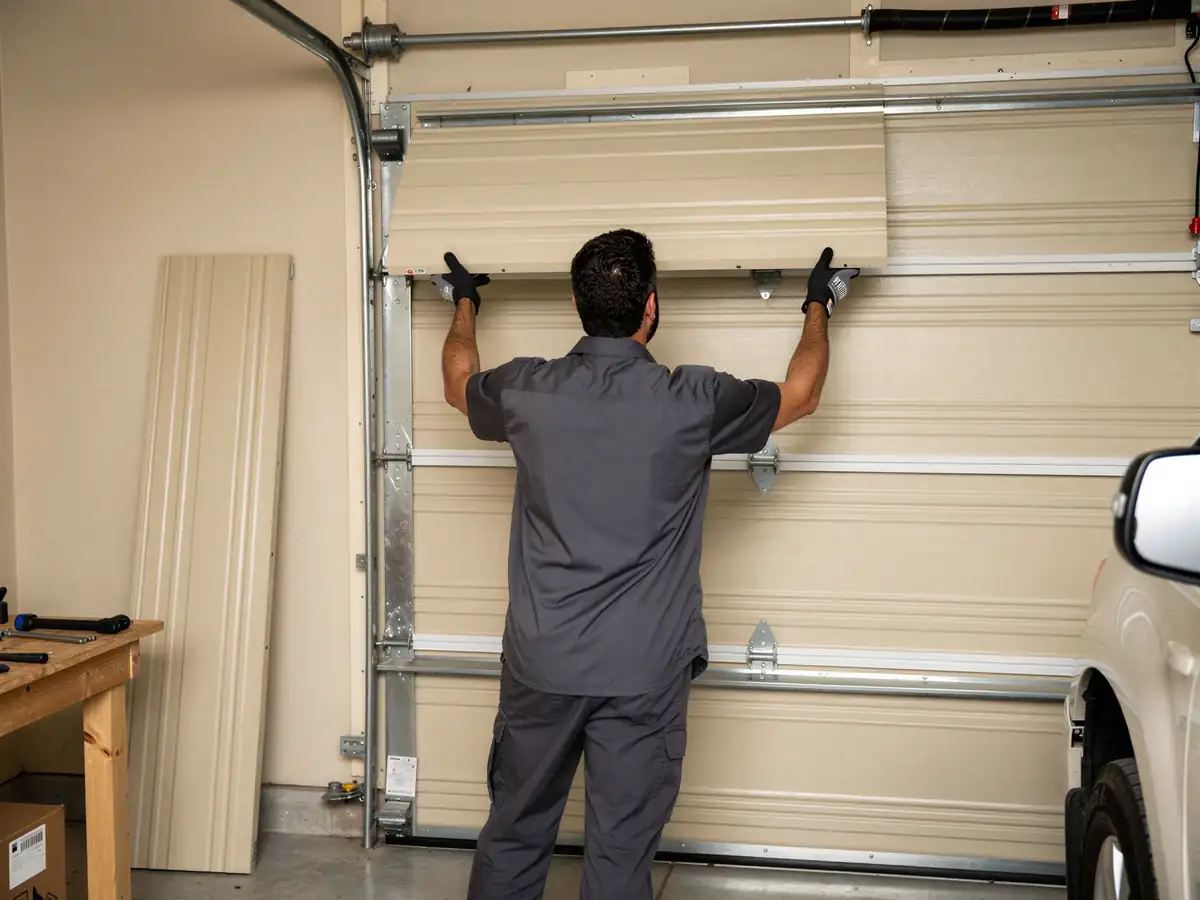
New London's median household income sits at $50,909, well under the $66,250 median across the rest of our service area. That gap matters the moment a spring breaks or an opener dies, because it moves the decision away from automatic replacement and toward getting the most out of what's already on the house. We don't quote a flat number here because every door is different, but the practical rule holds: on a 1968-era door with original hardware, a spring or cable repair almost always costs less than tearing out the section and starting over, and for a household at New London's income level that difference is the whole decision. Replacement only wins when the track, drums, or frame are shot too - not just the part that broke. We'll tell you straight when a repair isn't worth doing, rather than running up a bill on a door that's circling the drain anyway.
Why This Fails Locally
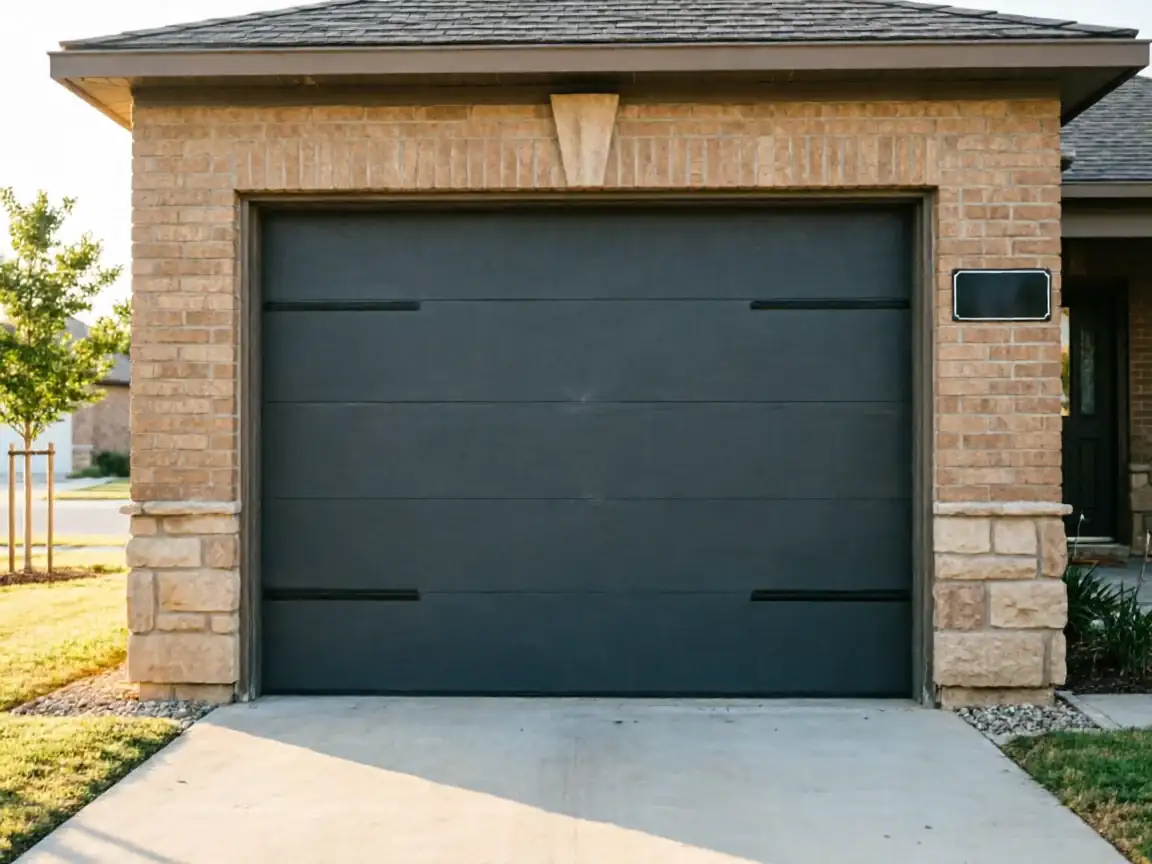
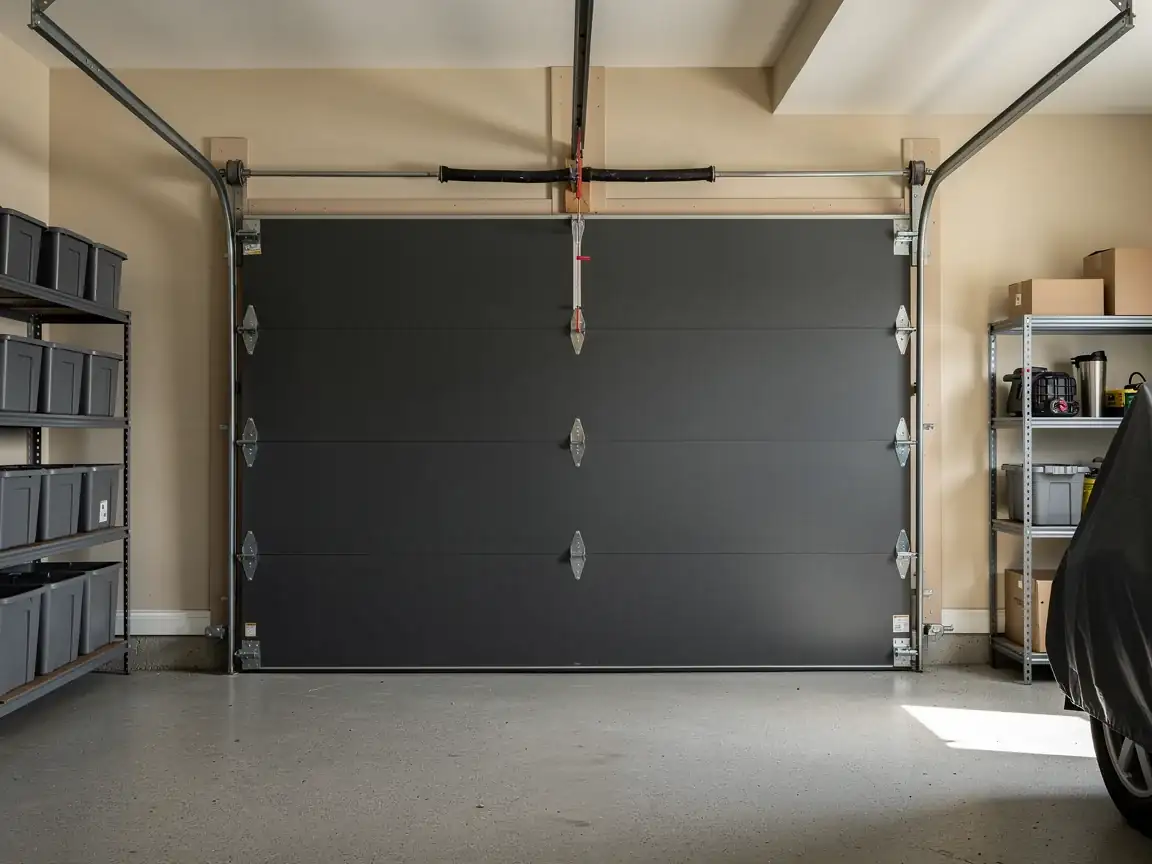
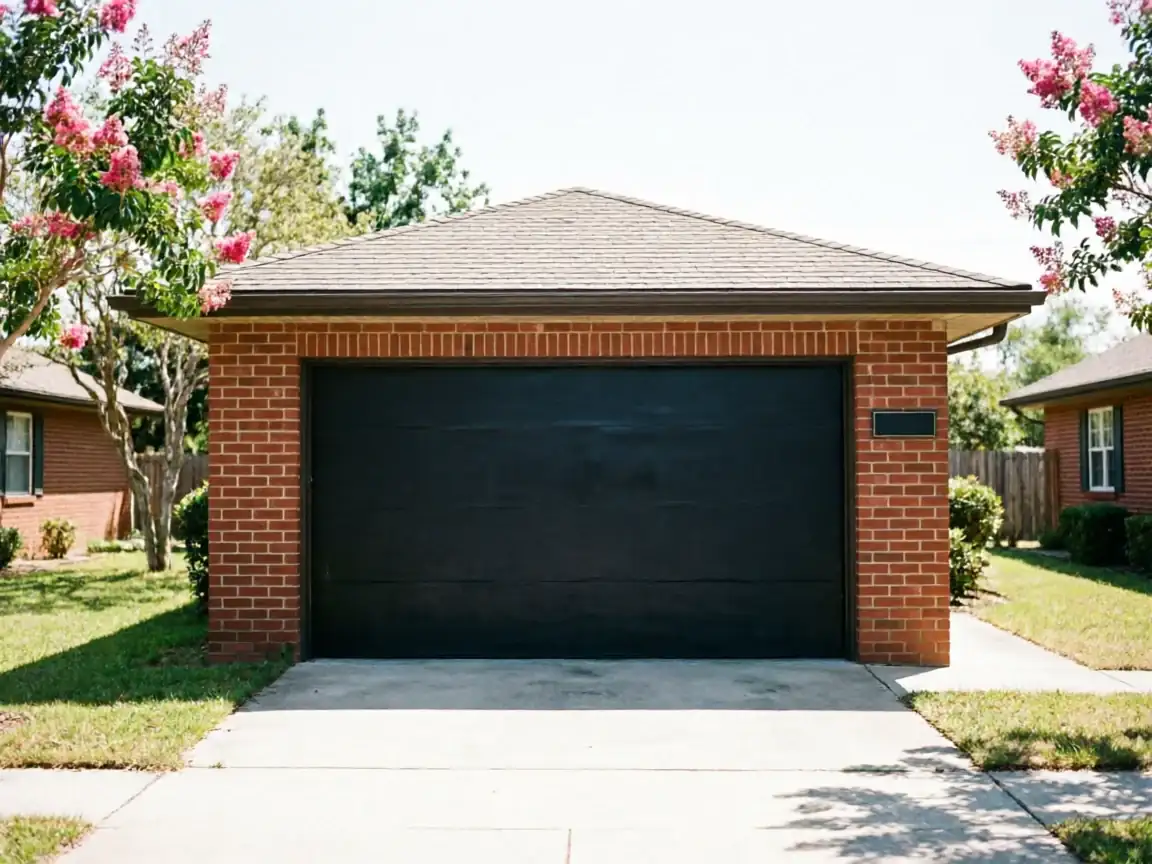
The broader Longview service area runs 1968 to 1994 construction with a median build year of 1981. New London sits at the old end of that range, 1968, which means the garage doors we see here skew older than what we find in the newer pockets of the territory. Older doors mean original torsion springs that have outlived their wind count, steel track that's been re-aligned by hand more than once, and openers that predate anything with a safety reversal sensor. None of that is unique to New London by coincidence - it's the direct result of when the neighborhood went up. A door built the same year as the house has had roughly five and a half decades to work its hinges loose, and that's the fault pattern we plan for before we ever drive out.
What You Are Seeing
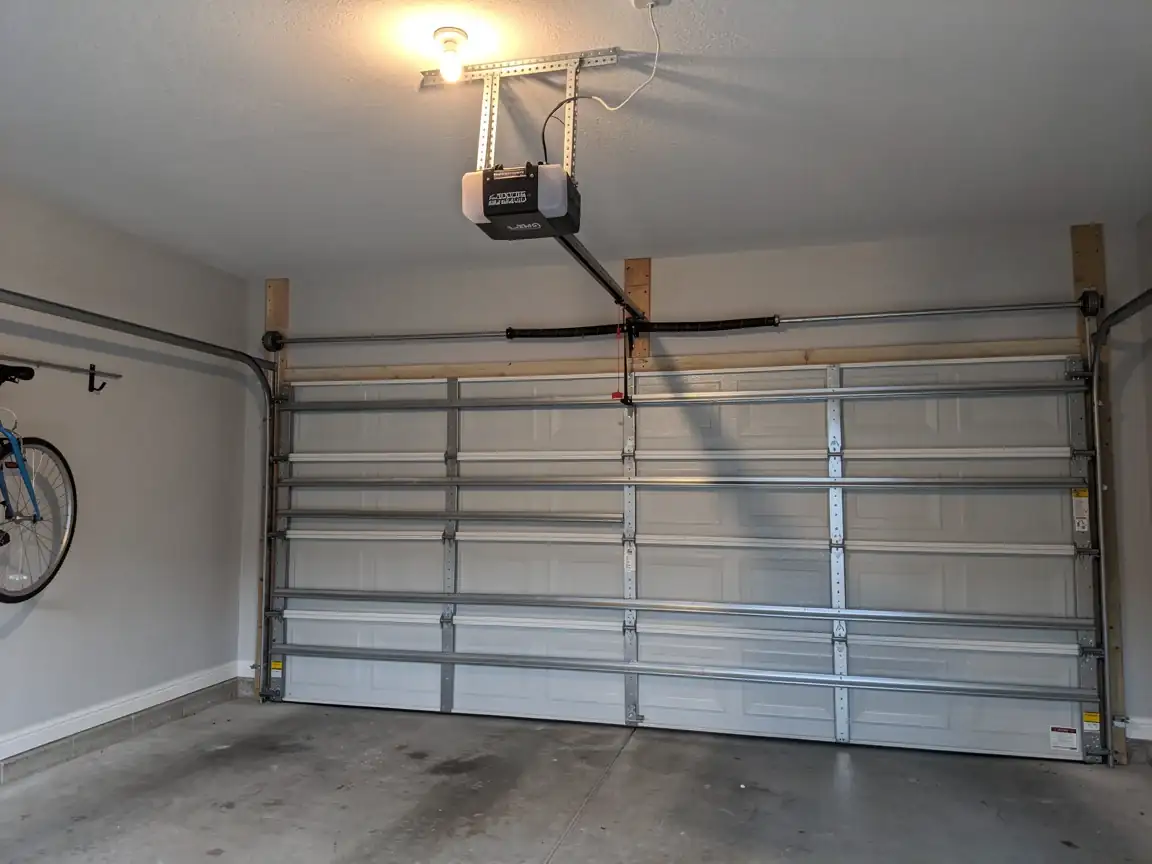
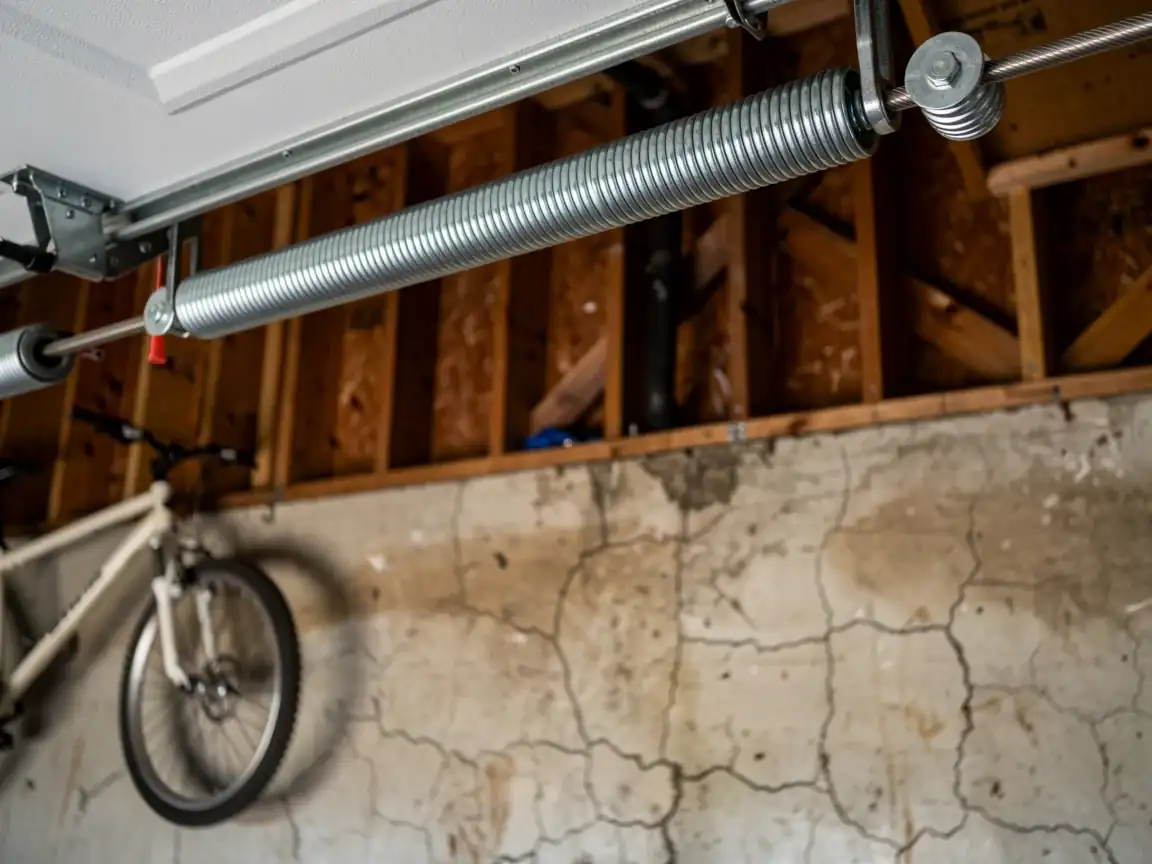
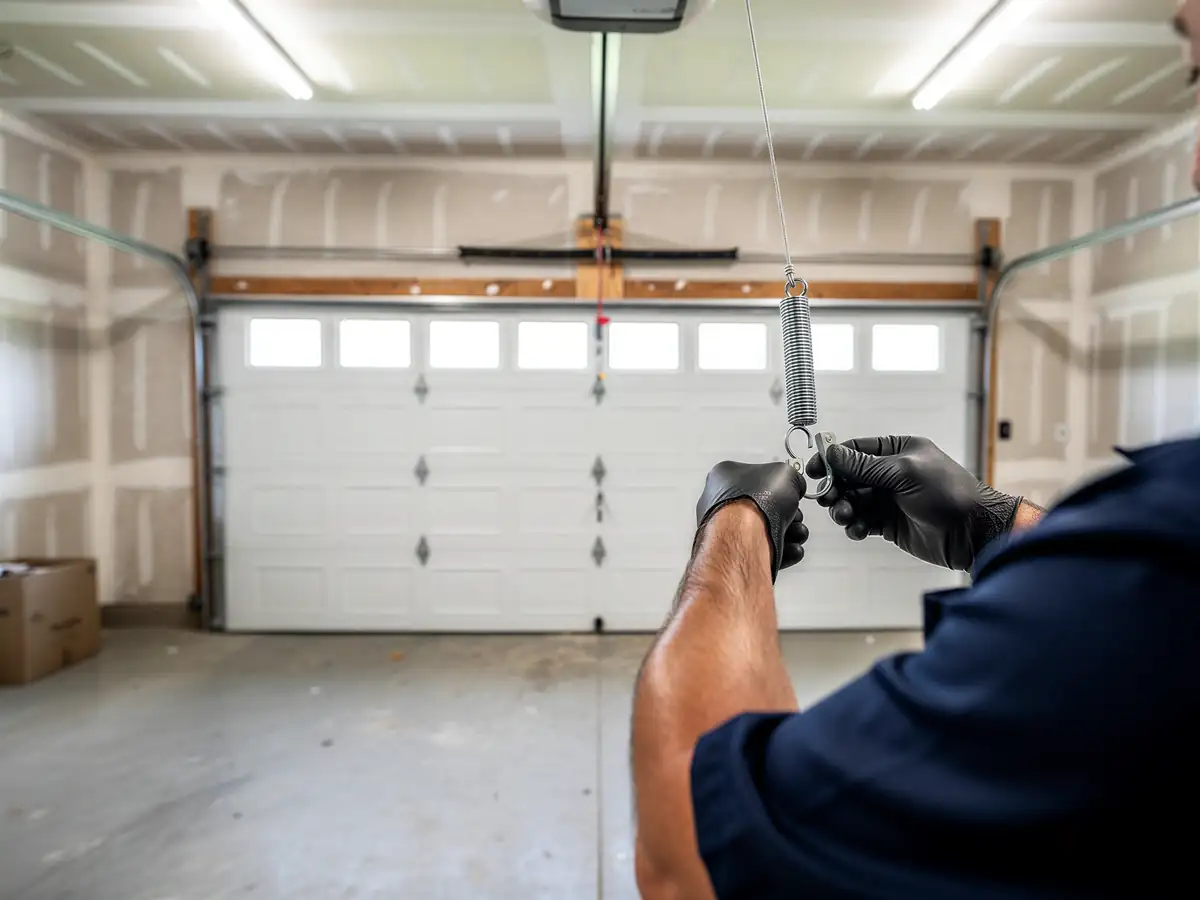
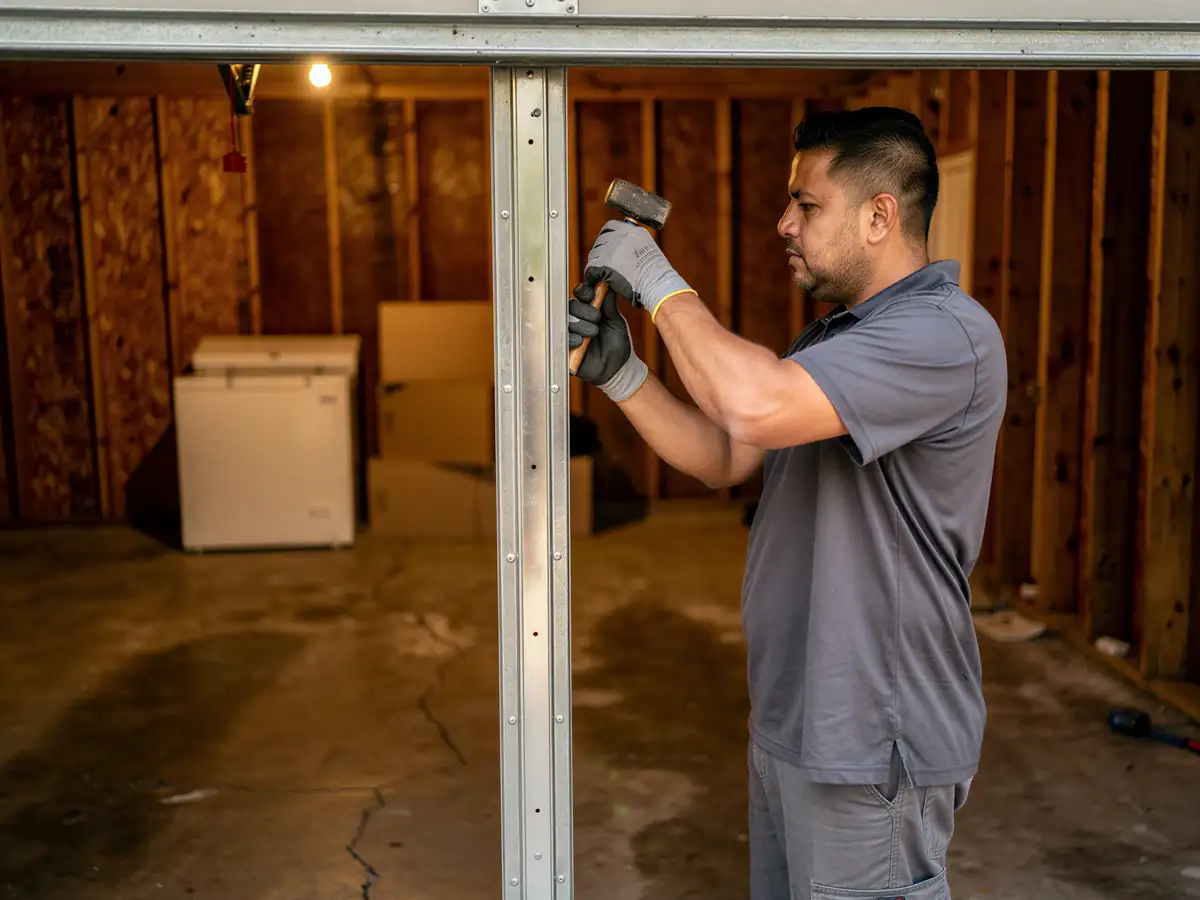
On a house built around 1968, the most common call is a torsion spring that's finally given out - you'll hear it as a loud bang from the garage, or notice the door won't lift past a foot without help. Right behind that is worn-out roller and track hardware, which shows up as a door that shudders, grinds, or runs crooked in the opening. Openers from an earlier retrofit era sometimes lack working safety reversal, which is a repair we flag immediately rather than patch around. With climate in this part of Texas running a moderate heat load rather than extreme swings, we don't see the ice-related failures you'd get farther north - here it's heat-dried lubricant and sun-brittled seals more than cold-snapped metal.
Doing It Yourself
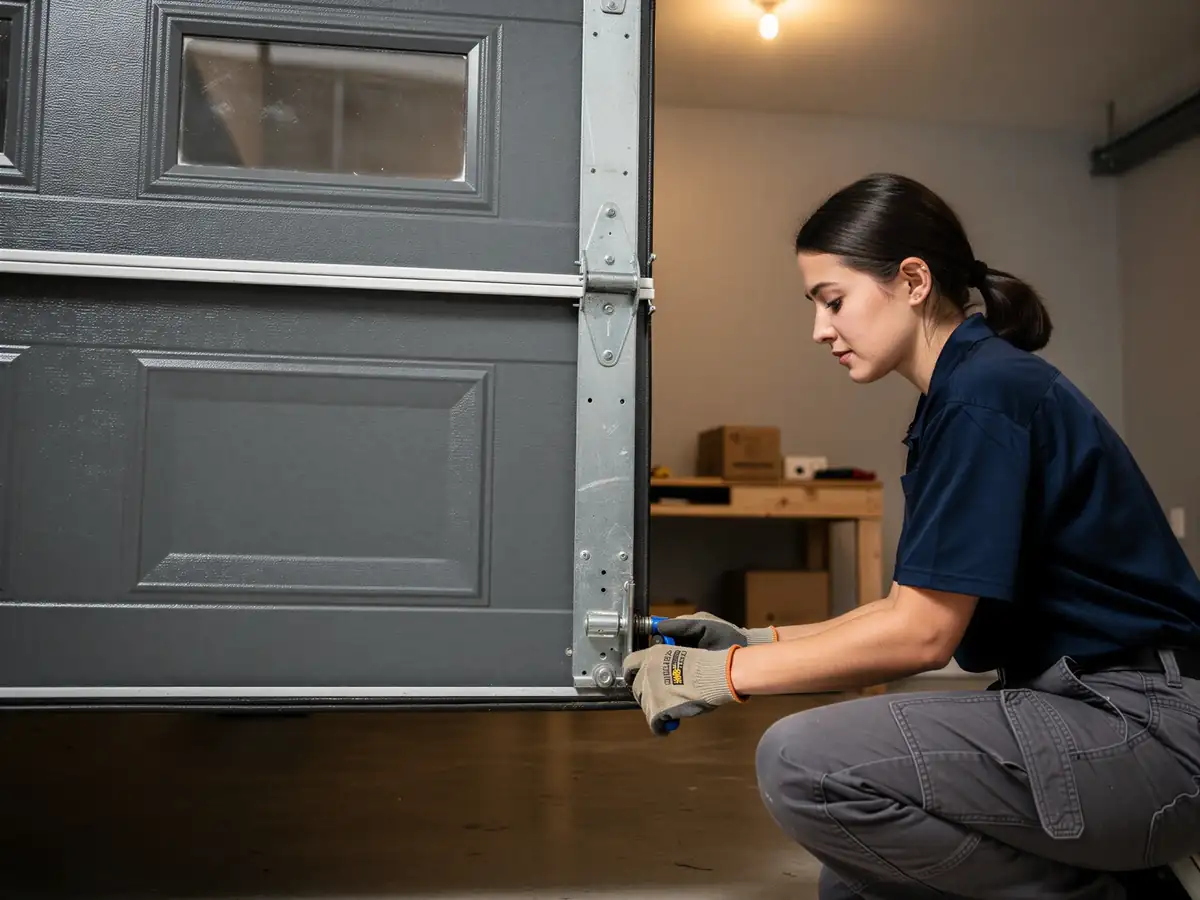
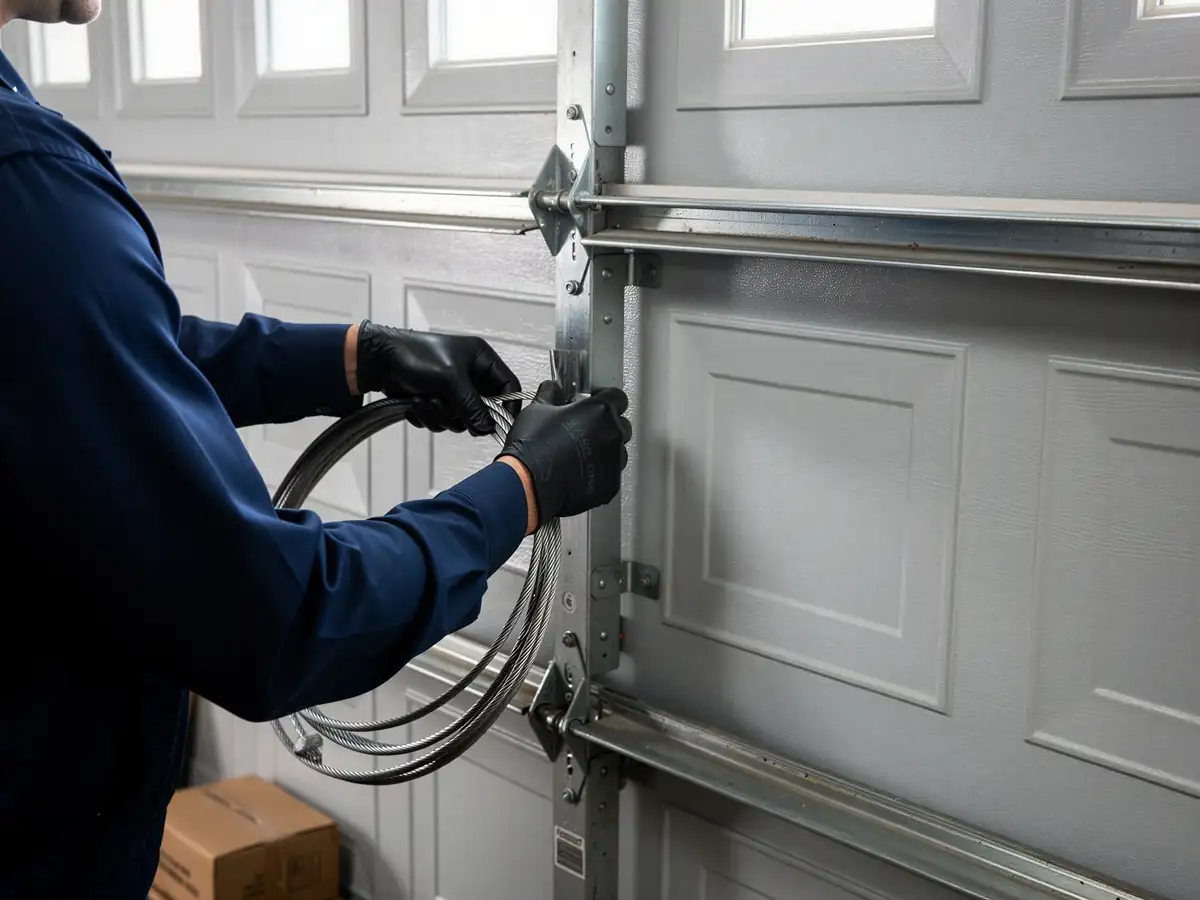
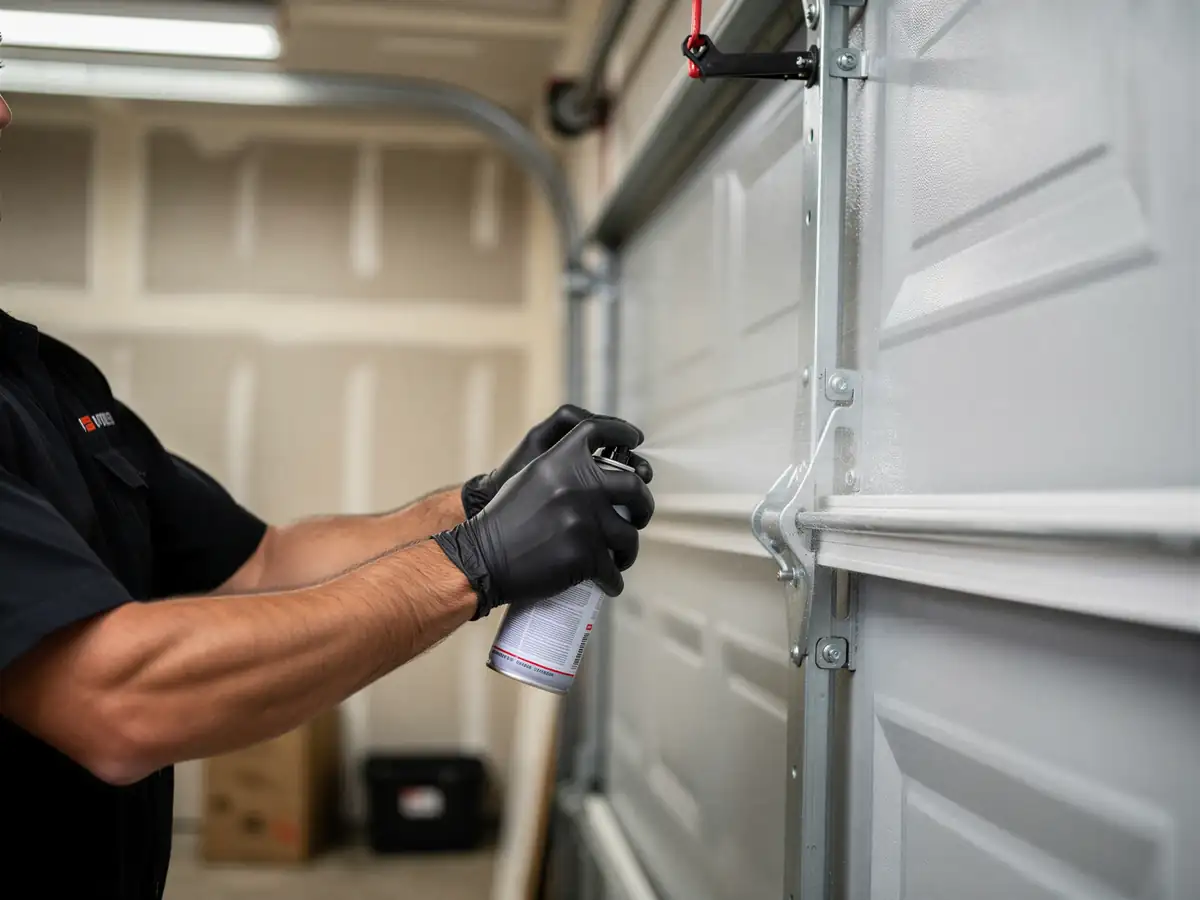
A torsion spring holds enough stored energy to break a hand or worse, and on a door this age the spring has had over fifty years to corrode or fatigue unevenly - that's not a weekend project with a wrench set from the hardware store. Where a homeowner can reasonably help themselves: tightening loose roller brackets, lubricating hinges and tracks, and swapping weather seal on the bottom panel. Anything involving the spring, the cable drums, or the opener's wiring is where we'd rather you call than improvise. Honest limitation: if the door's track is bent beyond a certain point or the frame itself has shifted, no amount of part-swapping fixes it - that's a replacement conversation, and we'll say so instead of charging for repairs that won't hold.