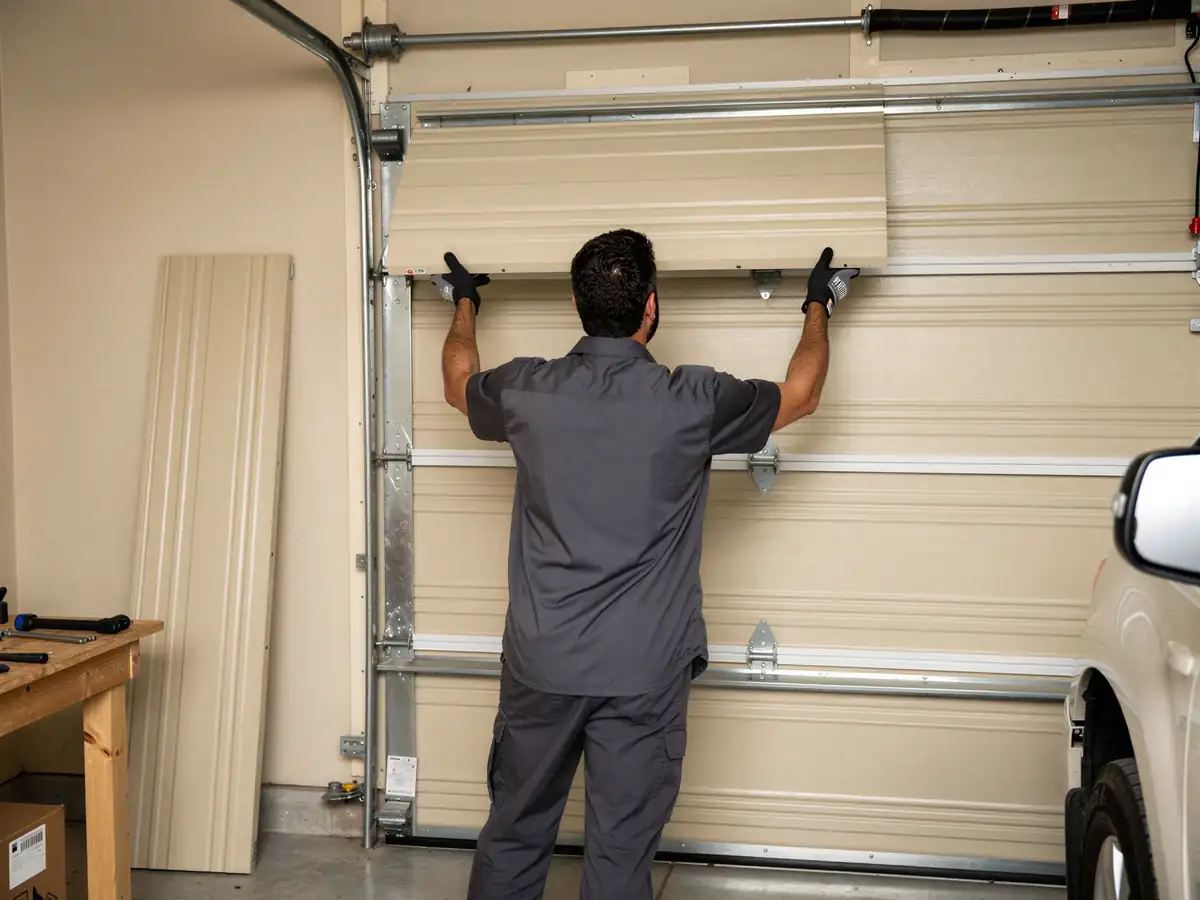
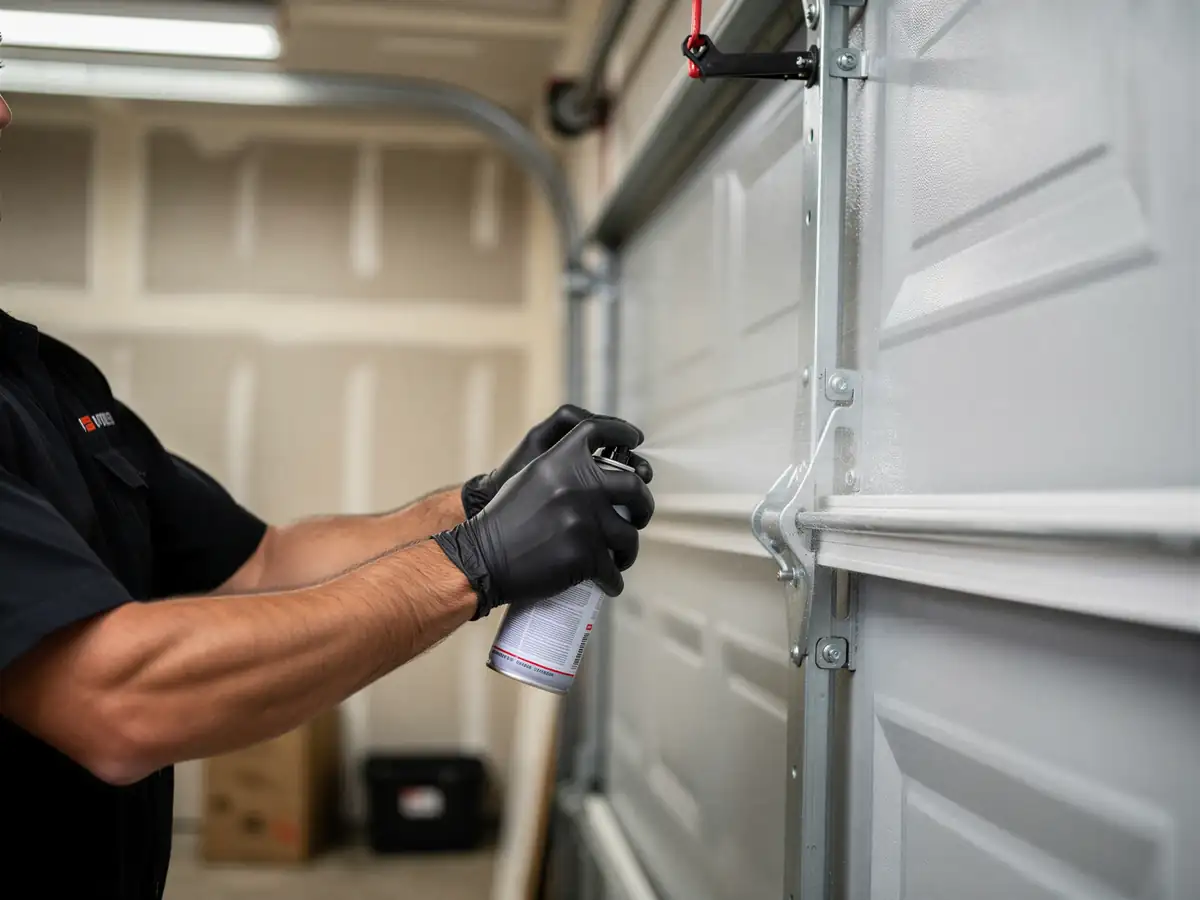
What It Costs
We don't post a flat number for maintenance here because what a visit involves depends on what's still original on the door. A house built in 1968 that's never had a spring or opener touched needs a different checklist than a 1990s door with a newer opener bolted on. What we can tell you is that New London sits apart from most of the rest of the service area we cover out of Longview: across the wider territory the typical home dates closer to 1981, but New London's own housing stock centers on 1968. That's 13 years of extra hardware fatigue sitting on a lot of these doors, and it's the first thing we price around, not the last.
We quote after we see the door, because guessing a price before checking the hinges, the bottom bracket, and the torsion spring on a door that old is how you end up over- or under-charging someone. We'd rather look first.
Why This Fails Locally
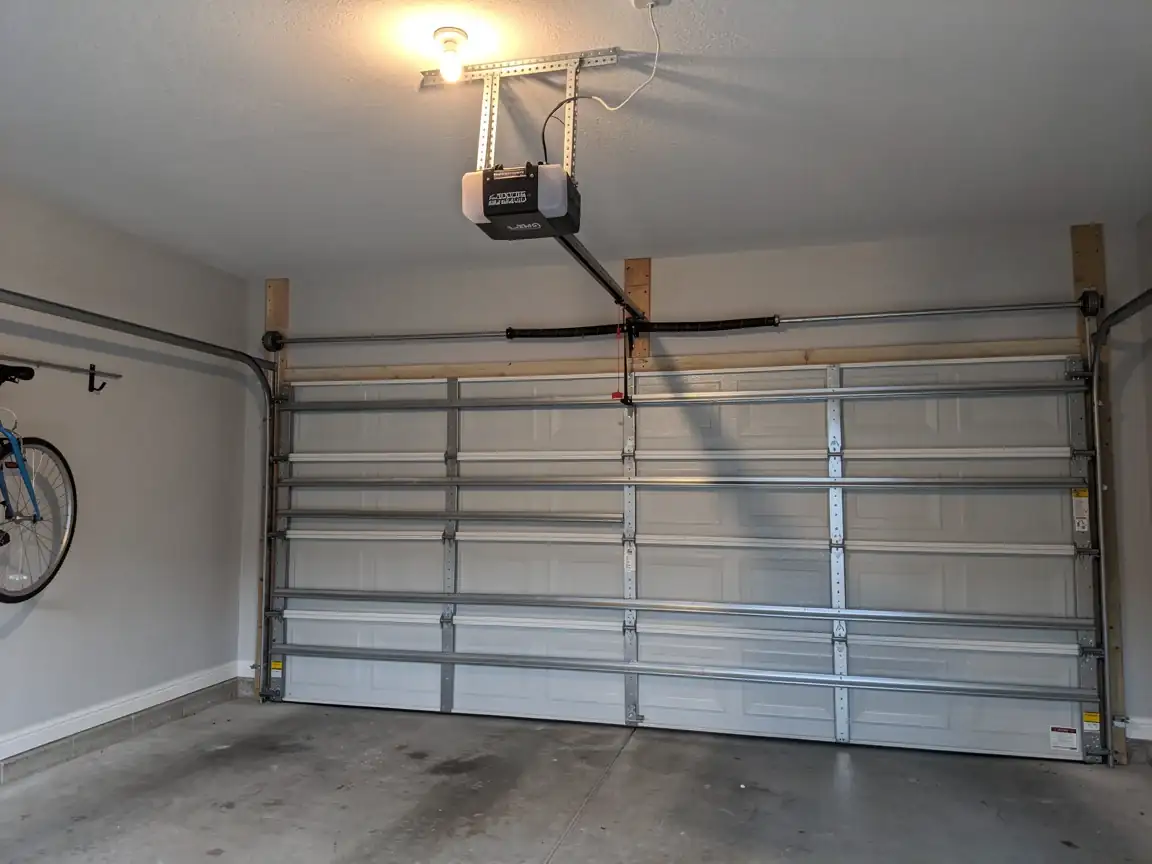
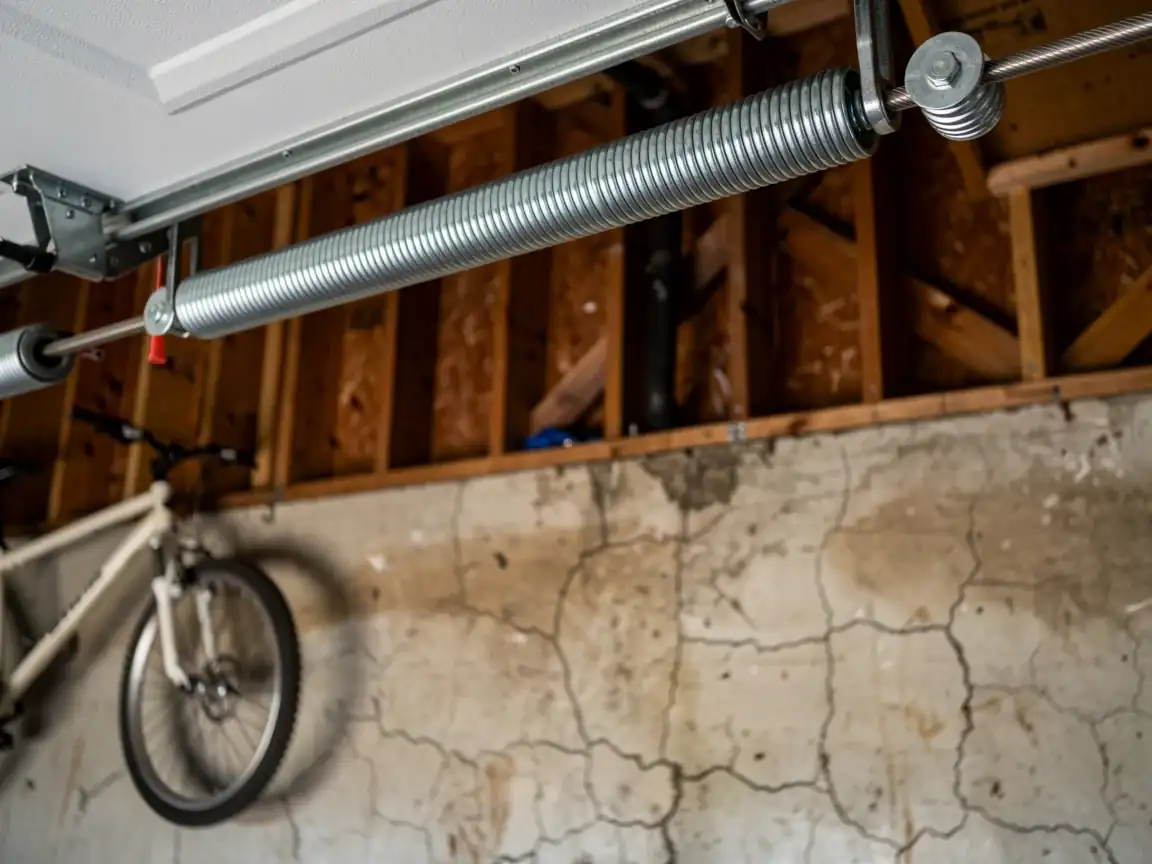
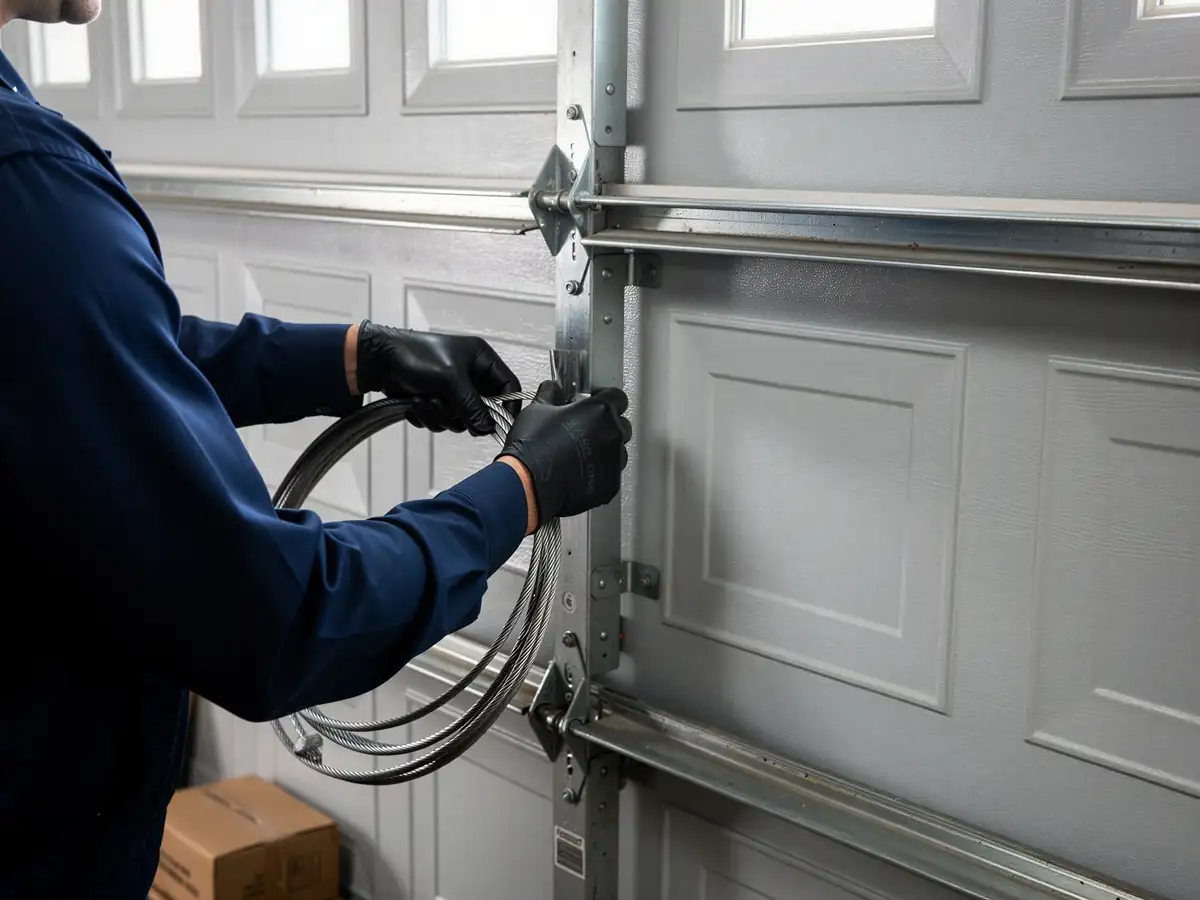
Most of New London's houses went up well before the area's broader 1968-1994 building window got underway in earnest, which means a lot of these garages still carry their original steel track and the original torsion spring - hardware nobody manufactured to last 55 years without service. Pair that with the region's moderate-heat climate band, and you get lubricant that's cooked dry decades ago, galvanized cable that's lost its coating, and rollers that have worn their track grooves into an oval instead of a circle.
None of that shows up as a sudden break most of the time. It shows up as a door that's gotten louder every year, that sticks a half-inch off the floor, or that the opener strains against without anyone noticing the strain is new. On a door this old, maintenance isn't really about tightening a few bolts - it's about finding which original part is one more New London summer from failing.
How Long It Takes
We're honest that we can't give a fixed time for a maintenance visit without knowing the door
A 1968-era door with its original hardware takes longer to go through than a door that's already had a spring or opener replacement at some point, because there's more to inspect and more corrosion to work around on fasteners that haven't moved since the Johnson administration.
We travel from Longview to reach New London
It's about 20 miles - so we schedule the visit as a full stop, not a quick in-and-out. If the inspection turns up something that needs a part we don't carry on the truck, that's a second trip, and we'll tell you that on-site rather than let you assume one visit covers everything.
- 20 miles
What You Are Seeing
On a lot of these New London doors, what looks like one problem is really the original 1968 hardware finally showing its age all at once. A door that drifts crooked when it closes often means the cables have stretched unevenly on original drums that were never designed to be adjusted later. A door that's suddenly heavier to lift by hand usually means the torsion spring has lost tension gradually, over years, not overnight.
With New London's household income sitting at $50,909 - lower than the roughly $66,250 median across the broader service area - a lot of homeowners here are rightly cautious about paying for a full replacement before they've confirmed a repair won't hold. That's a fair instinct, and maintenance is often the cheapest way to find out which side of that line a given door is on before committing to one or the other.
Doing It Yourself
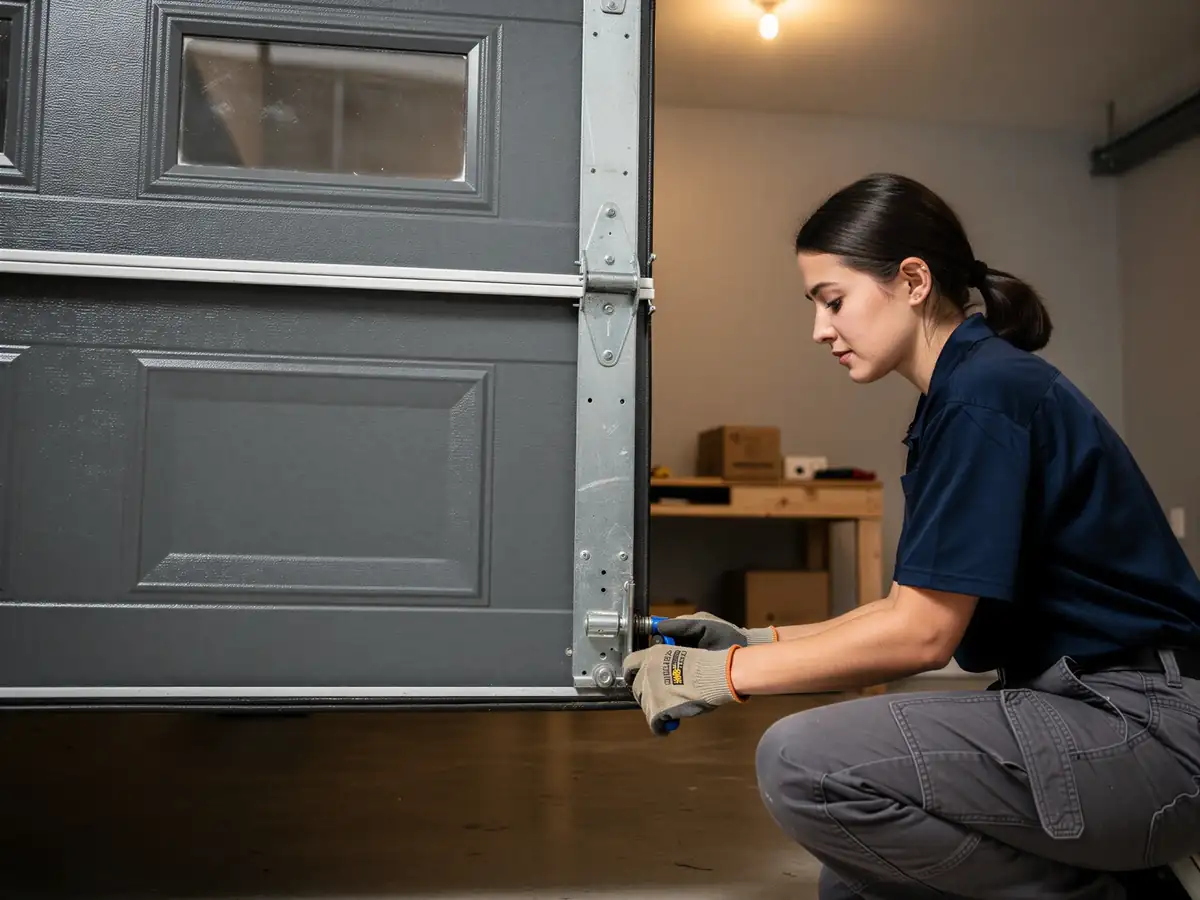
There's real stuff you can check yourself before calling anyone. Pull the release cord and move the door by hand - it should take roughly 8 to 10 pounds of force on a balanced door, not a wrestling match. Look at the bottom corner brackets for rust-through; on a door old enough to have never been touched, that's often where the frame fails first. Check that the photo-eye sensors (if the opener has them) are clean and aligned.
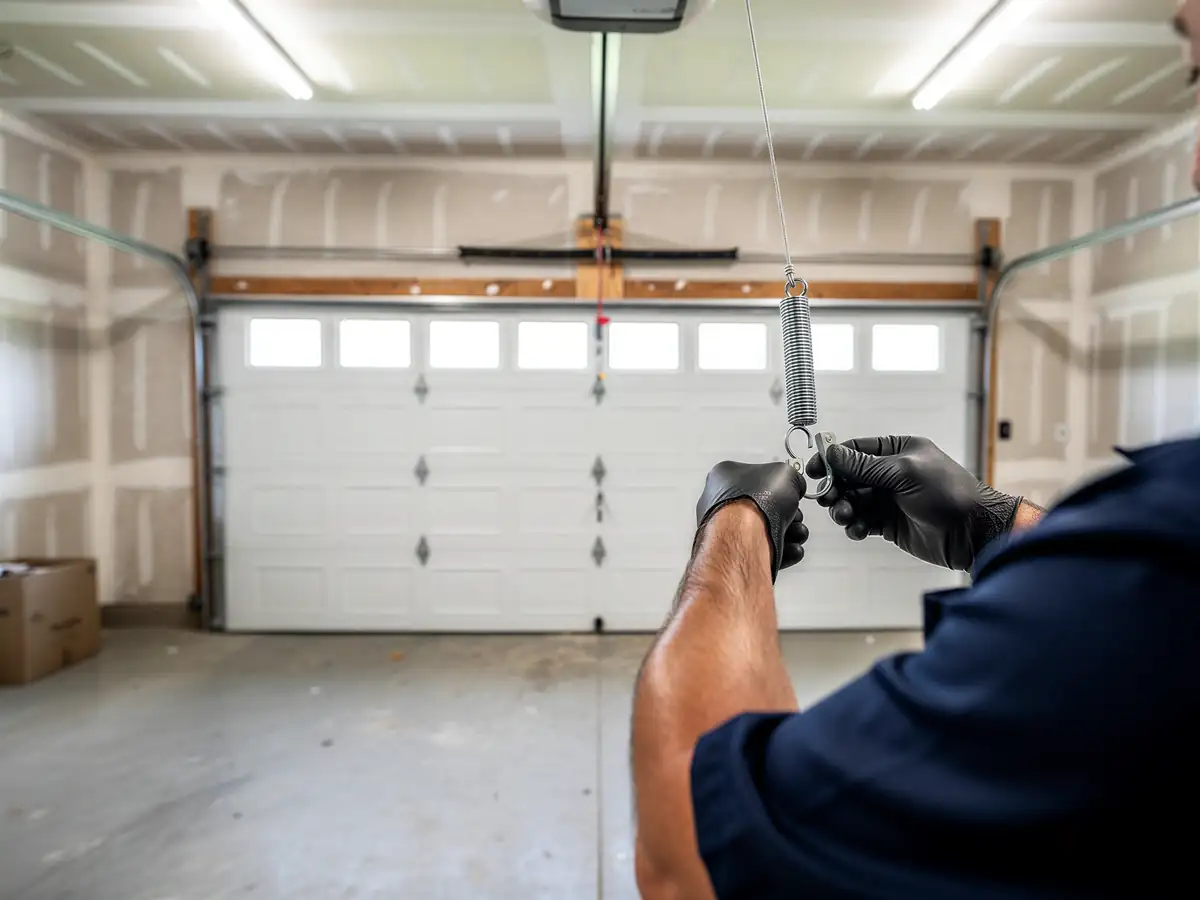
What we don't recommend doing yourself: touching the torsion spring itself. On a door with original 1968 hardware, that spring has had over half a century to wind tight under tension nobody's released since, and it's not a DIY job regardless of how many videos make it look simple. That one's not a cost-saving move, it's a trip-to-the-ER move.
Stocked Parts
Here's the honest limitation
Not every part on a door this old is something we carry on the truck. Rollers, standard springs, and common cable sizes, yes - those we stock because they fit most of what's out there across the service area. But some original 1968 hardware used fittings and bracket spacing that newer doors don't, and when we hit one of those on a New London job, we have to order it rather than swap it on the spot.
We'd rather tell you that up front than pretend every part is sitting in the van
If your door is original to the house, ask us directly whether the part needed is one we're carrying or one we're ordering - it changes the timeline and it's a fair question to ask before we start.