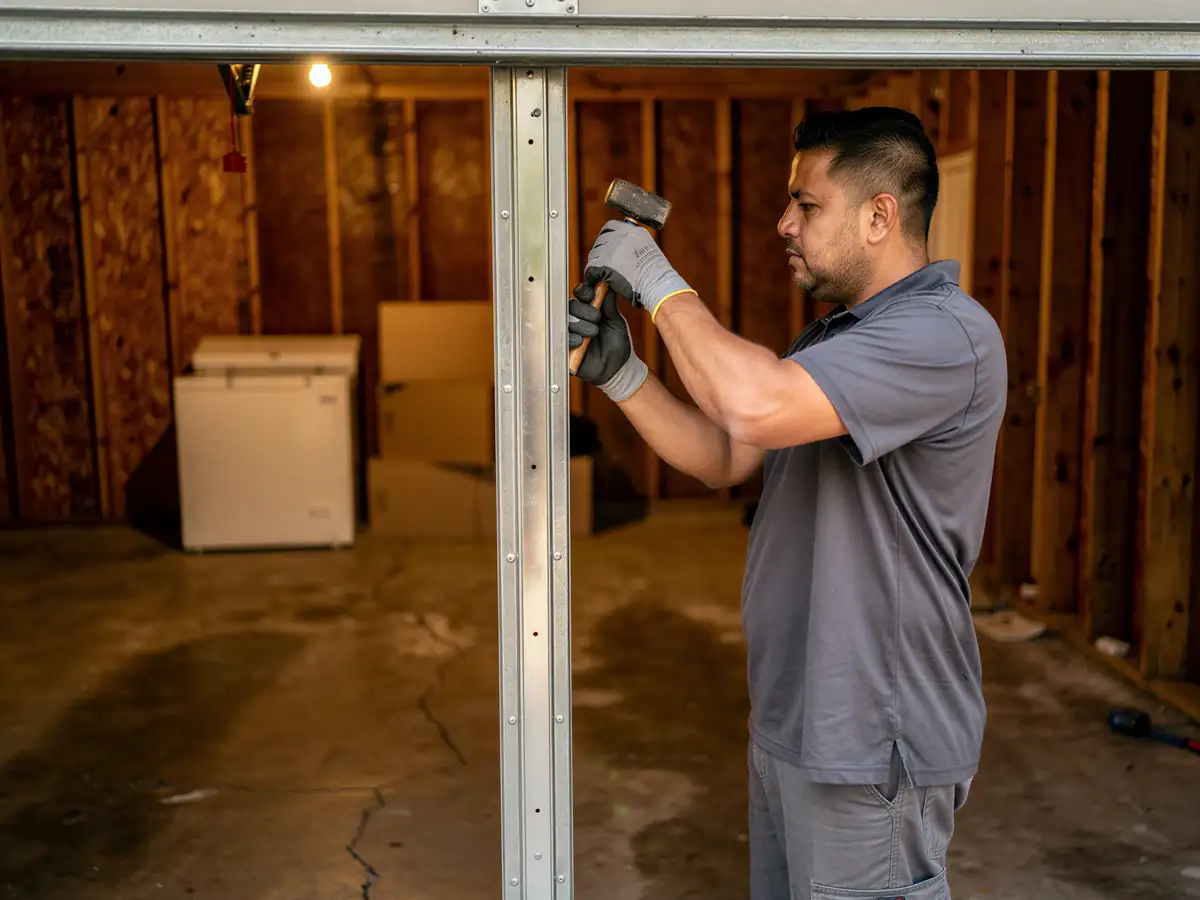
Doing It Yourself
Gilmer's median household income sits at $41,279, well under the $66,250 median across the wider service area. That gap matters here because it decides where the repair-or-replace line falls. A lot of homeowners in Gilmer try to stretch a door another year rather than face a full replacement, and for houses built around 1973 that's often the right call - a worn roller or a frayed cable is a $150-$300 fix, not a $1,500 one.
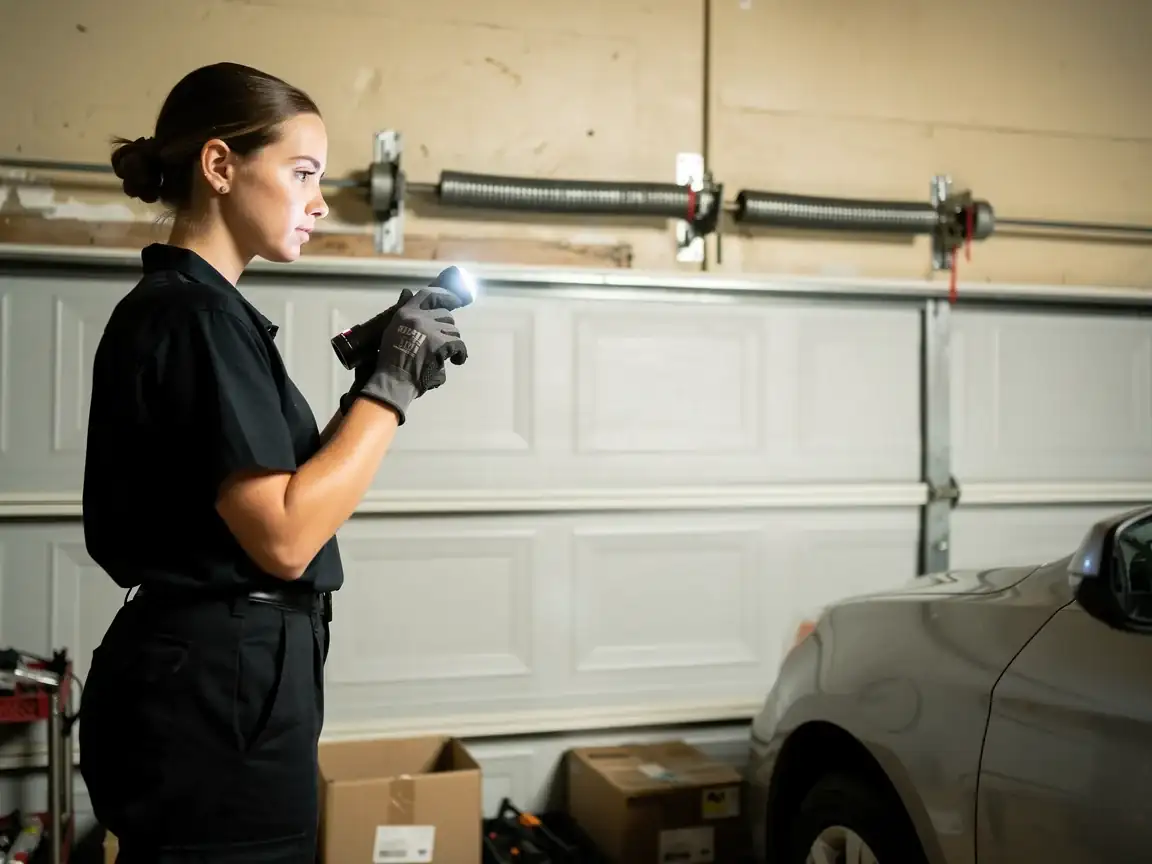
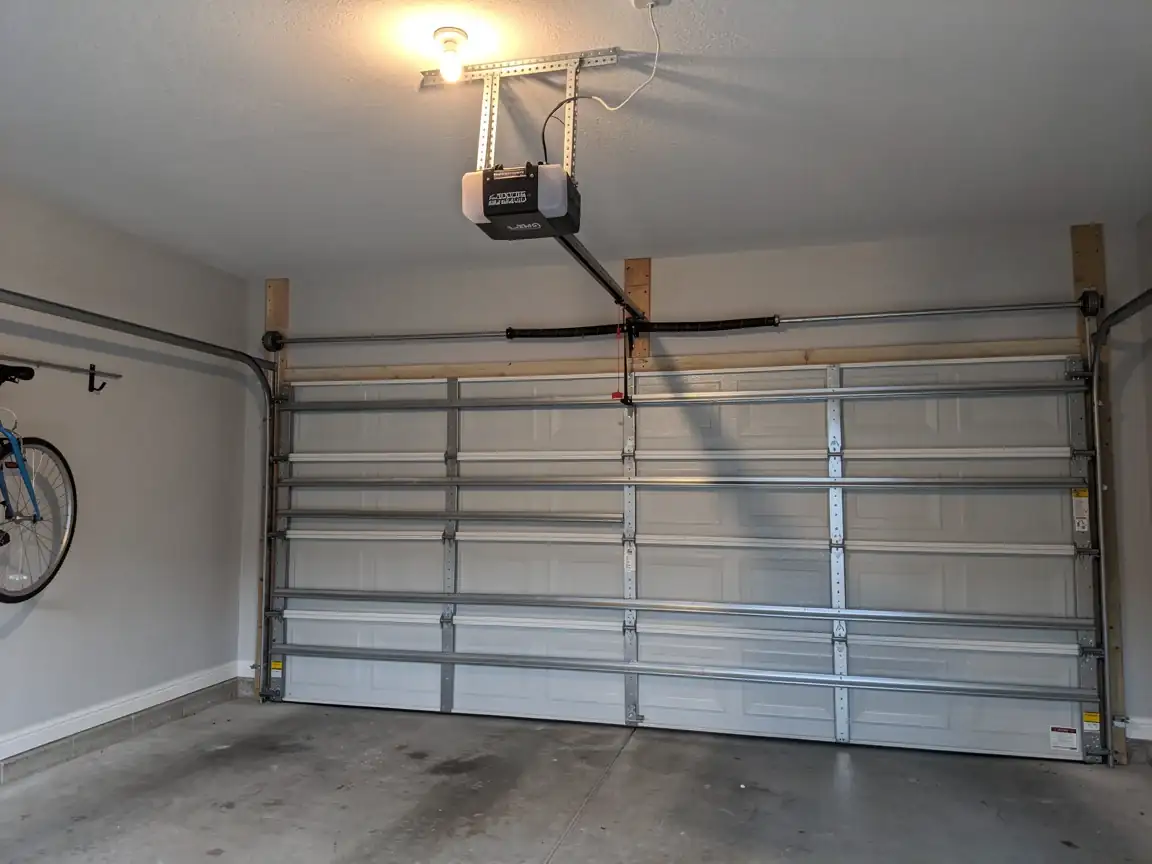
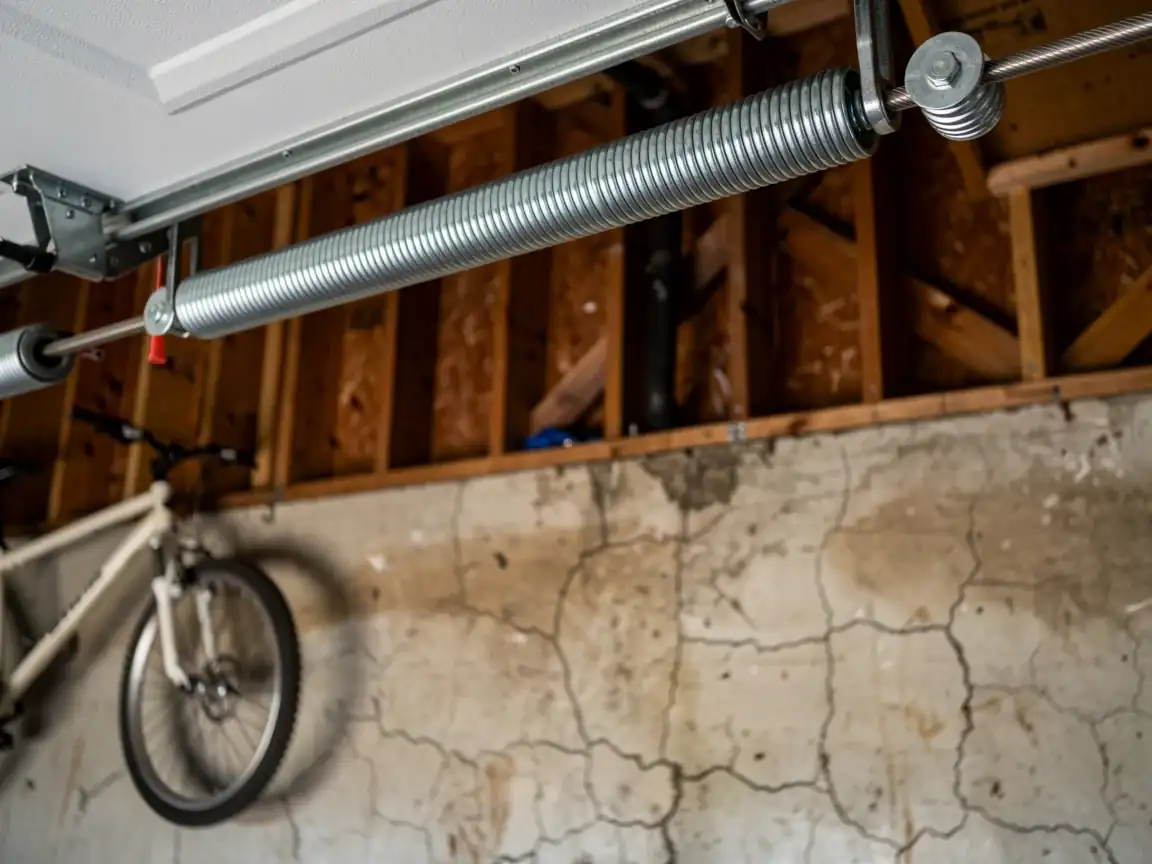
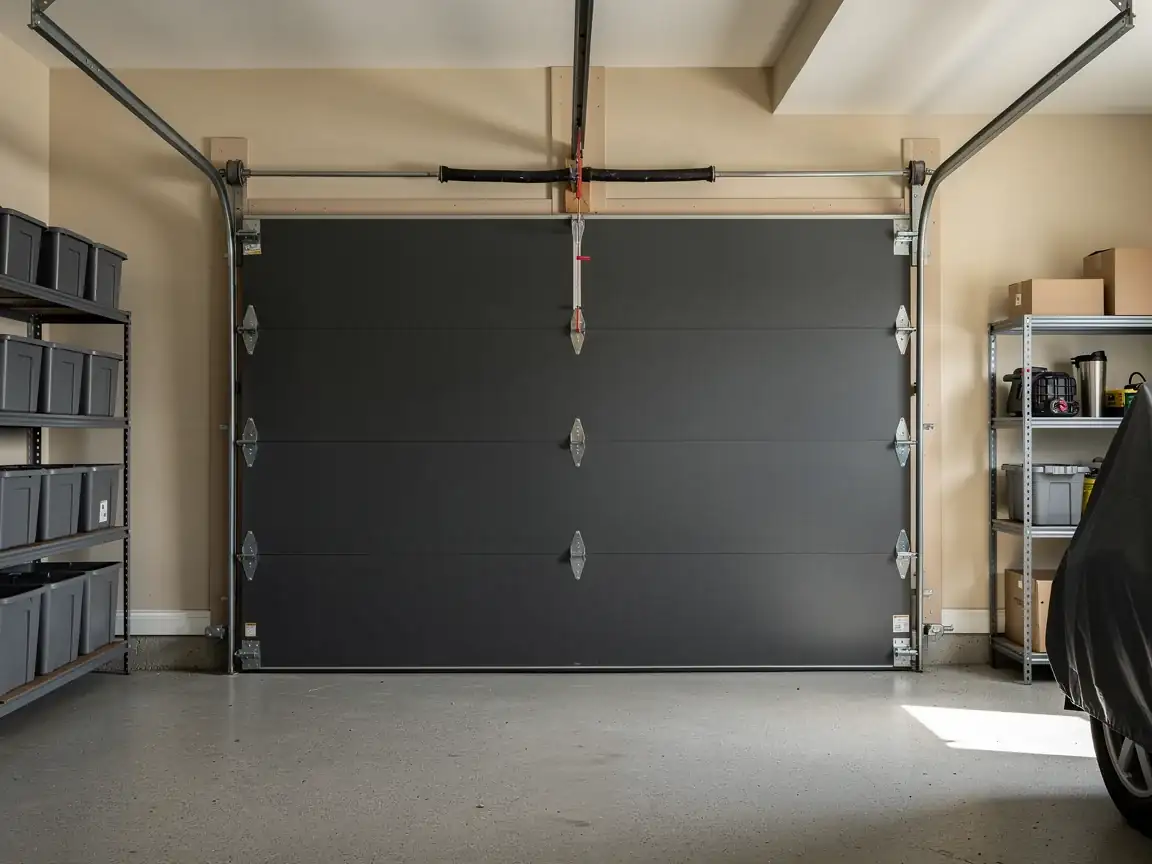
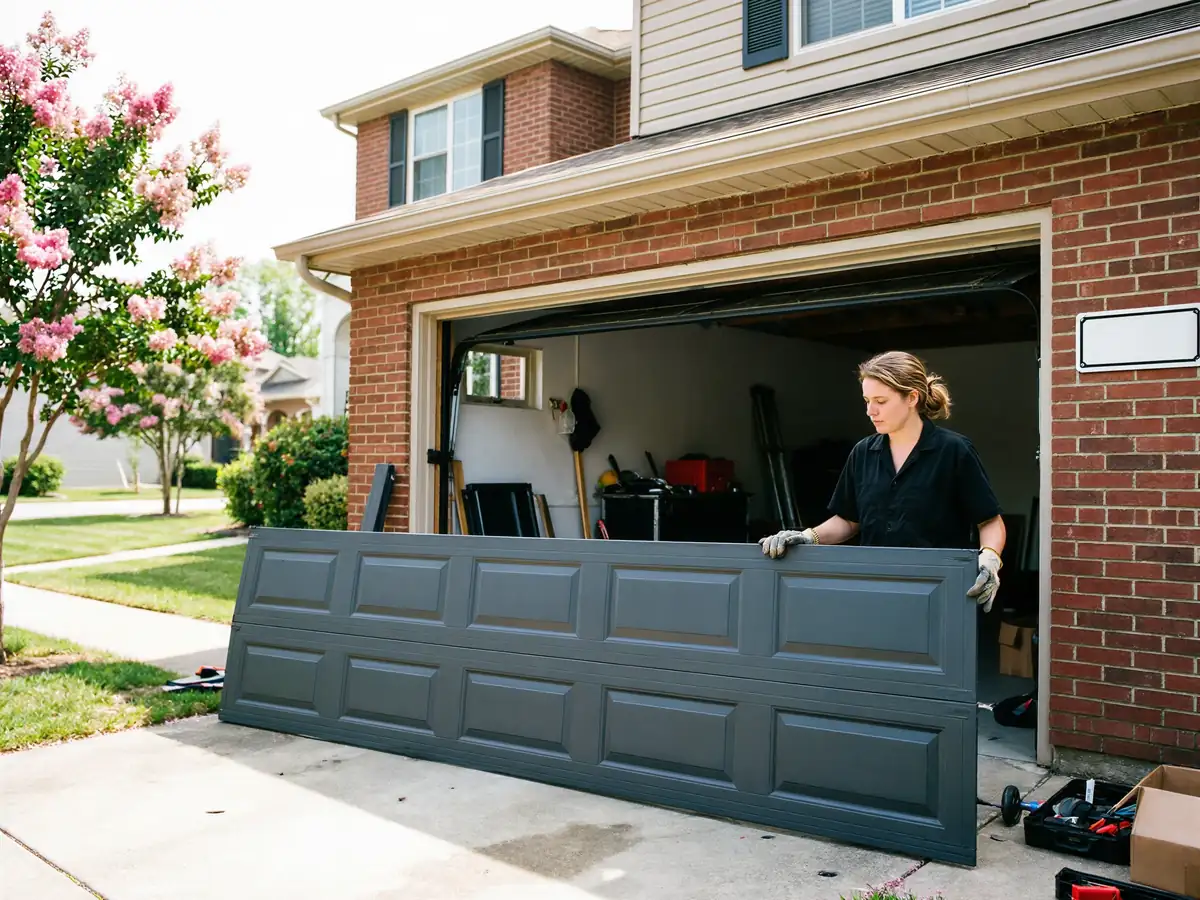
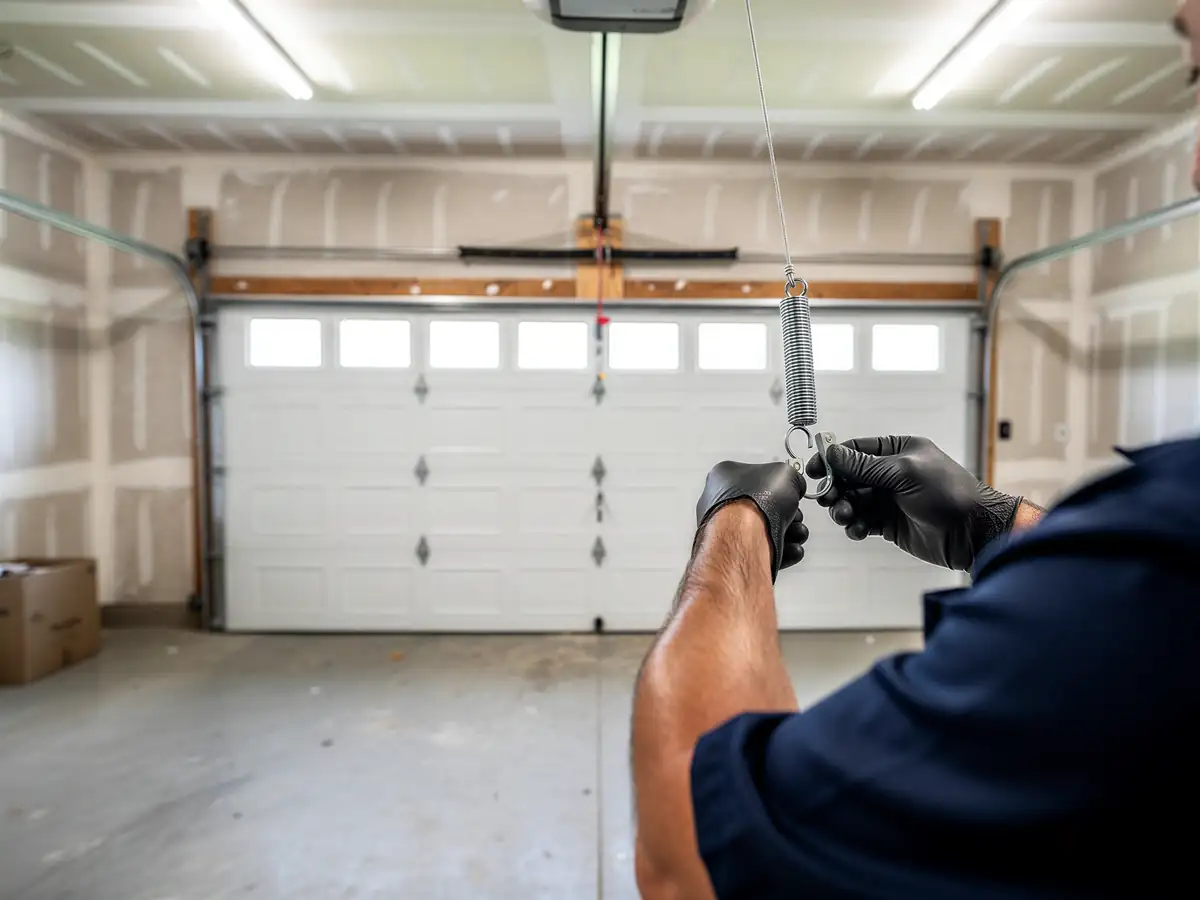
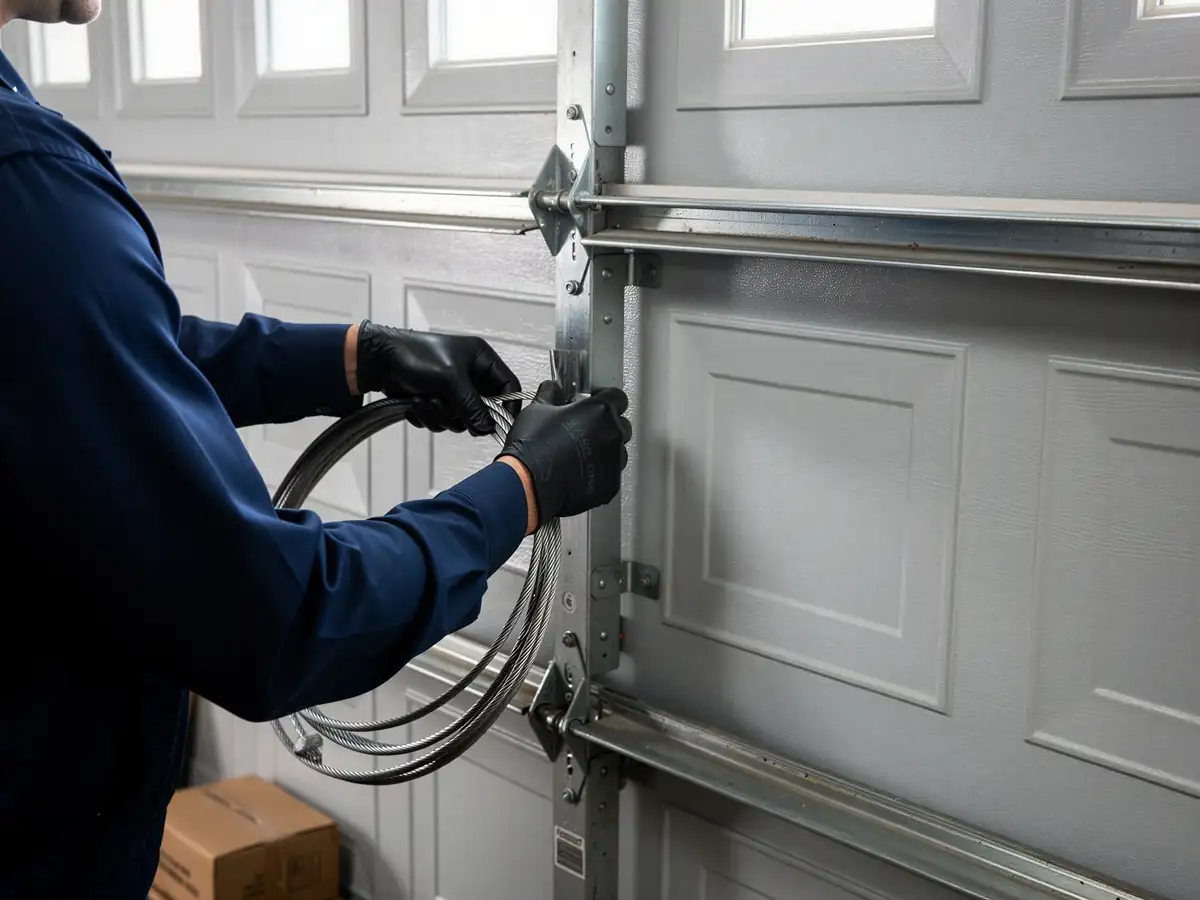
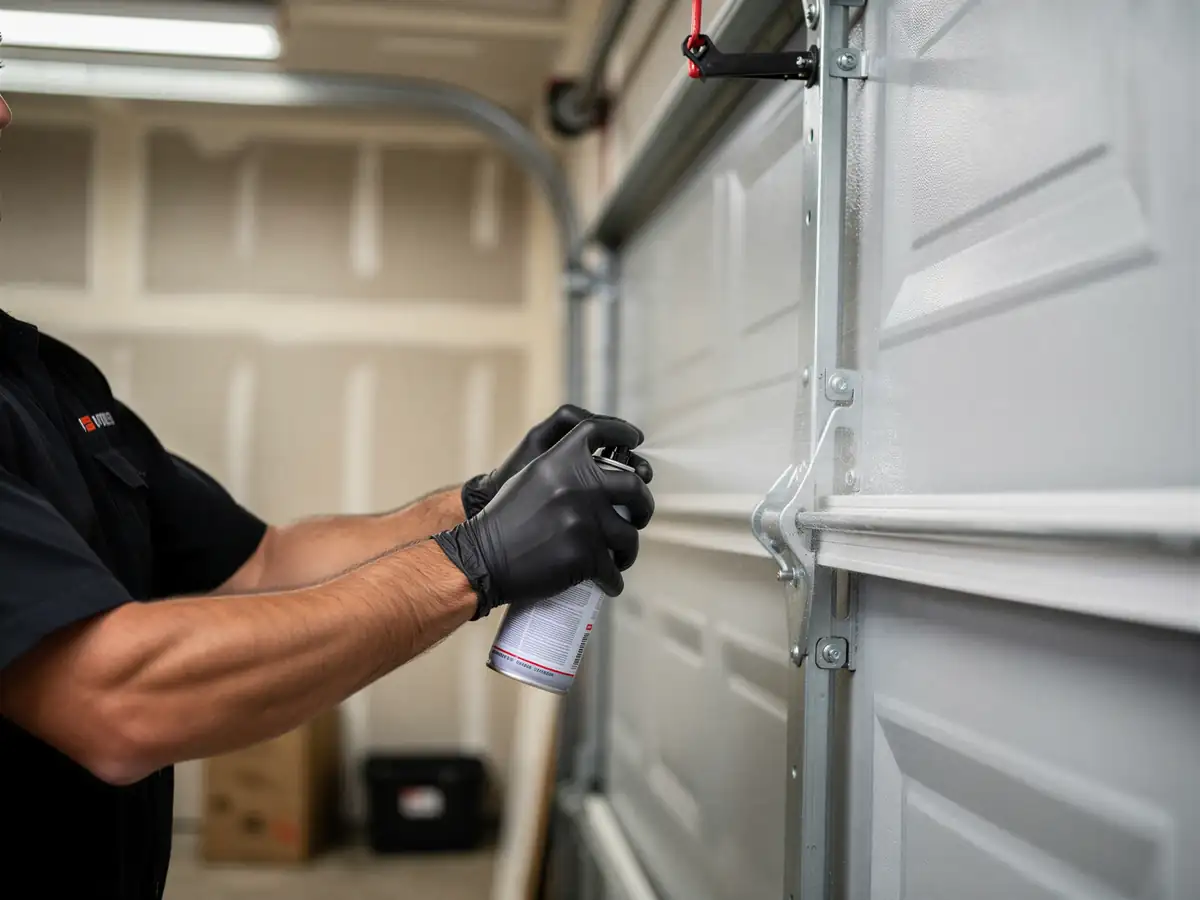
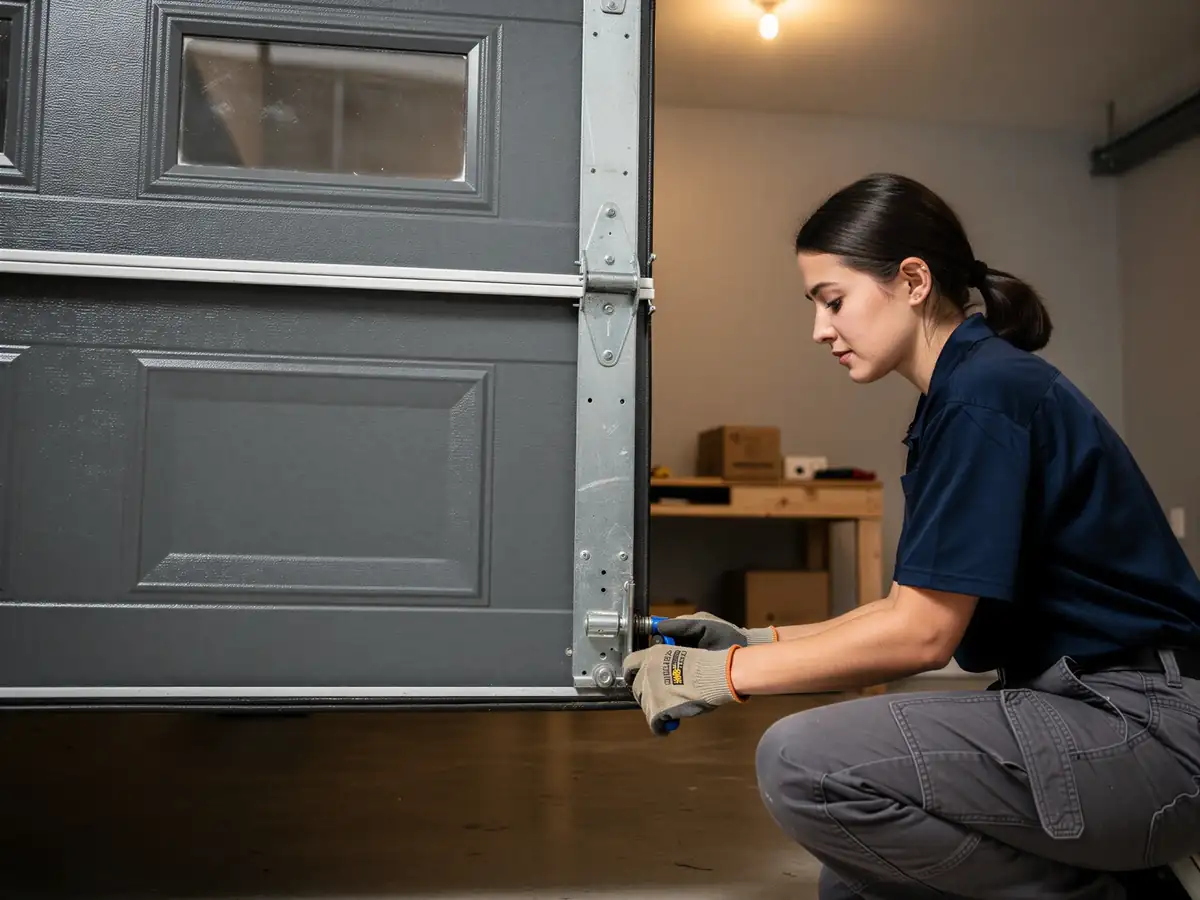
What you can safely do yourself: lubricate rollers and hinges, tighten loose hardware on the track, clear debris from the photo-eye sensors, and check that the door balances when disconnected from the opener (it should hold position halfway up). What you should not touch: torsion springs. A door built in the early 1970s almost always carries the original-style torsion setup, wound under several hundred pounds of tension, and it does not forgive a mistake. If the door won't hold balance, or a cable looks frayed near the drum, that's a call, not a weekend project.
We're honest that not every job is worth doing at all - if the door and opener are both near the end of their life, a repair bill on top of a repair bill stops making sense, and we'll say so instead of running the meter.
Stocked Parts
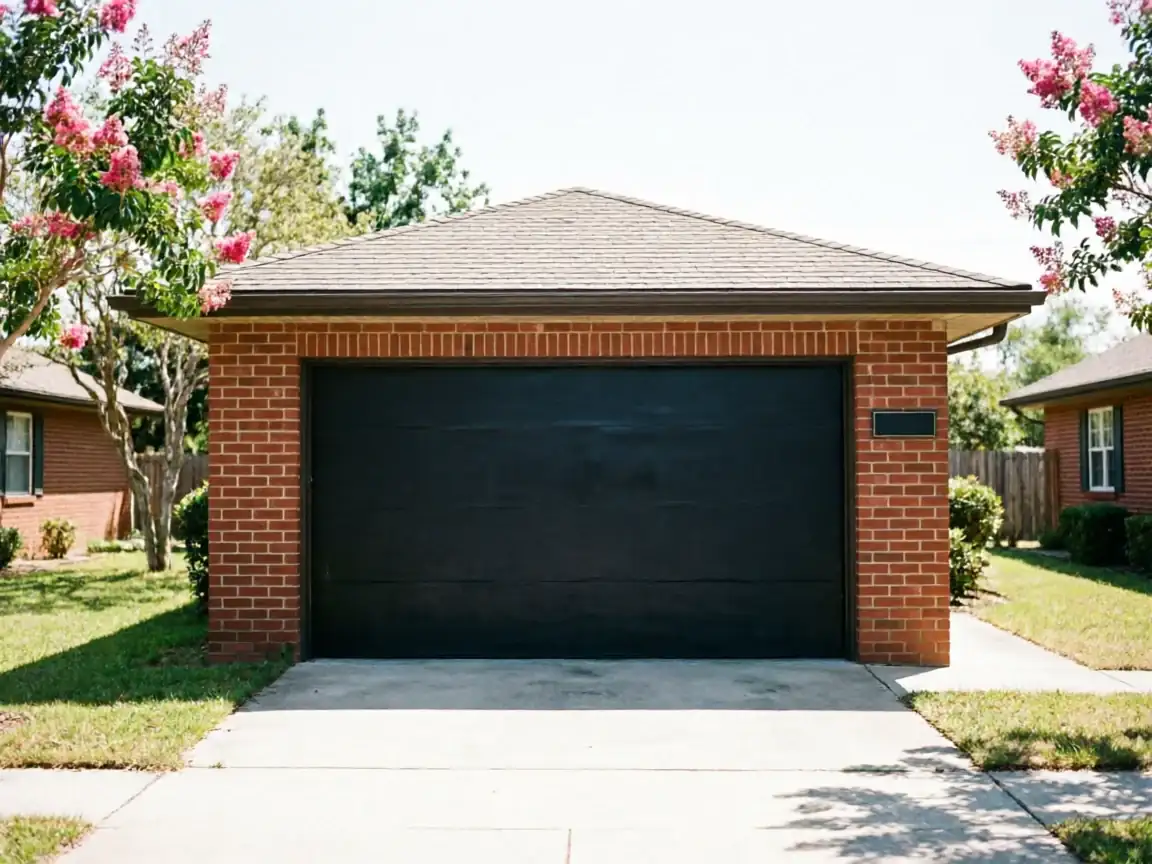
Housing across the broader service area runs 1968 to 1994, median 1981, but Gilmer's own stock centers closer to 1973 - a bit older than the regional average. That matters for parts. Doors from this era typically use one-piece or early sectional panels on torsion or extension springs sized for the lighter steel of that period, and the hinges and end bearing plates are often a gauge you don't find on a shelf at a big box store.
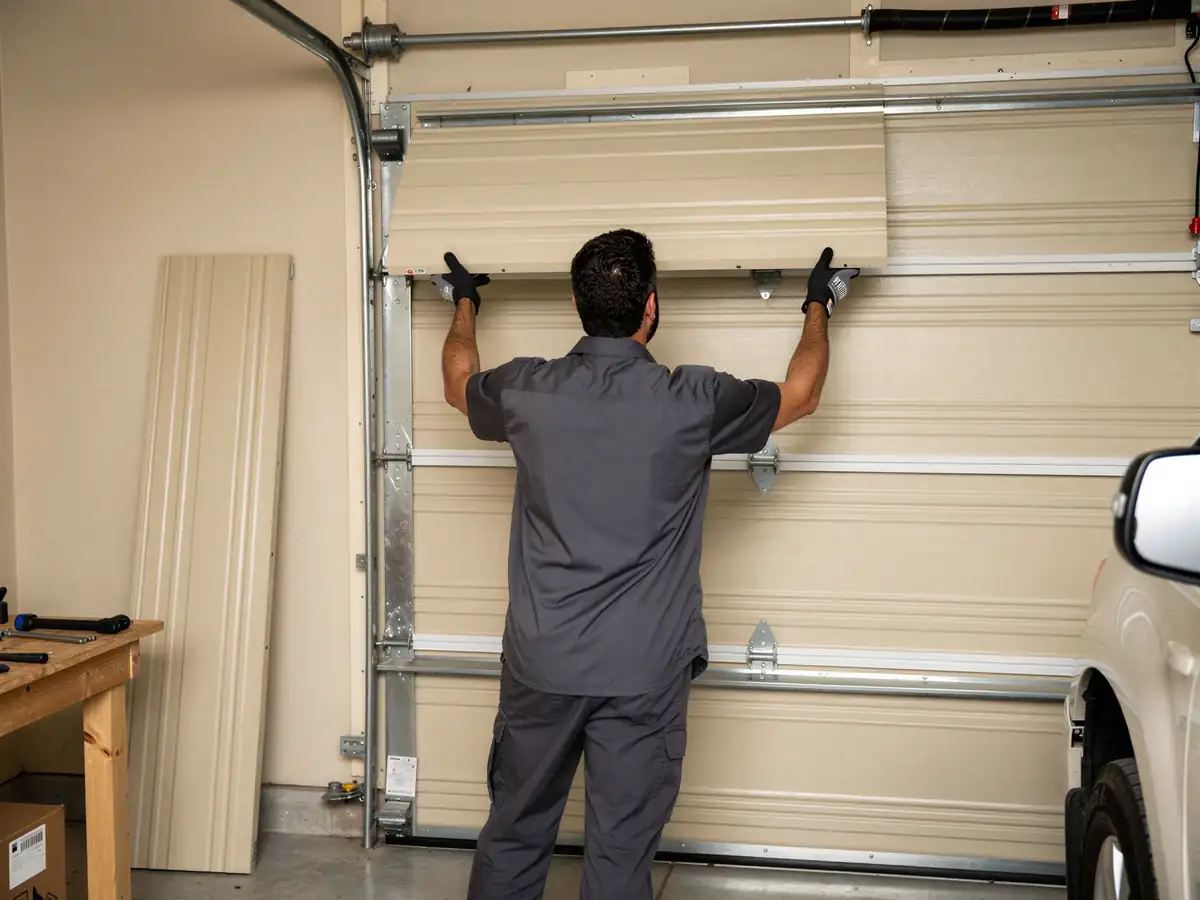
We carry springs, cables, rollers, and hinges sized for that 1970s-era hardware on the truck, along with the more common modern parts for houses that have already had a door swap. What we don't stock: obsolete opener logic boards for drive systems that have been out of production for years. If a door still has its original opener from that build era, the part sometimes has to be sourced, and we'll tell you that up front rather than promise a same-day fix we can't deliver.
East Texas heat is moderate rather than extreme, so we're not chasing the kind of seal failure you'd see in a harsher climate - most of what we replace in Gilmer is mechanical wear, not weather damage.
What It Costs
At a median household income of $41,279, a garage door bill has to earn its place in the budget
So we price Gilmer jobs the same way we'd want quoted to us: spring replacement, cable replacement, roller and hinge swaps, and opener repair are each priced as their own line, not bundled into a bigger number to pad the invoice.
- $41,279 median household income
We don't publish a flat rate here because the parts on a 1973-era door aren't the same as the parts on a door installed last decade
And the price follows the hardware, not the town. What we can tell you is the shape of the decision: if a door needs a second major repair within a couple of years, or the opener and the springs are failing around the same time, replacement usually costs less over five years than repeat service calls. We'll lay out both numbers before we start, not after.
Booking a Visit
We run out of Longview, about 18 miles from Gilmer, and we fold Gilmer calls into the same route as the rest of the coverage area rather than treating it as a separate branch - there's no local depot here, just a truck that comes out. Tell us what the door is doing (won't open, stuck halfway, grinding noise, opener clicking but nothing moving) and we can usually tell you over the phone whether it's a spring, a cable, or the opener itself before we're on the road.
Because we're driving in rather than working from a shop down the street, it helps to have the make of the opener and a rough age of the door ready when you call - that's often enough to bring the right spring size and cable length on the first trip instead of a second one.