Doing It Yourself
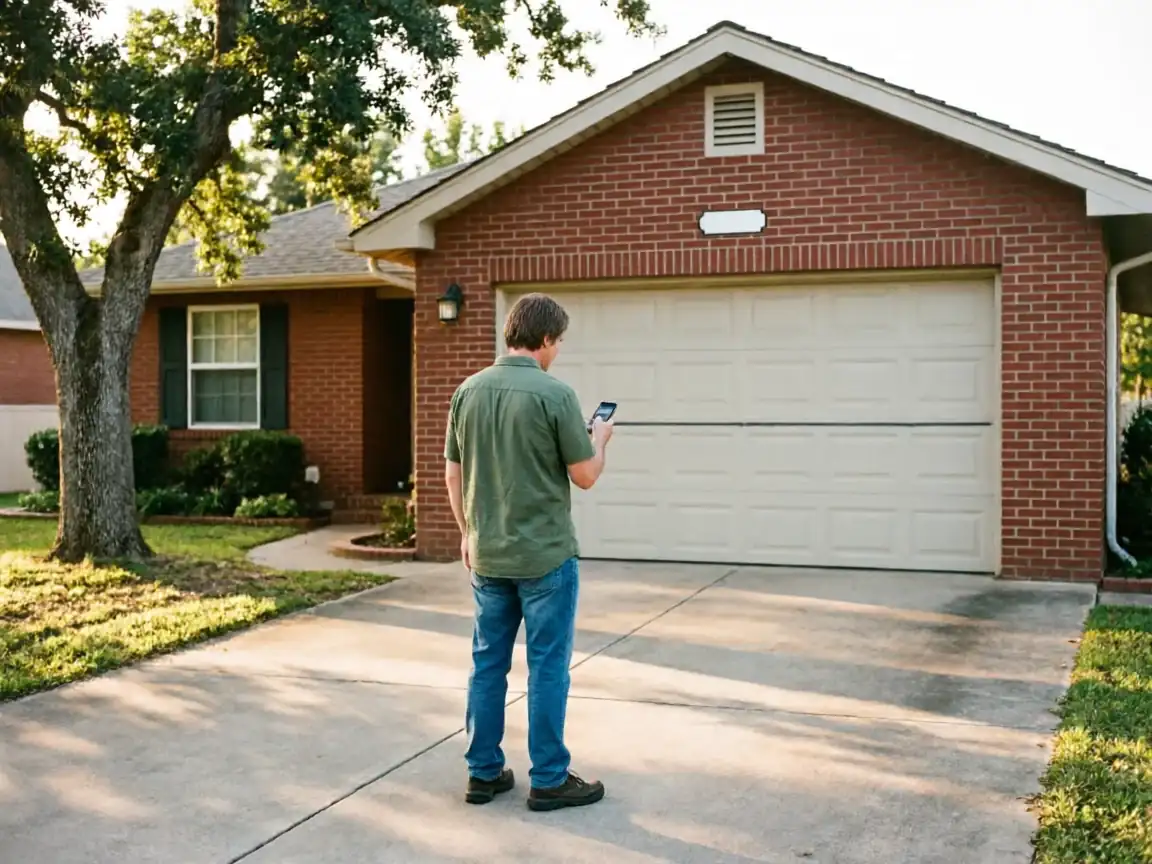
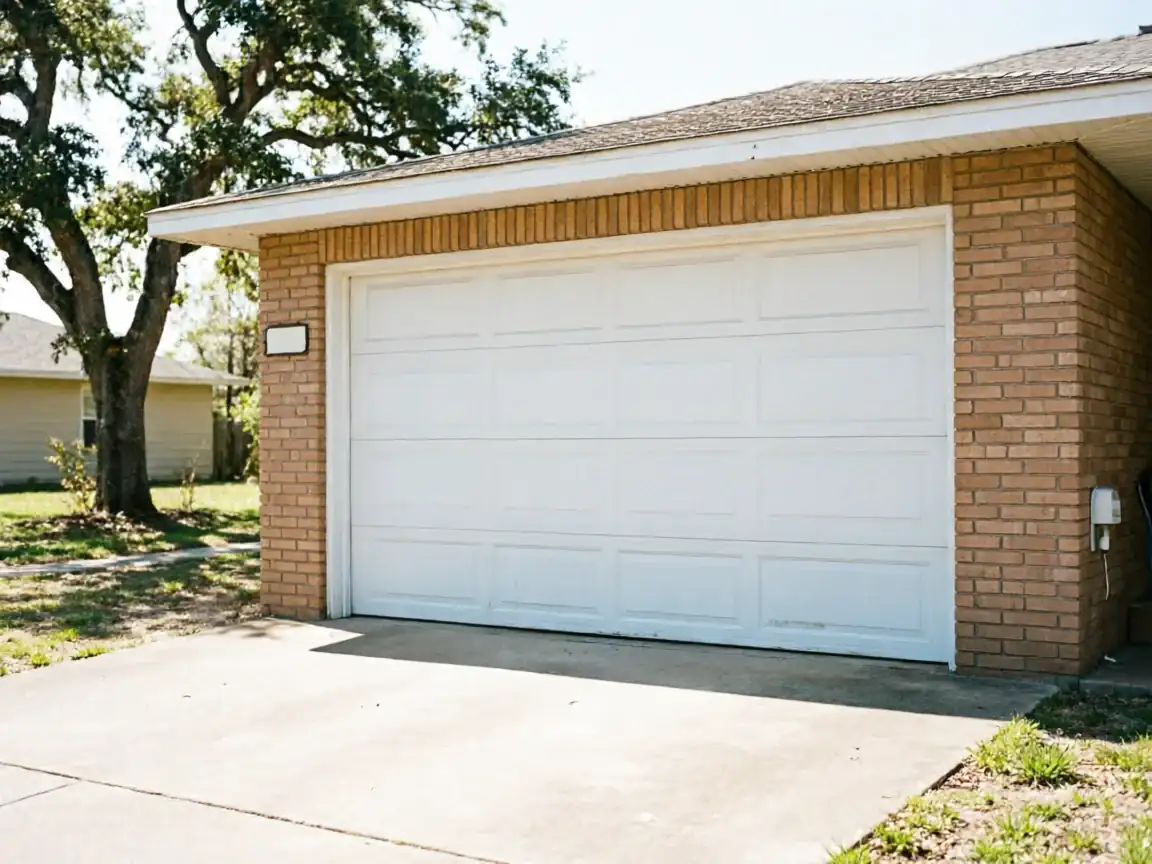
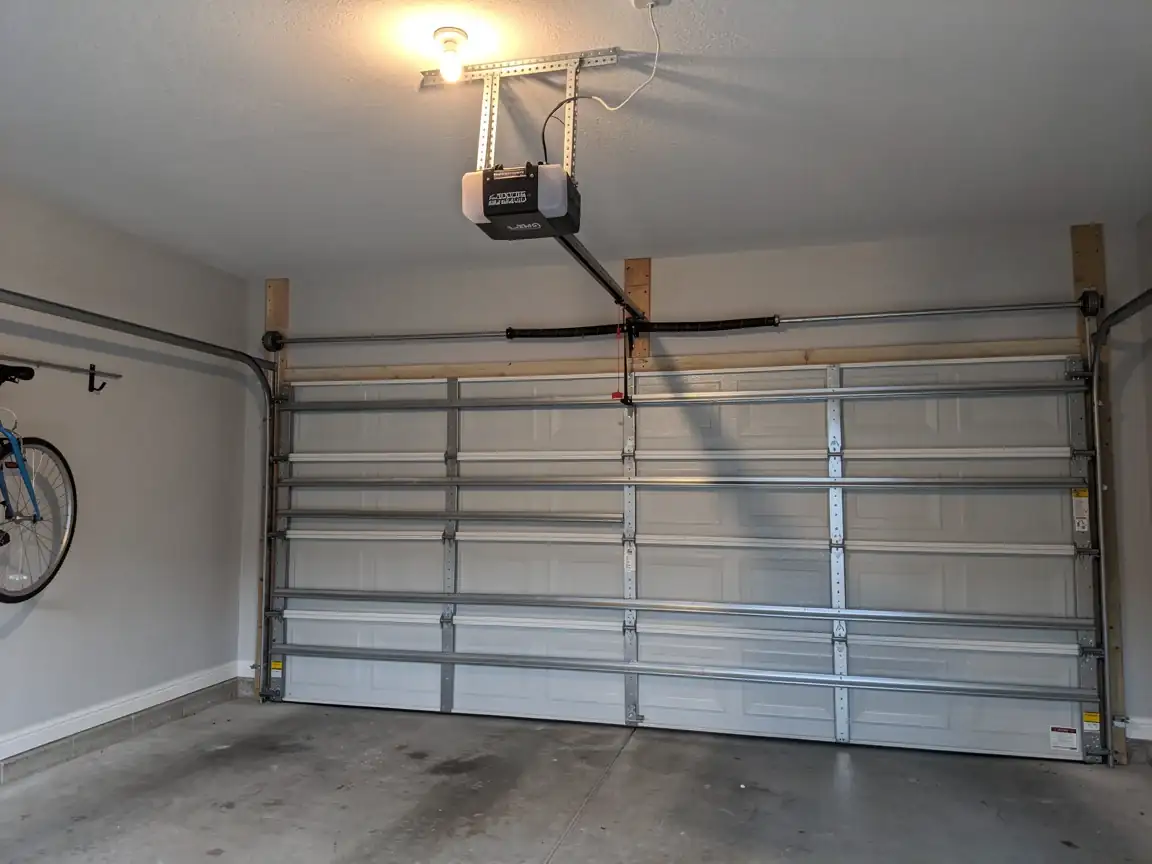
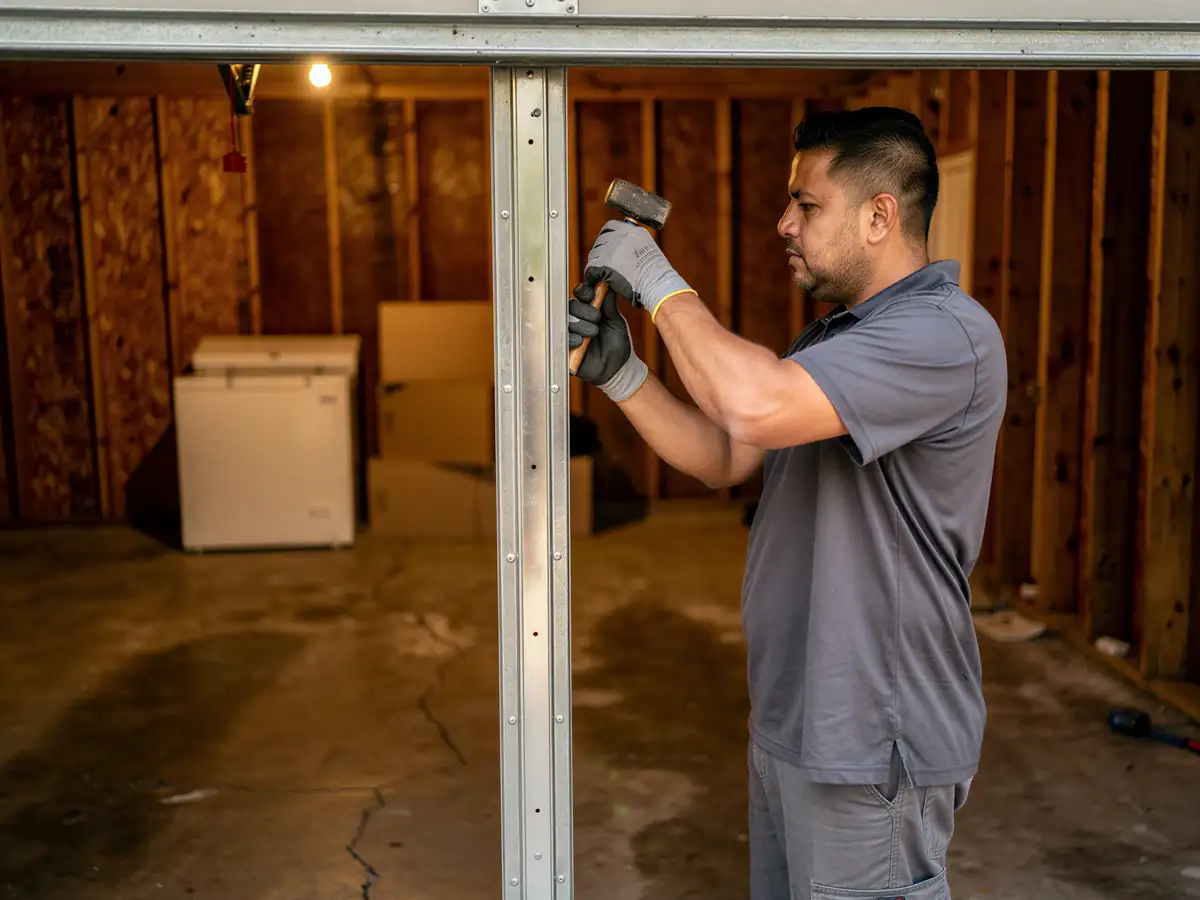
Most houses in Gilmer went up around 1973, which puts the typical door here ahead of the broader service area's median build year of 1981. That eight-year gap matters: a door from the early-to-mid 1970s is more likely to be an original steel sectional, often an 8-foot single or a 16-foot double, hung on galvanized track that's shown a half-century of Texas sun. Before you touch anything, look at the track mounting brackets - on houses this age they're often lag-bolted directly into jamb wood that's had decades to dry and shrink, so a bracket that looks tight can still be pulling loose at the screw.
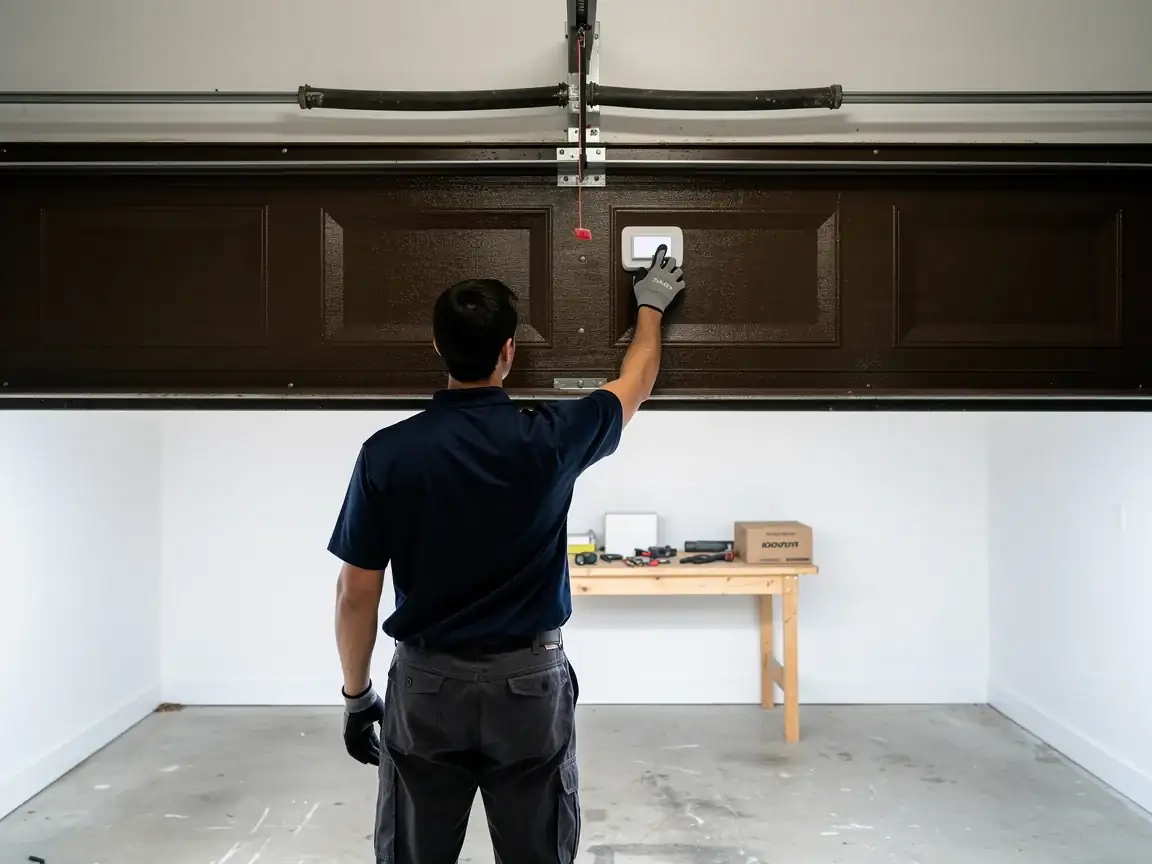
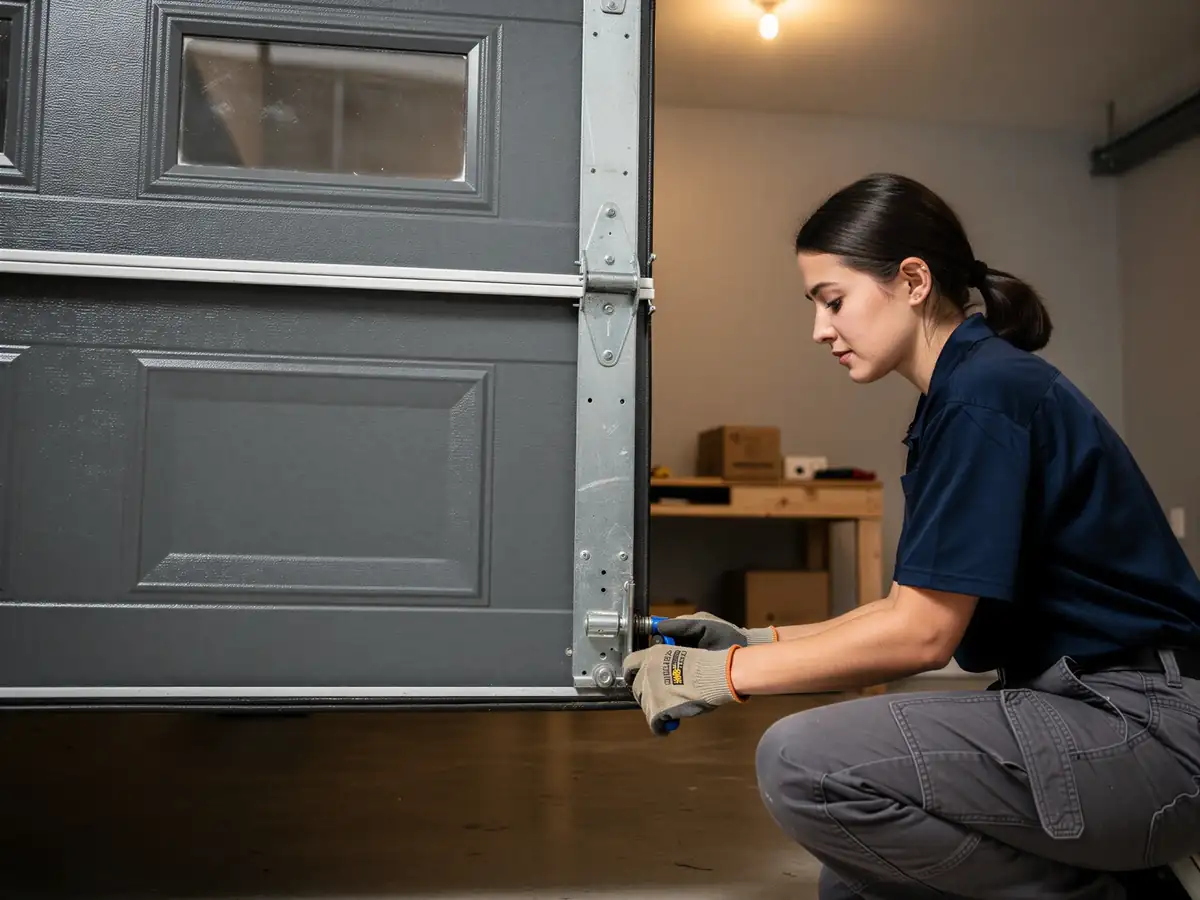
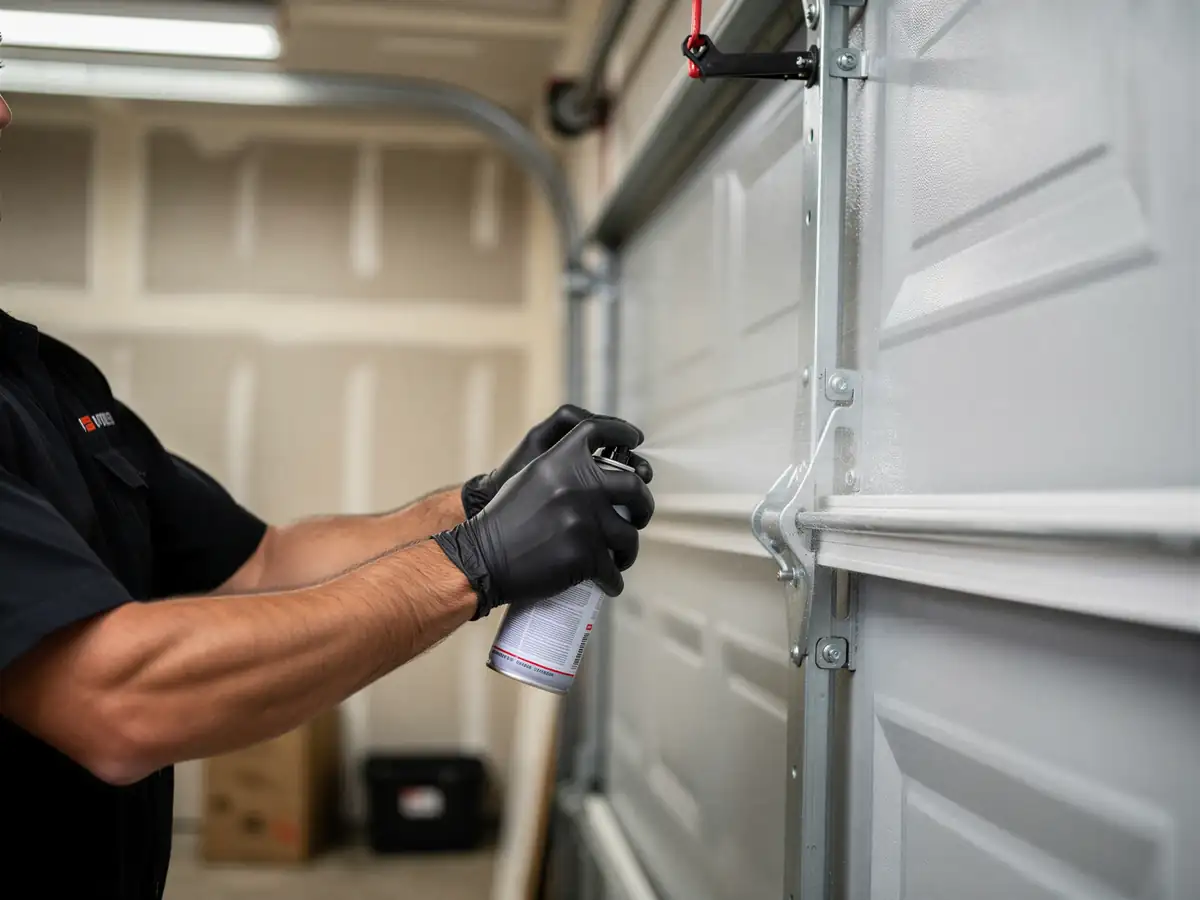
You can do real maintenance yourself without special tools. Wipe the tracks down and check for flaking rust where they bolt to the wall. Lubricate rollers and hinges with a garage-door-specific lubricant, not WD-40, which washes out grease rather than replacing it. In our moderate-heat climate band, that lubrication schedule matters more than owners expect, since repeated heat cycling dries out old grease faster than people assume. Check that the photo-eye sensors, if the opener has been upgraded since the door was installed, are clear and aligned.
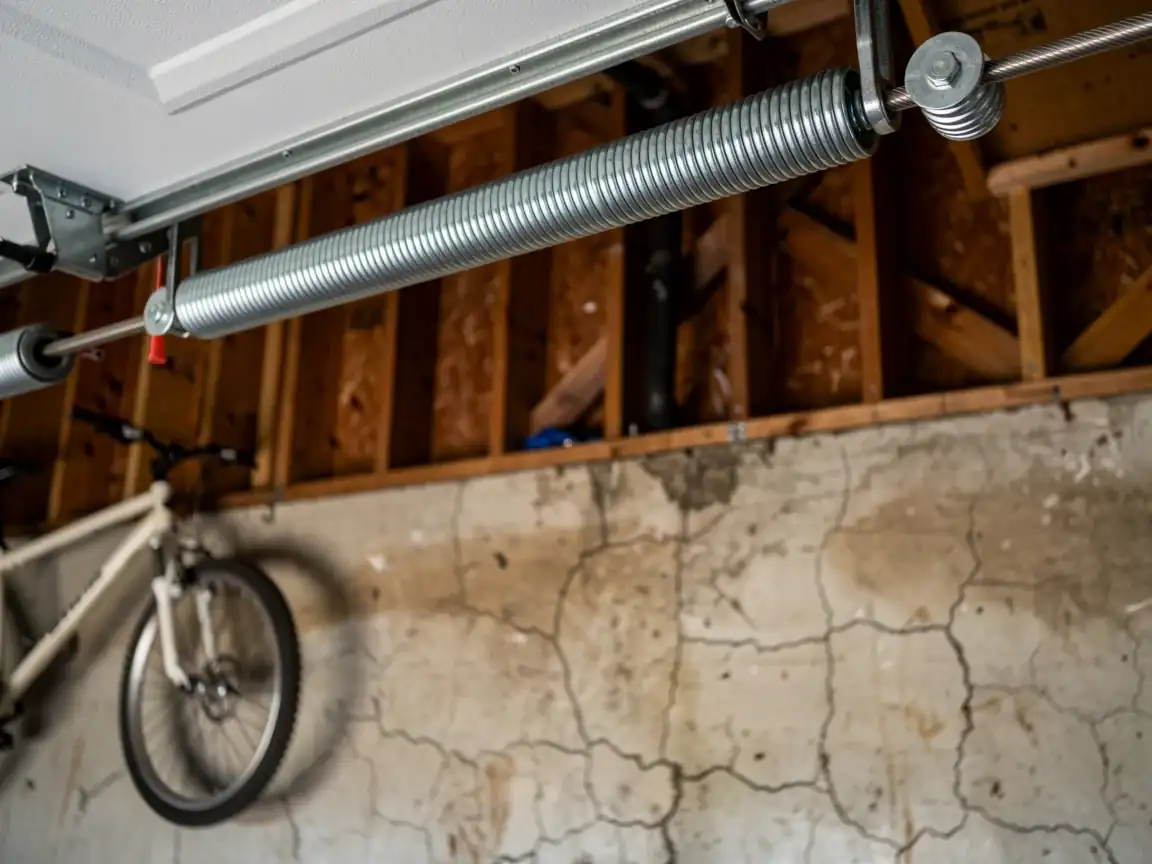
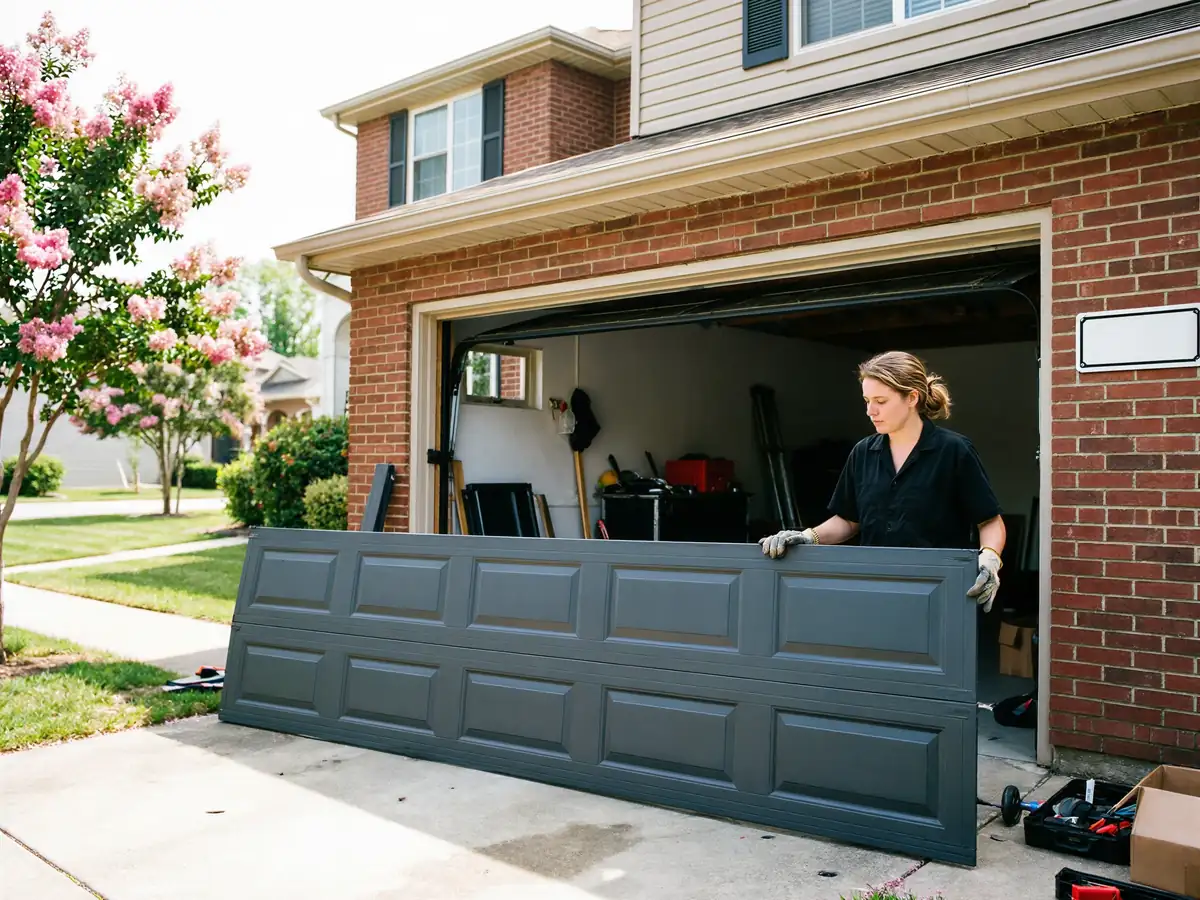
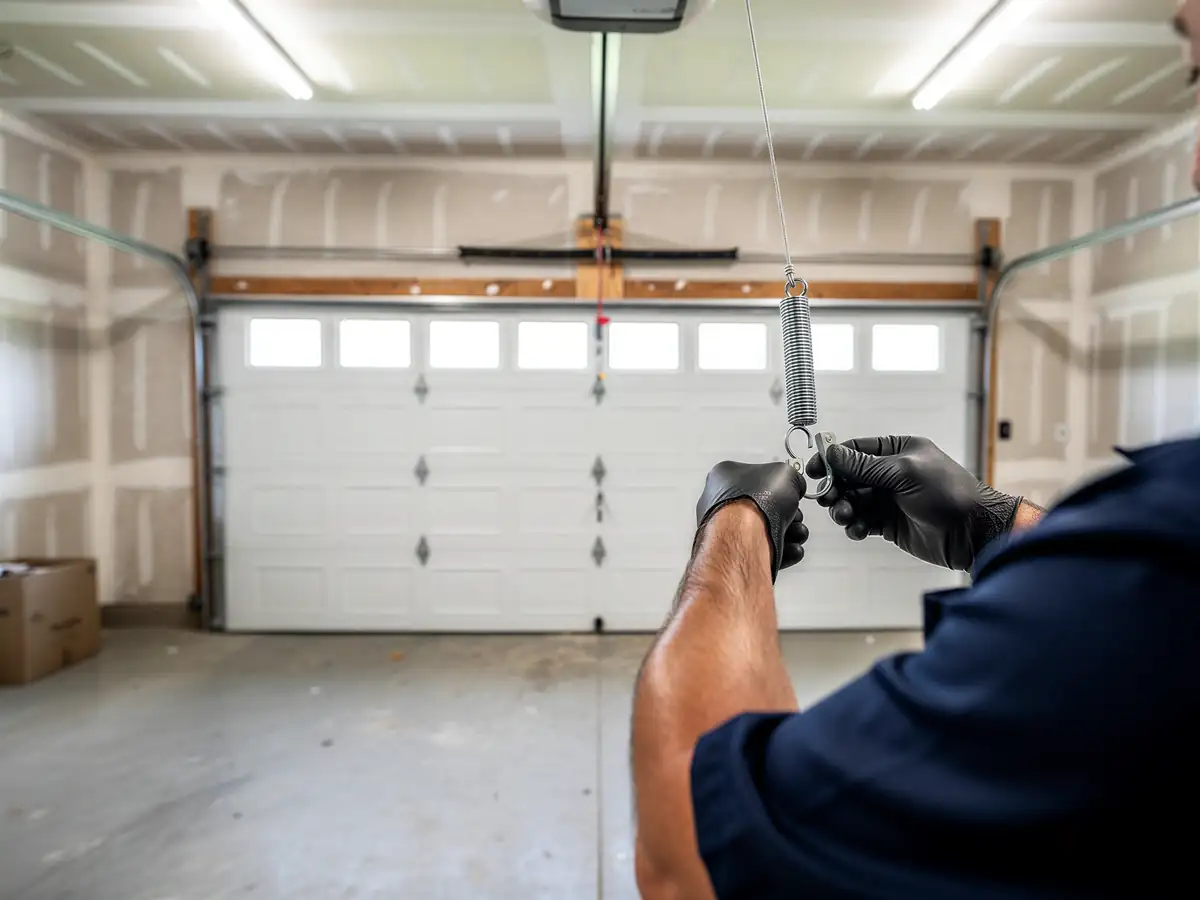
What you should not do yourself: touch a torsion spring under tension, or try to re-tension an extension spring system. Those are where a 1970s-era door bites back, and it's not worth the trip to the ER to save a service call.
Stocked Parts
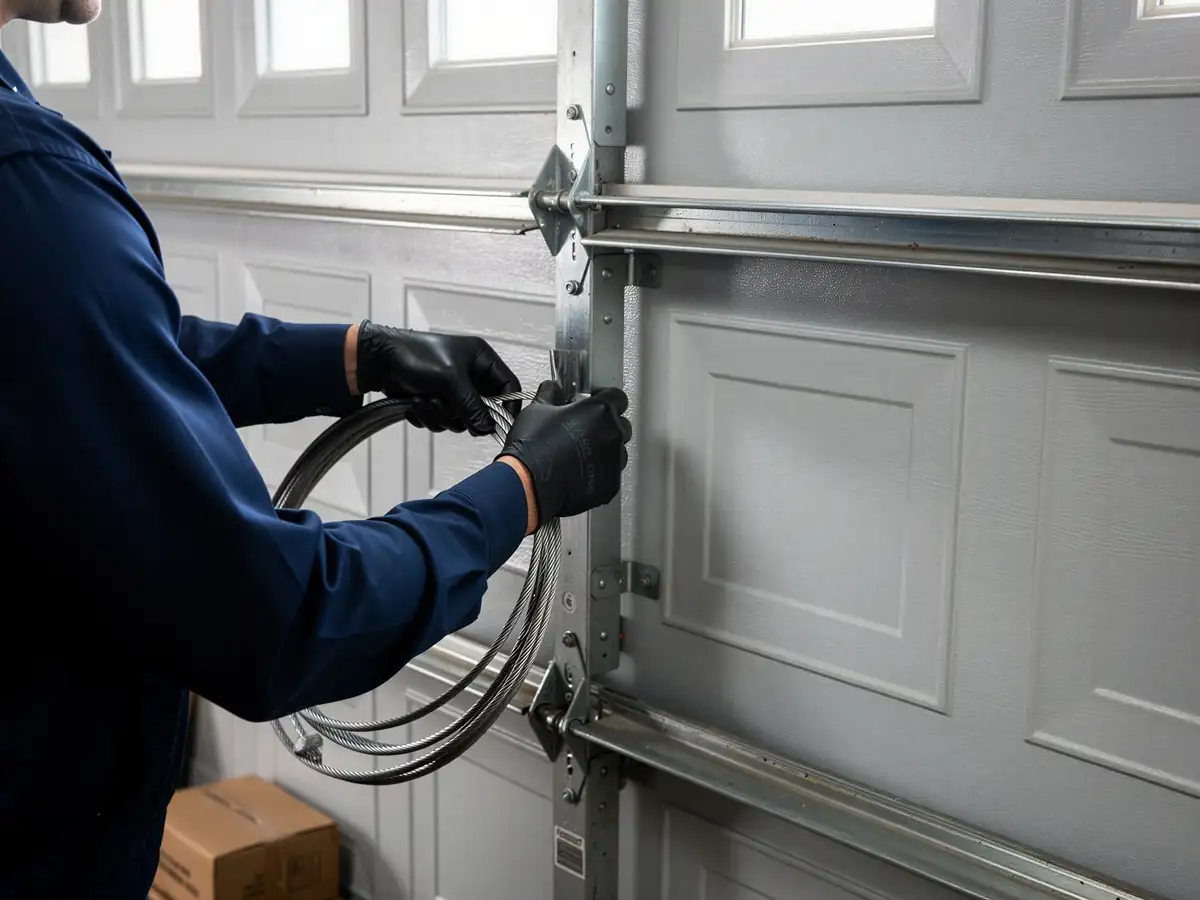
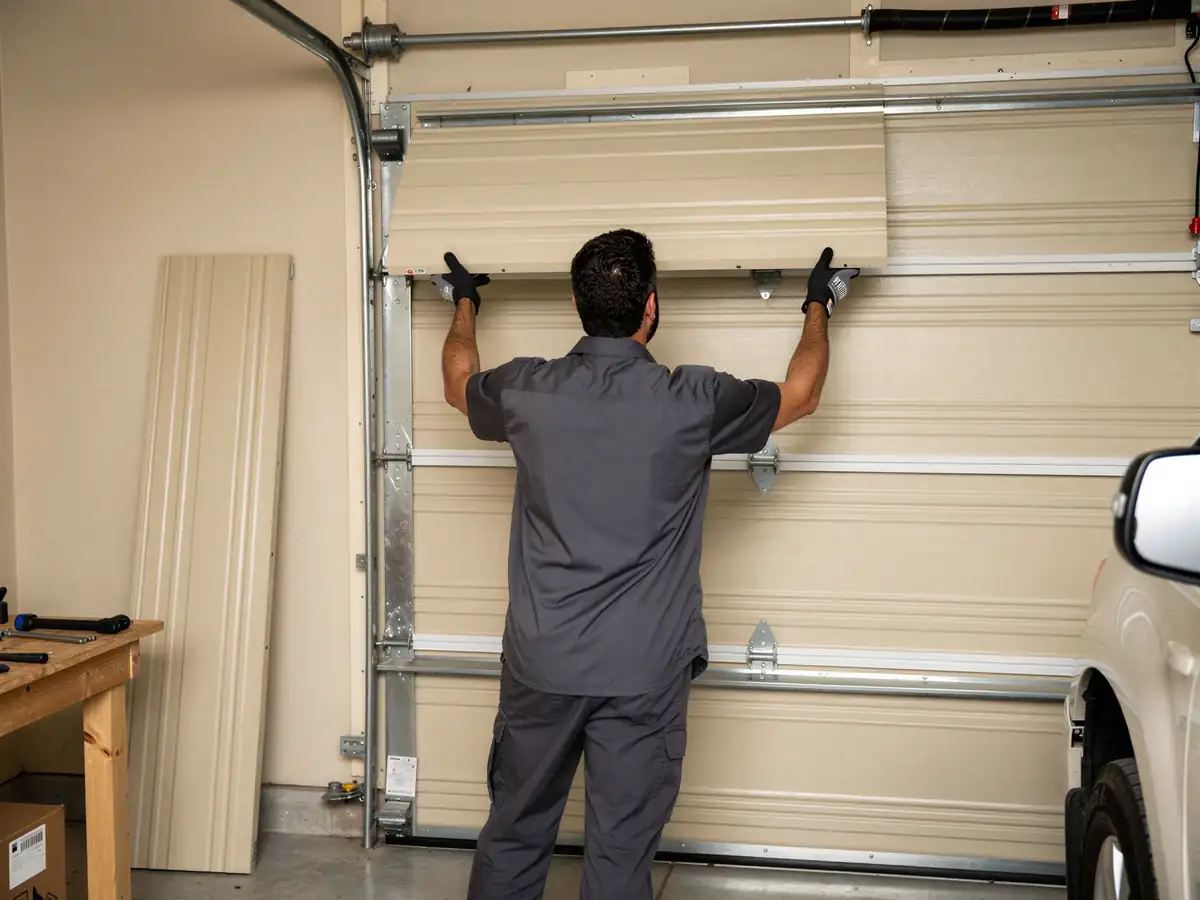
A door built when Gilmer's typical house went up - 1973 - often still runs original or early-replacement hardware: steel rollers without nylon sleeves, extension springs rather than torsion, and lift cable sized for a lighter panel than what's sold today. None of that is exotic, but it also isn't what gets carried as standard stock on every service truck, because newer neighborhoods elsewhere in the service area skew toward torsion systems built to 1980s-90s spec.
Here's the honest limitation: we come out from Longview, 18 miles away, and we don't keep a parts depot in Gilmer. Common rollers, standard torsion springs, and cable in typical sizes ride on the truck. A specific part for an older extension-spring setup or an odd-width panel sometimes has to be ordered after the first visit, which can mean a short wait before the second trip. We'd rather tell you that up front than pretend every job wraps in one stop.
If your door still has its original hardware from the early '70s, mention that when you book. It changes what we bring and can save a return visit.
What It Costs
Gilmer's median household income runs lower than the wider Longview service area's $66,250
Closer to $41,279 locally - and that's worth naming because it changes the math on repair versus replacement more than it would in a wealthier suburb. A full tune-up (lubrication, hardware check, spring balance test, track alignment) costs the same whether the house is from 1973 or 1993; the difference shows up when something's actually broken.
On an older door, a cracked panel or a pitted torsion spring often costs less to fix piece by piece than to replace the whole unit
Especially since a 1970s door is usually a simpler single-layer steel panel without the insulation and windows that drive up today's replacement pricing. We don't have a flat number to quote here - every job depends on what's actually failed and whether parts are on the truck or need ordering - but a maintenance visit is the cheapest way to find small problems before they become a full panel or spring replacement.
We won't push a full door swap on a structure that's sound just because it's older
If the track is good and the panel's intact, a repair is usually the right call.
Booking a Visit
We cover Gilmer from our Longview base, about 18 miles out, along with the other towns in the service area. Because Gilmer's 1,779 households are spread across a smaller town than some of our other stops, we schedule maintenance visits in blocks when we can, which sometimes means a specific day works better than calling for a same-day slot.
When you book, tell us the rough age of your door if you know it - original to the house or replaced since. On a town where the typical home dates to 1973, that one detail tells us more than almost anything else about what's likely worn and what parts to bring.
You can see the areas we reach from Longview on our coverage page, and if you're looking for the full rundown of services beyond maintenance, that's covered on our main Longview maintenance page.