Doing It Yourself
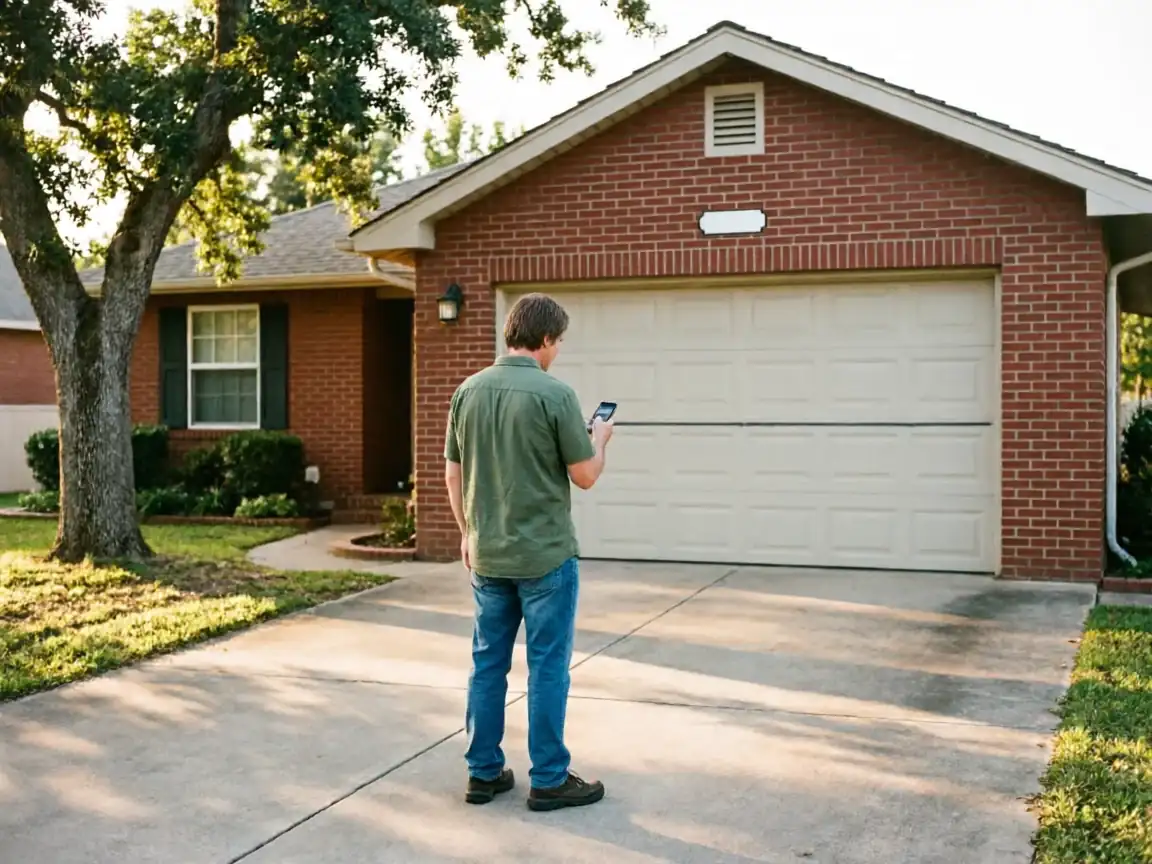
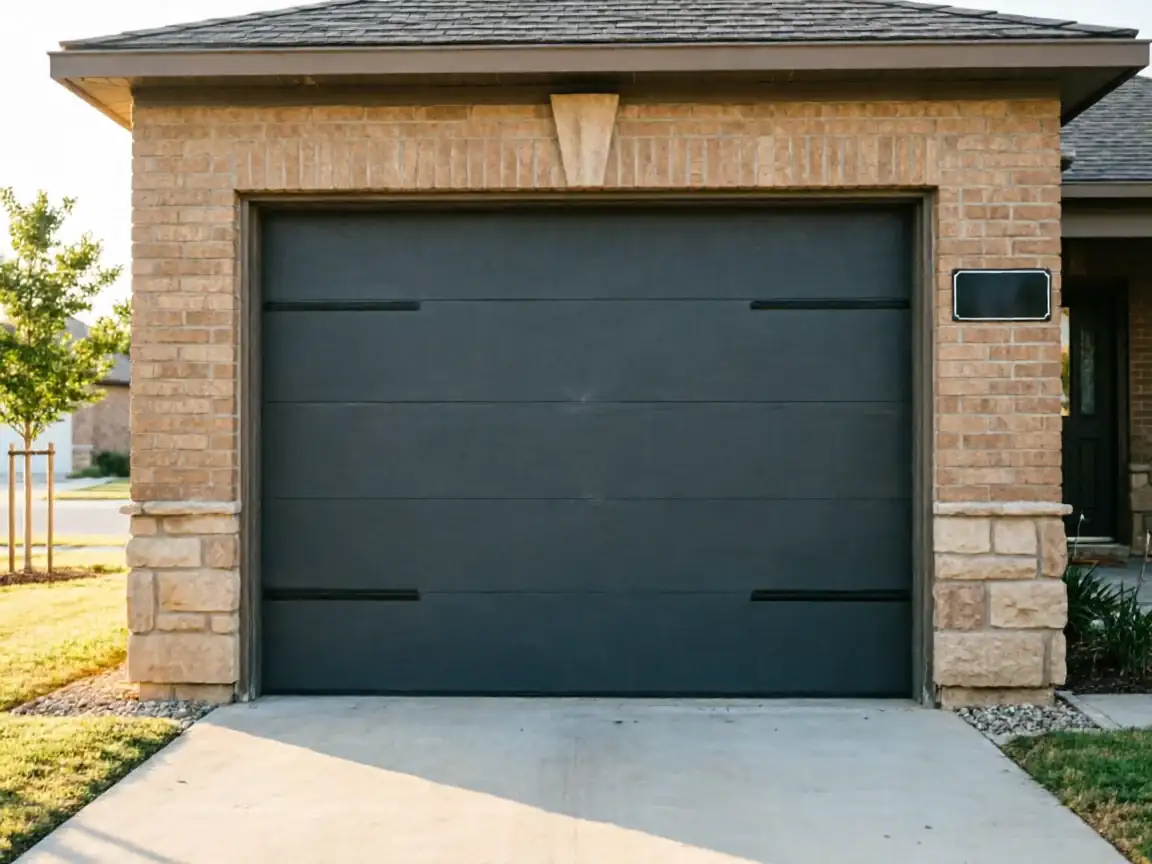
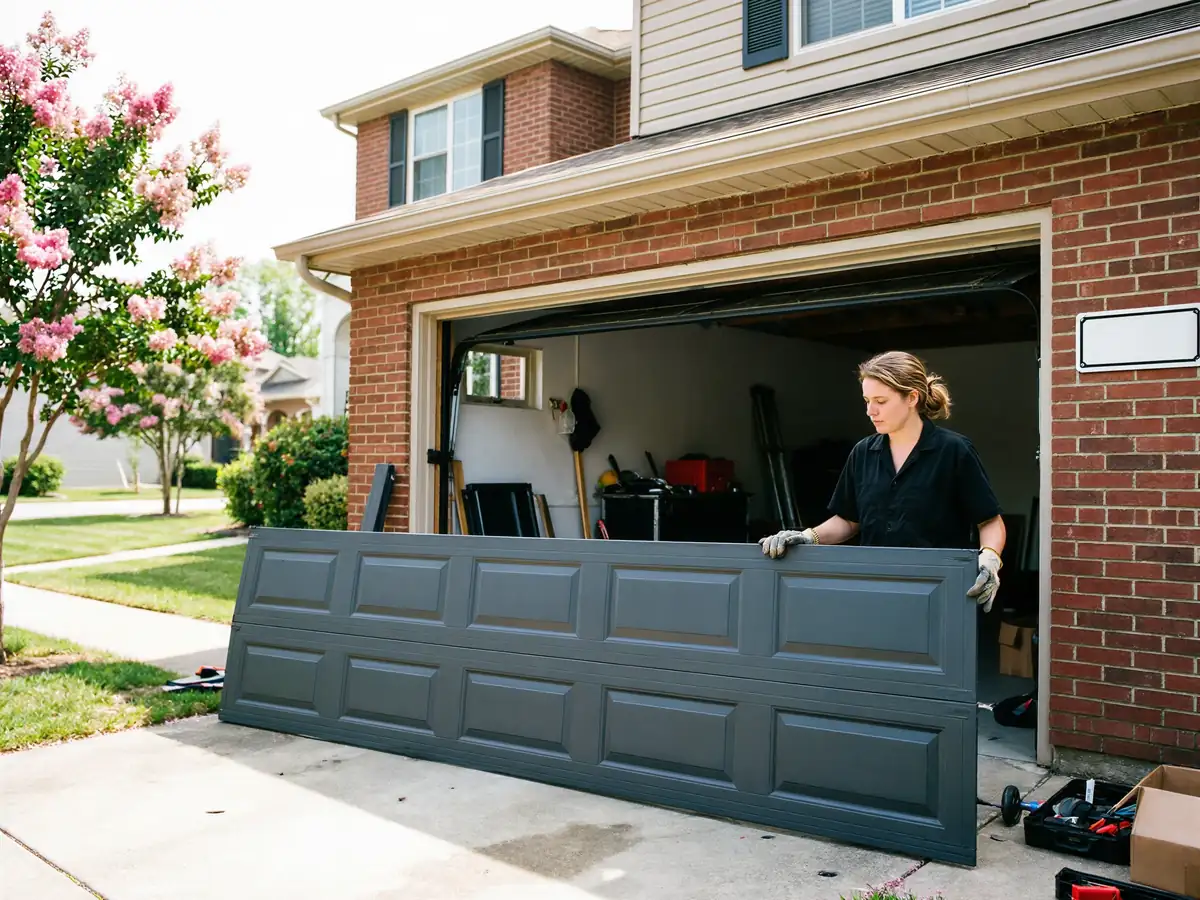
Gilmer sits about 18 miles out from our shop in Longview, and that drive shapes how a panel job here actually goes. A homeowner can't just swap in whatever panel the home center carries and expect it to bolt up clean. Houses in this part of the service area were mostly built around 1973, which puts a lot of Gilmer garages a decade or so ahead of the newer stock we see closer to Longview. That matters because a dented or rusted-through panel on a door that old is usually a non-standard width, and the track and hinge spacing won't match a current off-the-shelf section without some fitting.
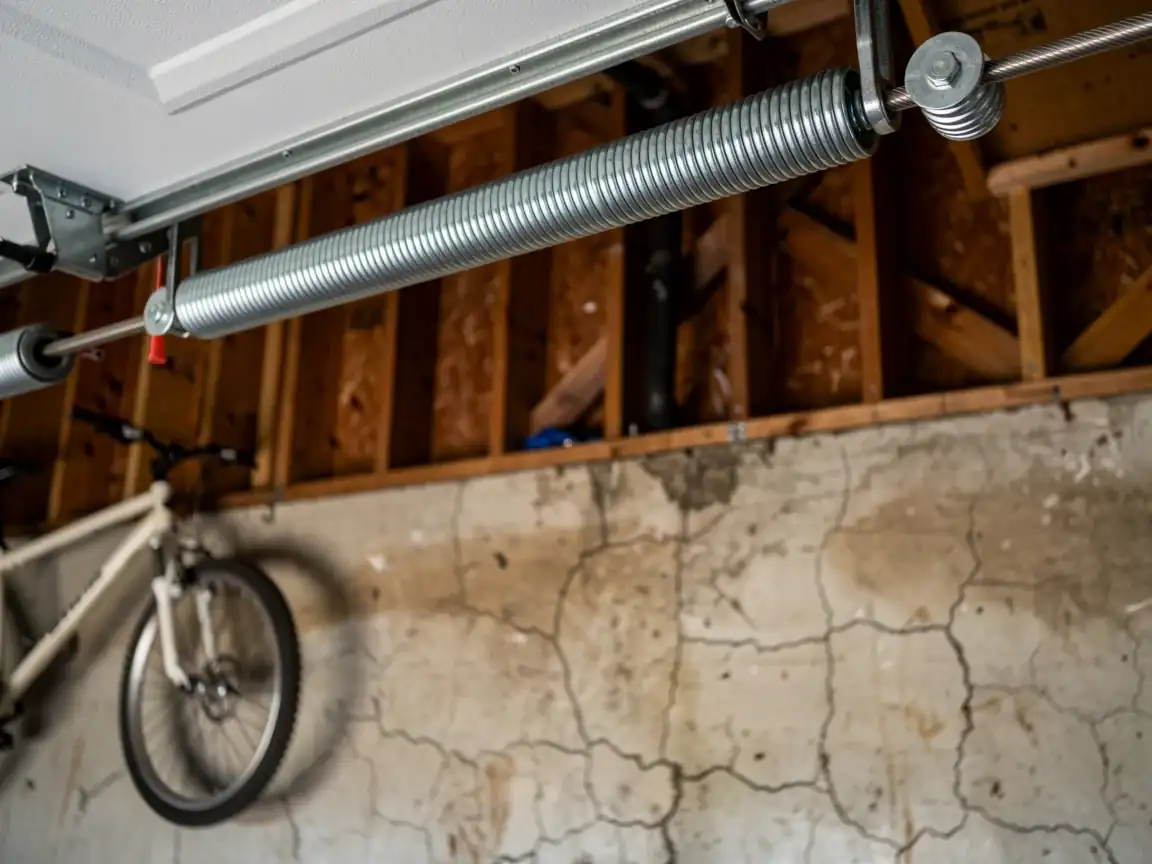
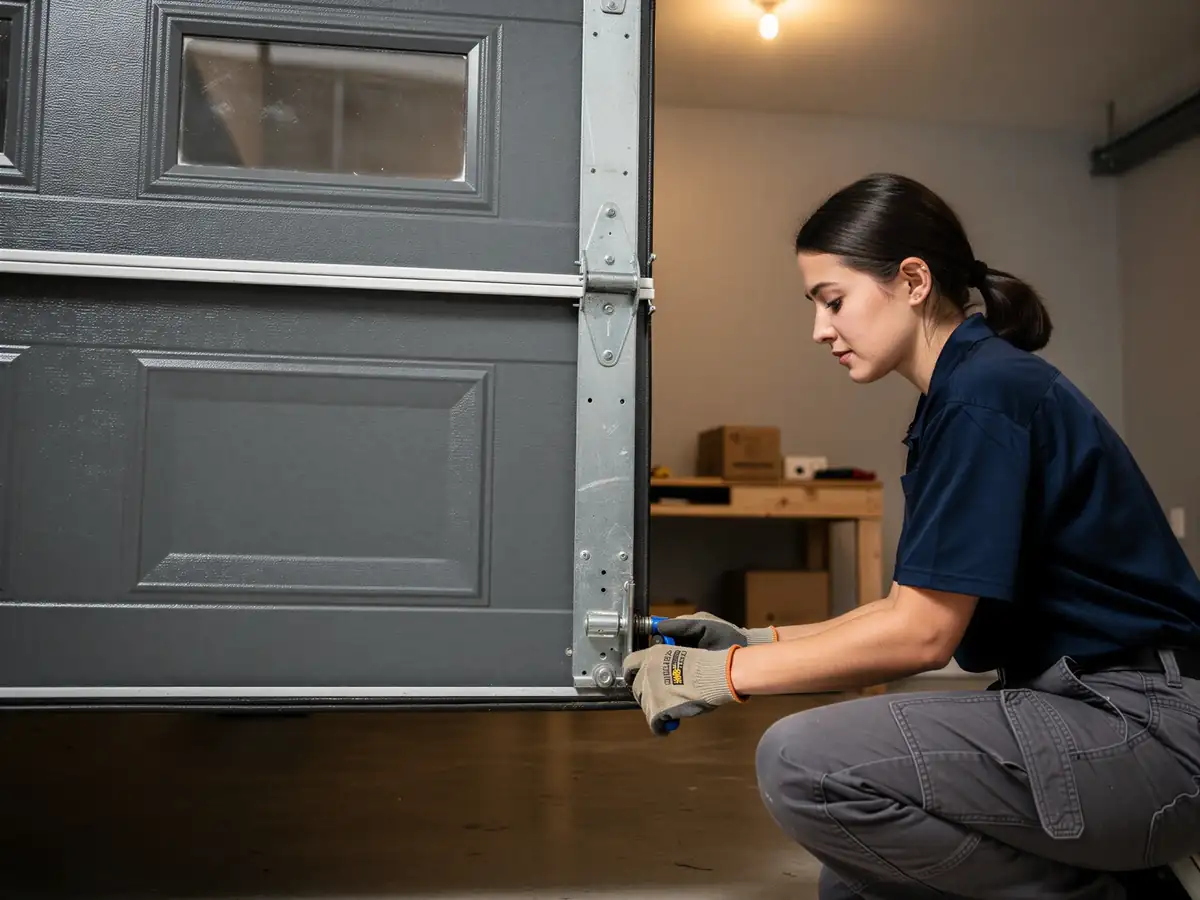
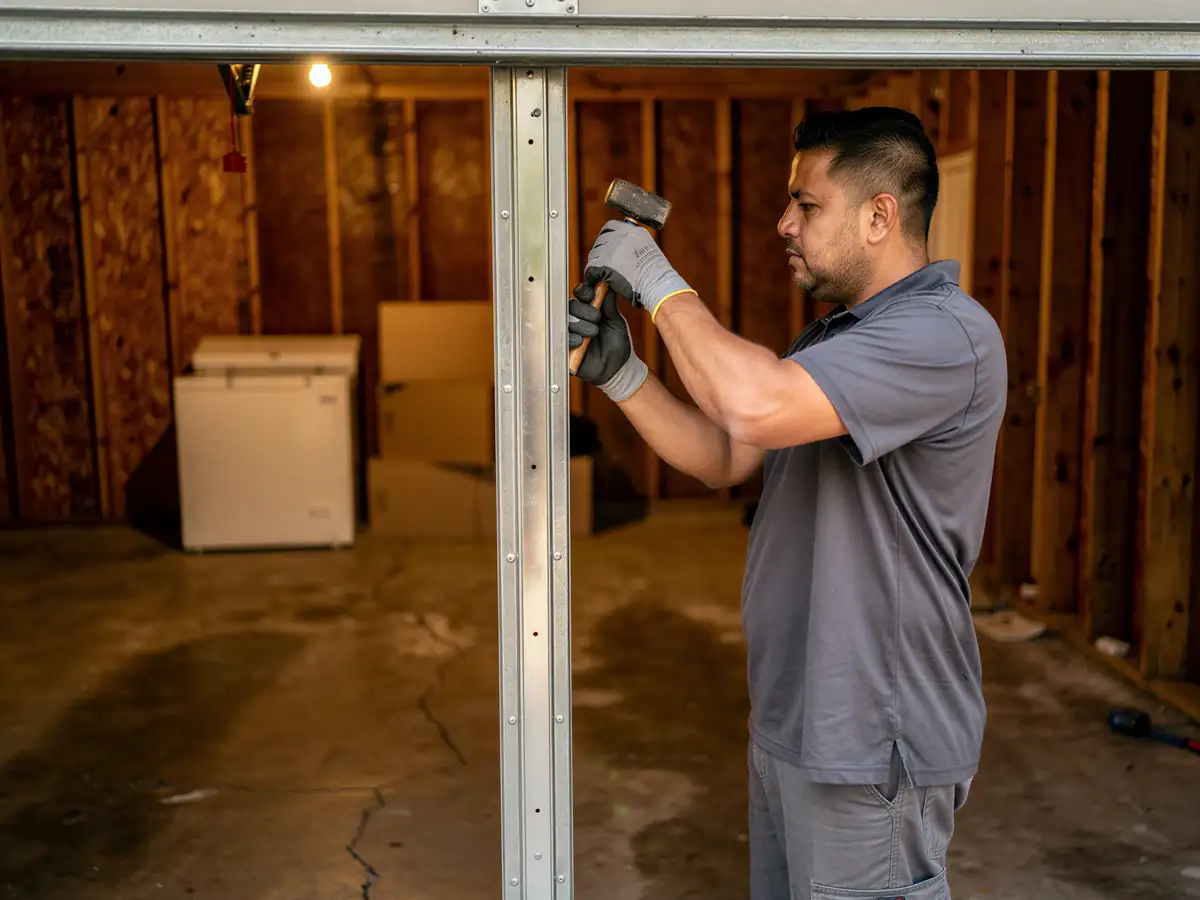
If you're set on doing it yourself, the honest advice is: measure twice before you order anything, and don't force a mismatched panel onto old track - that's how a cable jumps or a roller binds mid-lift. We'll say plainly that we don't sell loose panels over the counter for pickup; this is a job we come out and do, because getting the section square to 1970s hardware takes more than a tape measure. If your door is a single piece rather than sectioned panels, replacement isn't even the right call - that's a different conversation entirely, and we'll tell you that on the phone before we make the drive.
Stocked Parts
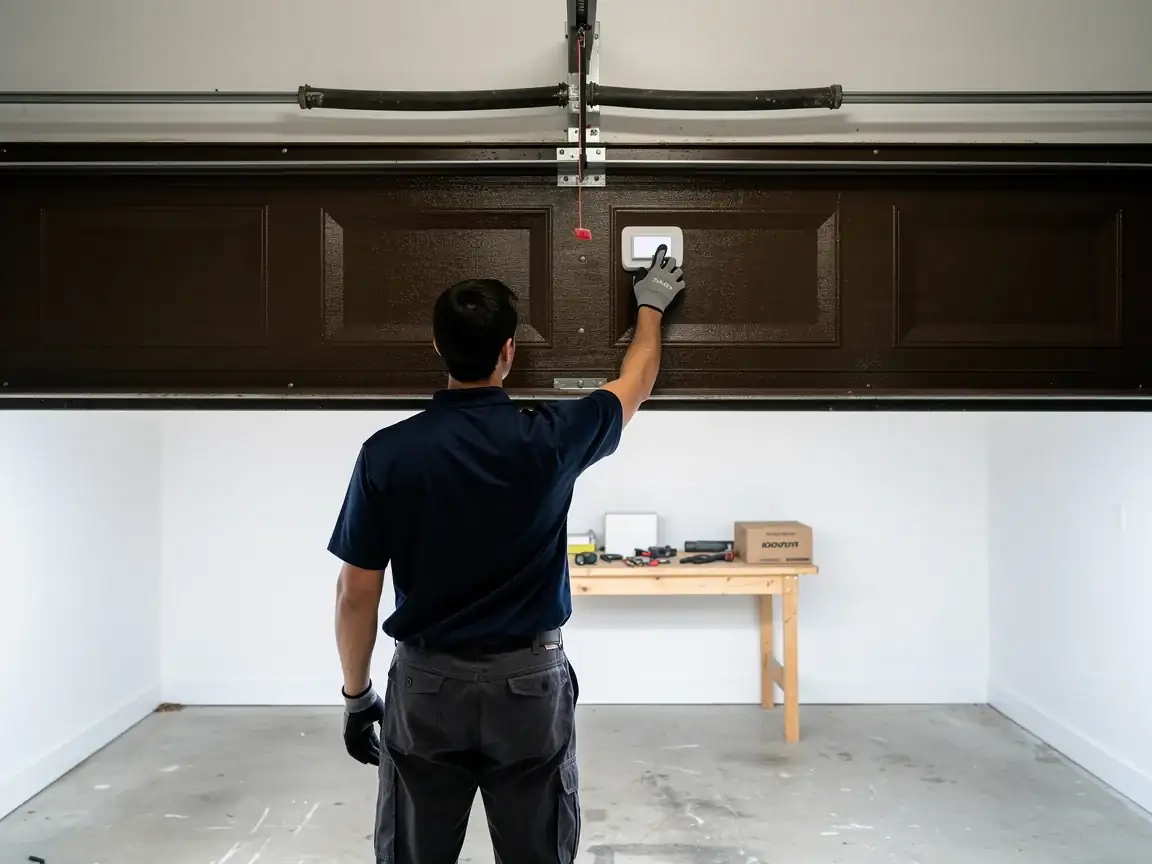
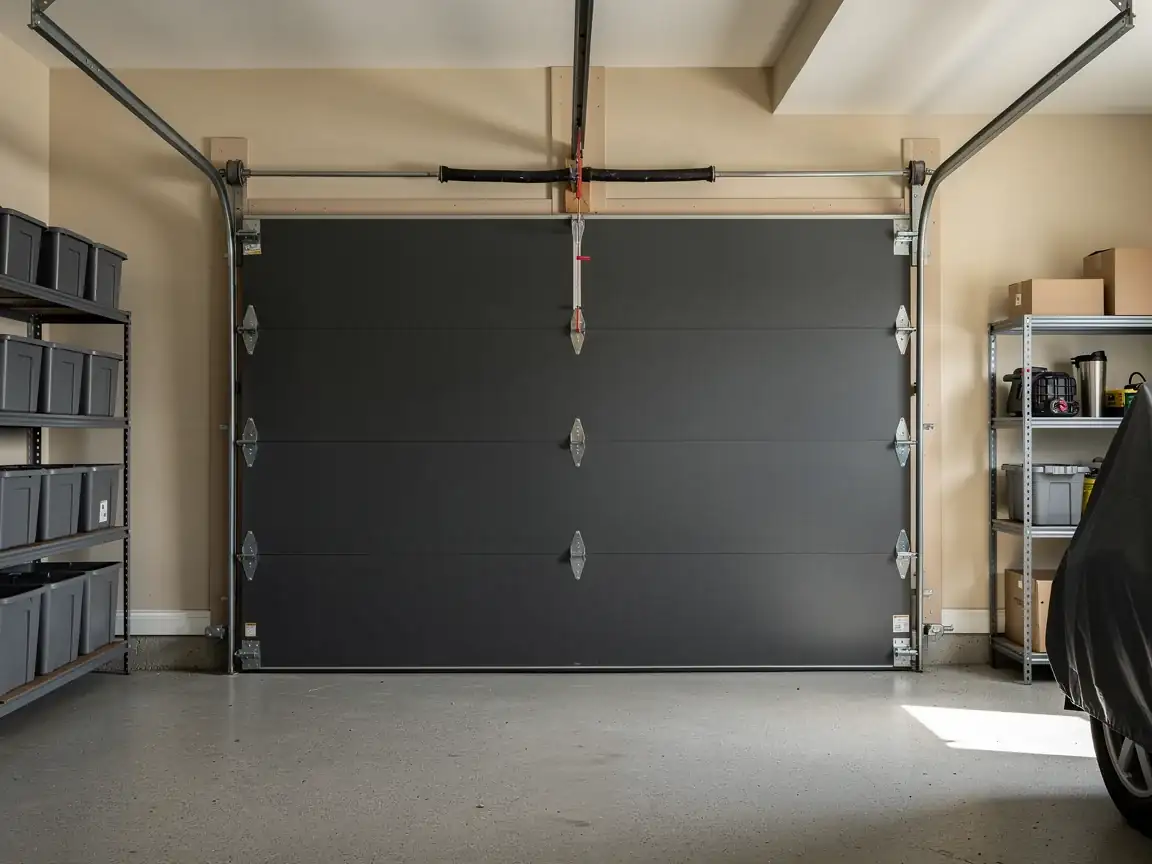
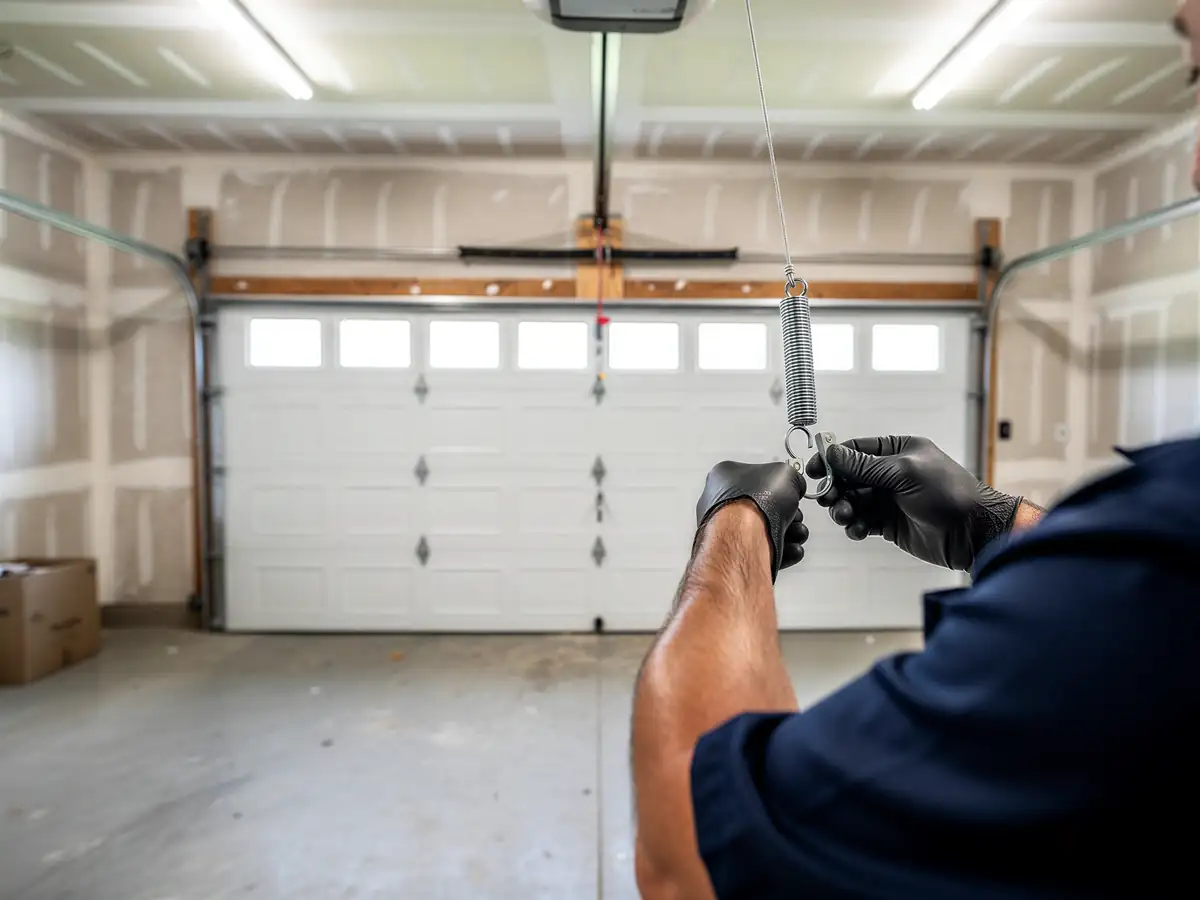
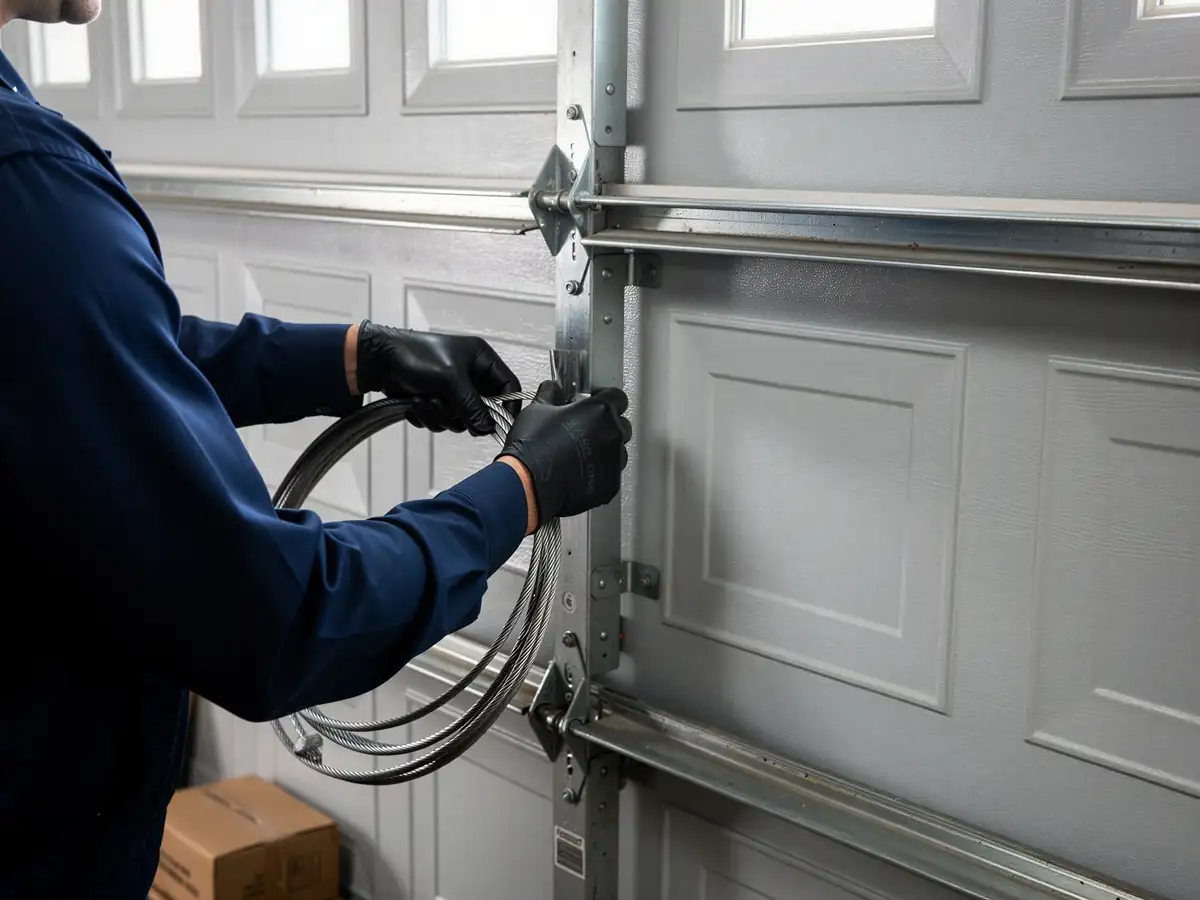
We don't run a satellite yard in Gilmer, so every panel, hinge, and roller for a job here rides out on the truck from Longview. What we load depends on what the neighborhood is likely to need. Across the wider service area the housing stock runs 1968 to 1994, with most of it built in the 1980s and 90s, but Gilmer's own numbers skew earlier - a median build year of 1973 - so we carry panel sections and hardware sized for older sectional doors more often when the ticket says Gilmer.
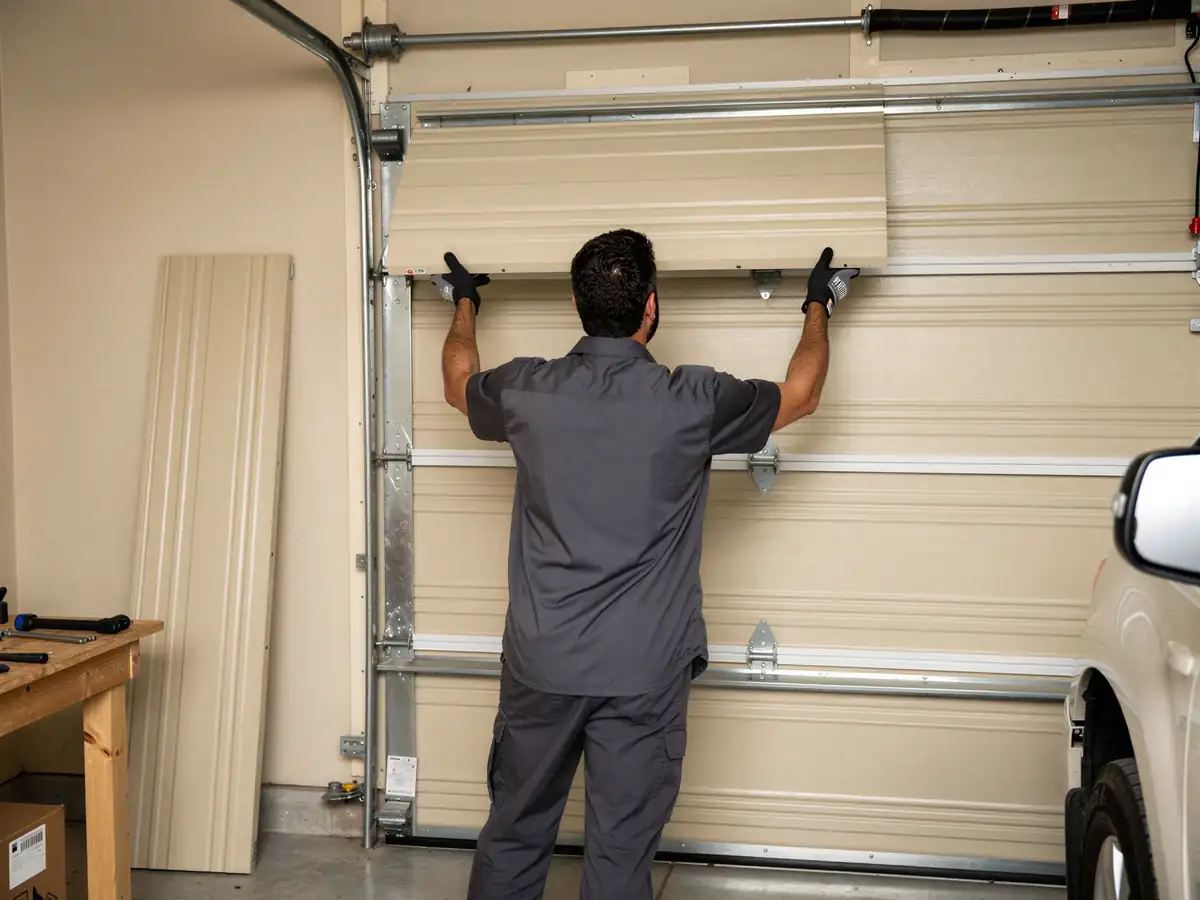
The moderate heat band this part of Texas sits in doesn't crack panels the way a harsher climate would, but it does bake out the finish on older steel and foam-core sections faster than people expect, which is usually what you're actually replacing - not storm damage, just thirty-plus years of sun on a panel that was never top-of-the-line to begin with. We stock common widths and a few older profiles, but we won't pretend to carry every panel style a 1973 door might have left the factory with. On rarer builds we sometimes have to special-order a matching section, and we'll tell you that up front rather than show up short.
What It Costs
Panel replacement pricing isn't something we post as one number for every house
Because a single damaged section on a newer door costs a lot less than matching an odd width on an older one. Gilmer's median household income sits at $41,279, noticeably lower than the $66,250 median across the broader service area, and we mention that because it's part of why we'll always quote the actual repair - single panel, not a full door - before suggesting a replacement door outright.
With 1,779 households in Gilmer, a lot of them in homes from the early 1970s
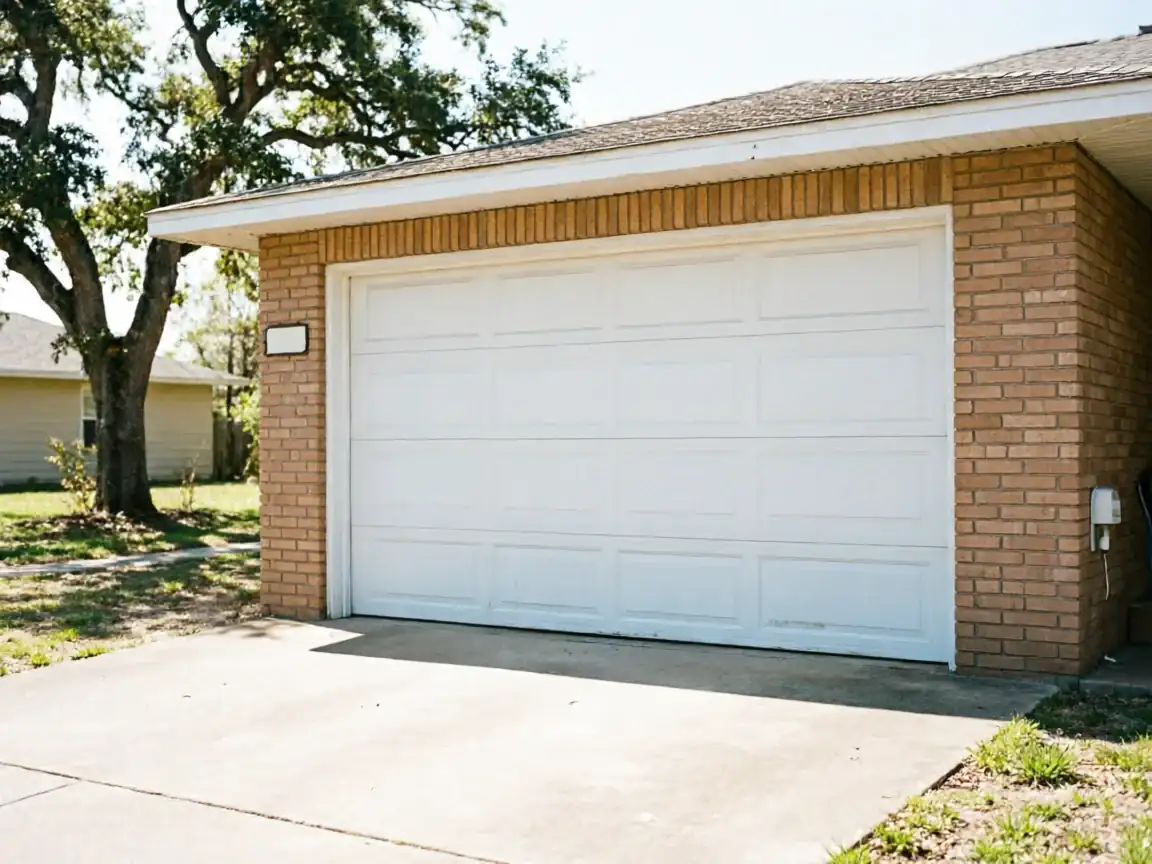
Panel damage here tends to be wear and corrosion rather than a fresh dent, and once rust has gotten into the seams on more than one section, patching a single panel stops making sense. We'll tell you flat out if your door is past the point where a panel swap is worth doing over a full replacement - that's a judgment call we make standing in front of the door, not over the phone, and we'd rather lose a panel job than talk you into one that won't hold.
- 1,779 households
Booking a Visit
Because we're coming from Longview, 18 miles out, we book Gilmer panel jobs rather than treat them as drop-in work between closer calls. Tell us the door's approximate age when you call - if you know it's an original door from a house built in the early 70s, say so, since that changes what we load before we leave the shop. We'd rather bring the right section on the first trip than make you wait on a second visit because we guessed wrong on width or hinge pattern.
We don't keep a standing crew stationed in Gilmer, so we can't promise same-hour arrival the way we might for a job five minutes from Longview - that's the honest tradeoff of the distance. What we can promise is that once the truck's loaded for your address, it's loaded for a 1973-era door, not a generic one. If you're not sure whether what you're looking at is panel damage or a bent track pulling the section out of true, a phone photo before we drive out saves everyone a wasted trip.