Doing It Yourself
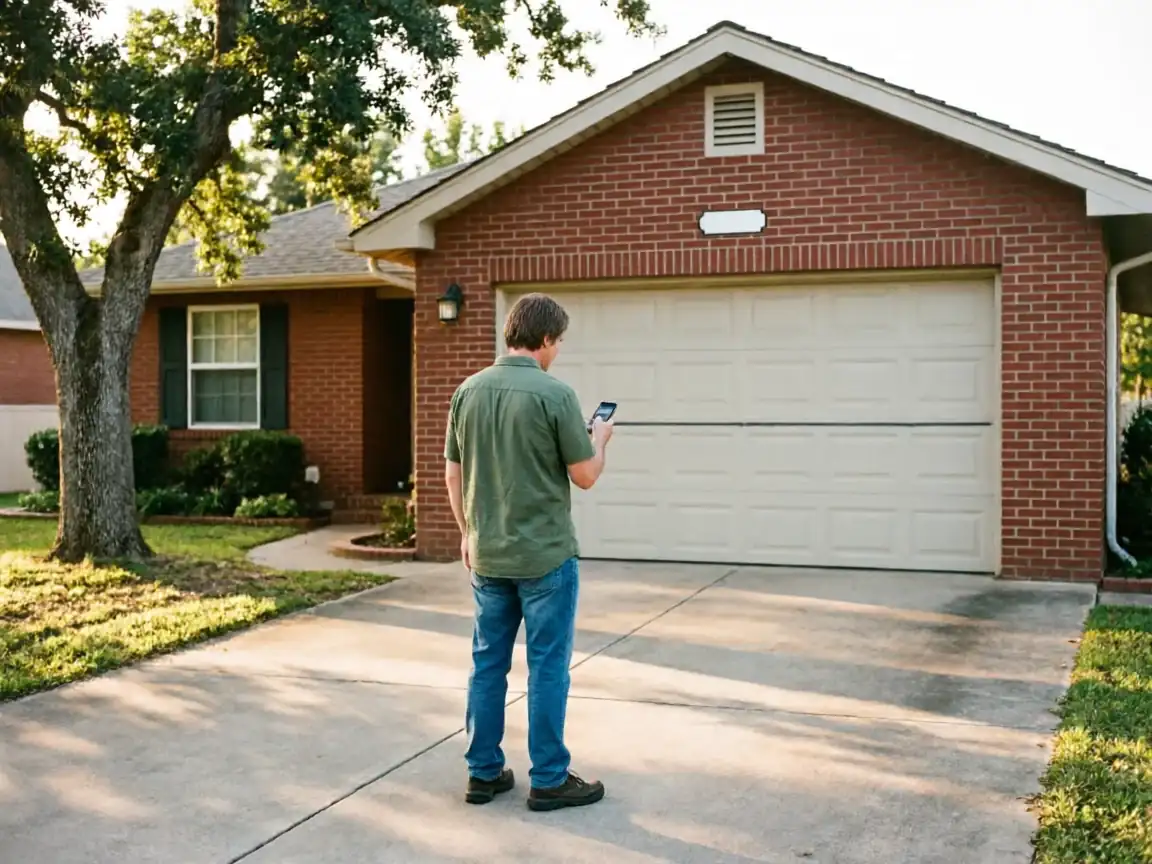
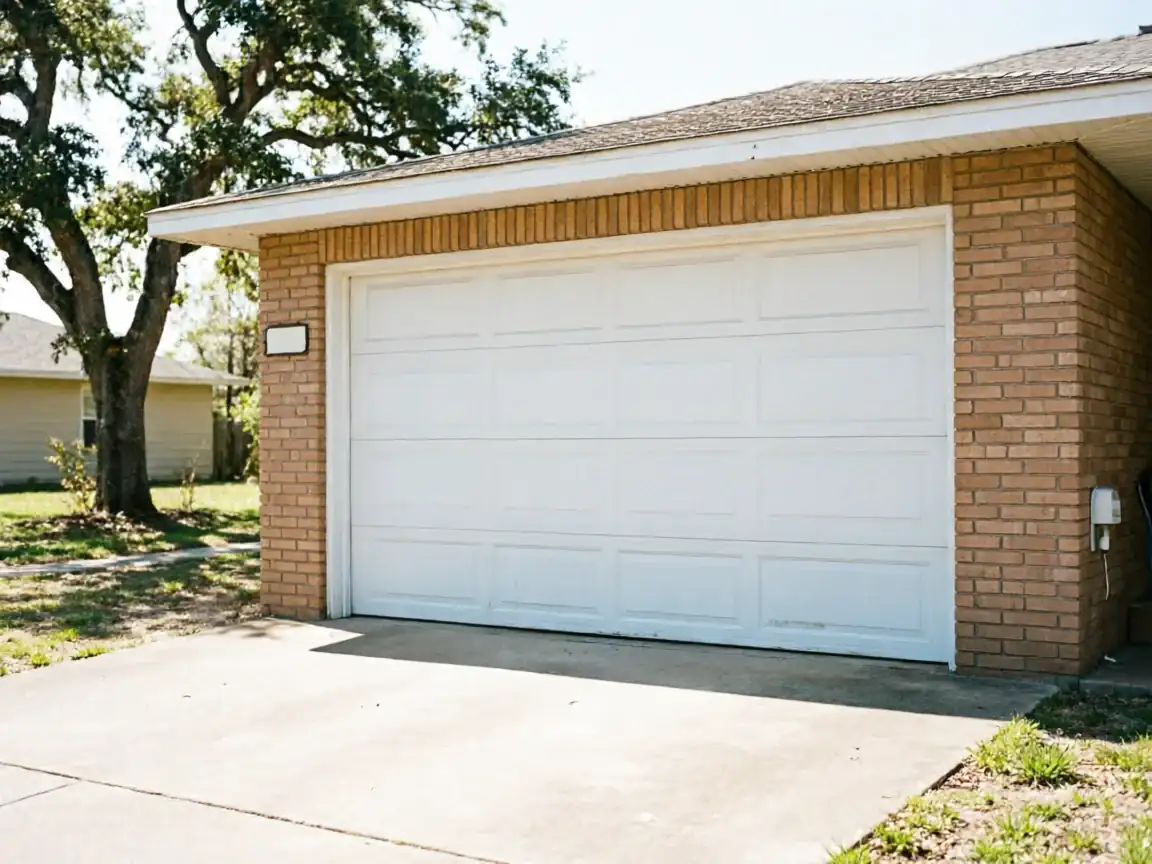
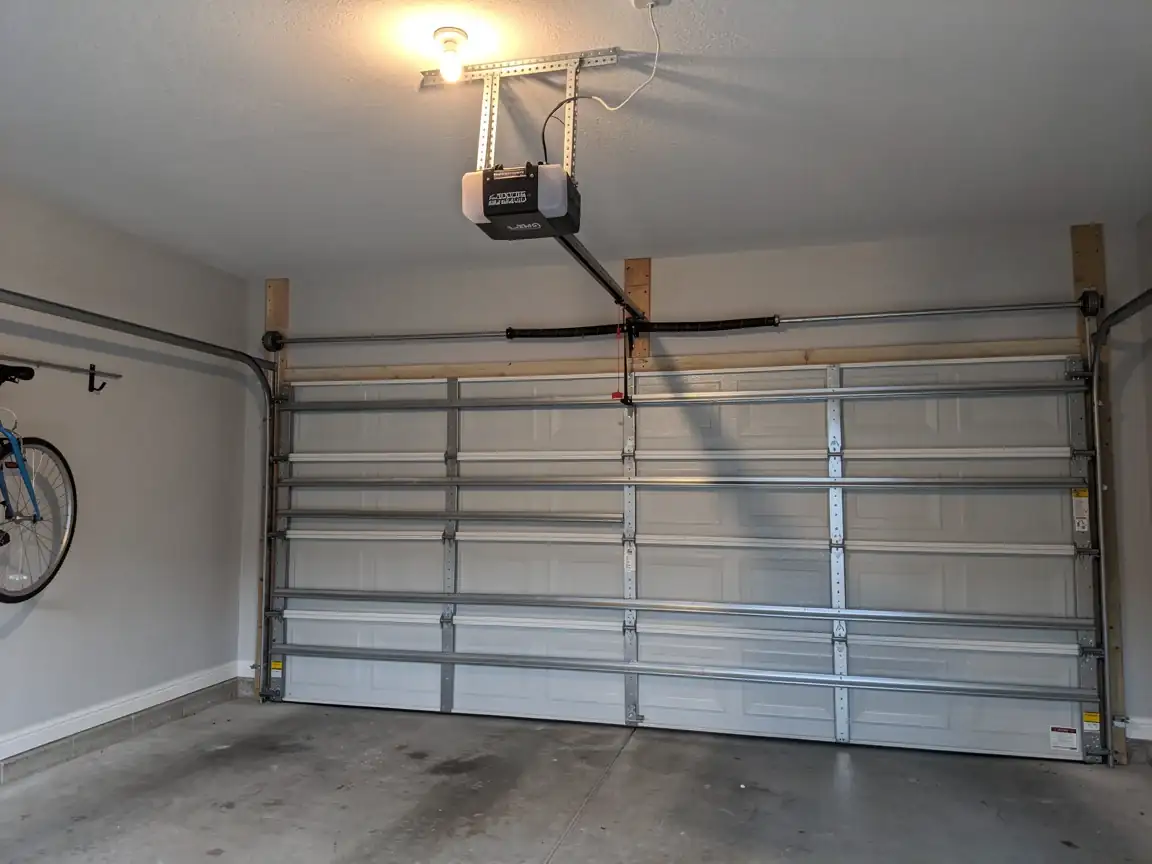
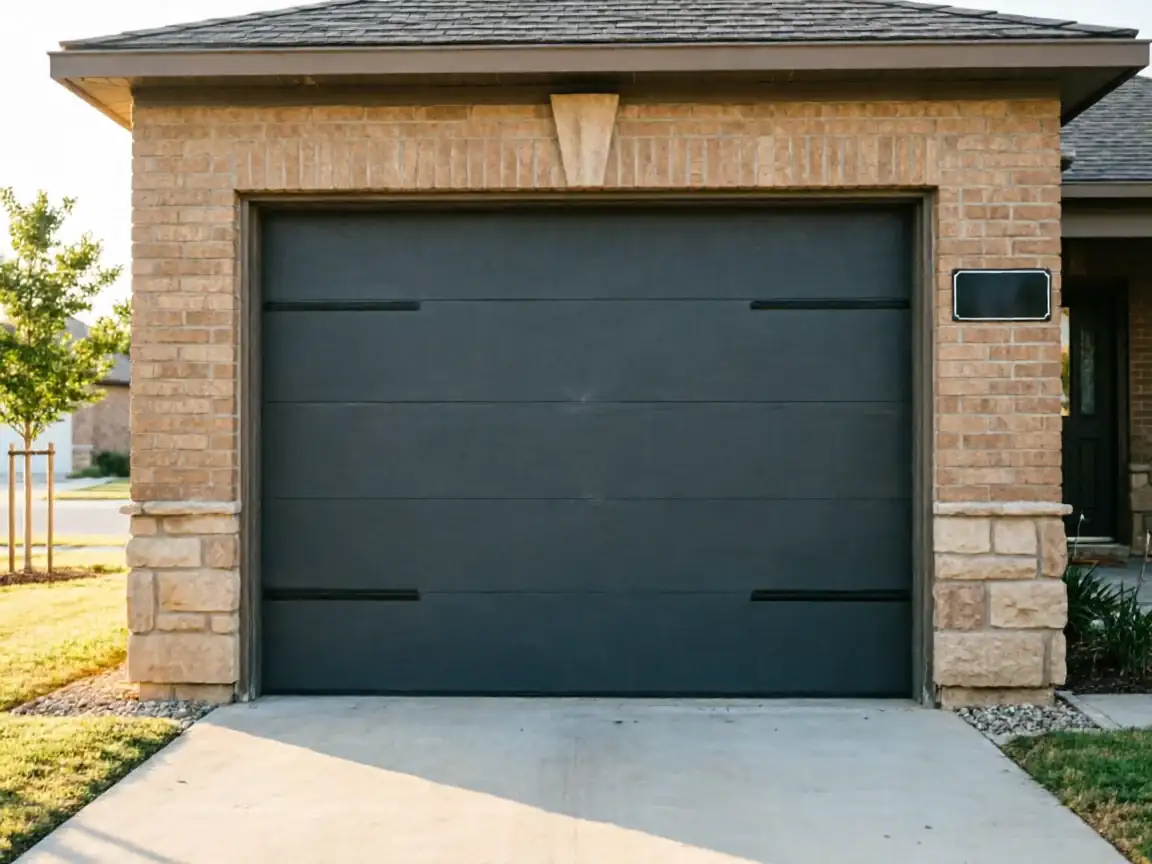
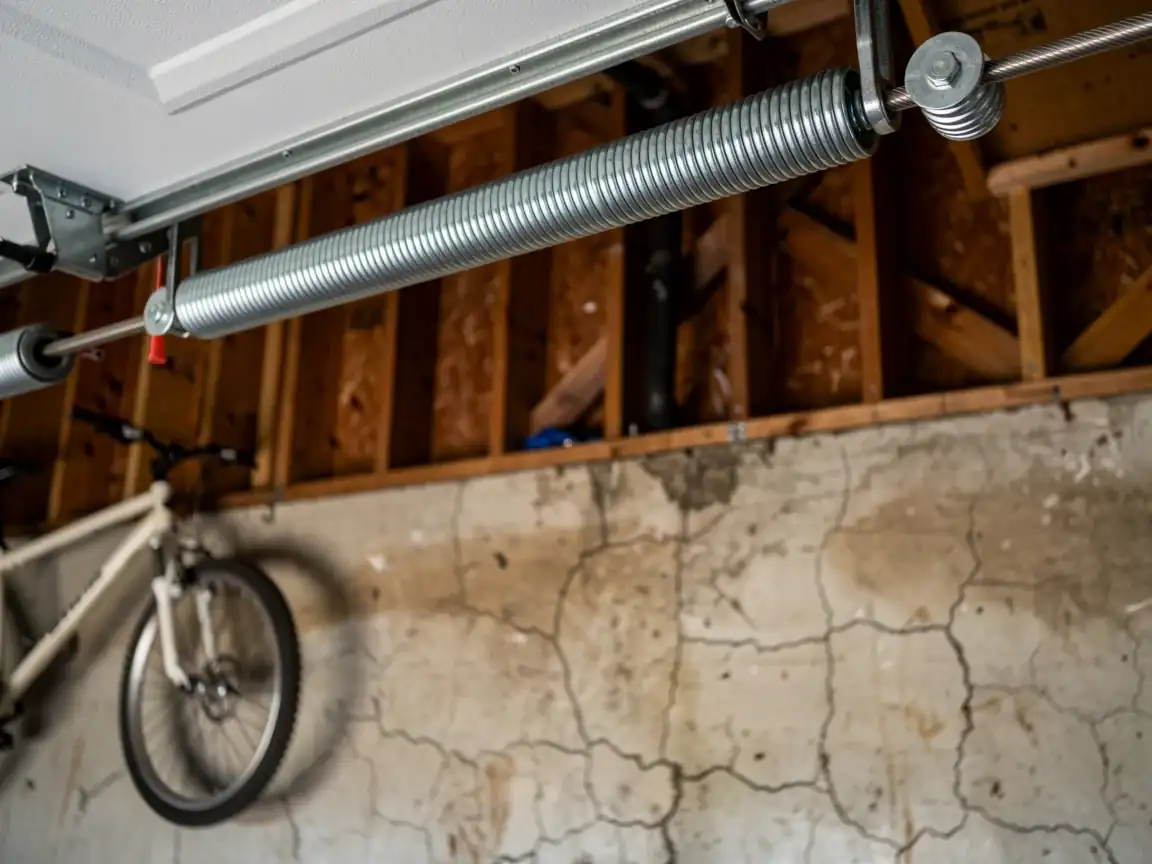
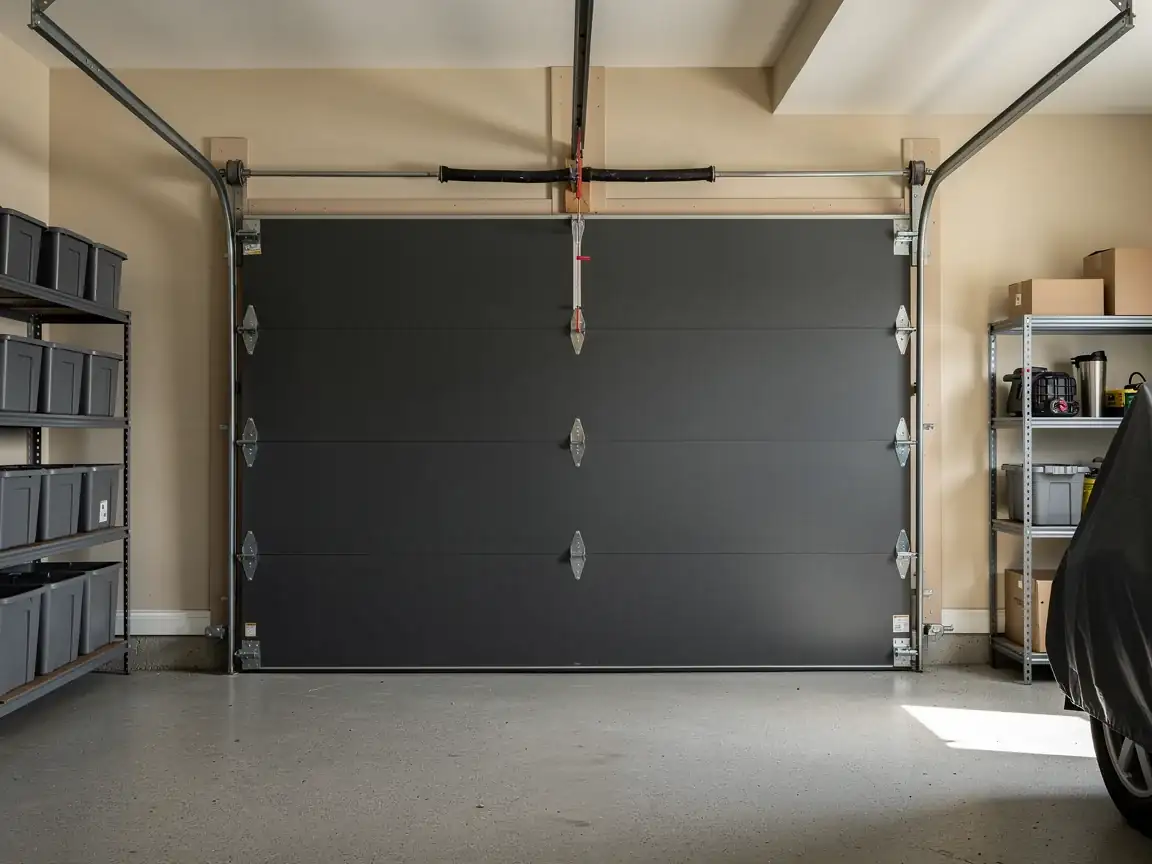
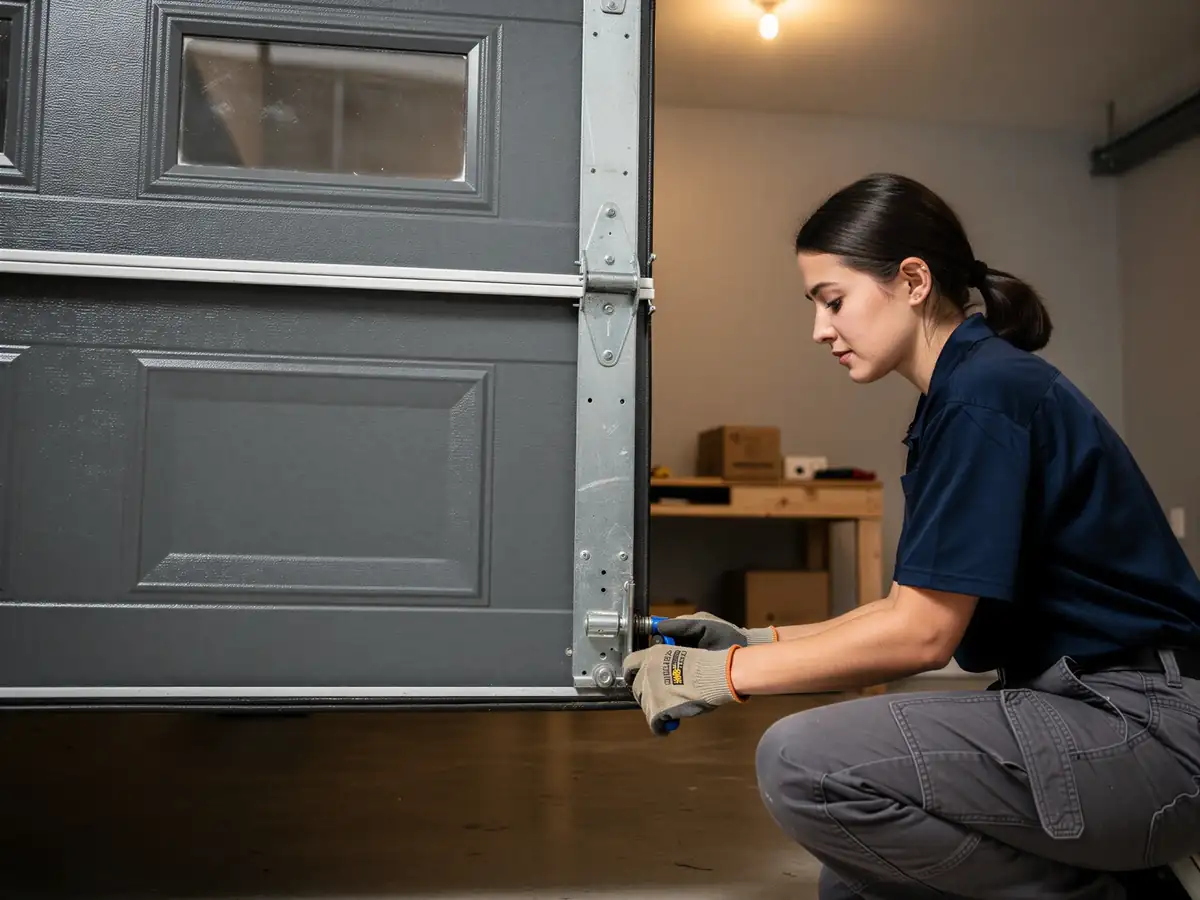
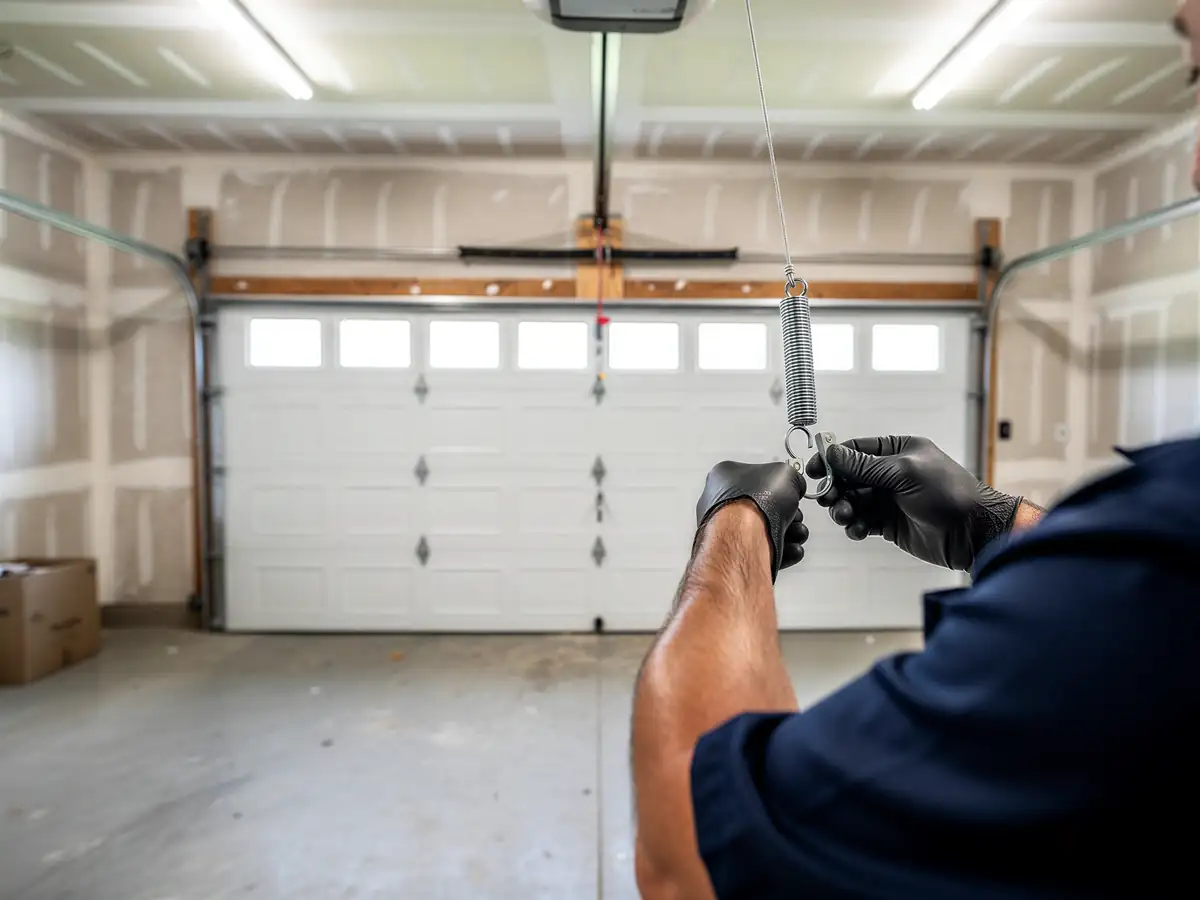
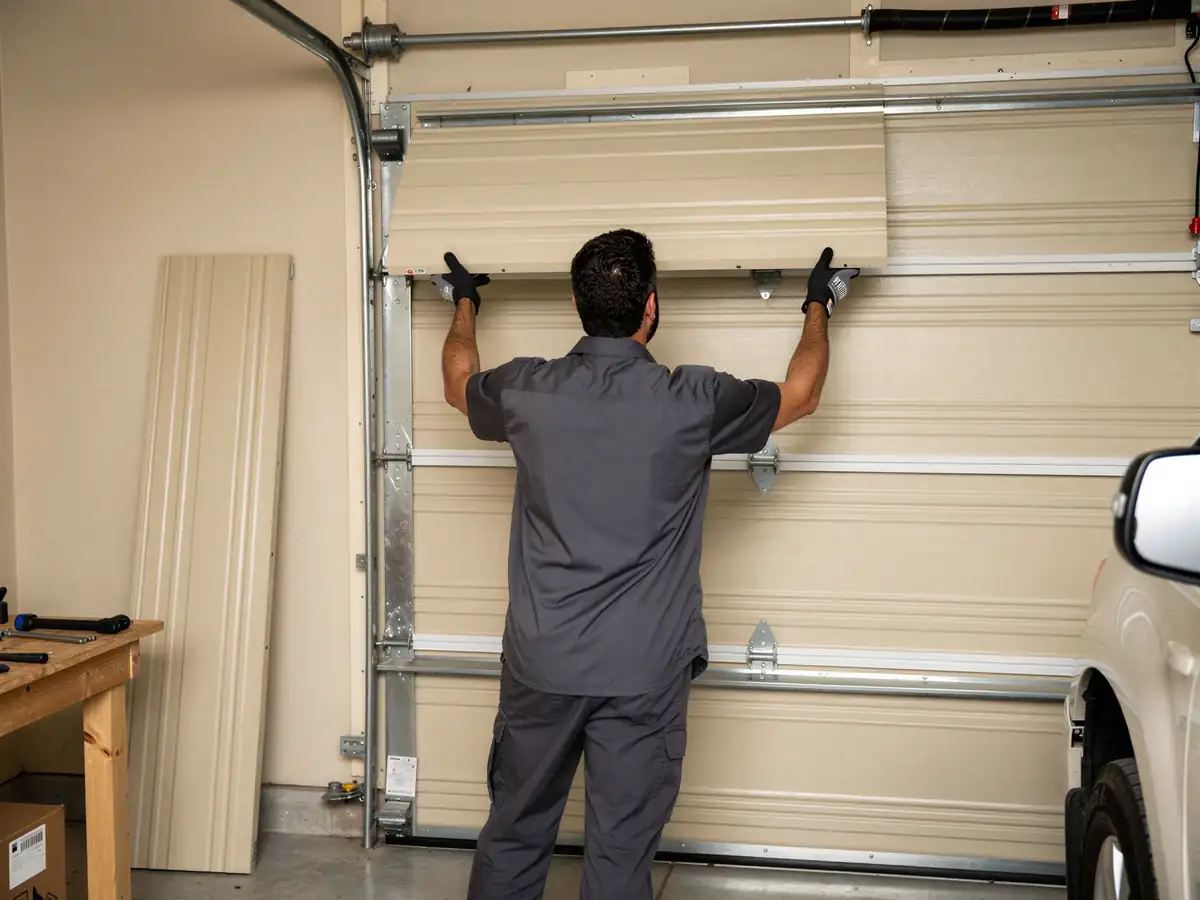
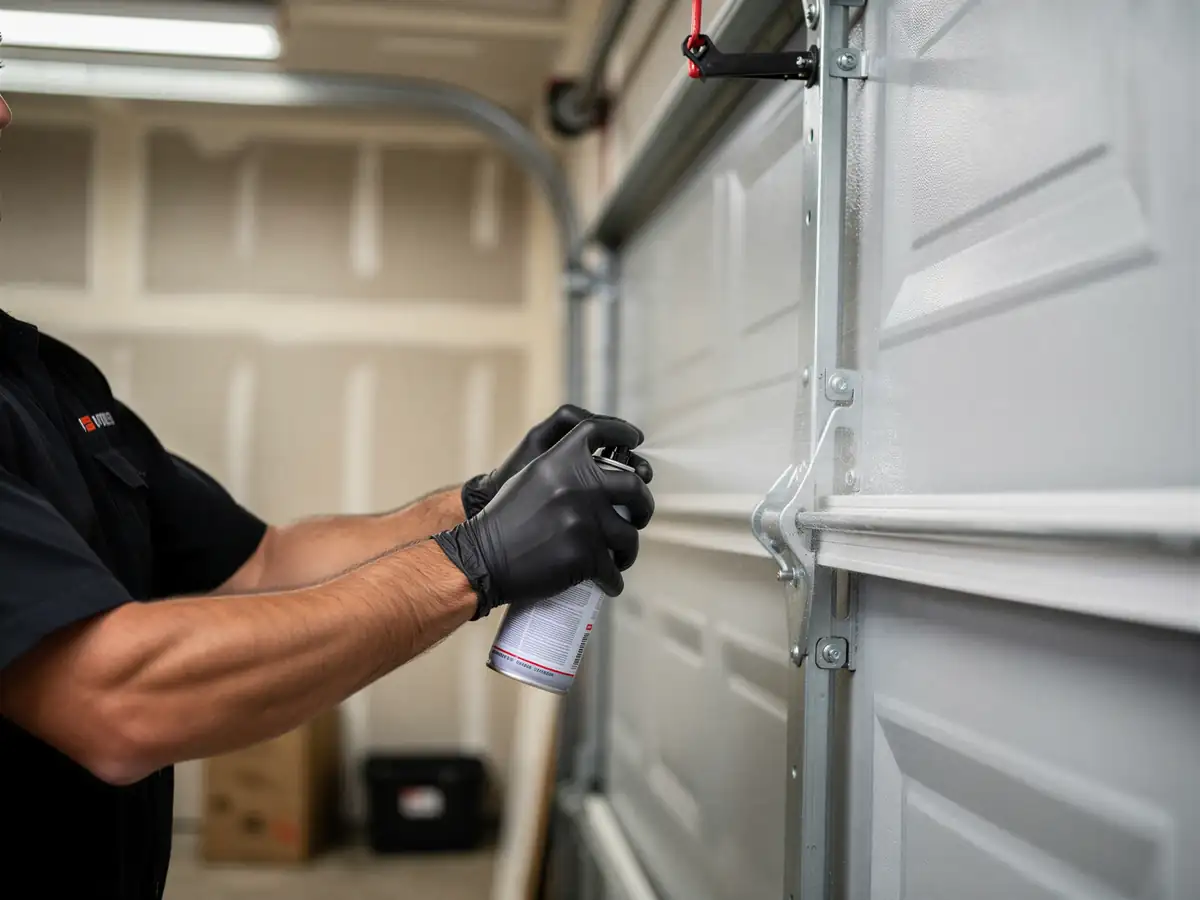
Gilmer sits about 18 miles from our shop in Longview, and the first thing that matters isn't the drive - it's the age of the door you're standing in front of. The service area as a whole runs newer, with a median build year around 1981, but Gilmer's housing stock centers closer to 1973. That eight-year gap is enough to matter. A door from the early-to-mid 1970s is more likely to run on an extension spring setup with separate side cables rather than a torsion bar, and the track hardware is often lighter gauge than what went into homes built in the 1980s. If you're trying to diagnose a problem yourself, start by looking at what's actually bolted to your header - two stretched springs above the horizontal track means you're working on older hardware, and the fixes and parts are not the same as what a newer torsion system needs. Tightening loose track brackets or lubricating hinges is safe to do yourself. Pulling a wound spring, extension or torsion, is not - that's where people lose fingers. With only 1,779 households in Gilmer, this isn't a market with dozens of parts suppliers nearby, so knowing what you have before you call saves a trip.
Stocked Parts
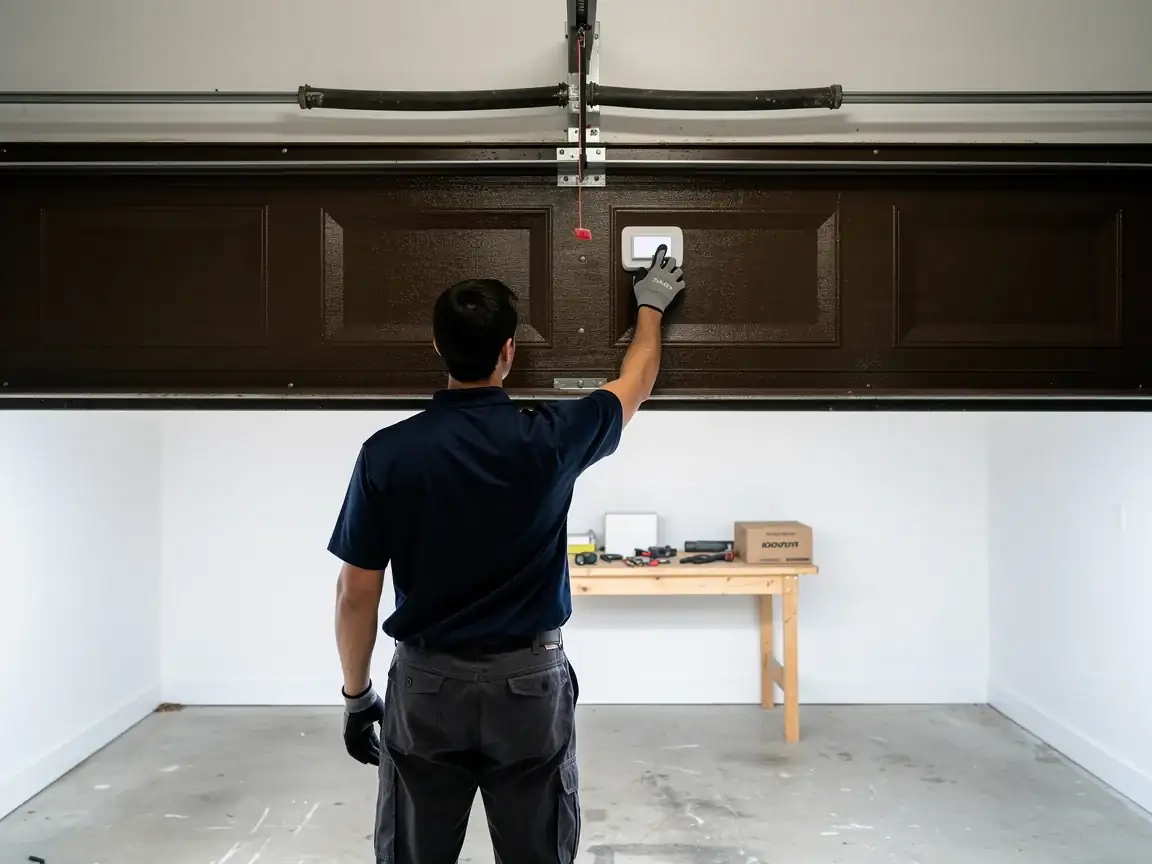
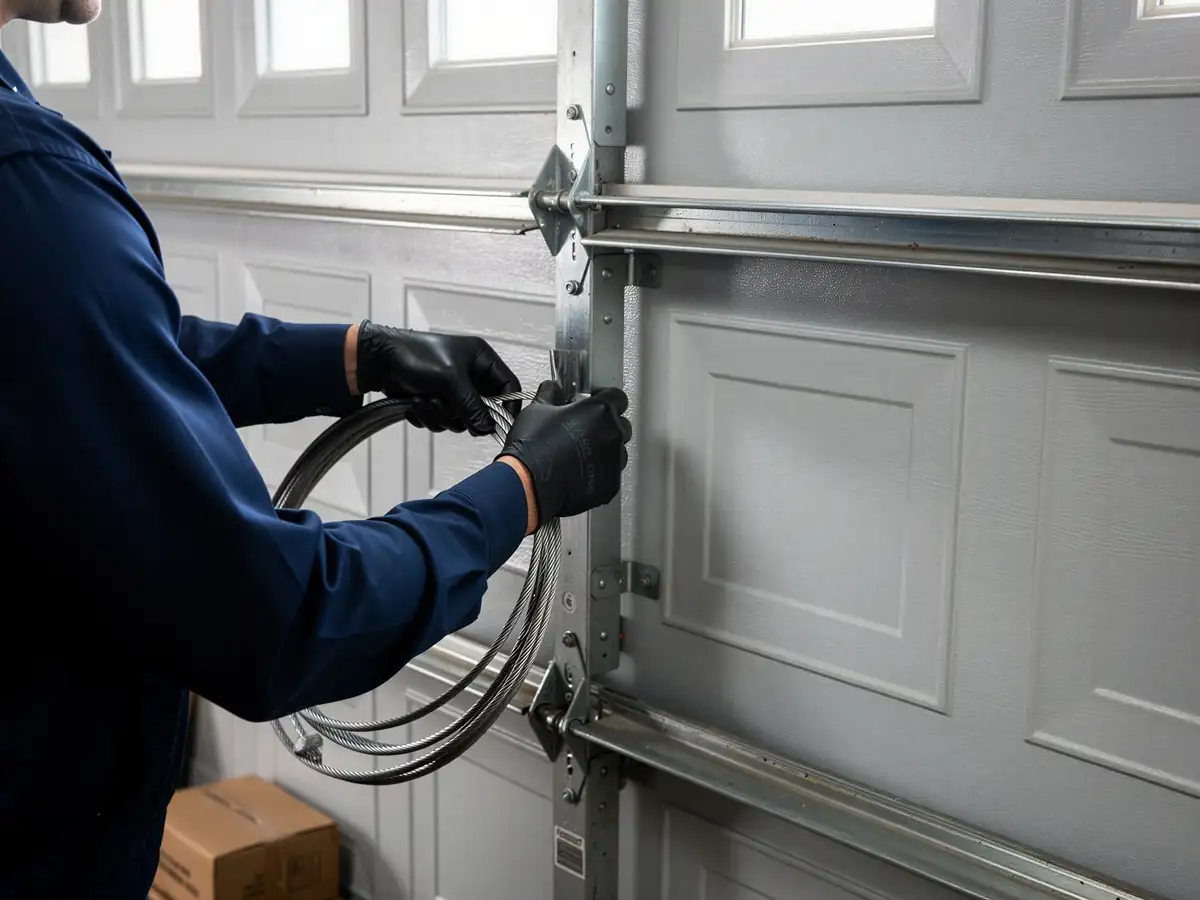
We load the truck in Longview before heading out, and for a town like Gilmer with a 1973-ish median build year, that means carrying extension spring sets and galvanized lift cables alongside the torsion springs and drums that cover newer doors elsewhere in the service area. Rollers and hinges are universal enough that we stock common sizes regardless of door age. Where it gets harder is original hardware - end bearing plates and jamb brackets specific to a door that's never been replaced since the house was built. If your door still has its factory track from 1973, there's a real chance the exact bracket isn't something we carry on the truck, and we may need to source it or adapt a modern equivalent on site. We won't pretend every part for a 50-year-old door is sitting in the van; that's the honest limit of what rolling stock can cover.
Booking a Visit
We travel to Gilmer from Longview, roughly 18 miles each way, so a visit here is scheduled rather than dropped in on. When you call, tell us the age of the house if you know it - anything built in the early-to-mid 1970s tells us to bring extension spring stock, not just torsion parts. With under 1,800 households in Gilmer, we're not running multiple trucks through town on a given day, so booking ahead matters more here than it would somewhere closer to the shop. See our coverage page for Gilmer for what's included in a service trip, or check the main Longview service page if you're outside town and want the broader picture.