Doing It Yourself
Gilmer is a small town as these things go, around 1,779 households, which means fewer repeat calls but also fewer of the newer doors you'd find in bigger, faster-growing parts of the service area. The typical house here was built around 1973, a good deal older than the 1981 median across the eleven communities we cover. That gap matters because a torsion spring installed on a house that age has had decades to cycle, and the hardware holding it is often the original mount, not a retrofit.
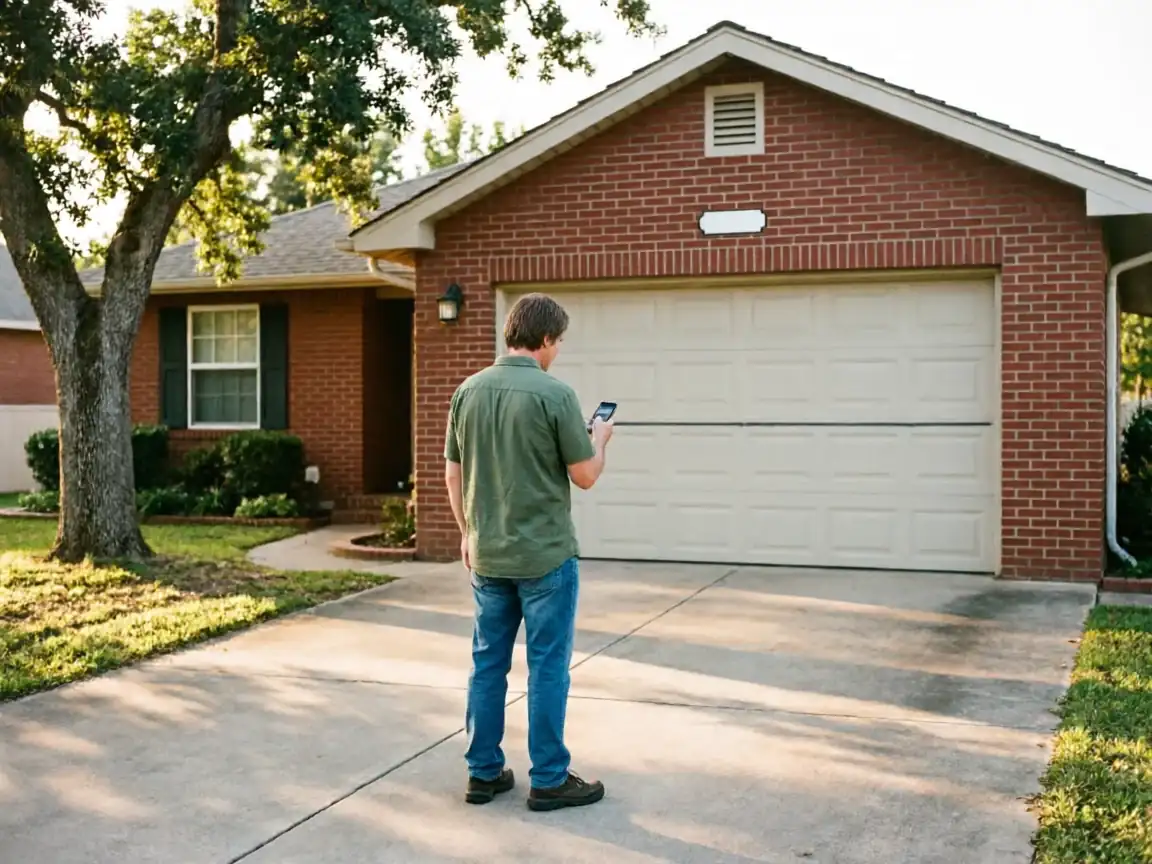
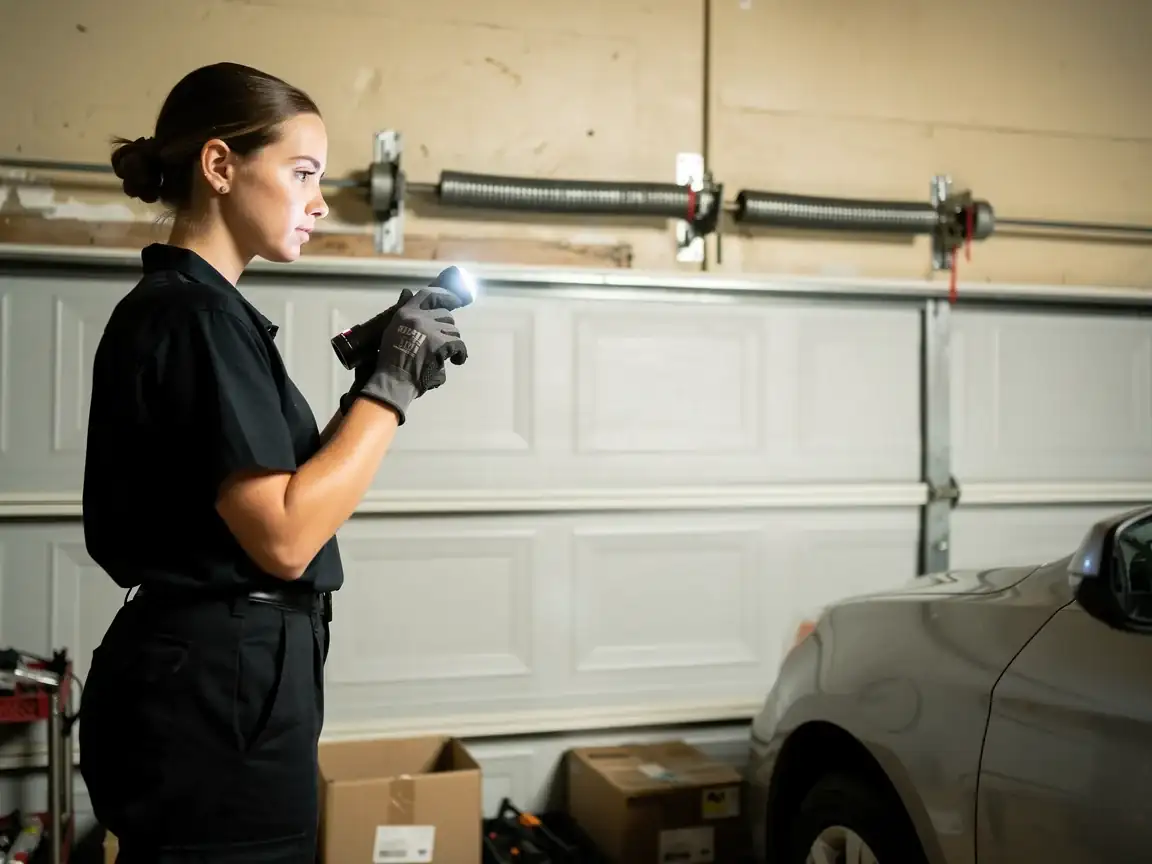
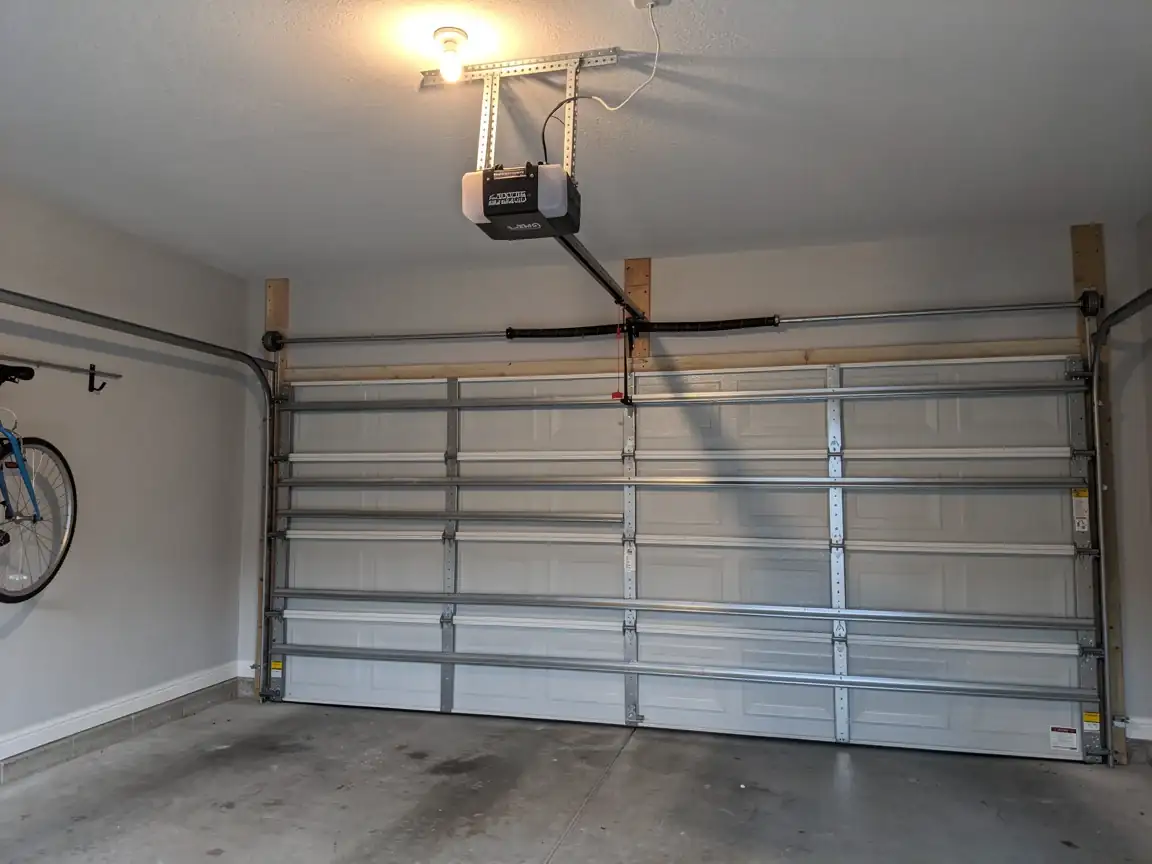
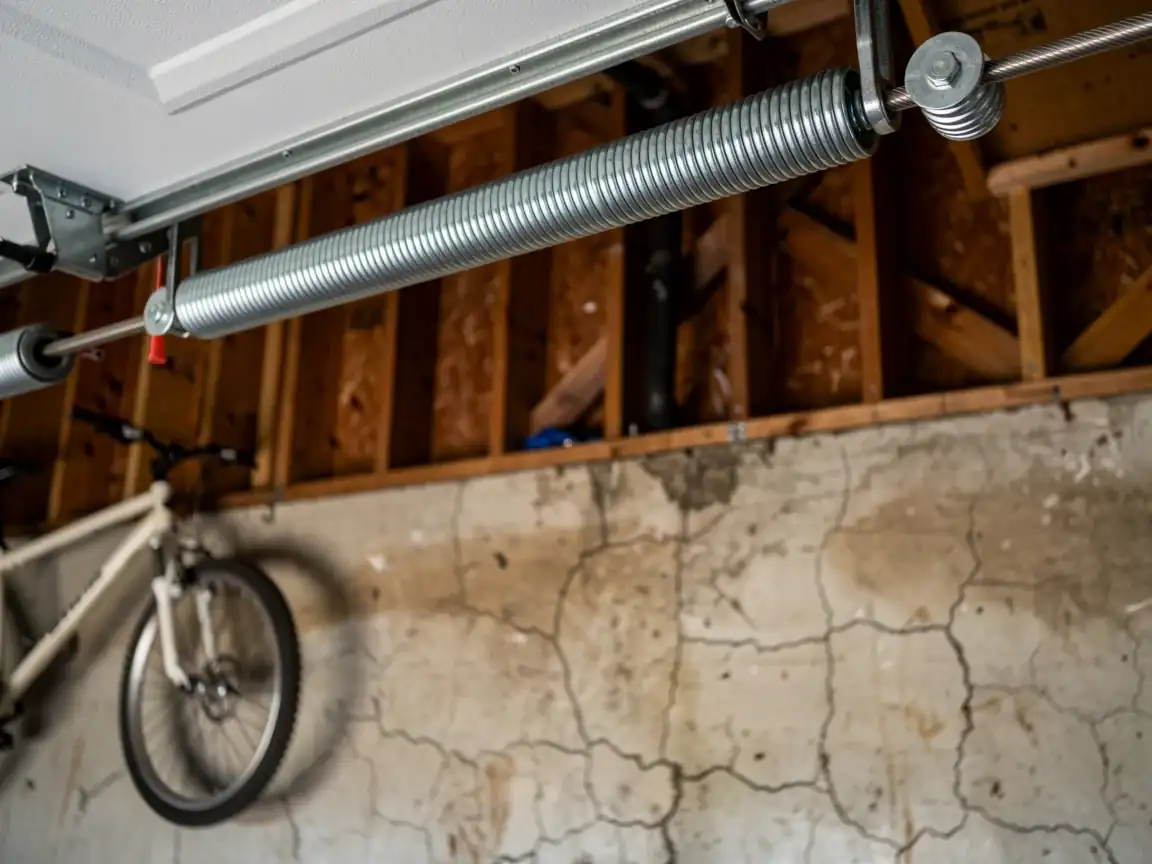
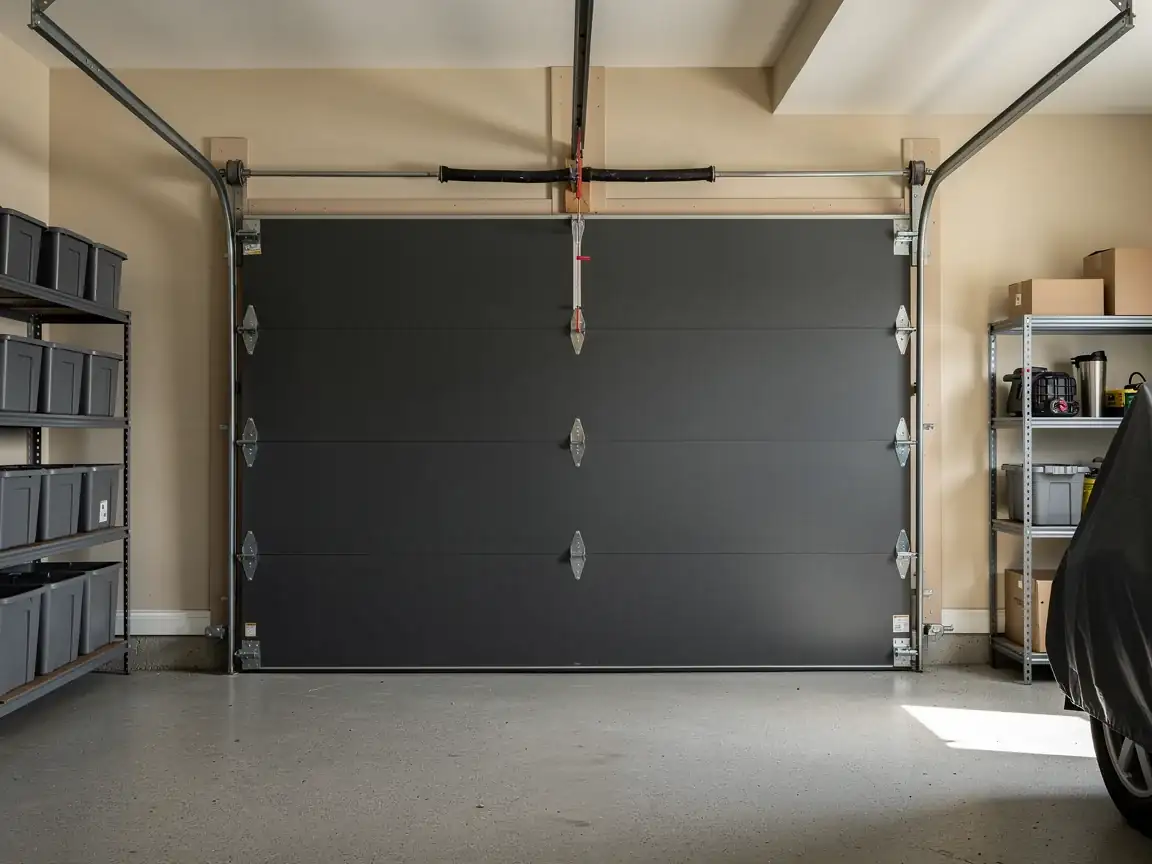
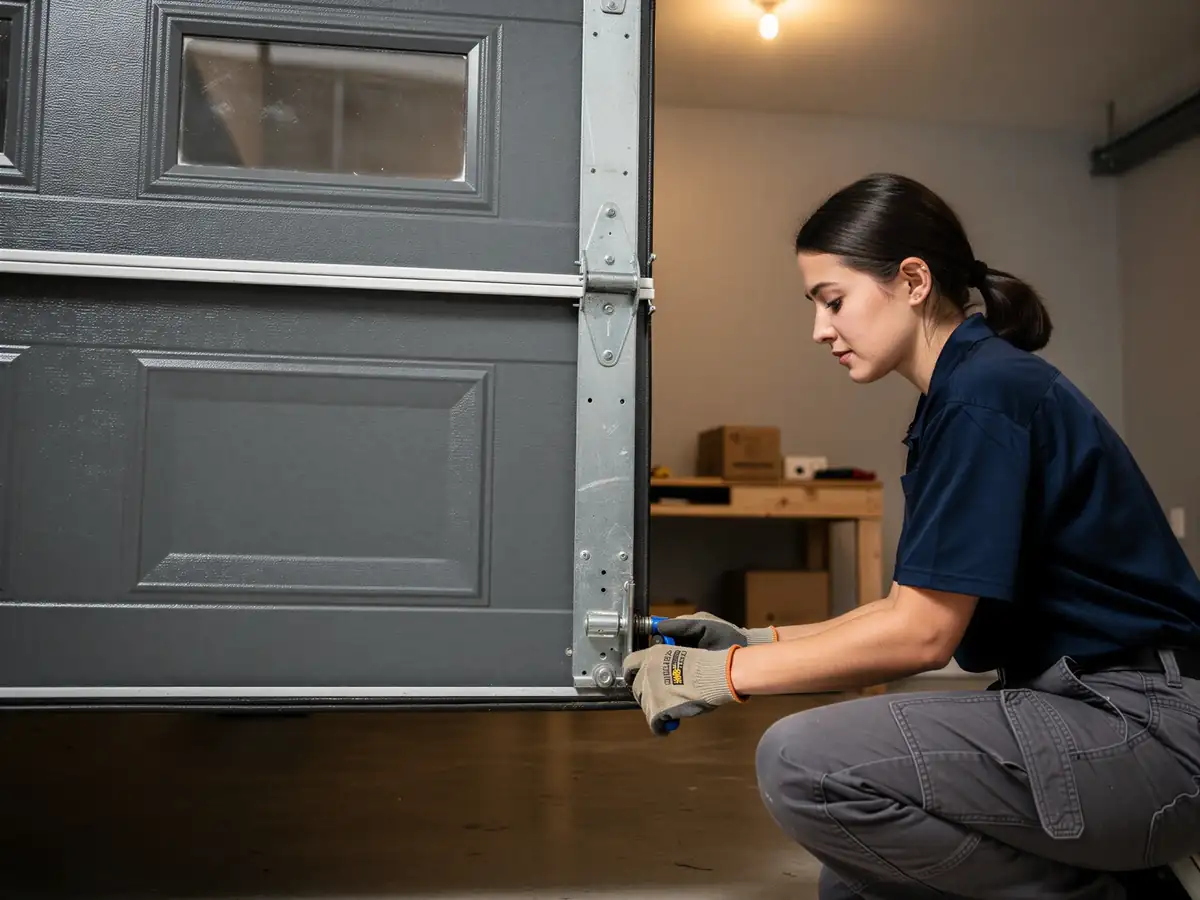
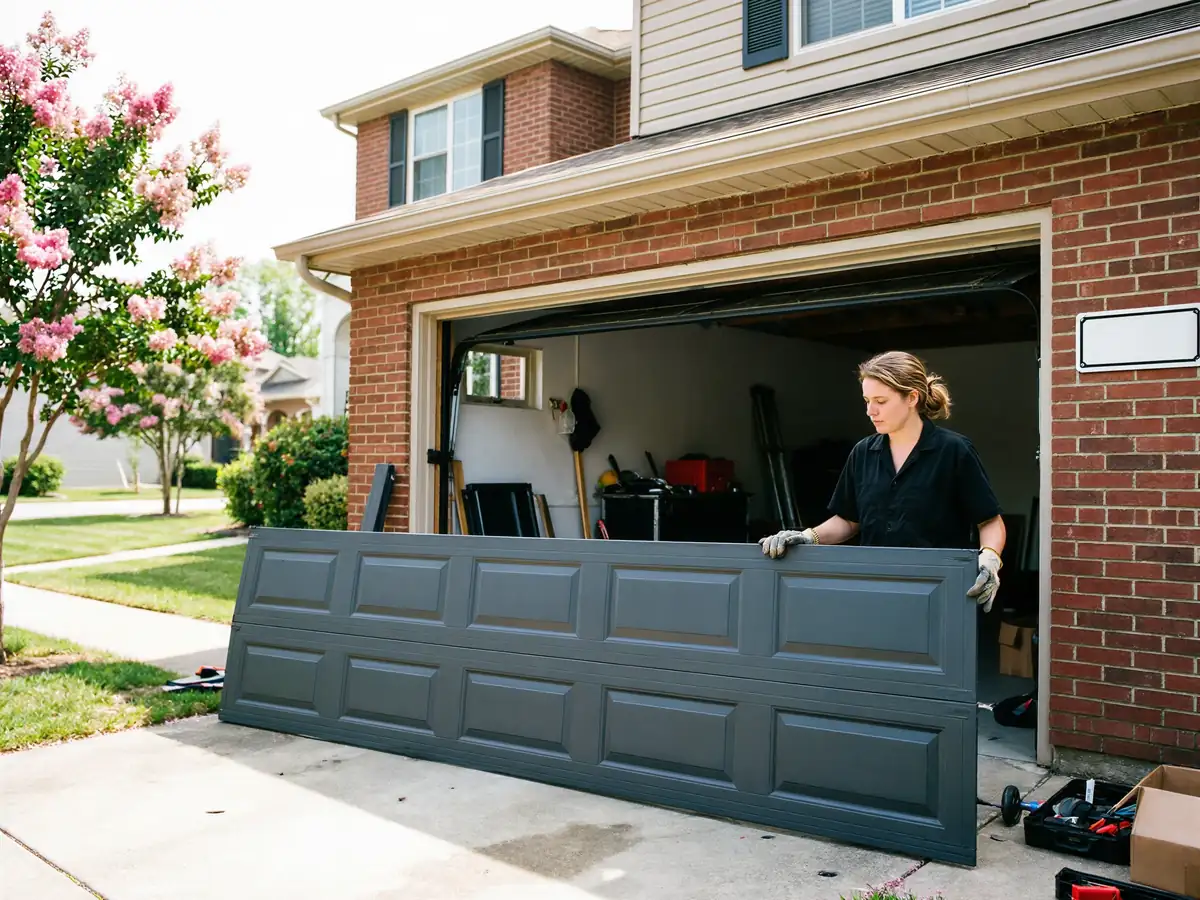
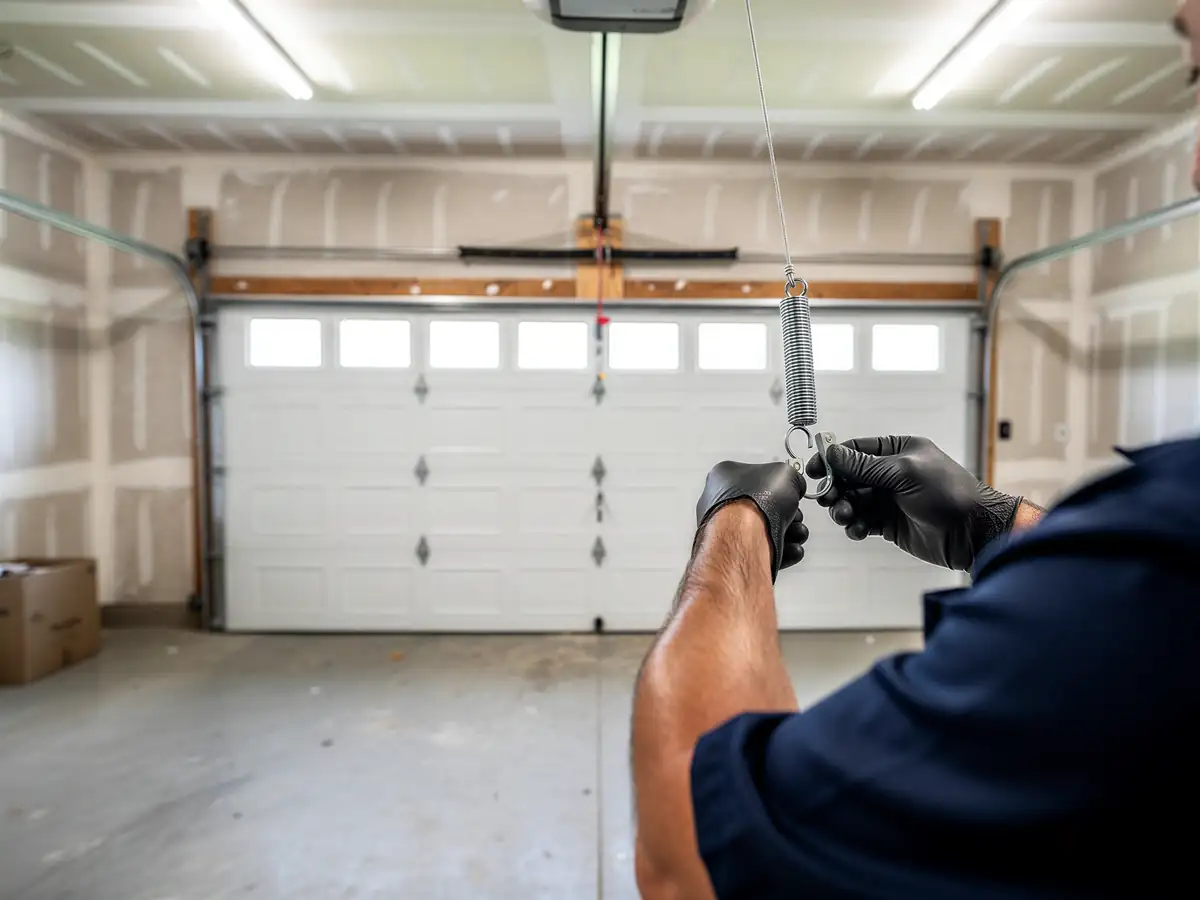
If you're looking at a broken spring yourself: don't. A wound torsion spring under tension can take a finger or worse, and on a door this old the stationary cone or the center bracket may be worn enough that it lets go unevenly when you unwind it. What you can safely check is whether it's a torsion spring (horizontal bar above the door) or an extension spring (stretched along the tracks) - that changes what part gets ordered. Beyond that, this is a job for someone who's done the specific wind-direction and drum-count math more than once, because getting it wrong on an unbalanced door bends the track, not just the spring.
Stocked Parts
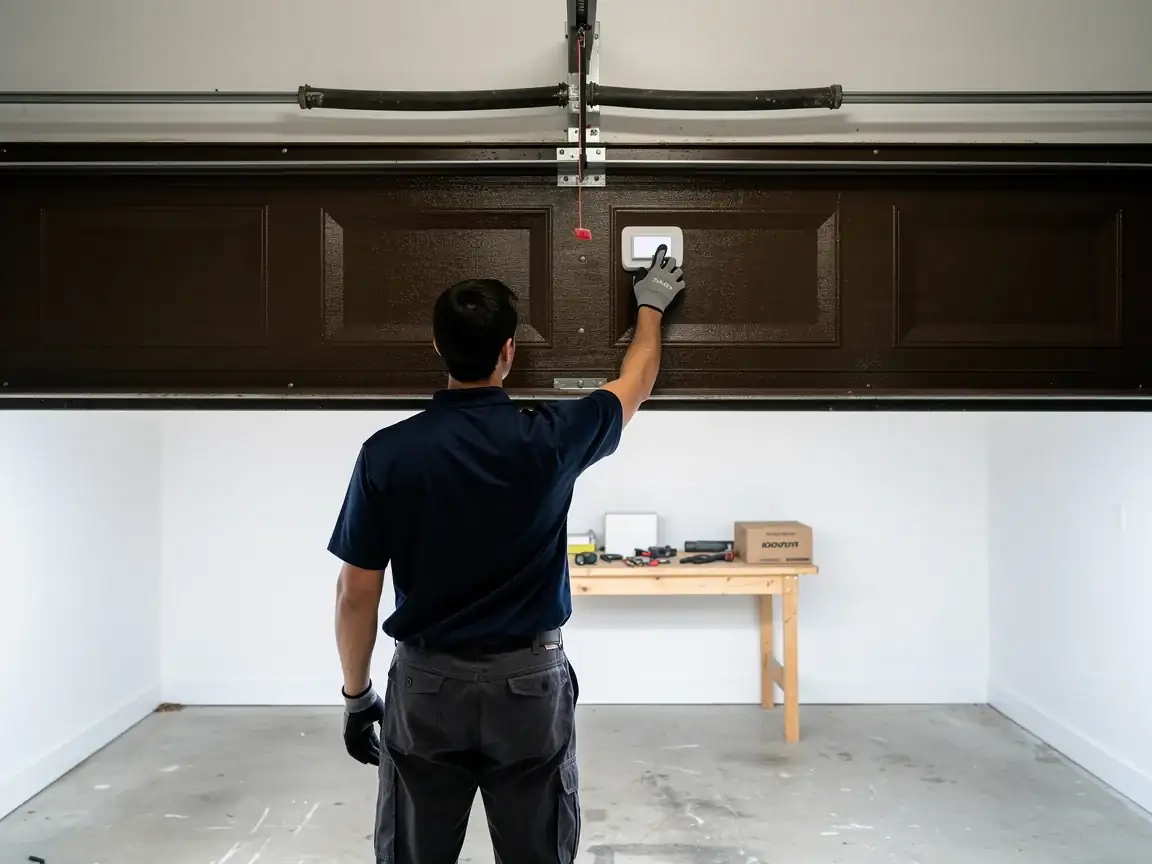
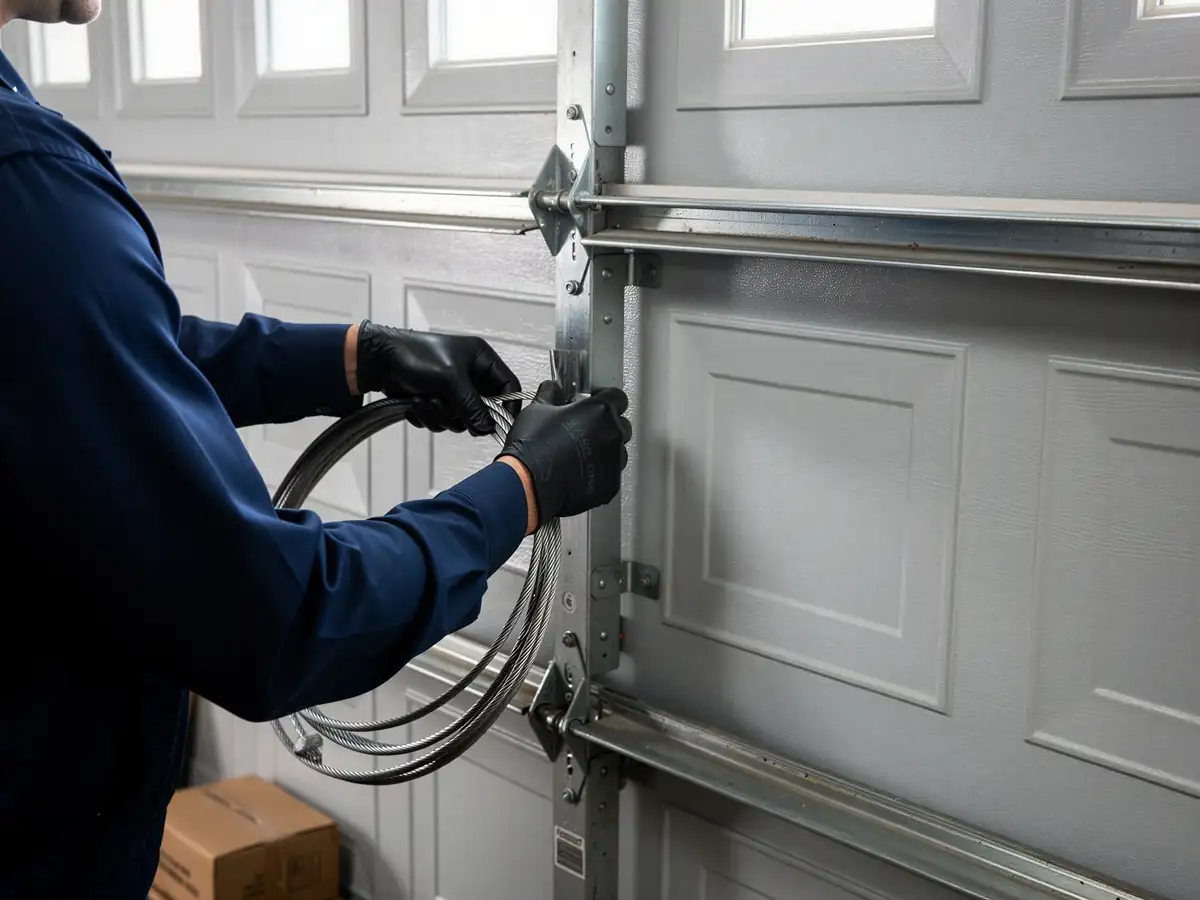
On a house from the early-to-mid 1970s, the spring sizing and drum setup don't always match what's common on a 1990s build, even though both fall inside the broader 1968-1994 range for this area. We carry a working range of torsion and extension springs sized for that older bracket spacing, plus the matching cables and drums, because showing up to a house built in 1973 with only current-stock parts is a wasted trip.
What we don't carry is anything obsolete enough to need a manufacturer order - a spring rated for a door size nobody's made in years, or a proprietary bracket from a long-discontinued opener-and-door package. That's rare, but it happens on older stock, and when it does the honest answer is a short wait on the part rather than a workaround that won't hold.
What It Costs
Gilmer's median household income sits at $41,279
Noticeably below the $66,250 median across the service area as a whole. We don't price jobs by the zip code someone lives in, but we mention it because it shapes the conversation we have on site: whether a worn spring on an otherwise sound door is worth fixing versus whether the opener and hardware around it are old enough that spending more now avoids a second call in a year or two.
We don't have a published flat rate to quote here
Spring size, door weight, and whether the cable or drums need replacing alongside it all move the number. What we can say is that a straightforward torsion spring swap on a standard double door costs less than replacing cables, drums, and a spring together after a cable snaps and damages the track on the way down. That's the real cost difference, and it's decided on inspection, not over the phone.
Booking a Visit
We run out of Longview, about 18 miles from Gilmer, so a visit here gets scheduled rather than squeezed in same-hour the way a job five minutes from the shop might. That's worth knowing going in: we're not based in town, we drive to it. Call ahead, tell us the spring type if you've already checked (torsion bar above the door, or stretched extension springs along the tracks), and we'll bring parts sized for the older bracket spacing common on Gilmer's 1973-era housing stock rather than assuming a newer setup.
See what else we cover nearby on the Gilmer coverage page, or if you're after a broader look at what we do out of Longview, the spring repair page for Longview itself covers that side of the work.