What It Costs
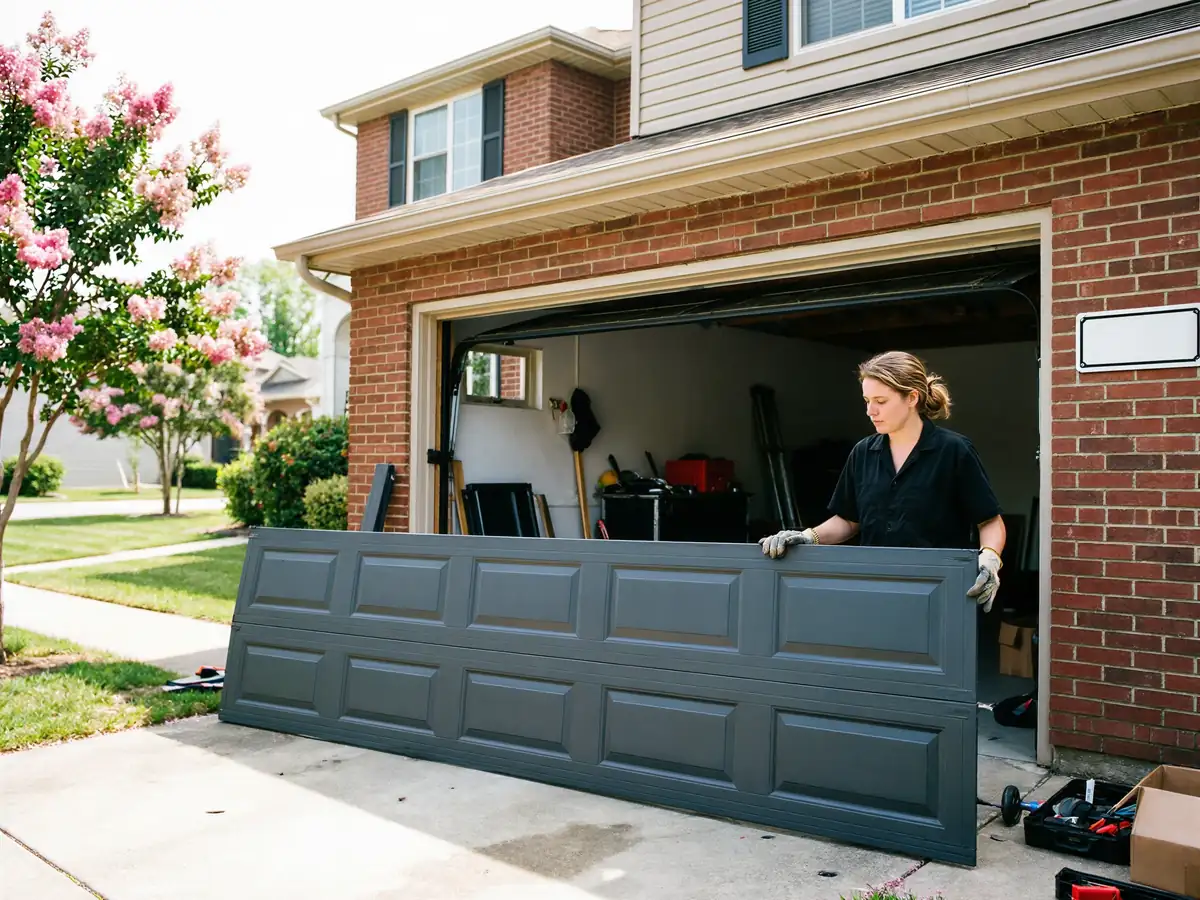
We don't post a flat number here because panel pricing depends on how many panels you need, whether the door is a standard 8-foot or a wider double, and whether we can source a matching panel or have to special-order one. Lakeport's housing stock, built mostly around 1986, tends to run slightly newer steel sectional doors than a lot of the older pockets closer to Longview, and newer doesn't always mean cheaper to fix - some of those mid-80s panel profiles aren't made anymore, which pushes a job toward full door replacement instead of a single panel swap. We'll tell you on site which way it's going before we start cutting into anything. If a single bottom panel took the hit from a car bumper or a thrown rock, that's usually the cheapest fix on the list. If the door's warped across more than one section, the math changes fast.
Booking a Visit
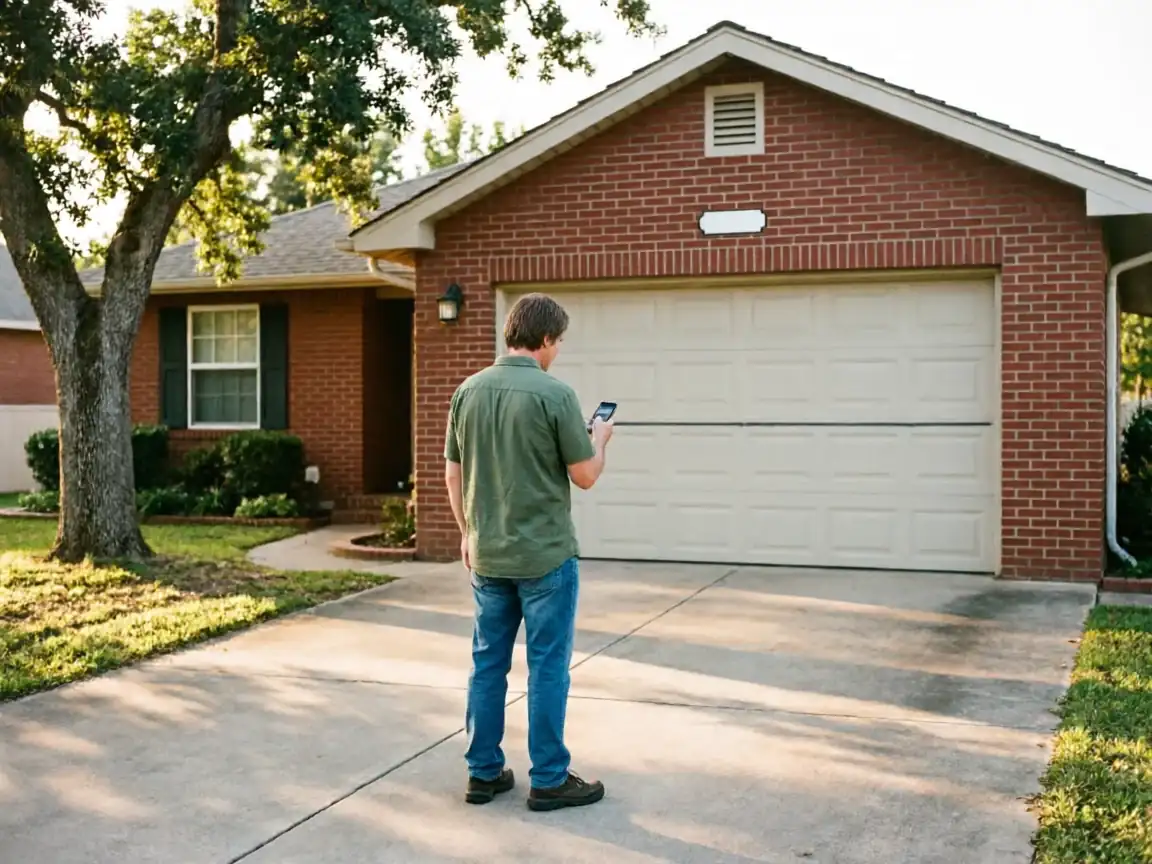
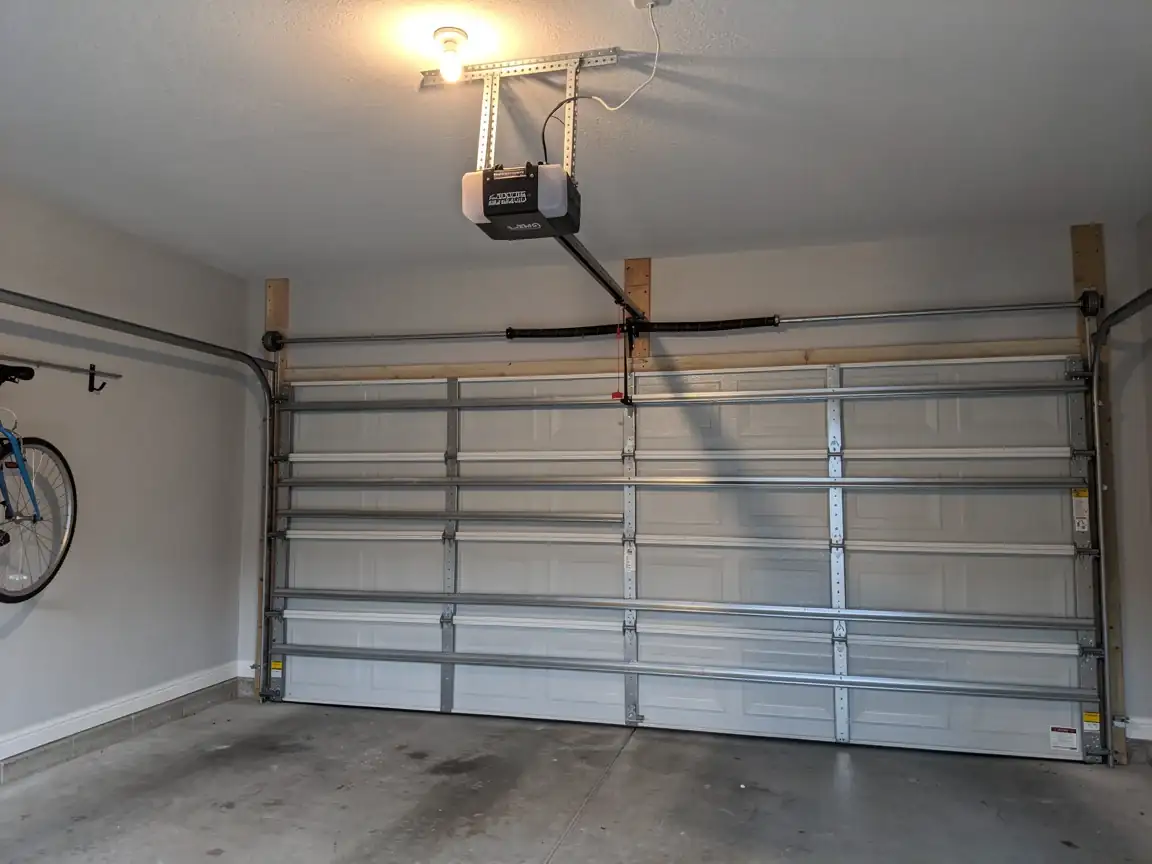
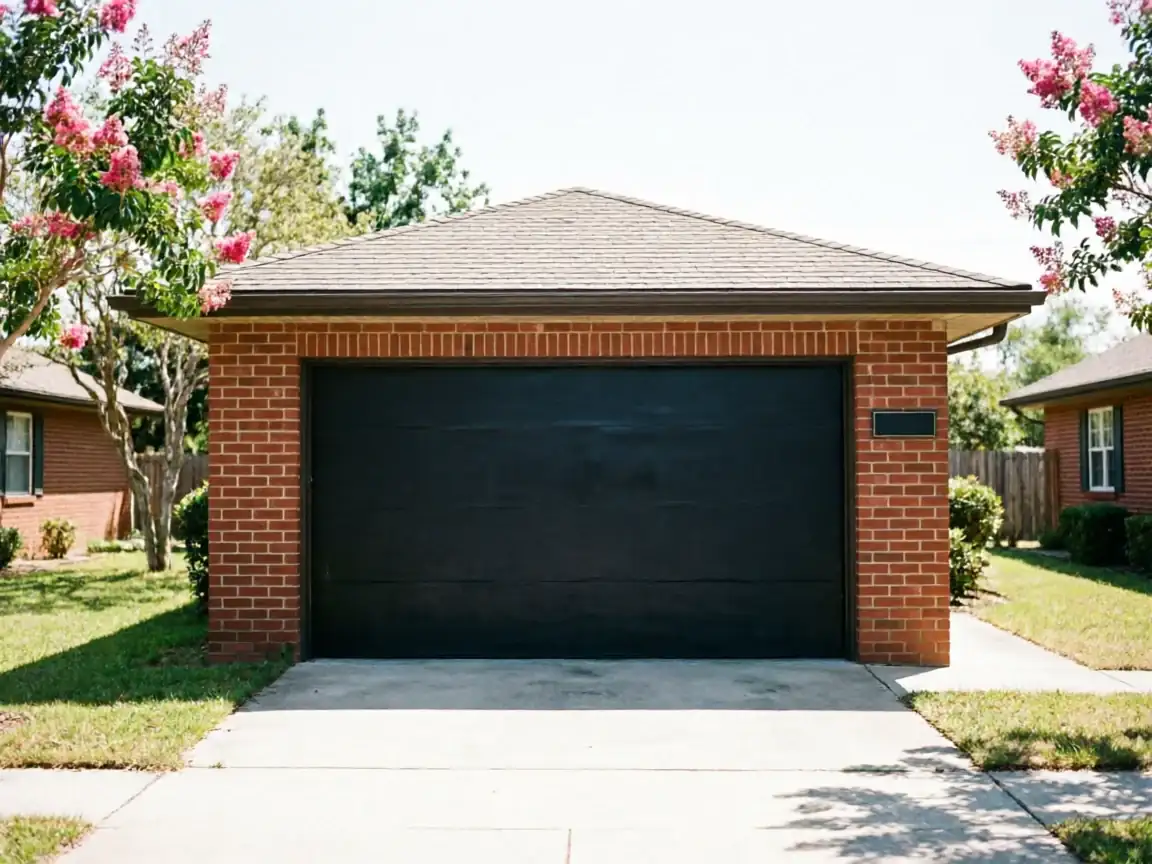
We cover Lakeport out of Longview, about 8 miles out, so we schedule the visit rather than drop in same-day on a whim. Tell us the door's approximate age when you call - if your house falls in that 1986-ish build window common to this area, we can usually guess the panel style and bring options with us instead of showing up blind. A photo of the damaged section helps more than a description over the phone. We'll also ask whether the opener still runs fine, since a cracked panel sometimes hides a bent track behind it that needs attention at the same visit.
Stocked Parts
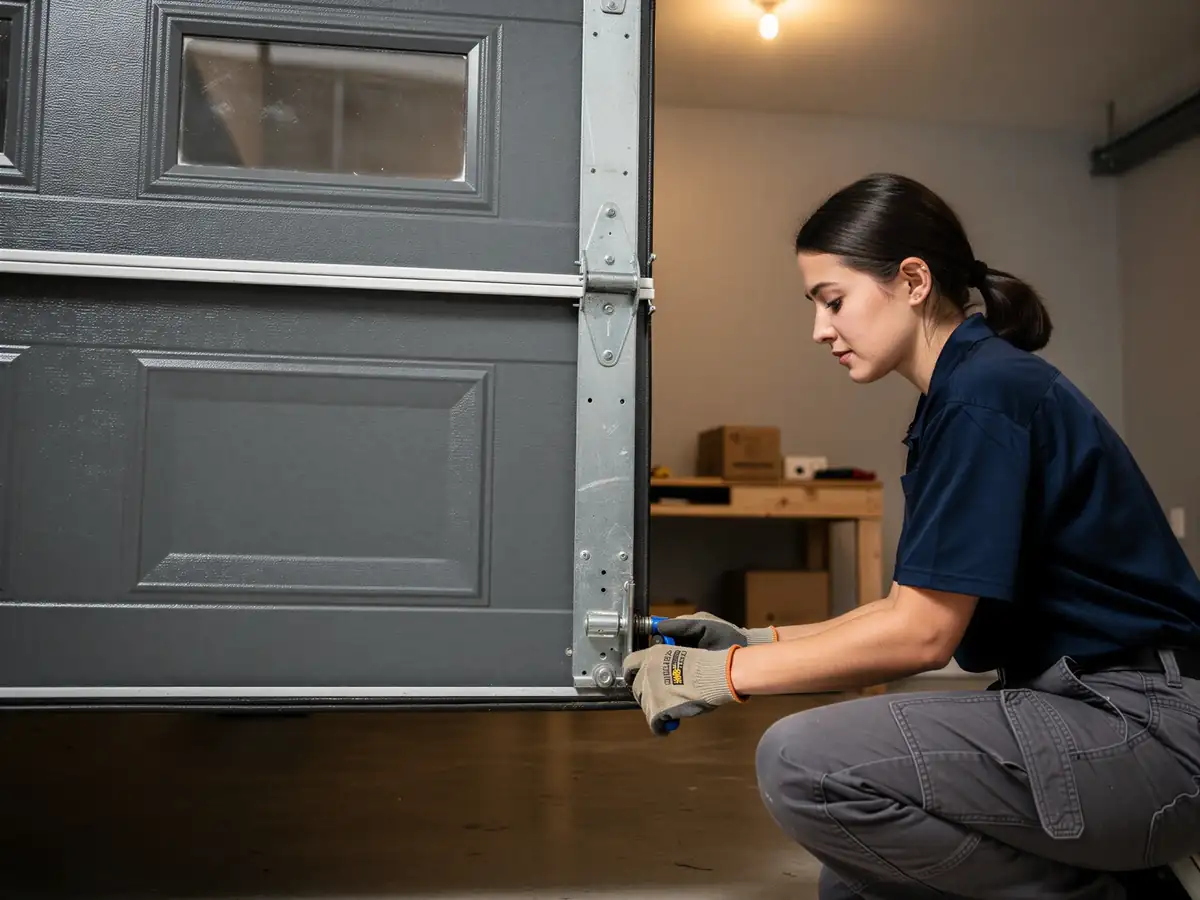
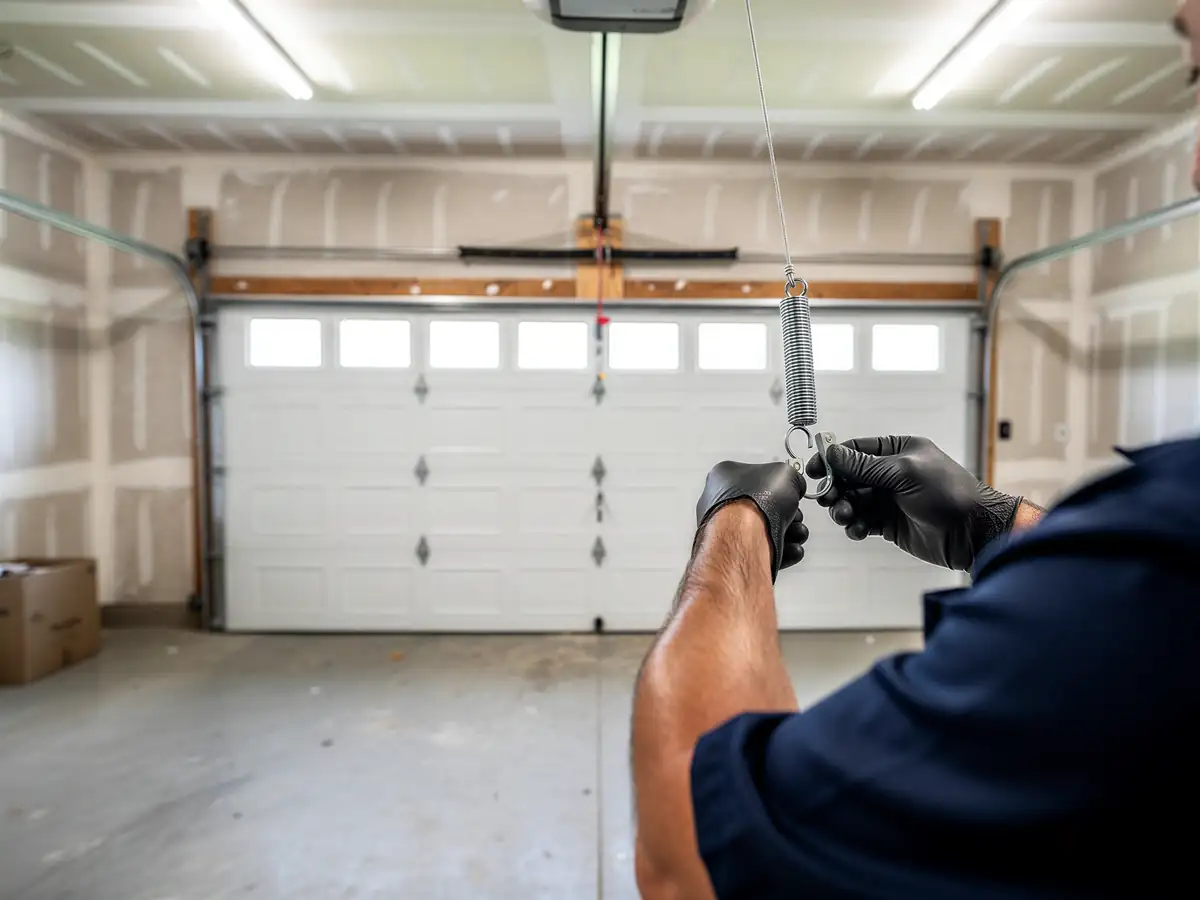
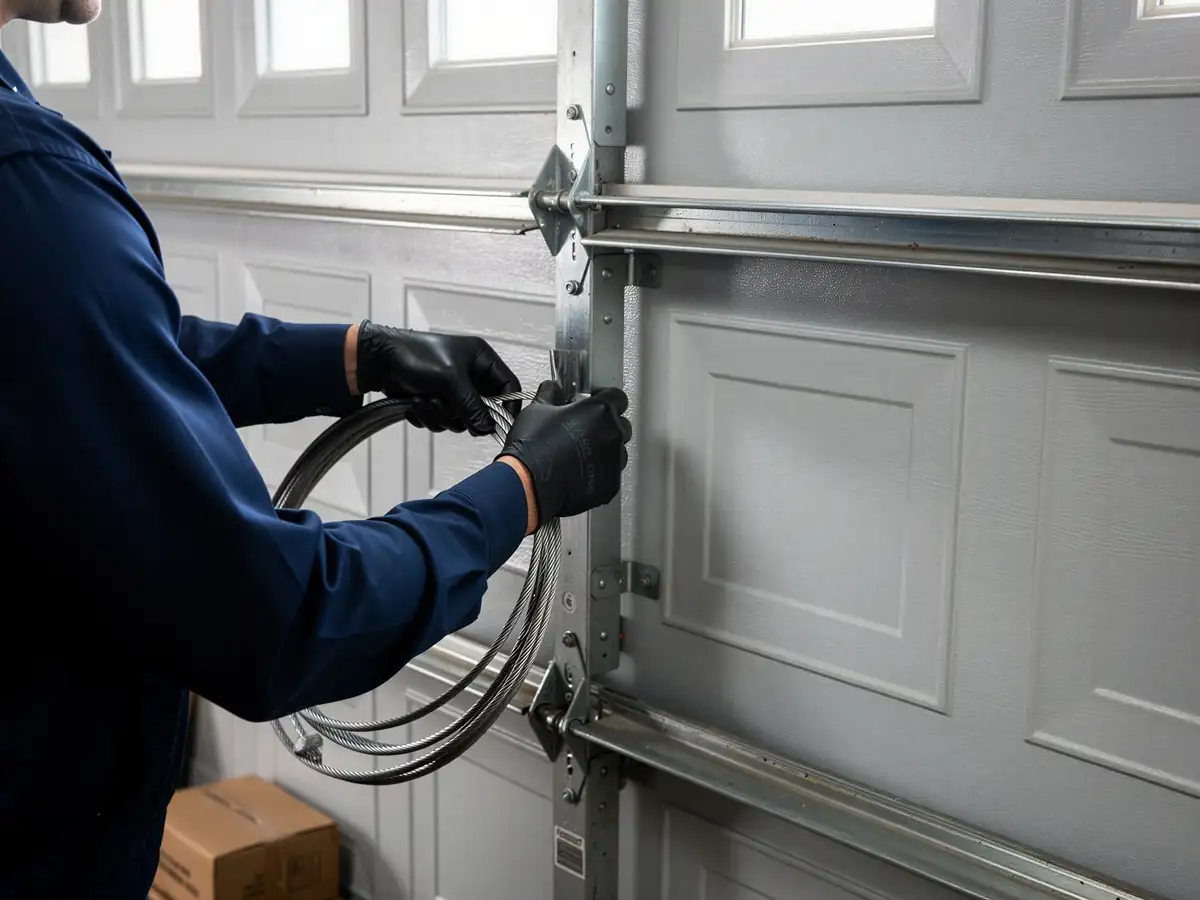
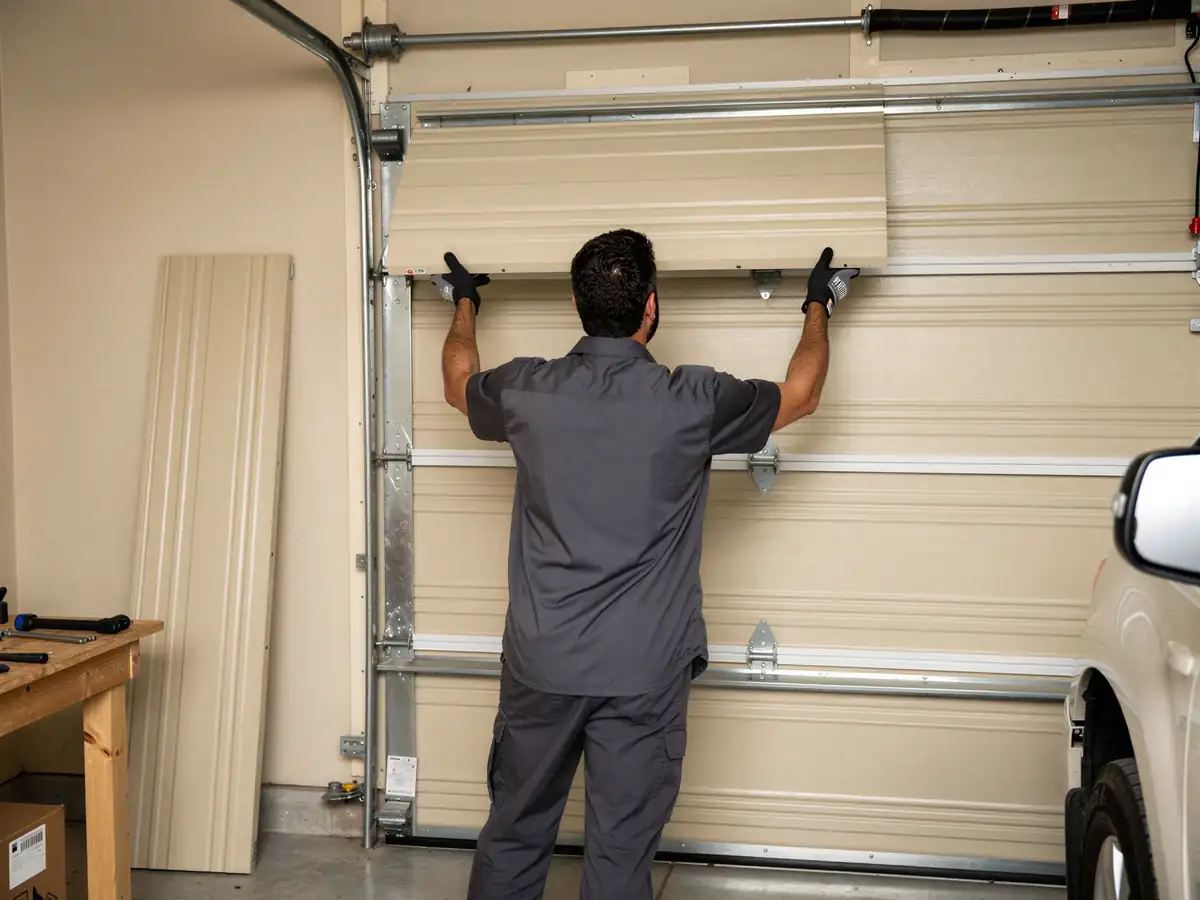
We carry common roller, hinge, and cable hardware on the truck because that's what fails across almost any era of door. Panels are different - we don't stock discontinued steel panel profiles from the 1980s, since there's no way to guess which of a dozen old runs a given house will need. What we can do is measure the existing panel on site, match gauge and rib pattern, and order from whichever supplier still carries something close. For houses in the 1986 build range typical of Lakeport, that's often a shorter wait than for the older stock closer to town, since later-80s profiles stayed in production longer before manufacturers moved on.
What You Are Seeing
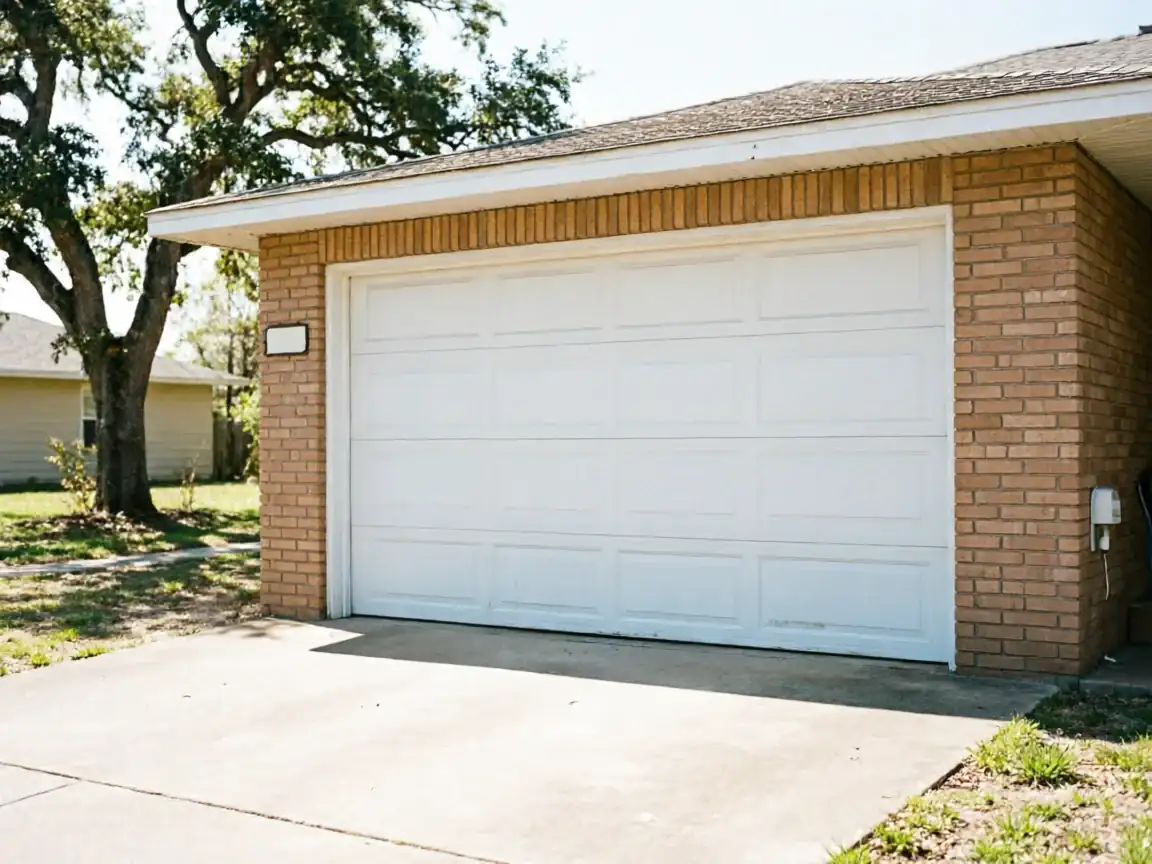
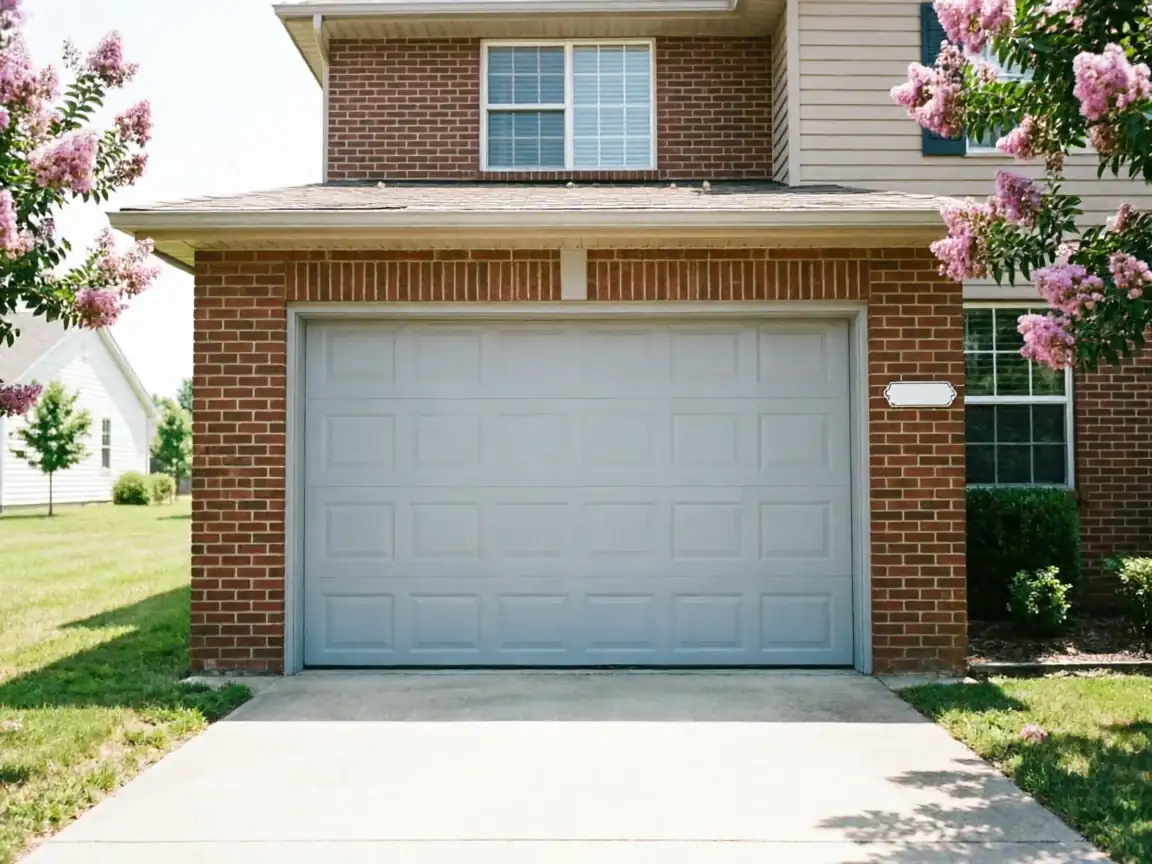
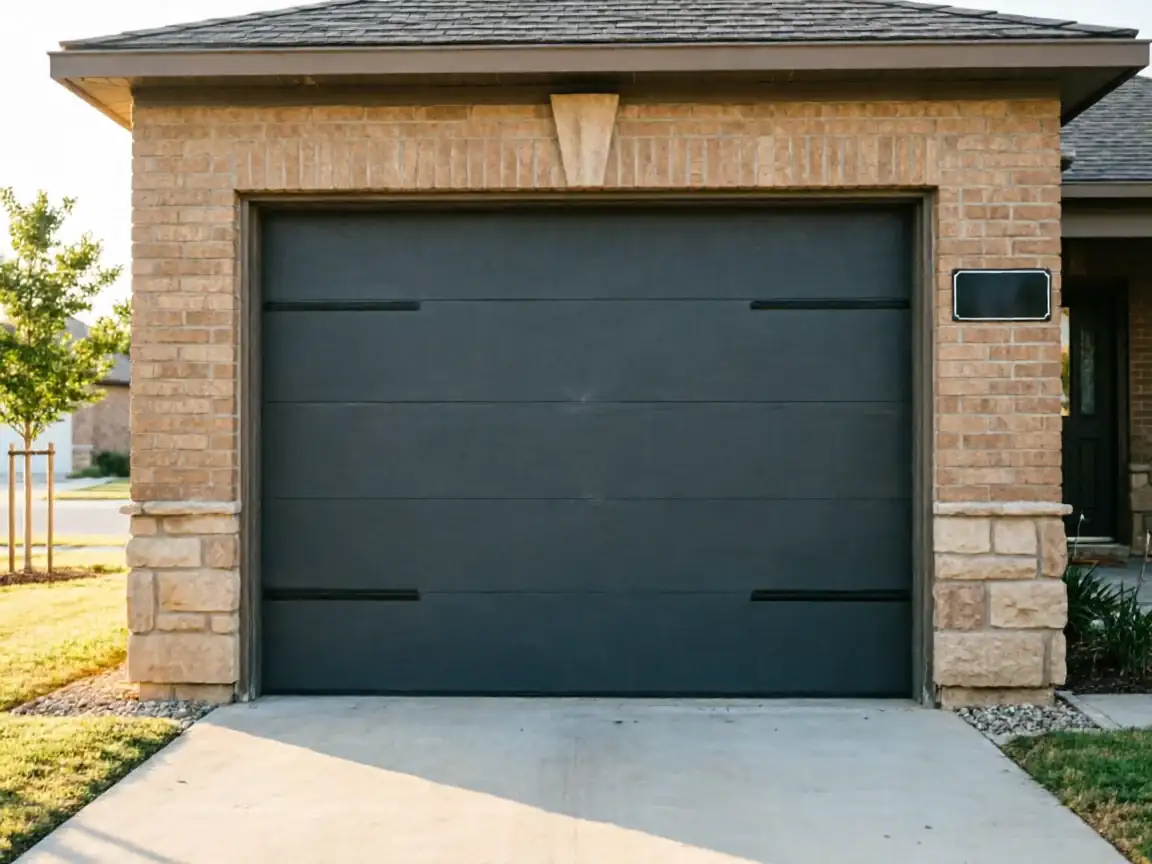
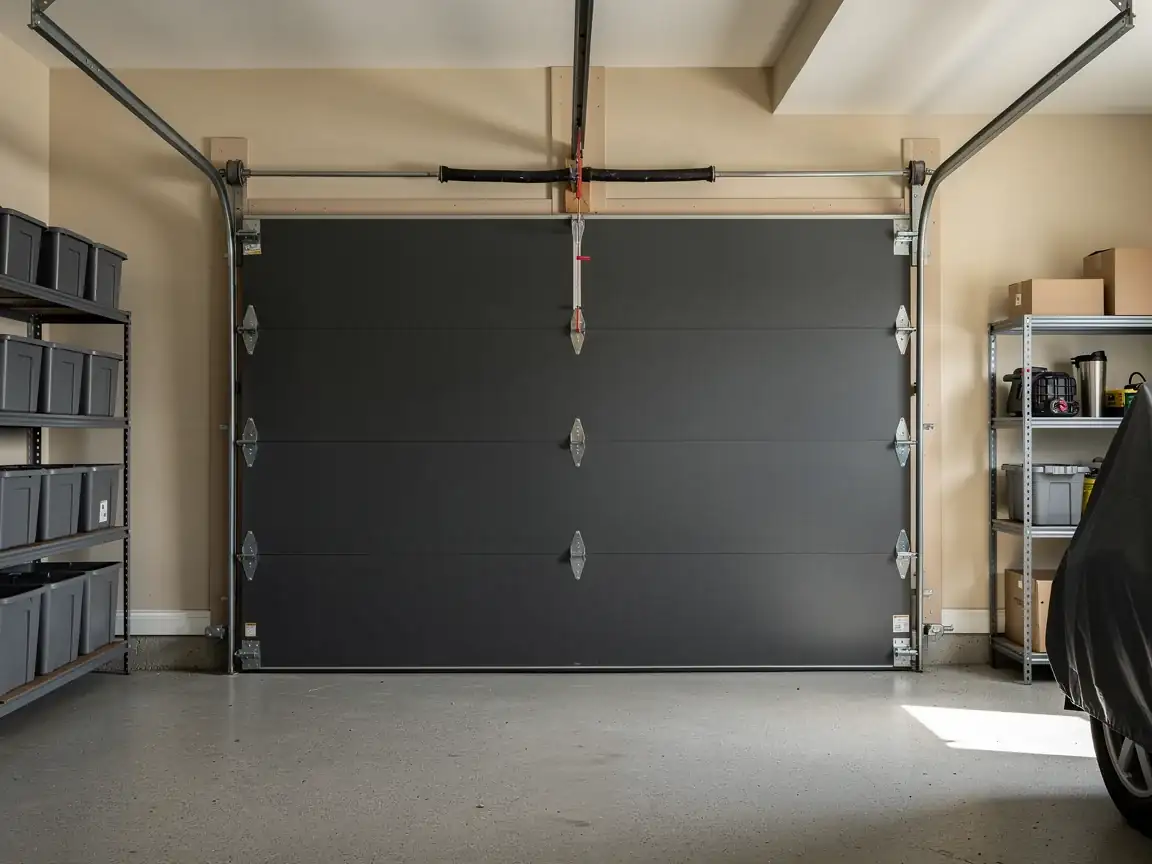
If a bottom panel is bowed inward or cracked along a seam, that's usually impact damage, not age. If panels further up the door are rusting through at the bottom edge or along a horizontal rib, that's moisture sitting against steel over years, and it tends to show up on doors from the mid-80s onward since that's when galvanized steel sectional doors became the standard replacement for older wood doors in this area. Dents that don't crack the paint are cosmetic. Dents that crease the steel change how the panel flexes under the opener's pull, and that's a repair even if it still looks fine from the driveway.