What It Costs
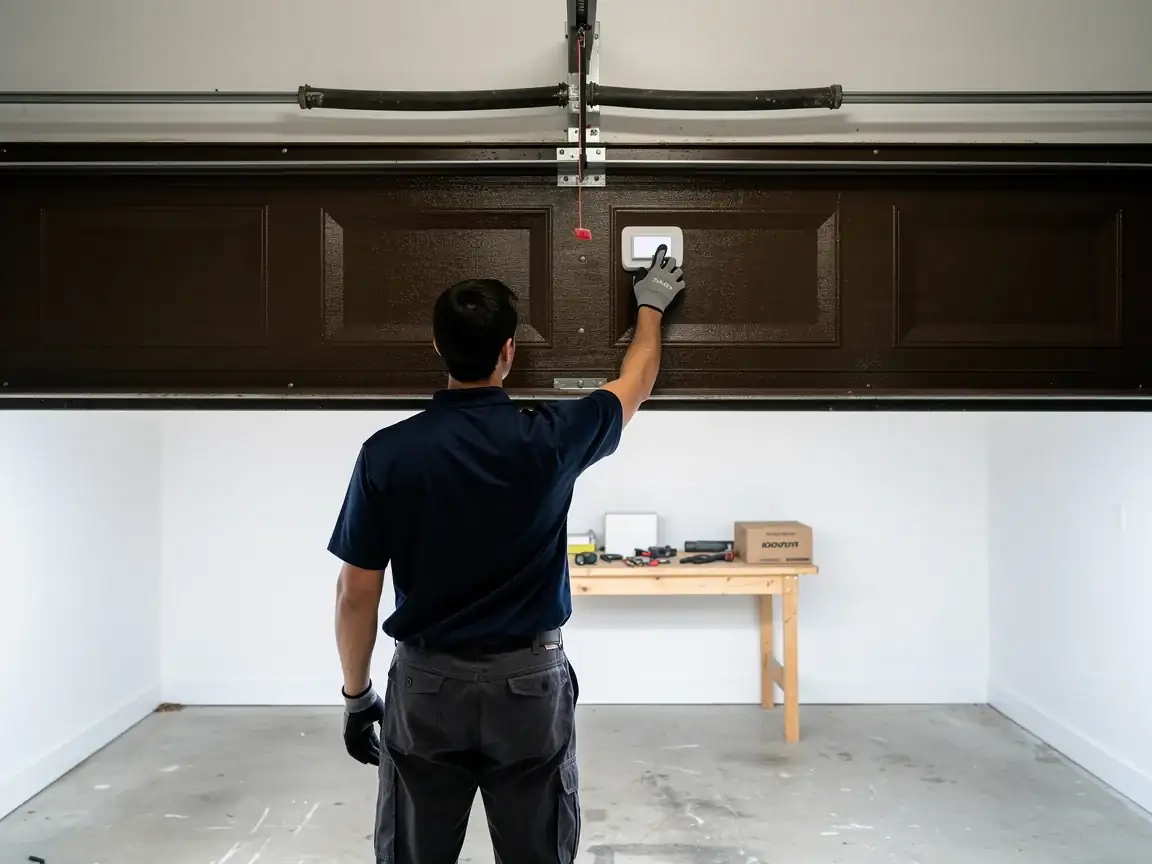
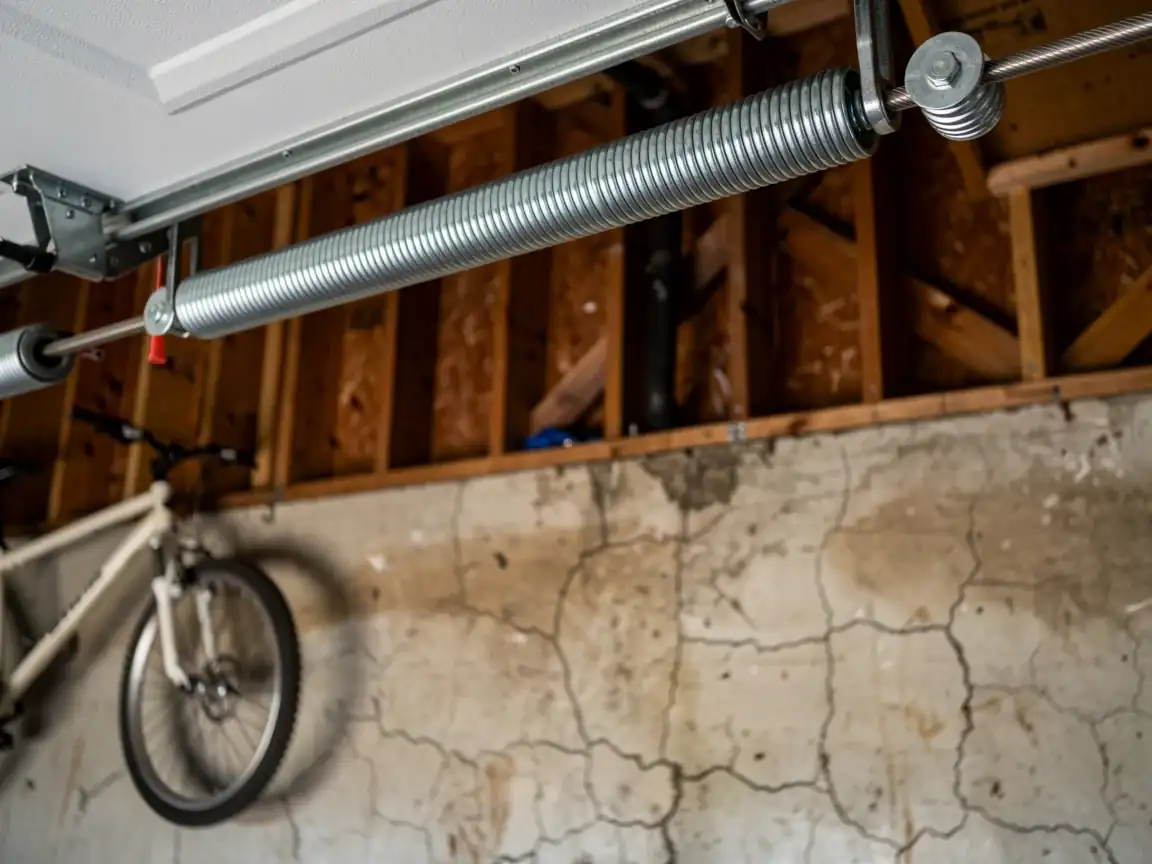
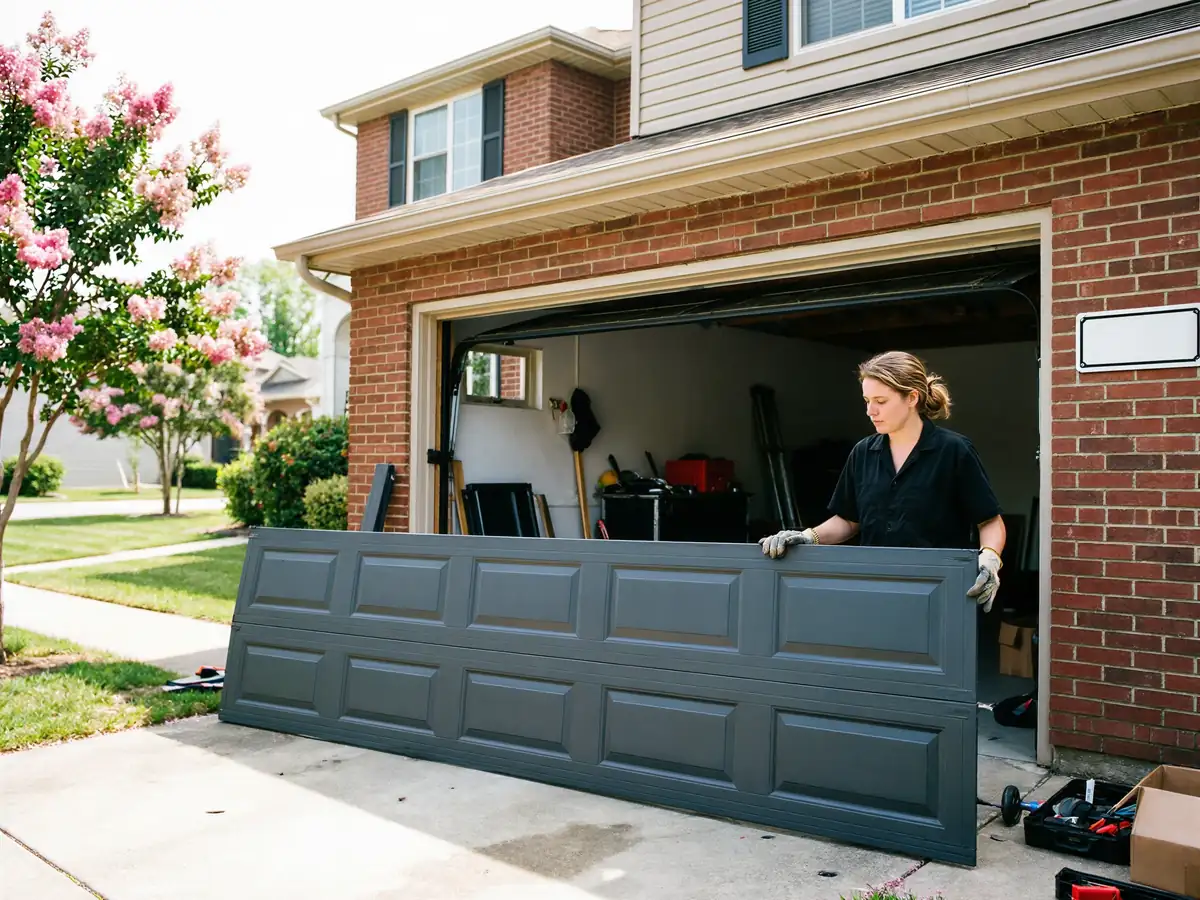
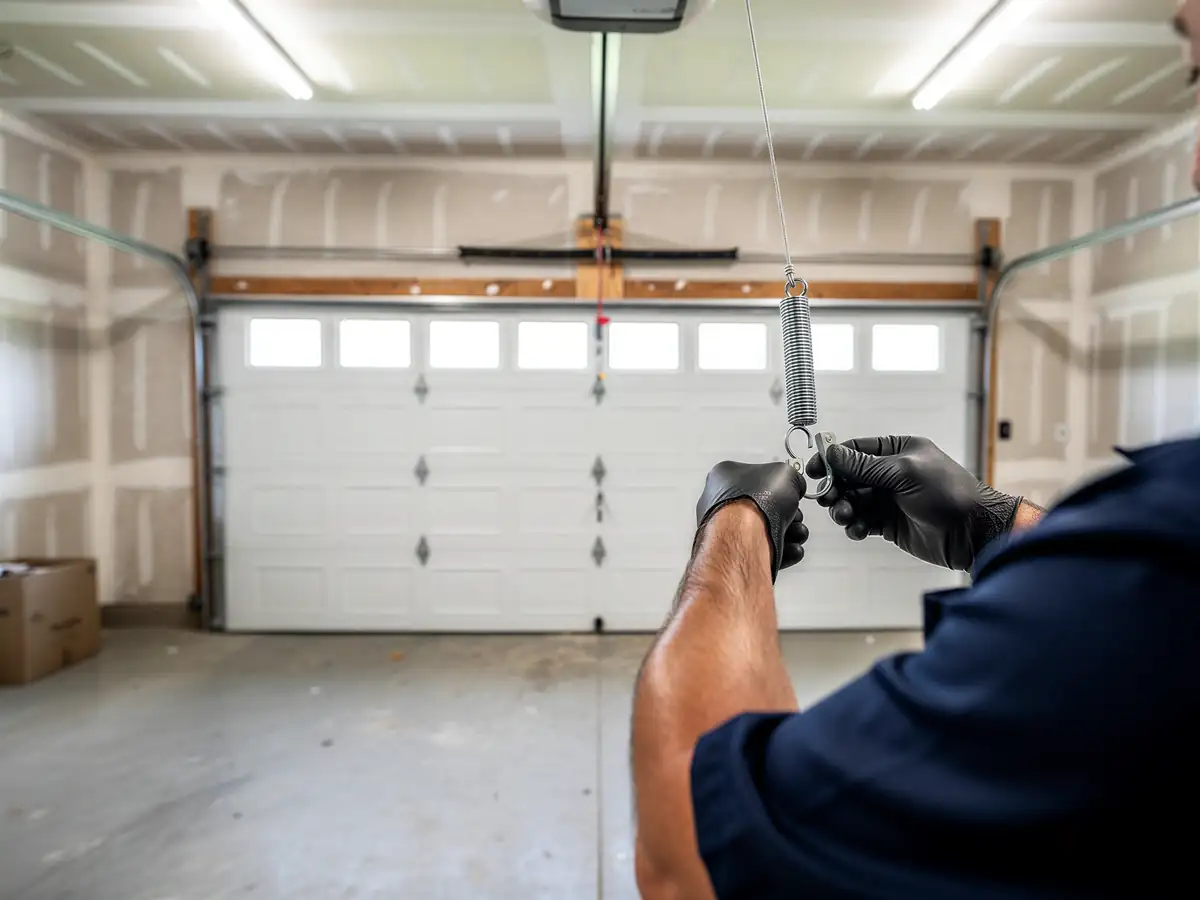
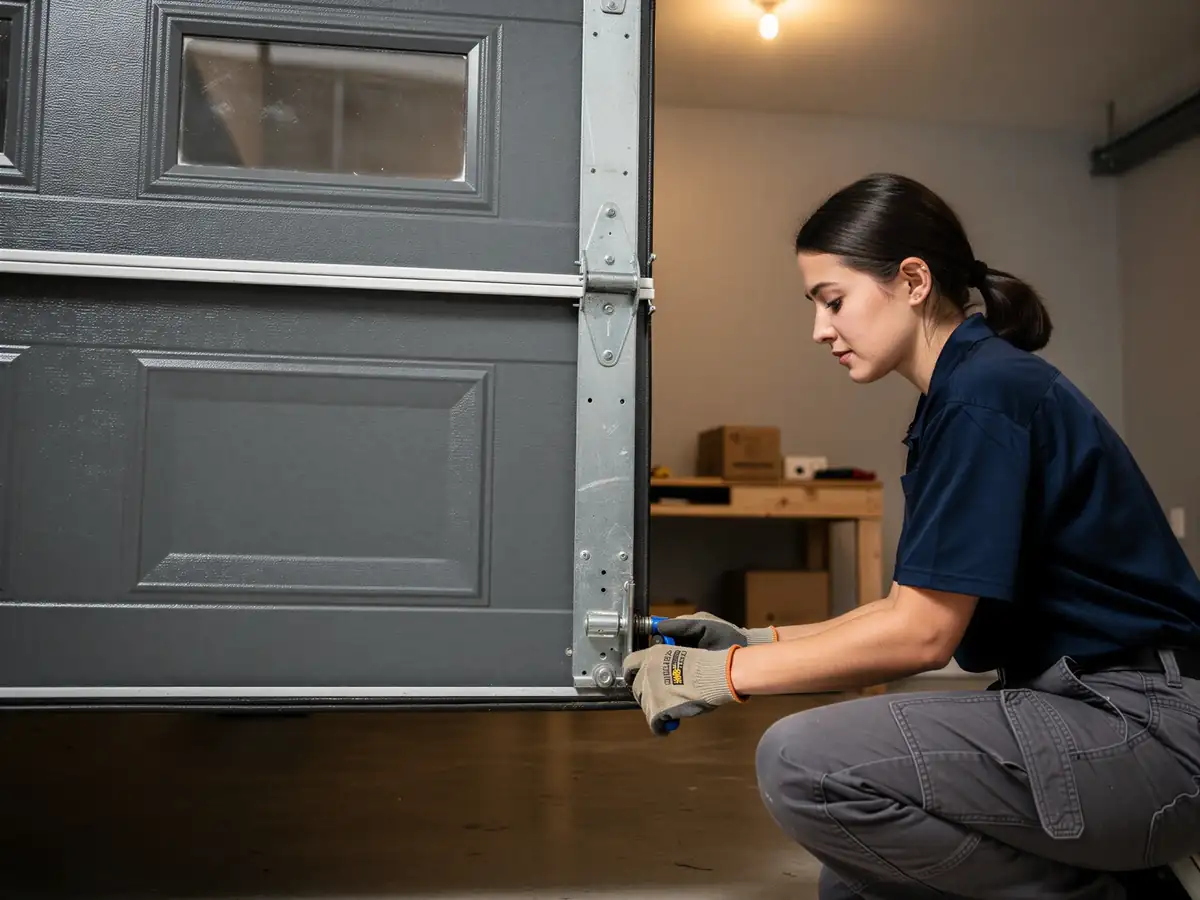
We don't post a flat number here because what you're paying for depends on what's actually broken, and on a door built around 1986 that's usually one of a short list: a torsion spring that's given out after decades of cycles, a cracked bottom panel on an original steel section, or rollers that have worn their tracks oval. A spring swap costs less than an opener swap, and a full door replacement costs more than either. What we can tell you is that most Lakeport calls are repairs, not replacements, because a 1986 steel door is simple enough that the moving parts can be rebuilt instead of torn out. If the door itself has rusted through at the bottom corners, repair stops making sense and we'll say so instead of billing you for a patch that won't hold.
Booking a Visit
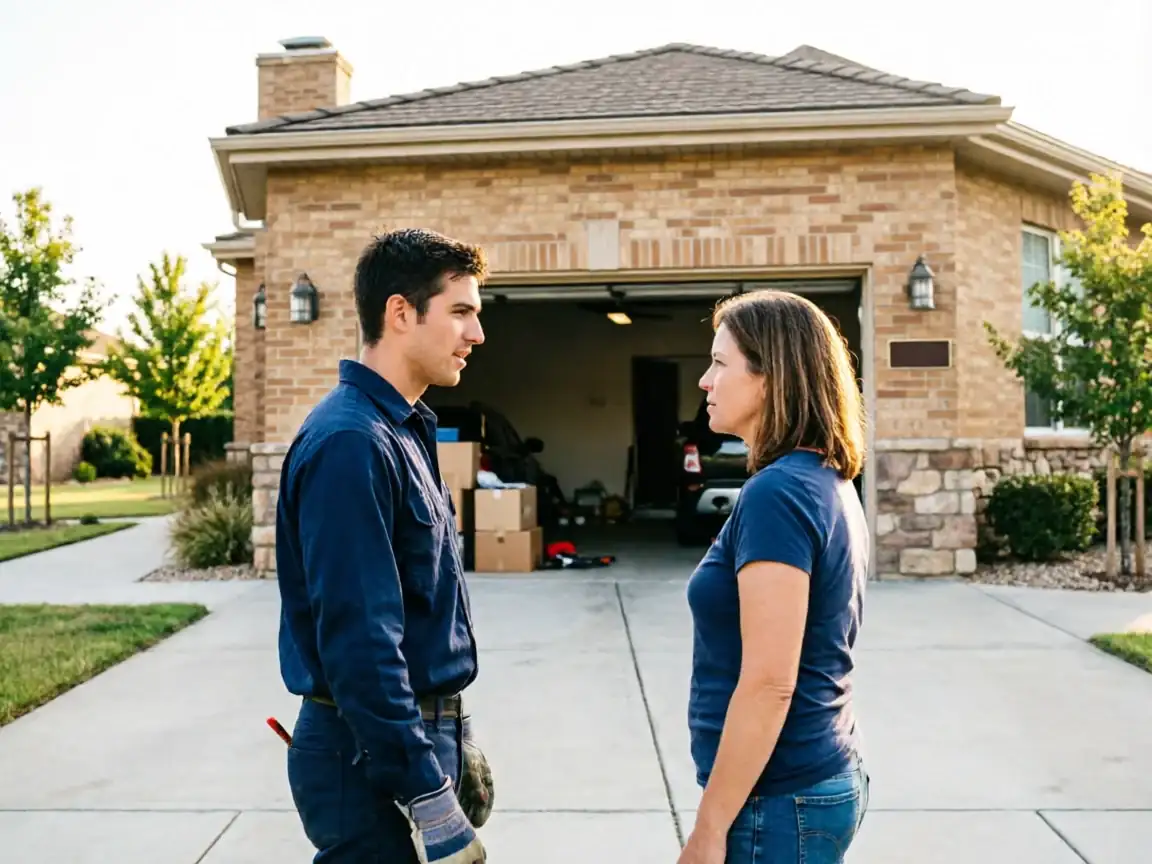
We cover Lakeport from our base in Longview, about 8 miles out, so when you call we're scheduling a drive, not dispatching from a local depot. Tell us the age of the house if you know it and what the door is doing (or not doing) - that alone narrows down the likely part before the truck leaves. With roughly 438 households in Lakeport, we're not working this pocket every day, so booking ahead for a non-emergency repair gets you a better window than hoping for a same-day slot.
Stocked Parts
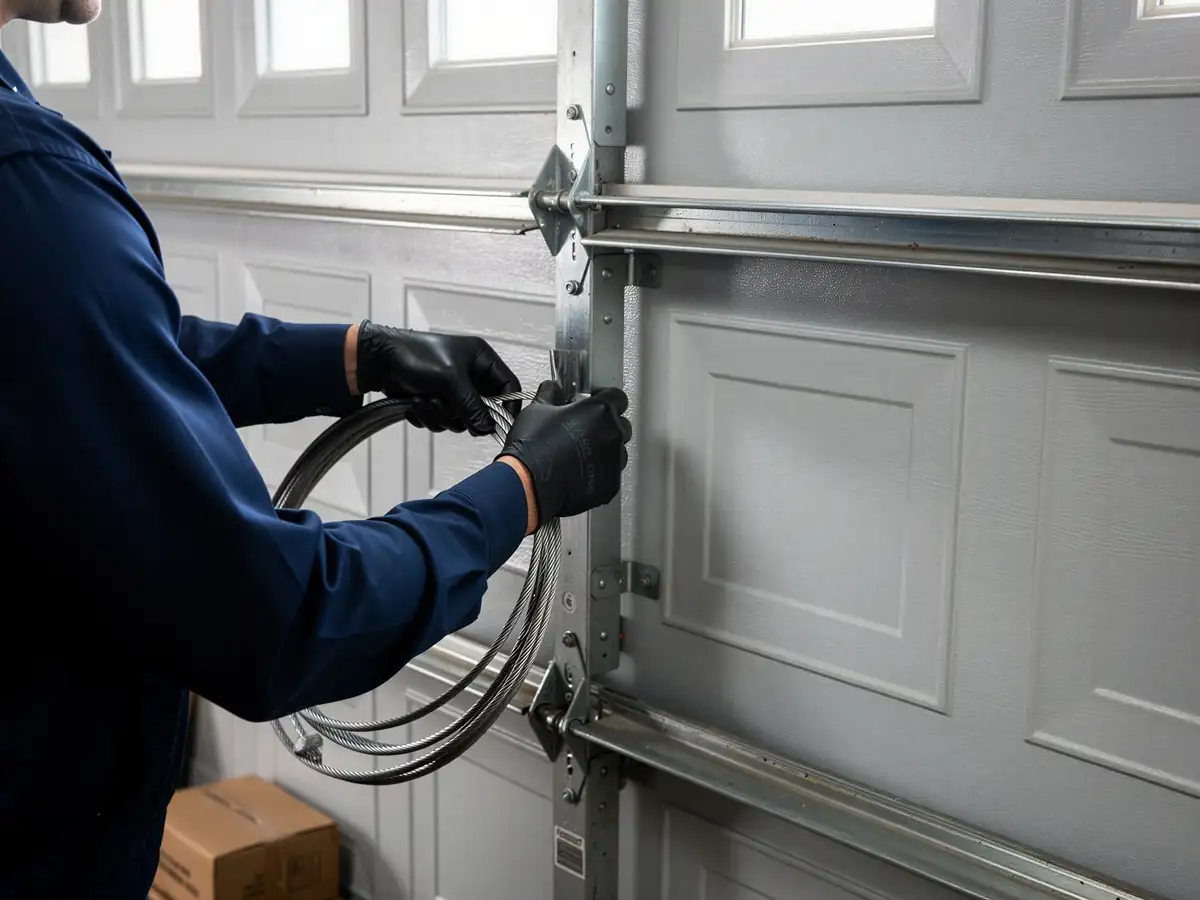
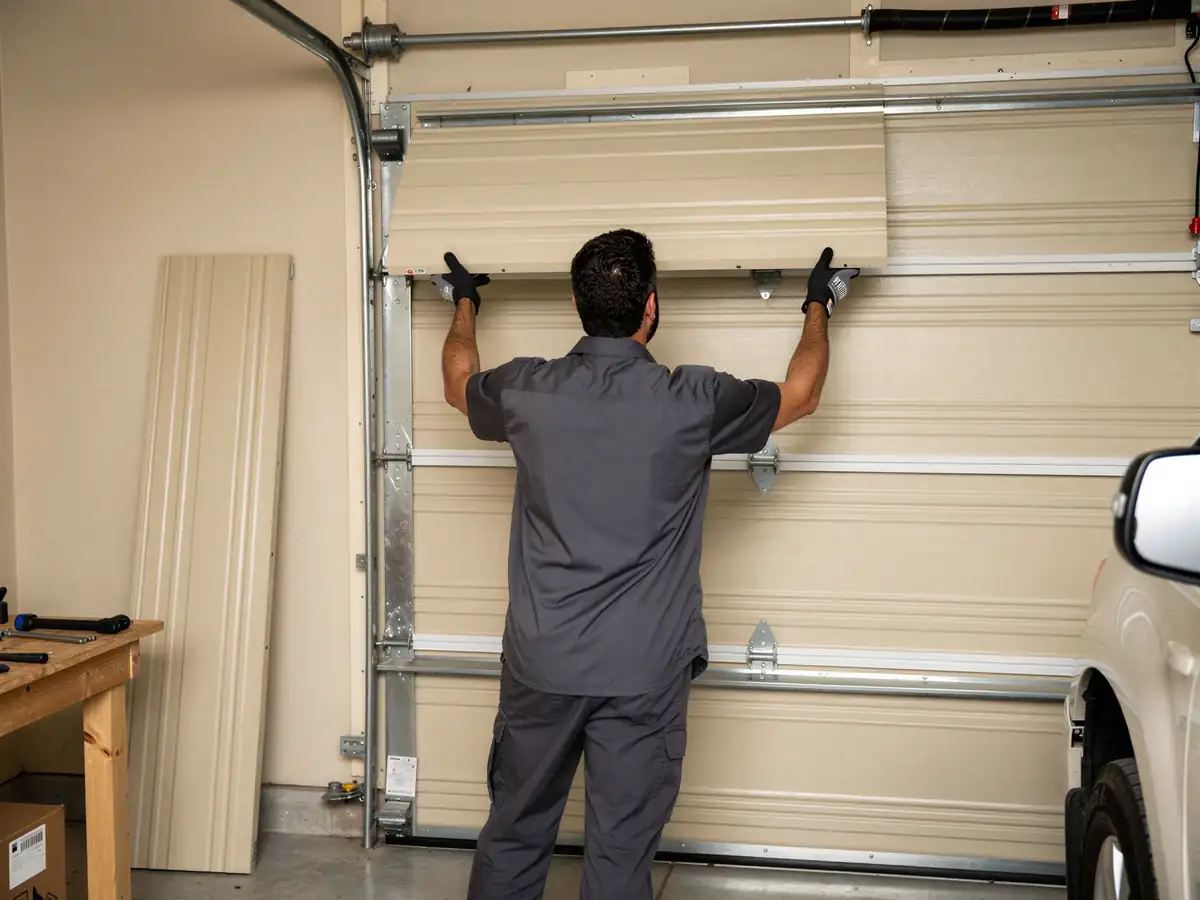
Steel sectional panels, extension and torsion springs, standard lift cables, and the roller and hinge sizes that fit doors built through the 1980s and into the mid-90s ride on the truck, since that's the era most of the houses out this way were built in. What we don't keep on hand are obsolete wood-panel sections or hardware for doors manufactured before the mid-1960s - that's a special-order wait, and we'll tell you up front if your door falls into that window instead of pretending we can fix it same-visit.
What You Are Seeing
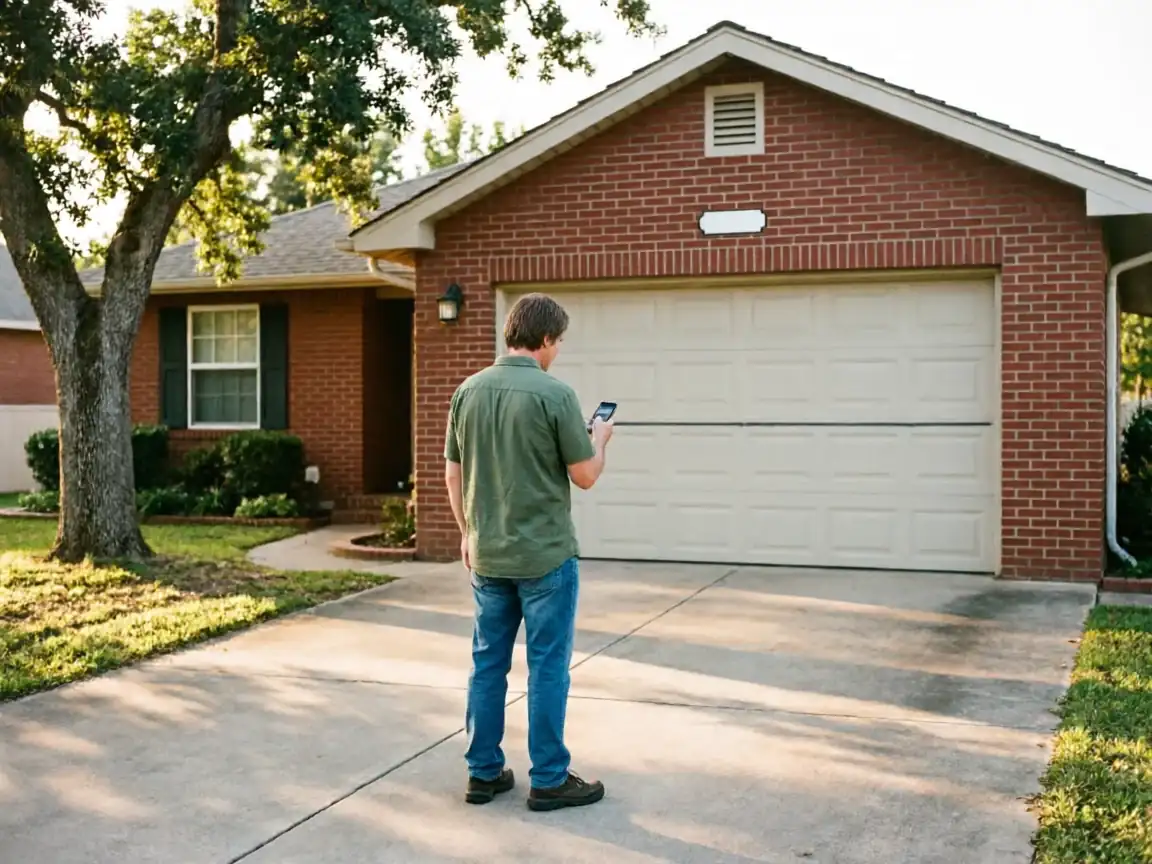
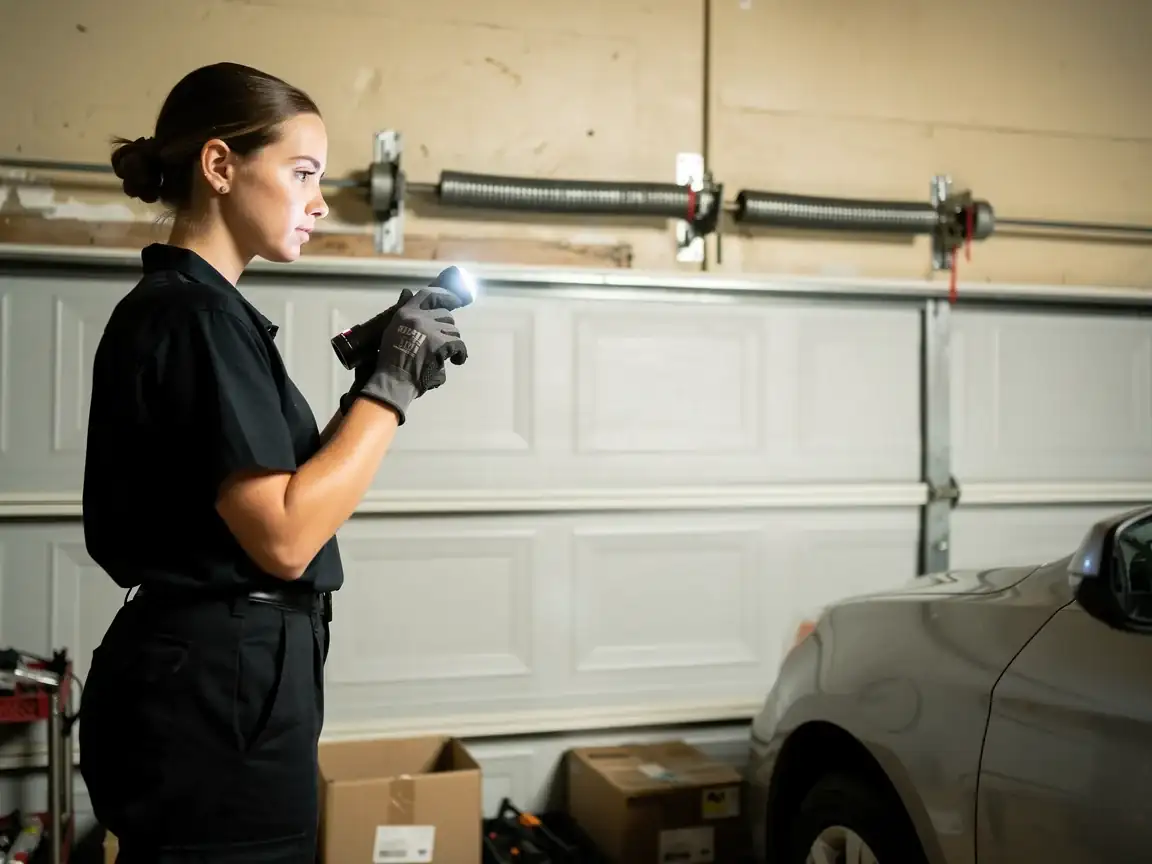
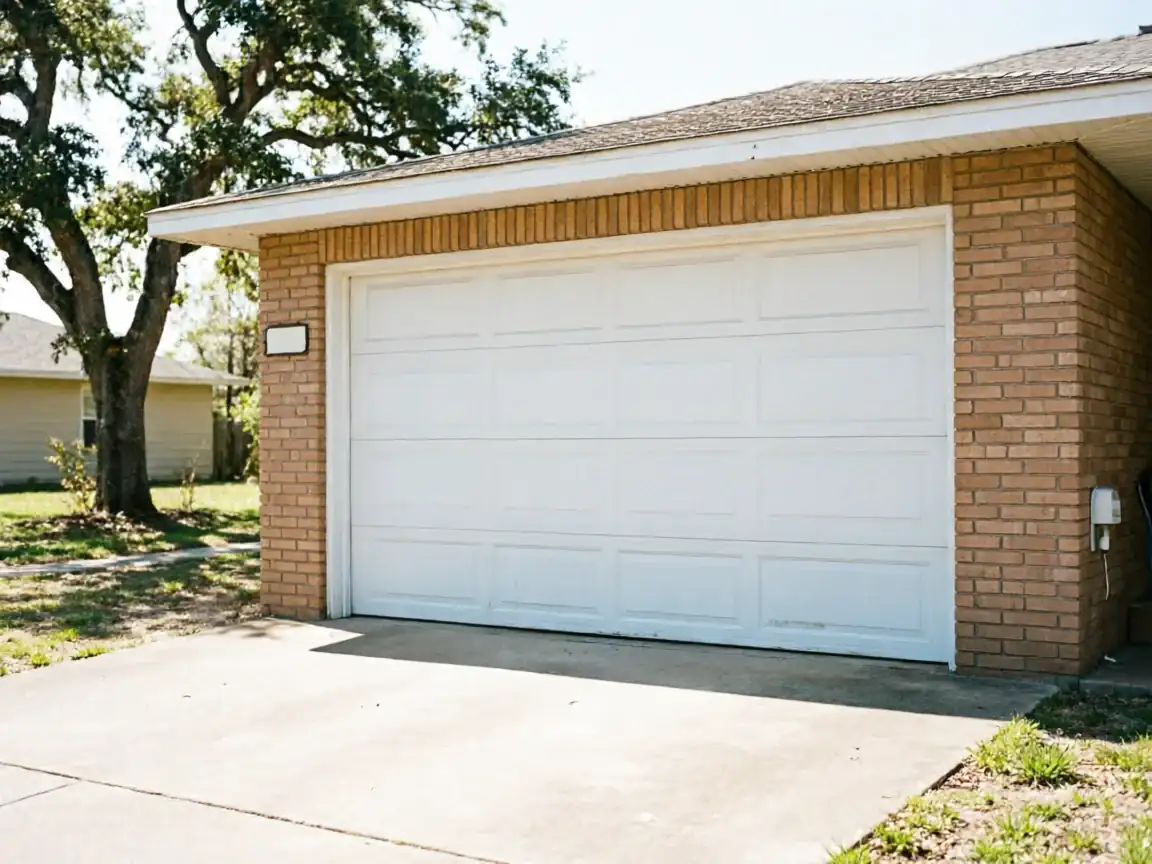
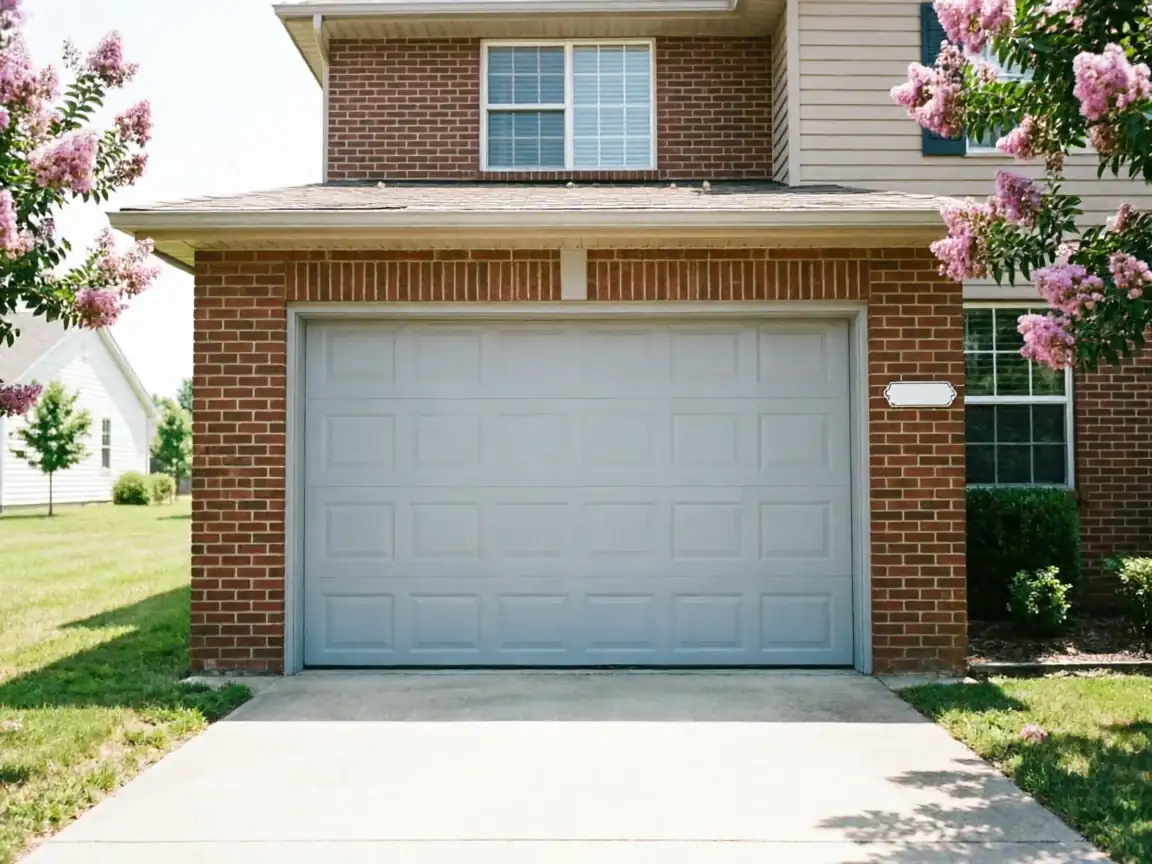
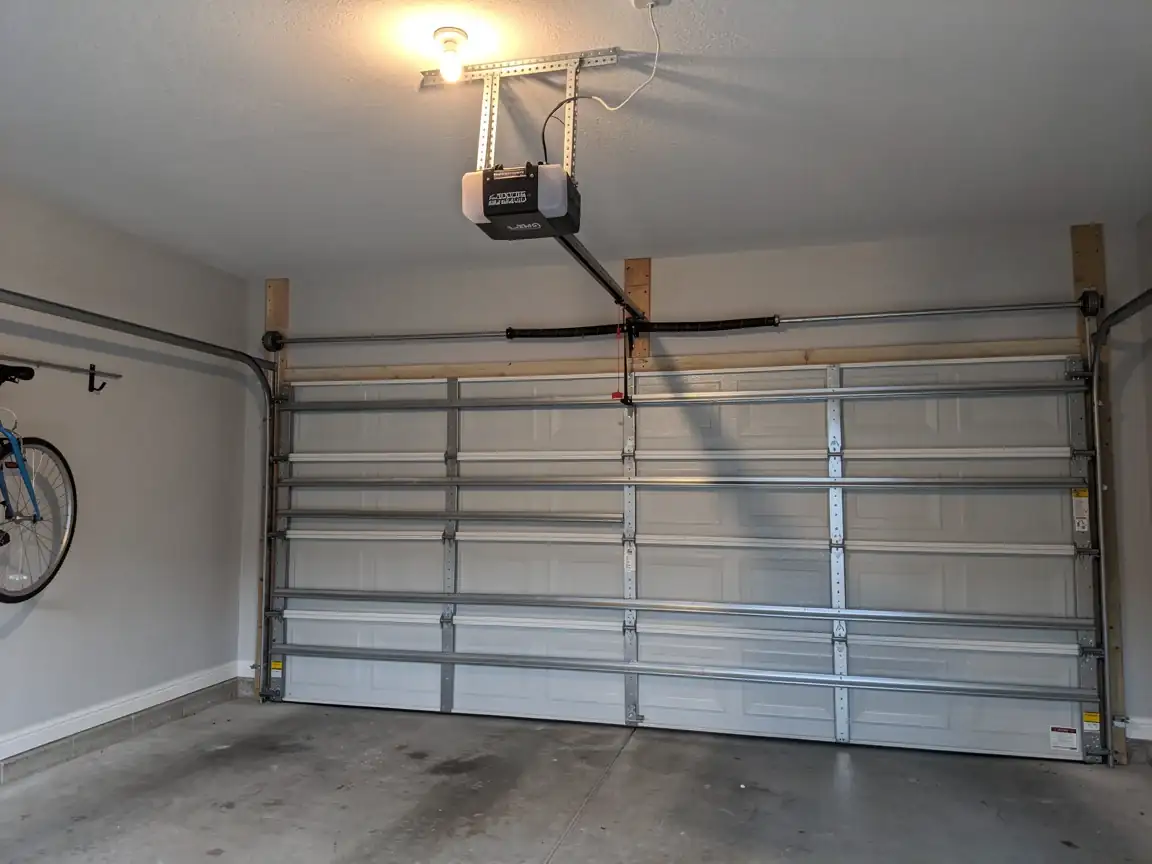
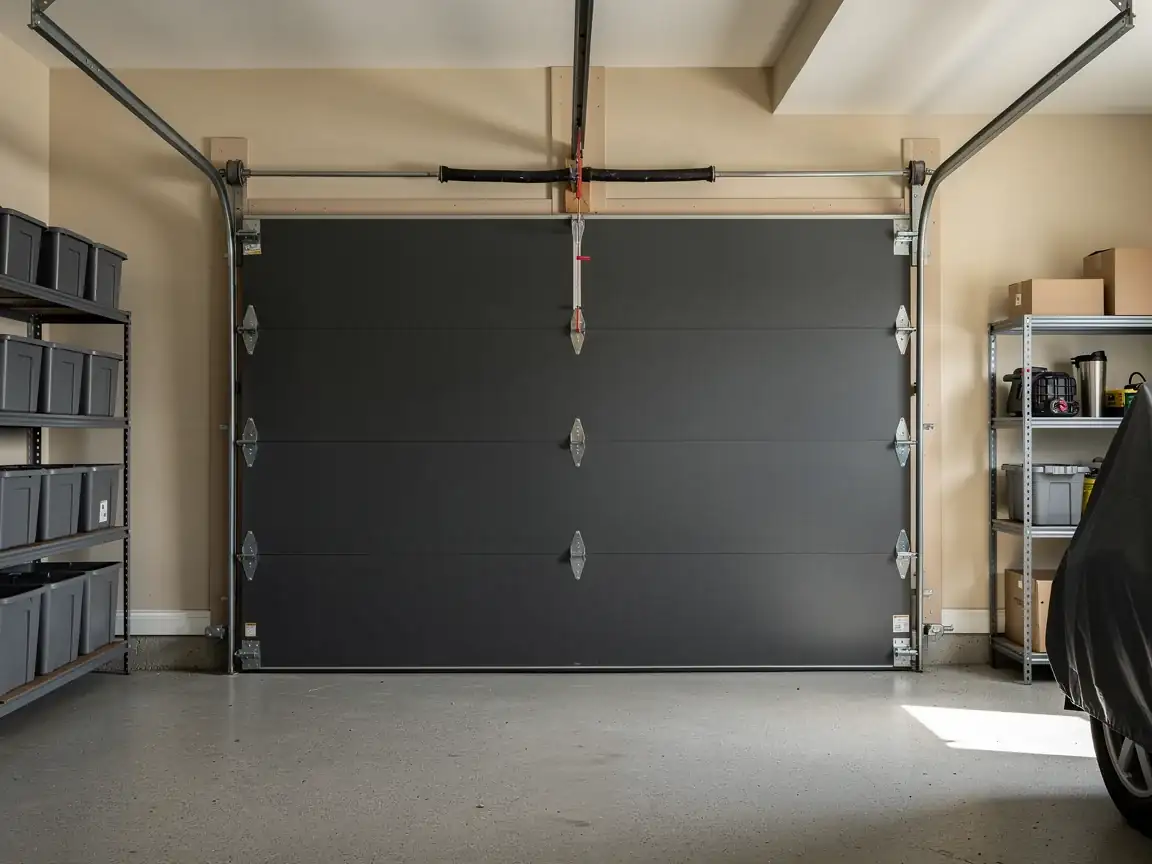
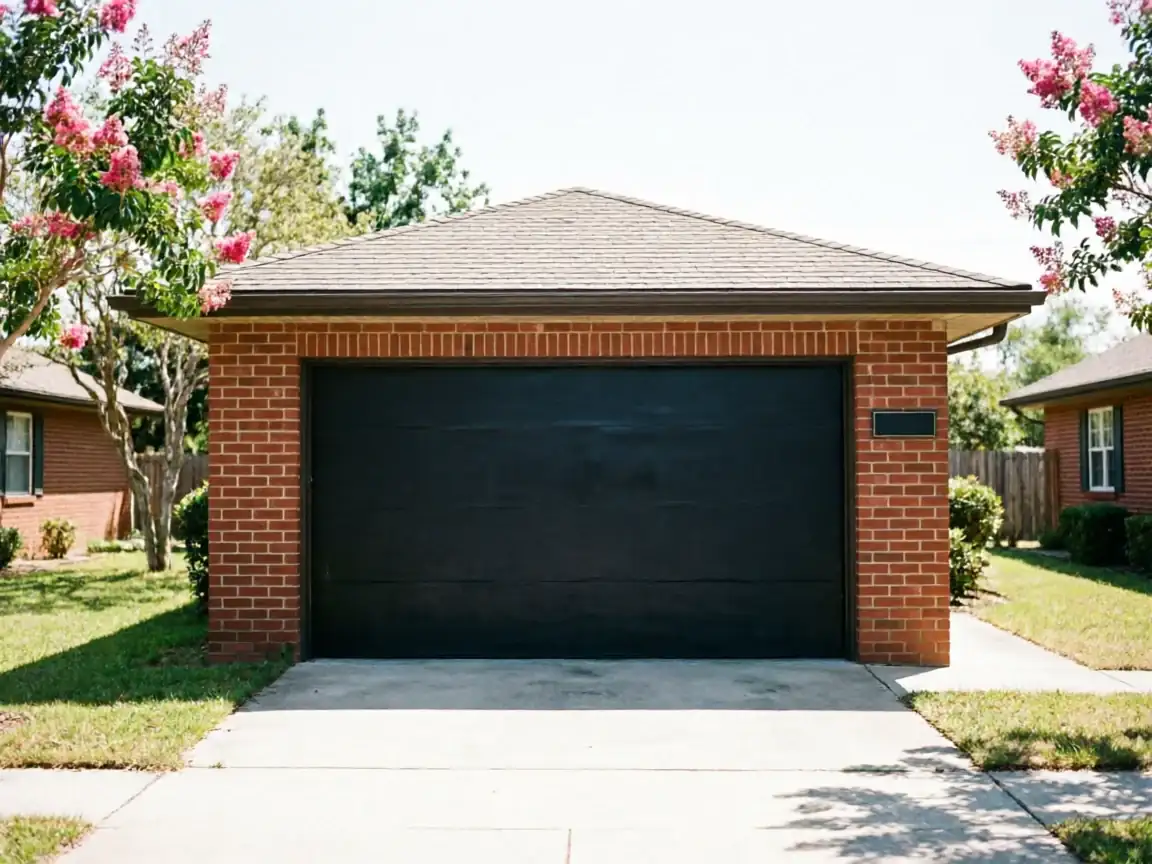
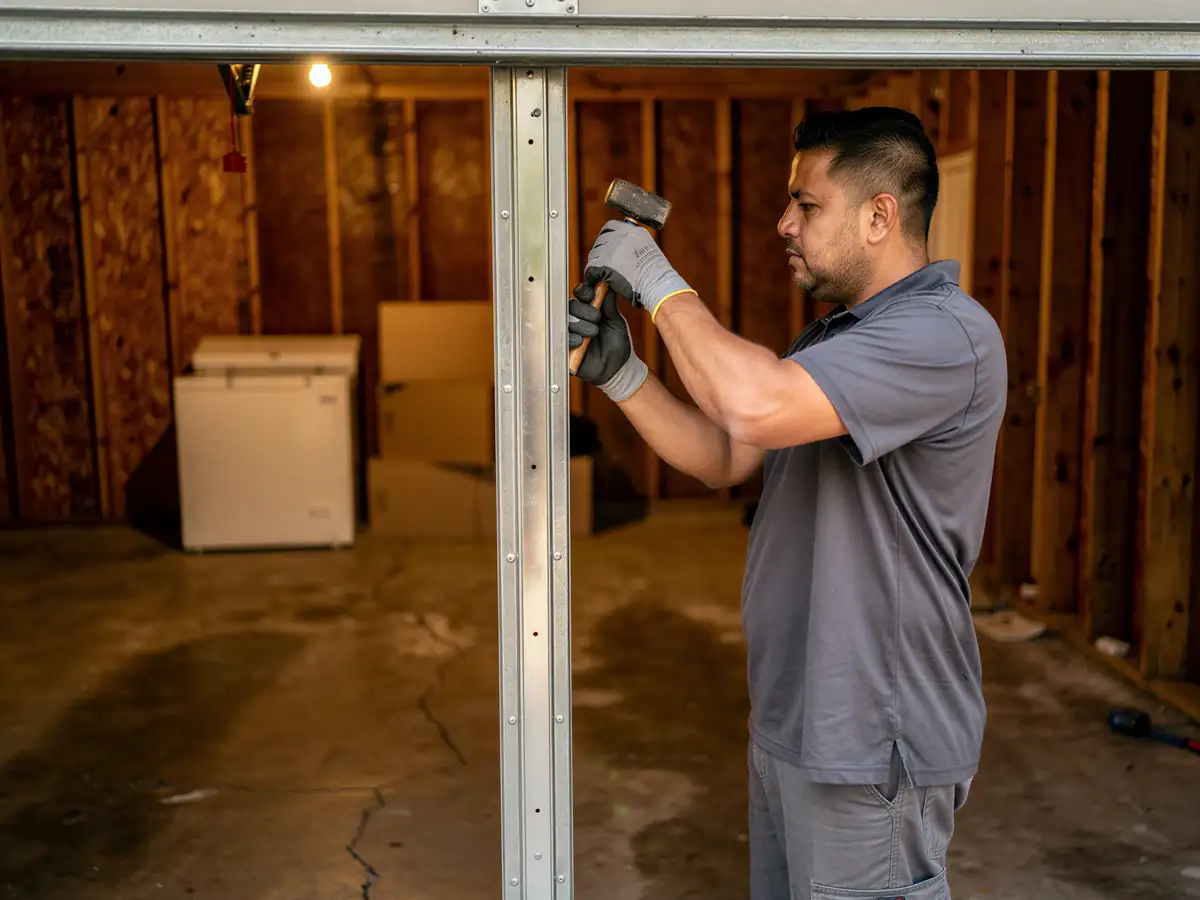
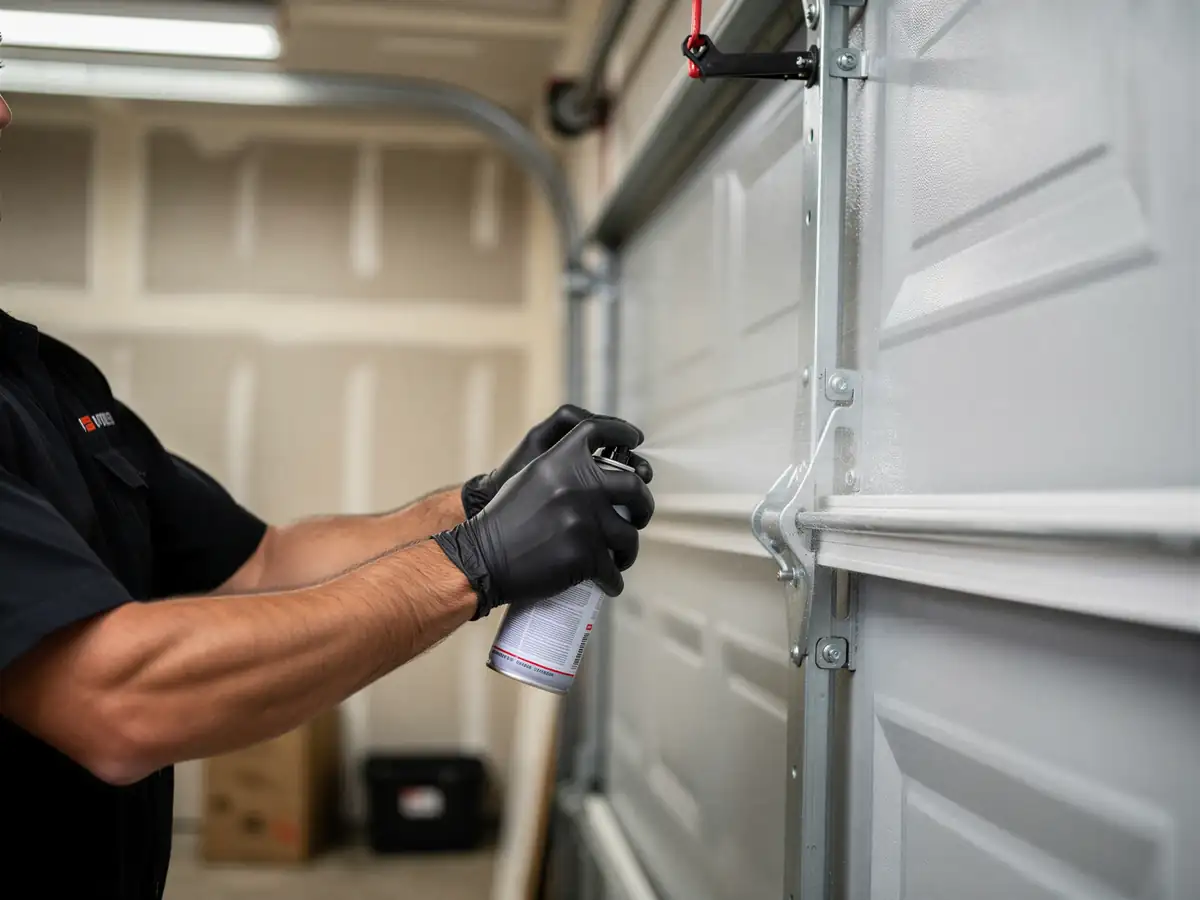
A Lakeport garage built around 1986 almost always has a non-insulated steel sectional door, single layer, hung on a torsion or extension spring system depending on the original builder. After close to forty years, the symptoms are predictable: a spring that snaps loudly and drops the door fast, cables fraying at the drum, or an opener motor that strains and reverses because the springs it's working against have lost tension. Humidity here runs in the moderate-heat band rather than extreme, so what we see more of is wear from use and time than storm or corrosion damage - rollers worn smooth, hinges stretched at the pivot holes, weatherstripping gone brittle at the bottom seal.