What It Costs
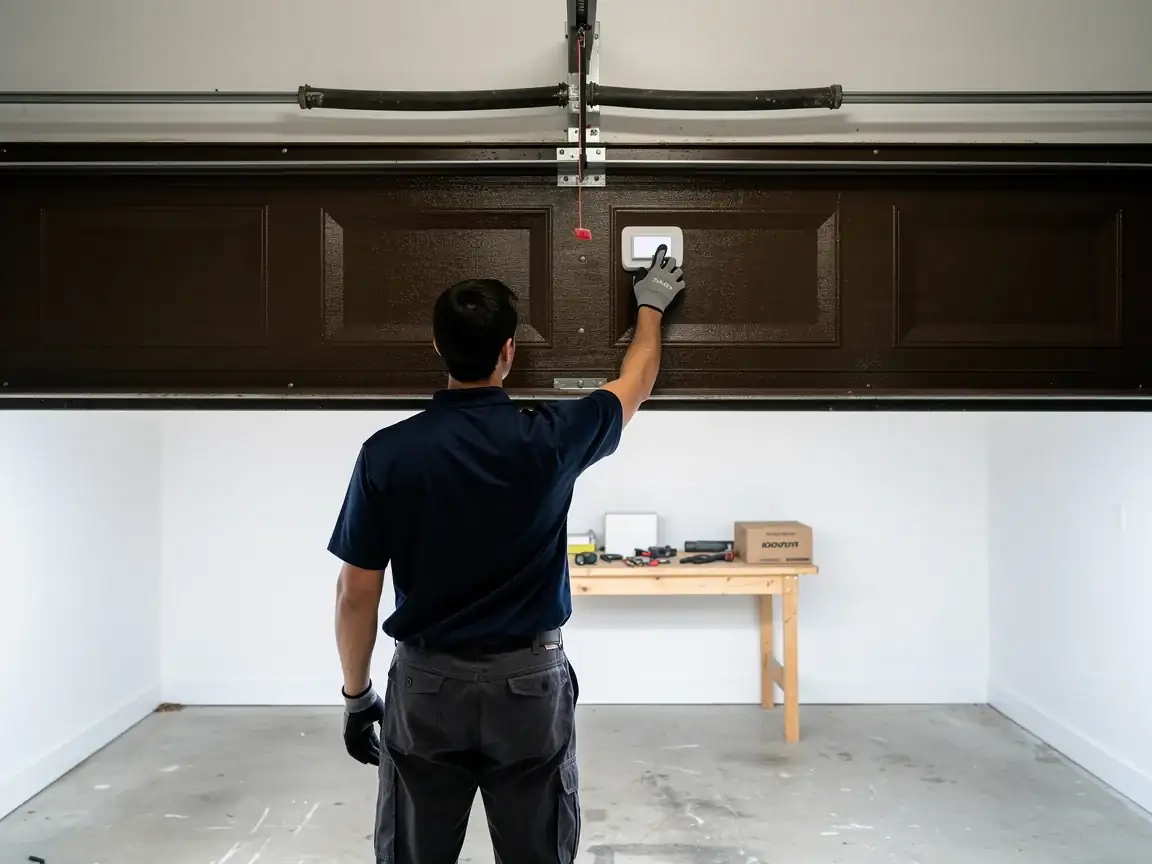
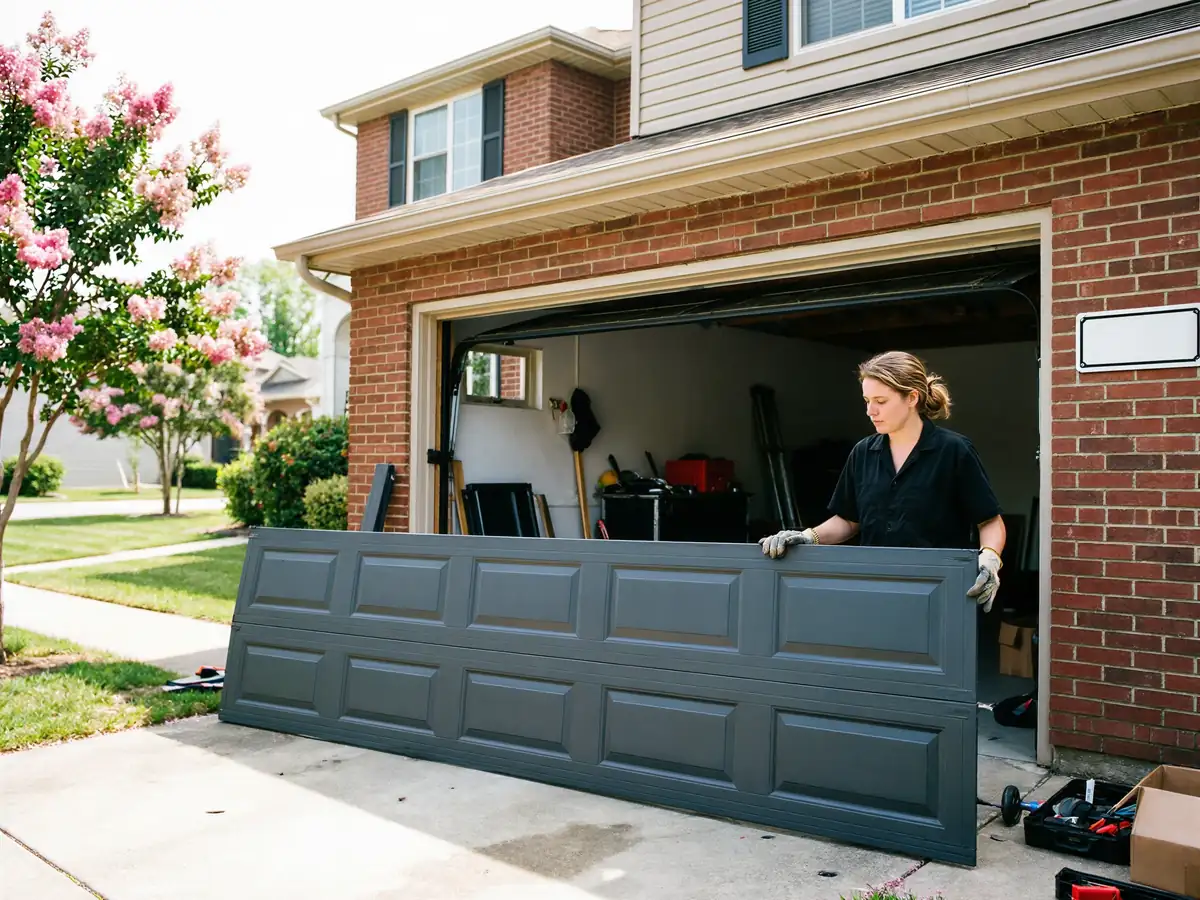
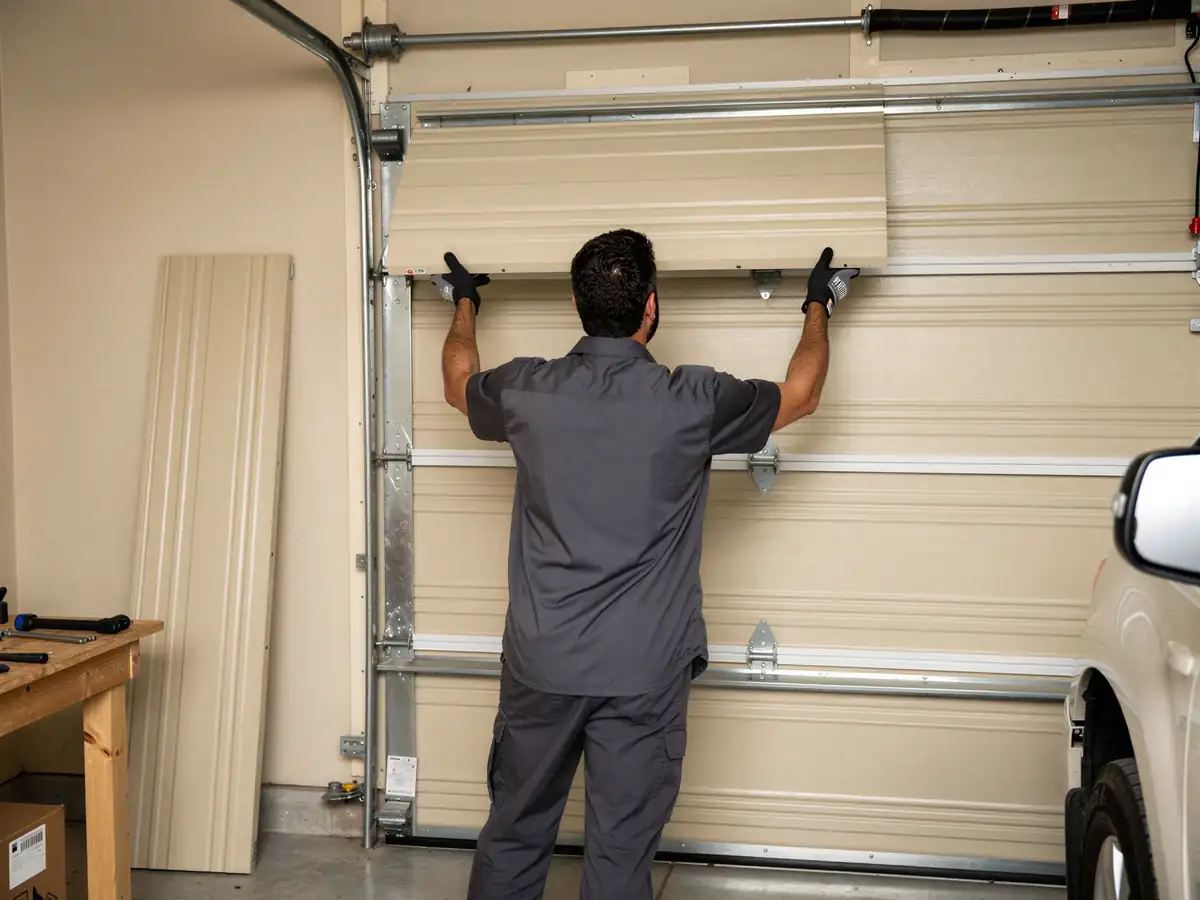
We can't quote a number here without seeing the door, and we're not going to make one up for this page. What we can tell you is what drives the cost on an off-track call in Lakeport specifically: most houses in this pocket of the service area went up around 1986, which puts them later than the 1981 median across the wider Longview coverage area. That later build year usually means galvanized steel track and roller-bearing hardware instead of the older plain-bearing rollers you'd find on a house from the late 1960s. Newer hardware is often cheaper to source and quicker to swap than the older stuff, which can work in your favor on the bill. What runs the price up is damage beyond the track itself - a bent panel from a door that jumped the rail, or a cracked stile where the roller tore loose. We look at the track alignment, the roller condition, and the hinge brackets before we say anything about cost, because guessing on an off-track door is how a shop ends up back at your house a second time.
Booking a Visit
We cover Lakeport out of Longview, about 8 miles away. There's no branch office here and we're not going to pretend there is one - a truck comes out from Longview for the call. Have the model or at least the brand name of your opener ready if you know it, and tell us whether the door is stuck open, stuck shut, or hanging crooked, since that changes what we load on the truck before we leave.
Stocked Parts
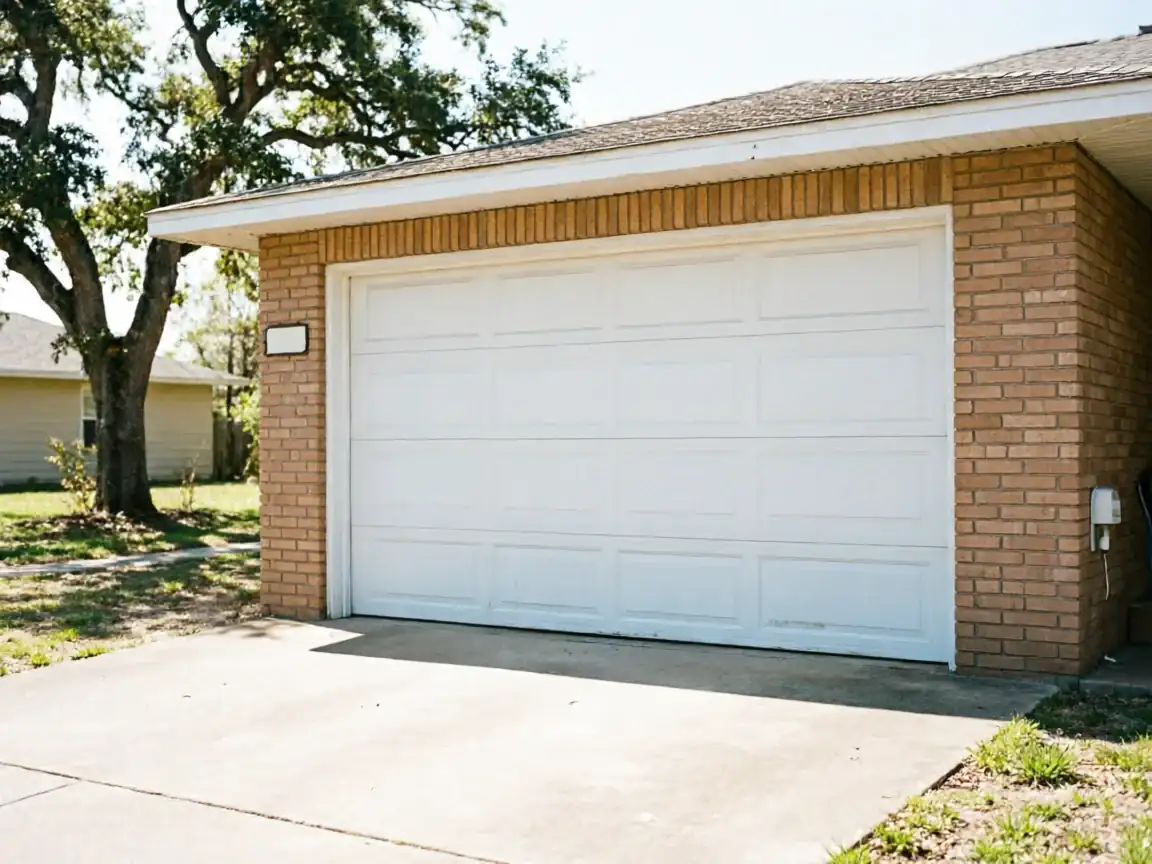
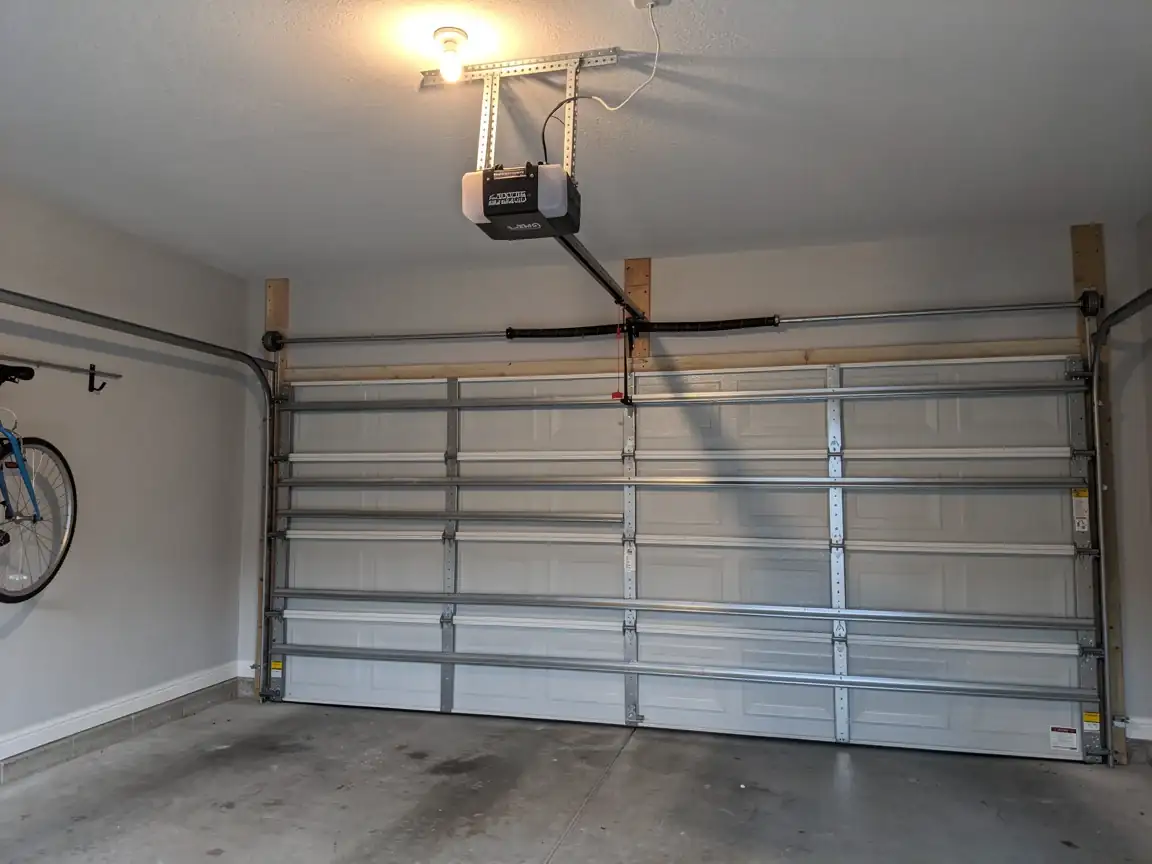
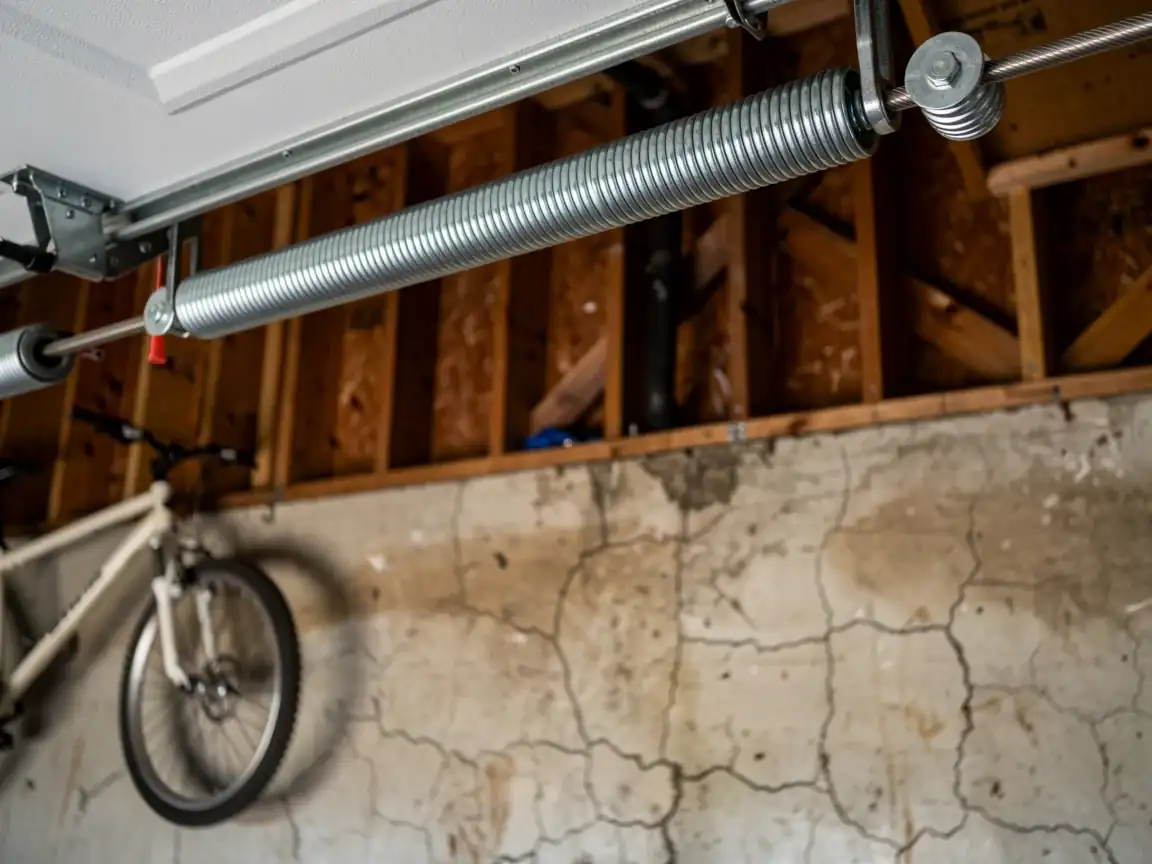
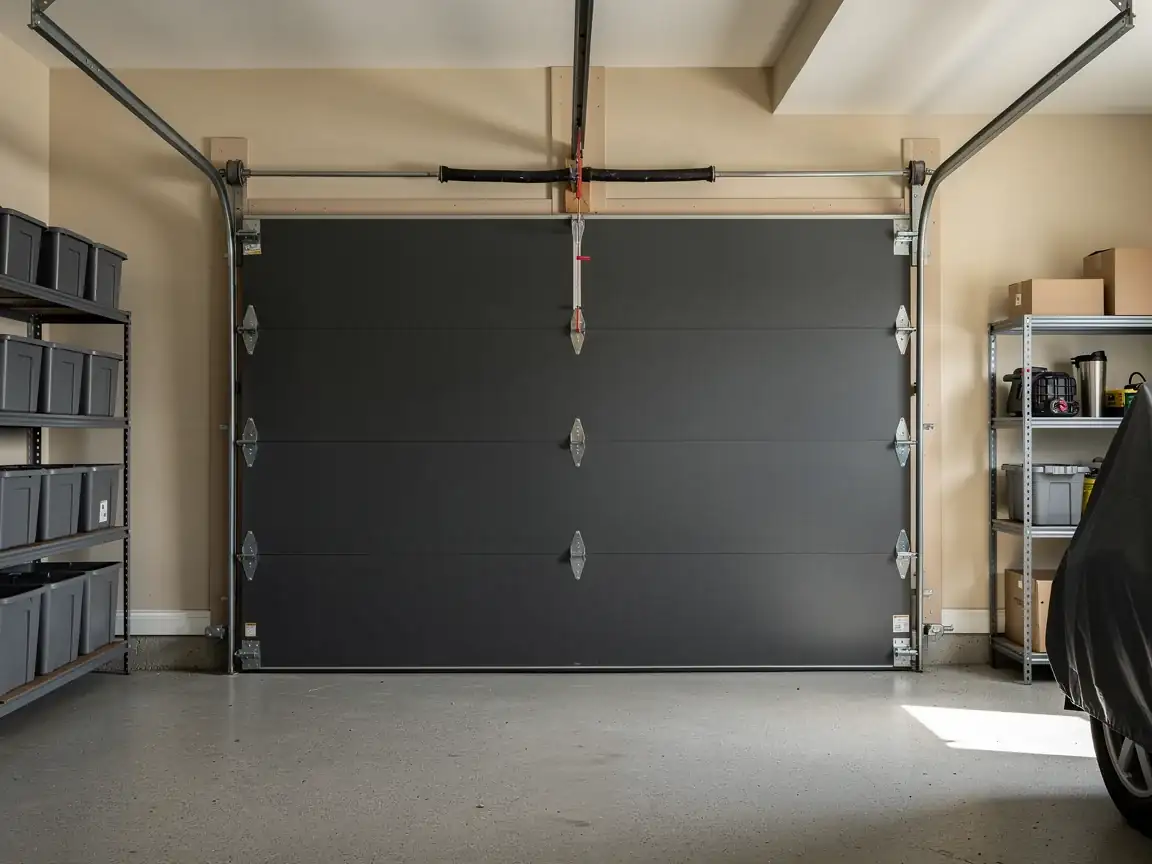
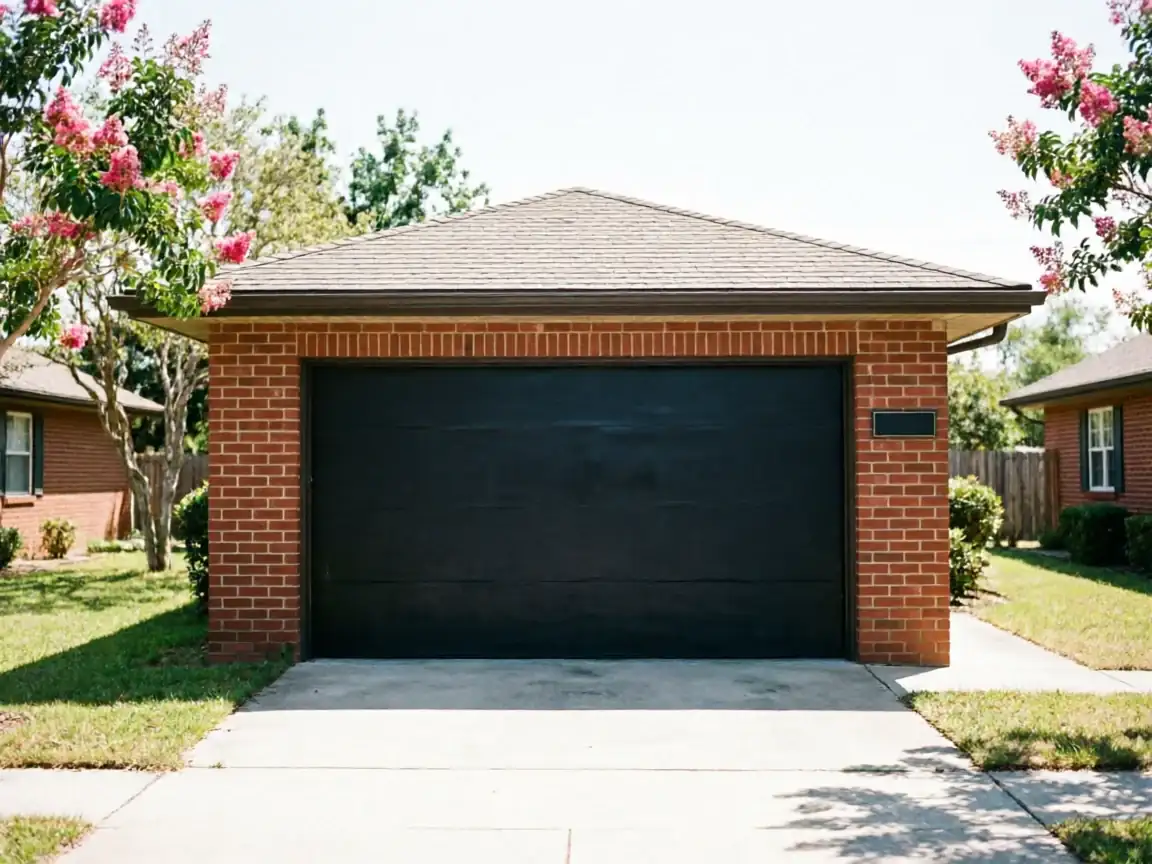
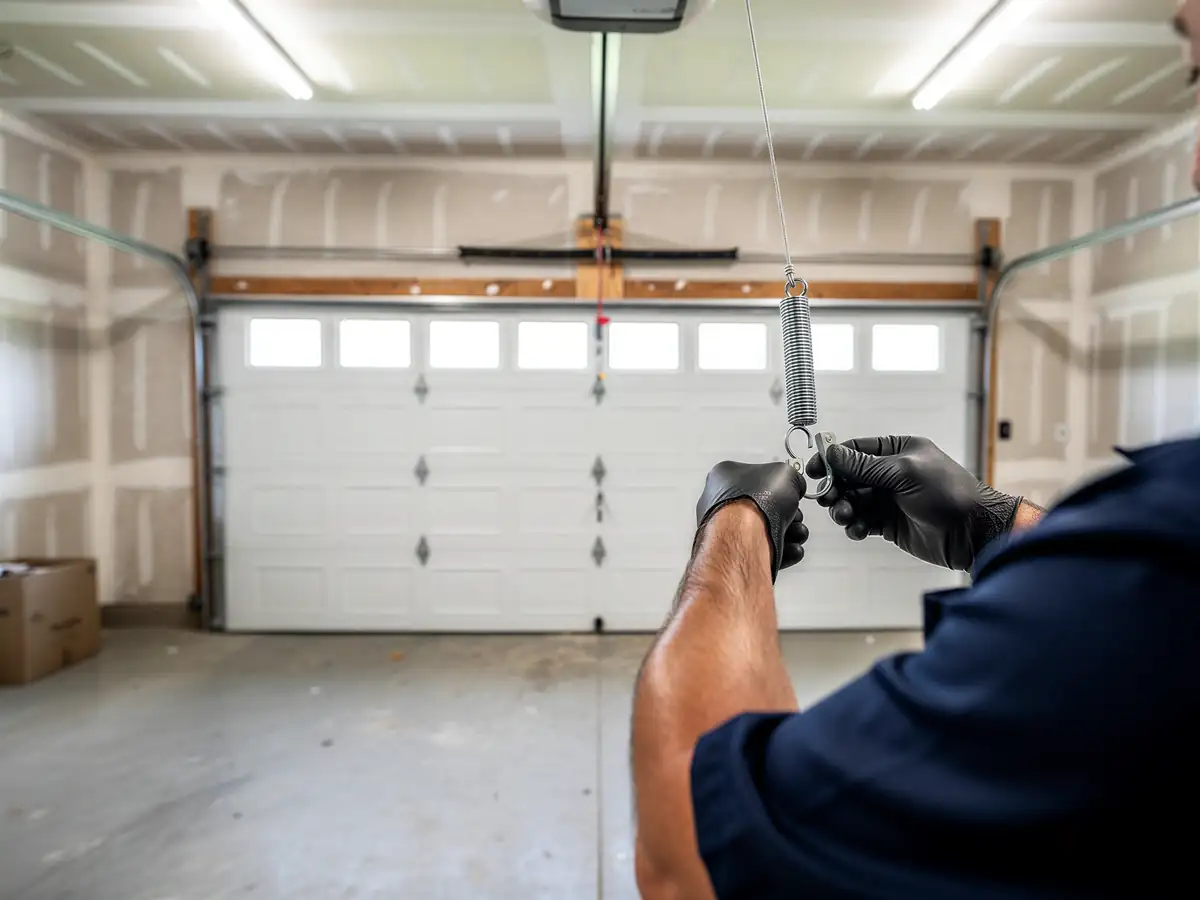
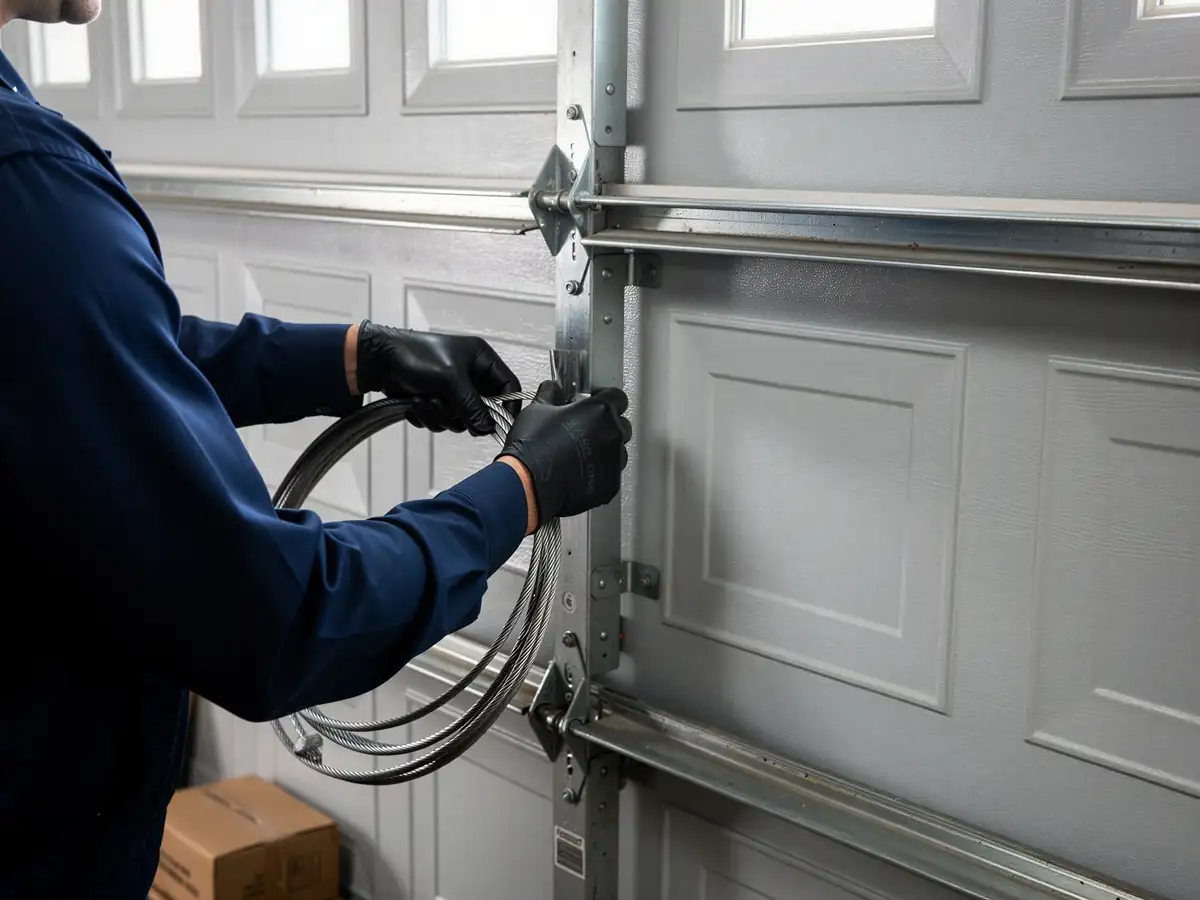
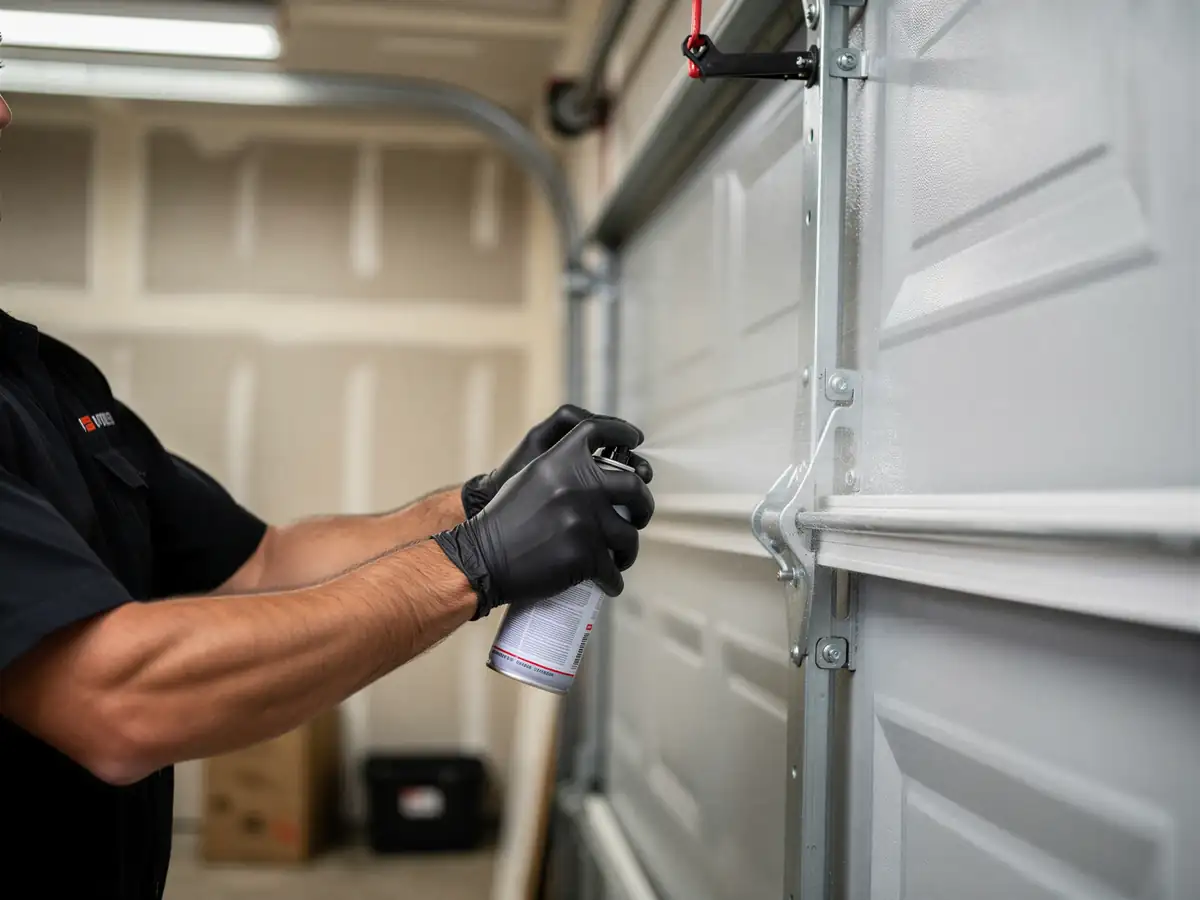
Because most of the housing in this part of the service area dates to around 1986, the track sections, rollers, and hinge hardware are a standard size we carry on the truck - not the older, harder-to-match steel you'd find on a house built in the 1960s. Nylon rollers, galvanized track brackets, and standard hinge sets for doors from this era are things we keep on hand rather than order. Where we do have to order in is for heavier insulated doors or odd widths, and that's a lead-time conversation we'll have honestly rather than promise a same-day fix we can't back up.
What You Are Seeing
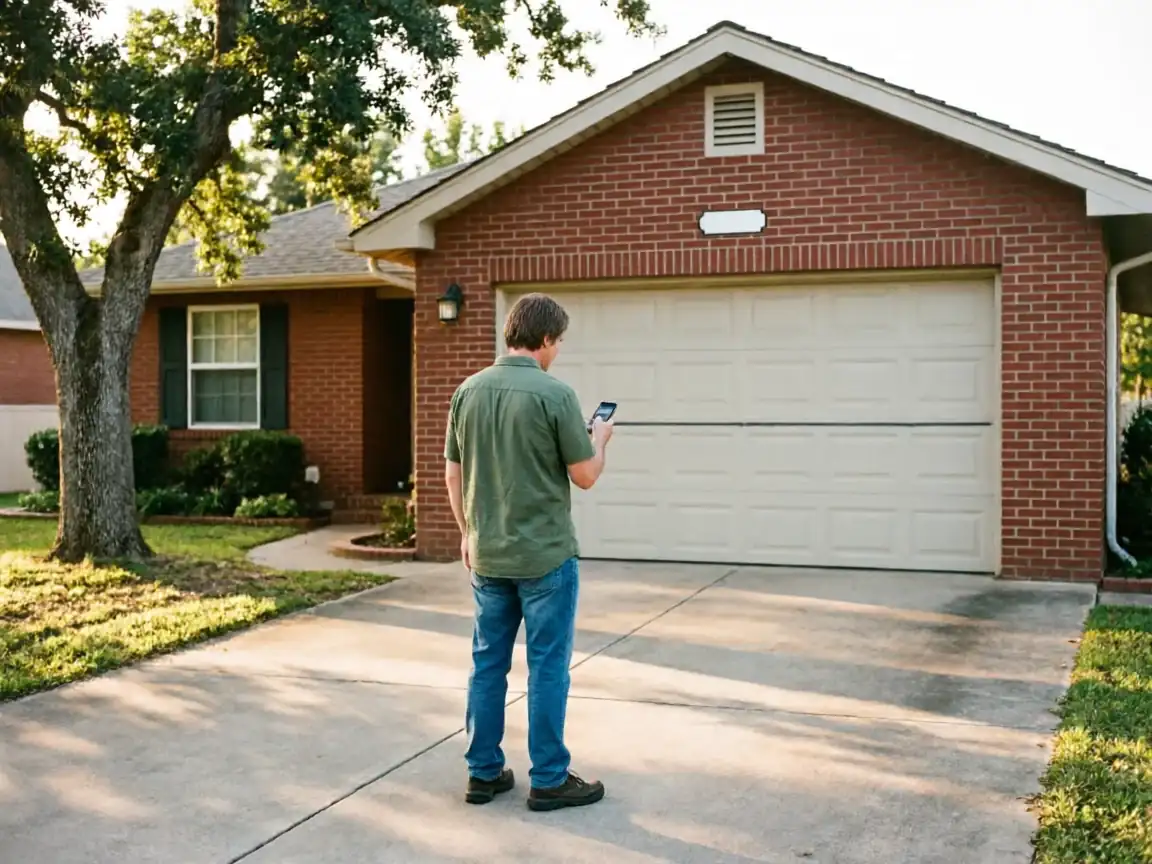
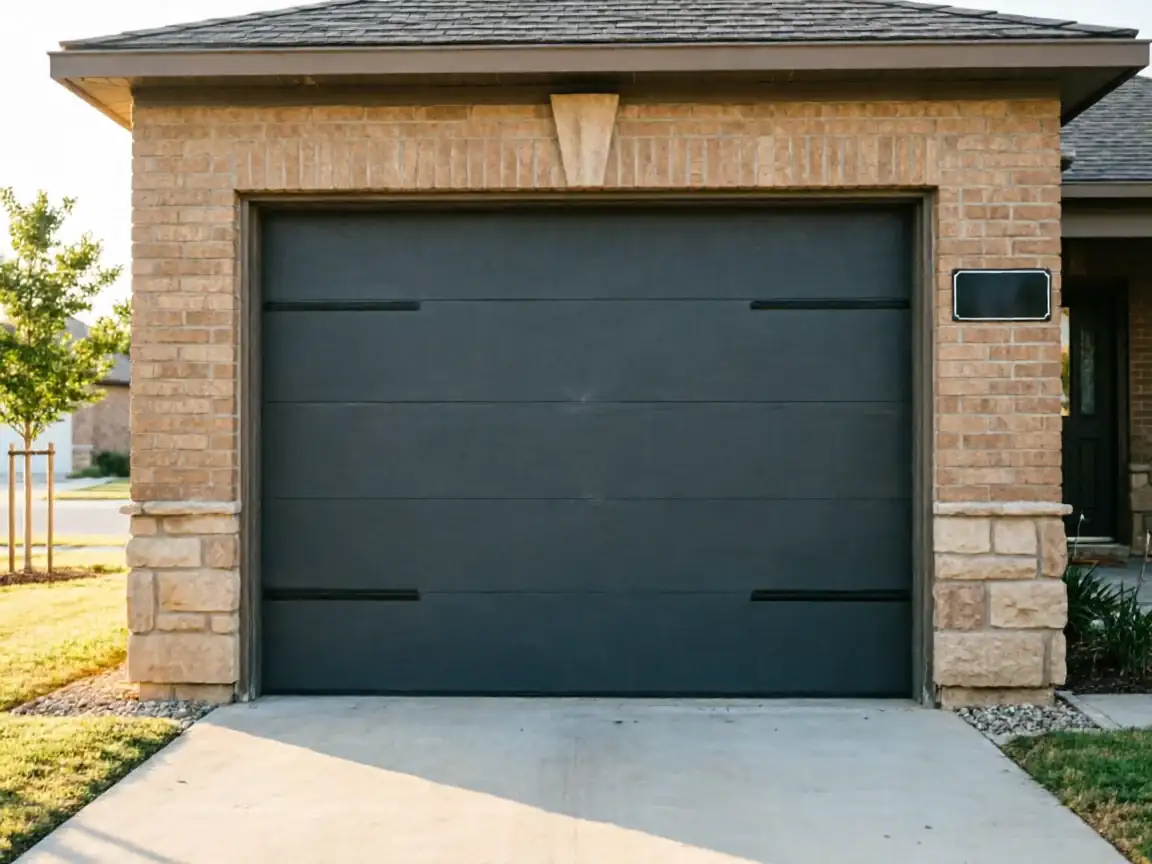
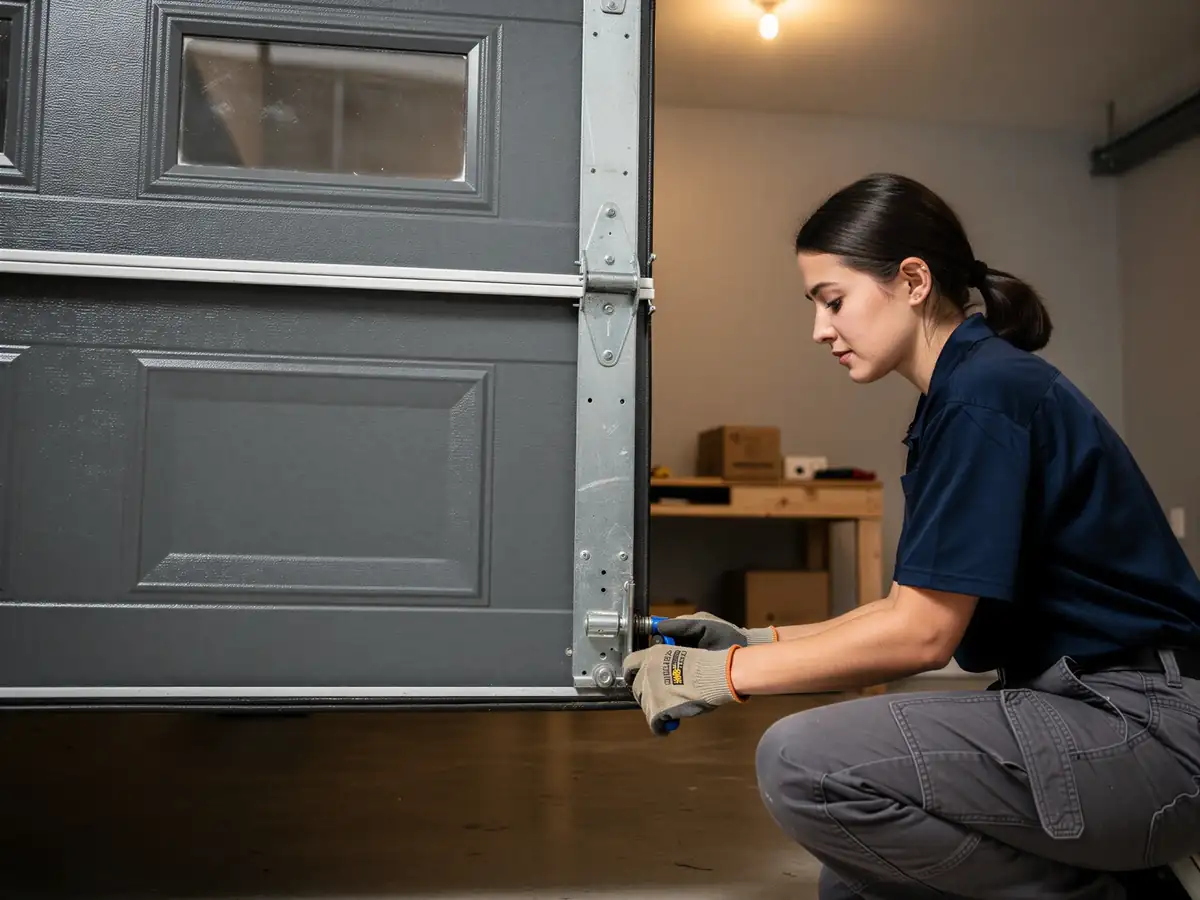
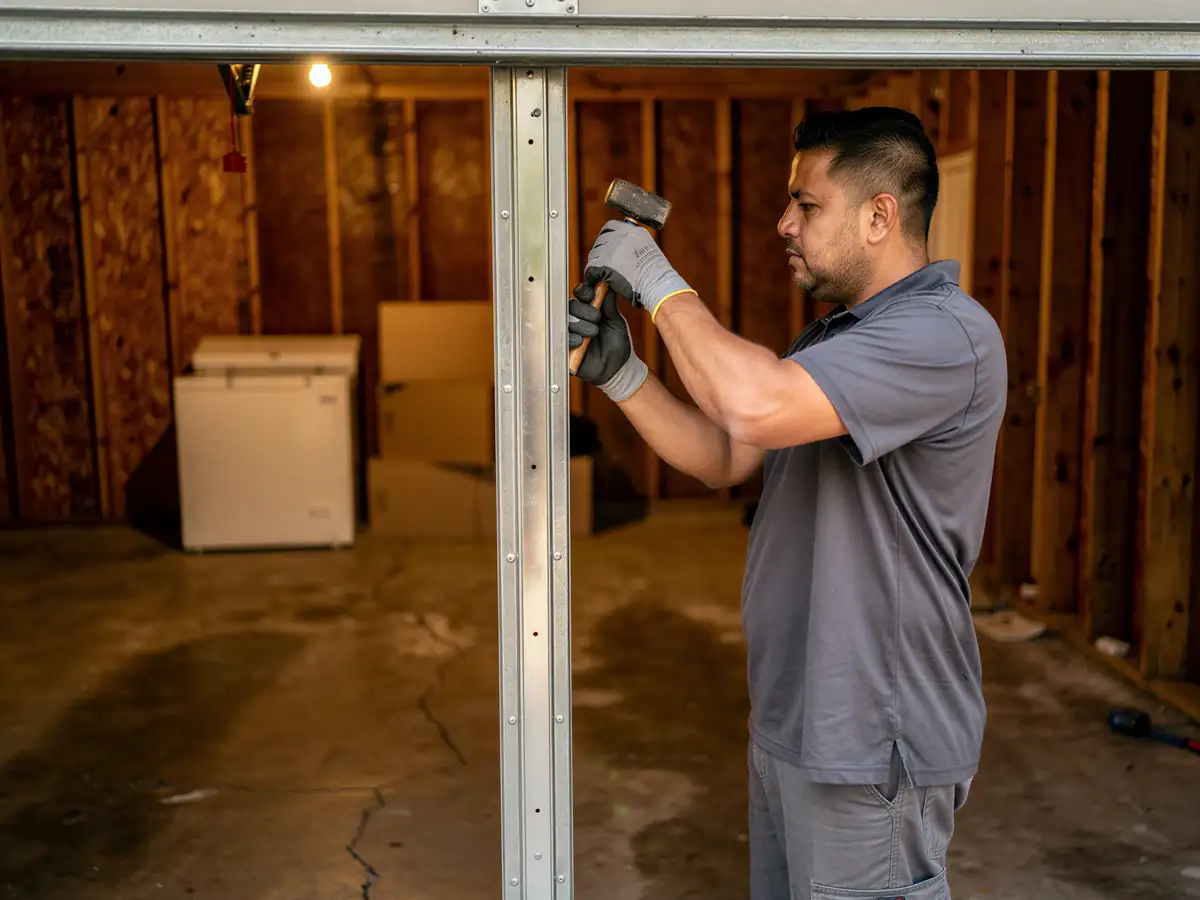
An off-track door from this era usually shows one of two patterns. Either a roller has worn through its nylon sleeve and jumped the rail - common once a door from the mid-80s has had twenty-some years of daily cycles - or the bottom bracket has pulled loose from the panel, which lets the whole bottom corner swing free of the track. Less often, the horizontal track has come unbolted from the wall jamb, usually from someone backing into it. Each of these looks similar from the driveway - a door sitting crooked in the opening - but the fix is different, and that's why we look at the bracket, the roller, and the wall mount separately instead of assuming.