What It Costs
Lakeport is a small place - about 438 households - and that matters more than it sounds like it should. A town this size doesn't generate the call volume to support its own crew, so pricing here isn't set by a Lakeport-specific rate card. It's the same cable repair pricing we run out of Longview, 8 miles away, adjusted only by whether you're looking at a single frayed cable or a full pair that snapped together under spring tension. We don't publish a flat number here because cable jobs split into two different repairs - one cable replaced on a door that's otherwise sound, or both cables plus a spring check on a door old enough that one failure usually means the other side is close behind. Given that most houses in this area date to the mid-1980s, we see the second kind more than the first. Ask for the breakdown when you call; we'll tell you which bucket your door falls into before anyone drives out.
Booking a Visit
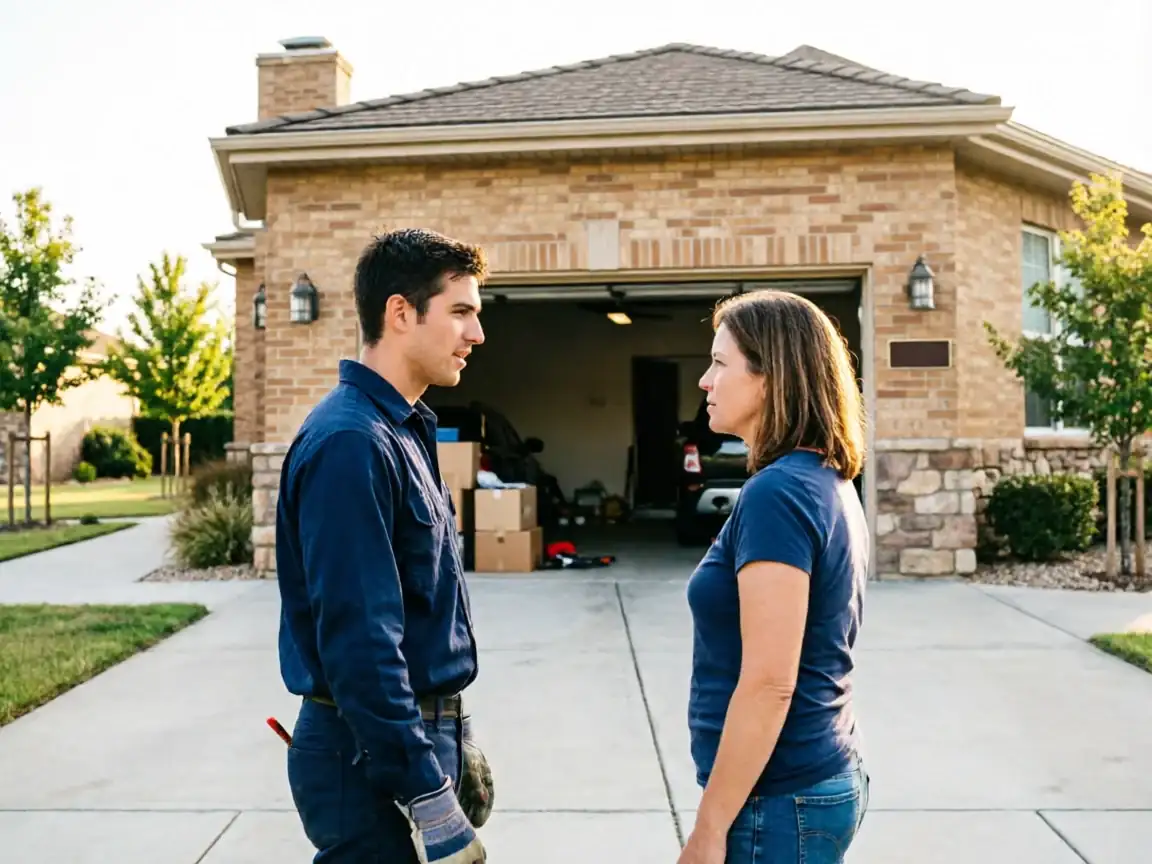
We cover Lakeport from our Longview location, about 8 miles out, so there's no local branch to call - just one number that routes the same truck that handles the rest of the service area. When you call, mention that you're in Lakeport and describe what the door's doing: cable visibly broken and door stuck, or cable frayed but door still moving rough. That detail changes what gets loaded on the truck. A household this size means we're not juggling a dozen Lakeport jobs a week, so scheduling usually isn't the bottleneck - getting the right cable length and drum size for a door built in the 1980s is more often the thing that decides the day.
Stocked Parts
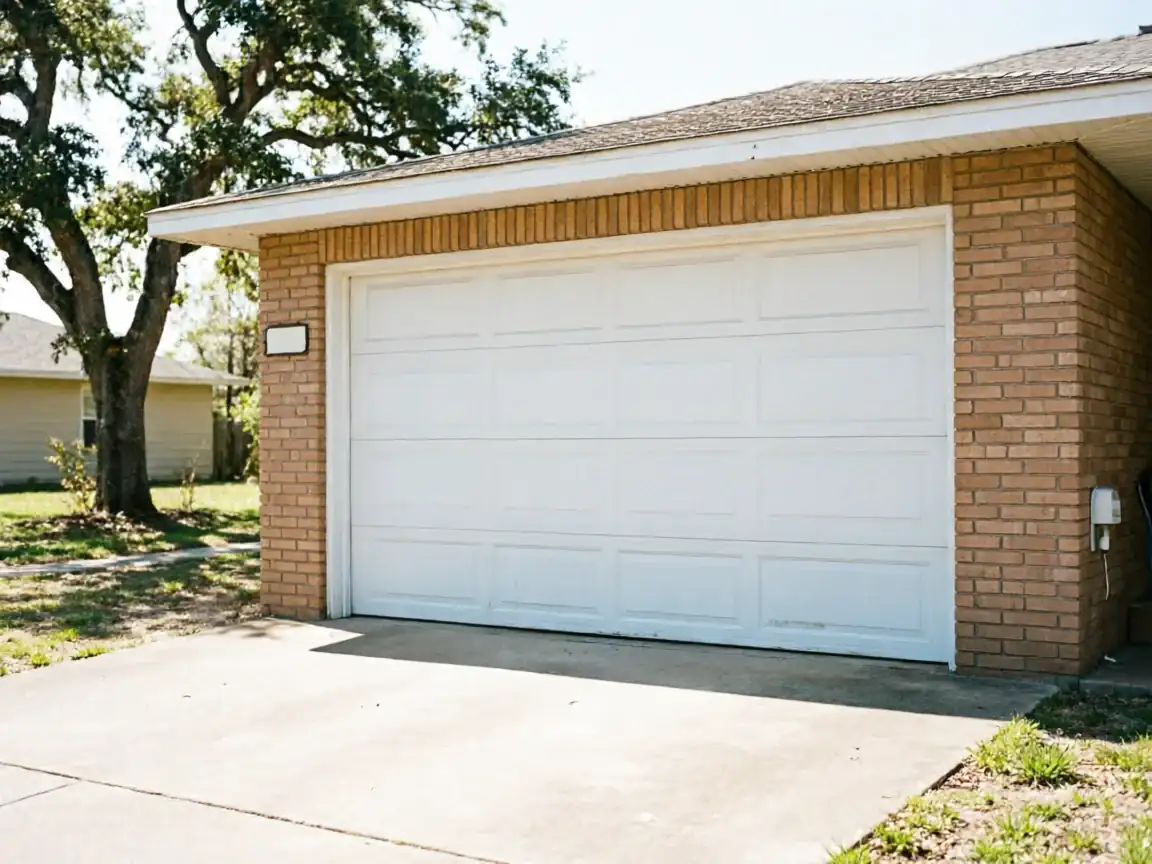
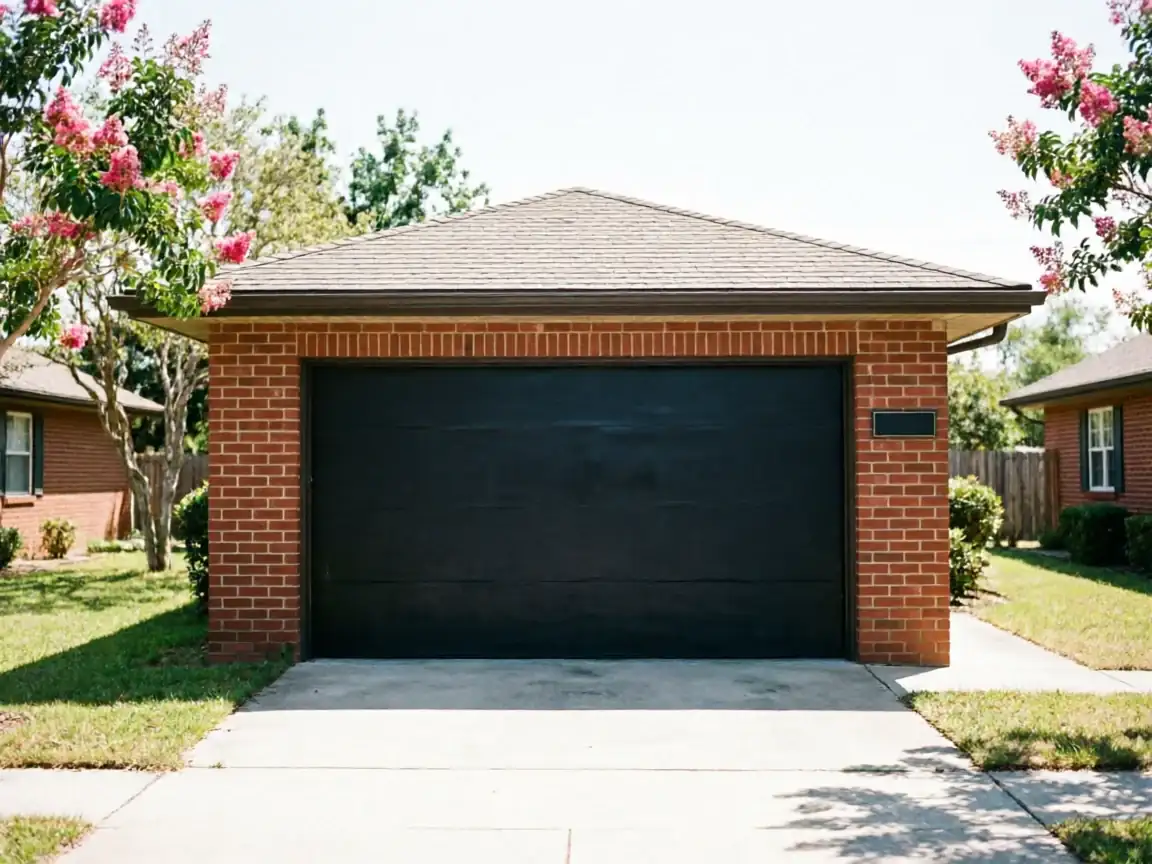
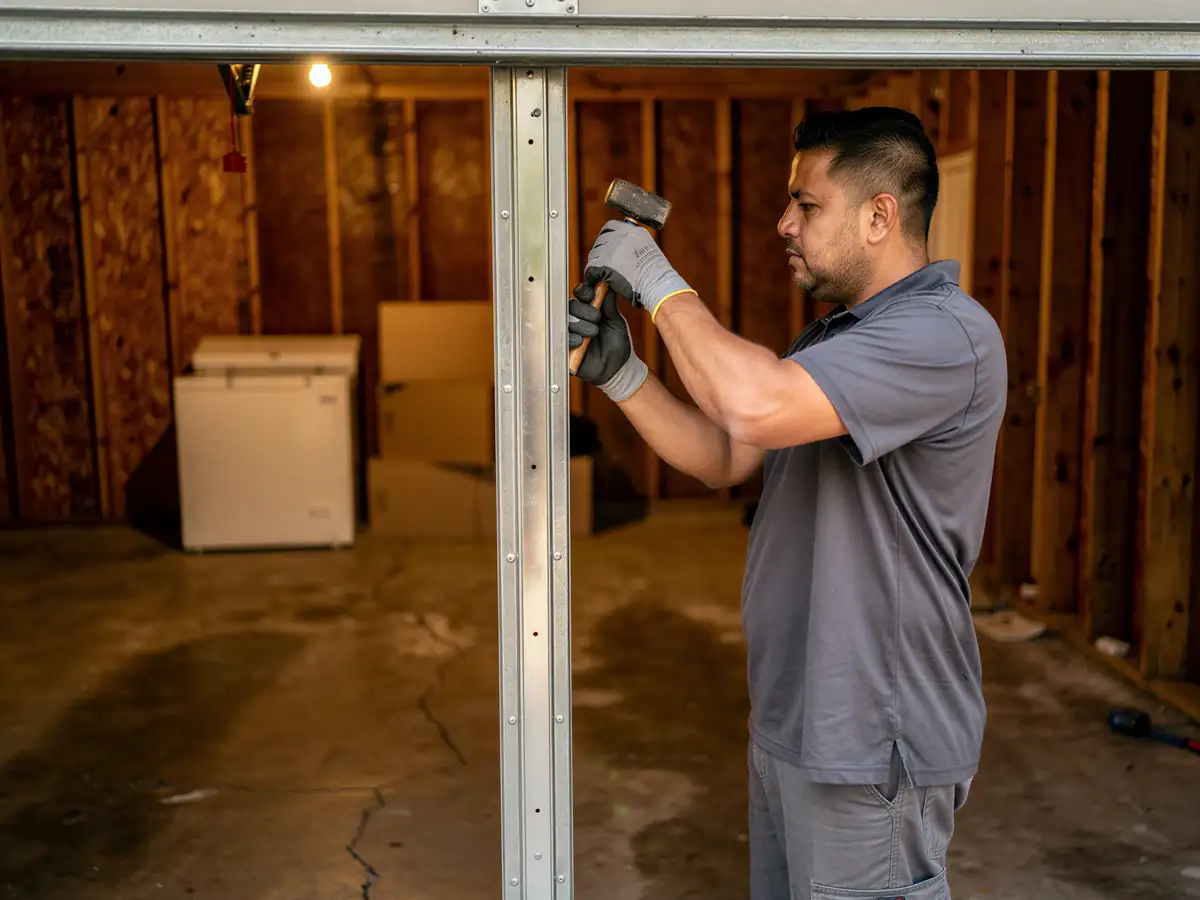
Housing in this part of the service area mostly went up between 1968 and 1994, and Lakeport's own median build year sits right in there, around 1986. That era produced a fairly narrow band of door and drum sizes, which is useful - it means the cable, drum, and track hardware that fits a typical Lakeport garage is stock we already carry rather than something we're sourcing after the fact. Where it gets slower is anything older on that same street that still has its original one-piece door or a non-standard drum from a brand that stopped making parts decades ago. Those jobs sometimes mean a short wait on a part, and we'll tell you up front if yours is one of them instead of guessing.
What You Are Seeing
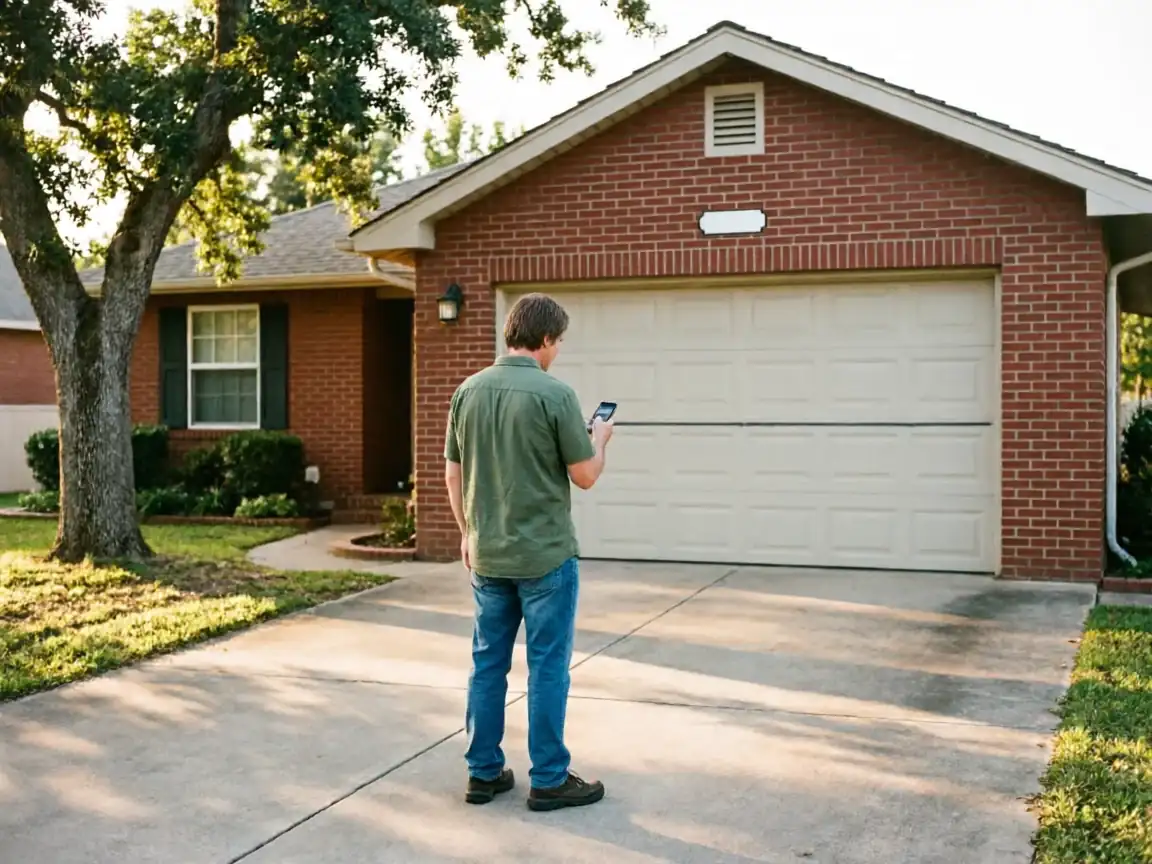
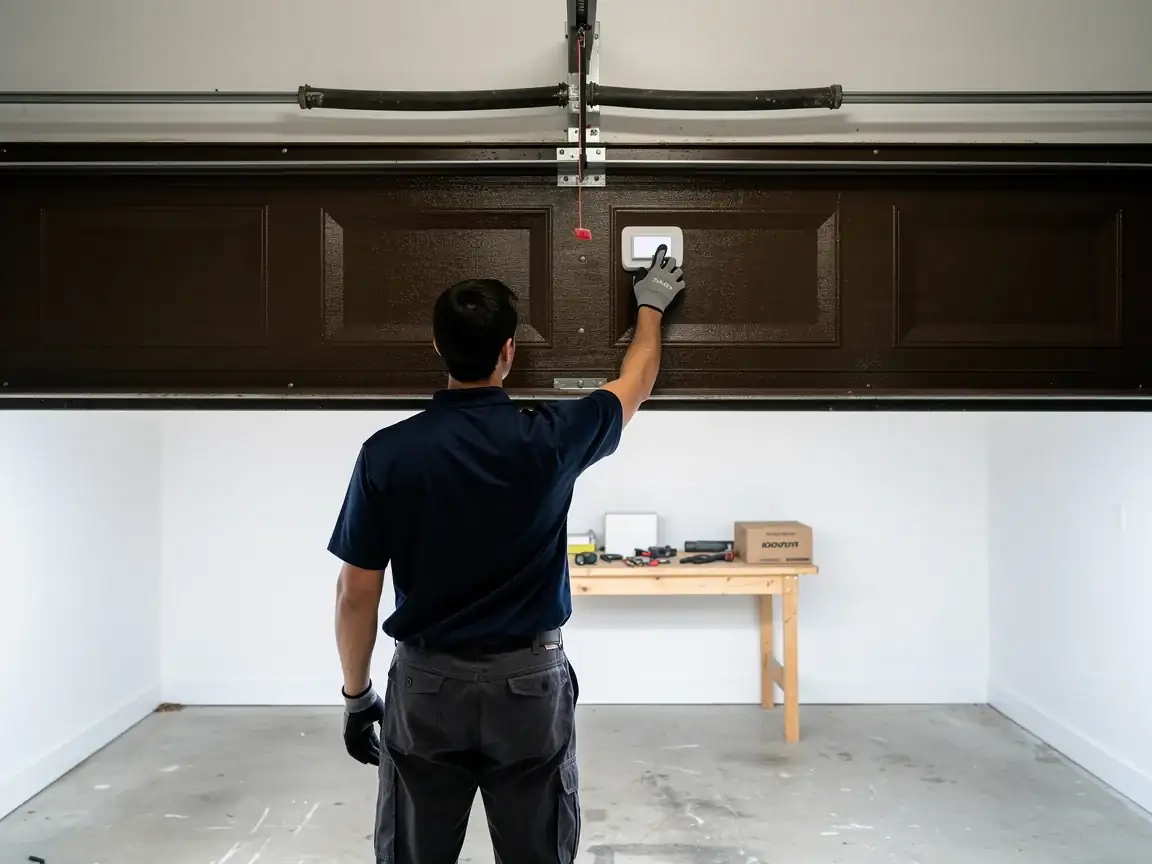
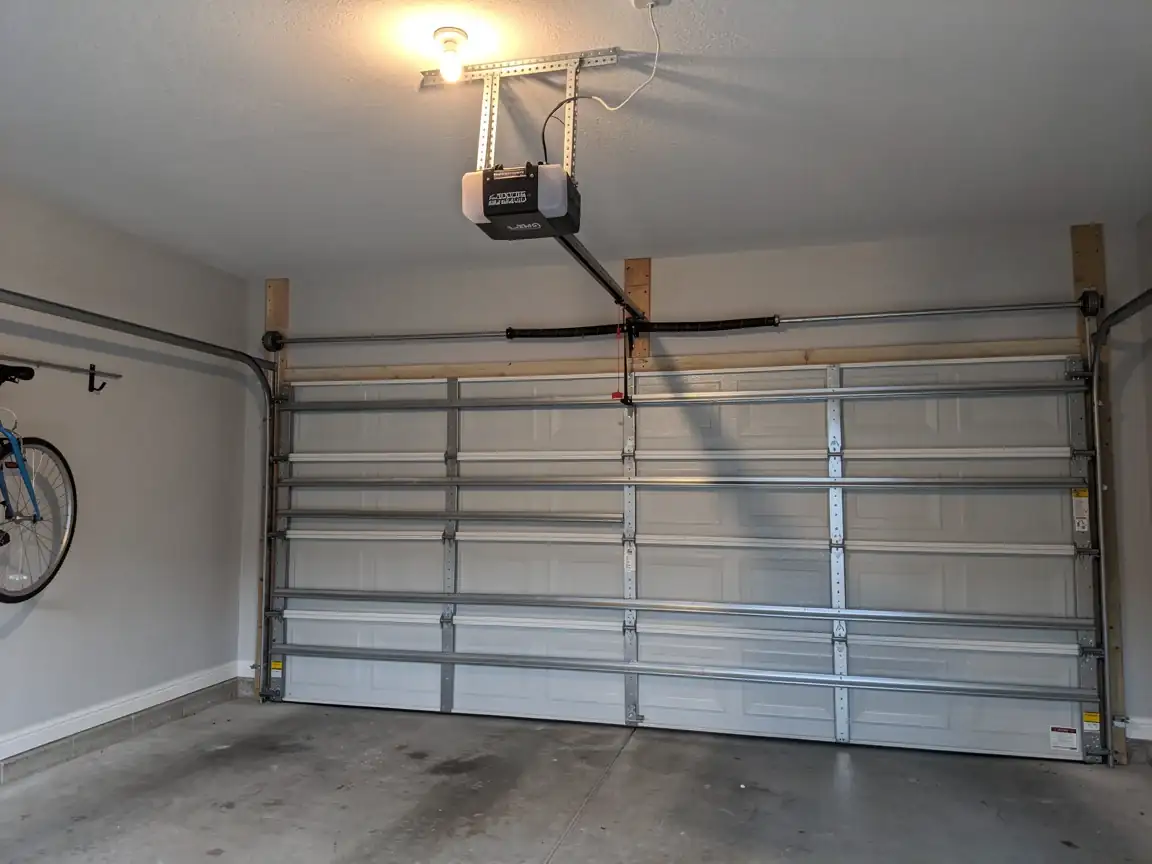
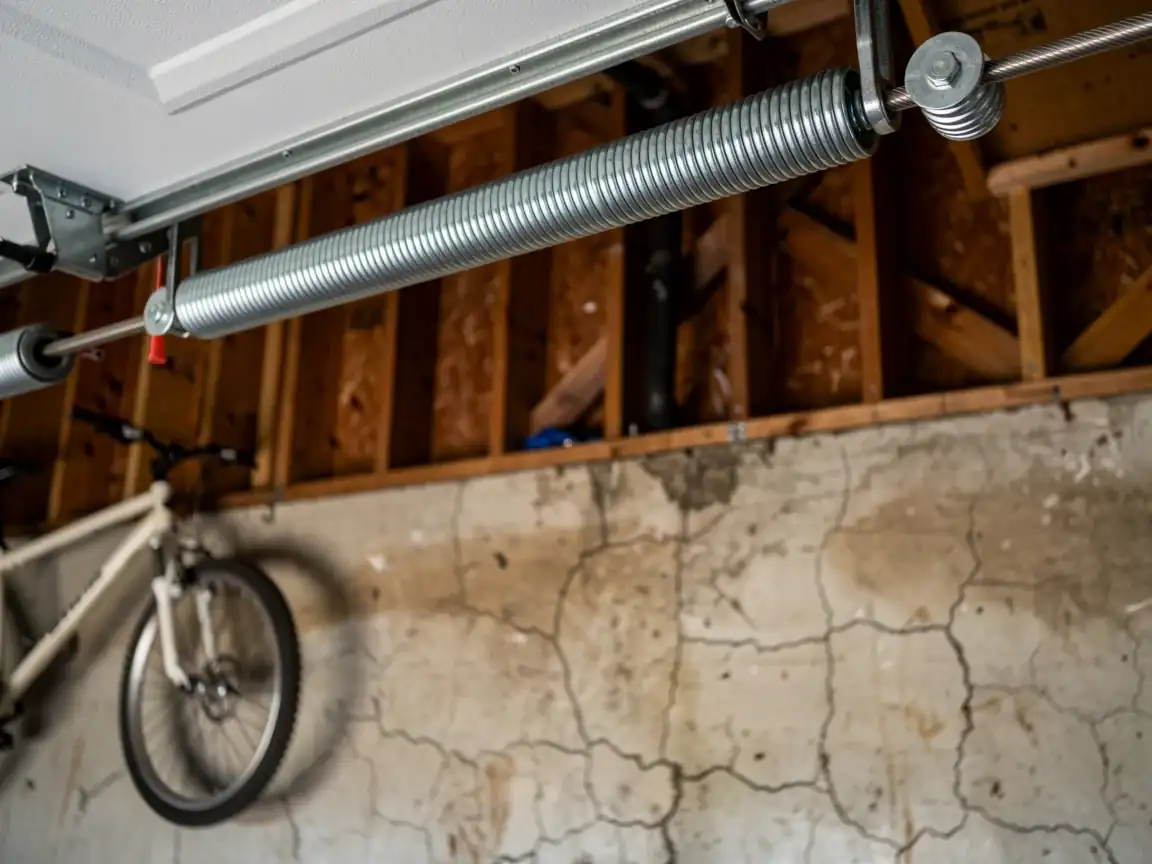
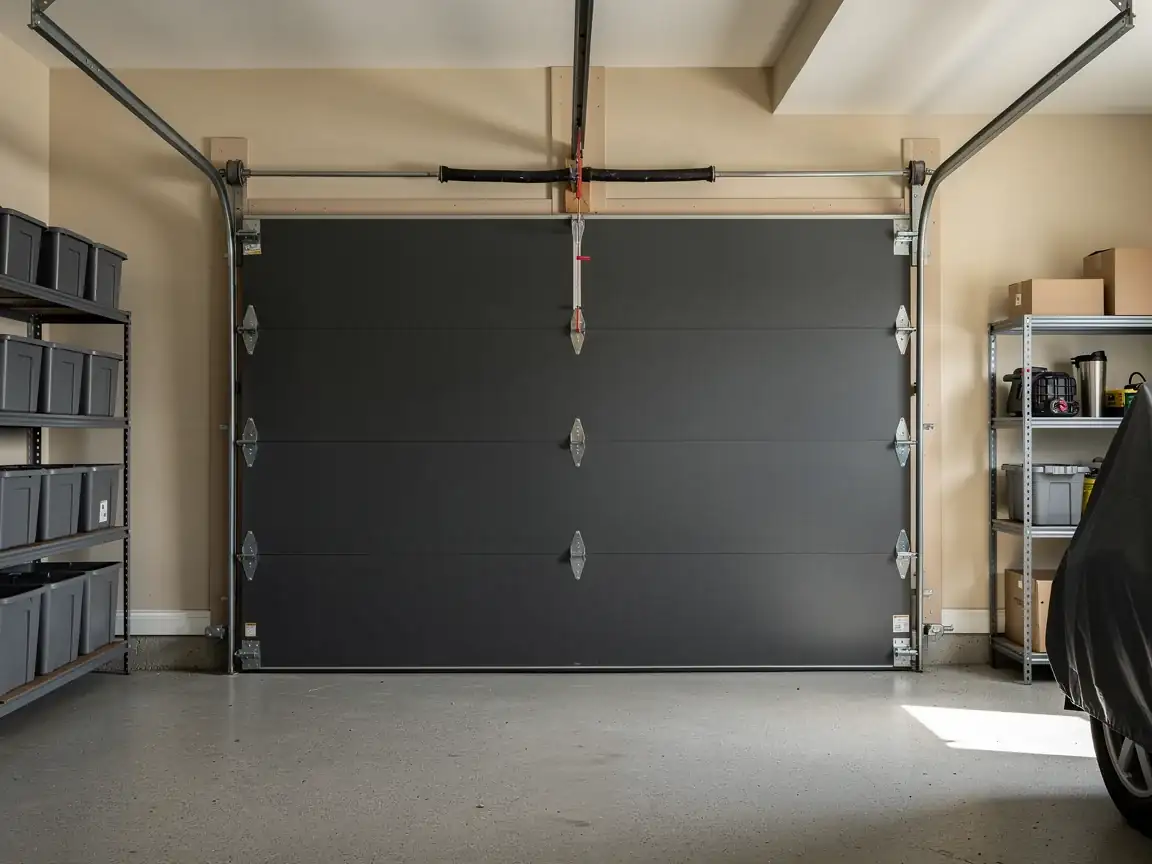
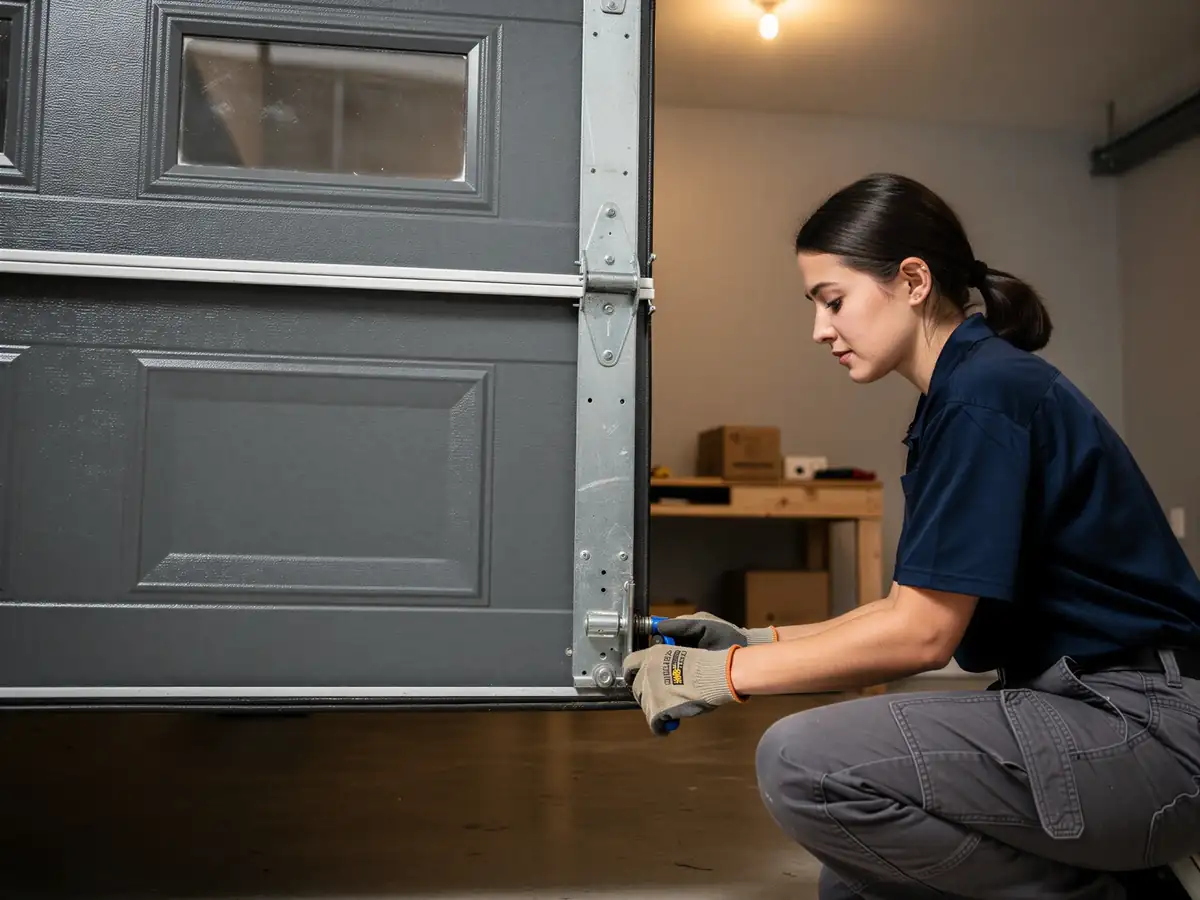
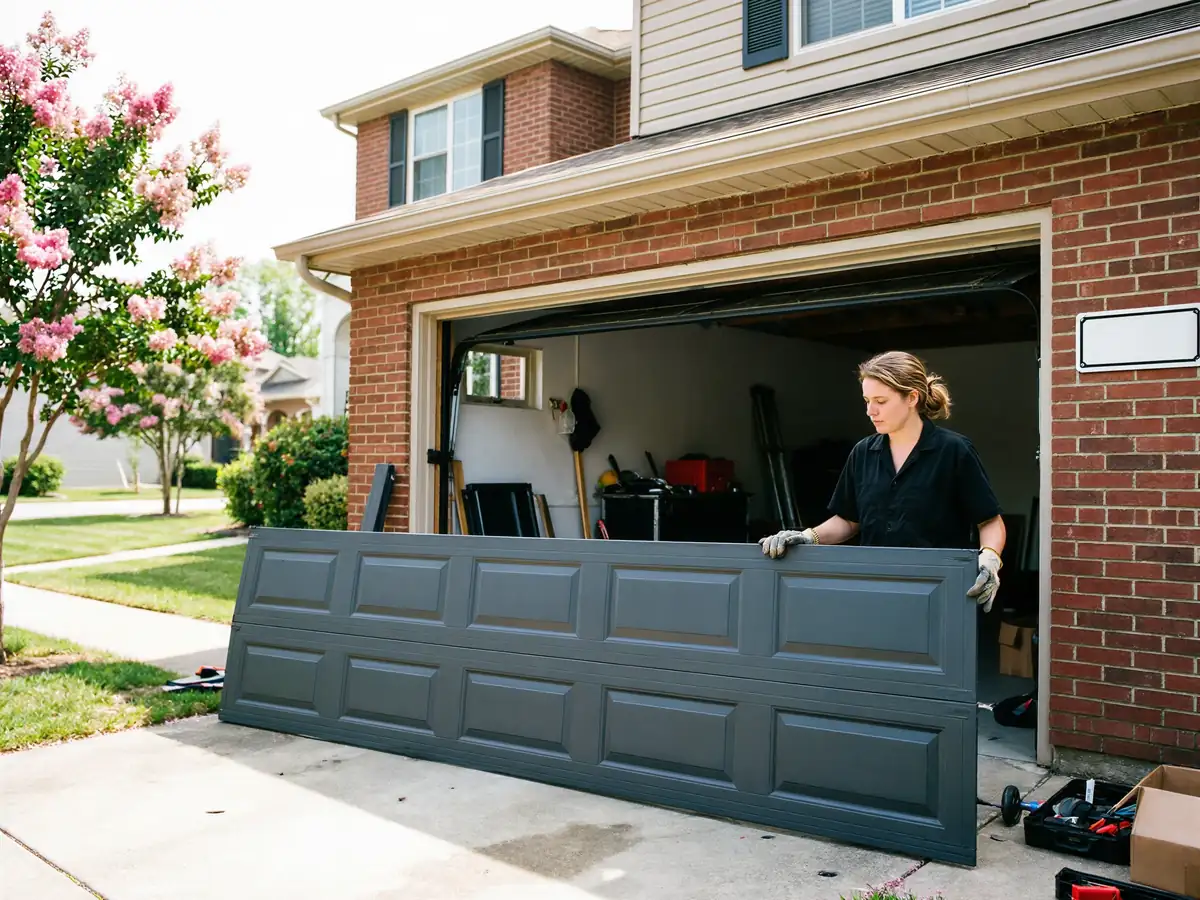
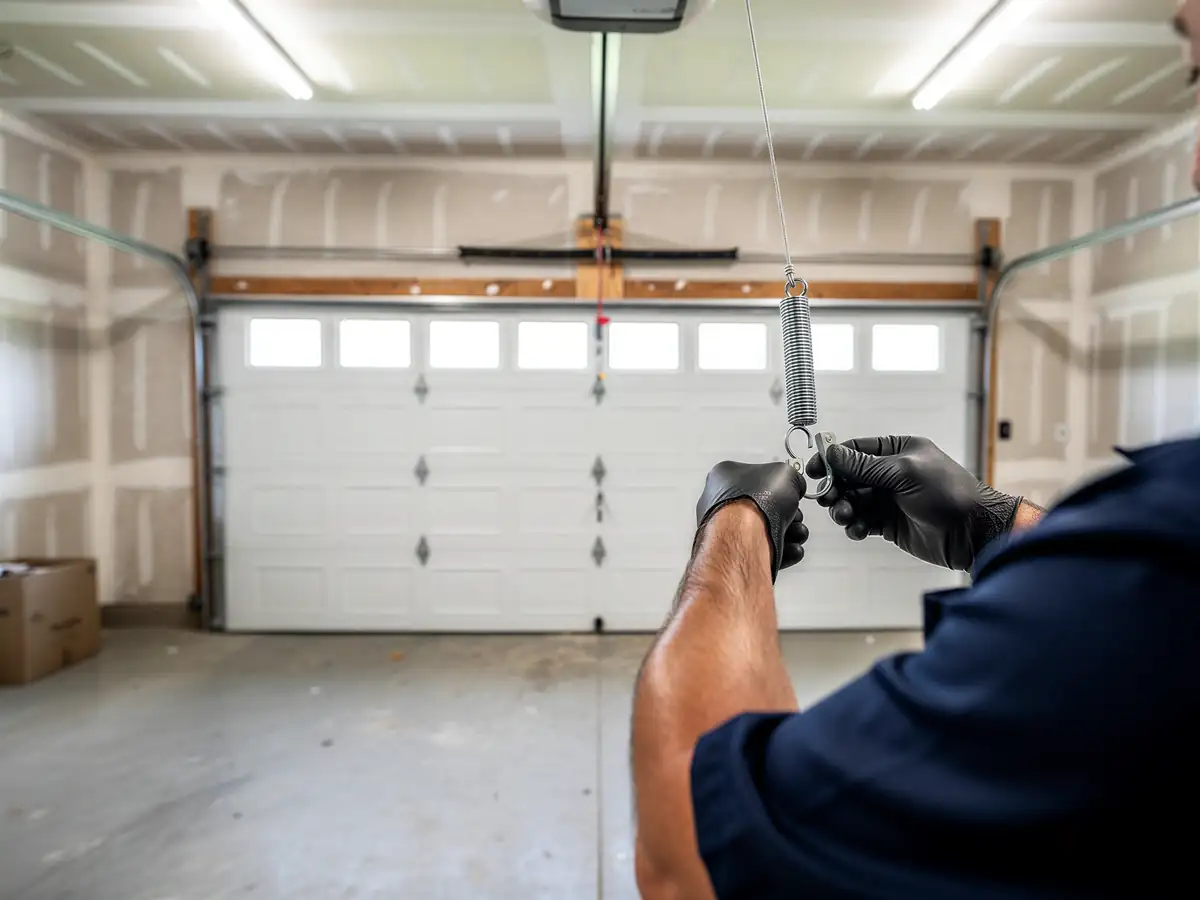
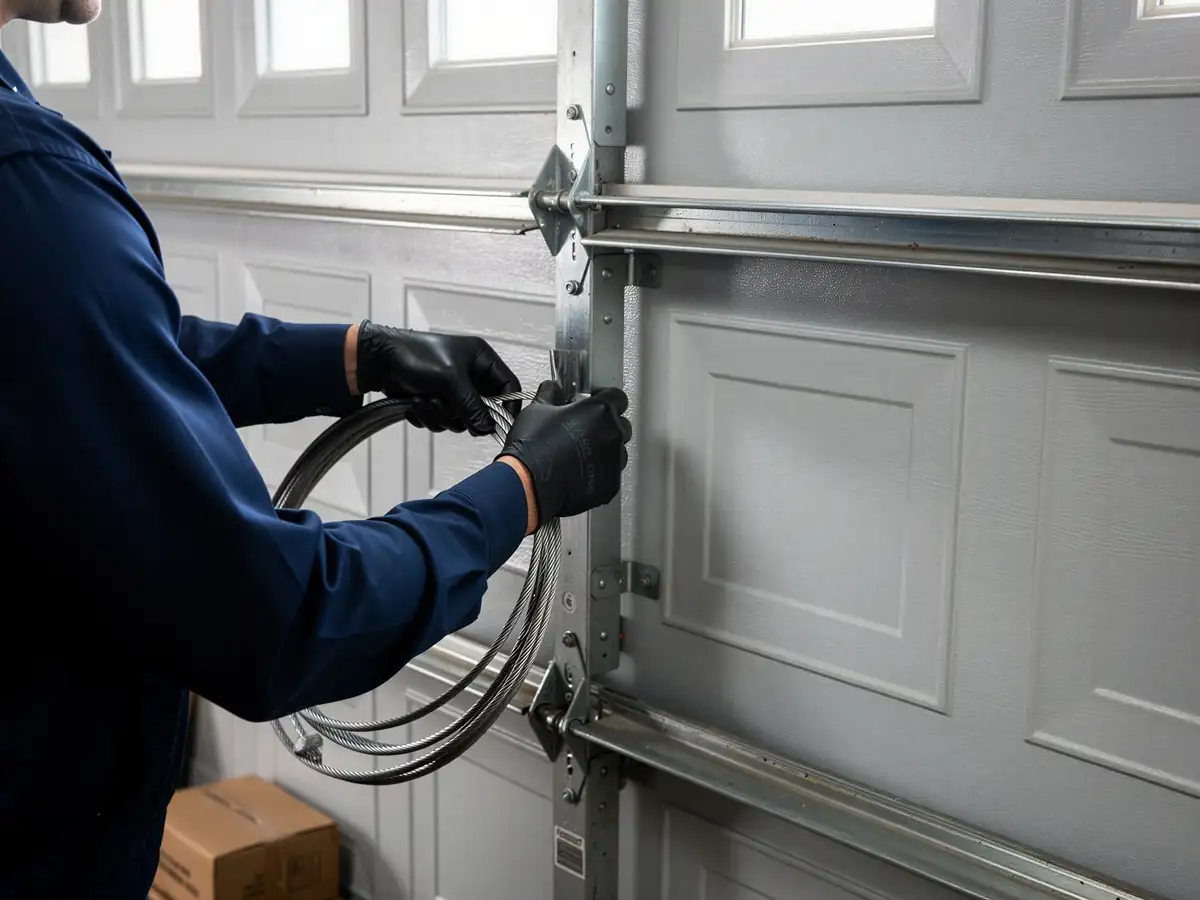
A cable job shows up a few different ways and the symptoms tell you roughly what's wrong before anyone touches the door. A door that drops unevenly, with one side lower than the other, usually means one cable has stretched or slipped off the drum while the other is still holding. A door that won't budge at all, with a visible slack loop of cable at the bottom corner, means that cable's already broken and the opener is fighting a door with no support on one side - don't keep hitting the button. Fraying you can see along the cable, especially near the bottom bracket, is wear from age and heat cycling rather than a sudden failure, and on a house built in the mid-1980s that's often just the cable reaching the end of its life rather than anything installed wrong.