What It Costs
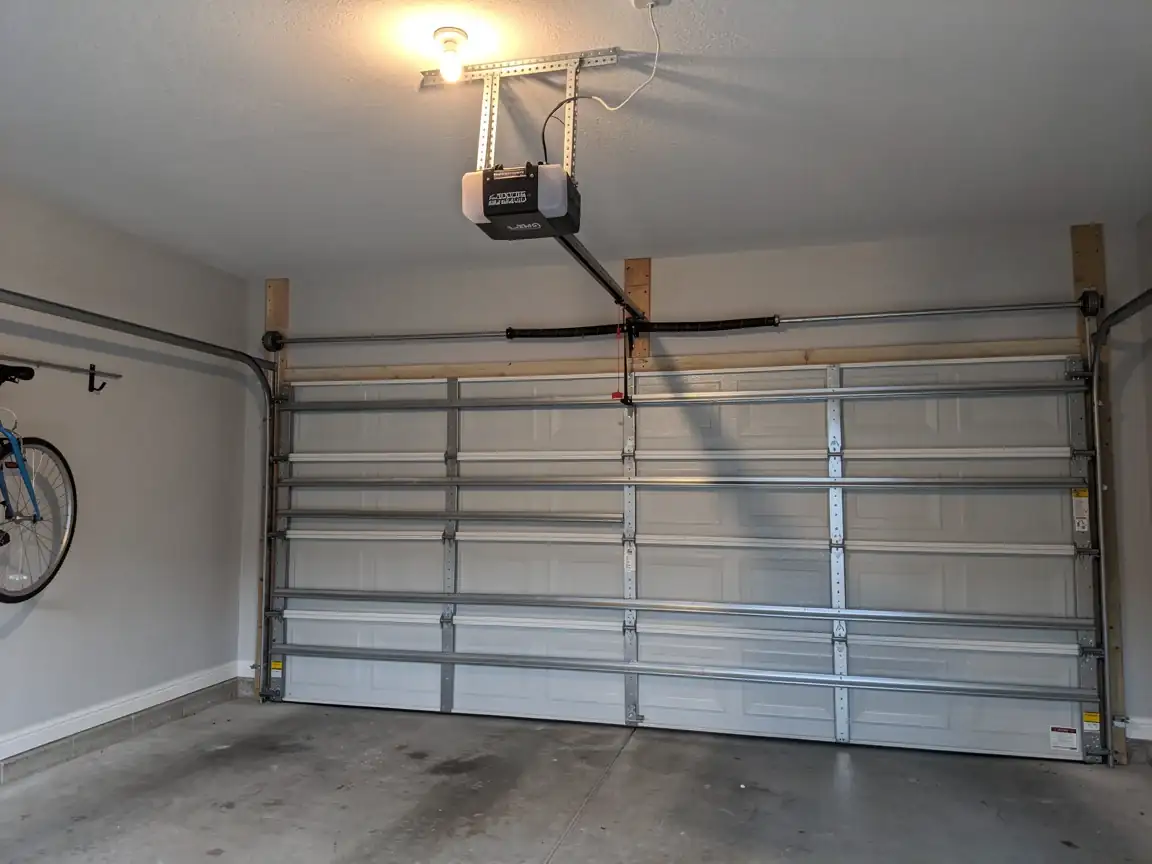
We don't post a price list for Lakeport because every job depends on what's actually broken, but the houses here give us a pretty good idea what we're walking into before we even load the truck. With a median build year around 1986, most doors in this pocket are steel sectional panels on torsion or extension spring setups from that same window, not the newer doors you'd find in a subdivision built in the last ten years. That means parts and labor tend to land in a narrower range here than in a mixed-era town, because we're not guessing between three generations of hardware. We'll still quote the job at your house, not over the phone, because panel gauge and spring count vary even within one street built the same year. What we can tell you up front: if your opener is original to a 1980s install, replacement is usually the better math than trying to source parts for it.
Booking a Visit
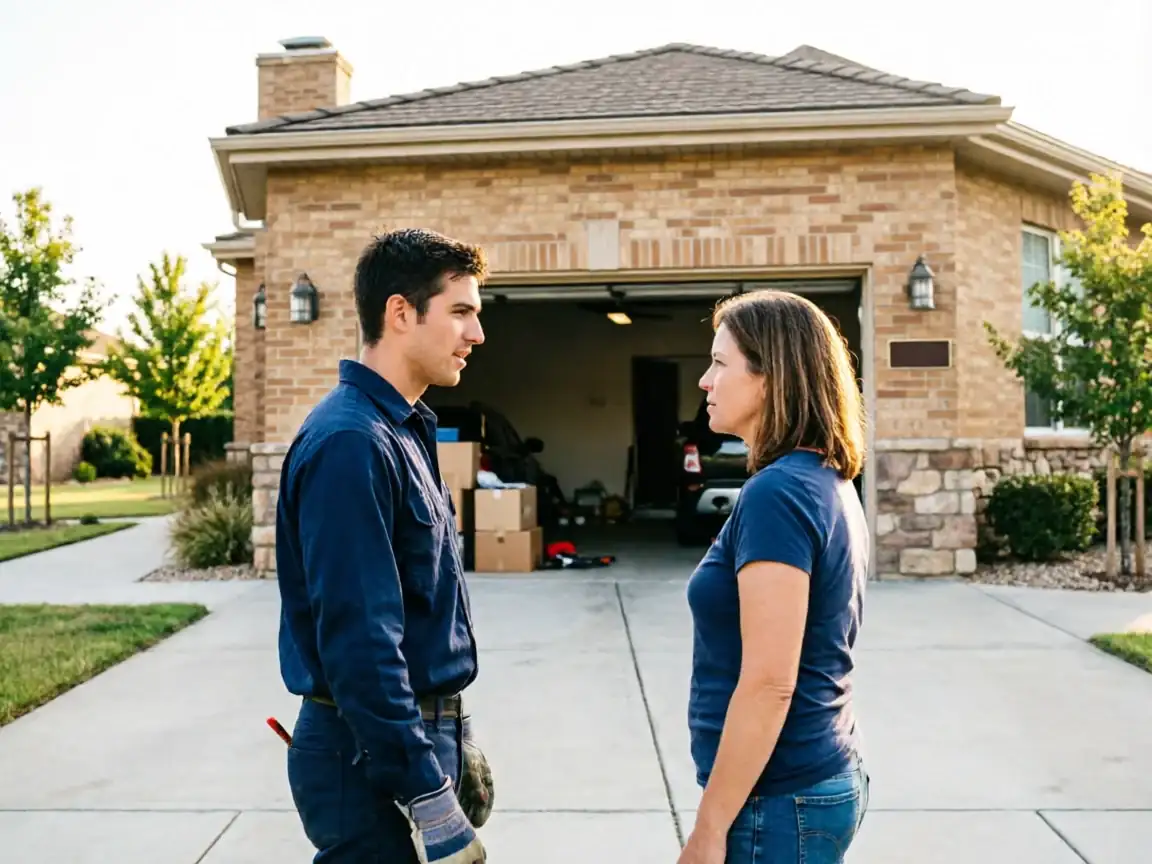
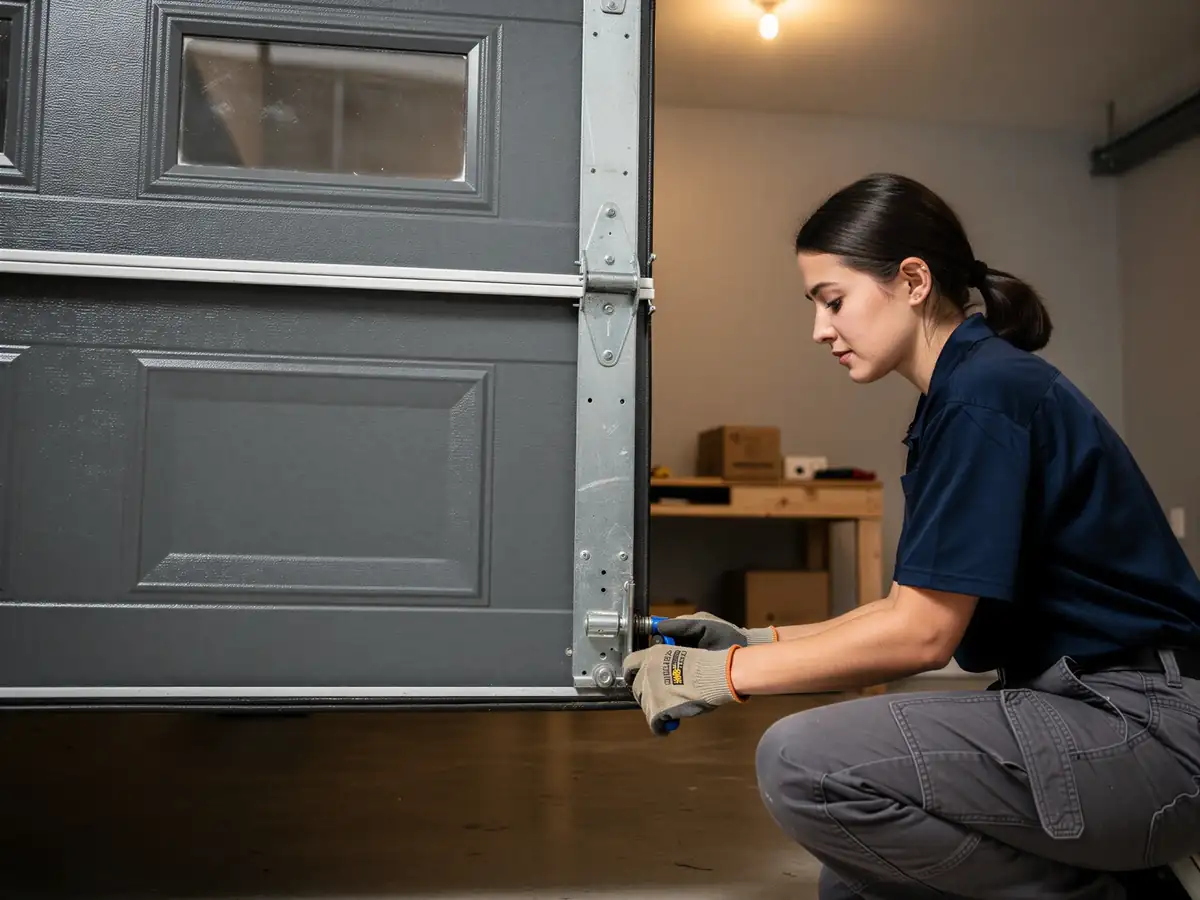
We cover Lakeport out of Longview, about 8 miles from the shop, so when you call we're scheduling a drive, not dispatching from a local depot. That's true for the whole area around here, not just this one street. Tell us the age of the house if you know it - in Lakeport that's often enough on its own to tell us whether we're bringing torsion spring stock from the 1980s-90s range or something newer. We ask about symptoms too: whether the door is stuck down, stuck up, noisy on one side, or the opener just hums. That lets us load the right spring size and cable length before we leave, instead of making a second trip. We book by phone, and we're upfront if a repair needs a part we don't carry on the truck that day.
Stocked Parts
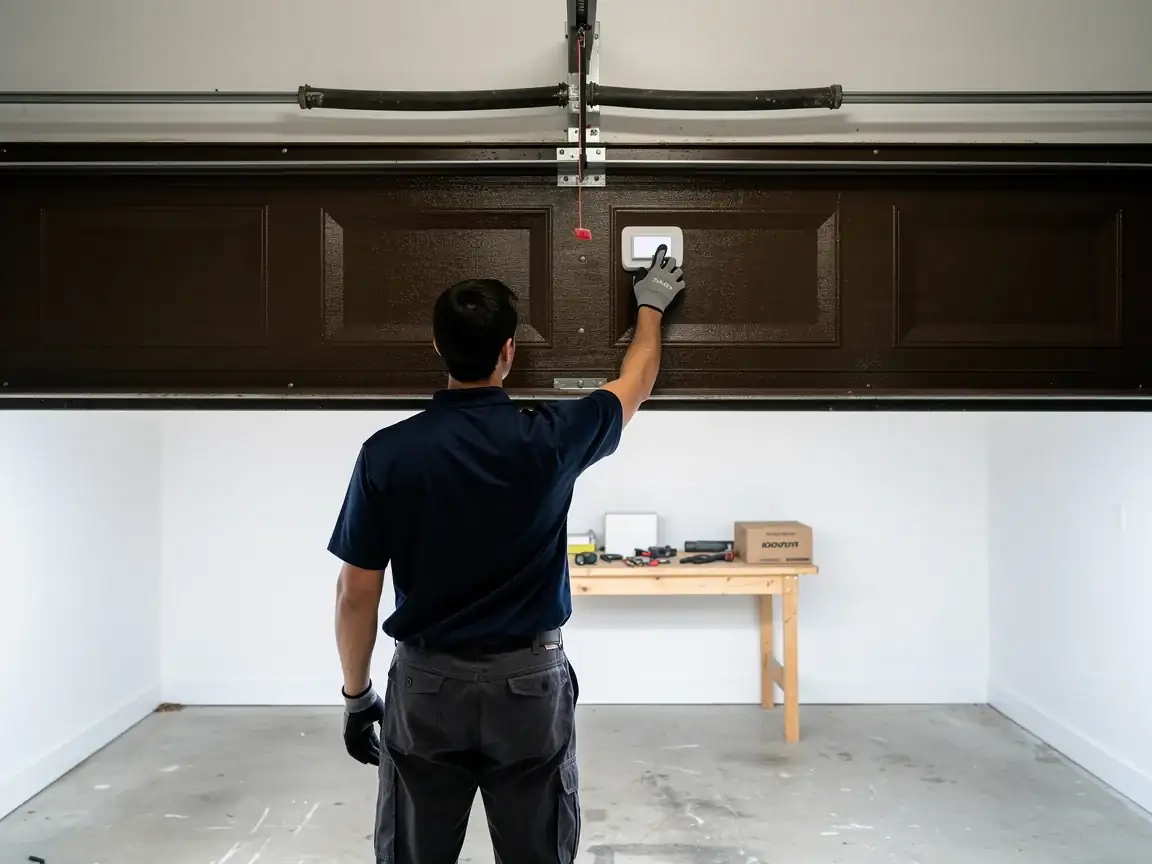
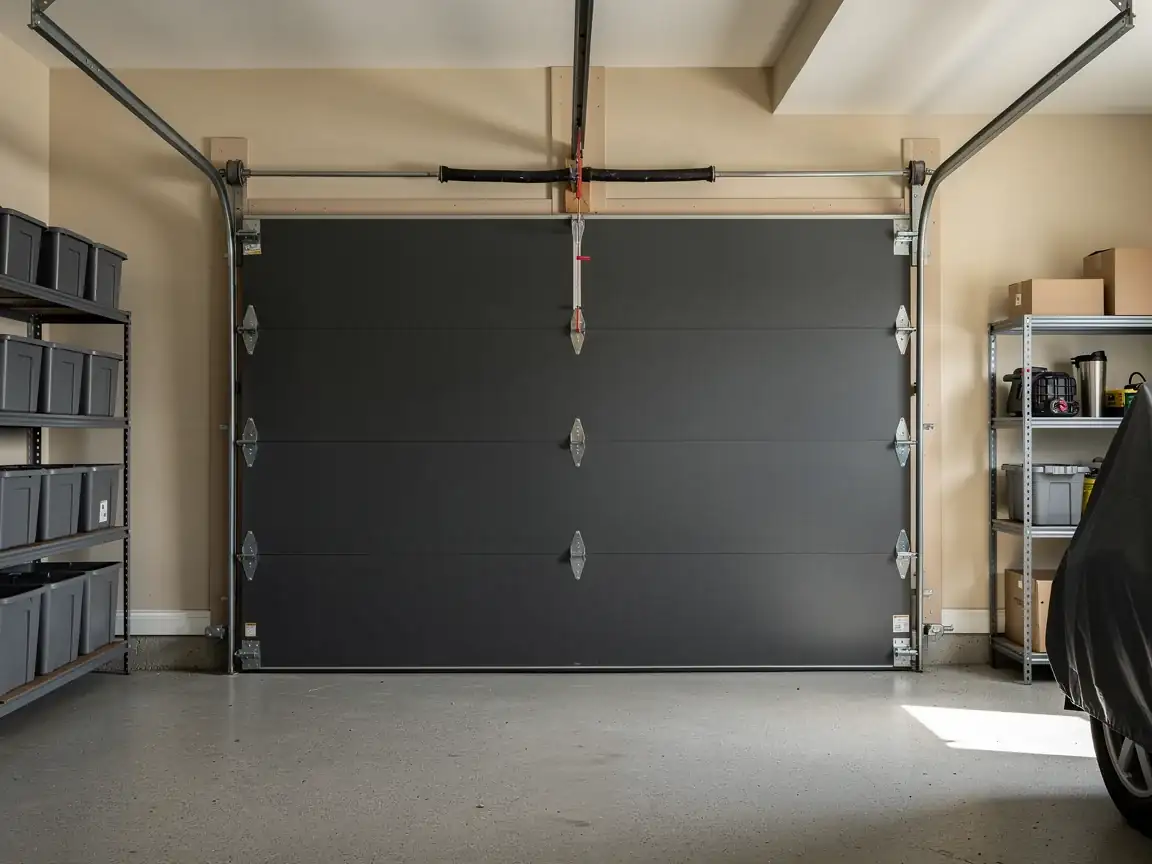
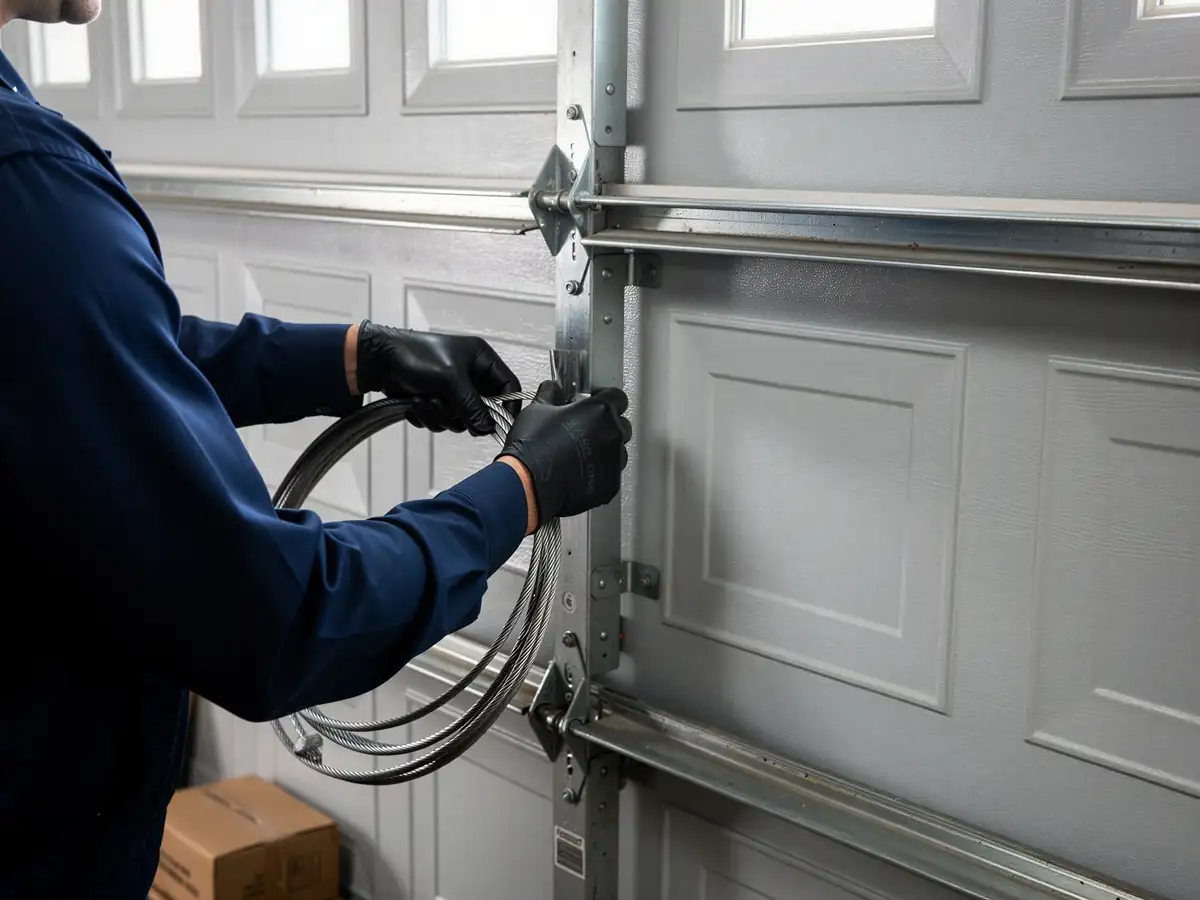
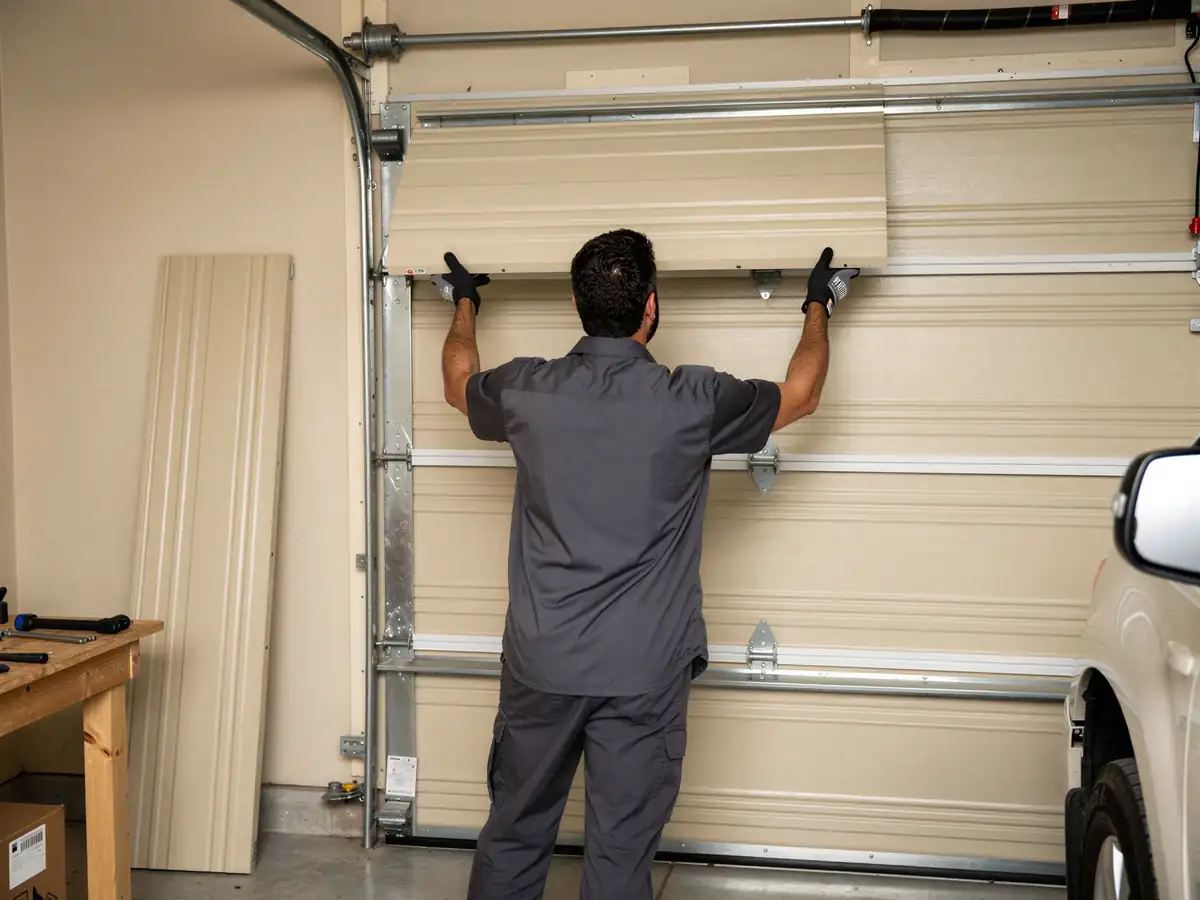
Because so much of the housing around Lakeport dates to the 1980s and 90s, we carry torsion springs, rollers, and cable sized for that generation of door as standard stock, not special order. Steel panel sections from that build era are usually still available, though exact color and panel profile can take longer to match if your door was painted or replaced once already. Openers are the one spot where original hardware usually can't be fixed - a chain-drive unit from the 1980s is past the point where parts exist, and we'll tell you that straight instead of pretending otherwise. For a household income level like the one in this area, we try to steer people toward a straight swap rather than chasing parts for a unit that's done.
What You Are Seeing
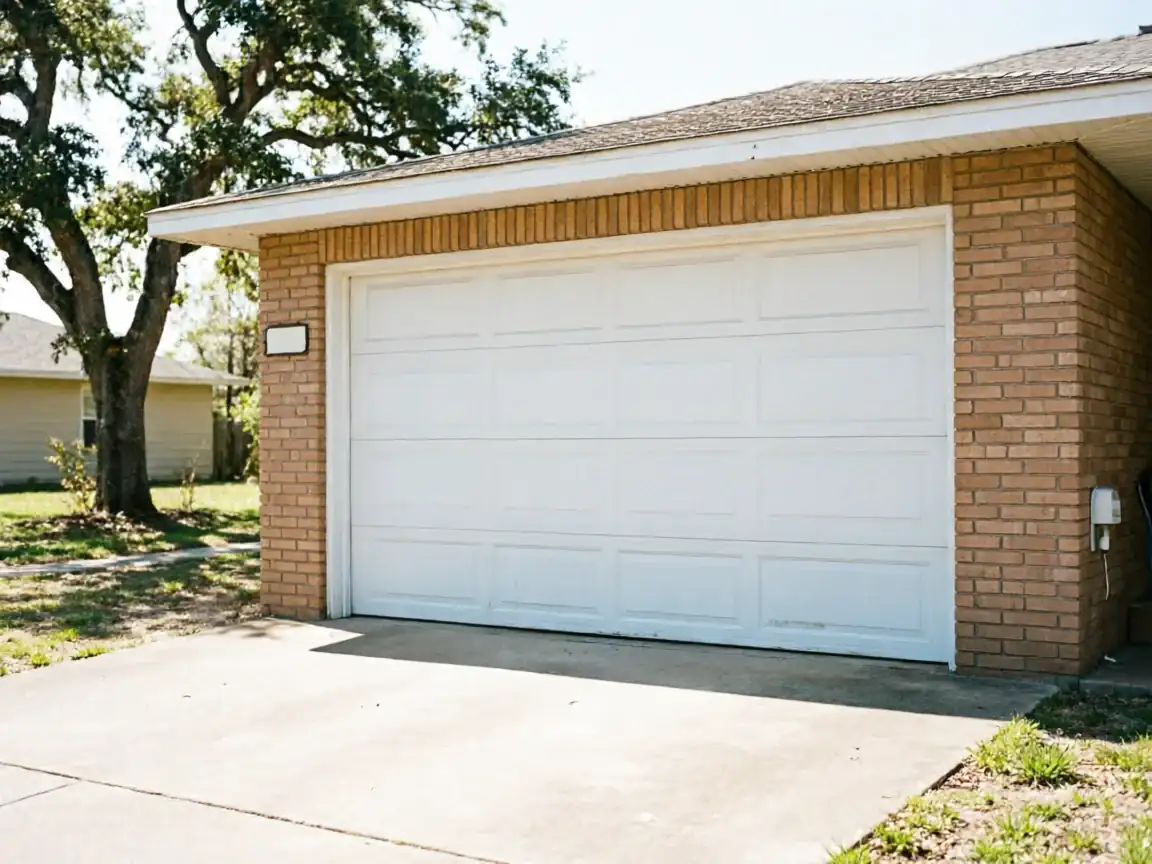
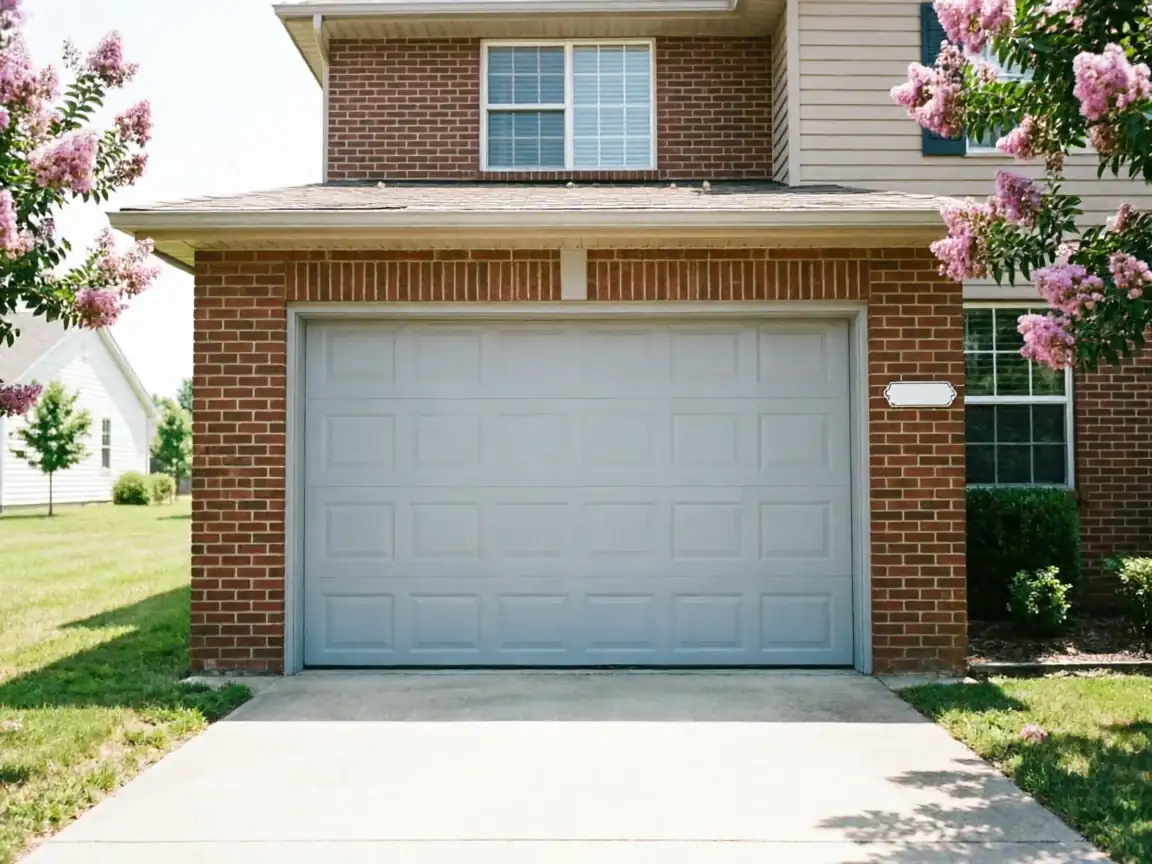
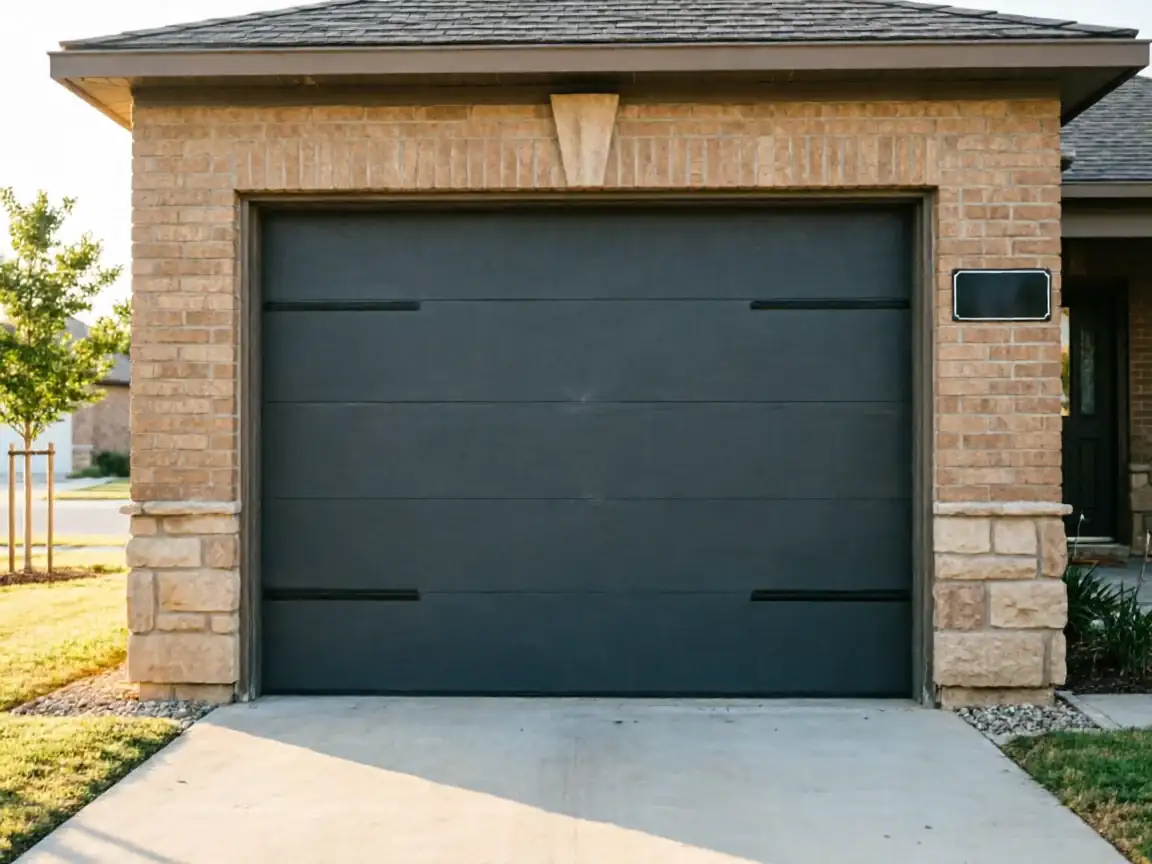
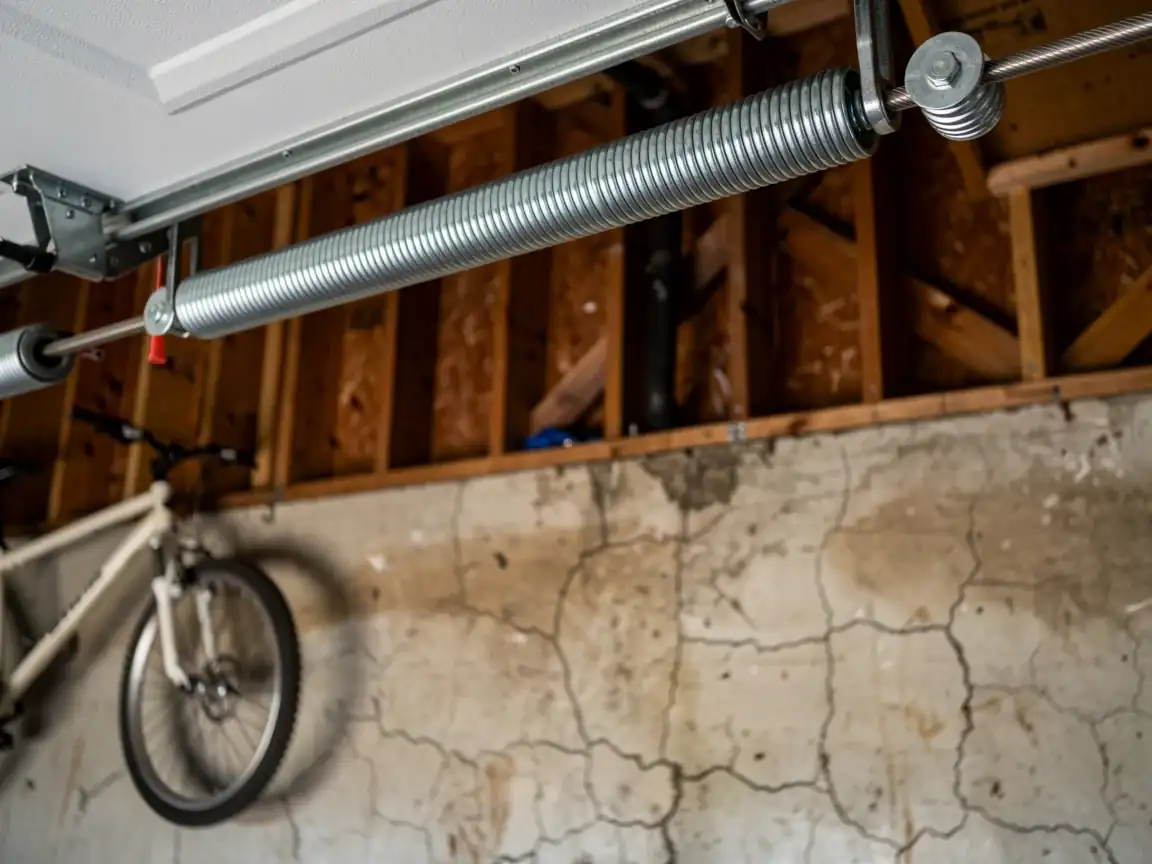
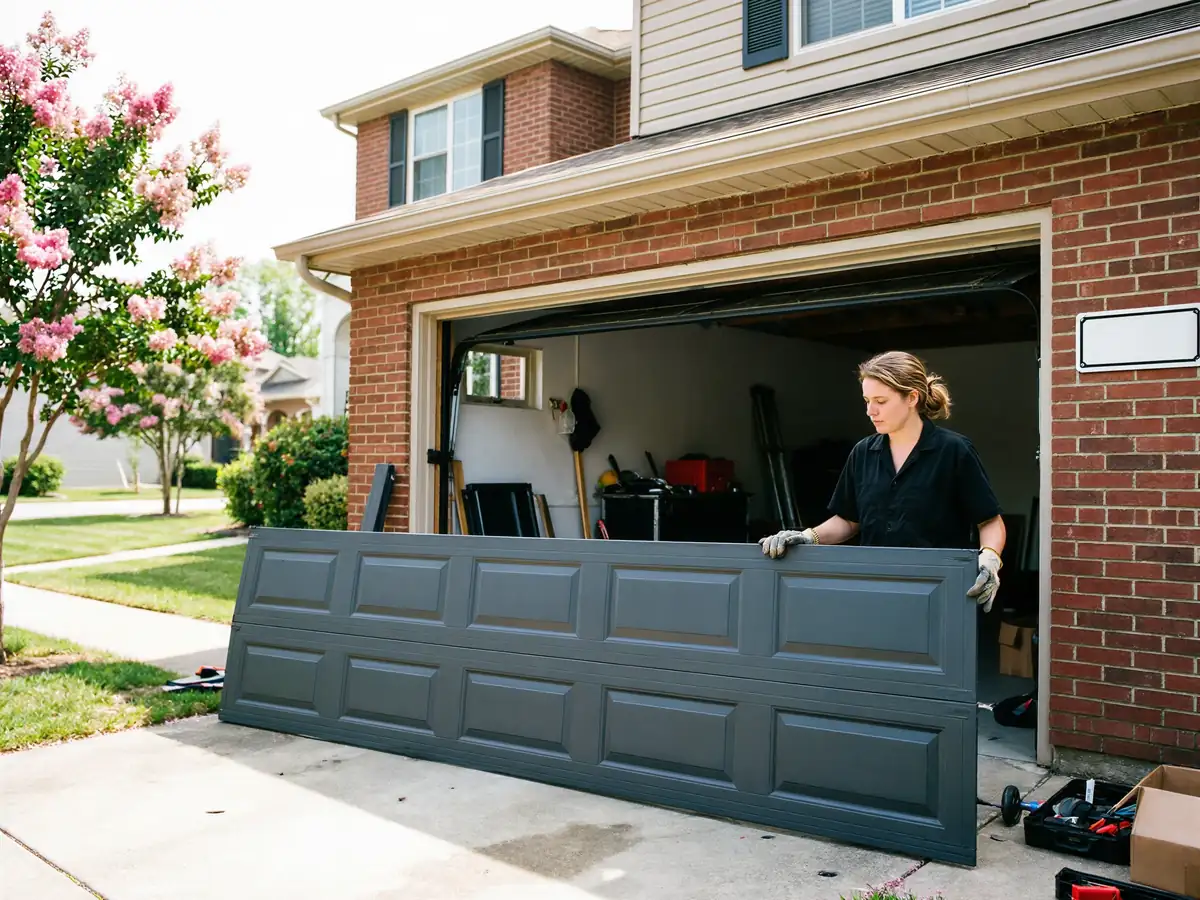
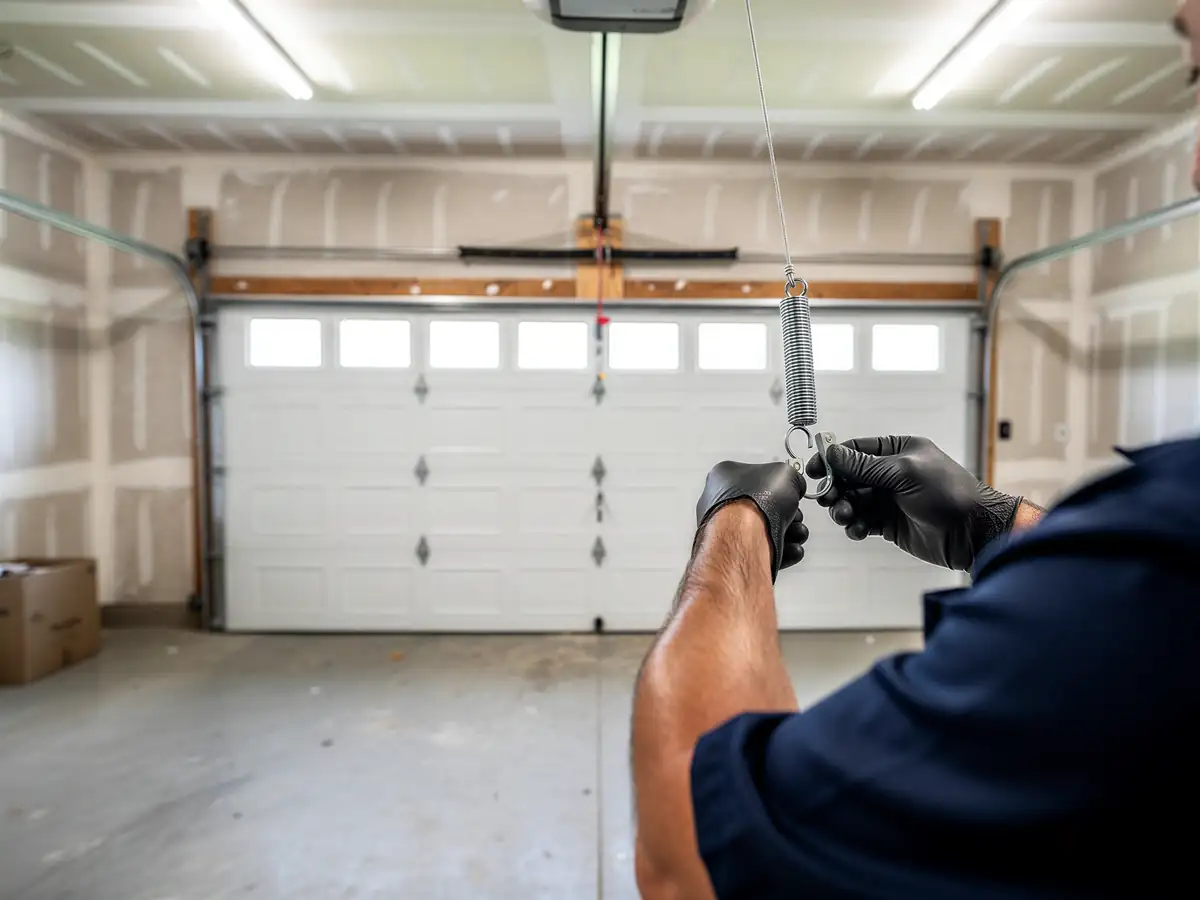
A door built when this neighborhood went up typically runs lighter-gauge steel than what's sold today, so dents and rust show earlier, especially at the bottom panel where water sits. If your springs are the stretch-style kind mounted alongside the tracks instead of the torsion bar over the opening, that's consistent with the era - extension springs were still common into the 1980s before torsion became the default. A door that slams the last foot instead of settling usually means a spring on that setup has already partly gone. Sagging in the middle panel, visible from outside, is another one we see often on doors this age - the steel has simply fatigued after three-plus decades of daily cycles.