What Can Go Wrong
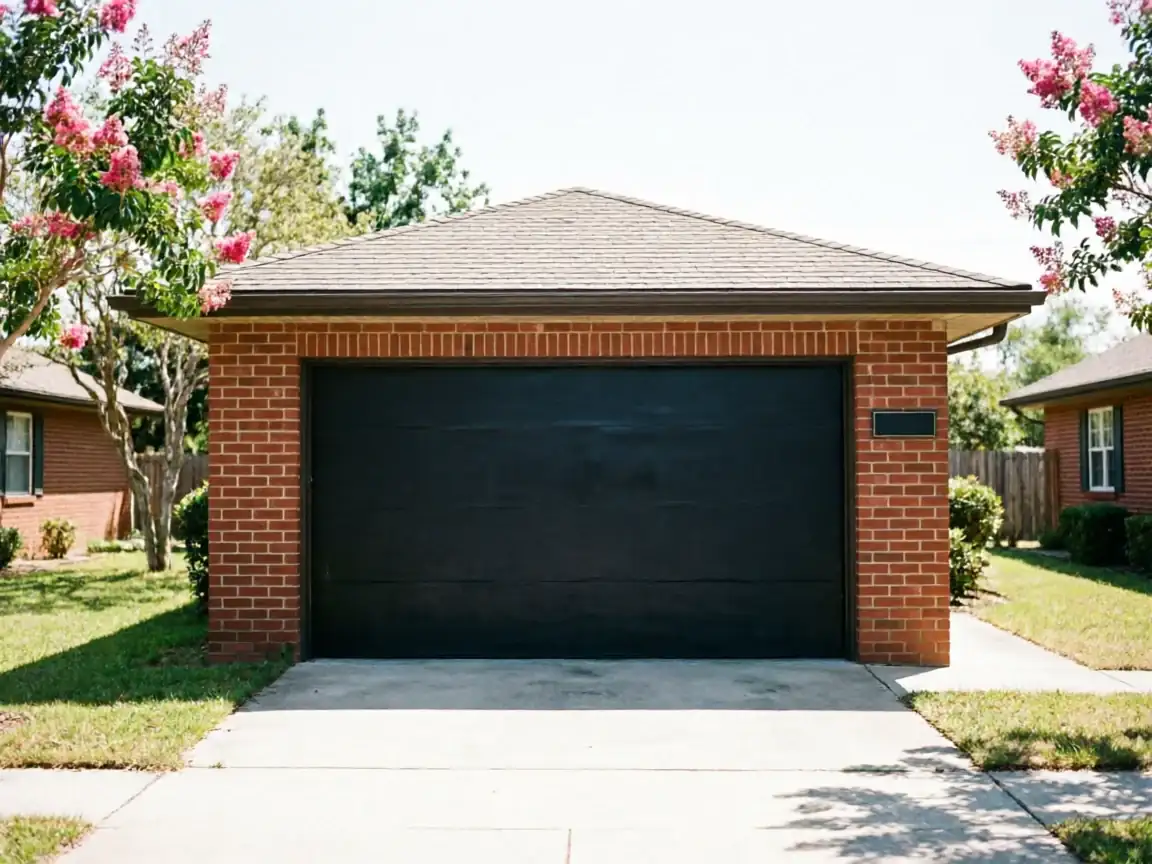
Longview's service area as a whole runs on housing built between 1968 and 1994, with the median landing around 1981. Kilgore sits ahead of that curve - most houses here went up closer to 1972. That decade matters. Doors from the early 1970s were built narrower in panel height than the doors that went into Longview-area homes through the late '80s and '90s, and the mounting brackets on them were often drilled for a lighter steel gauge.
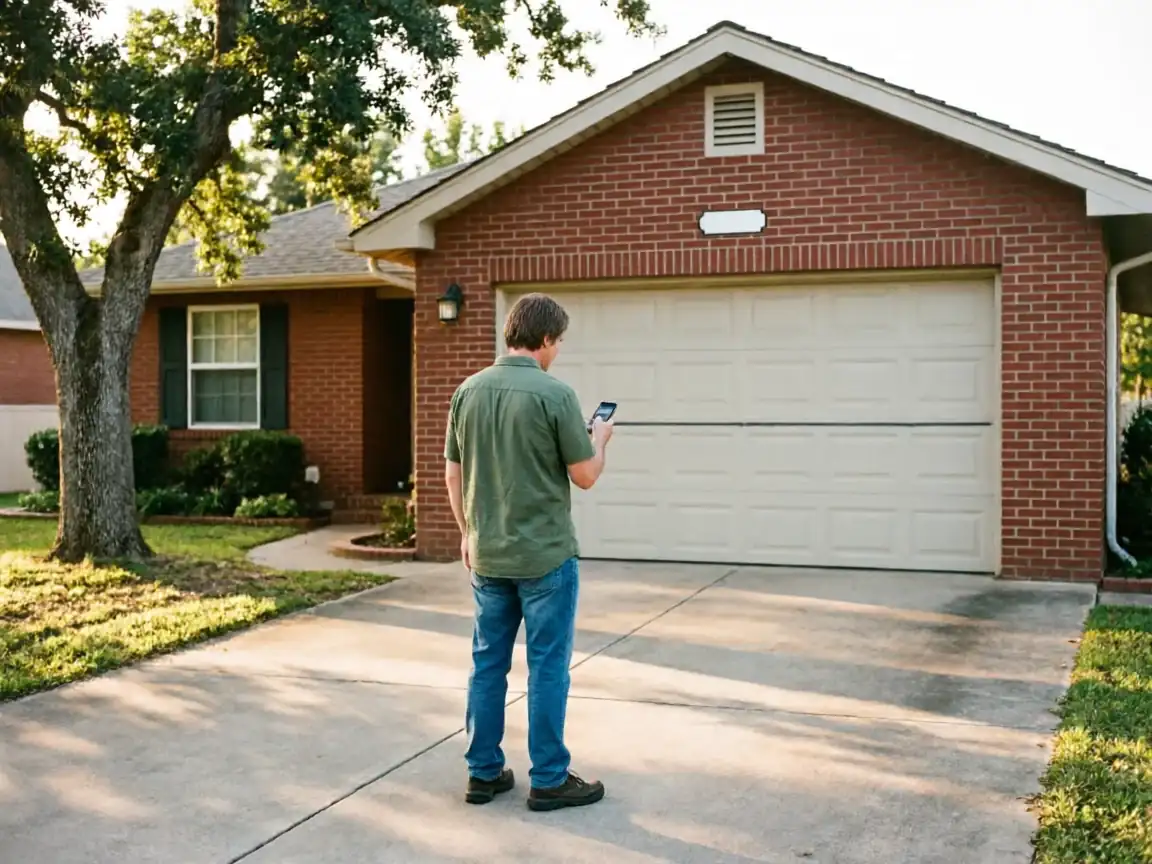
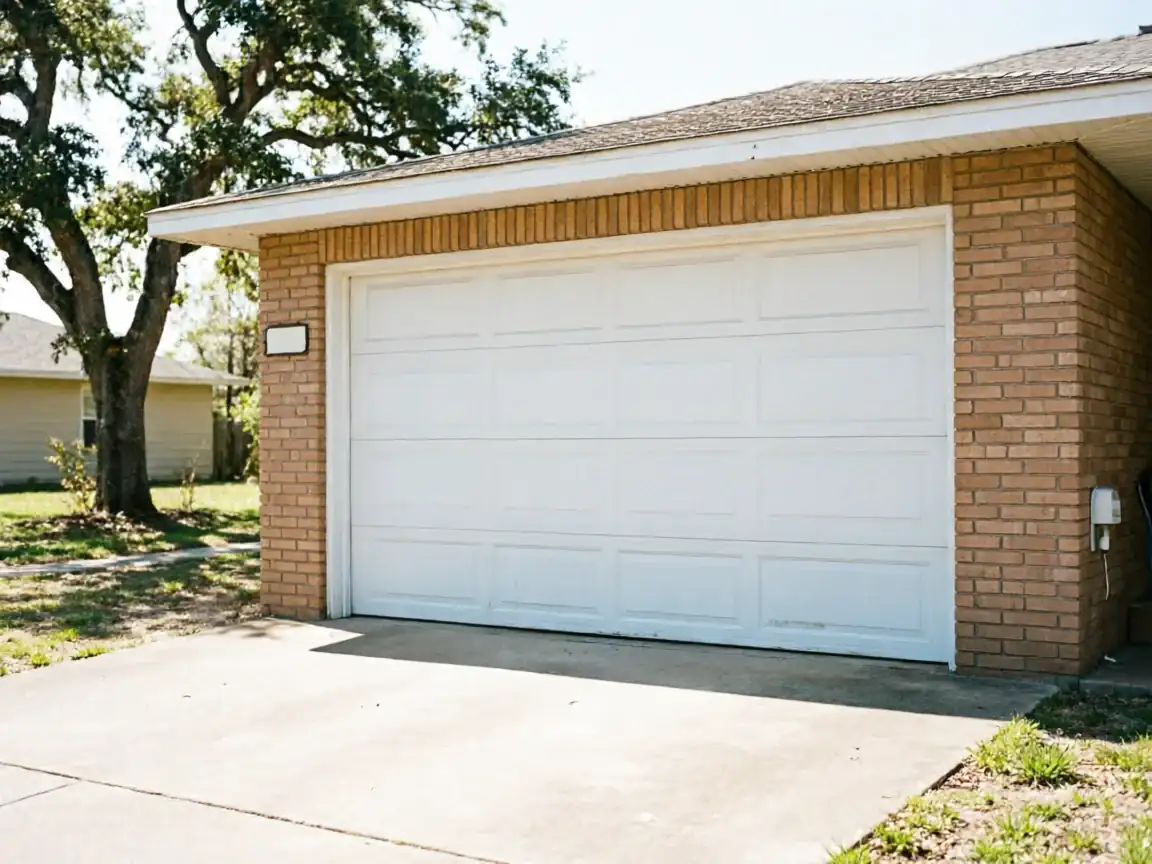
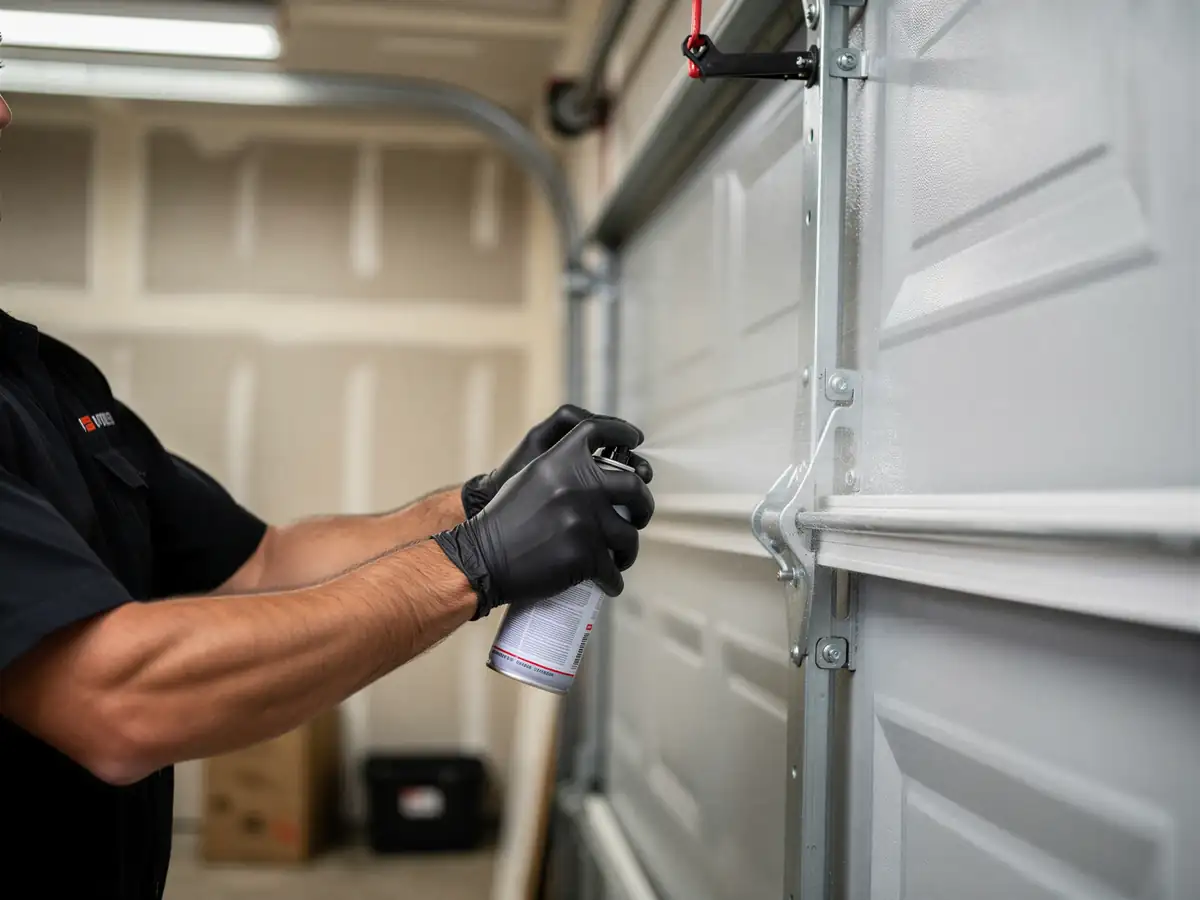
What we run into on a Kilgore call is usually a single damaged panel on a door where the other sections have held up fine for fifty years, and the owner just wants that one section matched, not a whole new door. The trouble is sourcing a panel that matches a track width nobody makes anymore. A dent from a backed-into car, a cracked bottom panel from lawn equipment, or rust-through at the bottom seam where moisture sits - all common on doors this age, and all panel-level, not whole-door, problems if caught early.
The heat band here is moderate, so we don't see the kind of panel warping you'd get in a harsher climate, but direct afternoon sun on an uninsulated steel panel from this era can still bow it over the years. That's a separate issue from impact damage and it changes what we recommend.
What It Costs
We don't post a flat number for panel work because the spread between a single steel panel swap and a full multi-panel section replacement is wide, and on a door built around 1972 the harder cost driver is finding stock that matches the existing track and hinge spacing rather than the panel material itself. Kilgore's median household income sits at $58,141, lower than the income figure for the broader Longview service area, and we price jobs the same regardless of which town they're in - the quote reflects the door in front of us, not the zip code.
Where costs climb is matching an insulated panel into a door that was built uninsulated, or finding a color-matched panel for a door that's been repainted once or twice since the Nixon administration. Where costs stay low is a clean single-panel swap on a door where the track and drum are still in spec. We'll tell you on site which one you've got before any work starts.
What the Fix Involves
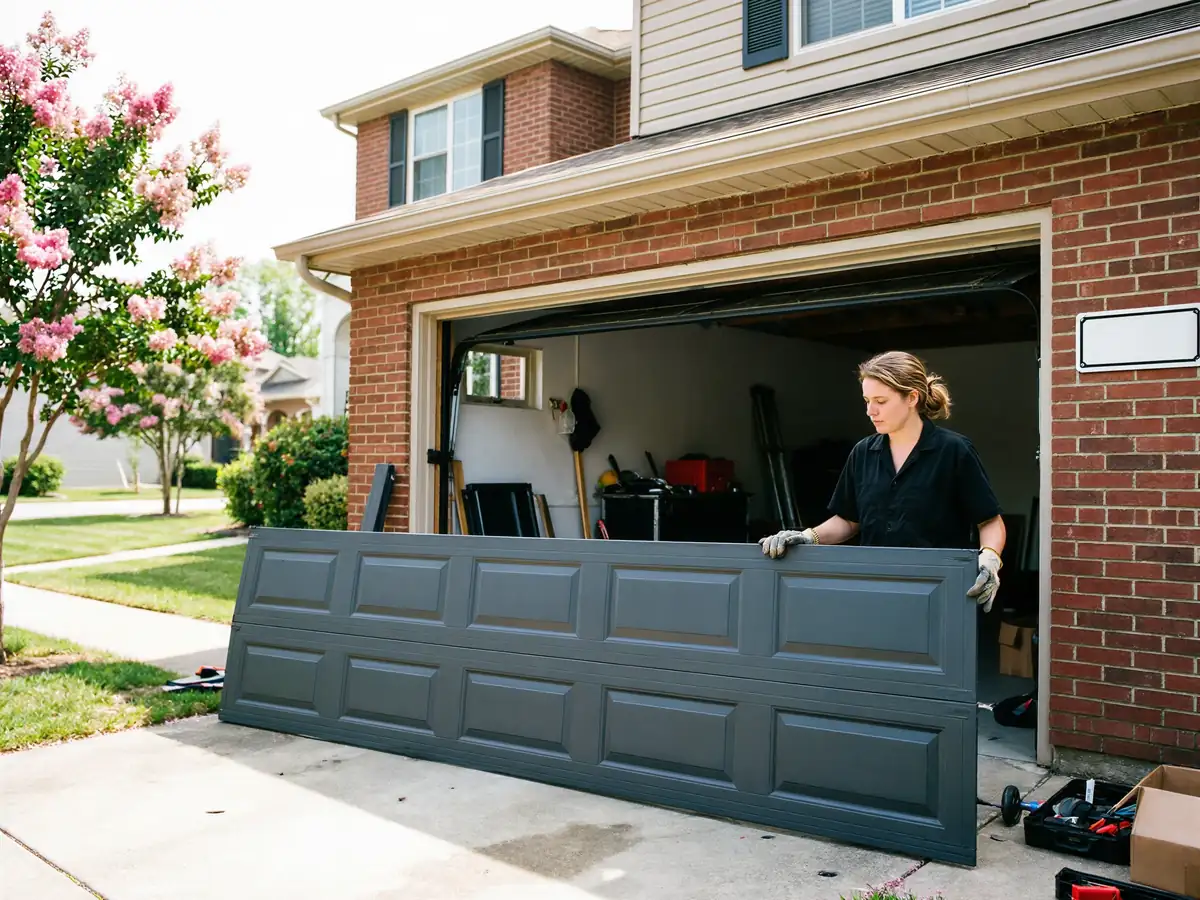
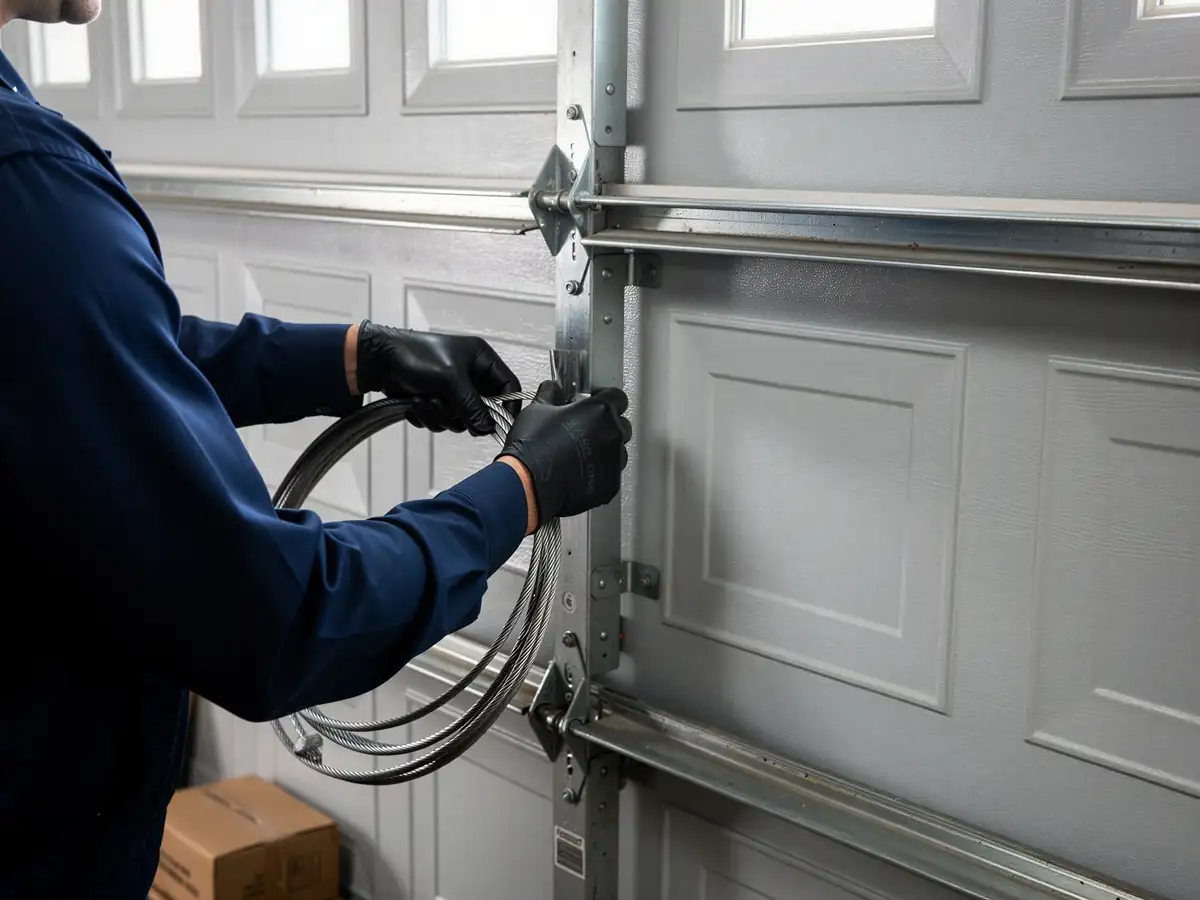
On a door from around 1972, the first step is pulling the existing panel section and checking the track width and hinge spacing against what's currently manufactured
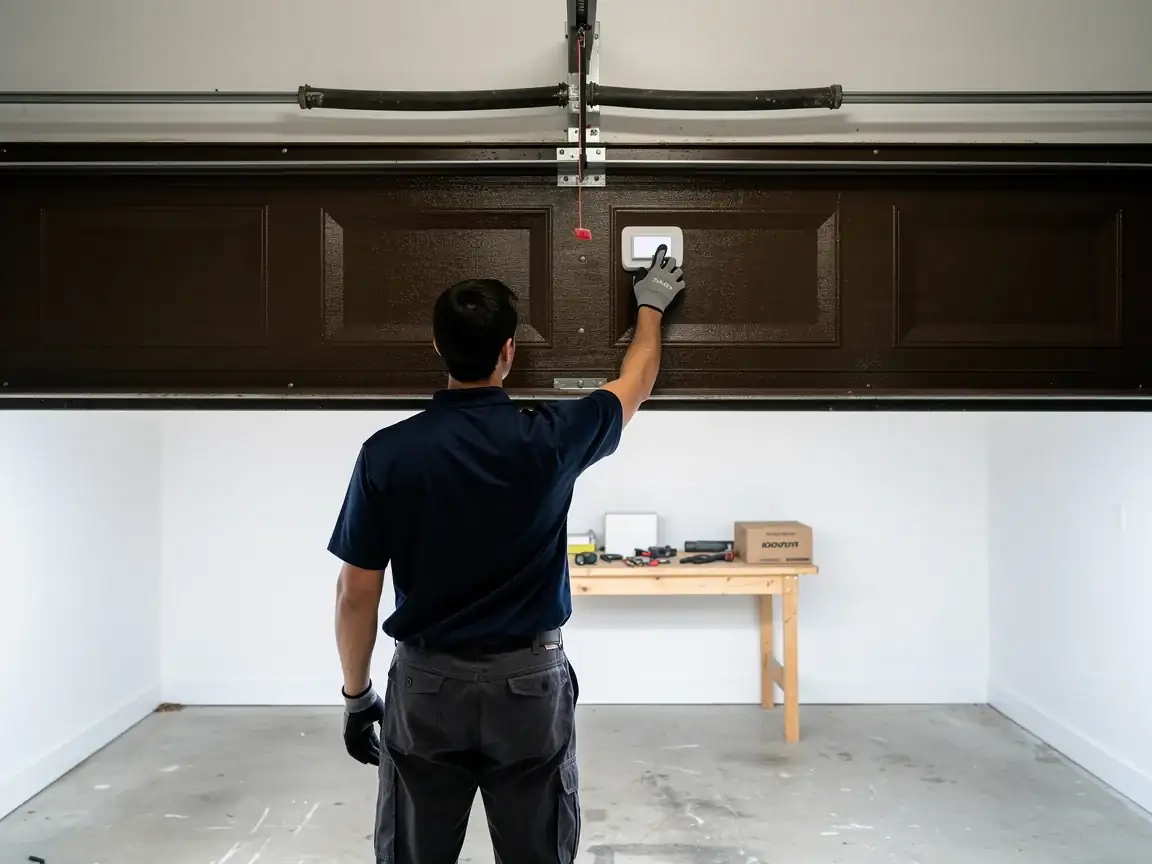
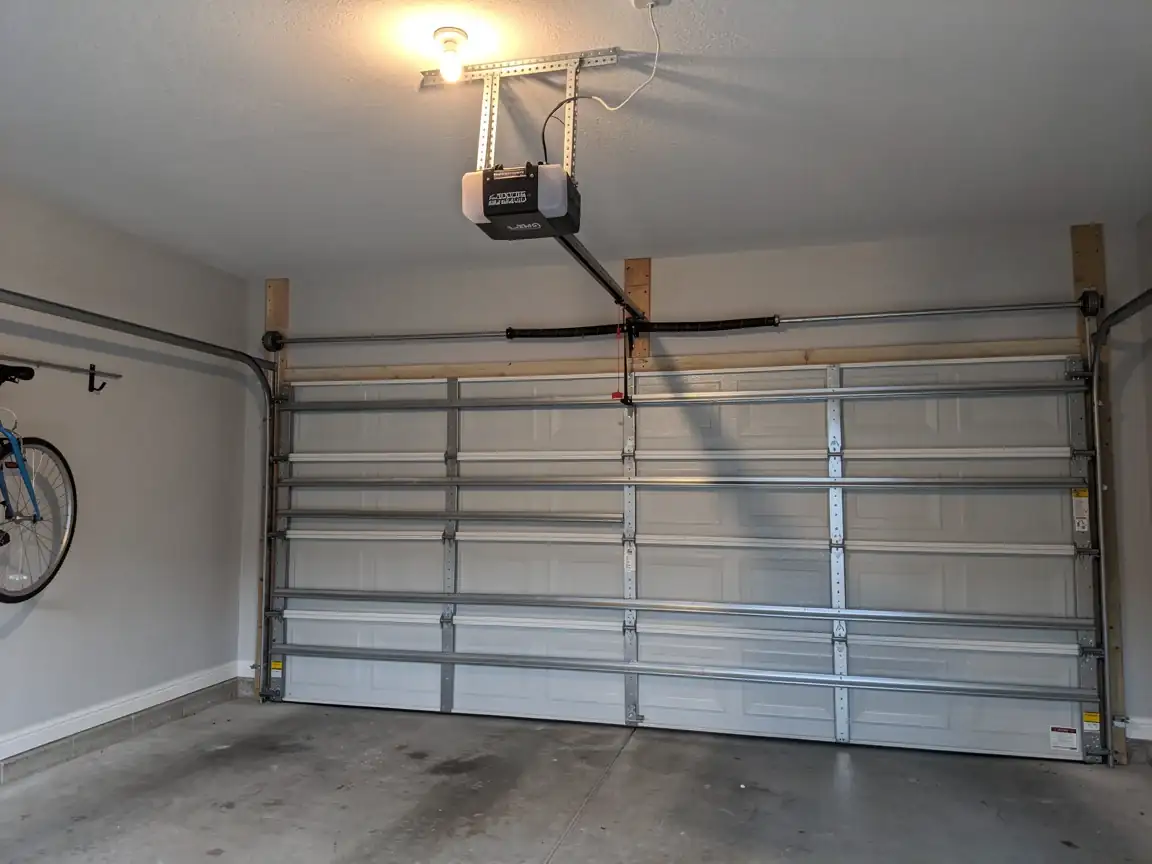
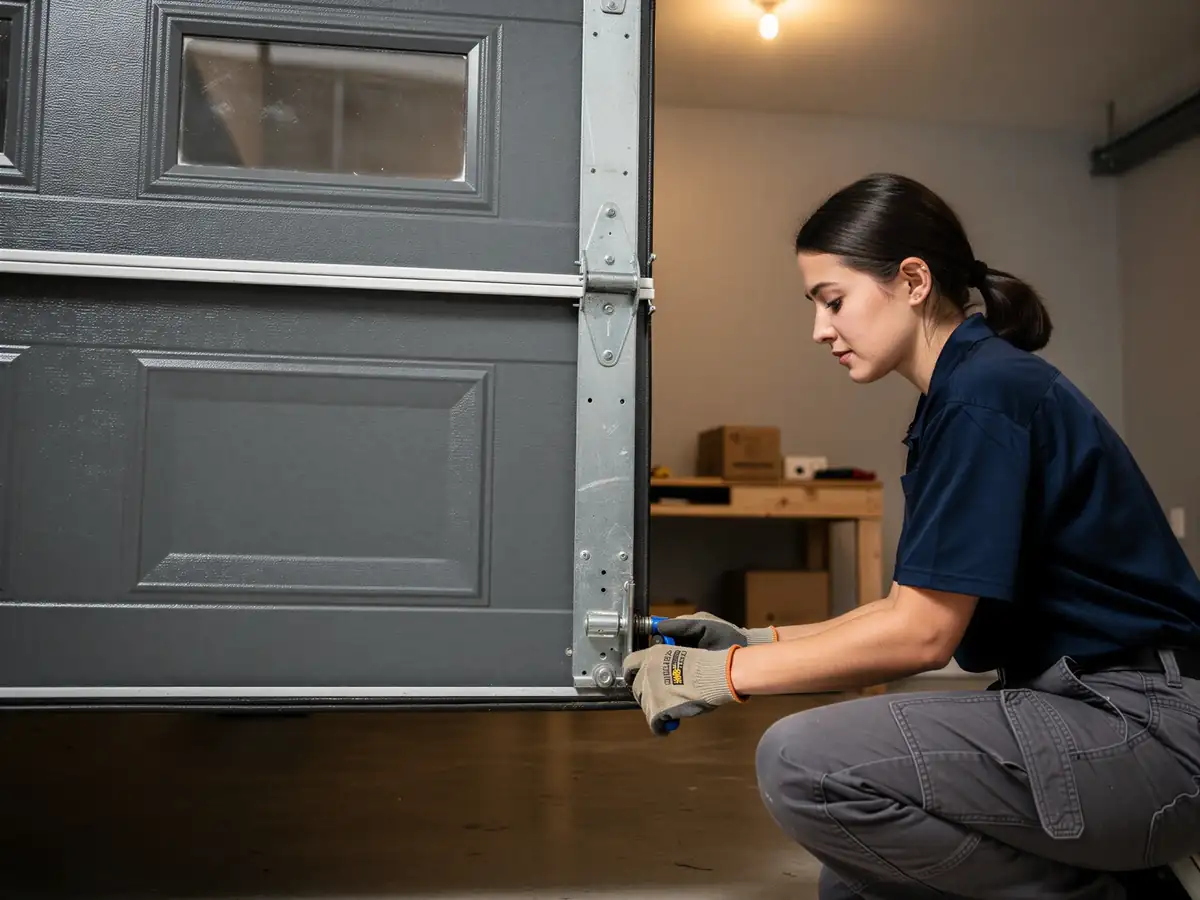
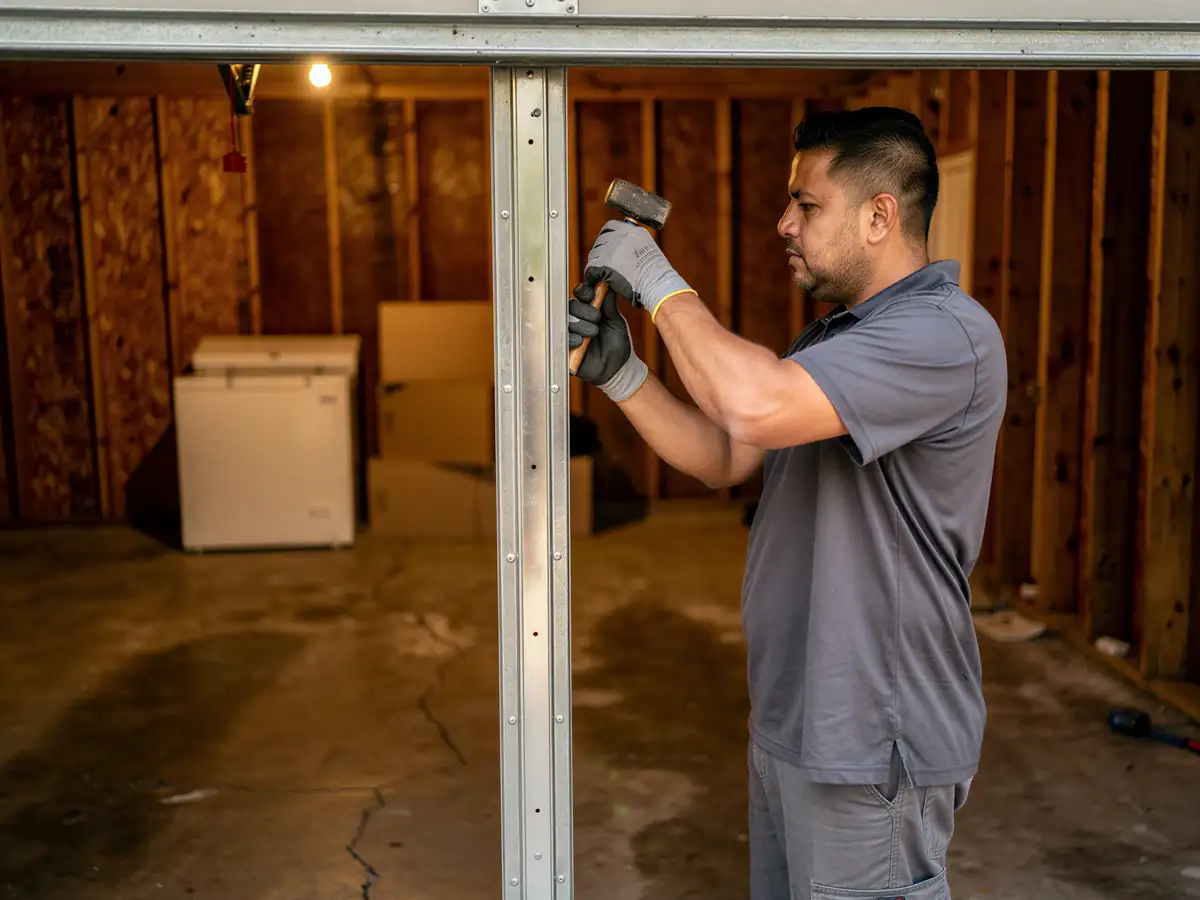
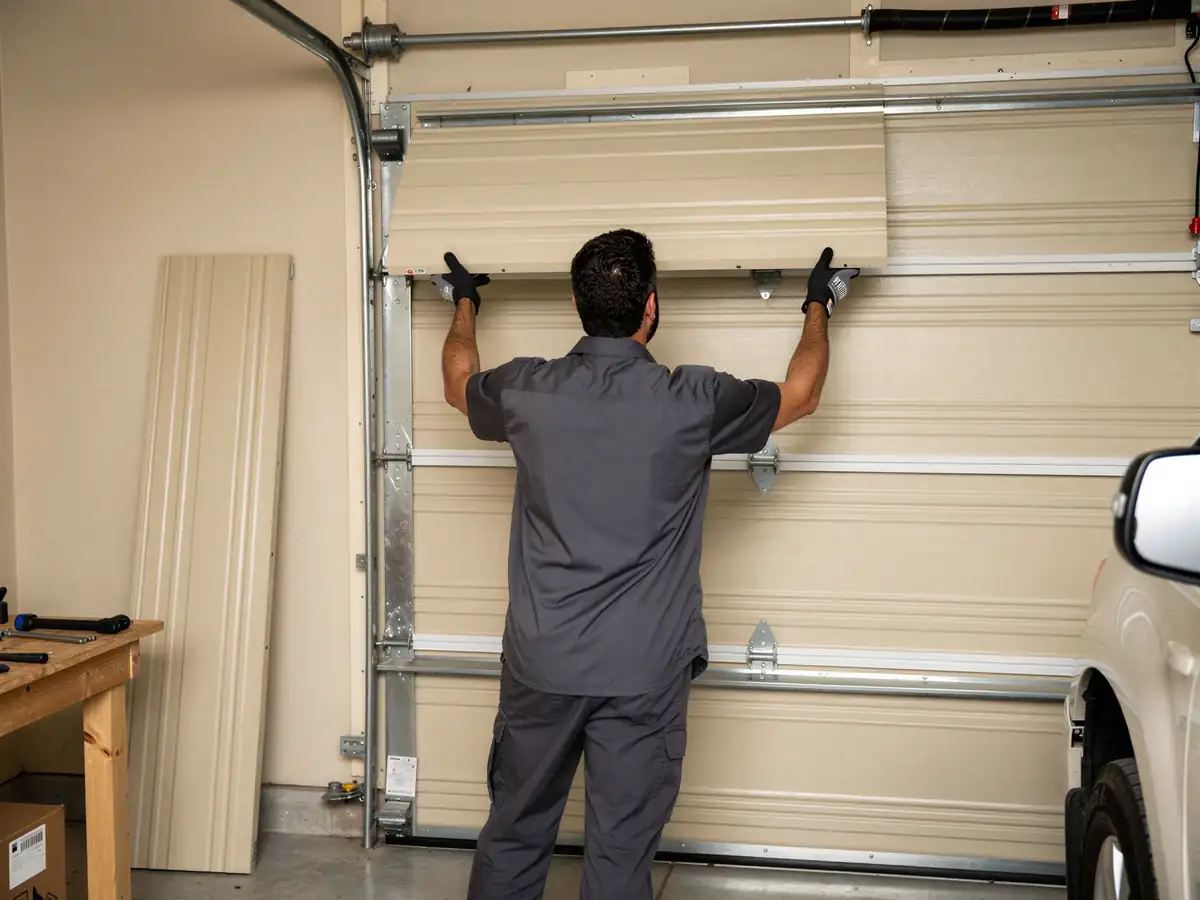
If it matches a standard width, the swap is straightforward: disconnect the door from the opener, unbolt the damaged section, slide in the replacement, re-hang the hinges, and run the door through a full cycle to check for binding.
If the track is a width we can't match off the shelf, we'll say so before we start, not after
Sometimes that means special-ordering a section, and sometimes it means the more honest answer is a full door replacement rather than chasing parts for a track that's been out of production for decades. We'd rather tell you that up front than have you pay for a panel that doesn't sit flush.
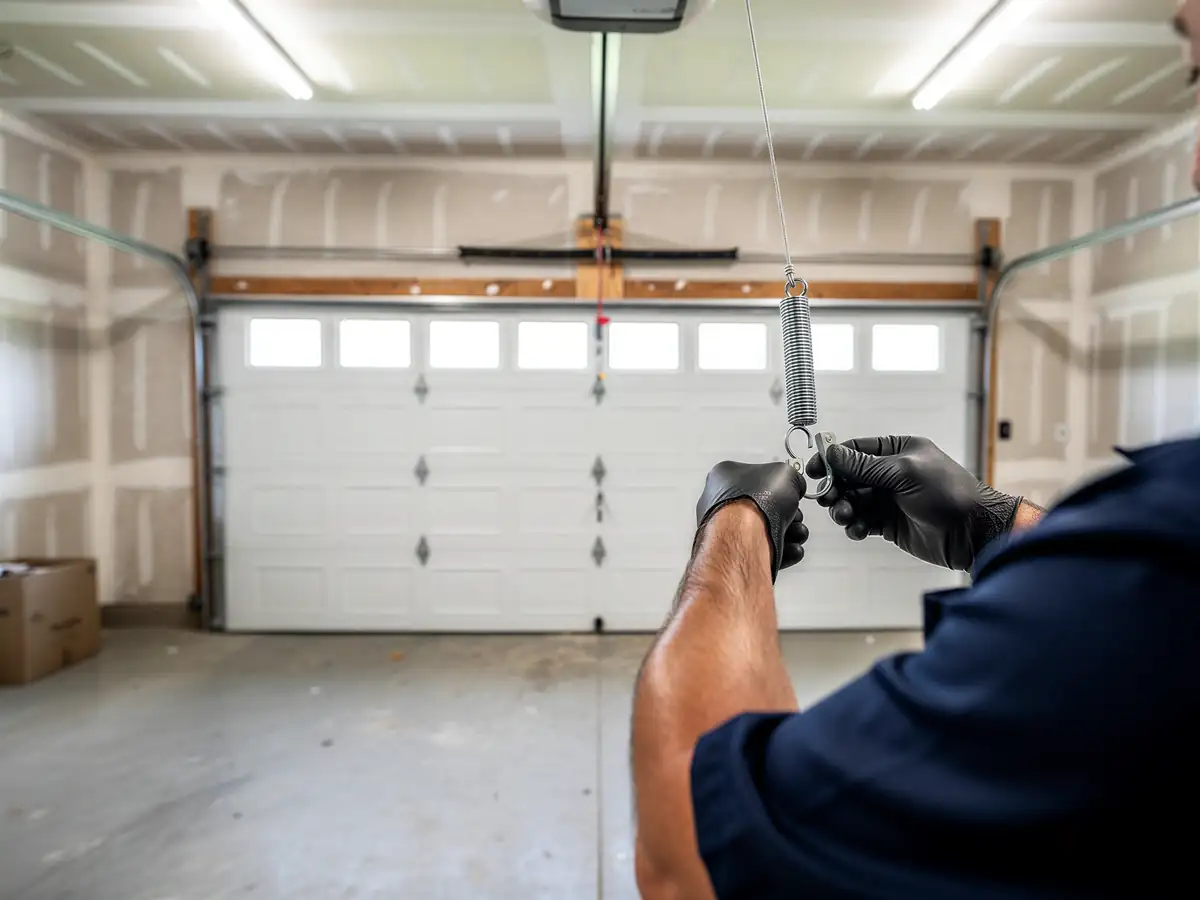
We also check the opener's travel limits and the safety sensors while we're there
Since a panel swap changes the door's weight balance slightly and an opener tuned to the old panel can misread the new one until it's reset.
Booking a Visit
We cover Kilgore from our Longview location, about 10 miles out. There's no local branch here - we travel in, which means we schedule the visit rather than drop by on short notice, so it helps to have a sense of whether you're looking at a dent repair or a full section before we load the truck.
If you can tell us roughly when the house was built, or whether the door has ever had panel work before, that saves a trip back for the right-size part. See our Kilgore coverage page for what else we handle in the area, or compare this job against the general panel replacement page for Longview if you're not sure which fits your door.