What Can Go Wrong
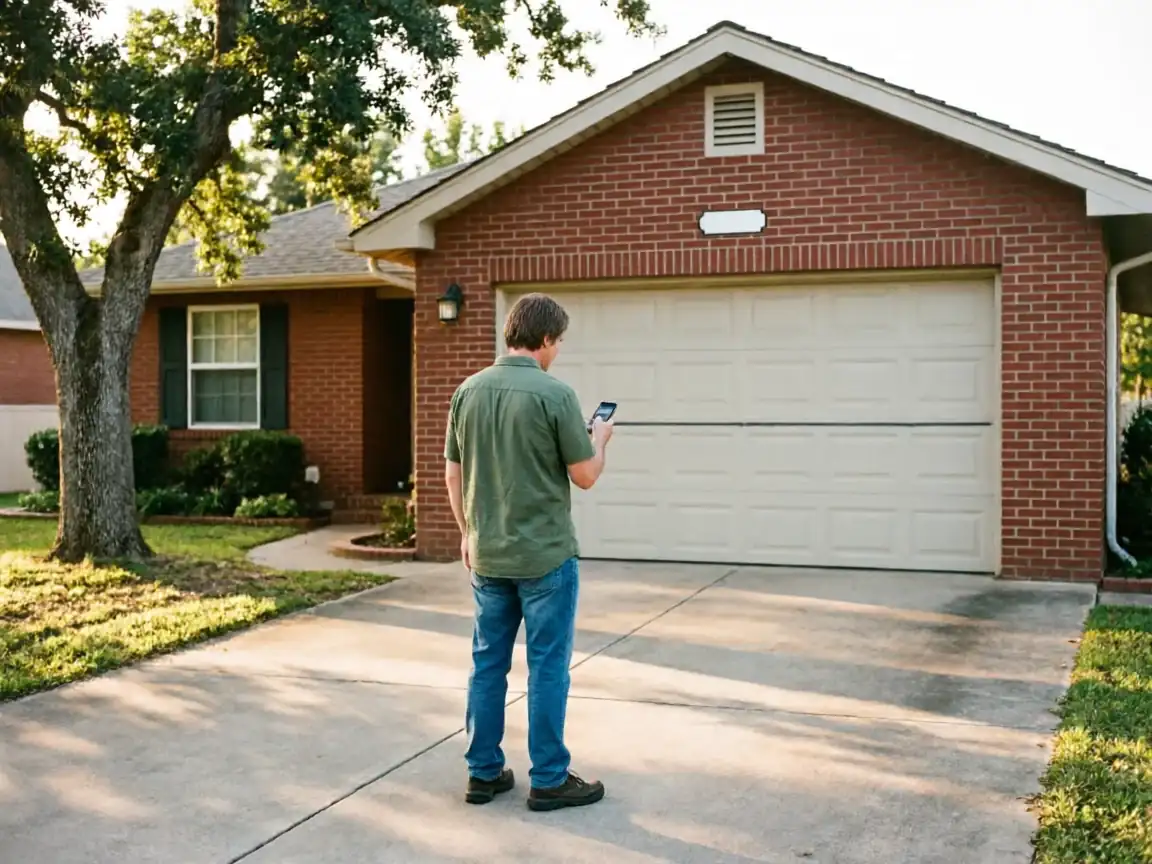
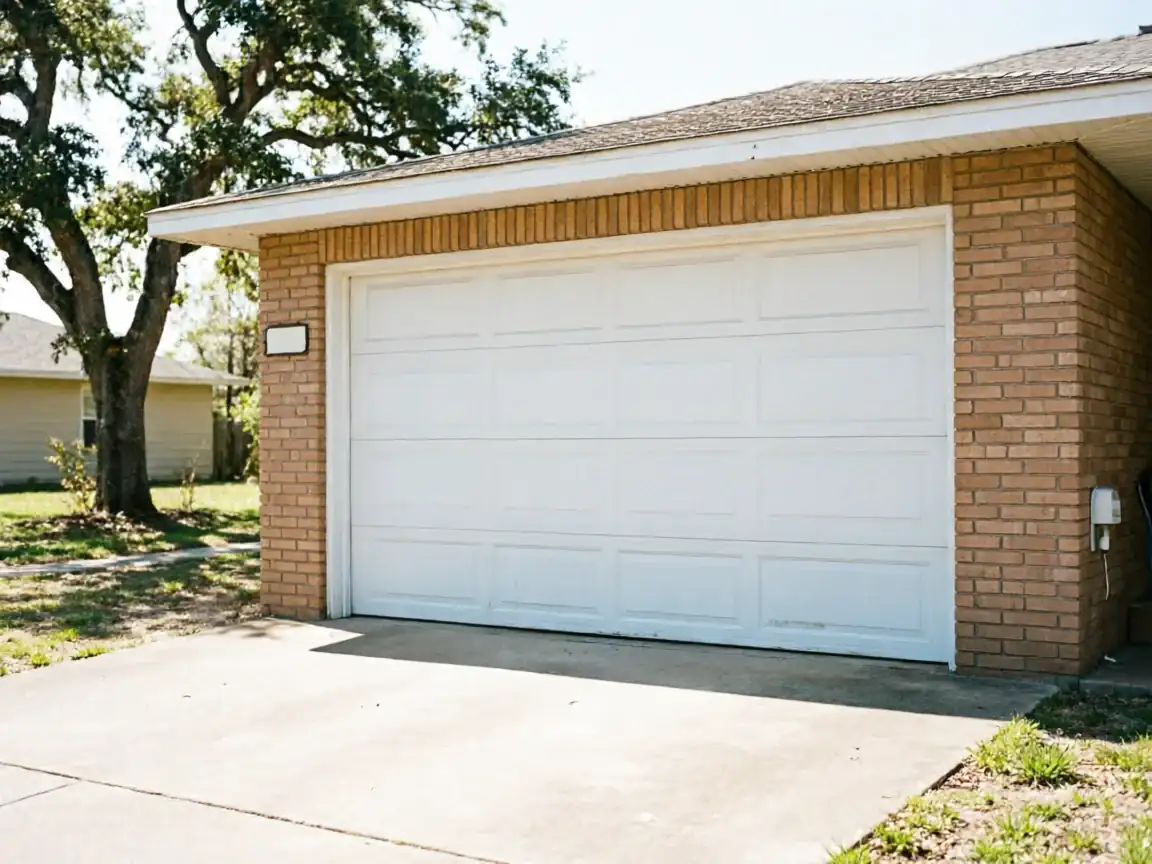
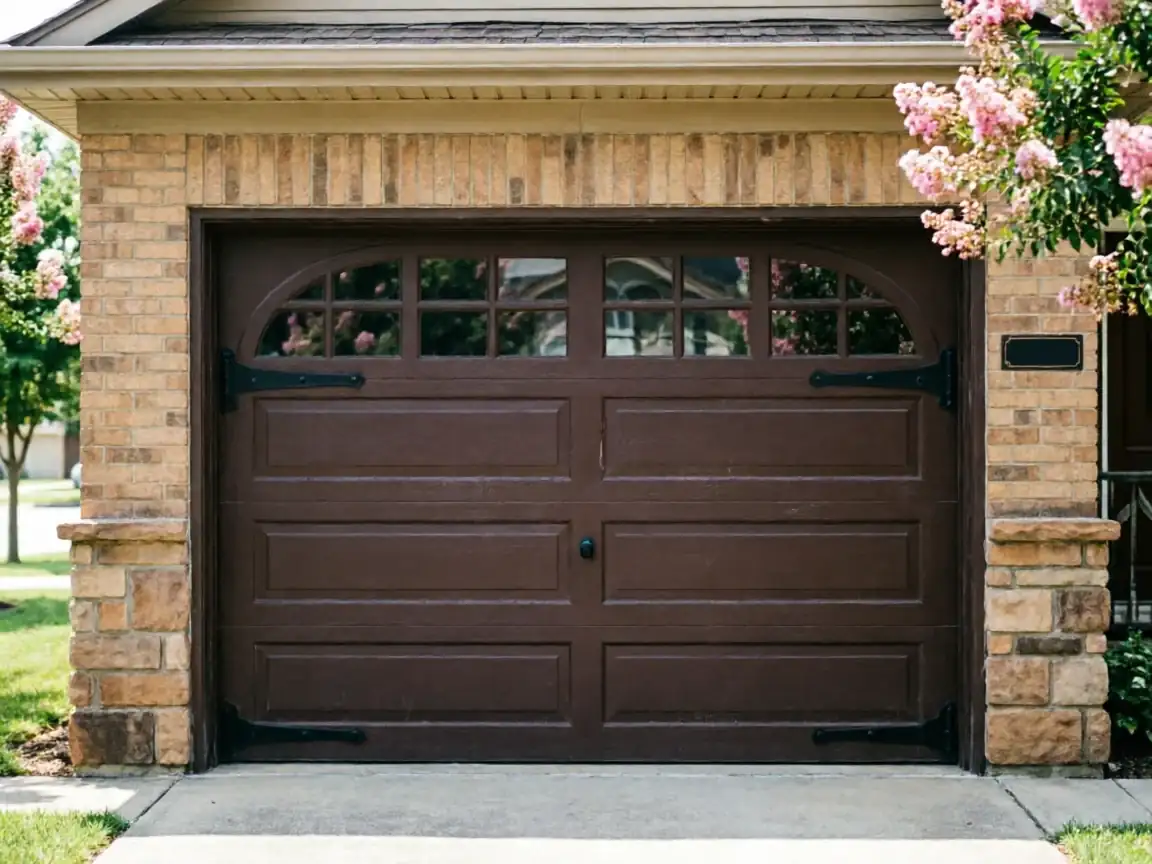
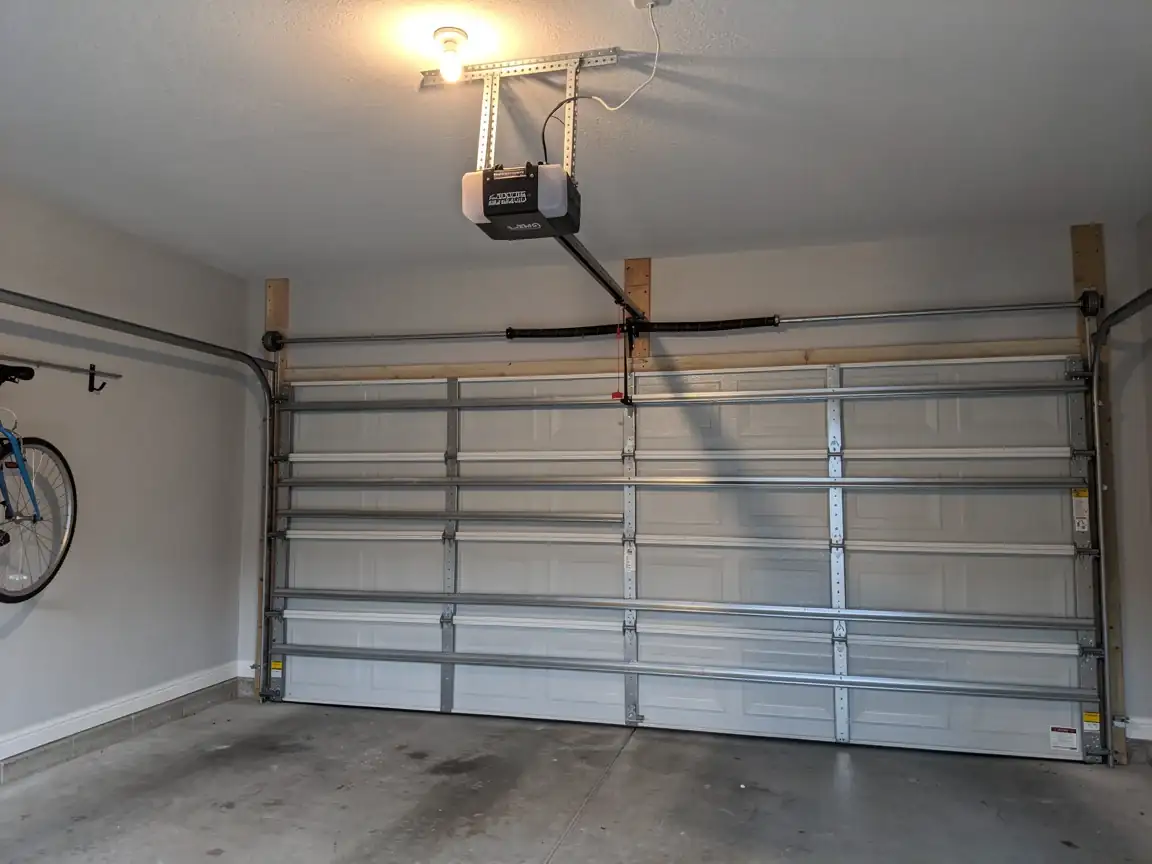
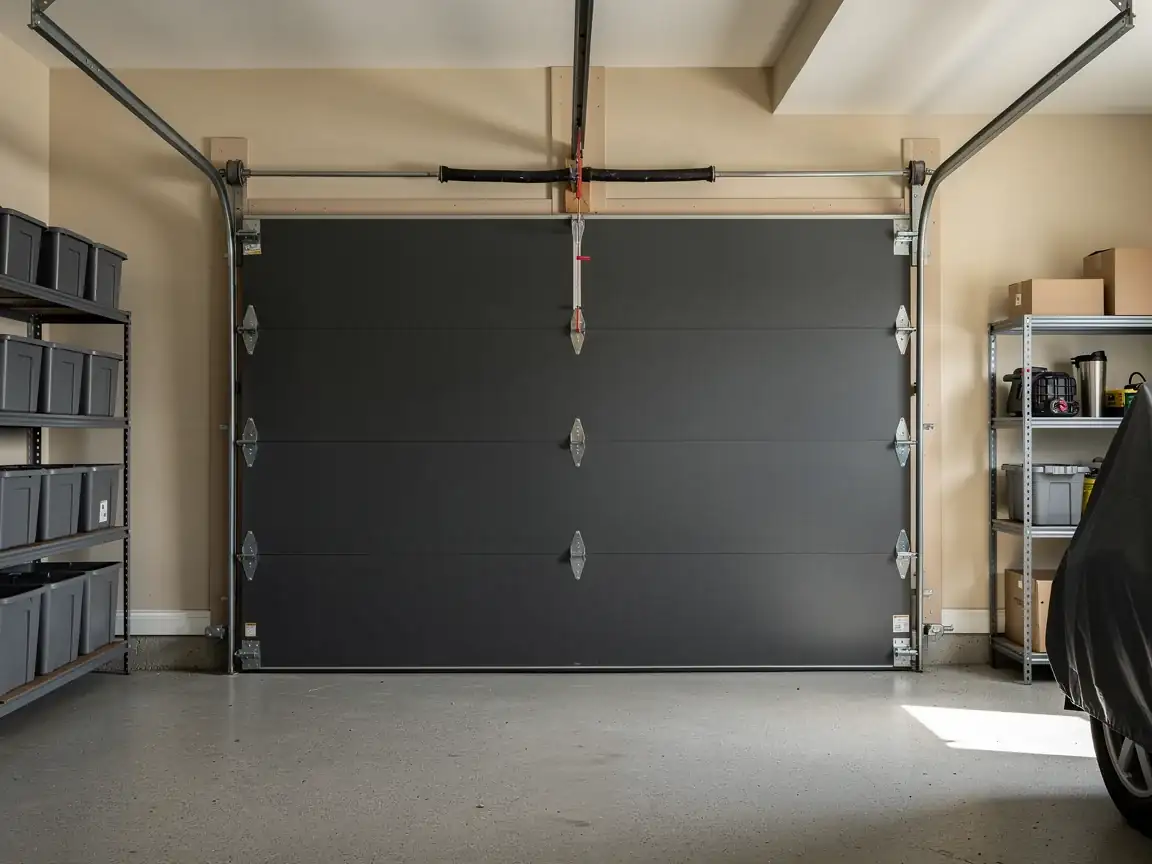
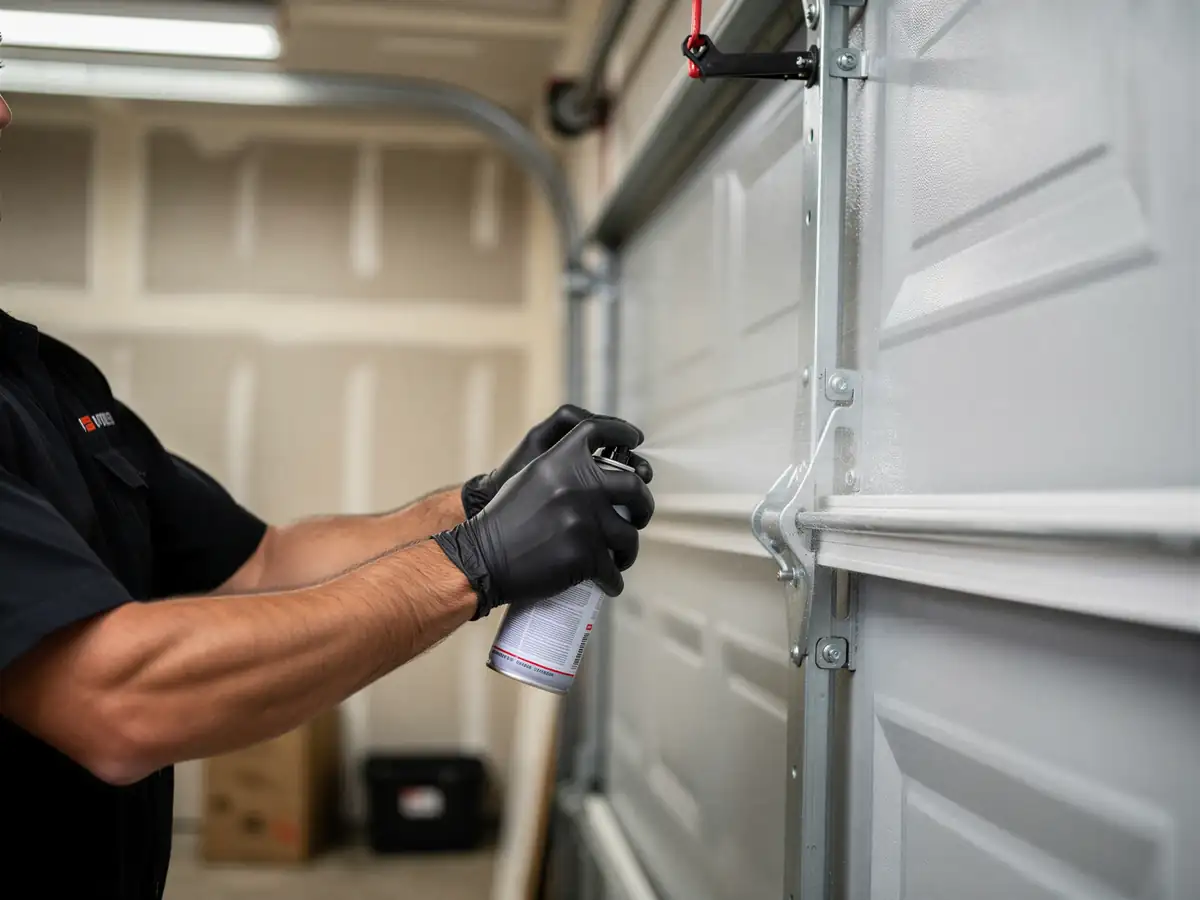
Most houses in Kilgore went up around 1972, a decade before the median build year across the wider service area. That era means a specific kind of door: a single steel panel, no insulation layer, hung on a two-spring torsion setup sized for a lighter build than what manufacturers put out today. Thirty-plus years of Texas heat cycles that steel panel through expansion and contraction every summer, and the hardware wasn't built to last this long in the first place.
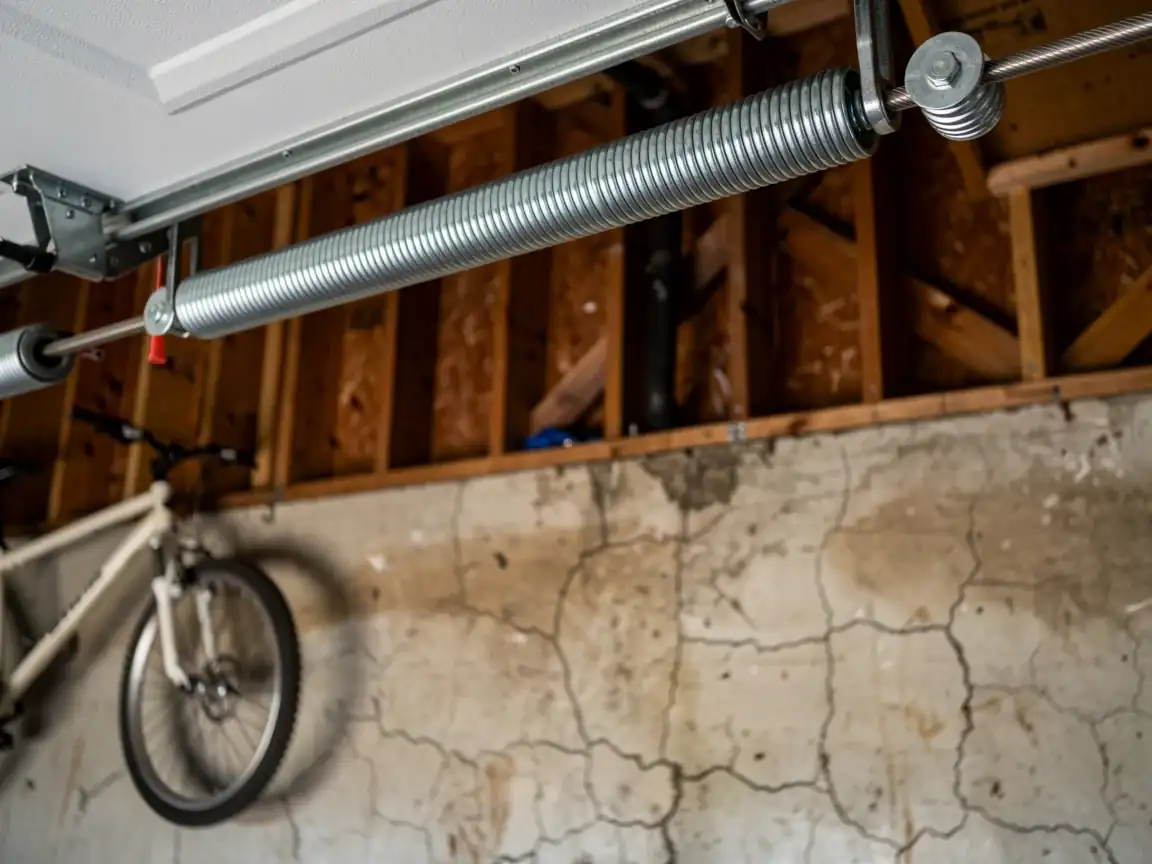
What we see most in these houses isn't one dramatic failure - it's a stack of small ones. Tracks pulled slightly out of plumb from a foundation that's settled since 1972. Torsion springs rated for a door weight that doesn't match a panel someone already swapped once. Rollers that were steel to start with, now grinding in dry-rotted track. None of that is a quick fix once the door itself is original - at that age, you're usually better off replacing the whole unit than chasing parts for a door nobody made new thirty years ago.
The area's climate band runs moderate on heat, which helps - Kilgore doors don't take the same thermal punishment as houses further south, but moderate still means real temperature swings that work metal fatigue over decades.
What It Costs
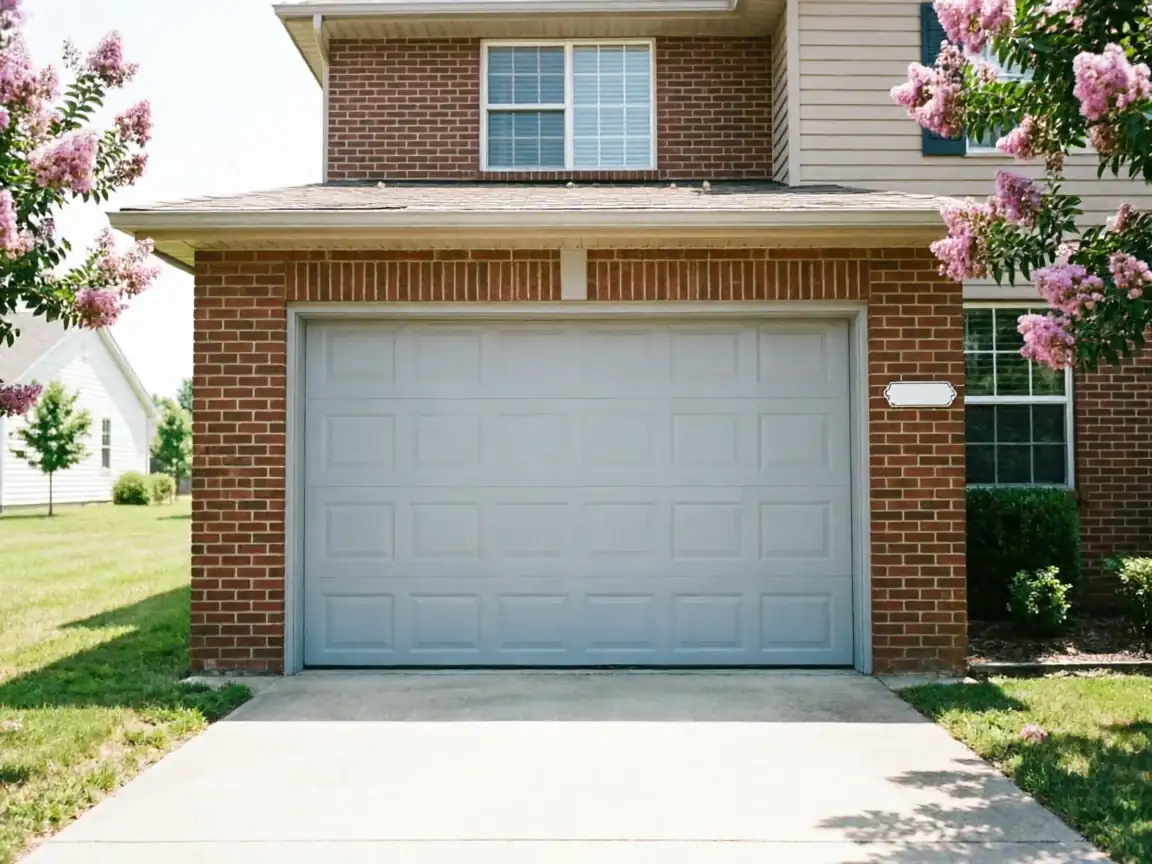
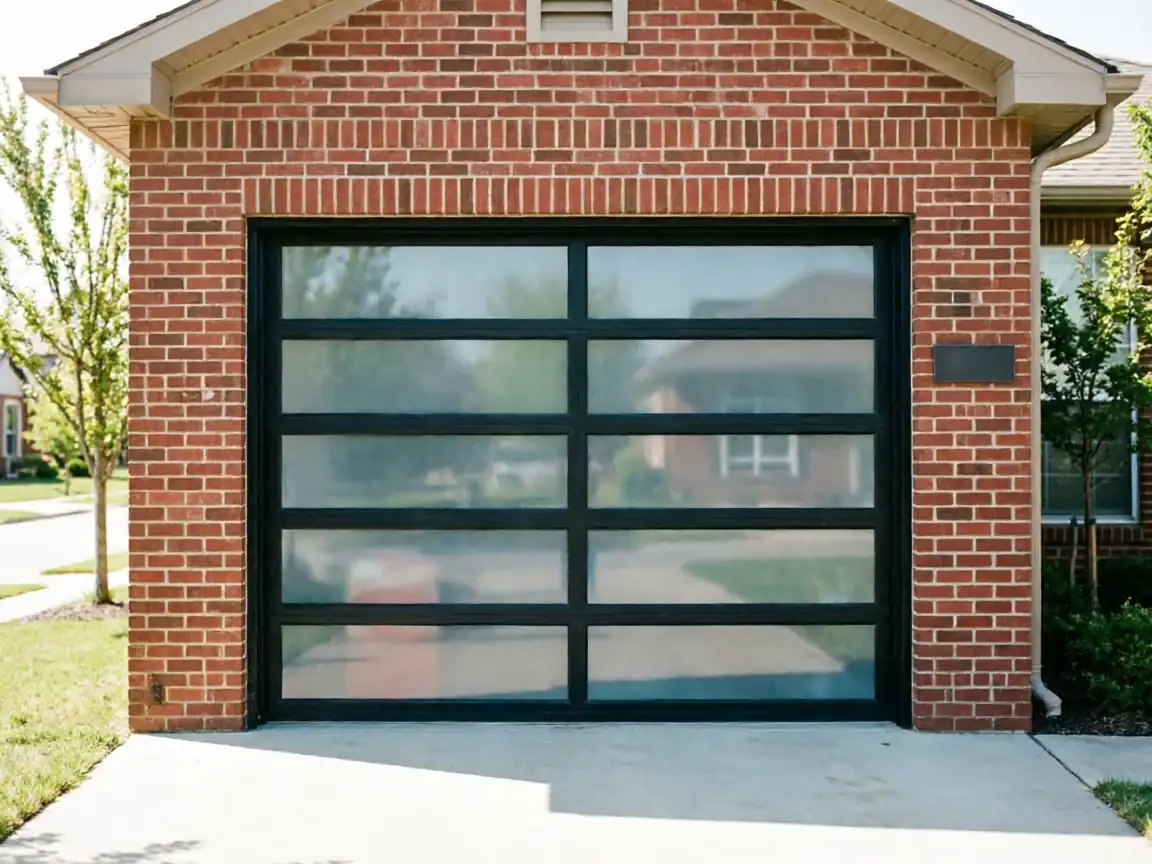
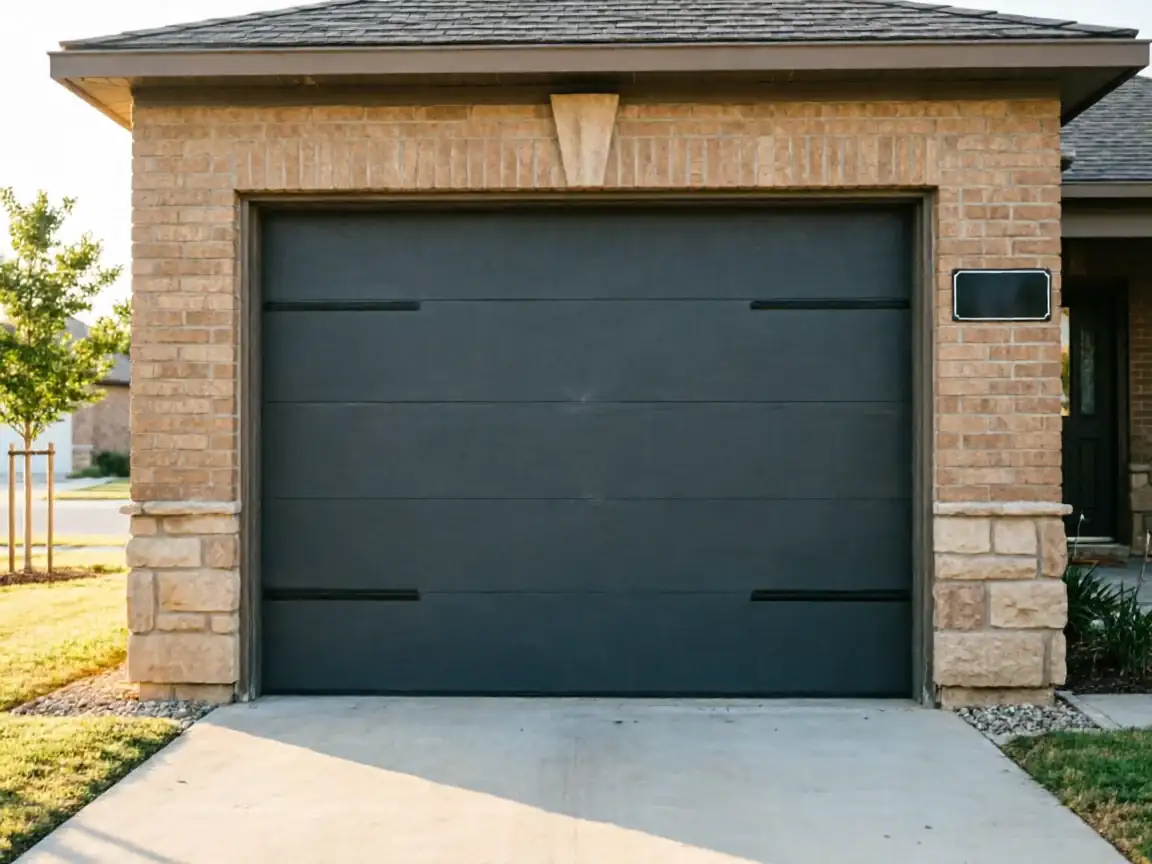
Kilgore's median household income sits at $58,141, lower than the $66,250 median across the broader service area. That gap matters for how we talk about installs here - we're not pushing the same insulated, high-end panel line we'd default to in a higher-income subdivision. For a lot of Kilgore homeowners, the right call is a solid steel door, R-value in the moderate range given the local heat profile, with hardware sized correctly for the opening rather than whatever happened to be on the house in 1972.
We don't have a published price list to hand you here - door costs depend on size, insulation, window options, and what track and spring setup your opening needs, and those vary house to house even on the same street. What we can tell you is that a straight swap on an existing standard opening, without structural surprises behind the old jambs, runs cheaper than anything involving reframing or a widened opening. We'll give you a number after we've looked at the actual door, not before.
What the Fix Involves
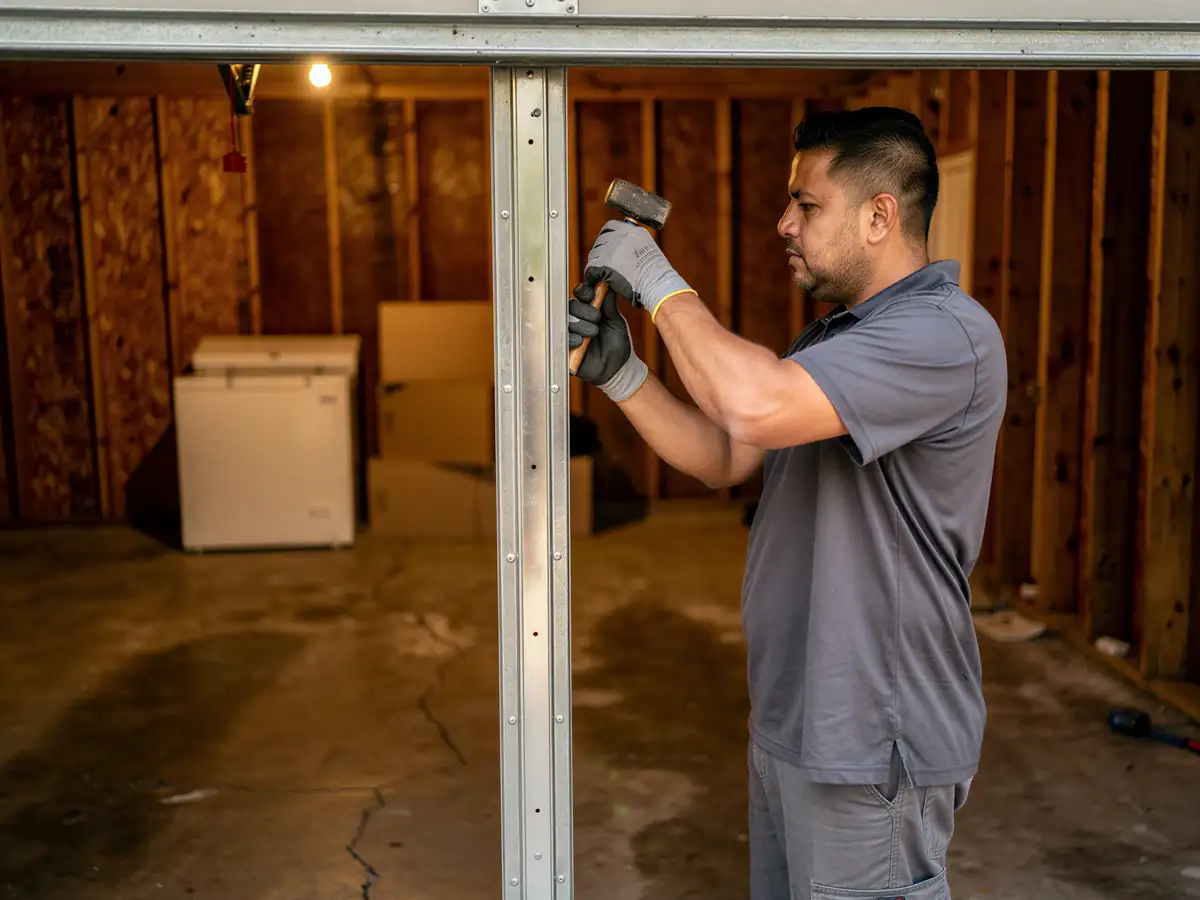
On a 1972-era house, the first part of any install visit is checking whether the opening itself is square and whether the jambs have shifted enough over fifty-plus years that a standard door won't seat right without shimming or minor carpentry
Kilgore's housing stock makes this a real question more often than it would be on newer construction - foundations here have had decades to move.
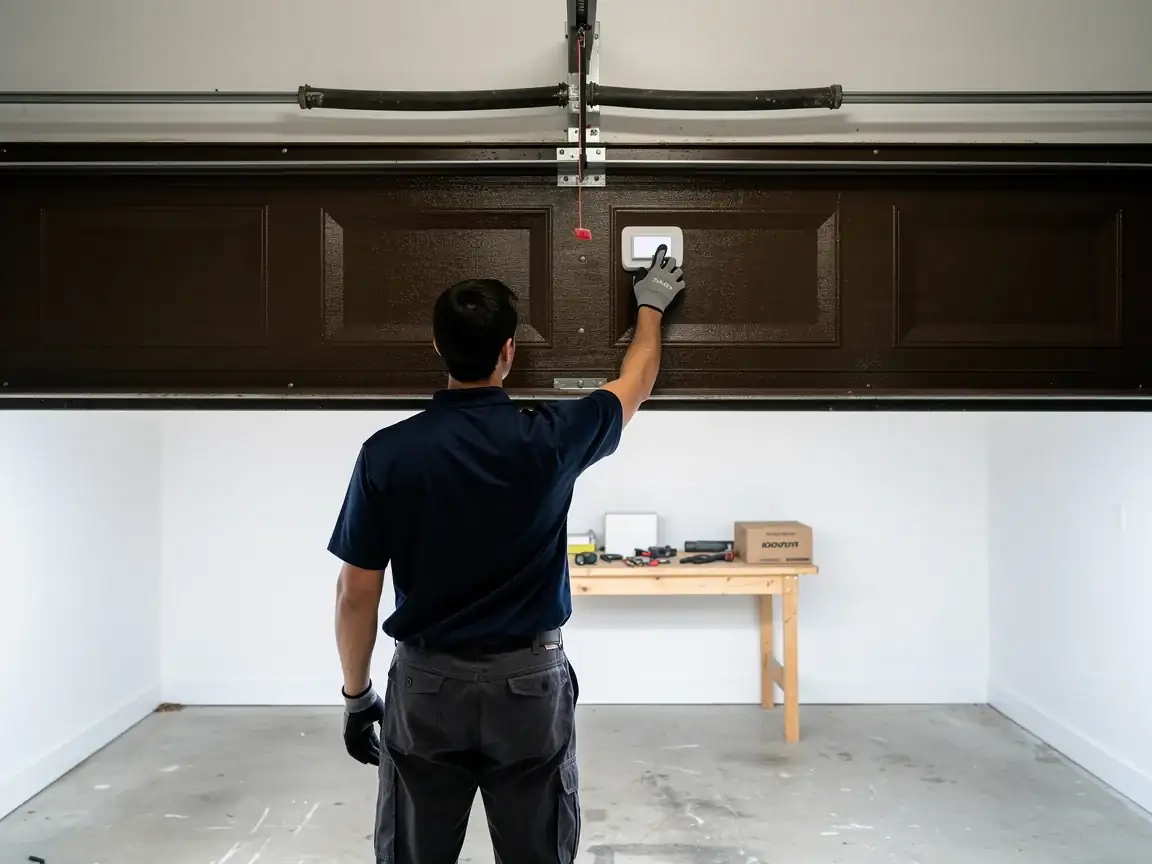
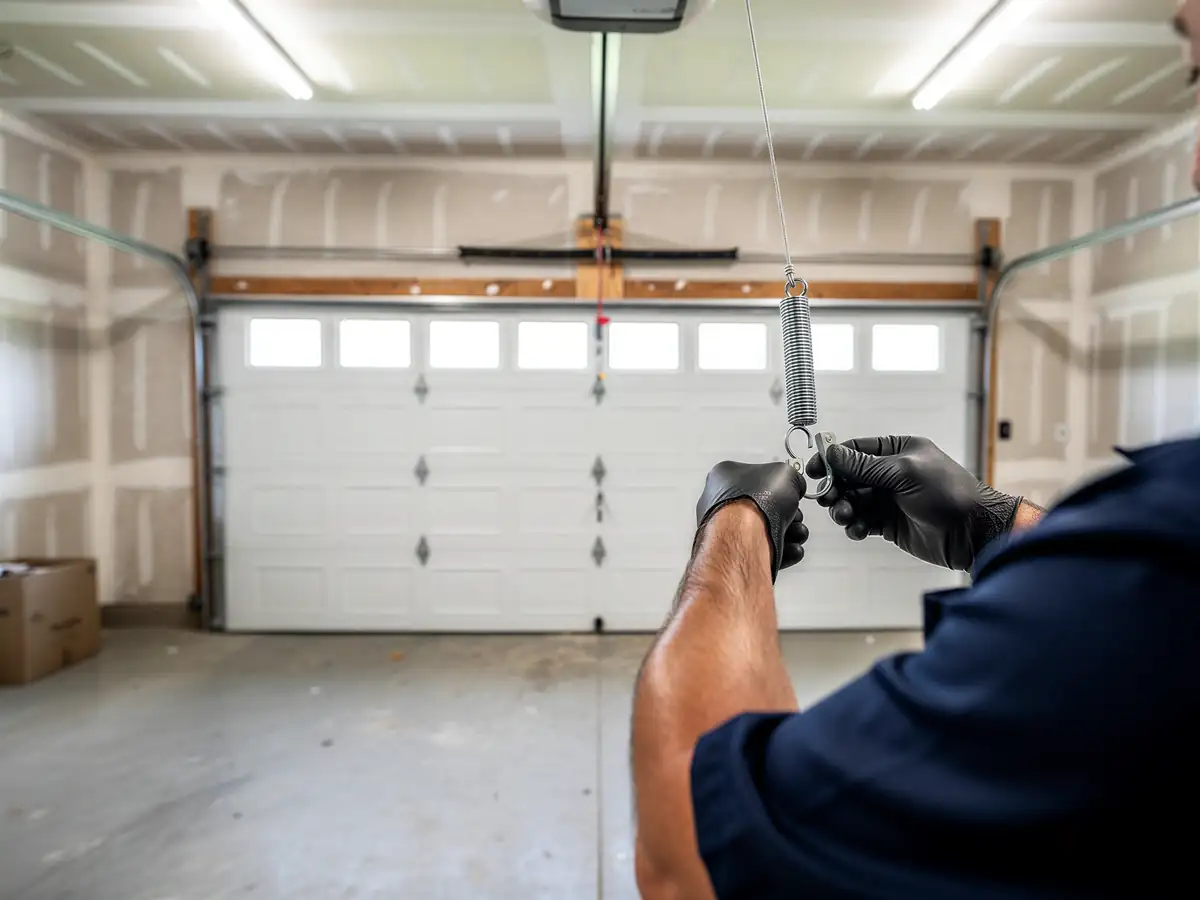
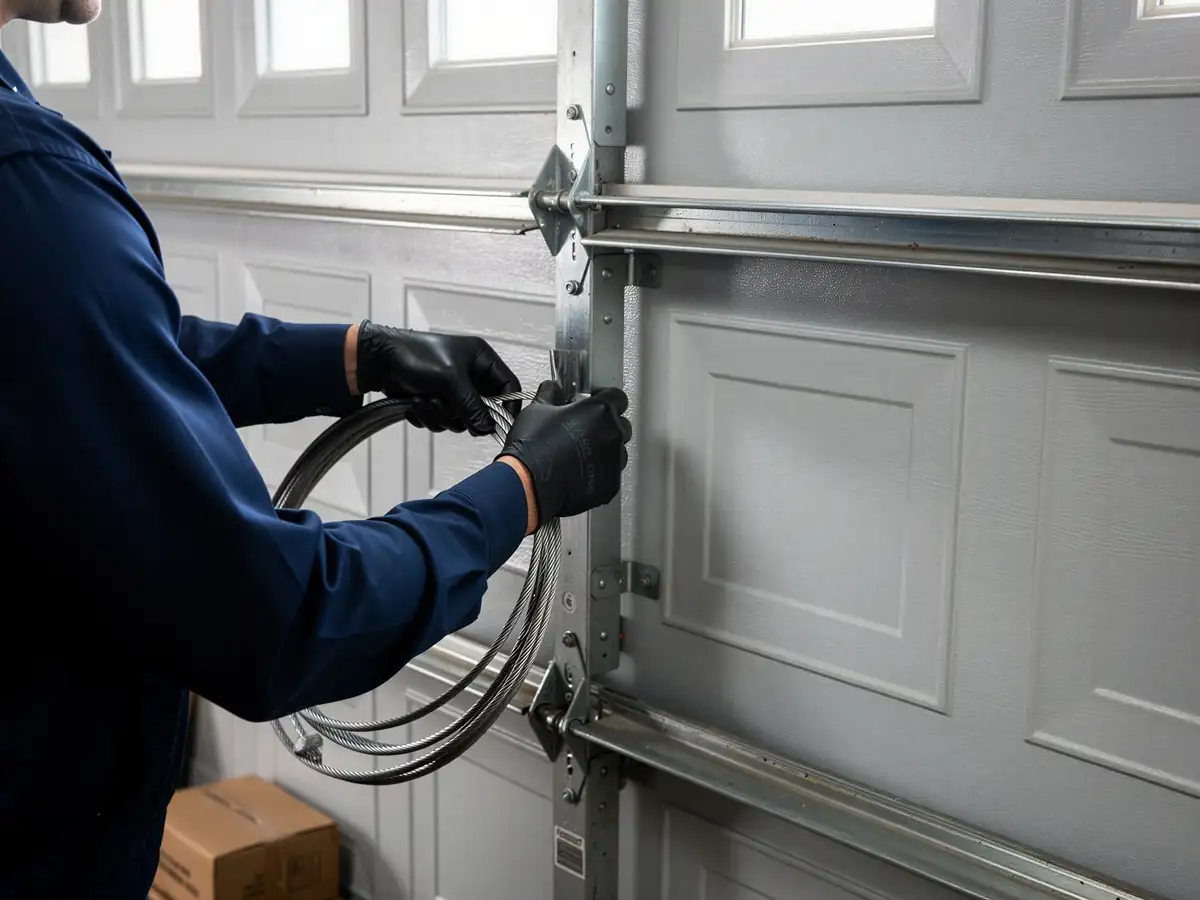
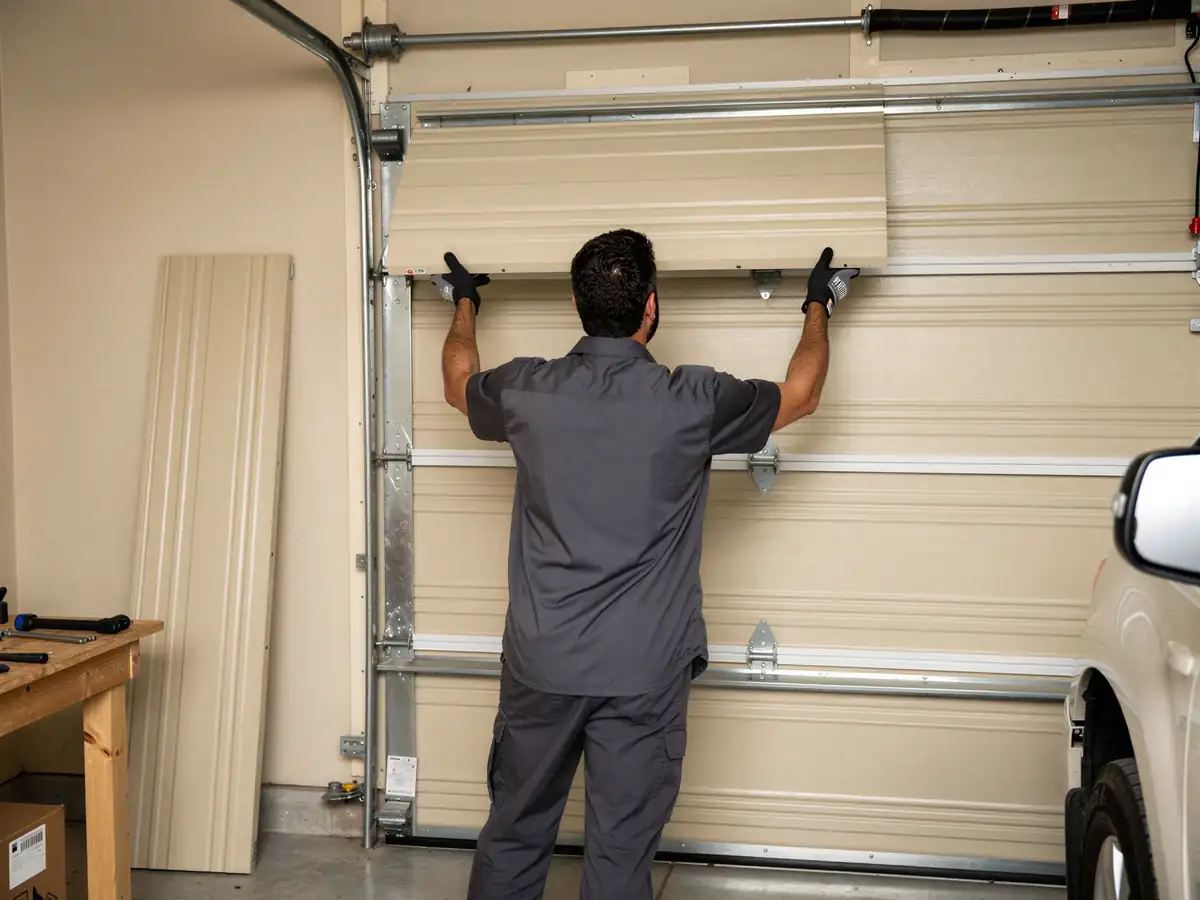
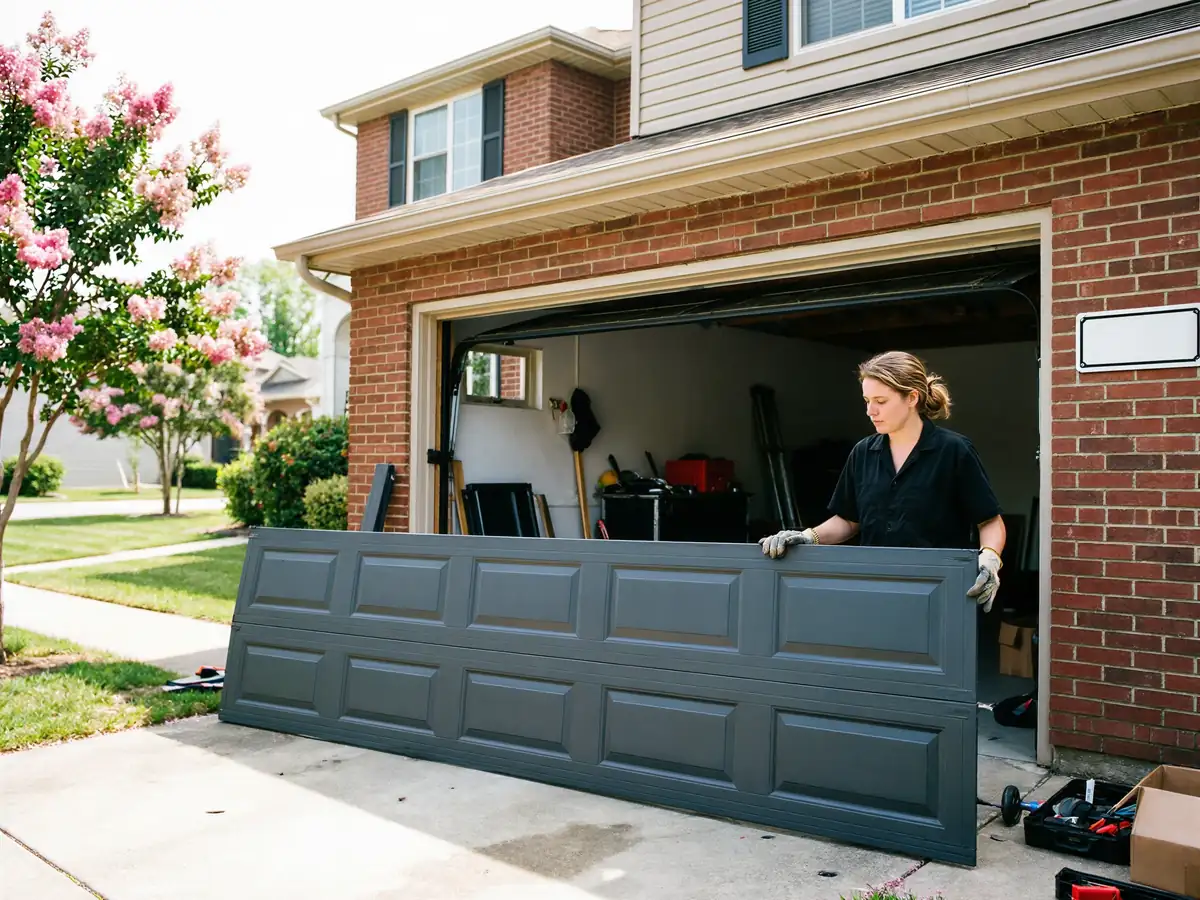
Once the opening checks out, the job is pulling the old door and its torsion hardware as a set rather than trying to reuse springs sized for the old panel weight on a new door
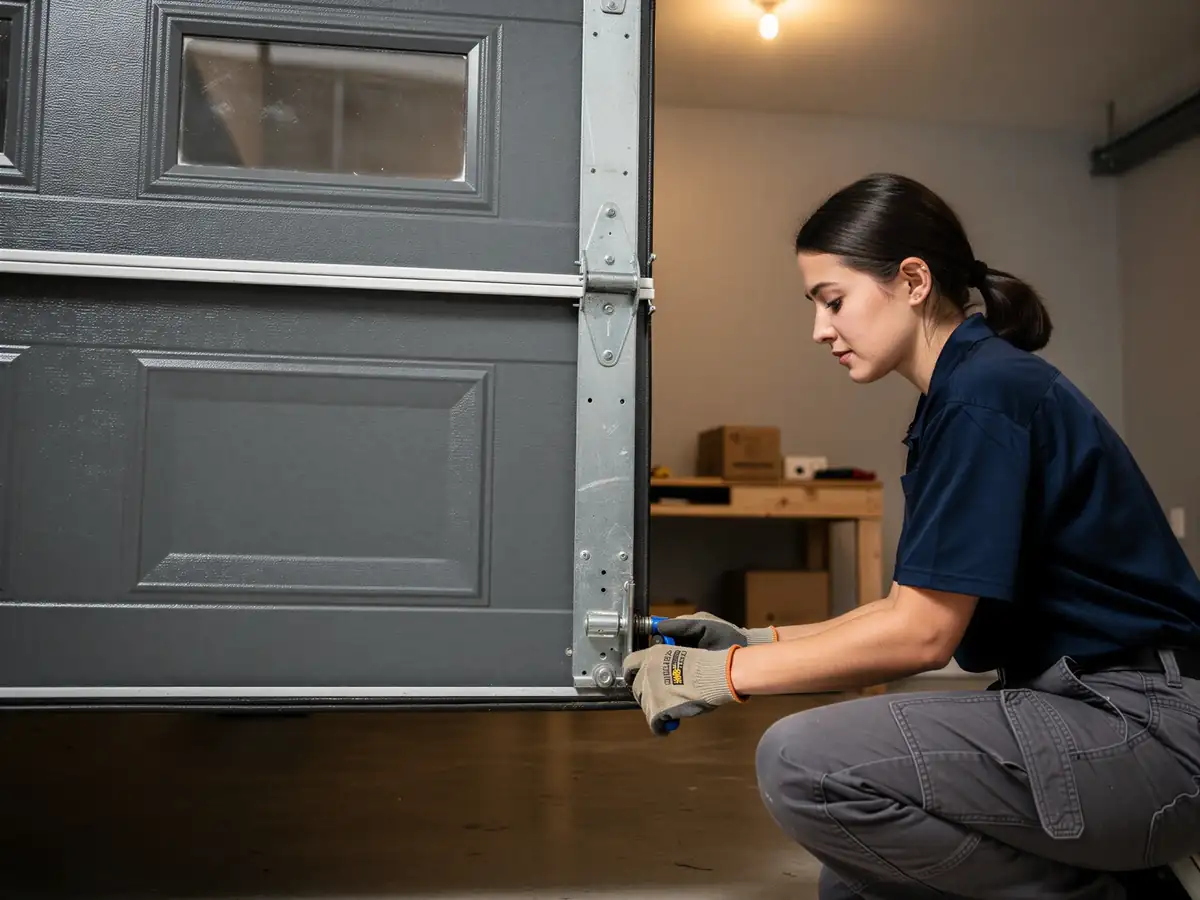
We size new springs to the actual door going in, set new track to match, and balance the door before we walk off the job. If the opening needs more than shimming - if the frame itself is out of square - that's a conversation before we order the door, not after.
We travel to Kilgore from Longview for these jobs
There's no local branch here, so scheduling runs through the same dispatch that covers the rest of the area.
Booking a Visit
With 4,462 households in Kilgore, most on 1972-era lots, we see a fairly consistent pattern of what needs replacing and why - but every door still gets measured and inspected before we quote anything. If your door is the original from when the house was built, or close to it, that alone is often reason enough to replace rather than keep repairing.
Call to set up a visit. We'll look at the opening, the current hardware, and what's actually failing before recommending a new door versus a repair. You can also check our coverage page for Kilgore for what else we handle in the area, or see our main installation page for Longview for the full rundown of what a new door installation includes.