What It Costs
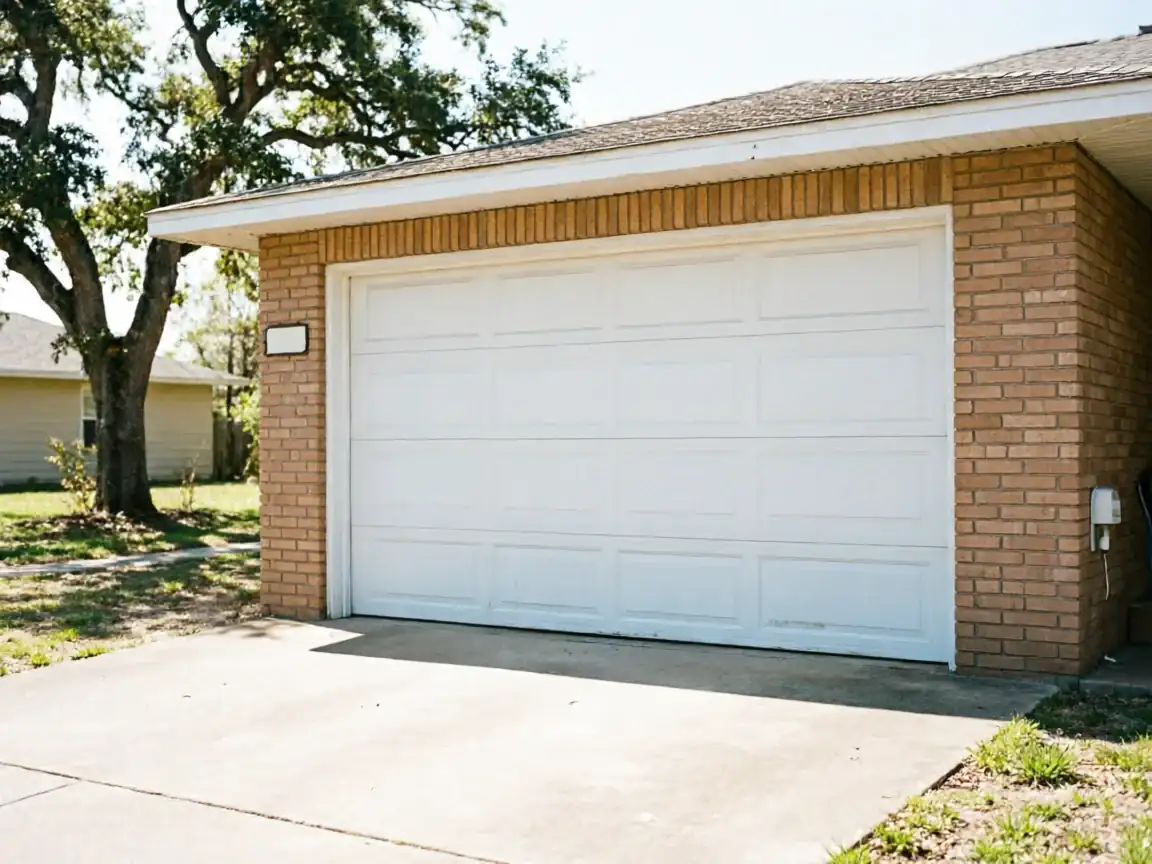
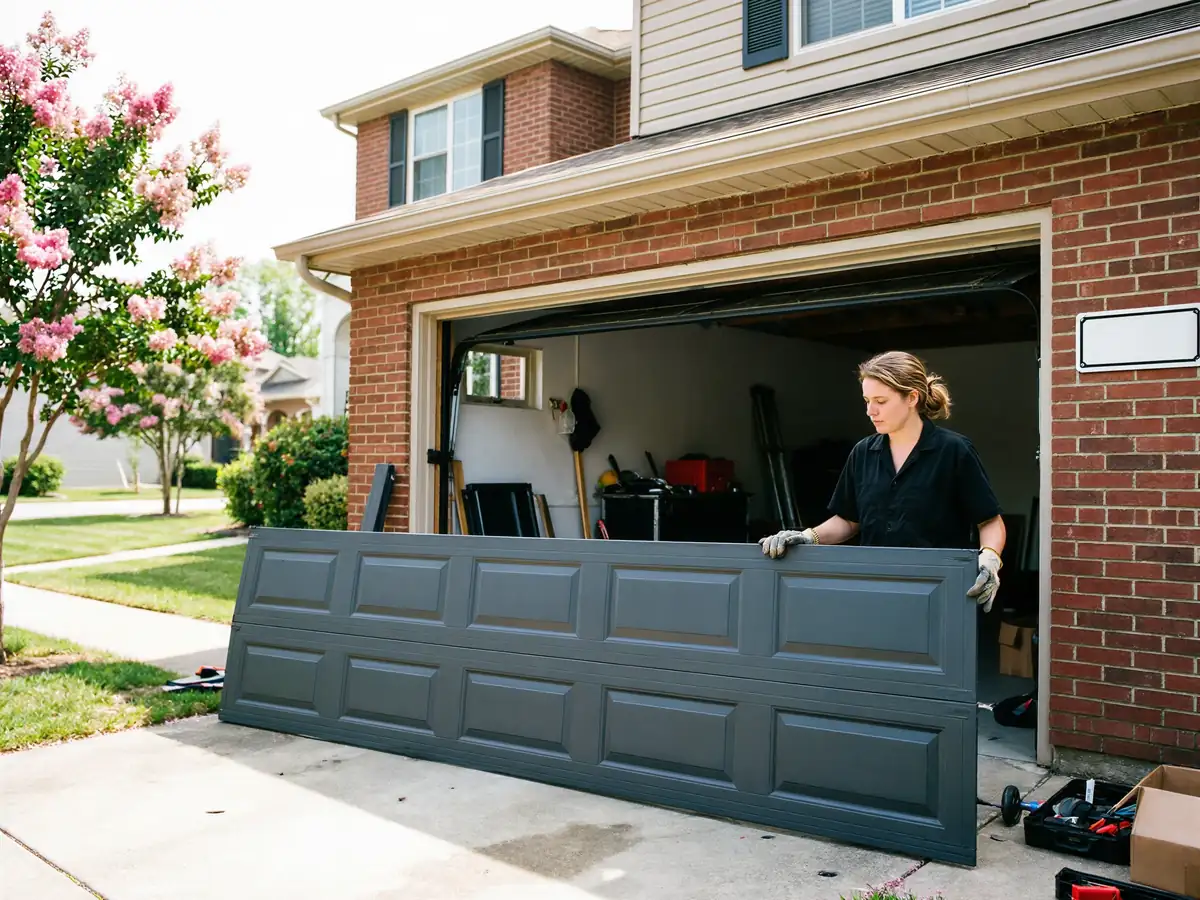
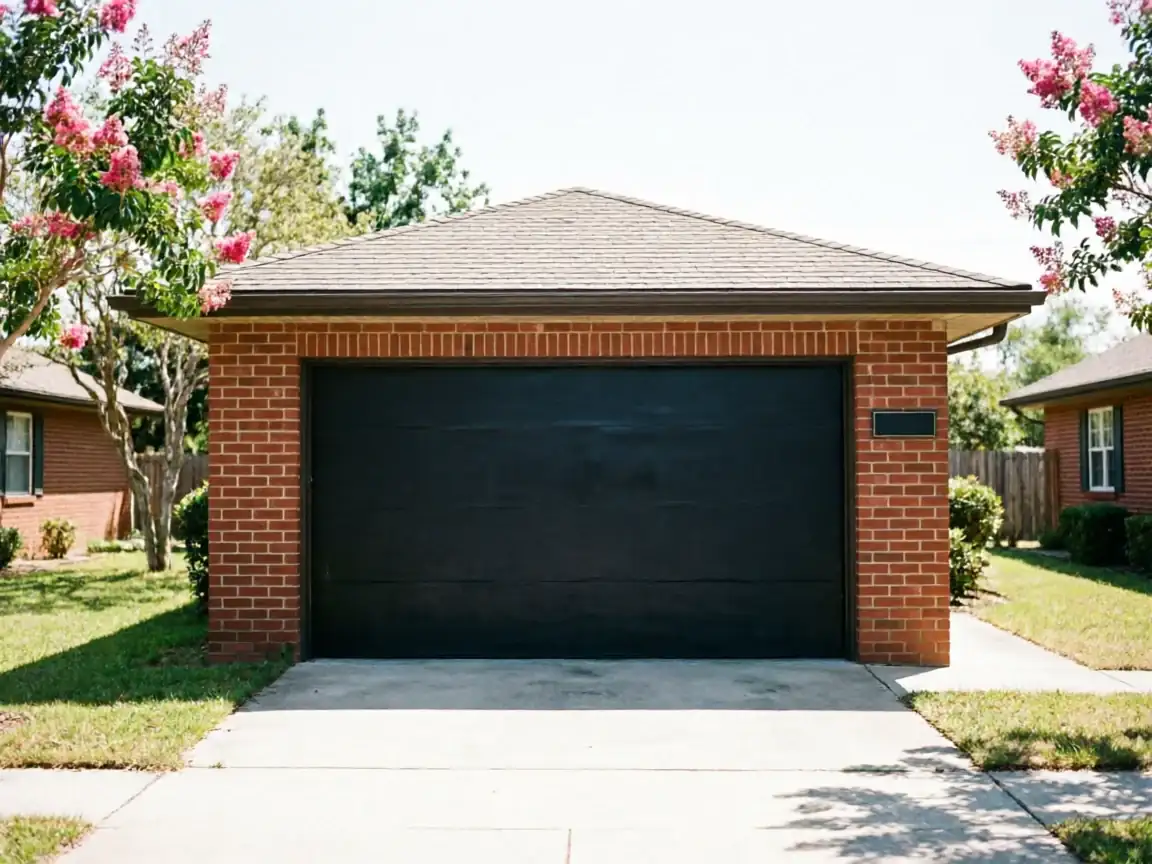
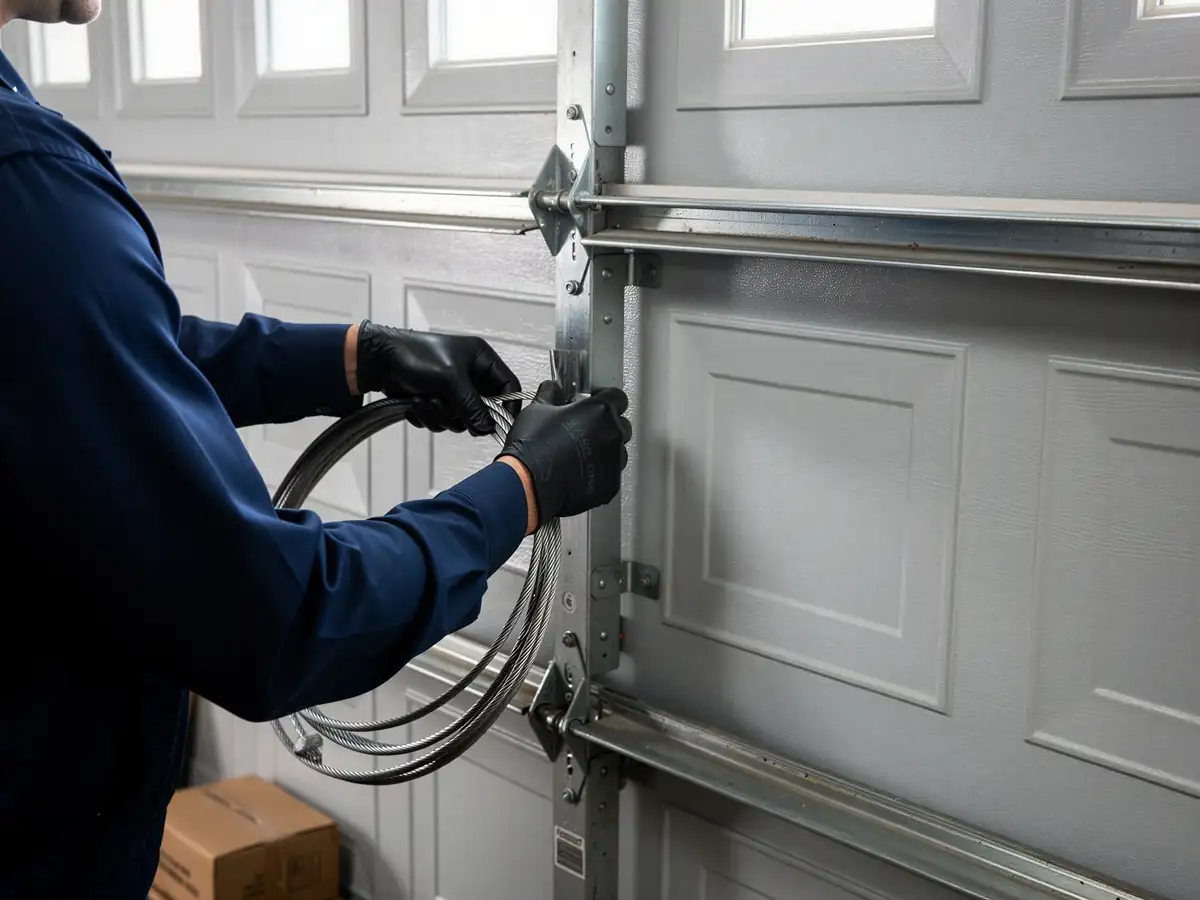
A single dented or rusted-through panel on a door built around 1974 is a different job than swapping a panel on something from the 1990s. The steel gauge is thinner, the panel sections are often narrower, and a lot of the doors still standing in Gladewater predate the wider, insulated sections that became common later in the service area's housing stock. If your door was installed anywhere near the neighborhood's median build year, the panel profile may not be sold anymore, full stop. That changes the math: sometimes we're pricing a panel, sometimes we're pricing the whole section run because nothing on the market matches what's bolted to your track now. We don't quote a number here because every one of these jobs starts with us looking at the actual panel and the stamped manufacturer mark, if there is one left to read. What we can tell you is that the age of the stock in this part of the service area means replacement-instead-of-repair comes up more often here than it does in newer pockets.
Booking a Visit
We cover Gladewater out of Longview, about 11 miles up the road, so a visit here isn't a same-building walk-over the way it might be for a job closer to the shop. That's not a complaint, just a fact worth knowing when you're scheduling: tell us the door's approximate age and whether you know the brand when you call, because on panels this old that information narrows down whether we're bringing a matching panel or planning for a fuller tear-out. A photo of the damaged section and the track hardware before we come out saves a wasted trip if the part's been discontinued. You can find the rest of what we cover in the area on our coverage page for the town.
Why This Fails Locally
Gladewater's housing sits older on average than much of the wider service area, which runs 1968 to 1994 with a median around 1981 across the eleven communities we cover; this stretch of town centers closer to 1974. Most of that wider stock moved into 1980s and 90s-era doors with wider panel sections and galvanized steel that holds up better against dings. A door installed here in the mid-1970s is more likely to be the older narrow-panel style, often with thinner gauge steel that dents rather than flexes back. That's the fault pattern we see: a single hard knock - a trailer hitch, a basketball, a mower - puts a crease in a panel that a newer door would have shrugged off, and because the section is old stock, there's no shelf-matched replacement waiting at a supply house.
How Long It Takes
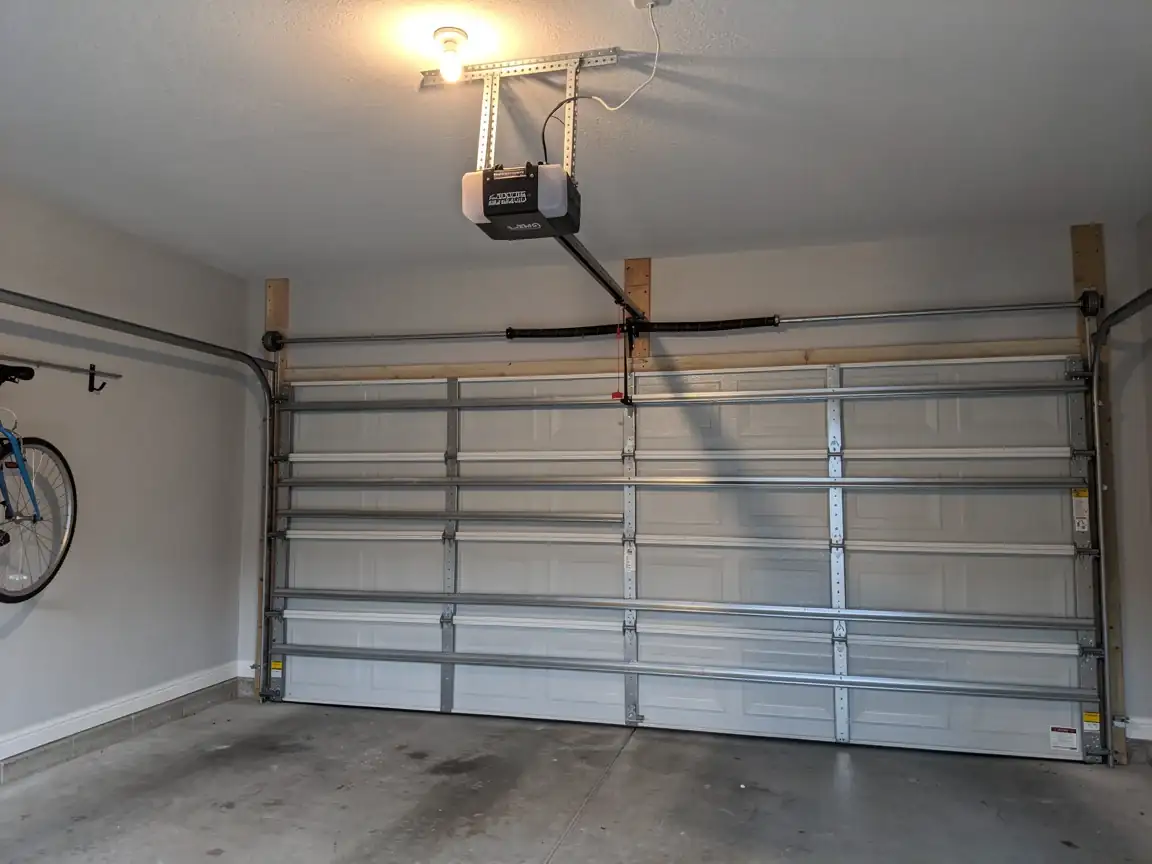
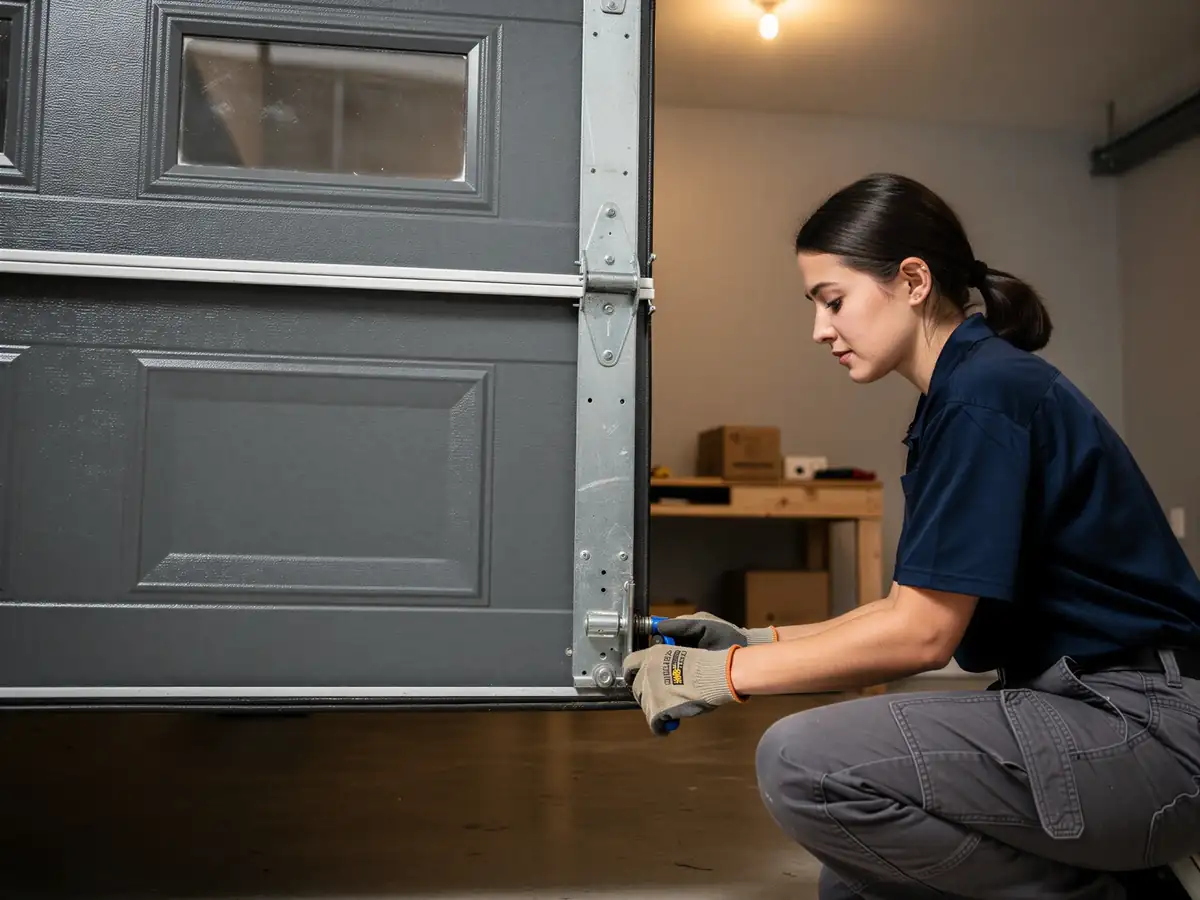
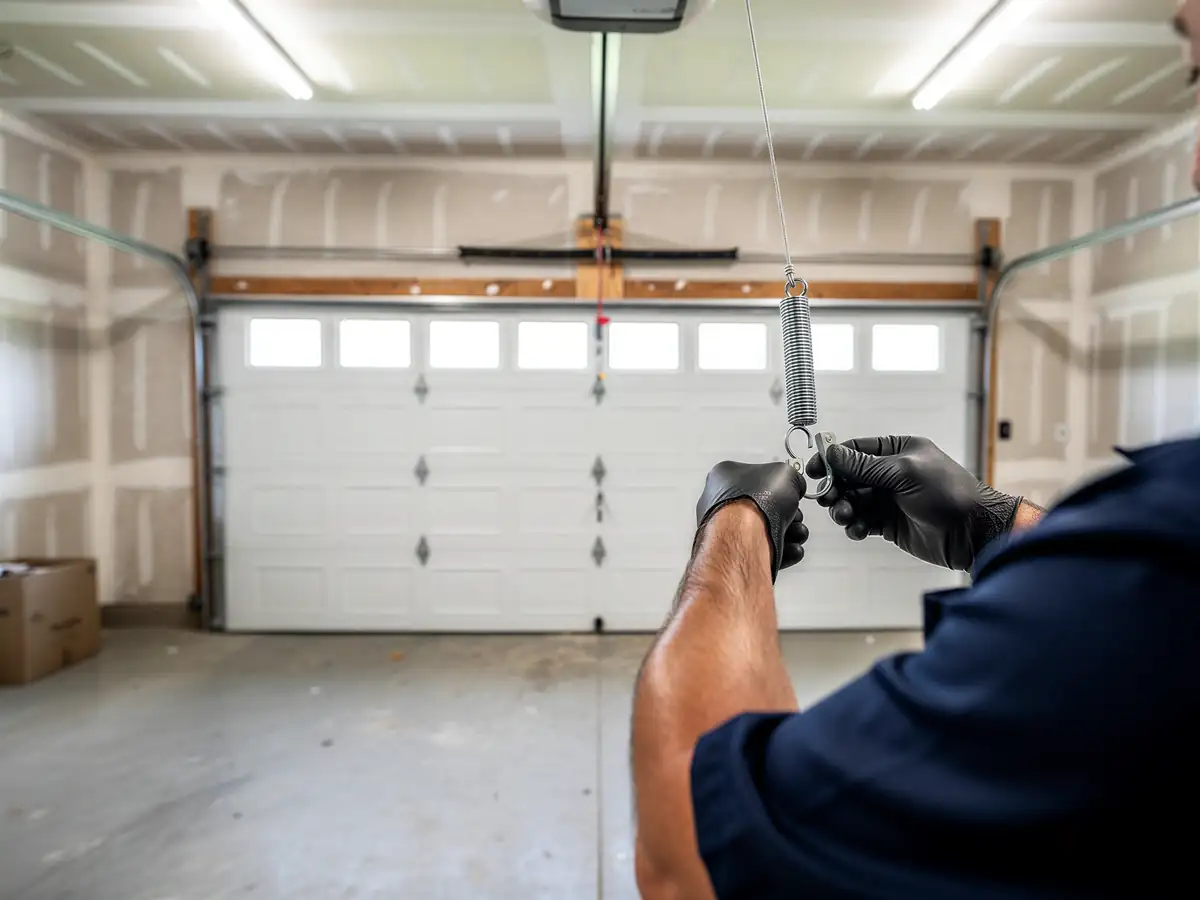
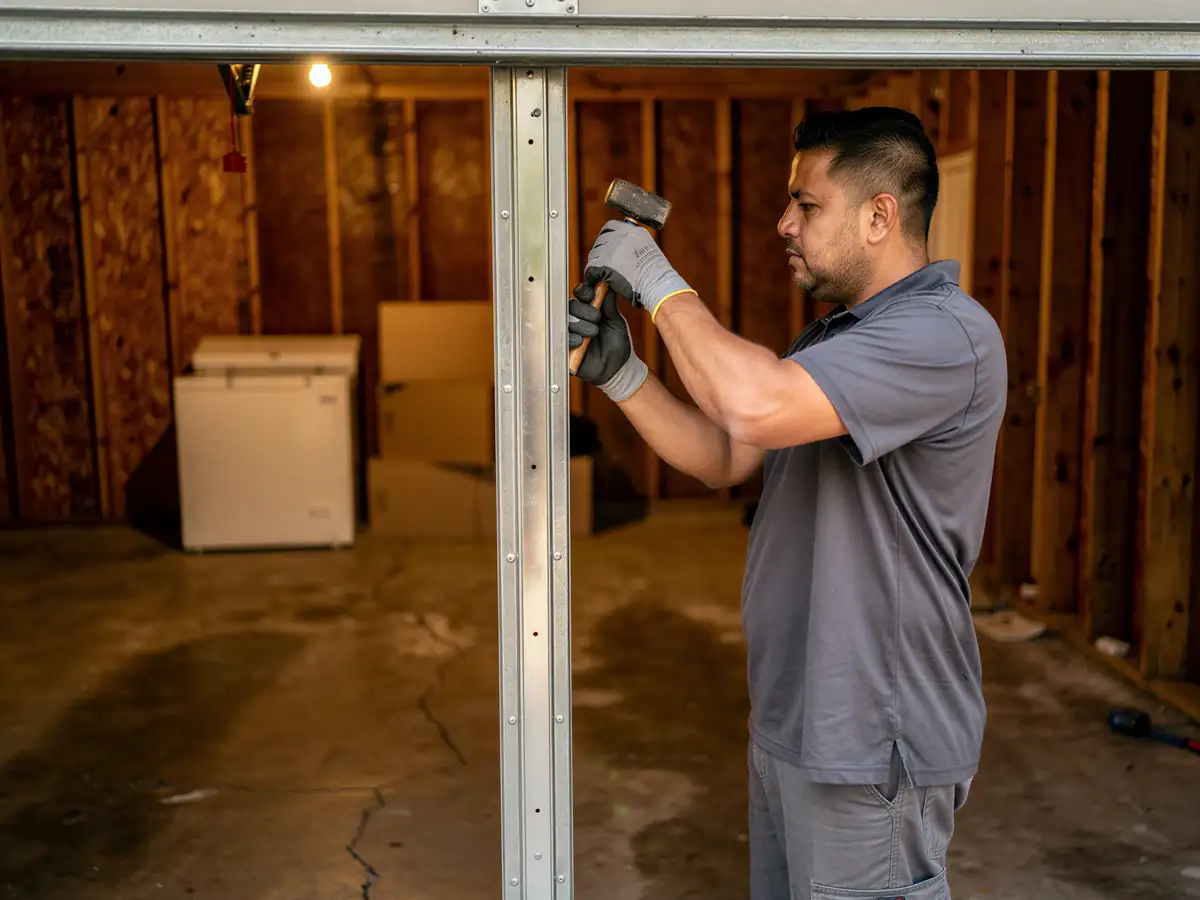
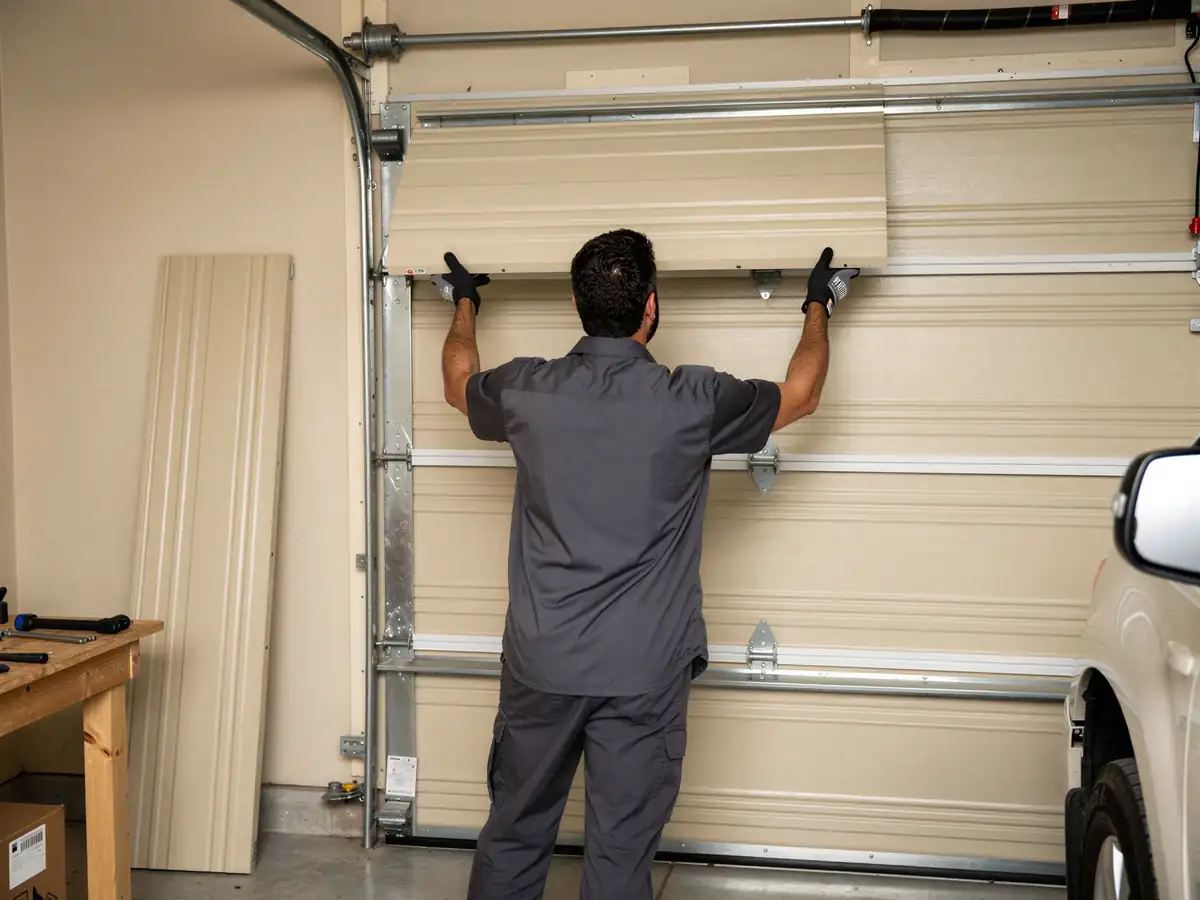
If we're carrying a panel that matches, swapping it out is usually a half-day job including resetting the rollers and checking the track alignment afterward, since an old door that's been running slightly out of square for years often reveals that once you take a section out. If no matching panel exists and the call turns into a full door replacement, that's a different timeline, and it depends on what's in stock rather than anything specific to the install itself. We'll tell you up front which situation you're in once we've seen the door, not after we've started.