What It Costs
Gladewater's median household income sits at $52,100, noticeably lower than the roughly $66,250 median across the wider Longview service area. That gap matters here because it changes the math on repair versus replace. A $200 maintenance visit that catches a dry bearing or a frayed cable before it snaps is the kind of spend that protects a bigger investment without straining a tighter budget. A full torsion spring system replacement on an older setup is a different conversation, and for a lot of households here it's worth stretching the life of what's already mounted on the door rather than jumping to new. We won't tell you to replace a door that a tightened bracket and a lubed track can carry another few years. We also won't talk you out of replacement when the opener's drive gear is stripped and parts for it stopped being made years ago - that's a real cost, and pretending otherwise isn't a service to you.
Maintenance itself is the cheaper half of this. It's the inspection, the lubrication, the hardware check that keeps you out of the expensive half.
Booking a Visit
We cover Gladewater from our base in Longview, about 11 miles out. That's not a same-hour drop-in distance, so maintenance visits here get scheduled rather than dispatched on demand. If you're booking for a Gladewater address, say so up front - it helps us route the truck efficiently and gives you an honest window instead of a guess.
There's no branch or crew stationed in Gladewater itself. Every visit travels from Longview, which is worth knowing if you're expecting a walk-in style shop. It isn't that kind of setup, and we'd rather tell you now than have you wait on something that doesn't exist.
Doing It Yourself
Plenty of garage door maintenance is reasonable to do yourself
Wiping down the tracks, checking that the auto-reverse safety feature still works, listening for the particular grind that means a roller's going bad. None of that requires a technician.
What doesn't belong in a DIY list is anything touching the torsion spring
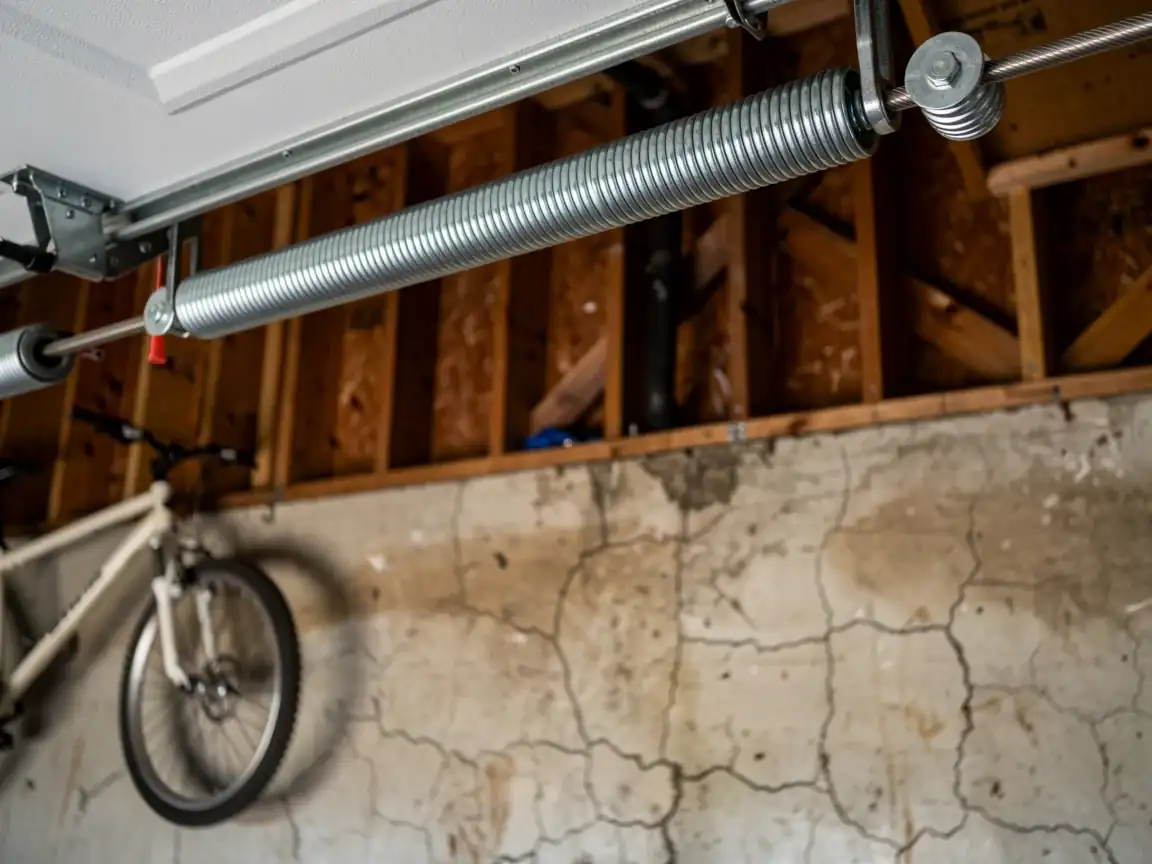
On a house built in the 1970s or earlier, that spring and its hardware have likely been doing their job since the original install or one replacement cycle ago - the wire has fatigue in it you can't see from the garage floor. A spring under that kind of load, wound wrong or over-tensioned by someone guessing at turns, can take a finger off or worse. That's the one line we draw hard: lubricate, inspect, tighten visible bolts - but leave the spring and the cable drums to a service call.
Why This Fails Locally
The housing stock feeding Gladewater skews toward the 1968-1994 build window that's common across this whole service area, with a median build year of 1974 for homes in town specifically - older than the area-wide median of 1981. That decade-plus difference is the whole story. Doors and openers installed or replaced in the 1970s and early 80s are more likely to be running original torsion hardware, older galvanized cable, and in some cases chain-drive openers that predate modern safety sensors entirely.
That combination means the common failure here isn't a broken opener board, it's mechanical fatigue - a spring that's cycled tens of thousands of times past its rated life, a cable starting to fray where it wraps the drum, hinges worn oval instead of round. None of that shows up as a sudden breakdown; it shows up as noise, slow closing, or a door that's started to hang crooked. Catching it during maintenance, rather than after a snap, is the whole value of the visit on a house this age.
How Long It Takes
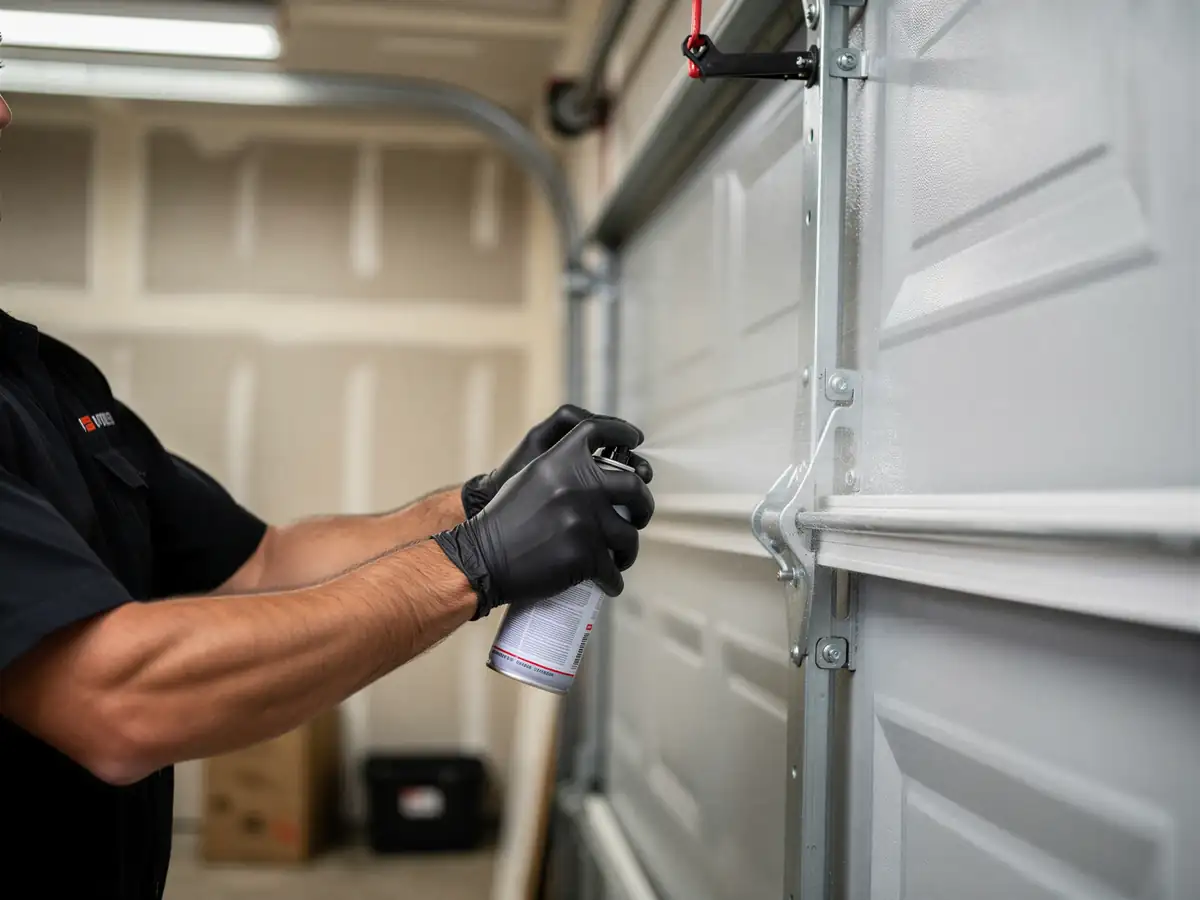
A standard maintenance visit - lubrication, hardware tightening, track and roller inspection, balance and safety reversal check - runs on the shorter side of a service call. Houses with original 1970s-era torsion hardware sometimes add time, since the technician is checking wear patterns on parts that have outlasted their expected service life rather than just confirming a newer system is still tight.
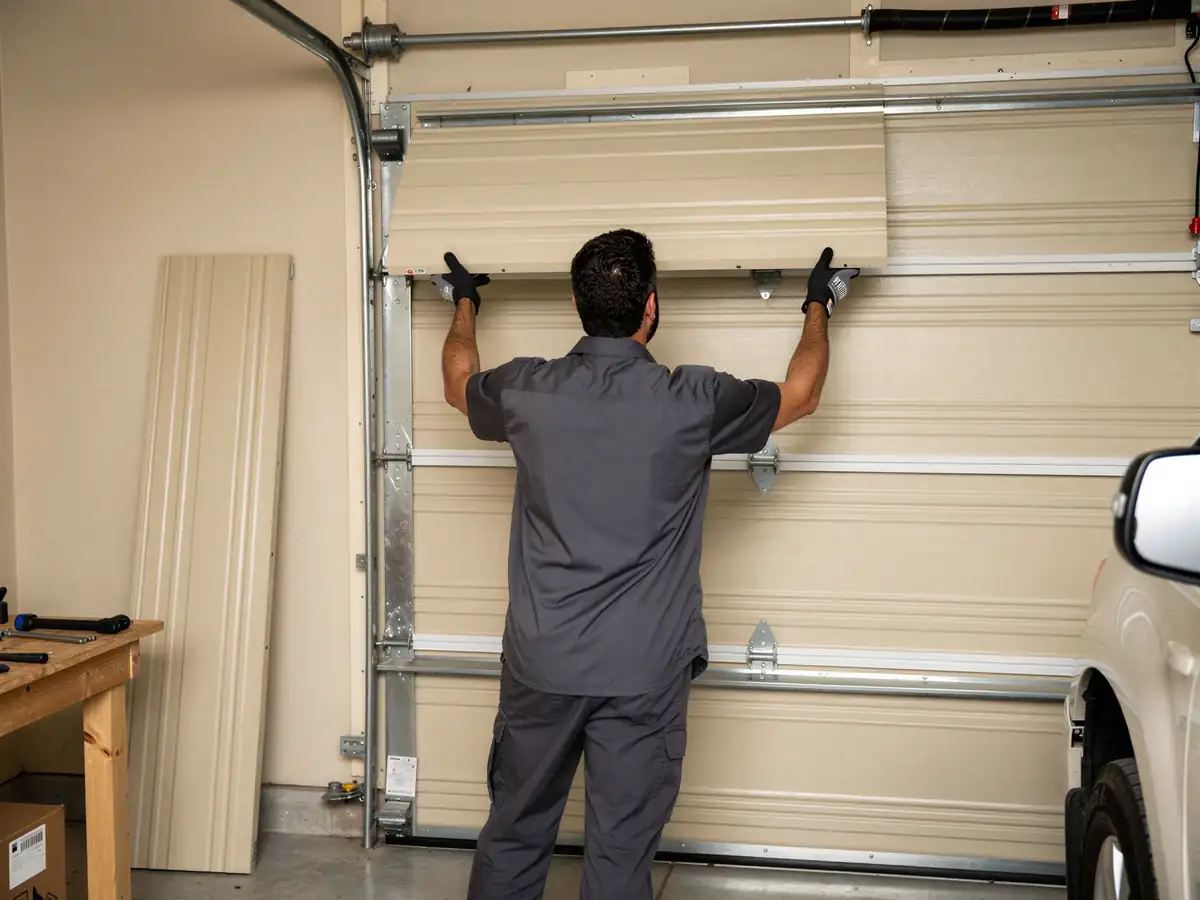
If the inspection turns up something that needs replacing on the spot - a roller, a hinge, a worn cable - that's usually handled during the same visit rather than scheduled separately, as long as the part's a common one we carry on the truck. A full spring replacement on older hardware is more often its own appointment.
What the Fix Involves
On a Gladewater house with hardware close to that 1974 median build year
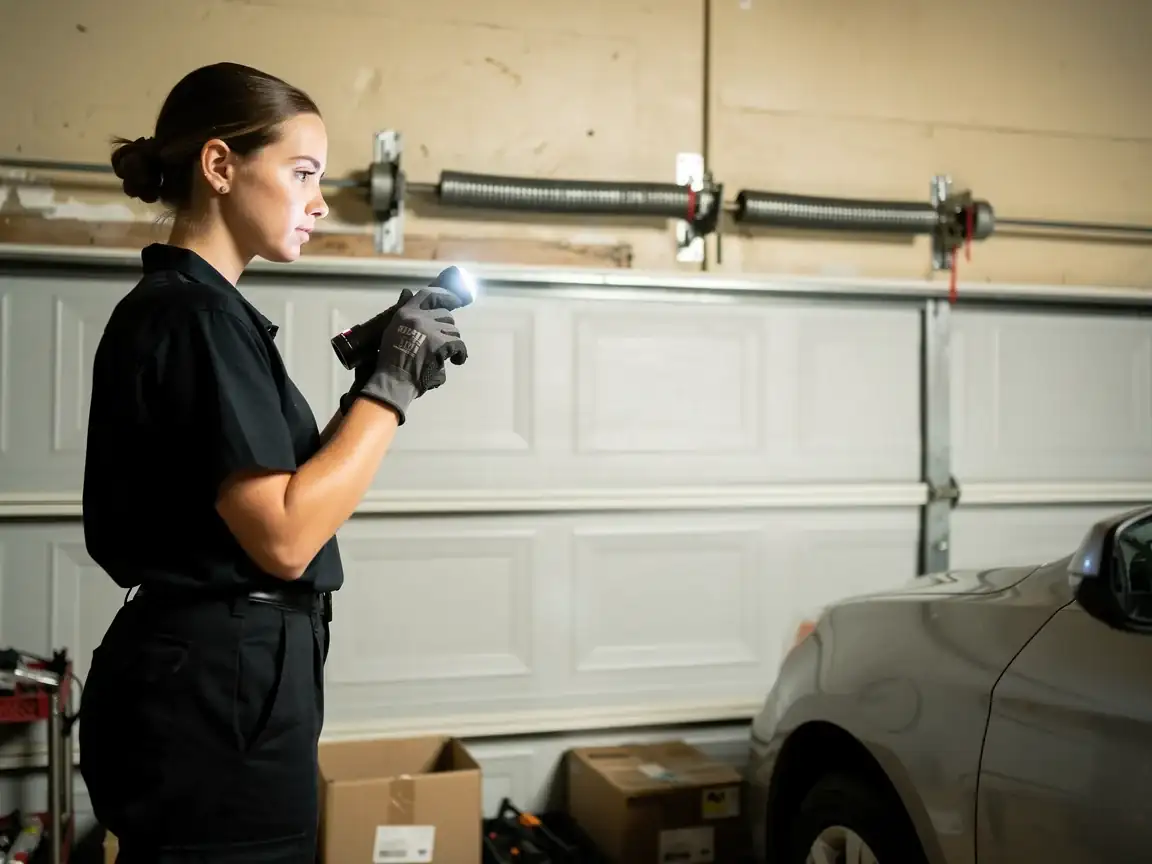
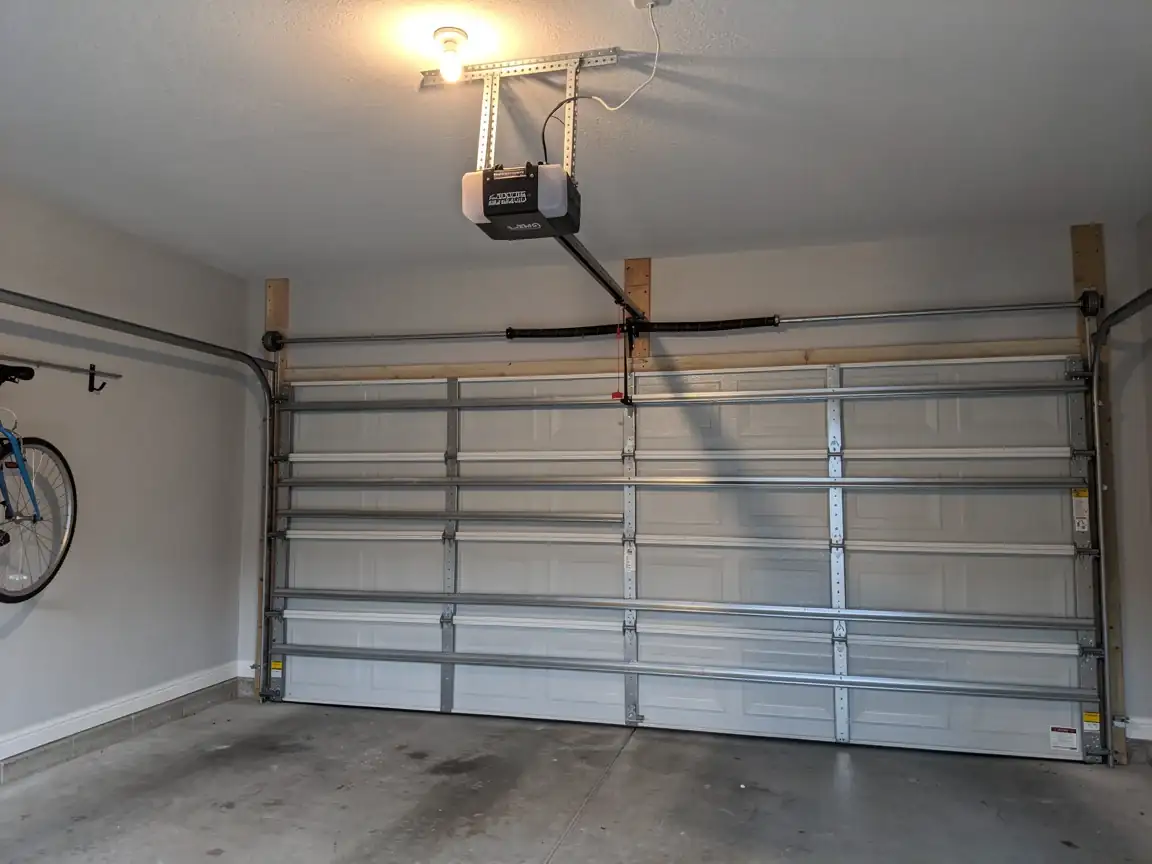
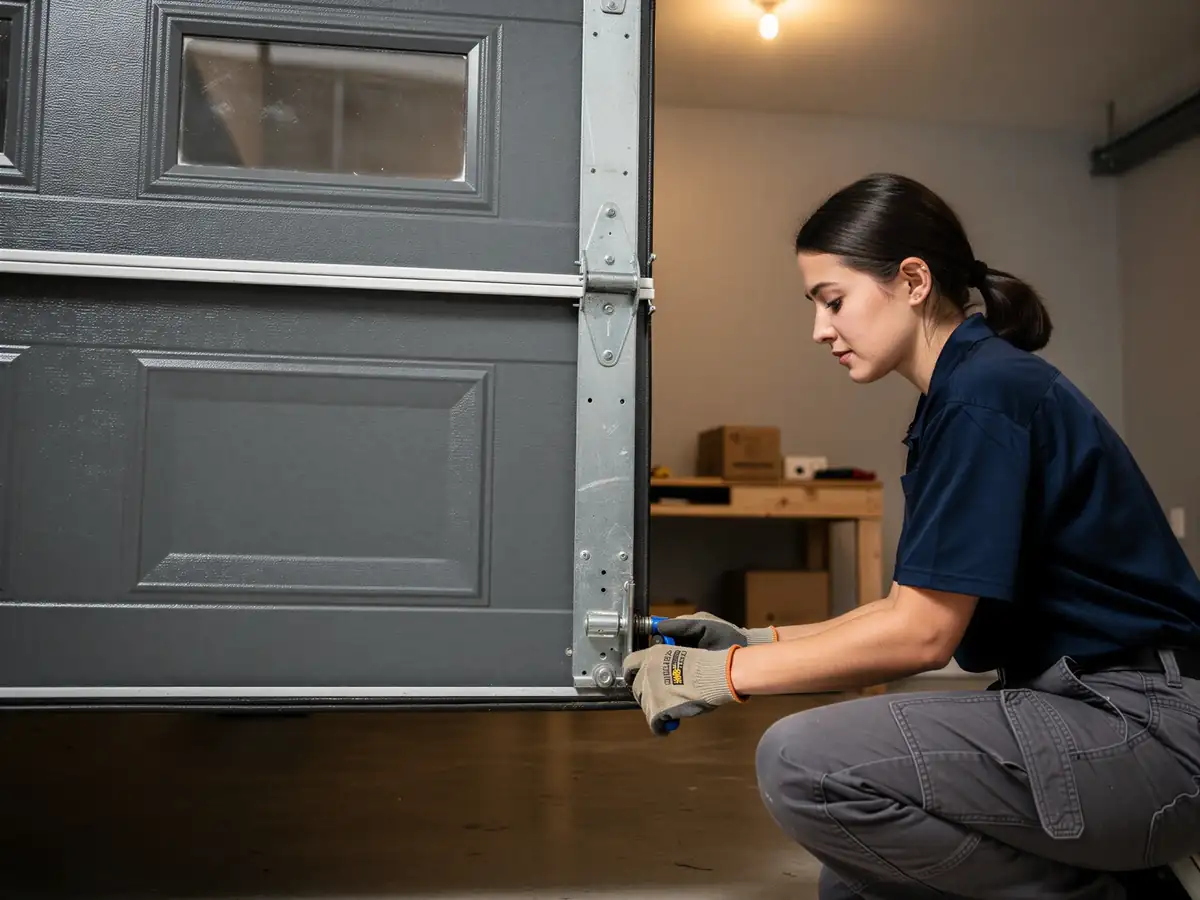
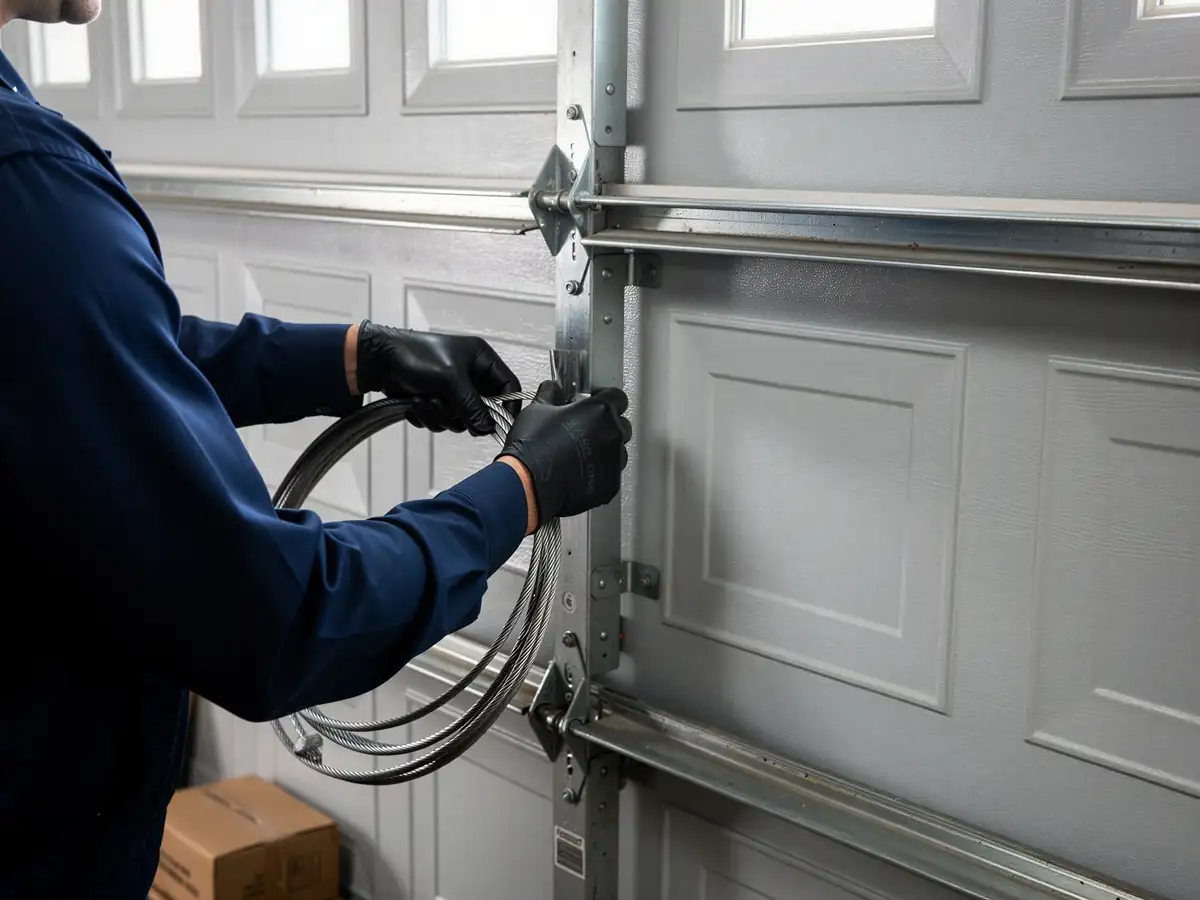
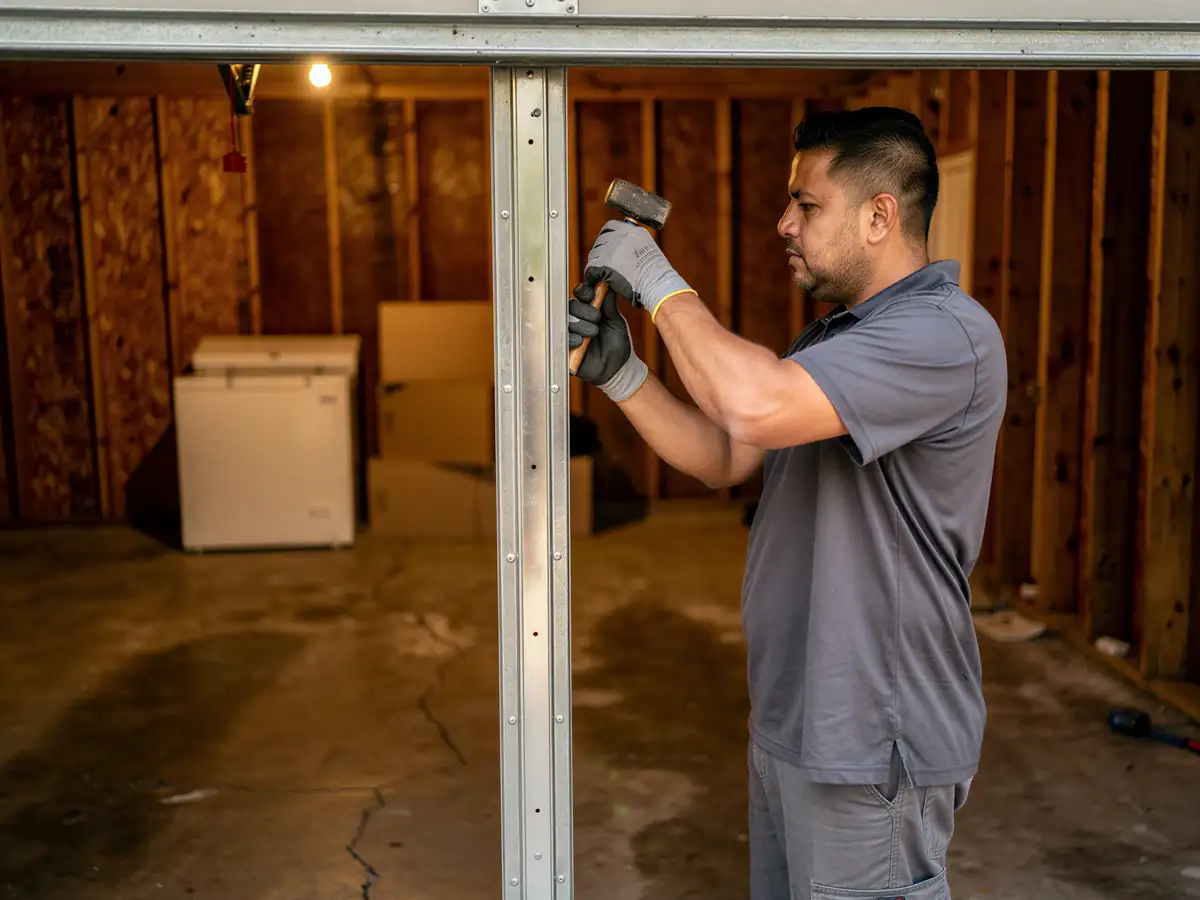
Maintenance usually starts with pulling the panel-mounted hinges and checking for the oval wear that means they've stretched past spec, then moving to the track - checking it's still plumb and not pulling away from the framing after decades of seasonal expansion. Given the moderate heat this area sees through summer, we're also checking that lubricant hasn't gummed or dried out faster than it should on older nylon rollers.
Spring tension gets checked last
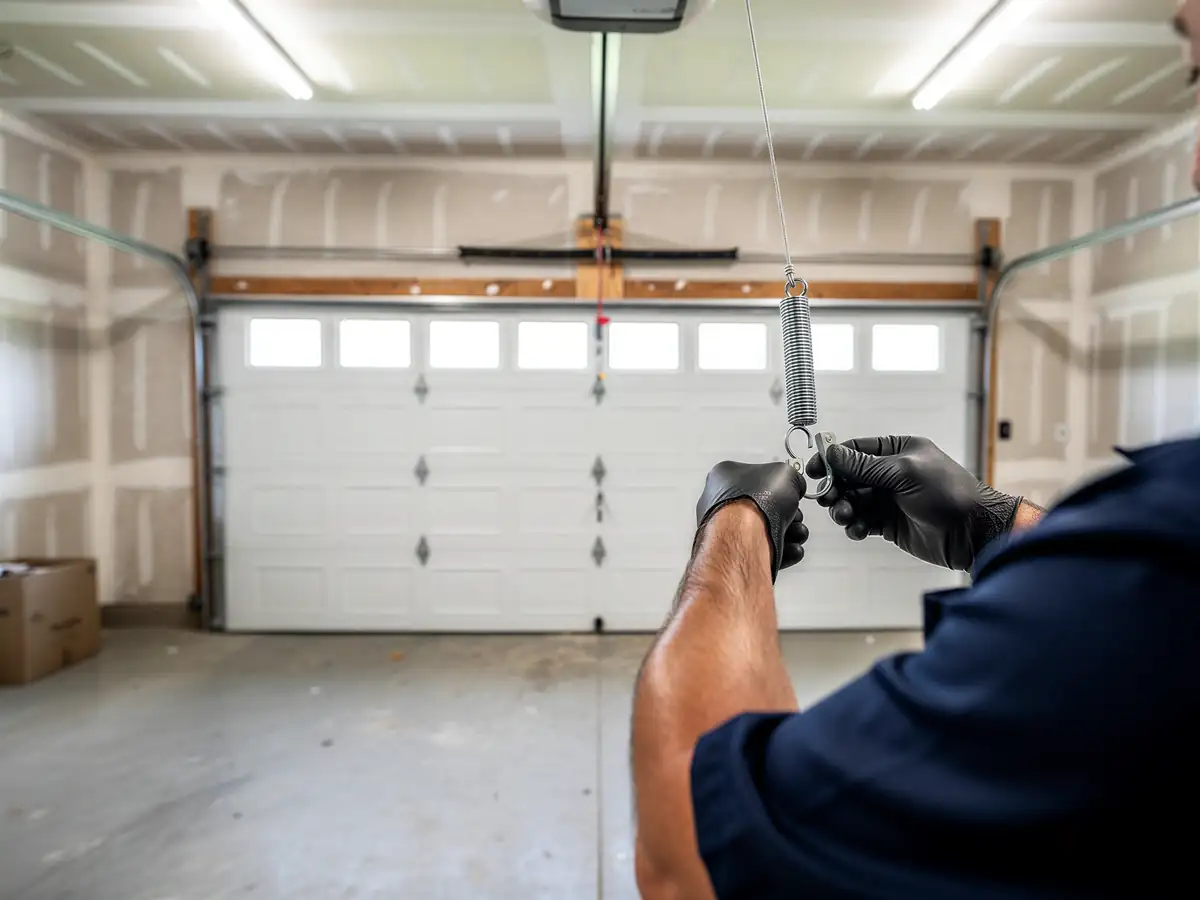
Balance test, visual check of the wire for rust pitting or flat spots, and a look at the end cones for cracking. If the spring's near the end of its life, we'll tell you the number of cycles left we'd estimate rather than just saying "it's fine" or "replace it." That's the honest middle ground on hardware this old.